


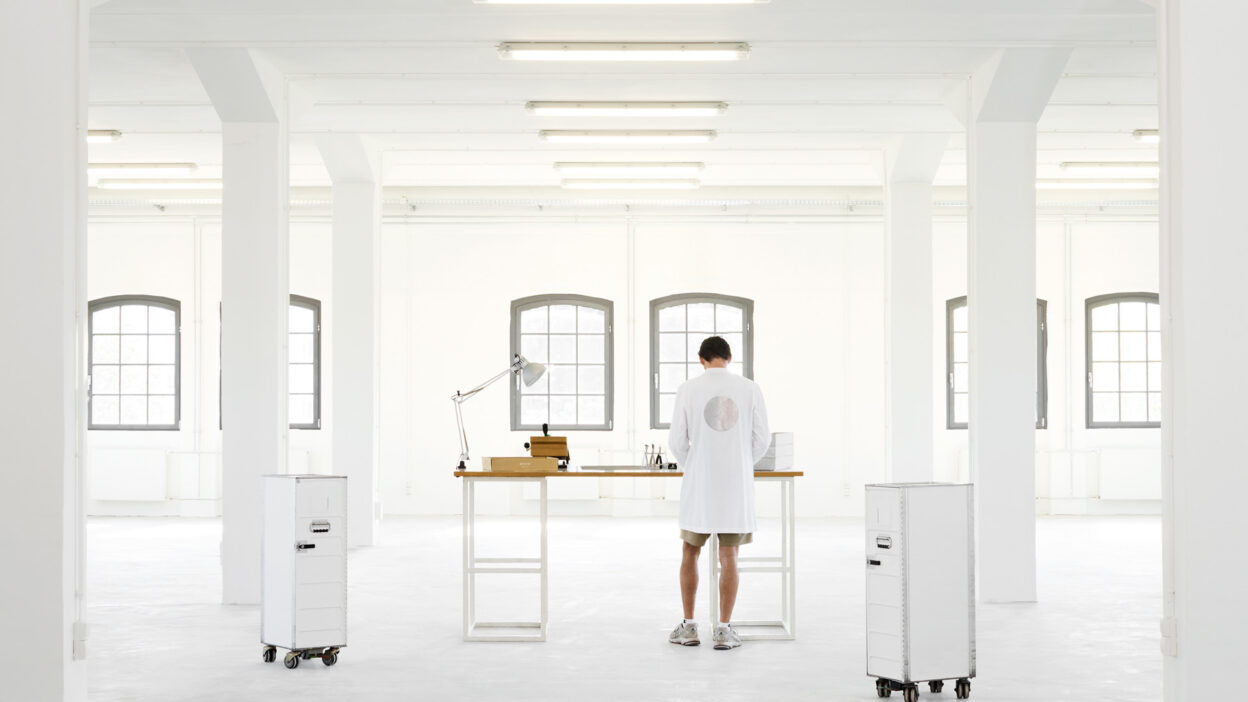
For more than two decades, MYKITA has challenged the conventions of eyewear through independent thinking, technological experimentation and uncompromising design. But as the industry becomes increasingly competitive and smart glasses promise to blur the boundaries between fashion, function and technology what will truly define the brands that endure?
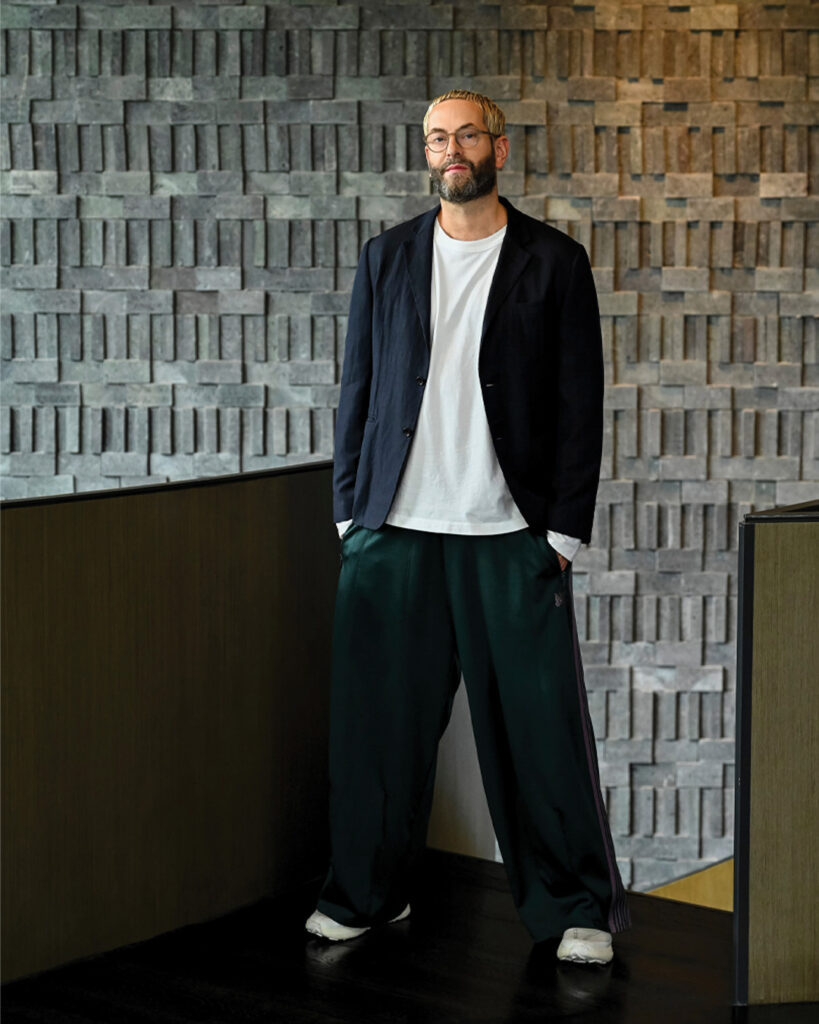
In this exclusive interview for Curated Optics, MYKITA founder Moritz Krueger speaks candidly about the industry’s evolution, the risks of growth, the meaning of independence following investment from LVMH, and why authentic luxury has more in common with a homegrown tomato than a gold-covered steak.
Industry Evolution
How has the eyewear industry fundamentally changed over the past 20 years and where do you think most players are still getting it wrong today?
The eyewear industry has matured enormously over the past twenty years. What was once largely seen as either a medical device or a fashion accessory has become a category in its own right – bringing together design, health, technology and personal identity. That has attracted greater attention and made the market far more competitive.
The conditions have changed too. Consolidation continues, consumers are more informed and globally connected, and economic pressures affect brands, manufacturers and independent opticians alike. This calls for genuine innovation – in the product itself as well as the experience around it.
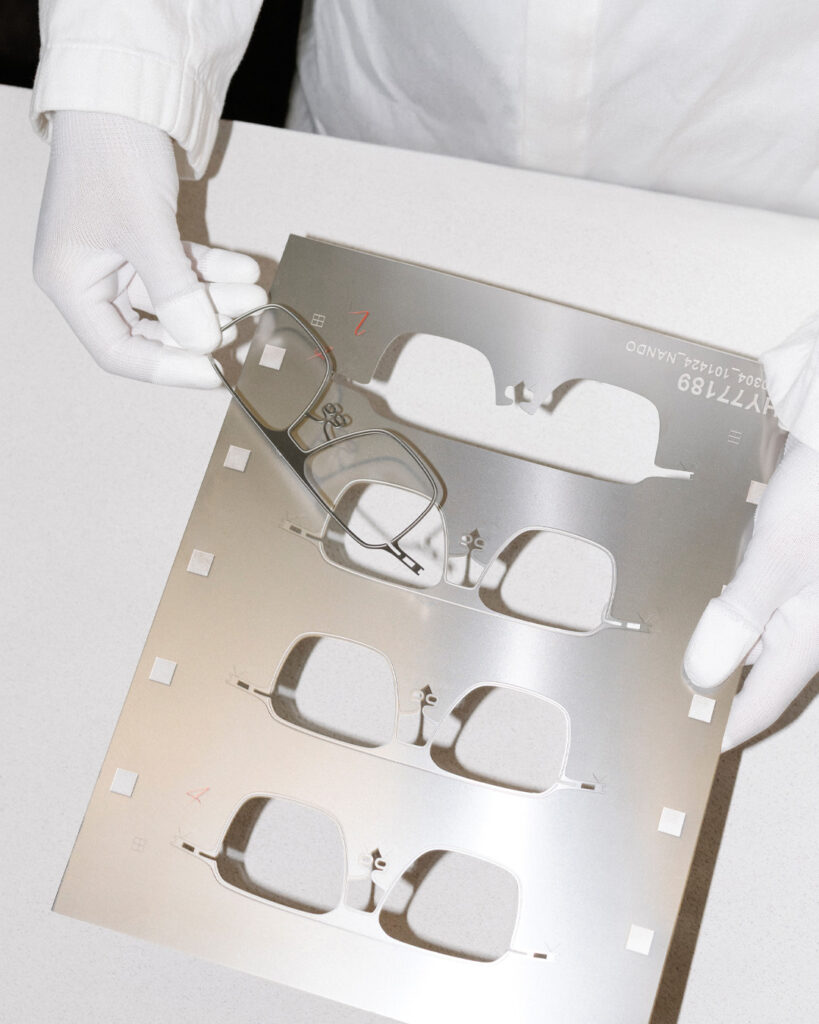
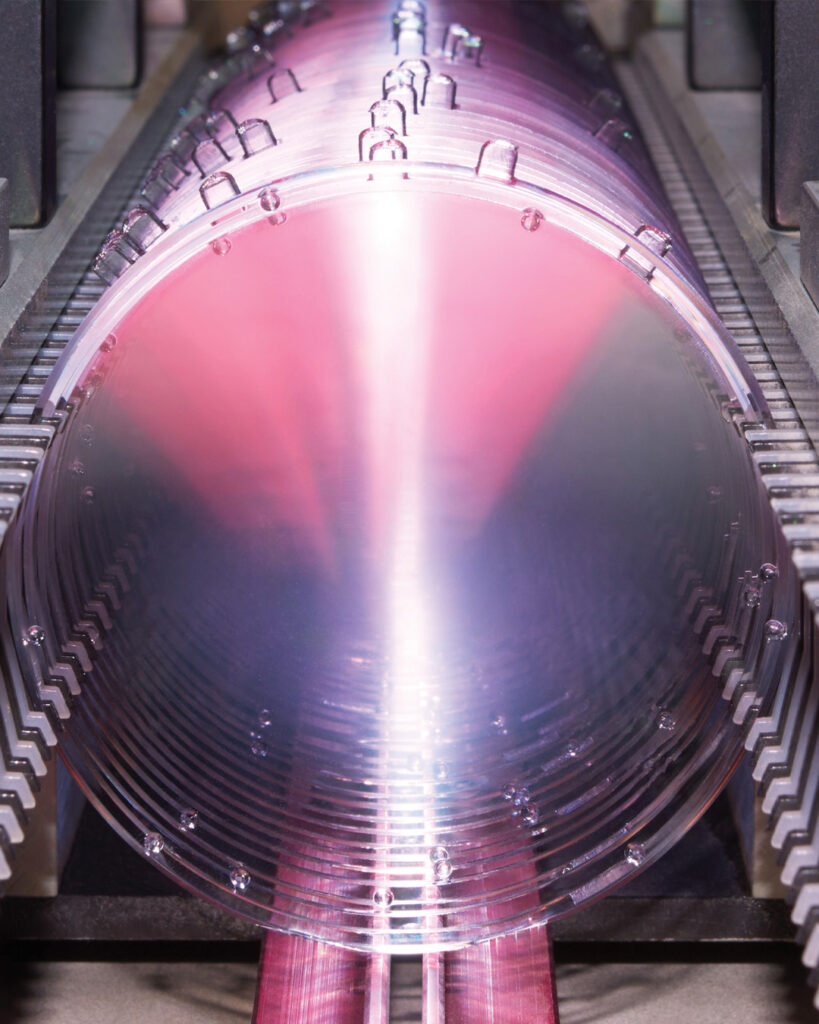
With that in mind, it’s curious how little the fundamentals of eyewear have changed in response. There is vastly more choice and enormous variety on the surface, but underneath, the way most eyewear is designed and made remains remarkably conventional. At MYKITA, we have spent more than twenty years developing our own materials, engineering and technologies – our own kitchen, so to speak – giving us a different foundation from which to keep advancing the product.
I think this becomes increasingly relevant as the category evolves. Eyewear has genuine everyday value: it affects how we see, how we feel and how we present ourselves. A product with that kind of relevance deserves better ingredients and more considered processes. And I think consumers appreciate the difference when real value is built into the product itself.
MYKITA’s Current Position
How would you describe MYKITA’s position today: a mature niche brand, a global challenger, or an innovation platform?
I don’t think in those categories so much, and I don’t really care. I can’t say we ever had the ambition to become a mass brand, but we also never wanted to remain a small cult label.
What interests me is building a company that stays curious. A platform for ideas, materials, manufacturing methods and interdisciplinary collaborations – something that leads to real innovation, a new aesthetic language, a different retail experience.
After more than twenty years there is maturity in the company now. MYKITA was built through experimentation, which involves a certain amount of risk, learning and refinement. Those experiences have accumulated into very deep technical and manufacturing expertise. We are a true specialist brand. We continue to pursue our global ambitions with confidence, now with greater precision.
Independence vs. Conglomerates
In an industry increasingly shaped by large groups, what does independence mean to you today? Taking into account the investment you received from LVMH.
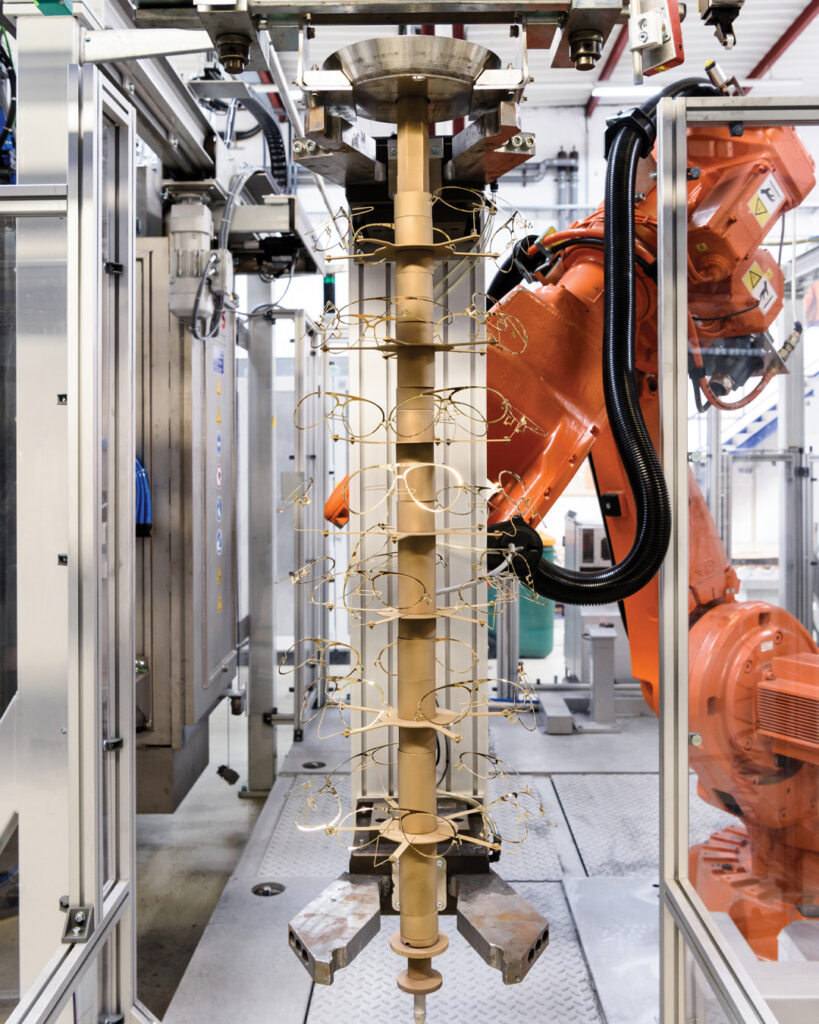
For us, independence starts with manufacturing and full vertical integration. We own the infrastructure, we built it ourselves, and that allows us to develop products on our own terms. We don’t simply define a product through specifications and hand it over to someone else to produce. The dialogue between design, engineering and manufacturing happens here every day under one roof. That gives the product a different kind of integrity.
Just as importantly, it creates a culture of ownership. People see their ideas become reality, and customers receive a product shaped by our hands. Over time, that’s how a company develops a soul and an identity.
That’s true independence to me – less about romantic isolation and more about protecting your way of thinking and your standards while being realistic about the scale and complexity of the world around you.
Our ambition has always been to stay on our own path. I believe that commercial success equals creative independence. When people embrace what you do, they give you the freedom to keep doing it. That’s been our experience from the beginning. It has allowed us to become a globally recognised design house devoted entirely to the eyewear category without compromising the principles that got us here.
Growth vs. Identity
Is there a point where growth starts to become a risk to a brand’s identity? Have you ever felt that tension at MYKITA?
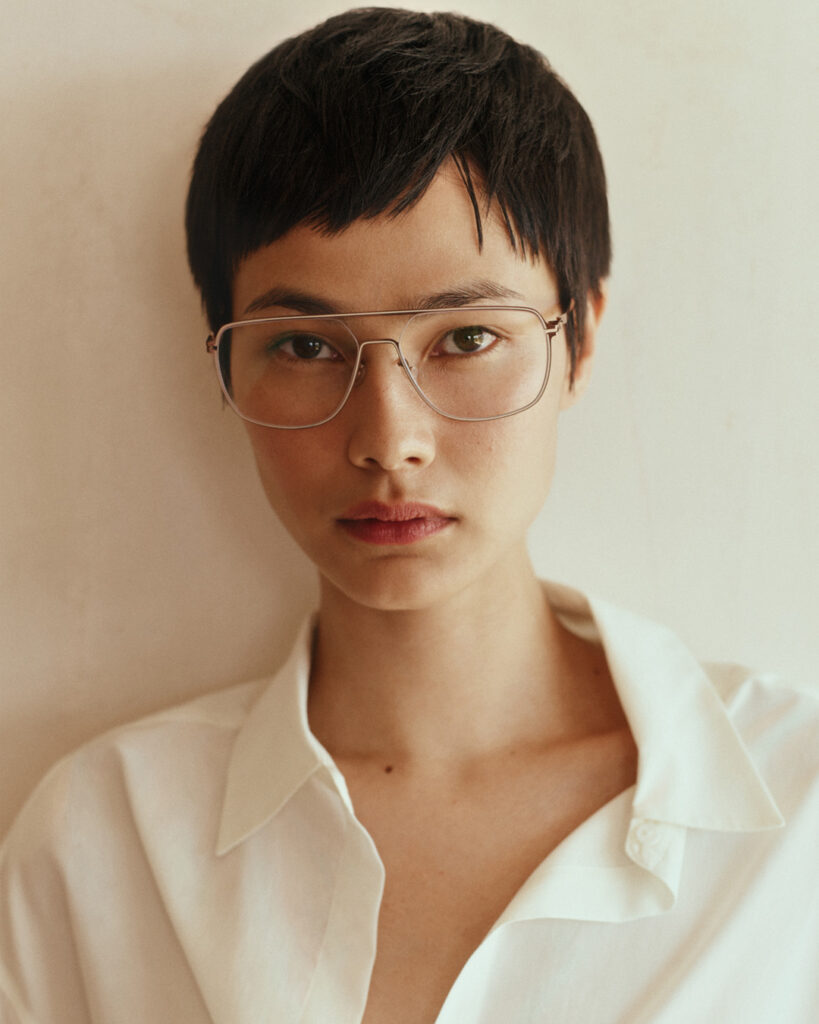
Identity is not about freezing a moment in time. It’s about keeping the original mindset alive while evolving. What defines a brand is the consistency of its philosophy and its creative output over time.
Growth does create pressure. You become more visible, expectations increase, systems become more complex. One temptation is to repeat yourself because repetition is efficient. Another is to chase opportunities that don’t align with who you are. We resist both by staying true to our MYKITA spirit of curiosity and experimentation. When we believe in an idea, we trust our instincts and pursue it – even when that means taking a risk.
When you’re still questioning and learning, your identity evolves naturally without losing its core. Preserving your identity is about consistency over opportunity – staying true to your principles even when it’s tempting to compromise. I don’t see growth and identity as opposing forces. In fact, a strong identity is one of the greatest drivers of sustainable growth, which is the kind of growth we believe in.
Vertical Integration & Craftsmanship
You’ve kept design, R&D, and production under one roof is that your biggest competitive advantage, or does it limit scalability?
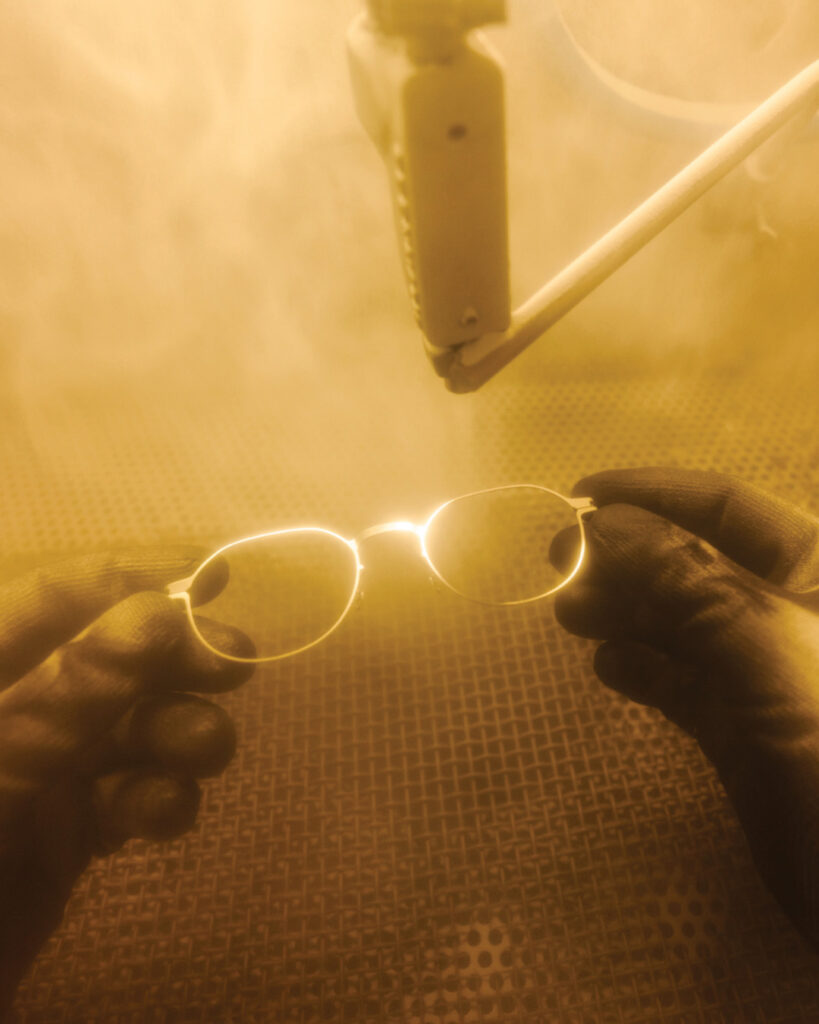
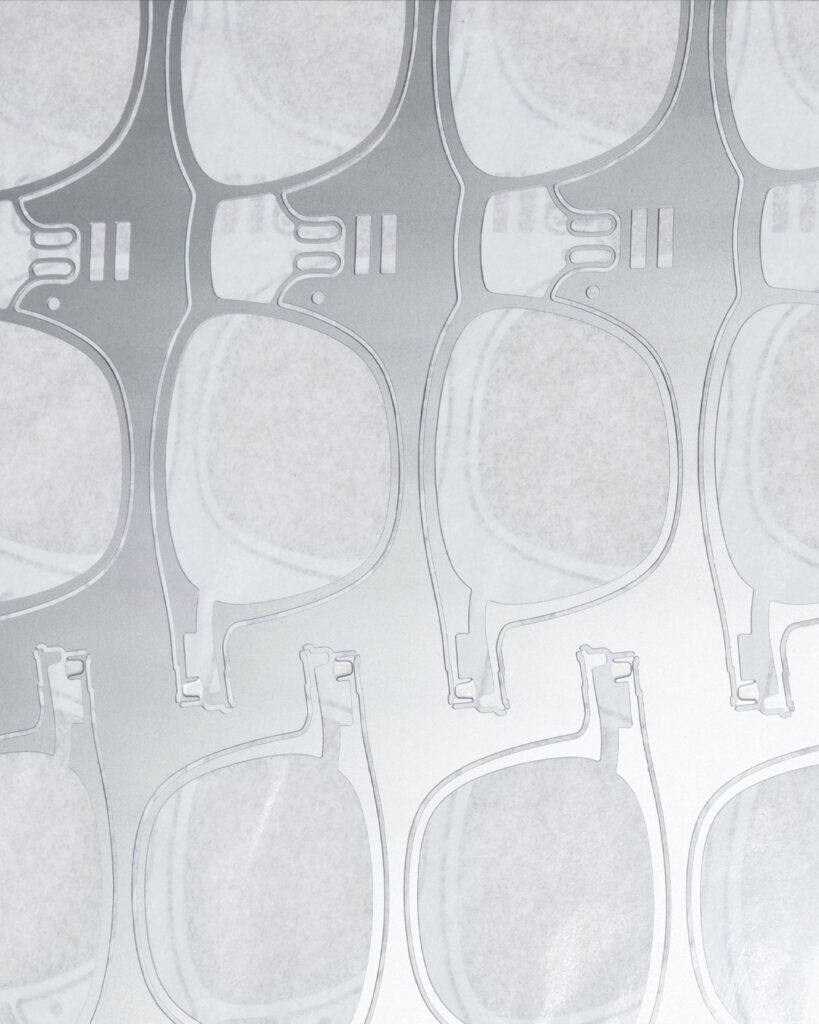
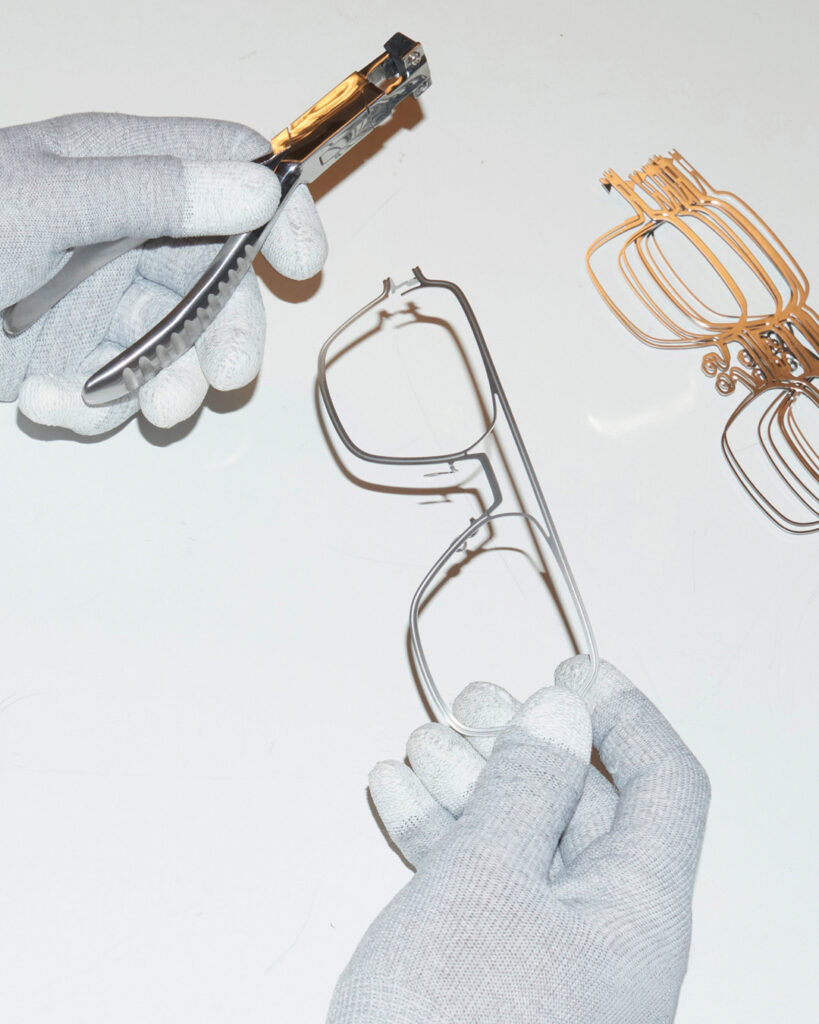
The move to our new MYKITA HAUS was an important milestone. It’s the culmination of more than twenty years of refining our interdisciplinary Modern Manufactory approach into a purpose-built environment. Design, engineering and production, supported by a close network of highly specialised suppliers. Together, they form an ecosystem that concentrates exceptional manufacturing intelligence around the product, and that’s certainly one of our greatest competitive advantages.
People often misunderstand craftsmanship as something nostalgic. For us, it’s an essential part of an industrial process. Advanced technologies and skilled handwork constantly inform each other. That exchange supports innovation, which in turn supports the preservation of craftsmanship.
I don’t see this model as limiting scalability at all. We built it to grow. Developing people is what takes time. Expertise is our most valuable resource and passing it on is how we scale without compromising the quality or integrity of the product.

Direct Retail vs. Opticians
How do you see the balance between direct retail and independent opticians evolving – and who ultimately owns the relationship with the end customer?
Independent opticians remain incredibly important because eyewear is still a very personal product. Fit, adjustment, lenses and long-term service require expertise and trust. Our own retail network also serves a different purpose. It allows us to present MYKITA in its entirety, demonstrates the strength of a comprehensive MYKITA offering in the world’s most competitive markets, and gives us direct insight into how people engage with our products. Those learnings flow straight back into product development and ultimately benefit our partners as well.
I don’t think the customer relationship belongs exclusively to one side – we’re building it together. We bring a high-quality product and our brand values. Independent opticians bring optical expertise, personal consultation and long-term care. Customers expect both, and neither works as well without the other.
The future lies in strong independent brands working with strong independent opticians. Each should have a clear identity and a high level of competence in their own field. That’s also why thoughtful curation matters so much. A carefully considered portfolio of authentic brands creates more value than trying to be everything to everyone. It’s that concept of ‘consistency over opportunity’ again. When both sides stay true to what they do best, it’s an incredibly powerful alliance.
Smart Glasses & Tech Players
Do you see smart glasses as the future of eyewear, or as a parallel category? And what could tech players learn from brands like MYKITA?
I see smart glasses as a parallel category for now, although that may change over time. AI has shifted the conversation because it gives wearable technology a much clearer purpose. It’s moving beyond being a gadget towards something that people may genuinely find useful.
At the same time, eyewear sits directly on the face. People wear glasses almost as an extension of their personality, so comfort, balance and aesthetics matter enormously. Most of what we’ve seen so far still feels like you’re wearing electronics. Until the technology disappears into the design, I think there will always be a compromise.
That’s probably what technology companies can learn from eyewear brands. Good eyewear doesn’t constantly demand your attention. It feels natural, intuitive, and almost disappears in use. If wearable technology reaches that point, the real question becomes a personal one: does it genuinely improve your life, or does it simply add another layer of information?
The meaning of luxury today
In eyewear today, what truly defines luxury: branding, distribution, or the product itself?
For me, luxury is something personal. It’s not about signaling status or belonging to a particular group. It’s something you experience yourself. It doesn’t have to announce itself.
In eyewear, that experience begins with the product. An object that is intelligently designed and exceptionally well made feels right in every interaction – from its balance and tactility to the precision of its fit and the ease with which it incorporates and adds value to your everyday life.
Branding and distribution shape perception; they can signal luxury, but they can’t create it. Today’s consumers are more informed. They want to understand where something comes from, how it was made and why it deserves its status. I think we’re moving towards a more honest understanding of luxury, where the ingredients, the process and the quality of experience matter more than traditional status symbols. In the end, the product must justify the promise.
If we stay with the kitchen analogy: it’s the difference between an anonymous steak covered in gold leaf and a homegrown tomato with exceptional olive oil – spectacle versus appreciation.
Conclusion
Moritz Krueger’s vision suggests that the future of eyewear will not be decided by scale, status symbols or technology alone. It will belong to the companies capable of combining innovation with human expertise, protecting their identity while continuing to evolve.
For MYKITA, independence is not isolation, craftsmanship is not nostalgia, and luxury is not spectacle. Each is rooted in the same uncompromising idea: the product must justify the promise. In an industry surrounded by more choice, more noise and more technology than ever before, that may be the clearest vision of all.

 English
  French
  Italian
  Spanish
  Portuguese
  German
  Korean
  Japanese