

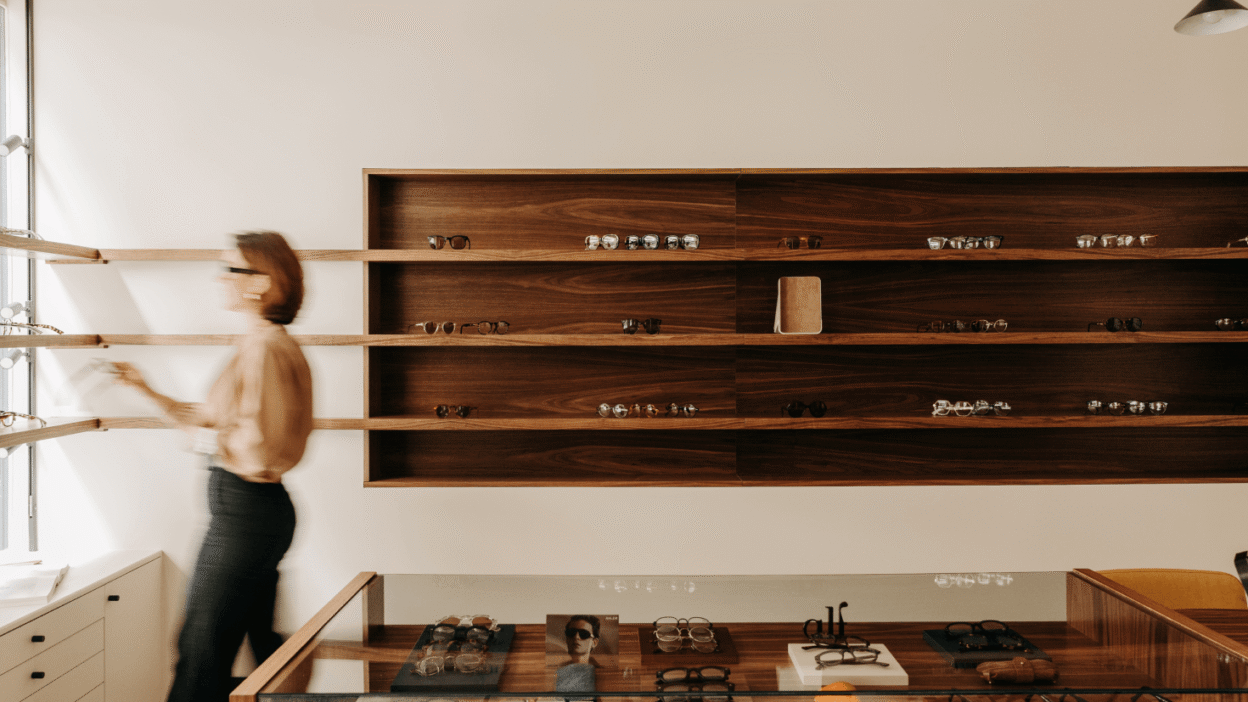
There is enormous tension in the eyewear market.
Customers are buying more selectively. Independent stores are carrying increasingly similar portfolios. Large groups are expanding their control over distribution, while brands such as AHLEM, MOSCOT, Jacques Marie Mage and Cutler and Gross operate their own retail locations alongside their wholesale networks. What alarms independent opticians most is that these brand-owned stores carry the exact same products the brands previously sold to them.
There is nothing inherently wrong with a brand opening stores or selling directly to consumers. It is a legitimate business strategy. But independent opticians must understand what this change means: a company can be their supplier in the morning and their competitor in the afternoon.
Amid all this tension, investment groups are acquiring one independent store after another across the Benelux, Scandinavia and the UK, following a model already seen in the US and Canada. In many cases, the acquired stores retain their original names, leaving consumers unaware that the ownership has changed.
The old relationship between brand, agent and retailer is breaking down. The independent store is often left carrying the inventory, paying the rent, educating the customer and building local awareness, without receiving meaningful protection in return.
The solution is not another marketing campaign. The solution is exclusivity.
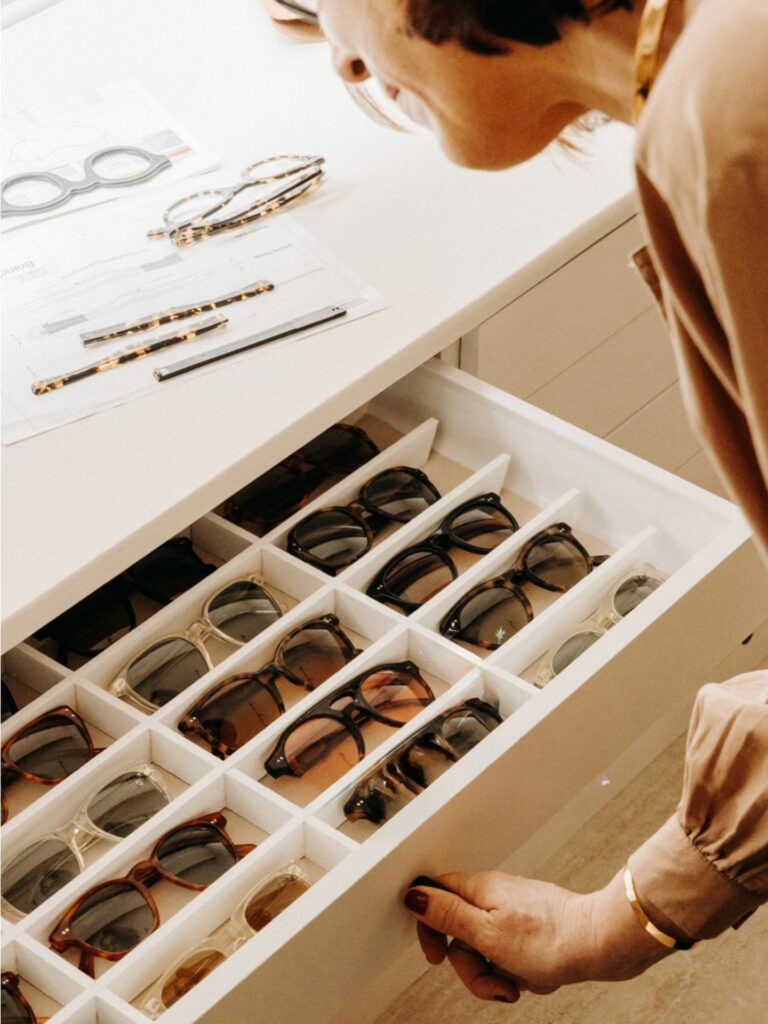
The Moment Curators Became Stockists
The decline started when too many stores began carrying the same brands.
The same frames appeared in every window, on every retailer’s Instagram account and across dozens of online stores. What was once considered a carefully curated selection became a list of logos that customers could find almost anywhere.
The store stopped being a destination.
It became a stockist.
This happened because retailers relied on the same agents, who sold to nearly every store in a city, or even across an entire country. As a result, stores copied one another instead of looking beyond the limited selection presented by the agent.
If the product can be found everywhere, the store has no commercial defence. Beautiful interiors, knowledgeable employees and excellent service still matter, but they cannot fully protect a business selling an identical product at an identical price to competitors only a few streets away.
True curation begins where easy availability at a lower price ends.
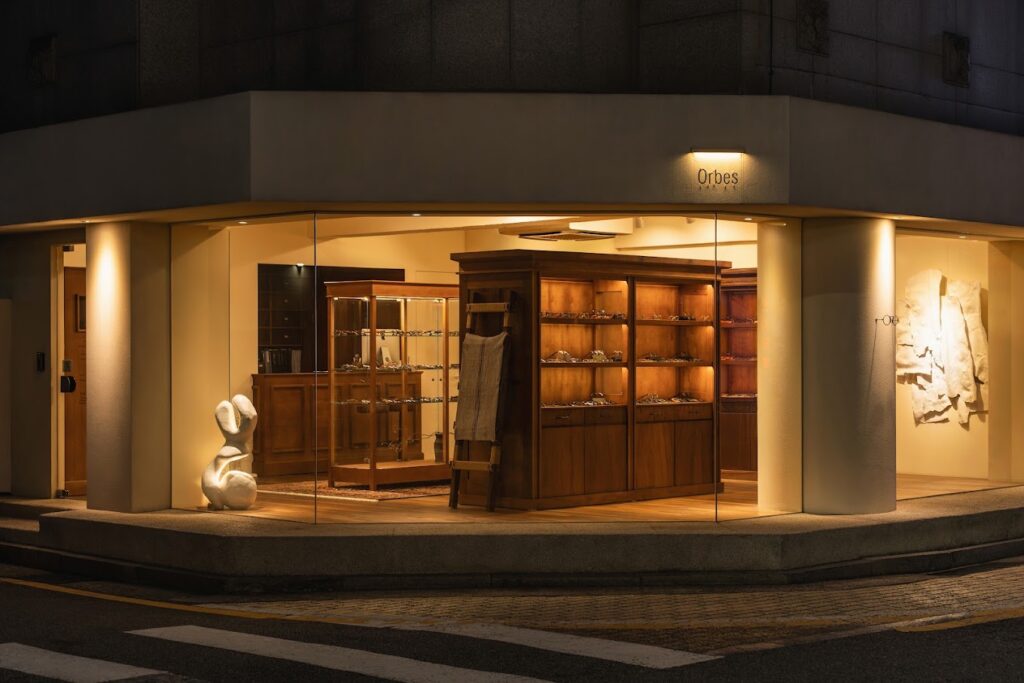
No Exclusivity, No Long-Term Investment
To remain competitive, independent stores should begin requesting meaningful territorial exclusivity.
In a small or medium-sized city, that can mean exclusivity across the entire city. In major markets such as Paris, New York or Seoul, it may mean exclusivity within a district, borough, neighbourhood or clearly defined commercial radius.
A protected territory creates responsibility on both sides. The retailer must perform. The brand must protect the retailer’s investment.
Brands need to understand that, instead of selling 25 frames to four different retailers in the same city, it is often better to sell 100 frames through one committed partner and build a strong, stable relationship. Opticians should demand the same level of commitment from the brands they represent.
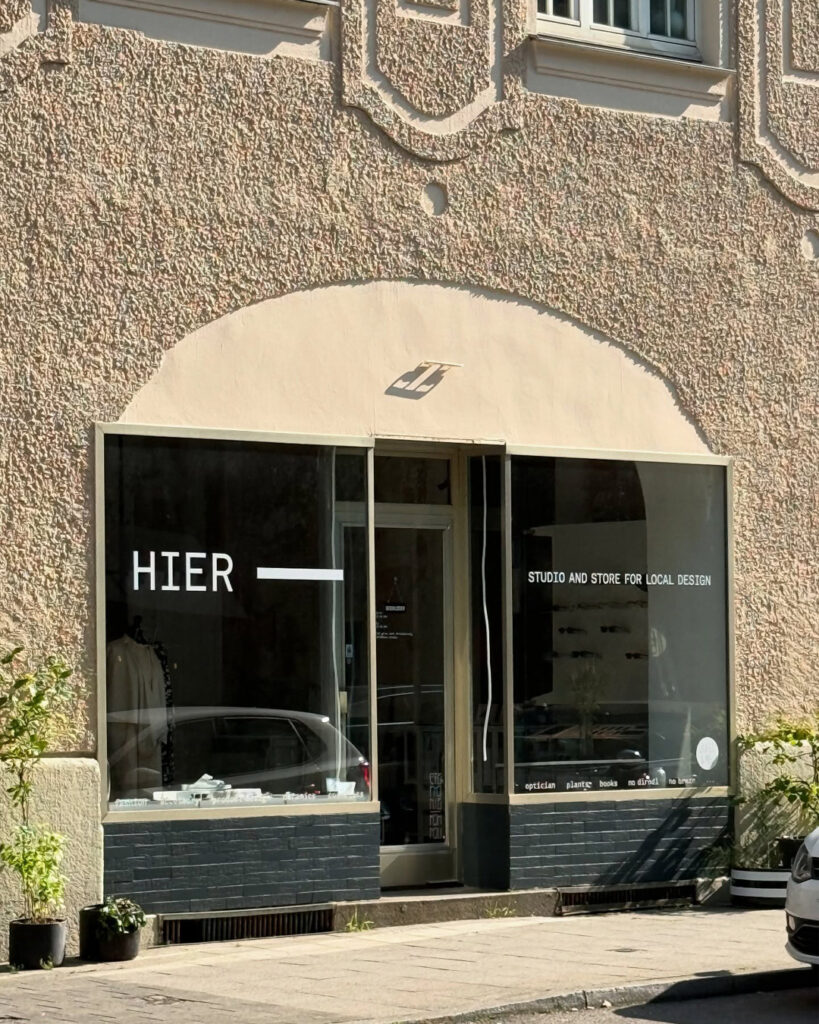
There Are More Brands Than Shelf Space
Independent stores often behave as if losing a famous brand would leave an impossible hole in their portfolio.
It will not.
There are enough independent designers and manufacturers waiting for the opportunity to build serious retail relationships. Many of them have strong products but limited access to stores because a small number of heavily distributed brands occupy too much shelf space.
This is the opportunity.
A store does not become important by carrying every brand that is already important. The art of curation is discovering what becomes important next.
Reducing exposure to oversaturated brands creates space for designers who are willing to offer better territories, closer cooperation and a genuine reason for customers to visit the store.
The objective is not to fill shelves. The objective is to own a point of view.
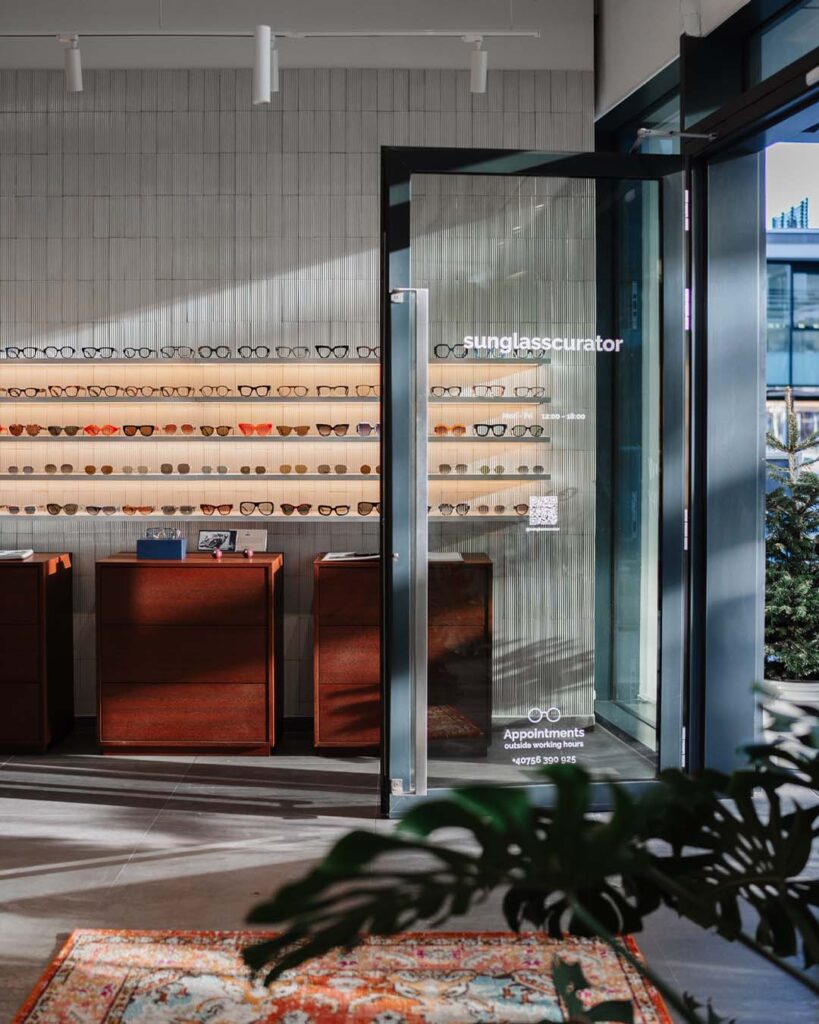
The Sales Agent Must Justify the Commission
The traditional sales agent made perfect sense 15 or 20 years ago.
Discovering an international brand was difficult. Retailers needed access to samples, market information, product knowledge and logistics. The agent connected the brand with the store.
Today, the DNA of a brand can be discovered in minutes. Its collections, founders, factories, campaigns, stockists and customer response are all visible online.
If customers can discover and buy eyewear directly with a few clicks, why should a professional optician be unable to discover and approach a brand directly?
The independent store should consider building the relationship directly with the brand.
Direct Relationships Change the Balance of Power
A direct relationship can give the retailer access to faster replenishment, better communication, marketing support, special editions and improved commercial terms.
It also allows both sides to understand what is actually happening in the territory.
The brand learns which products sell, which customers respond and what the local market needs. The store receives a direct answer instead of having every question filtered through an intermediary carrying multiple collections.
Free frames, free shipping, returns and marketing budgets are not automatic benefits of buying directly. They are commercial terms that must be negotiated, but they are often much easier to secure through a direct relationship with the brand.
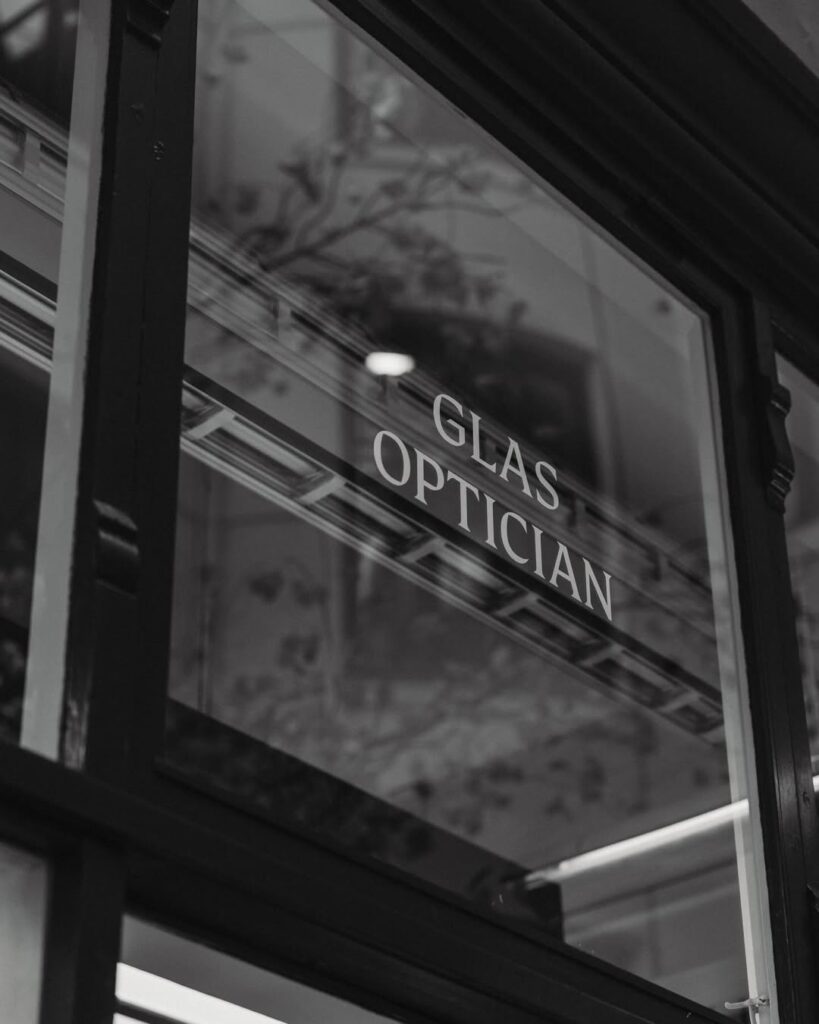
Successful examples already exist. GLAS Optician in Denmark has begun building its business in this direction, securing Copenhagen exclusivity for brands including Akoni, Sato and Yuichi Toyama and working directly with them, without a sales agent in the middle.
Entering this model requires serious negotiation with each brand and the presentation of a clear new vision: in today’s retail market, a store can no longer survive by competing on price with the shop next door, or with online retailers.

What Every Independent Store Should Demand
Before placing another major order, the retailer should ask the brand to define:
- the protected territory;
- the number of authorised retailers permitted within that territory;
- the duration of the exclusivity;
- the annual performance targets;
- the brand’s online pricing and discount policy;
- access to limited editions or exclusive colours;
- delivery and replenishment times;
- warranty support;
- marketing contributions;
- advance notice of a brand-owned store;
- the conditions under which either party can end the relationship.
The goal is not to eliminate competition.
The goal is to create enough commercial protection to justify investment.
Destination or Showroom?
Independent eyewear stores will not survive by becoming smaller versions of large chains or unpaid extensions of brand-owned retail.
They will survive by becoming impossible to replace.
That means fewer interchangeable collections, stronger direct relationships and clearly defined territories. It means refusing inventory without a commercial strategy and refusing to develop a brand that offers no protection in return.
The store pays the rent. The store employs the opticians. The store carries the inventory. The store introduces the product and earns the customer’s trust.
It should not accept all the risk while everybody else controls the relationship.
The question is brutally simple:
Are you building a destination or are you financing a showroom for products available everywhere?
For many independent stores, the answer will decide whether they still exist five years from now.
Editorial note: References to individual companies are based on publicly available information and do not allege unlawful or improper conduct.


 English
  French
  Italian
  Spanish
  Portuguese
  German
  Korean
  Japanese