


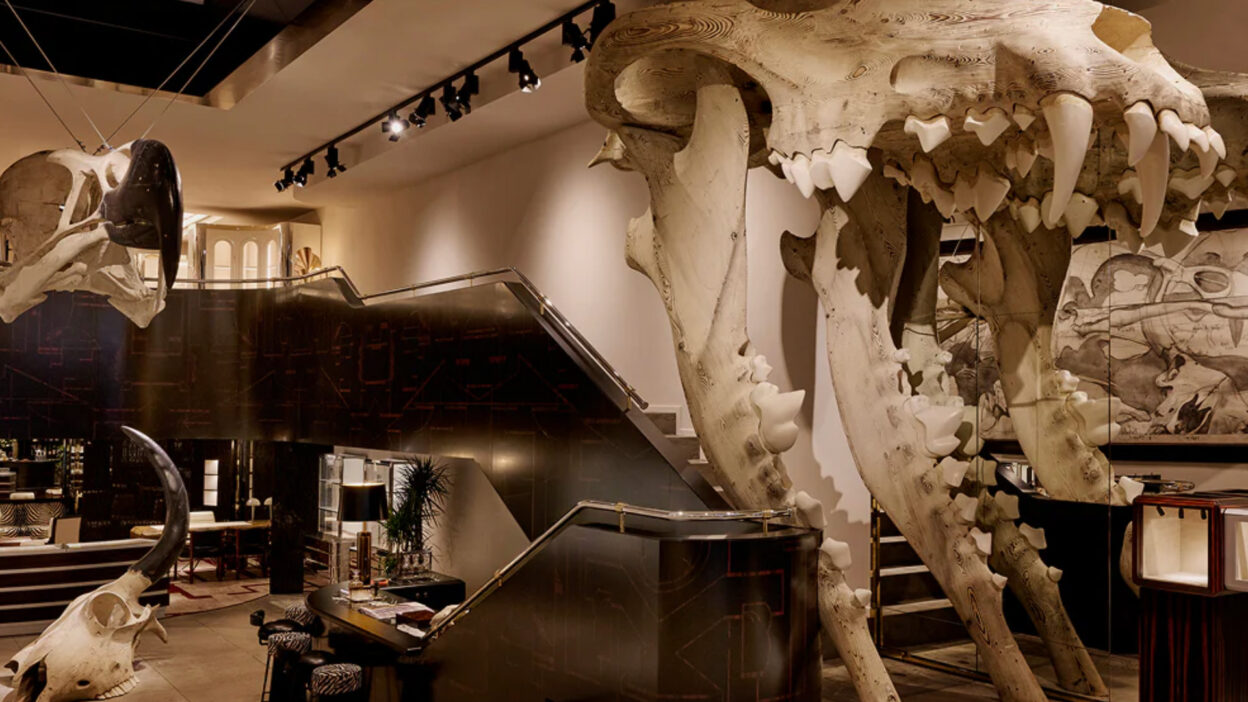
Few brands have reshaped the luxury eyewear landscape as profoundly as Jacques Marie Mage. Over the past decade, the company did more than create desirable frames; it fundamentally re-educated the market on what true luxury eyewear could represent.
Through exceptional craftsmanship, limited production runs and uncompromising storytelling, Jacques Marie Mage established a new benchmark for value, effectively redefining what a premium eyewear frame should cost and what consumers are willing to pay for rarity and excellence.
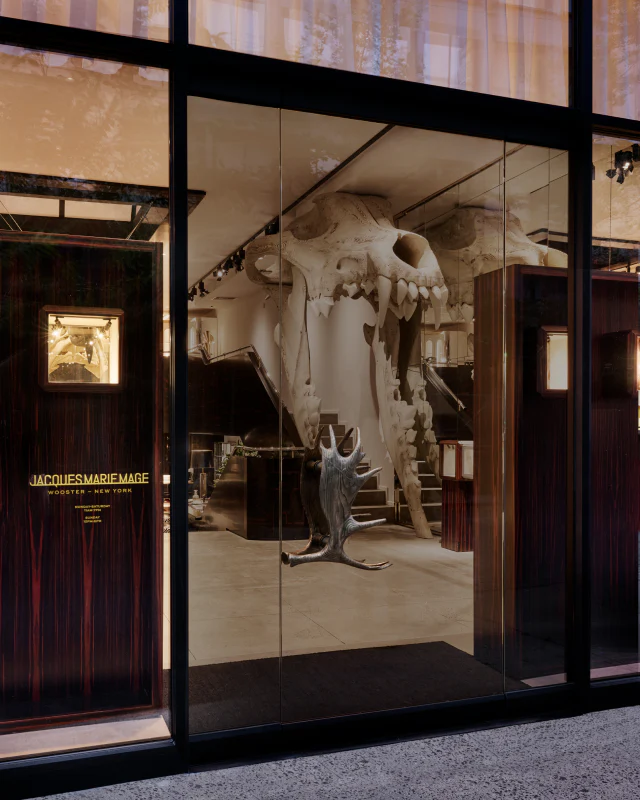
Today, however, the industry is witnessing the next phase of that evolution. Jacques Marie Mage has increasingly focused its attention on its own retail stores, where it can create a unique and fully immersive brand experience.
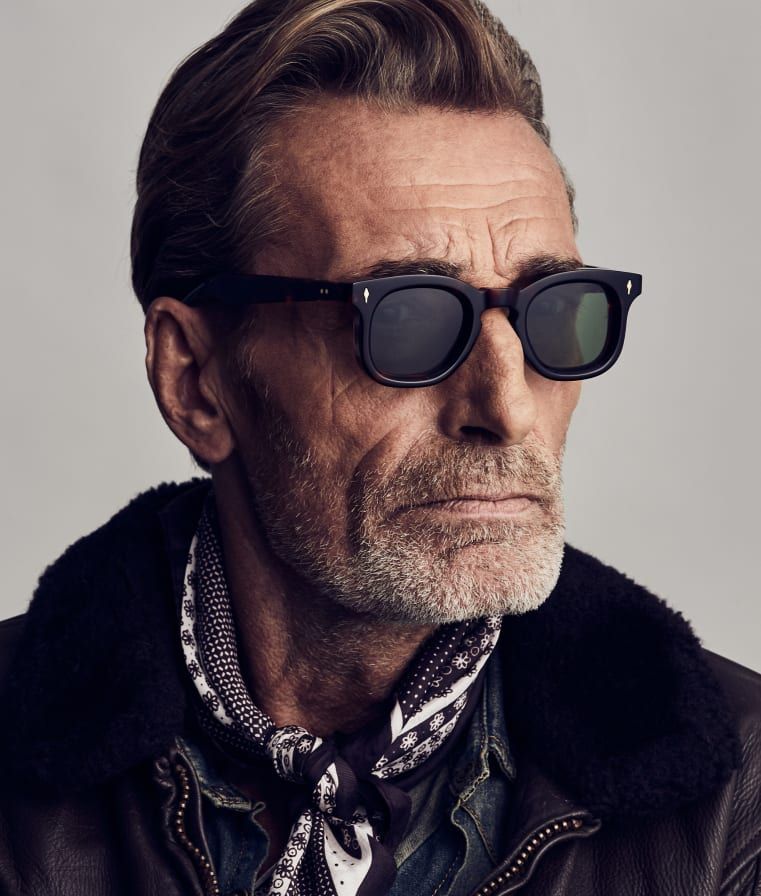
Across international markets, conversations are increasingly focused on the tightening of distribution. Agent relationships are being reduced, wholesale networks are becoming more selective, and the brand appears increasingly committed to preserving the exclusivity and cultural capital that made it successful in the first place. By limiting access and protecting scarcity, Jacques Marie Mage continues to reinforce the sacred nature of the limited-edition model.
Yet every shift in distribution creates new market dynamics.
As availability becomes more restricted, a new category of eyewear brands has begun emerging to fill the perceived gap, often launched and distributed by former JMM agents. In most cases, these are little more than poor imitations, lacking any authentic DNA of their own. Many arrive with minimal digital presence, little visual identity and no clearly defined brand universe. In some cases, these labels are being artificially positioned through industry relationships rather than genuine consumer demand, creating an illusion of exclusivity without the foundations that make luxury brands endure.
For independent optical retailers, this is both a challenge and an extraordinary opportunity.
The space being created by a more selective Jacques Marie Mage should not be filled simply by the next name offered by an agent. Instead, retailers should use this moment to identify the next generation of designers and independent brands with authentic creative vision. The future belongs to brands that possess a unique DNA, a distinctive point of view and a direct partnership approach that allows retailers to build genuine exclusivity within their markets.
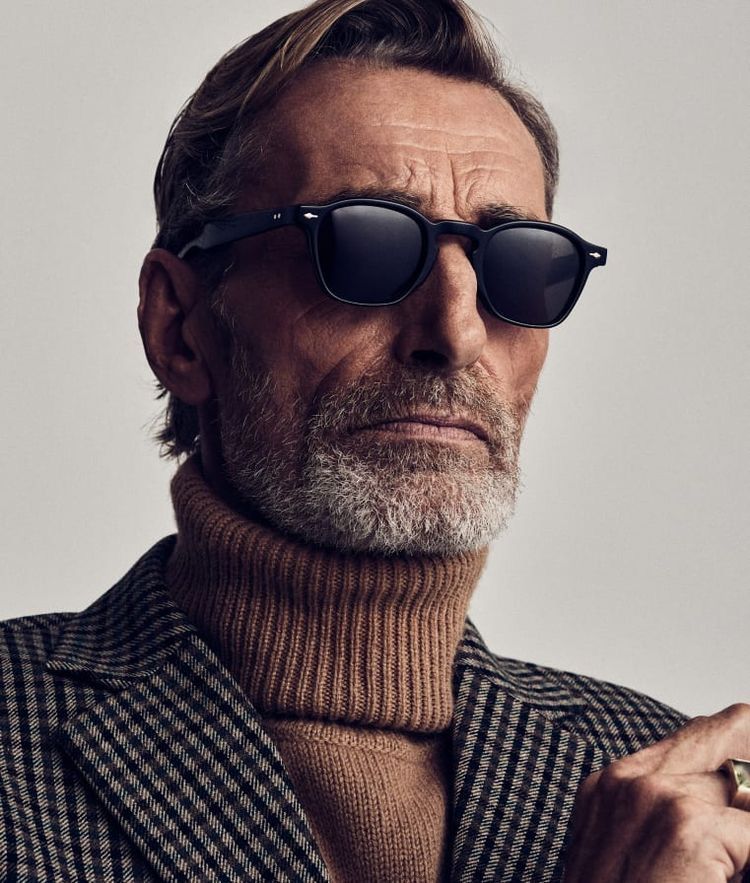
This autumn may mark the beginning of a new chapter for luxury eyewear. The winners will not be those who replicate the formula of scarcity, but those who combine exceptional design, deep digital presentation, authentic storytelling and meaningful relationships with retail partners.
At the same time, a new generation of independent eyewear designers and brands such as Sato and The Other Glasses are beginning to fill a gap in the market. Rather than relying on artificially amplified visibility driven by large agencies or marketing machines, these brands are building value through authentic and distinctive DNA, strong creative identities, and meaningful investments in high-quality content. In a market increasingly seeking originality and substance, uniqueness has become a competitive advantage.
The post-Jacques Marie Mage era is not about finding a replacement for the brand. It is about recognizing that a rare opportunity now exists to build something entirely new. Retailers who focus on originality, designer vision and long-term brand equity rather than manufactured hype may discover that the next great luxury eyewear story has yet to be written.


 English
  French
  Italian
  Spanish
  Portuguese
  German
  Korean
  Japanese