


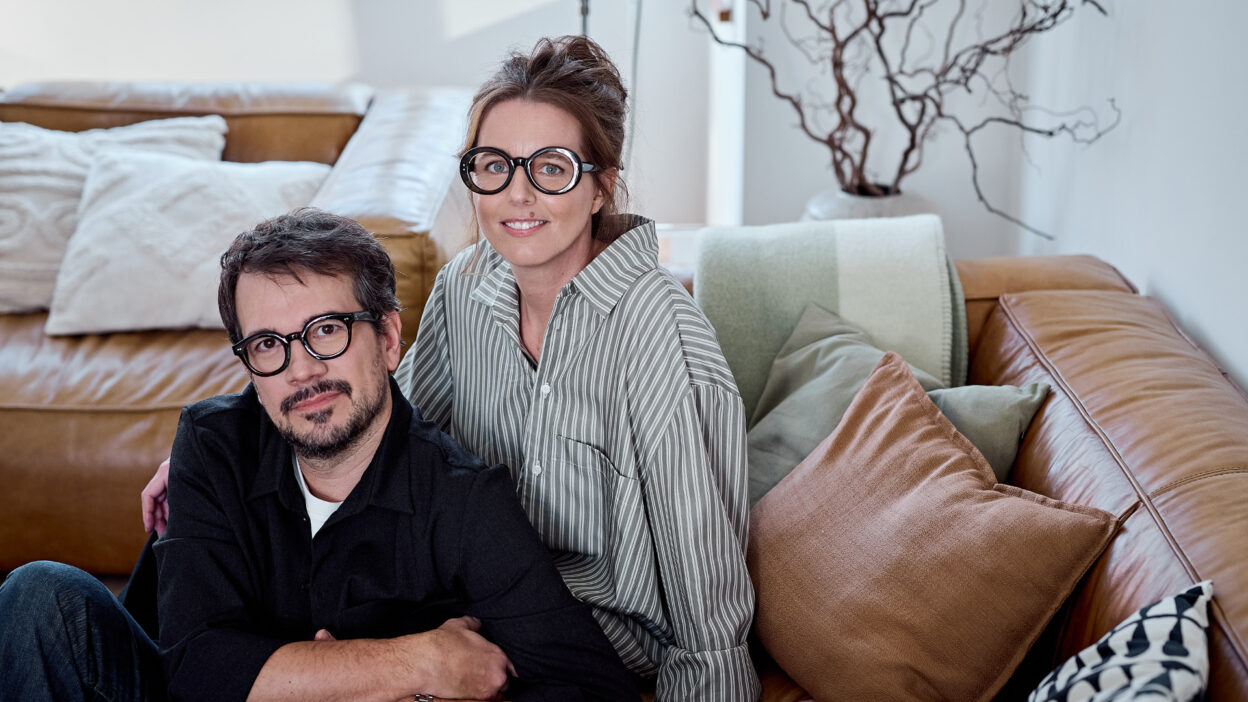
Behind every independent eyewear store is a personal story, but few are as deeply rooted in craftsmanship and human connection as that of Nōrui.
Founded in the heart of Brussels, Nōrui was born from a passion for beautifully made objects, thoughtful design, and the people behind them.
For its founder, eyewear has never been simply about vision correction, it is about character, identity, and the emotional connection we develop with the things we choose to wear every day.
How did your journey into the eyewear industry begin?
I have been an optician for more than twenty years, a profession I chose at a very young age thanks to my grandfather, who passed on his passion to me. Over the years, I have developed a particular sensitivity to beautiful eyewear-pieces that are thoughtfully designed, crafted with care, and that tell a story. I have always been drawn to well-made objects, design, and craftsmanship, to everything that stands the test of time with elegance.
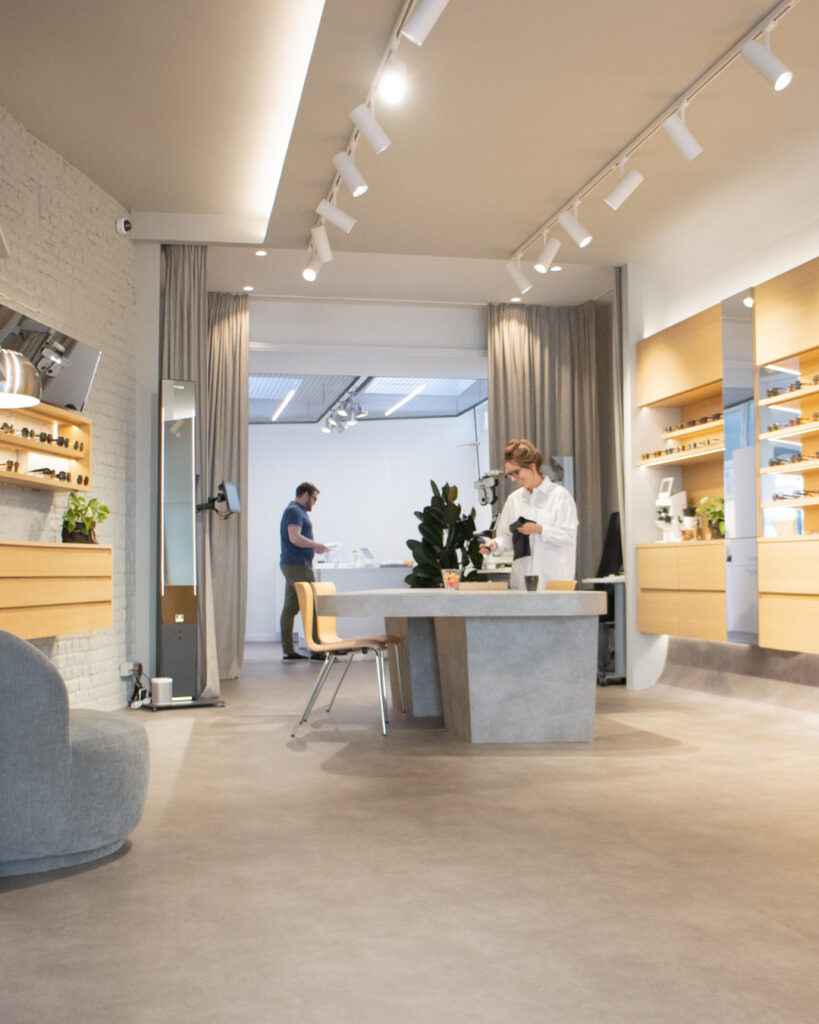
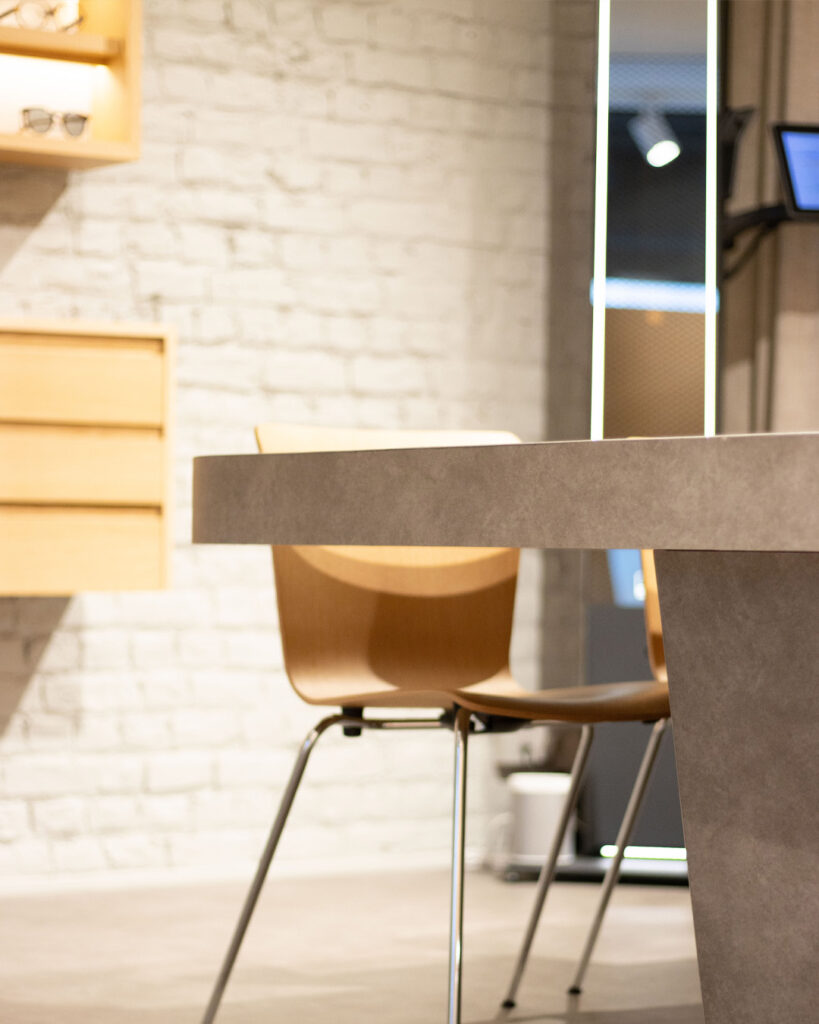
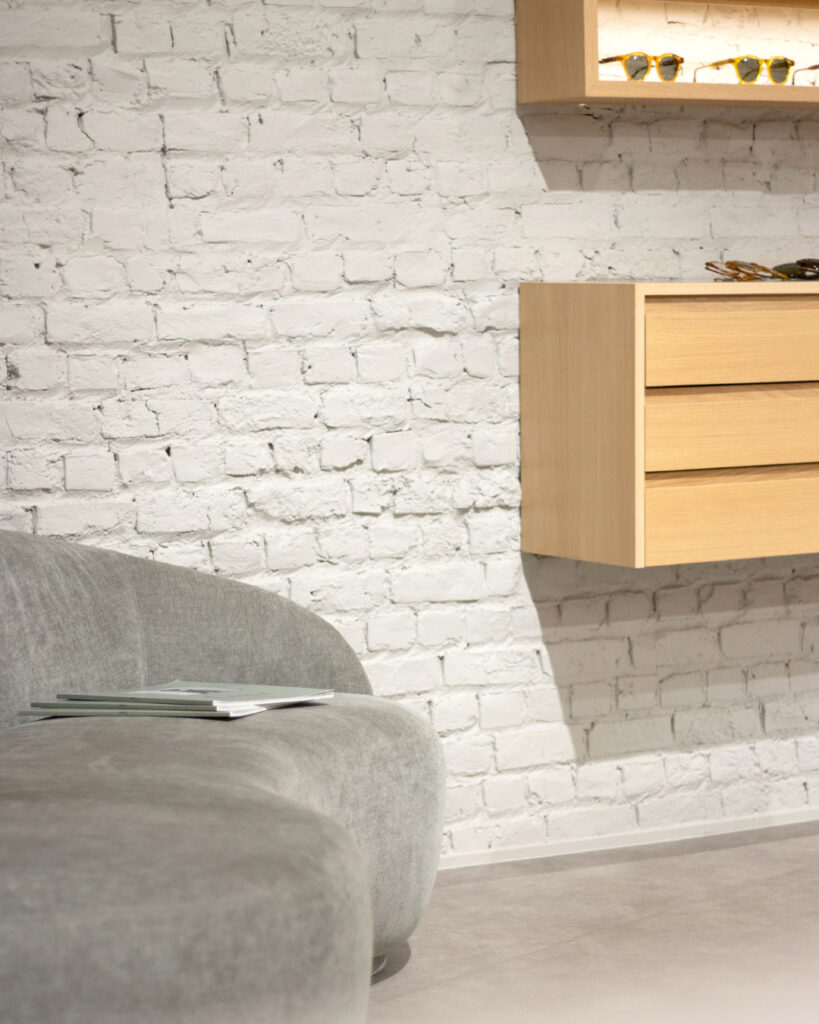
The idea behind nōrui came from the desire to create something different and more personal, a place where people can slow down and take their time. When we opened the store on Place Brugmann in Brussels, with my husband, we imagined a warm and intimate space where human connection would be just as important as the product itself. He has always been my greatest support throughout this journey, and nōrui would certainly not have the same story without his unwavering encouragement.
From the very beginning, I chose to focus on independent eyewear designers. I wanted to choose houses that share the same appreciation for beauty, quality, and craftsmanship, and to offer a more curated selection, away from the omnipresent mainstream brands. I love introducing clients to creators with a strong identity and collections that are driven by a genuine vision.
Over the years, this philosophy has become the signature of nōrui. More than a store, I like to think of nōrui as a place of discovery and encounters, where eyewear is chosen with the same care and attention one would devote to a beautiful piece of design.
The recent launch of our own collection marks a new chapter in this journey. After years of supporting and representing so many talented designers, it felt natural to extend this approach by creating frames that reflect our own sensibility: timeless aesthetics, attention to detail, and uncompromising craftsmanship.
What makes a great frame?
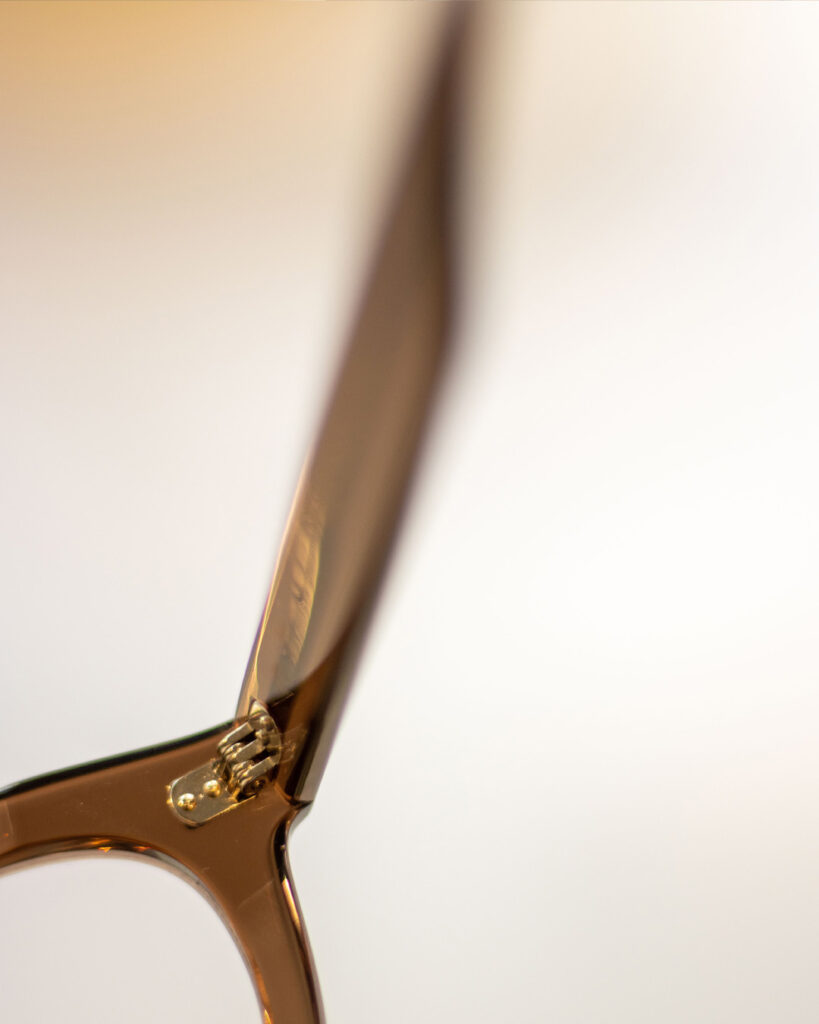
For me, a great frame is, above all, one that is made to last. It starts with the quality of the materials: beautiful acetate, strong and repairable hinges, and carefully executed finishes. I pay particular attention to all those details that may not be immediately visible, but that make all the difference in everyday wear.
Beyond the technical aspects, I am drawn to brands with a true identity. You can often recognize their DNA through subtle details, a distinctive shape, a unique approach to color, or discreet signatures that make each collection unmistakably their own. I appreciate collections that tell a story and maintain a consistent thread from one season to the next. The brands that resonate with me the most are those that remain faithful to their vision rather than simply following trends.
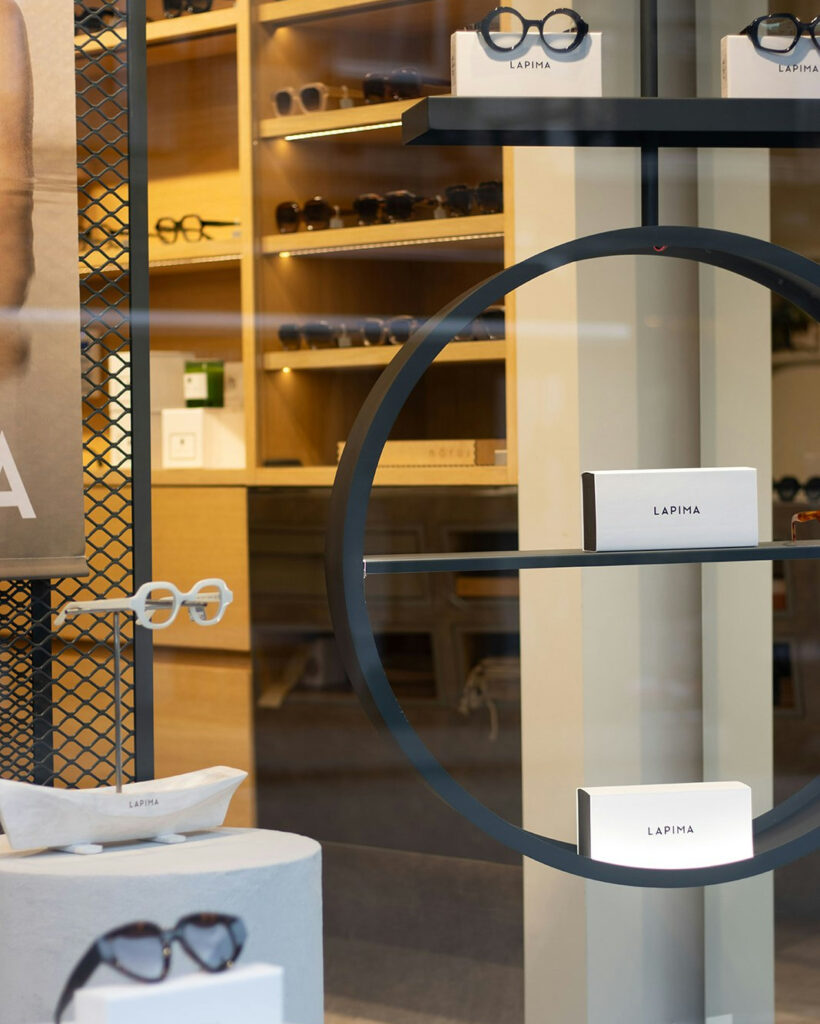
This is also why I have chosen to work primarily with independent designers. I enjoy getting to know the people behind the collections, understanding their philosophy, and sharing their world. Over the years, some professional relationships have even grown into genuine friendships.
I believe this human dimension is invaluable. It brings a level of sincerity and authenticity that can be felt in the frames themselves. In the end, a beautiful pair of glasses is not just a well-crafted object; it is also the expression of a vision and a personality.
3. How do you see the future of eyewear?
I believe the eyewear industry will continue to evolve towards greater authenticity and responsibility. Consumers today are far more informed and increasingly sensitive to quality, provenance, and the values embodied by the brands they choose. They are looking for objects that are more personal and more enduring, rather than standardized products.
I have also noticed an interesting shift over the years. Some consumers who once gravitated towards fast fashion or low-cost products are now moving in the opposite direction. They are willing to invest more in pieces that are better designed, more durable, and carry a deeper meaning. I believe there is a genuine desire to consume less, but better.
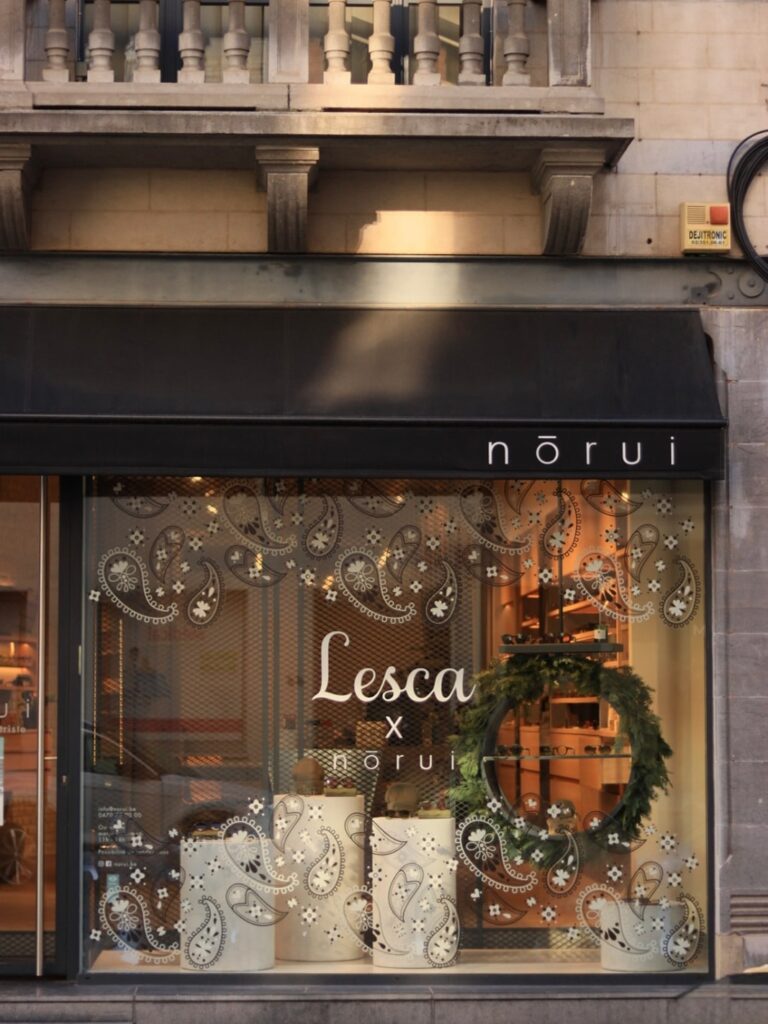
I also think we will continue to see a growing appreciation for craftsmanship and independent houses. In a world that moves ever faster, people are seeking meaning and a connection with the objects they wear every day.
From a design perspective, I believe we will see fewer fleeting trends and more collections created with longevity in mind. The most beautiful frames are often those that age gracefully and remain elegant over time.
Of course, technical innovation will continue to play an important role, whether through new materials, improved comfort, or advances in manufacturing. But in my view, the future of eyewear is not defined by technology alone. It also lies in the ability of brands to preserve their identity, tell a story, and create objects with soul.
Ultimately, I believe eyewear will increasingly be seen as an object of design and self-expression, rather than simply a tool for vision correction.
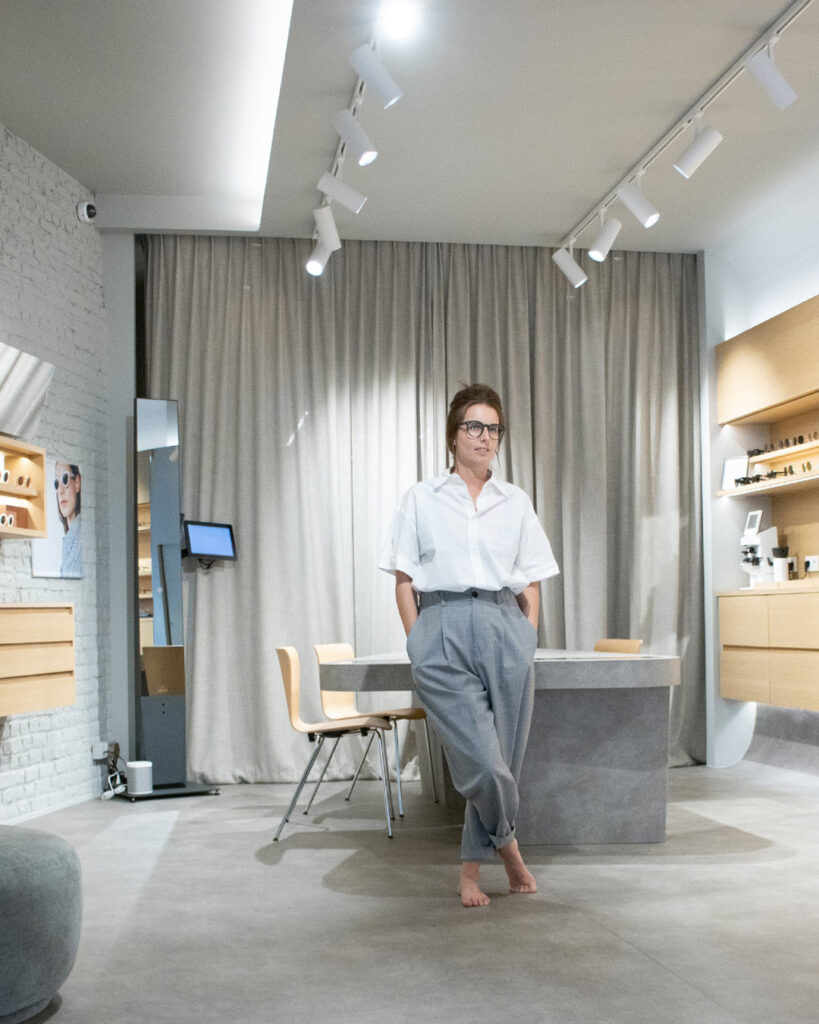
4. Which brands are your personal favorites?
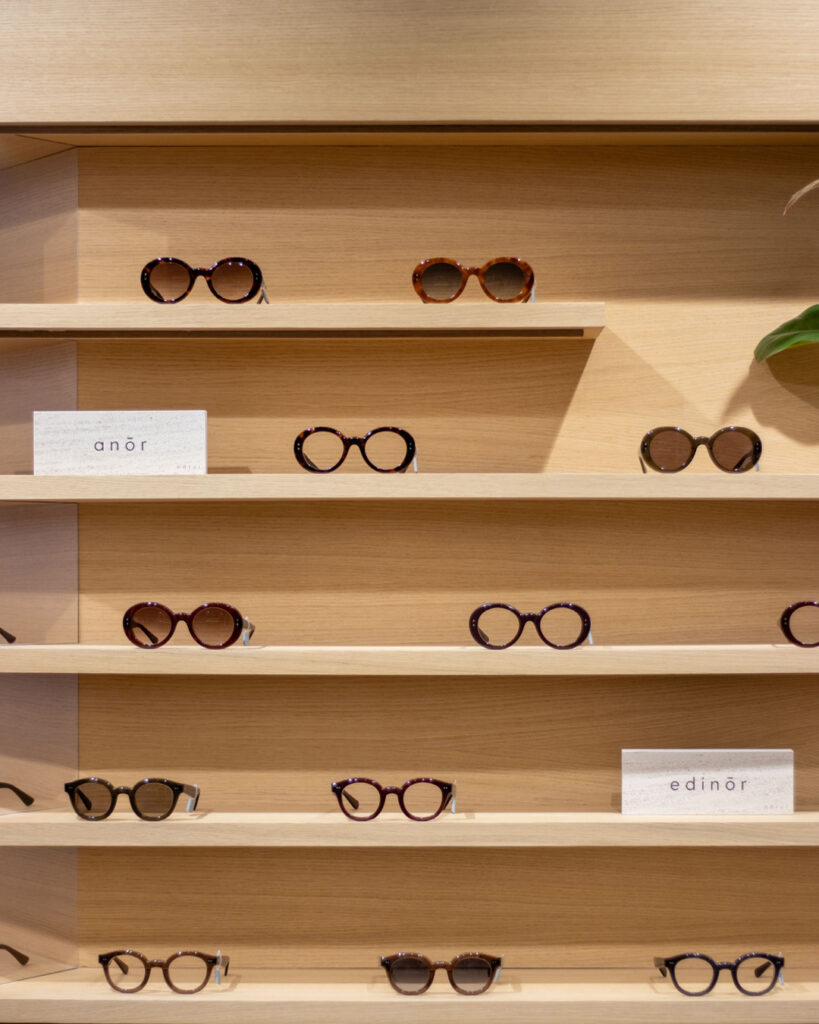
It is very difficult for me to speak about favorite brands, because I feel deeply attached to every house I work with. I have deliberately chosen to keep the selection at nōrui limited, allowing me to build genuine relationships and represent each brand with conviction.
Ahlem, ALF, Lesca, Aude Herouard, Lapima, Lazare Studio and Peter and May are all houses I admire for different reasons, but they share a strong identity, a real sense of coherence, and a sincere vision of their craft.
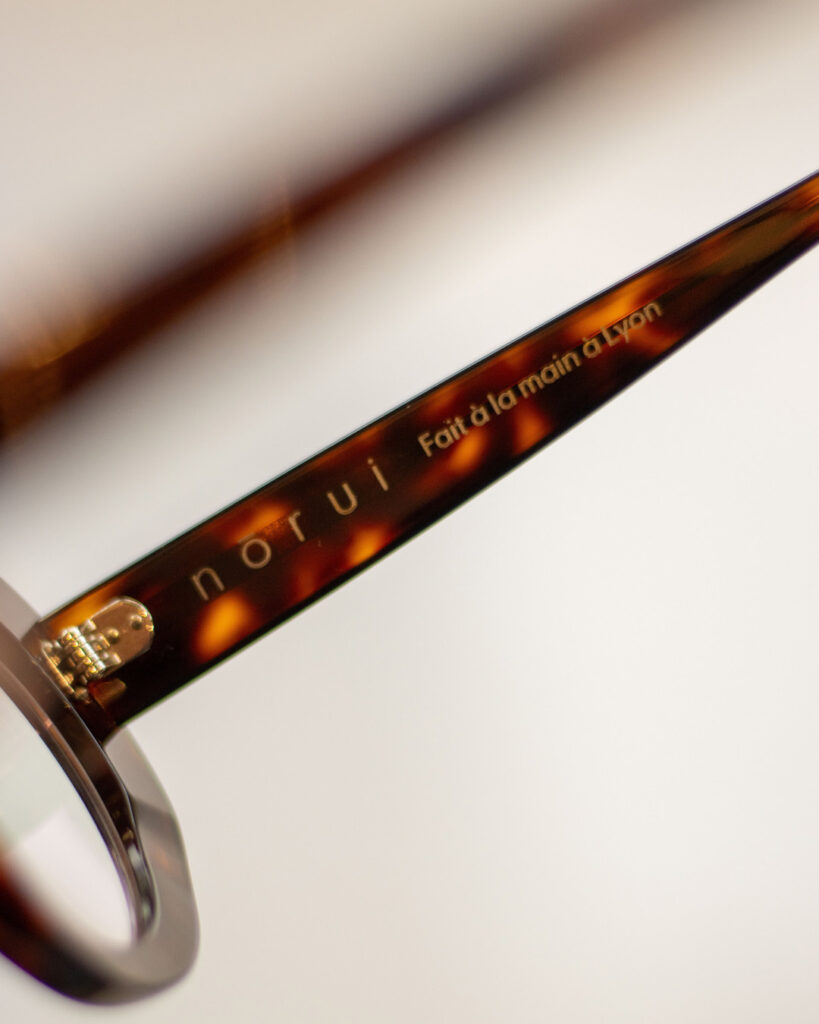
Over the years, some of these relationships have become much more than professional collaborations. I have developed a true friendship with Aude Herouard, as well as with Germain and Alexis, the founders of ALF. Their support and advice were invaluable when I decided to embark on the creation of my own collection. It is a journey I deeply enjoy, one that is evolving gradually and naturally, in continuity with everything I have always believed in.
On the customer side, I have noticed a growing interest in independent brands. People who walk through our doors are often looking for something more personal, more enduring, and less driven by logos or trends. They are drawn to the stories behind the collections, and I believe that is precisely what makes this profession so fascinating.
5. How do you build your store’s portfolio?
I rely a great deal on intuition when selecting new brands, but it is an intuition that must be supported by several key elements. The first thing I pay attention to is the quality of craftsmanship: the materials used, the finishing, the durability, and the possibility of repairing the frames. I have always been drawn to objects that are made to stand the test of time.
I am equally sensitive to a brand’s identity. I appreciate collections that have a clear thread running through them and whose DNA can be recognized at first glance, sometimes through the most subtle details. I am drawn to houses with a strong vision that remain true to themselves, rather than brands that simply follow the trends of the moment.
The human aspect is just as important to me. I enjoy meeting the creators, understanding their philosophy, and discovering the people behind the collections. Over the years, some of these relationships have grown into genuine friendships, which gives even more meaning to what I do.
Finally, I prefer working with a limited number of brands. It allows me to build a coherent selection and to represent each house with sincerity and conviction. I like to think of nōrui as a collection of beautiful stories and meaningful encounters, just as much as an eyewear store.
6. How do you see the Belgian eyewear market today?
Belgium may be a small market, but it is also a remarkably open and interesting one. Belgian customers are curious, sensitive to quality and design, and unafraid to discover more niche and independent houses. I believe this is one of the reasons why independent brands resonate so strongly here.
That said, I feel deeply connected to Brussels, and it is very much through this city that I experience my profession. Brussels is cosmopolitan, creative, and discreet all at once. There is a certain understated elegance here that I particularly appreciate. People in Brussels appreciate beautiful things, but with a sense of naturalness and authenticity. They are drawn to well-made objects, sincere stories, and genuine human connections.
This openness and diversity make Brussels an especially fertile ground for independent creators. It is a city of encounters, where very different influences coexist harmoniously, and this is reflected in the tastes and personalities of the people who walk through the doors of nōrui.
Of course, independent optical stores are facing an increasingly concentrated market. But I remain optimistic. I believe our strength lies precisely in our freedom to curate, in the close relationships we build with our clients, and in our ability to champion designers with sincerity and passion.
In a world that is becoming increasingly standardized, I am convinced that cities like Brussels and Belgium as a whole will continue to provide a unique platform for independent houses and for stores that cultivate a strong identity and a genuine human dimension.
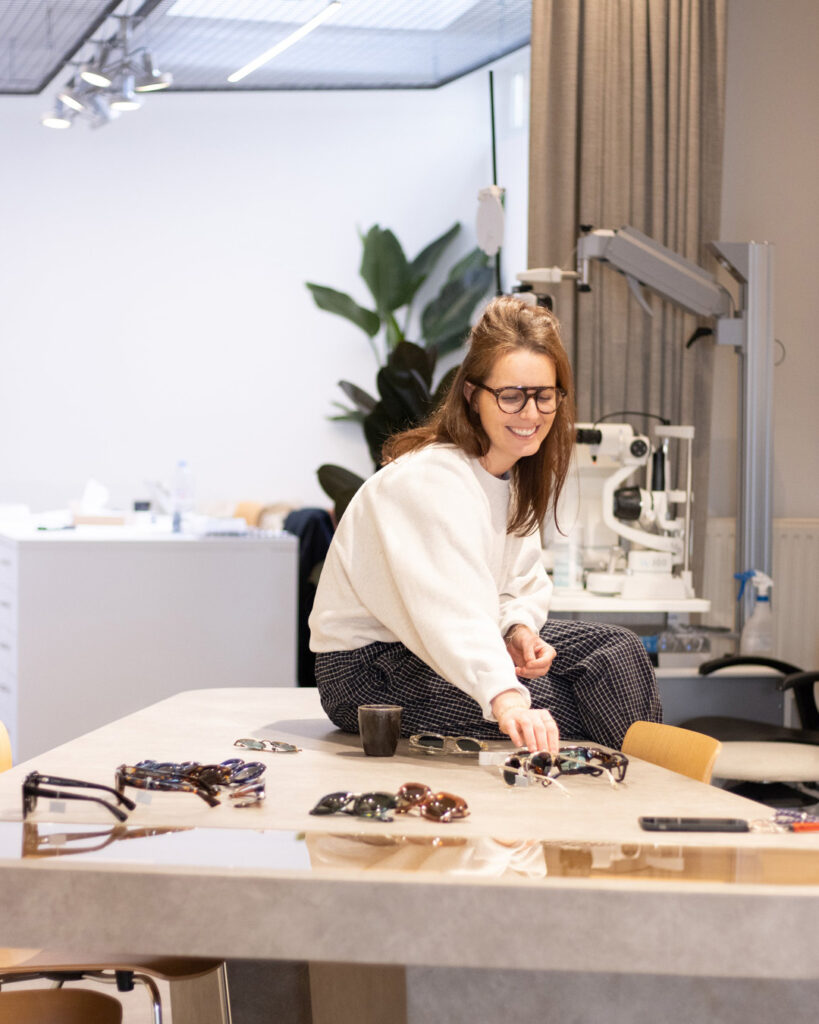
More than an optical store, Nōrui represents a commitment to enduring values. Throughout this conversation, a consistent theme emerges: the belief that great eyewear is not simply about function or appearance, but about craftsmanship, identity, and the stories behind the objects we choose to wear. By championing independent designers and embracing a slower, more intentional approach, nōrui offers an alternative to an increasingly standardized market. It is a reminder that true luxury lies not in excess, but in thoughtful choices, lasting quality, and the human connections that give meaning to what we create and wear.
 English
  French
  Italian
  Spanish
  Portuguese
  German
  Korean
  Japanese