



In luxury fashion, products rarely become icons because of marketing alone. They become relevant when they enter culture.
Few examples illustrate this better than Cate Blanchett’s recent appearances in customized MYKITA eyewear. Over the past month, the Academy Award-winning actor has worn several bespoke versions of the Berlin-based brand’s signature frames at high-profile events from Cannes to London, reinforcing a relationship that feels less like celebrity endorsement and more like a genuine expression of personal style.
For eyewear brands navigating an increasingly crowded market, the lesson is significant: visibility matters, but cultural relevance matters more.
Blanchett has built a reputation for approaching fashion differently from many of her contemporaries. Rather than chasing trends, she consistently advocates for longevity, craftsmanship and individuality. She has repeatedly spoken against fashion’s culture of disposability, famously arguing that “beautiful clothes should last a lifetime.” Her wardrobe choices reflect that philosophy, with archival pieces regularly reappearing on red carpets years after their first outing.

The same principle extends to her eyewear.
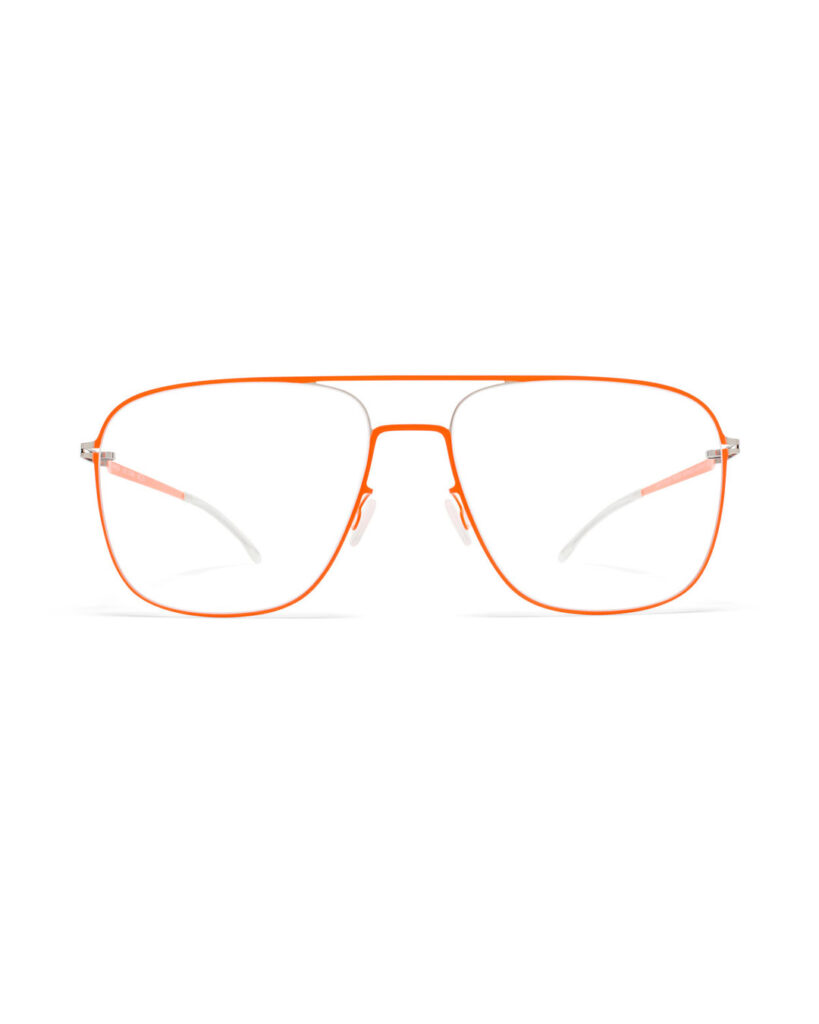
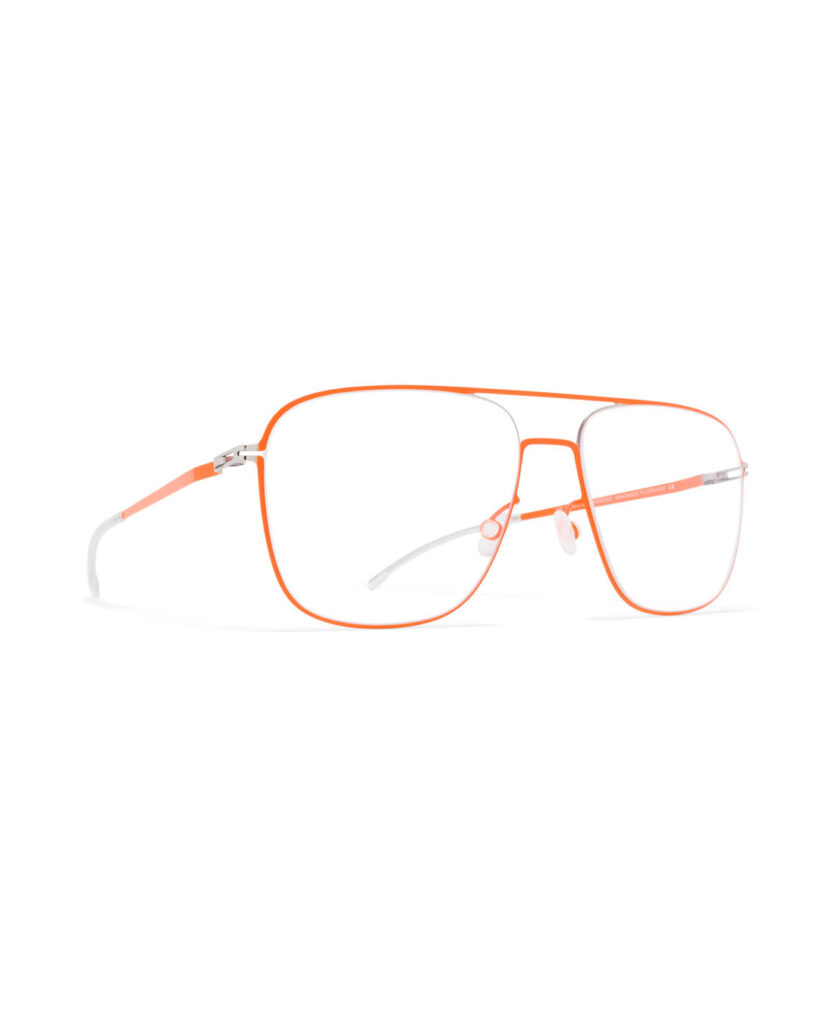
At the same time, this reflects a clear shift in the market, where consumers are increasingly gravitating toward quiet luxury, minimalist silhouettes, and understated design. Yet rather than relying solely on neutral palettes, vibrant summer shades such as bold orange are emerging as a way to bring personality and distinction to otherwise clean, refined aesthetics, creating a look that feels both sophisticated and refreshingly different.
At recent public appearances, Blanchett has gravitated towards MYKITA’s lightweight aviator silhouettes, including ARVO in Neon Pink, STEEN in Day Lily Orange and JELVA in Gold, alongside sculptural acetate styles AMARE and ATINE fitted with custom-tinted lenses. The frames are distinctive, yet understated, a reflection of the actor’s preference for design that serves identity rather than trend cycles.
For brands, this kind of cultural association is increasingly valuable. Consumers today are not simply buying products; they are buying into narratives, values and communities. When a public figure authentically incorporates a product into their personal world, it creates a form of credibility that traditional advertising struggles to replicate.
This is particularly true in eyewear, where the product sits at the intersection of fashion, design and personal expression. Glasses are among the most visible objects people wear every day. They communicate taste, creativity and belonging. As a result, cultural placement often carries greater influence than commercial placement.
The eyewear brands winning attention today are not necessarily those with the largest media budgets. They are the brands that successfully position themselves within broader conversations around design, creativity, sustainability and individuality.
Cate Blanchett’s continued relationship with MYKITA demonstrates exactly why culture remains one of the industry’s most powerful assets. In an era saturated with content and advertising, genuine cultural relevance has become the ultimate luxury.


 English
  French
  Italian
  Spanish
  Portuguese
  German
  Korean
  Japanese