



Ten brands worth your attention during Paris eyewear week, and the strategic role each one could play in your store.
Paris is no longer one eyewear event. It is a map.
From private showrooms in the city to the halls of Paris Nord Villepinte, buyers will move between two increasingly distinct worlds this September. SILMO Paris officially runs from 25 to 28 September 2026, while several independent brands begin their presentations on 24 September.
The tension between these two worlds is becoming impossible to ignore. Rising exhibition costs, the introduction of visitor fees and the growing appeal of private presentations have led many within the industry to wonder whether this could be one of the last editions in which a meaningful number of high-end independent brands remain at SILMO.
The official figures complicate that narrative. SILMO reports more than 900 exhibitors from 42 countries and 33,688 visitors in 2025. The fair is not disappearing. What is changing is the location of influence.
Luxury eyewear is becoming more selective, more controlled and increasingly decentralised. Some brands still need the scale of the fair. Others prefer a private environment where they can control the light, the conversation and the people entering the room.
For buyers, that makes Paris more valuable, but also more demanding.
The objective is not to see everything. It is to return home with something your competitors cannot simply order from the same agent three months later. Paris should be used for discovery, access and differentiation.
These are ten names that can help build a portfolio your market will remember.
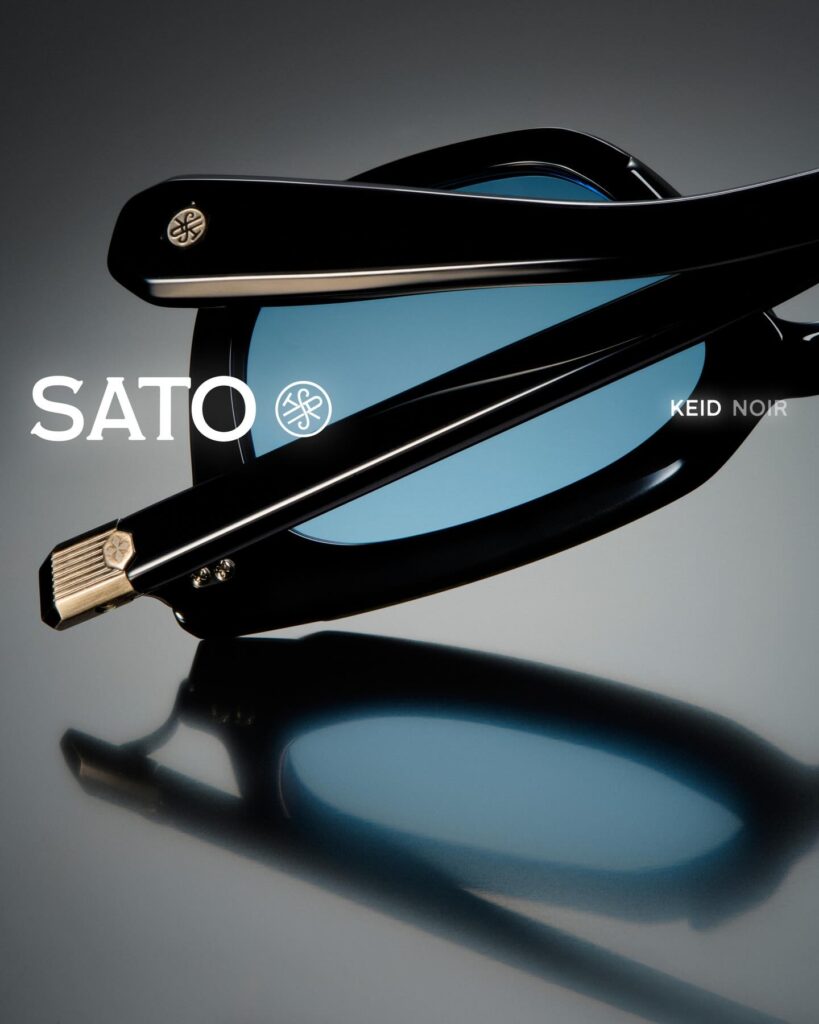
1. SATO: The Halo Brand
Few independent eyewear brands have entered the upper end of the market with the speed and confidence of SATO.
Created by Kevin Godart-Elbaz and Jérémie Gamon, with Eque M overseeing design and production in Japan, SATO brings together Japanese precision, Parisian fashion instinct and a distinctly 1990s attitude. The result feels luxurious without becoming predictable.
Its presence at retailers such as Kith and MR PORTER confirms that SATO has already moved beyond the usual independent-eyewear conversation. It now sits inside the wider luxury-fashion ecosystem.
The price makes it unsuitable for every store. This is firmly ultra-high-end territory, competing for the same client who understands Jacques Marie Mage and is comfortable approaching Chrome Hearts-level spending.
That is precisely why it matters.
You do not bring SATO into a store to fill space. You bring it in to create a halo around the rest of the portfolio. A disciplined selection of the right pieces can immediately change how clients perceive the entire business.
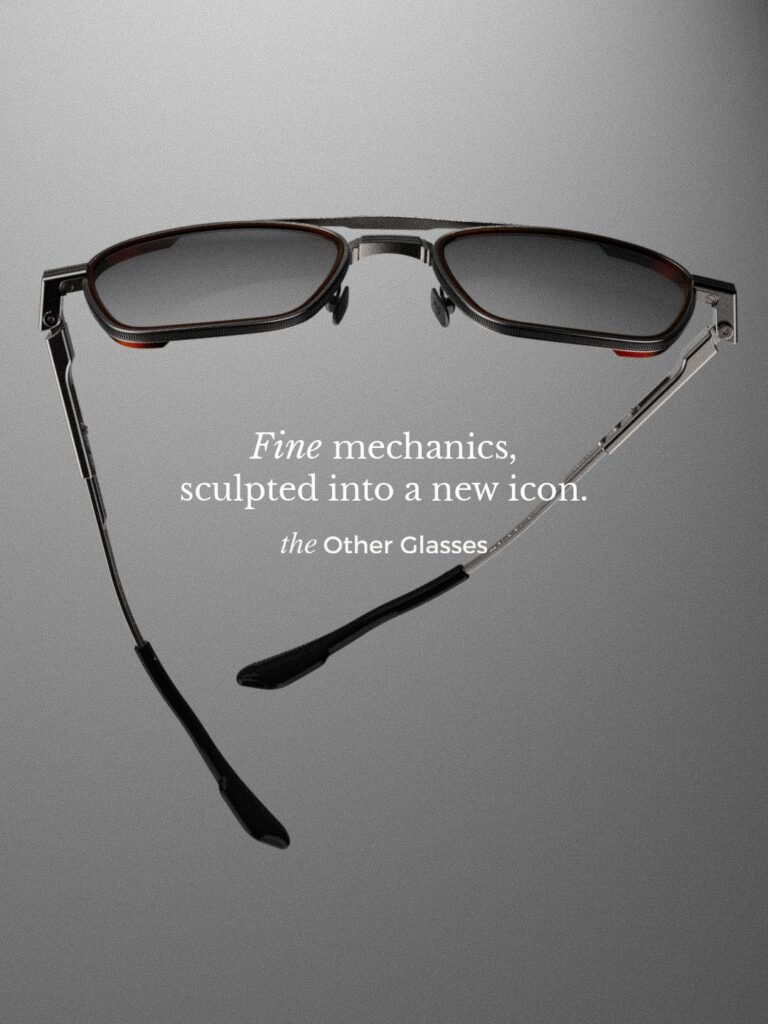
2. The Other Glasses: A New Force in Luxury Eyewear
The Other Glasses is more than a brand. It is a creative and innovation studio that opens only one retail account per city, maintaining a distribution strategy as selective as its frames.
This year, the brand will host its Paris event in a 300-square-metre private showroom. It arrives with two collections: a bold Statement collection and a functional Lightweight collection. Both offer generous margins, rare and distinctive design, exceptional quality, precision and genuine innovation, from acetate sculpted using five-axis technology to highly complex frame constructions. With its Lightweight collection, we can finally say that someone has created a genuine competitor to Lindberg.
If you are fortunate enough to secure an account at this early stage, you may have drawn the winning ticket.
Behind it all is Andra, a powerful female force in the eyewear industry, one who sets the rules instead of allowing others to set them for her.
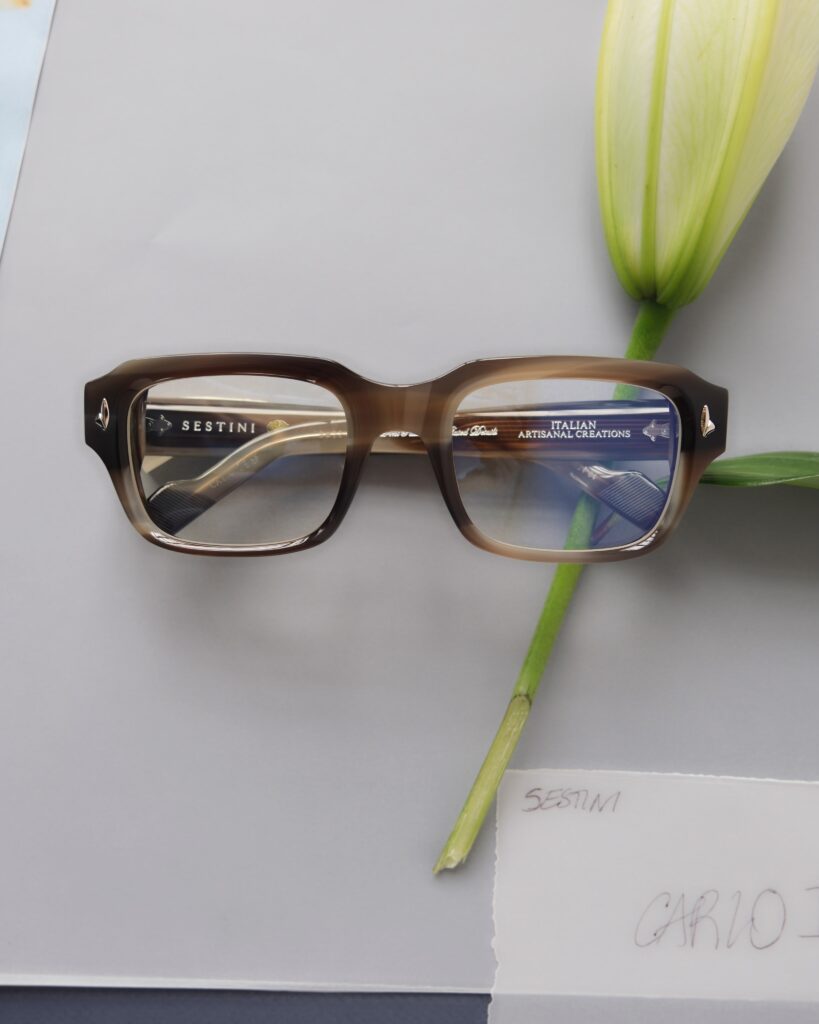
3. Sestini: The Emerging World-Builder
At first, Sestini may attract attention through its extraordinary presentation. The packaging is theatrical, tactile and designed to turn opening a frame into a ritual.
Look beyond the box, however, and the product stands on its own.
The frames are made in Italy from Mazzucchelli acetate, individually numbered and constructed with details including seven-barrel hinges and 24-karat gold-plated elements. The silhouettes are controlled and recognisable, balancing classical Italian elegance with the confidence required by a contemporary luxury product.
Carlo Sestini’s public persona also gives the brand an advantage. Founder and collection feel almost inseparable. His personal style, audience and carefully constructed visual world make the frames easier to recognise and the brand easier to remember.
That visibility should not be dismissed as social-media momentum. When a founder can translate a personal point of view into a coherent product universe, the result can become commercially powerful.
Sestini appears ready for a clear ascent. Paris offers buyers the opportunity to understand that potential before the distribution map becomes crowded.
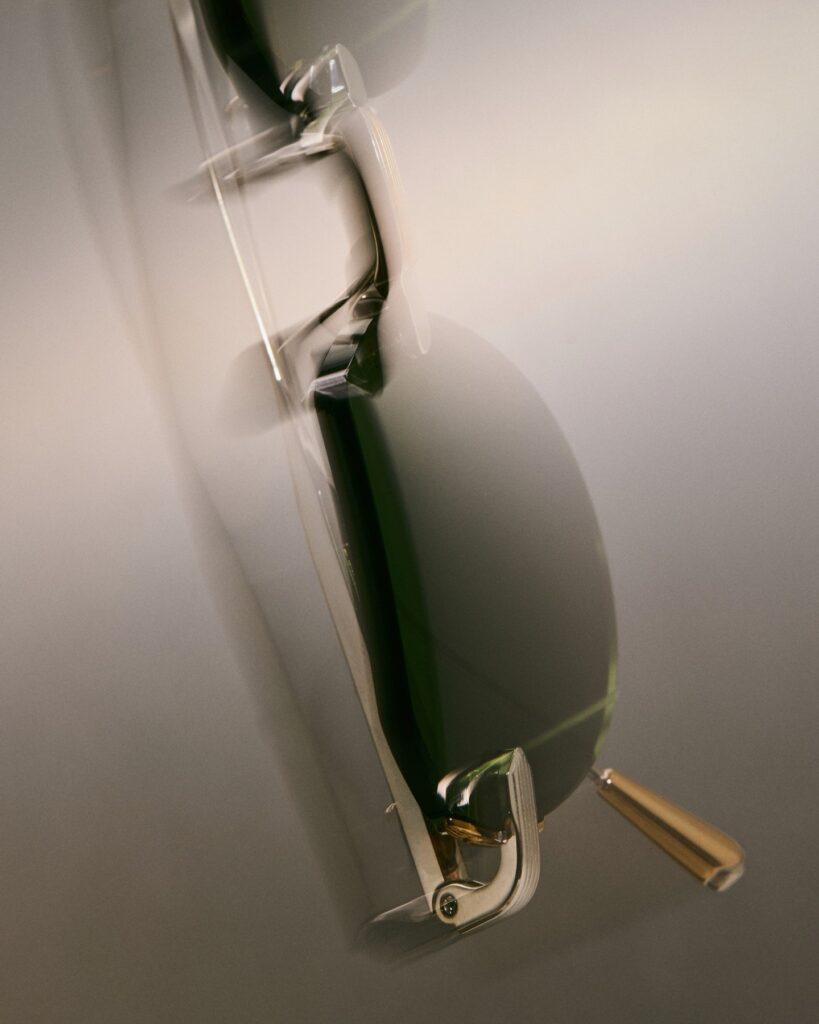
4. Lunetterie Générale: Quiet Luxury Reaching Maturity
Lunetterie Générale was founded by Julien Couture in 2018, before “quiet luxury” became one of fashion’s most overused expressions.
The brand has never needed to shout. Its strength comes from proportion, material, atmosphere and an obsessive approach to detail. The frames feel cinematic, often carrying references to Art Deco, aviation, travel and old-world elegance without becoming nostalgic reproductions.
There is also the case. Julien spent more than a year developing it, treating packaging with the same seriousness many brands reserve for the frame itself. That decision says something important about Lunetterie Générale: no detail is considered secondary.
If conversations about this potentially being the brand’s final SILMO appearance prove accurate, the appointment deserves even greater priority.
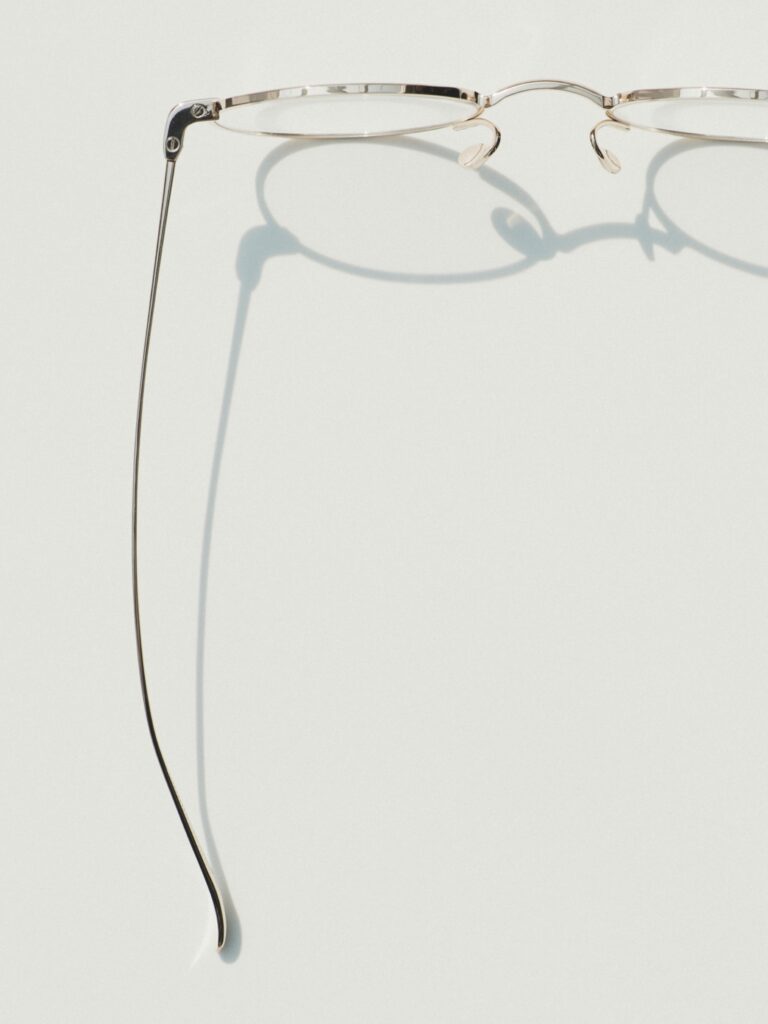
5. YUICHI TOYAMA.: Japanese Precision Without Compromise
If the objective is Japanese precision, functional intelligence and a complete understanding of the market, YUICHI TOYAMA. remains essential.
Yuichi Toyama has spent decades developing a design language based on lightness, balance and structural clarity. The frames are technically sophisticated, but never feel engineered merely to prove that they can be.
The brand plays by its own rules. It does not chase whatever silhouette happens to dominate the season, nor does it depend on excessive decoration to communicate value.
Its collaboration with Giorgio Armani demonstrated the reach of that philosophy: Italian elegance translated through Japanese titanium, traditional craftsmanship and Toyama’s signature construction.
In a portfolio, YUICHI TOYAMA. serves the client who wants to understand why a frame is exceptional, not simply be told that it is.
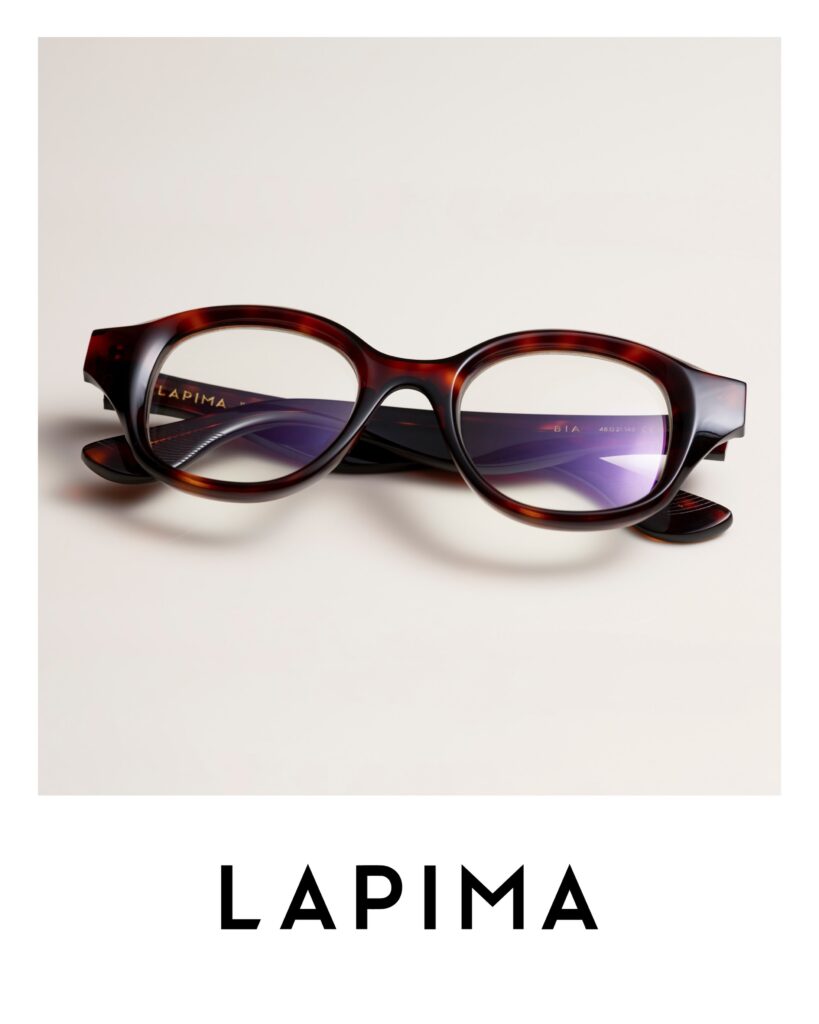
6. LAPIMA: The Feminine Authority
Every serious luxury portfolio needs a powerful answer for women. LAPIMA may be one of the clearest.
Founded in Brazil by Gisela and Gustavo Assis, LAPIMA produces its frames in an in-house atelier in Campinas, São Paulo. Each piece passes through more than 30 production stages, combining technology with extensive hand-sculpting, polishing and assembly.
The result is unmistakable: generous volumes, expressive curves and a distinctly Brazilian sense of colour and sensuality.
LAPIMA does not approach femininity cautiously. Its frames have presence. They transform the face rather than politely decorating it, giving the brand an almost cult-like appeal among women who want eyewear to become part of their identity.
This is not the collection to buy timidly. The colour, scale and sculptural acetate are the reason it belongs in the store.
For a retailer looking to create a genuinely memorable women’s selection, LAPIMA is not an optional extra. It can become the anchor.
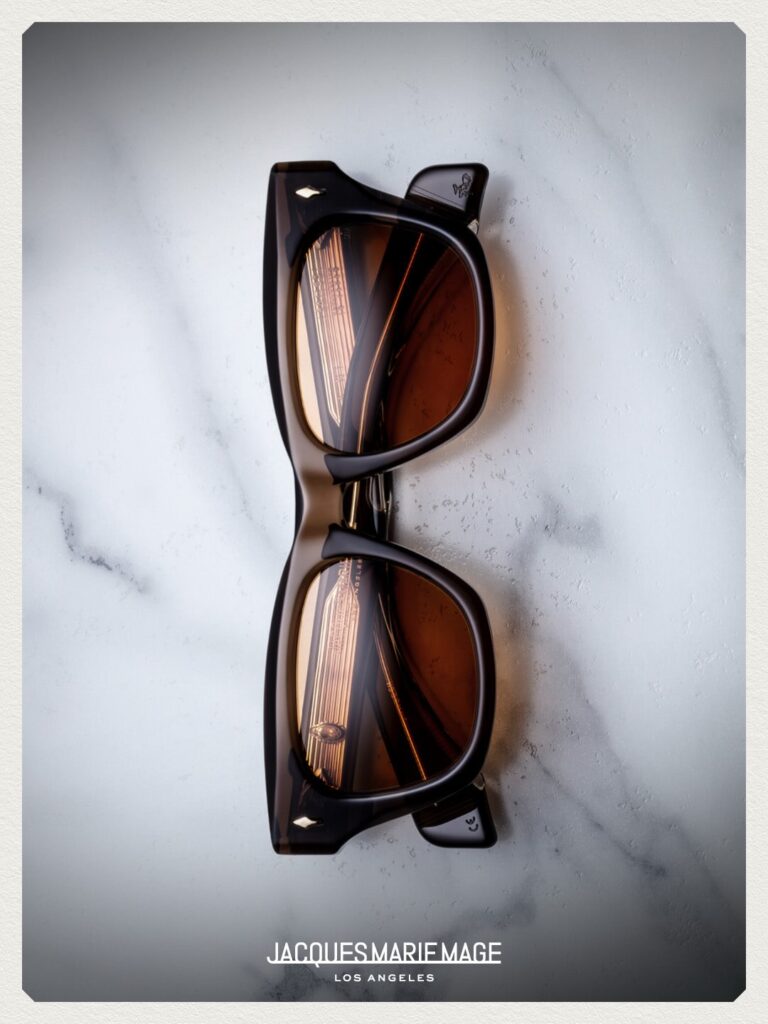
7. Jacques Marie Mage: The Collector Engine
If you were fortunate enough to secure a Jacques Marie Mage account, its private Paris presentation should be one of the fixed points in your schedule.
Jacques Marie Mage did more than build a successful eyewear label. It helped change how designer eyewear is perceived, moving frames from seasonal accessories toward limited-edition collectibles.
The product introduced a new language: substantial construction, historical references, numbered editions, cinematic storytelling and an entire culture surrounding ownership. The brand now maintains a dedicated collectors’ ecosystem, including rare and archival releases.
Opening a new account can be exceptionally difficult unless the store, location and concept are equally distinctive. But if you already have access, missing the Paris appointment would mean ignoring one of the most influential commercial forces in independent luxury eyewear.
For the right retailer, JMM is not merely another high-priced brand. It is a collector engine capable of generating anticipation, repeat visits and long-term client engagement.
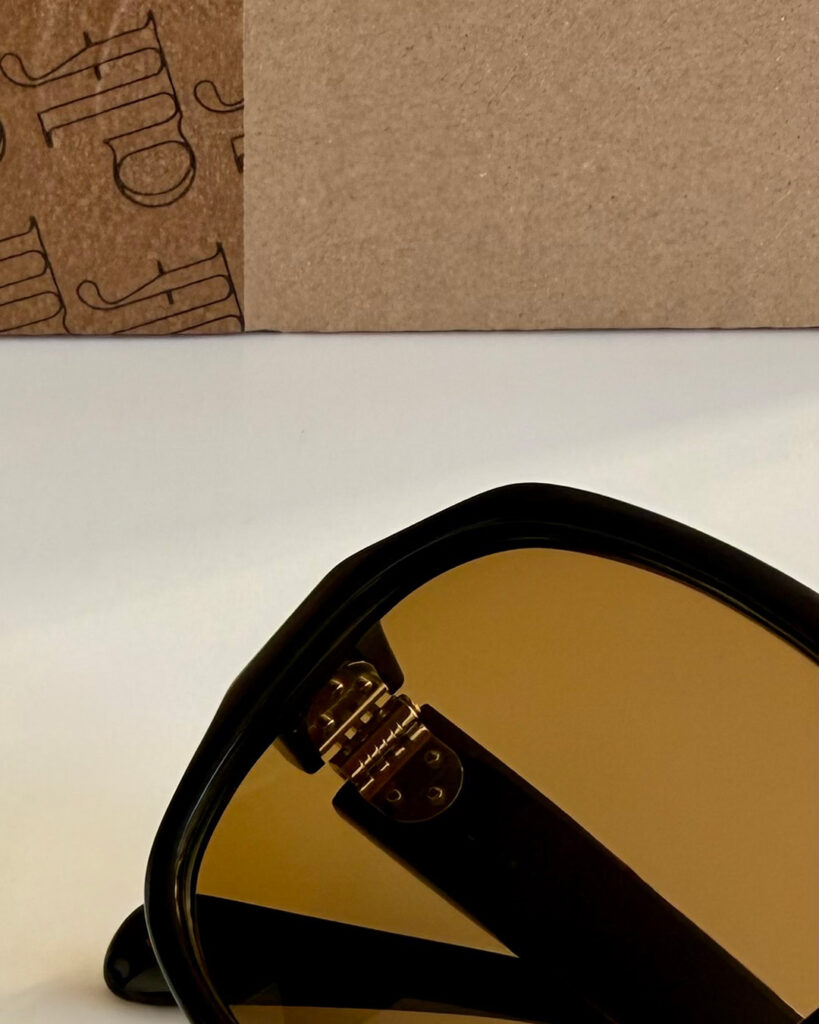
8. Lunettes ALF: The Intelligent Entry Point
Affordable should not mean ordinary.
When many retailers attempt to play safe, they often end up selecting the same commercially acceptable products as everyone else. Lunettes ALF offers another route.
Created by two brothers, the French brand focuses on restrained, enduring silhouettes. Its frames are made in France using Japanese acetate, with a hand-applied red thread becoming a subtle signature of the house.
ALF does not rely on aggressive styling. Its appeal comes from honest construction, intelligent proportions and a timelessness inspired by early eyewear design.
Within an otherwise ultra-high-end portfolio, the brand can provide a commercially valuable entry point. It allows a client to discover independent eyewear without immediately entering four-figure territory, and it does so without weakening the store’s point of view.
That balance between identity, quality and price is increasingly difficult to find.
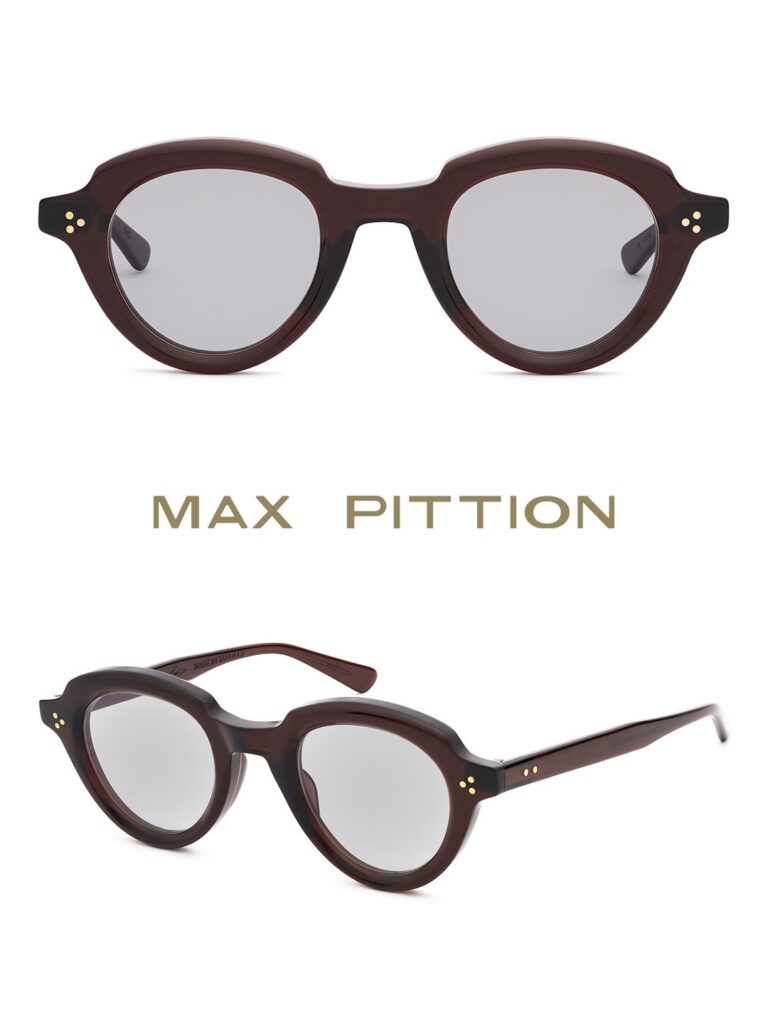
9. Max Pittion: The Insider’s Choice
Max Pittion is one of those names that rewards knowledge.
The brand carries genuine French eyewear history. Max Pittion transformed his family’s comb-making business into a respected frame manufacturer and was among the founders of SILMO in 1967. Today, the collection is refined in Japan under Made in the Light, bringing Japanese production discipline to a distinctly French design heritage.
The frames are not complicated for the sake of appearing technical. Their strength lies in confident acetate, precise construction and silhouettes that feel familiar without becoming generic.
Max Pittion belongs in a store that understands understatement. Clients may not always recognise the name immediately, but those who do will understand exactly why it is there.
It is an “if you know, you know” brand and every well-curated portfolio needs at least one.
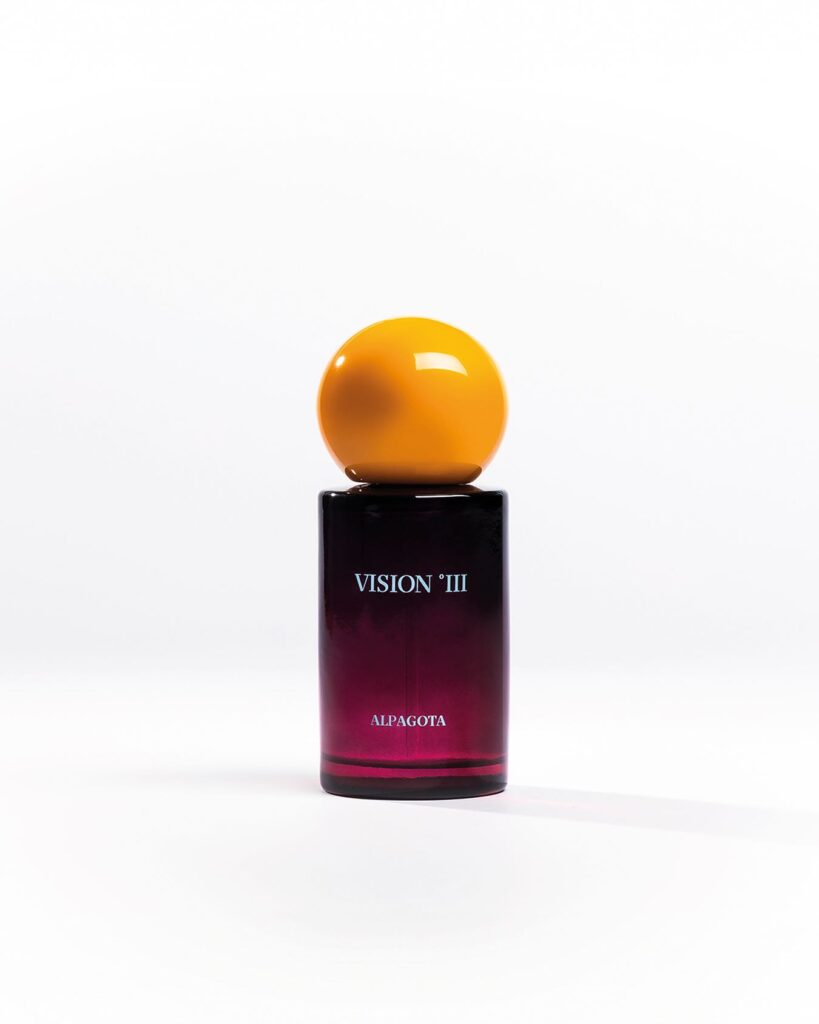
10. Alpagota: Turn Aftercare Into a Luxury Ritual
Alpagota is not an eyewear brand. That is exactly why it belongs on this list.
Its aromatic lens-cleaning formulas, refillable glass bottles, Japanese SilkTech microfibre cloths and ceramic presentation objects turn an overlooked part of eyewear ownership into a considered ritual.
Most optical stores concentrate all their energy on the sale. The frame is selected, the lenses are fitted, the payment is completed—and the experience ends.
Alpagota allows the experience to continue.
If margins permit, offering an Alpagota product with the purchase of an important frame can become one of those small gestures a client remembers long after the transaction. Alternatively, the collection can create an entirely new aftercare category within the store.
Luxury is not only the object someone buys. It is the way the object is presented, maintained and remembered.
Five More Names Worth Your Time
No Paris schedule will ever be complete, and several additional names deserve attention.
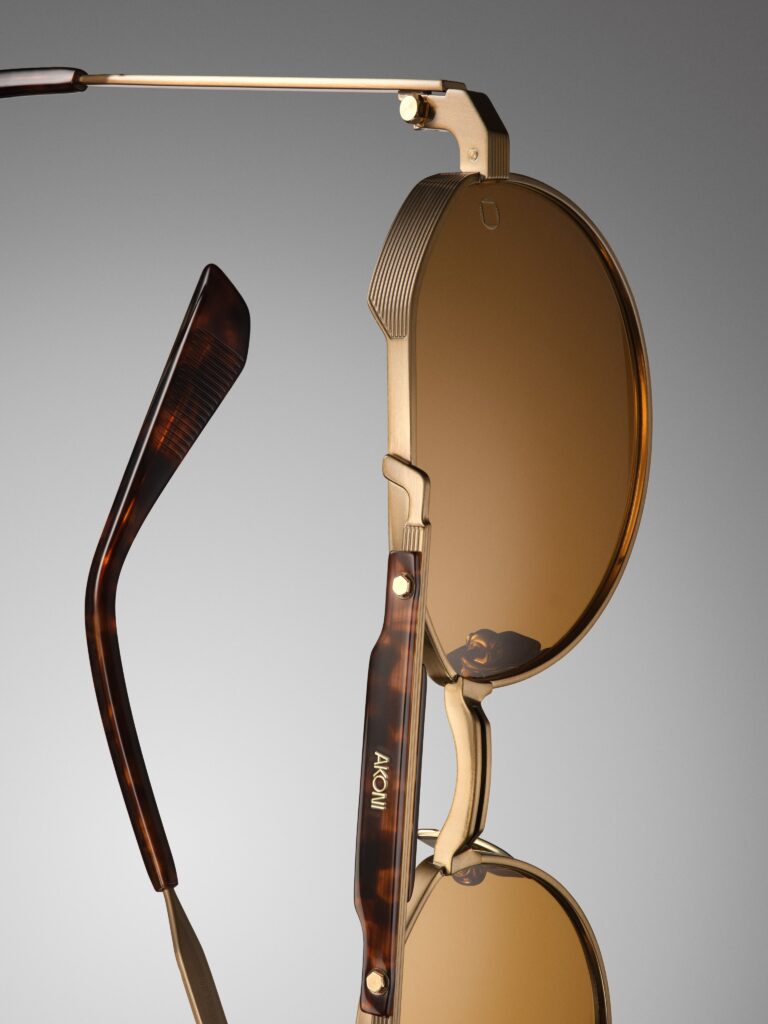
Chrome Hearts remains a reference for scarcity and cultural power. Matsuda continues to demonstrate how heritage and intricate construction can coexist. Aude Herouard brings a confident French perspective through natural acetate and small-series production. John Dalia understands the relationship between eyewear, jewellery and contemporary Parisian luxury. Akoni continues to develop a highly polished proposition built around precision and ambitious construction.
They may not all suit the same store. That is the point.
Do Not Return From Paris With a List. Return With a Point of View.
An unbeatable portfolio is not the one with the most expensive names or the greatest number of brands.
It is the one competitors cannot easily reproduce.
Think in roles:
- A halo brand such as SATO or Jacques Marie Mage.
- A technical differentiator such as The Other Glasses and YUICHI TOYAMA.
- A strong feminine authority such as LAPIMA.
- A mature quiet-luxury proposition such as Lunetterie Générale and Sestini.
- An intelligent entry point such as Lunettes ALF.
- An insider heritage name such as Max Pittion.
- A service ritual such as Alpagota.
Forget the collections an agent can bring to you three months later. Use Paris to find what is difficult to access, difficult to imitate and impossible to forget.


 English
  French
  Italian
  Spanish
  Portuguese
  German
  Korean
  Japanese