


With The Quiet Hours, the independent eyewear label moves beyond traditional campaign imagery to construct a cinematic vision of summer, told through ten fragments of light, silence and studied restraint.

Luxury eyewear campaigns often rely on a familiar formula: a striking face, a desirable destination and a meticulously framed product. John Dalia’s latest project, The Quiet Hours — A Summer in Ten Fragments, takes a quieter and more ambitious route.

Presented as a sequence of ten chapters, the campaign transforms eyewear from an accessory into a narrative device. The frames do not interrupt the story to demand attention. Instead, they become part of its visual language, alongside the glare of the Mediterranean sun, an unfinished book or a body emerging from the sea.

Chapter I begins in a house above the water, with a man deliberately out of reach. Nothing happens in the conventional sense. Rooms fill with light, the road stretches below and the day is allowed to unfold without urgency. The mood is built around the Italian idea of farniente: not simply doing nothing, but allowing everything non-essential to fall away.

In Chapter II, time dissolves further. Coffee remains warm. Steam hangs in the room. Classical music plays softly as a cigarette rests between two thoughts and a book waits to be opened. These details create a private ritual rather than a staged fashion moment. The outside world exists, but it has temporarily lost its authority.
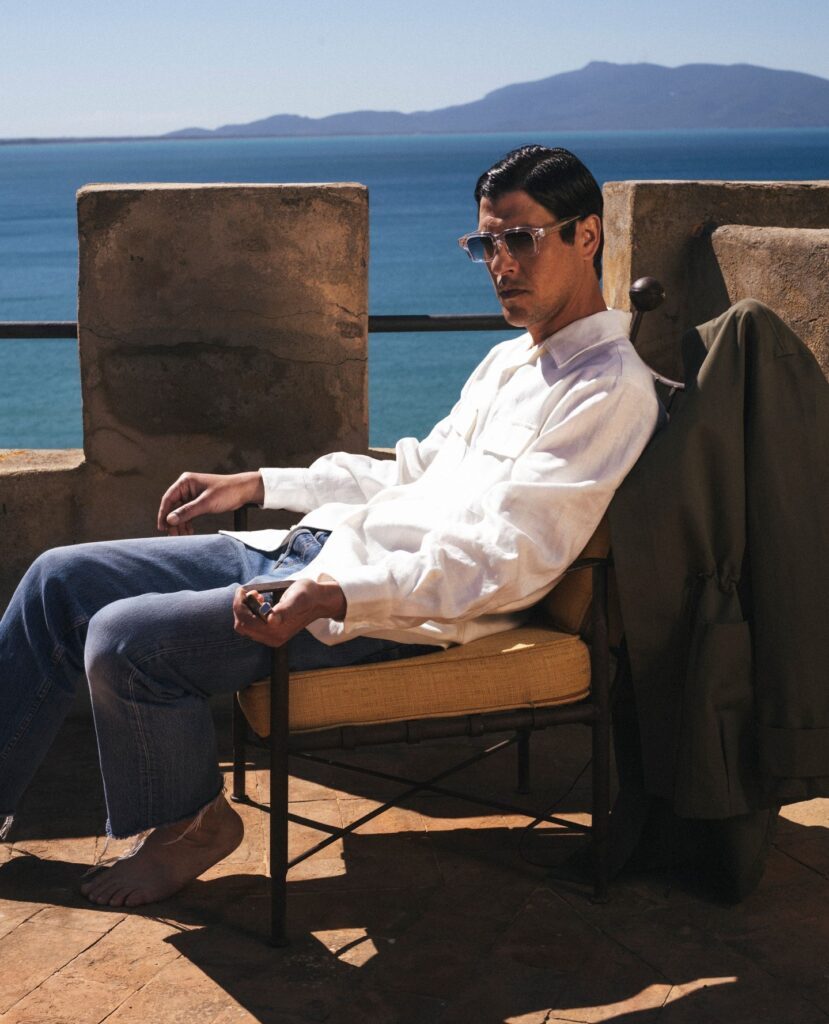
By Chapter VI, the narrative has been reduced to its most elemental components: salt, water and light. The P15 frame appears almost incidentally, designed for the glare rather than the camera. This restraint is precisely what gives the product its presence.
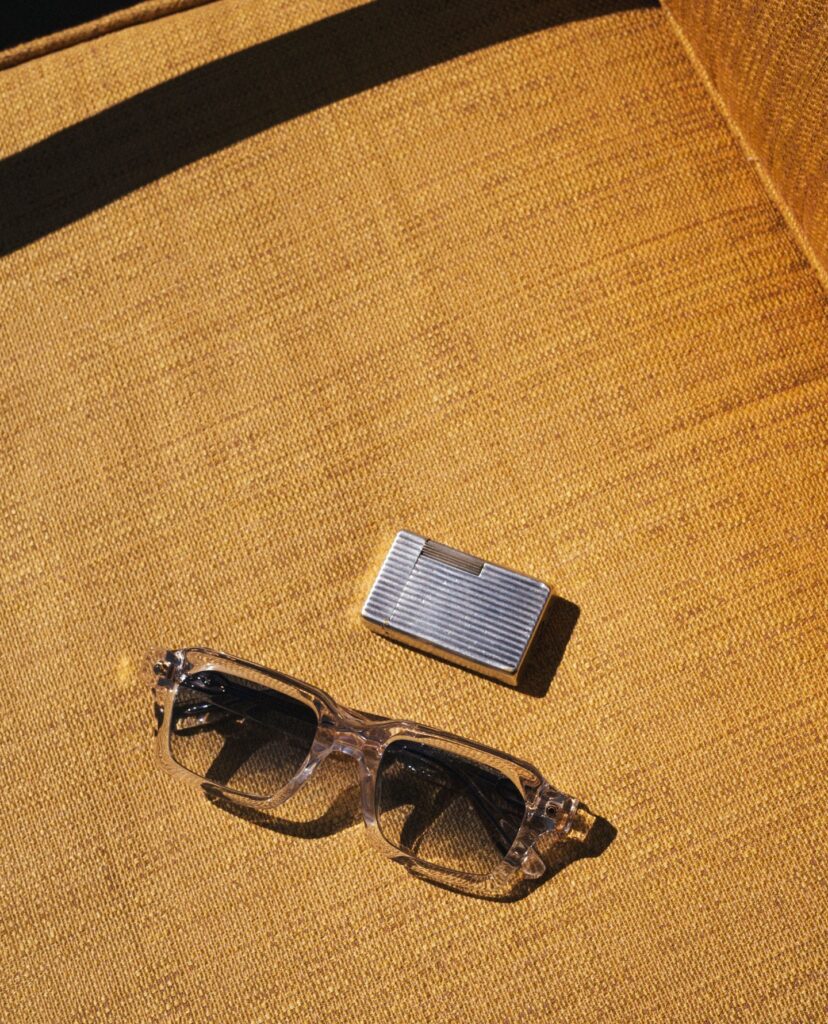
The Quiet Hours reflects a broader shift in luxury communication. As audiences become less responsive to overt displays of aspiration, brands are increasingly selling emotional worlds rather than isolated objects. John Dalia’s campaign understands that contemporary desire can be created through atmosphere, rhythm and absence.

The result feels closer to cinema than advertising. Its protagonist is never fully explained, its location remains suspended between reality and memory, and the frames acquire meaning through the life imagined around them.
In a market crowded with images asking to be noticed, John Dalia makes a persuasive case for silence.



 English
  French
  Italian
  Spanish
  Portuguese
  German
  Korean
  Japanese