


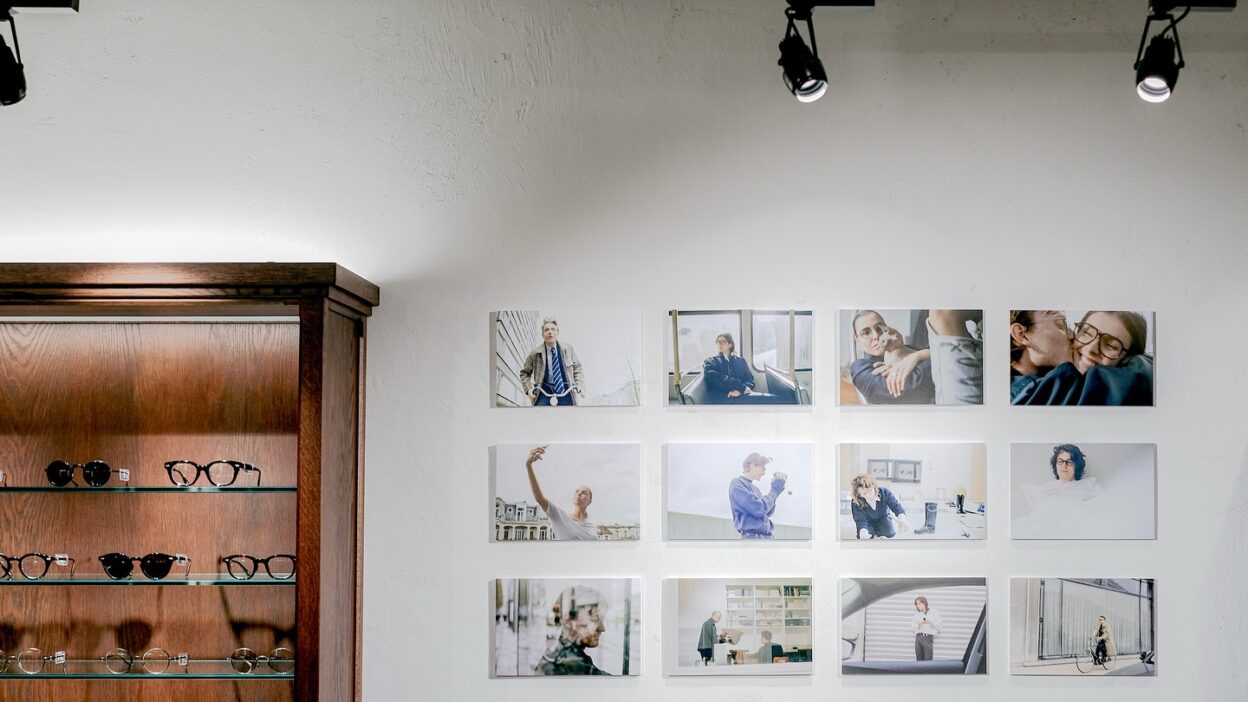
The strongest independent optical stores are not defined by how many brands they carry, but by the clarity of the point of view behind every collection they choose.
The logos may change.
The shelves may look different.
But the experience often feels remarkably similar.
The same brands. The same conversations. The same price points. The same approach to buying.
Somewhere along the way, we started confusing building a collection with building a portfolio.
They’re not the same thing.

A collection is simply an accumulation of brands.
A portfolio is a strategy.
One asks, “What should we buy next?”
The other asks, “What role should this brand play?”
That single shift changes everything.

From Accumulation to Strategy
Every brand that enters a store should earn its place. Not because it’s popular. Not because another retailer carries it. Not because a sales representative presented a compelling line sheet.
It should be there because it contributes something no other brand in the assortment can.
The reality is that many retailers unknowingly create internal competition. Two brands occupy the same aesthetic. The same customer. The same price point. The same story.
Instead of expanding the business, they simply divide it.
This is what retail strategists call brand cannibalization, and it’s one of the most overlooked challenges in independent optical.

More Purpose, Not Simply Fewer Brands
Ironically, the answer isn’t carrying fewer brands.
It’s carrying brands with greater purpose.
Imagine walking into a store where every collection represents a different perspective.
One embodies understated design.
Another celebrates artisanal craftsmanship.
Another speaks to fashion-forward creativity.
Another pushes technical innovation.
Another represents uncompromising luxury.
Now the conversation changes.
Staff become storytellers rather than salespeople.
Customers discover instead of compare.
The assortment feels intentional instead of crowded.
This is how destination retailers are built.
Not by offering the most choice.
But by offering the clearest point of view.
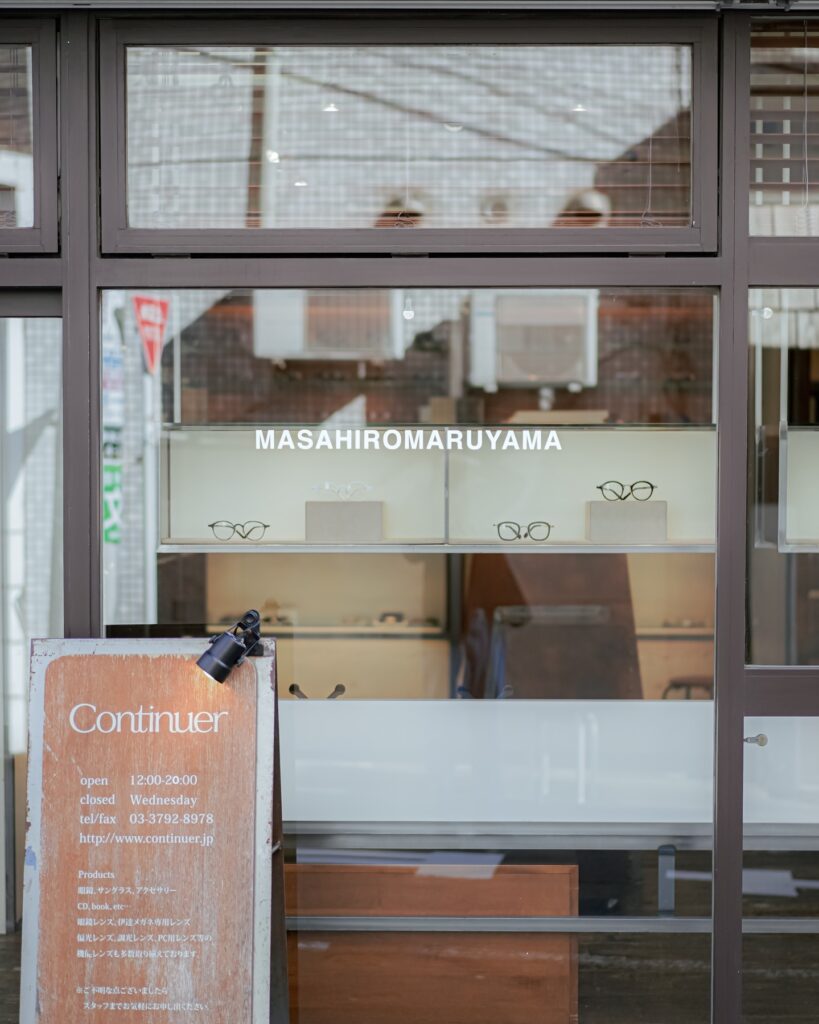
Creating a Second Destination
Many successful optical businesses have established a strong foundation within a core price segment. That foundation shouldn’t be abandoned. It should be protected.
Growth doesn’t come from asking those customers to spend more.
Growth comes from creating a second destination within the same store, one capable of attracting clients seeking exceptional craftsmanship, distinctive design, and products that justify a higher investment.
The goal isn’t to replace the business you’ve built.
It’s to expand it.
A well-structured portfolio allows different price segments to coexist without weakening one another. Each collection has a role, each customer understands the proposition and the store gains access to new business without losing its existing identity.

The Buyer as Curator
Perhaps the biggest shift, however, is philosophical.
For decades, independent optical has largely approached buying as a transactional exercise.
Season after season.
Trade show after trade show.
Brand after brand.
Maybe it’s time to think differently.
Maybe the buyer of the future looks less like a purchaser and more like a curator.
Someone who understands that every brand contributes to a larger narrative.
Someone who builds an ecosystem rather than a catalogue.
Because in the end, customers rarely remember how many brands a store carries.
They remember how the store made them feel.
And that feeling is rarely created by having more.
It’s created by having a point of view.

The Value of a Point of View
Customers rarely remember how many brands a store carries.
They remember the atmosphere, the discoveries, the stories and the way the store made them feel.
That experience is rarely created by offering more of the same.
It is created through intention, distinction and a recognisable point of view.
The future of independent optical retail will not belong to the stores with the largest collections.
It will belong to those with the strongest portfolios.



 English
  French
  Italian
  Spanish
  Portuguese
  German
  Korean
  Japanese