


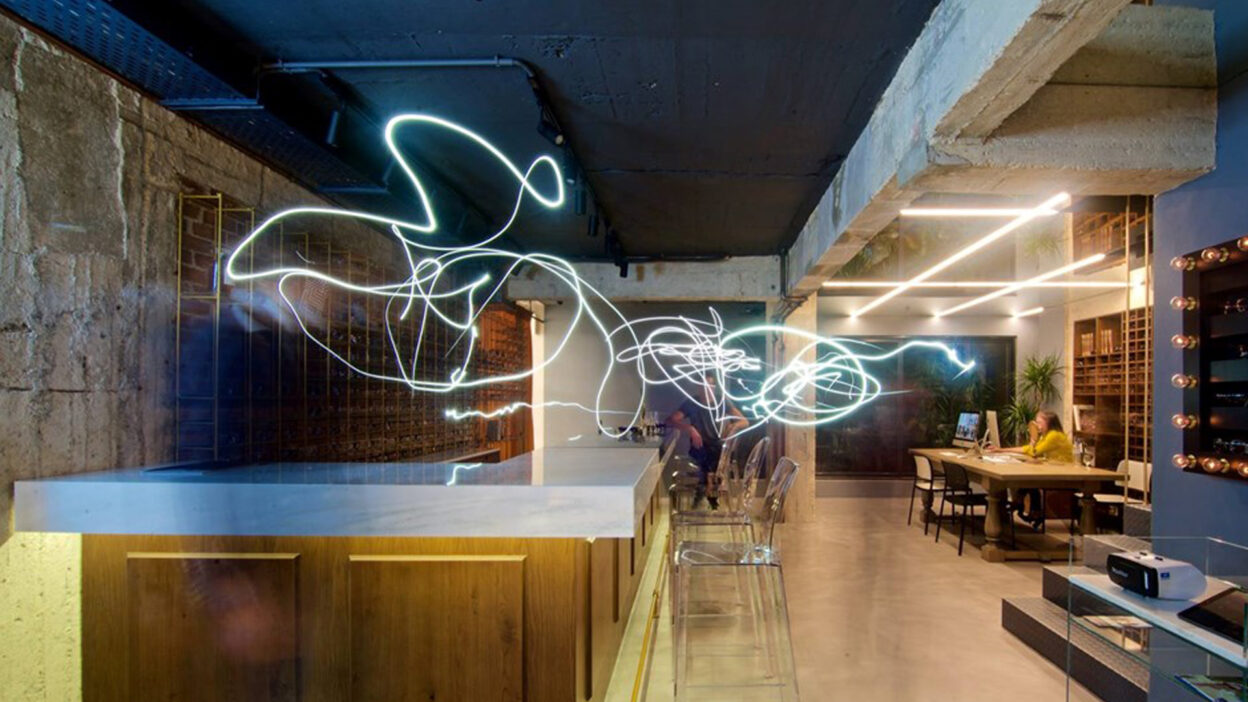
At Johnnie Rousso, vintage eyewear, independent craftsmanship and old-school hospitality come together in a retail concept built on one conviction: value matters more than price.
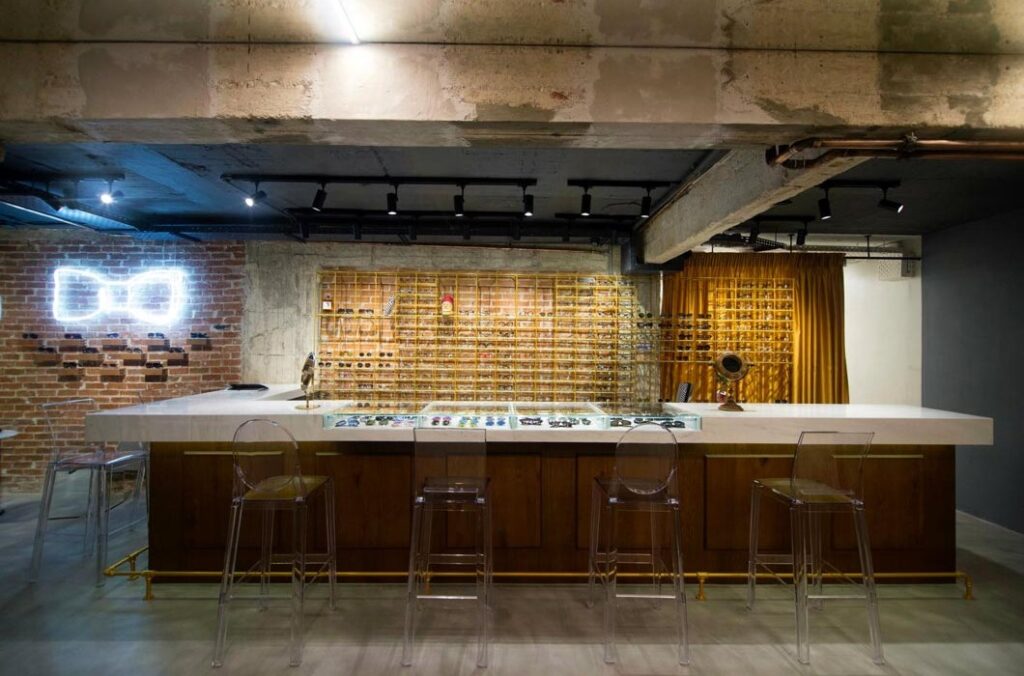
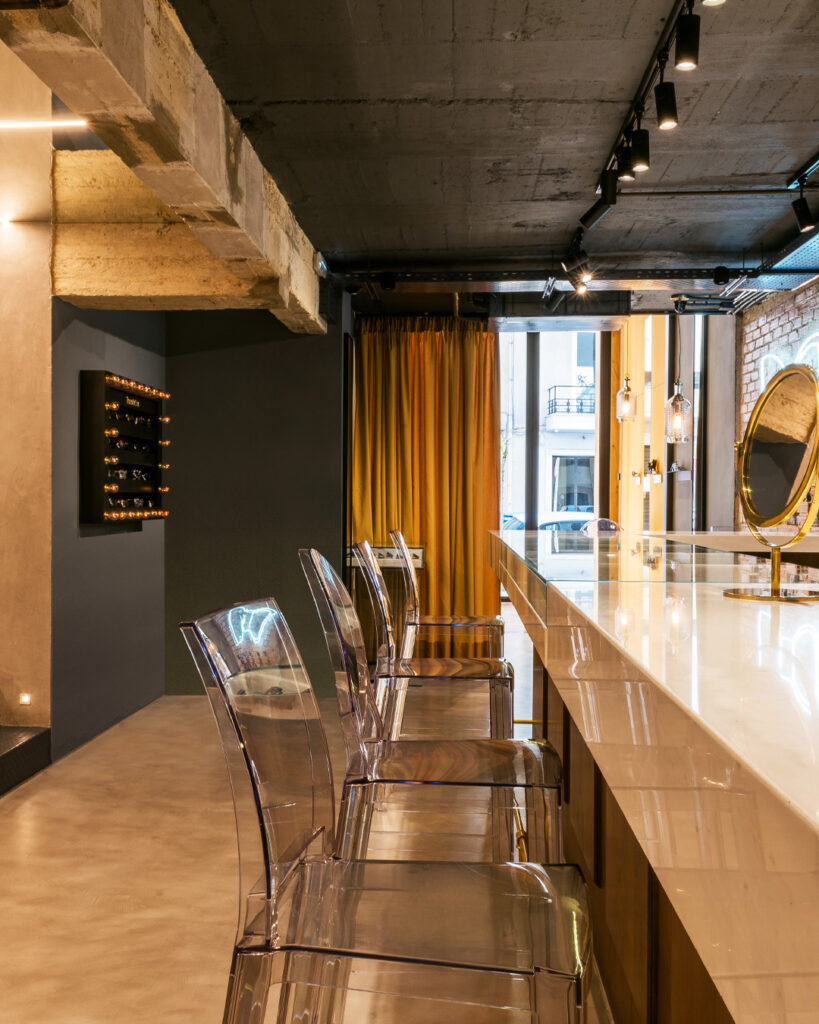
Walk into Johnnie Rousso in Athens and the reference point is not another optical boutique. It is a New York bar.
Not the loud, overcrowded kind, but the sort of place where the person behind the counter remembers what you like, makes you feel at home and knows when to listen. A space built around conversation, trust and the quiet pleasure of discovering something exceptional.
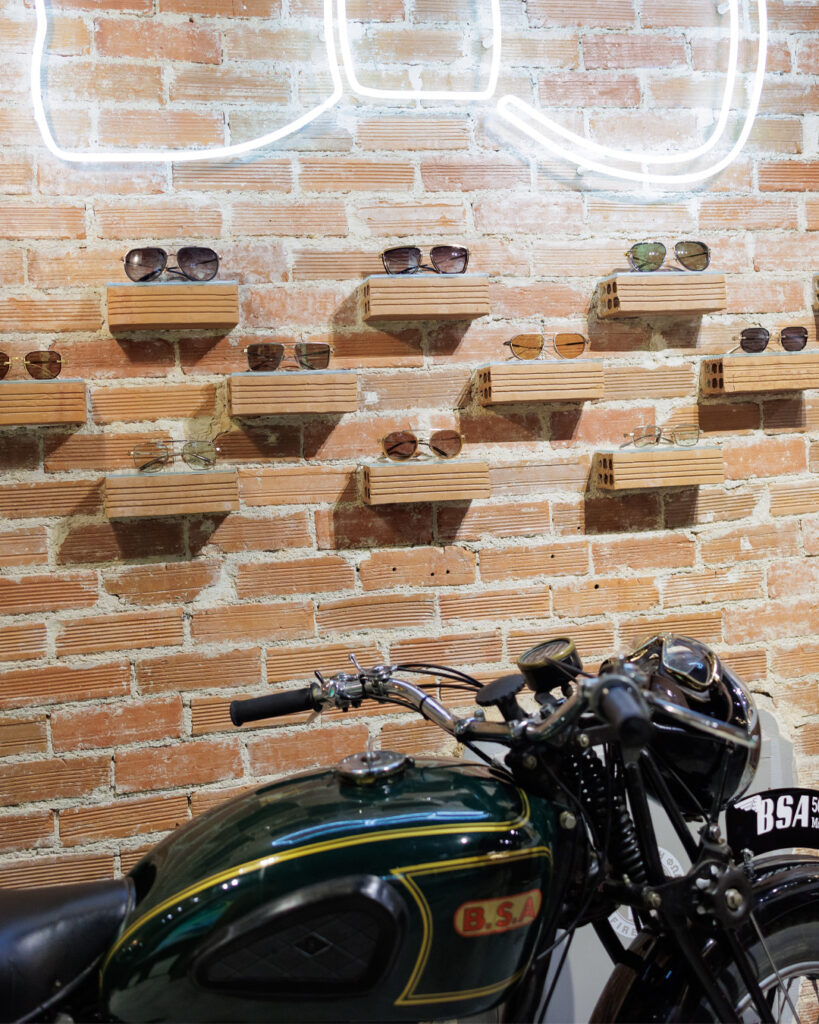
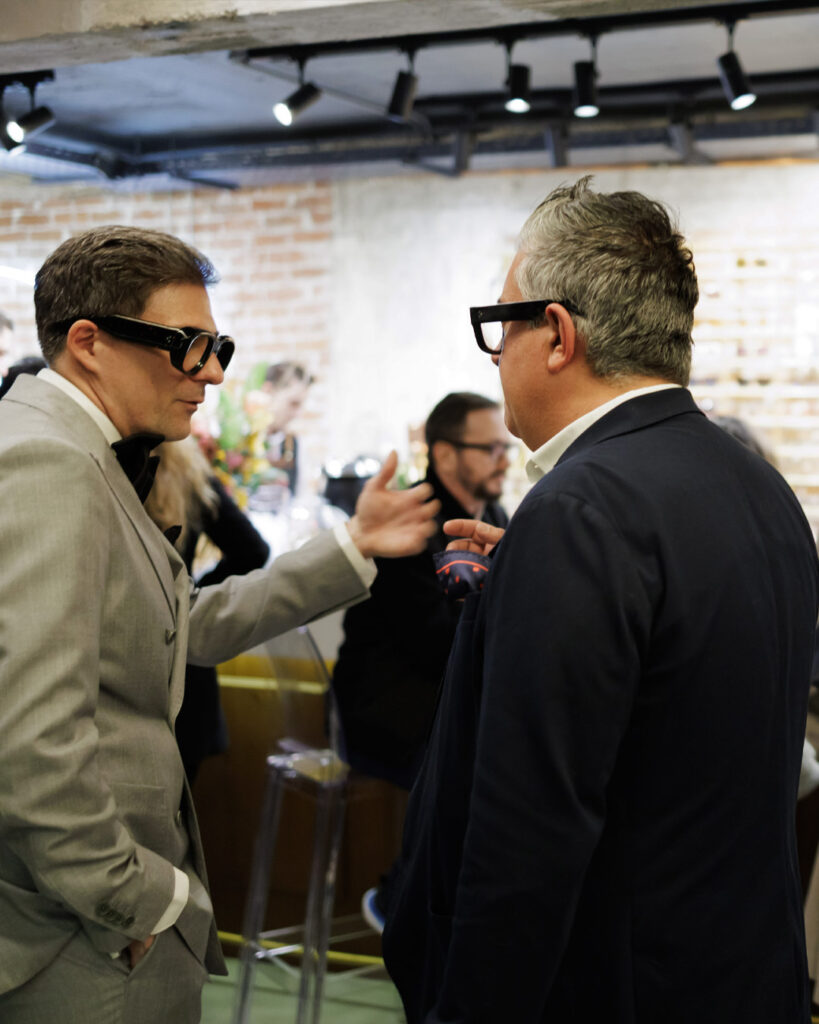
That sense of hospitality sits at the heart of Johnnie Rousso Bespoke Opticians. Created by an optician who grew up surrounded by eyewear, trained in the United Kingdom and spent years working in fashion retail in New York, the store brings together optical expertise, personal style and the unmistakable energy of the city that inspired it.
But behind the atmosphere is a deeper philosophy. Rousso believes a frame should offer more than a recognizable name or an attractive price. It should carry the vision of its designer, the touch of its maker and a story that grows with the person wearing it.
As Greece’s eyewear culture evolves, he sees customers becoming increasingly interested in precisely that: authenticity, individuality and objects with soul.
We spoke with Johnnie Rousso about growing up in a family of opticians, the vintage frames that first captured his imagination, the changing Greek eyewear market and why the future of independent optics depends on learning how to communicate value.
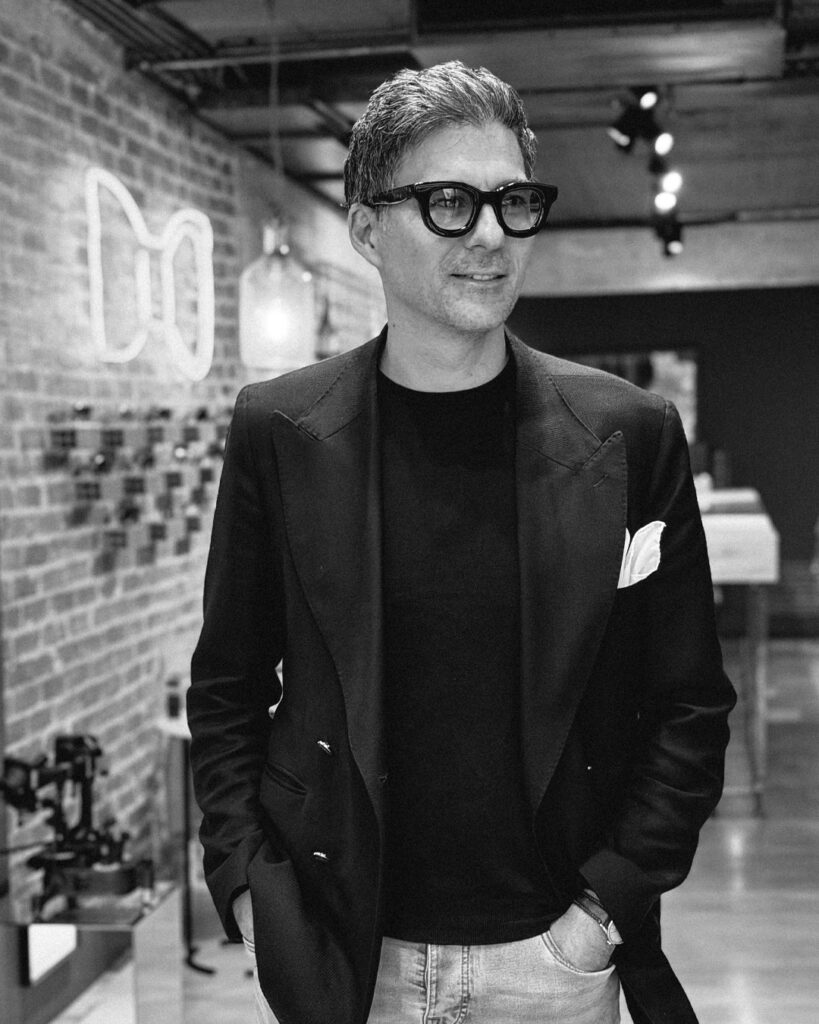
The following conversation has been edited for clarity.
You come from a family with a background in optics and have also spent years in cities such as London and New York. What first drew you personally into eyewear?
Growing up in a family of opticians certainly played a role. Eyewear was part of my everyday life, so the idea of becoming an optician always felt familiar.
I studied optics at Anglia Ruskin University in Cambridge and began working in the UK after graduating in 2004. Later, I moved to New York, where I spent six years as a retail manager in fashion while also completing postgraduate studies in business management.
When I returned to Athens, I began working with my brother Alex, who is also an optician, and took over the management of my father’s oldest store at the time.
In the end, optics won over clothing and fashion retail—although style had already become a major passion of mine. If I had to identify what truly drew me into eyewear, however, it would be vintage eyewear culture and the design of the 1960s, ’70s and ’80s.
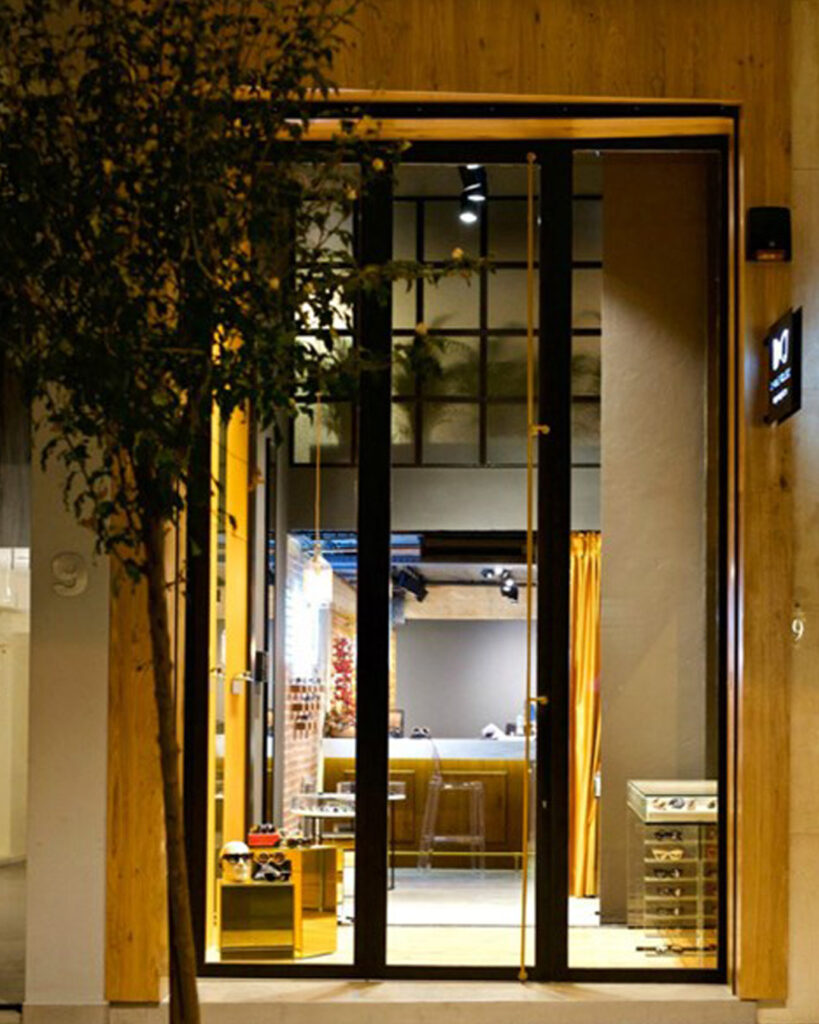
How did the idea for Johnnie Rousso come to life?
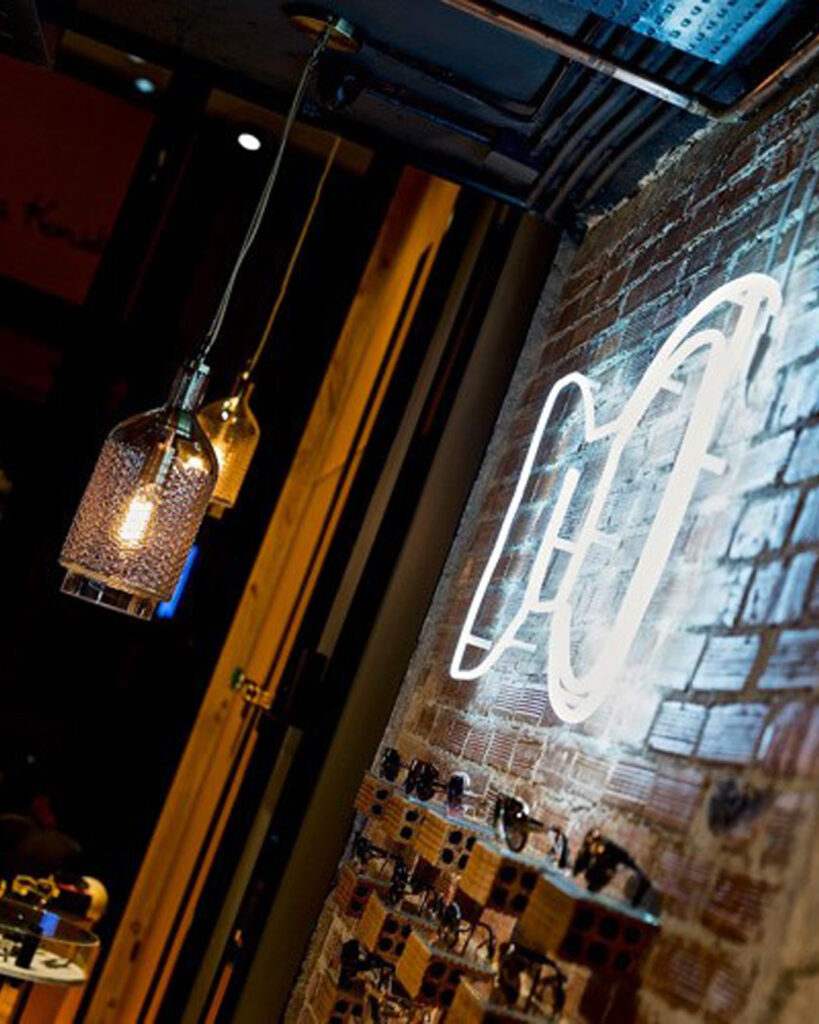
The inspiration behind Johnnie Rousso comes from the atmosphere of New York bars.
New York has an incredibly vibrant nightlife, and its bars have a unique way of capturing the senses. From speakeasies and classic neighborhood bars to more commercial or luxurious spaces, the best of them have something in common: the bartender looks after you, wants to hear your stories and makes you feel comfortable—as if you belong there.
That is the feeling we wanted to create in our store.
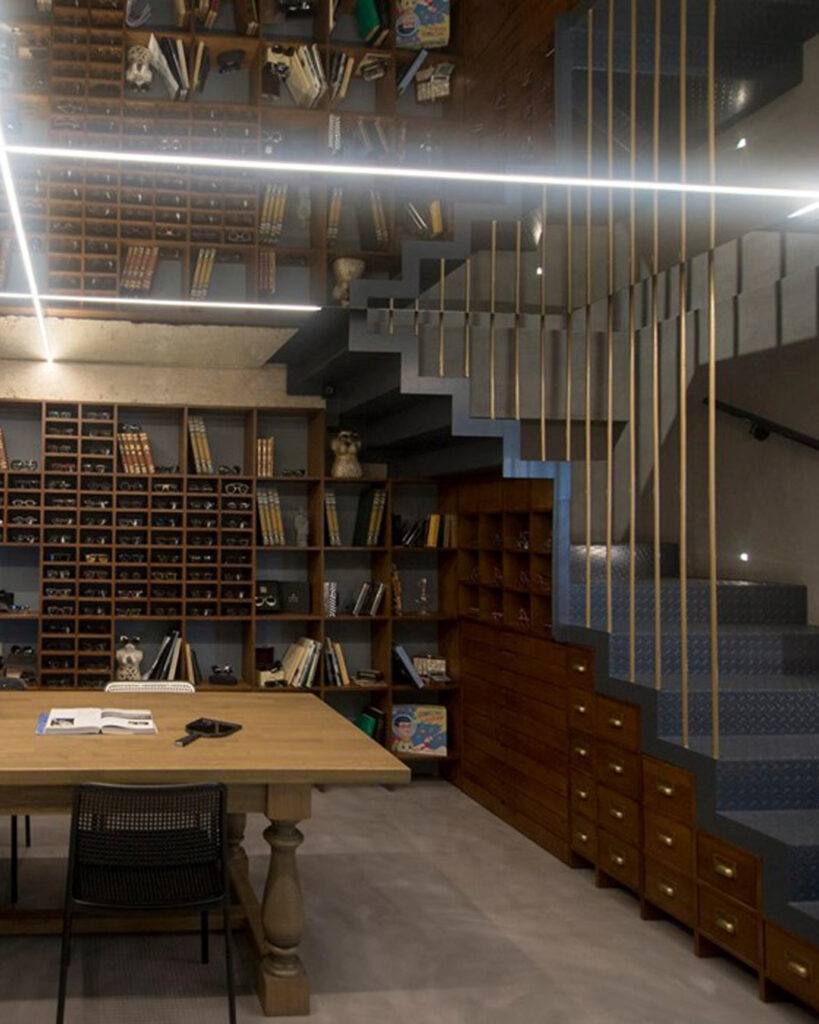
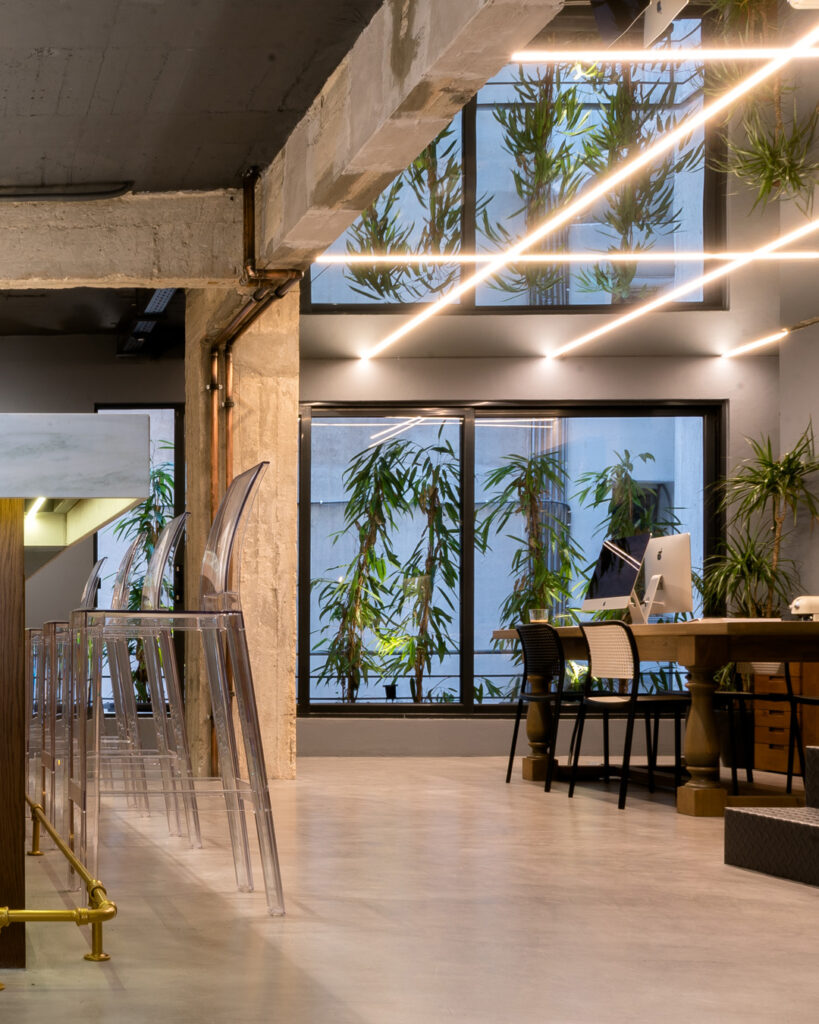
We imagined a warm, inviting environment rather than a sterile space that looks and feels like a conventional optical shop. We wanted it to feel more like a place where interesting things happen, where people meet, discover beautiful objects, enjoy themselves and, along the way, find some of the most distinctive luxury eyewear available in Athens.
How would you describe the Greek eyewear market today?
The Greek market is significantly more developed than it was when we first opened our doors around ten years ago.
More customers are now looking for genuine value rather than simply searching for a familiar brand name. There is growing interest in independent eyewear, and that is very encouraging.
At the same time, there is still room for progress, particularly in optometry and expertise surrounding ophthalmic lenses. Compared with several other European markets, Greece has more work to do in these areas.
I would also like to see more independent optical stores and more mono-brand spaces. Both can help educate consumers to choose eyewear according to style, quality and value, not only according to brand recognition or price.
How have consumer preferences changed over the past few years?
Customers are becoming more curious.
They are paying greater attention to what makes a frame different and are increasingly open to discovering independent brands. They want to understand what they are buying, why it costs what it does and what makes it special.
This is an important change because it moves the conversation beyond logos. It creates an opportunity to speak about design, materials, craftsmanship and the people responsible for making the product.
The shift is already happening, but both brands and opticians still have a great deal of work to do.
Your store has a strong focus on independent and artisanal eyewear. Why is supporting these brands so important to you?
Because we want to build our relationship with the customer around value, not price.
When we present independent or handmade artisanal eyewear, the customer is, in a sense, buying a piece of the craftsperson’s soul. That soul follows the product. It grows with the person who wears the frame and experiences the values behind it.
Eventually, the frame is no longer simply an object. It becomes part of the wearer, part of their personality and their story, while still carrying the original idea of the person who created it.
That is very different from something designed primarily around machinery, volume or commercial necessity.
For us, style is what matters. And real style can only be discovered through a more personal process.
What can independent brands offer that larger, mainstream brands often struggle to provide?
Independent brands and independent opticians, build value over price.
They can focus more closely on the needs of the customer, present a distinctive design language and offer an alternative to mass production and purely commercial products.
There is often a clearer connection between the idea, the designer and the final frame. That connection gives the product personality. It is what allows eyewear to feel personal rather than interchangeable.
Do customers care more about craftsmanship, authenticity and the story behind a frame than they did a few years ago?
Yes, there is definitely a shift in that direction.
However, independent brands still need to work hard to communicate why their products are different and, in many cases, why they offer something more meaningful than mainstream eyewear.
Opticians have an essential role in this process. We need to learn more about the craft, understand the materials and know the history behind the eyewear we present.
Only then can we clearly explain the qualities of independent artisanal brands to the customer. A beautiful story is not enough on its own. It needs to be supported by knowledge and genuine expertise.
Where would you like to see premium and independent eyewear five years from now?
I cannot predict exactly what will happen, but I can tell you what I would love to see.
I would like to see independent brands expand, develop and reach more people. For that to happen, opticians, particularly the younger generation, need to embrace the idea that value does not come only from a brand name.
Value comes from the story, from the facts, from the craftsmanship and from the souls of the people who create eyewear.
That philosophy has to become part of the way the next generation of opticians thinks, selects products and speaks to customers.
Beyond the Logo
Johnnie Rousso’s perspective reflects a broader transformation taking place across independent optics.
Customers may initially walk through the door searching for a product, but the most memorable optical experiences offer something more: knowledge, hospitality and the possibility of discovering a different version of themselves.
In Athens, that experience happens in a space inspired by New York nightlife, shaped by decades of optical heritage and animated by a love of vintage design. The frames may be the reason people arrive, but conversation—and the sense that they have discovered something personal—is what makes them stay.
Because the future of independent eyewear will not be built on names alone.
It will be built on the people, stories and souls behind them.


 English
  French
  Italian
  Spanish
  Portuguese
  German
  Korean
  Japanese