


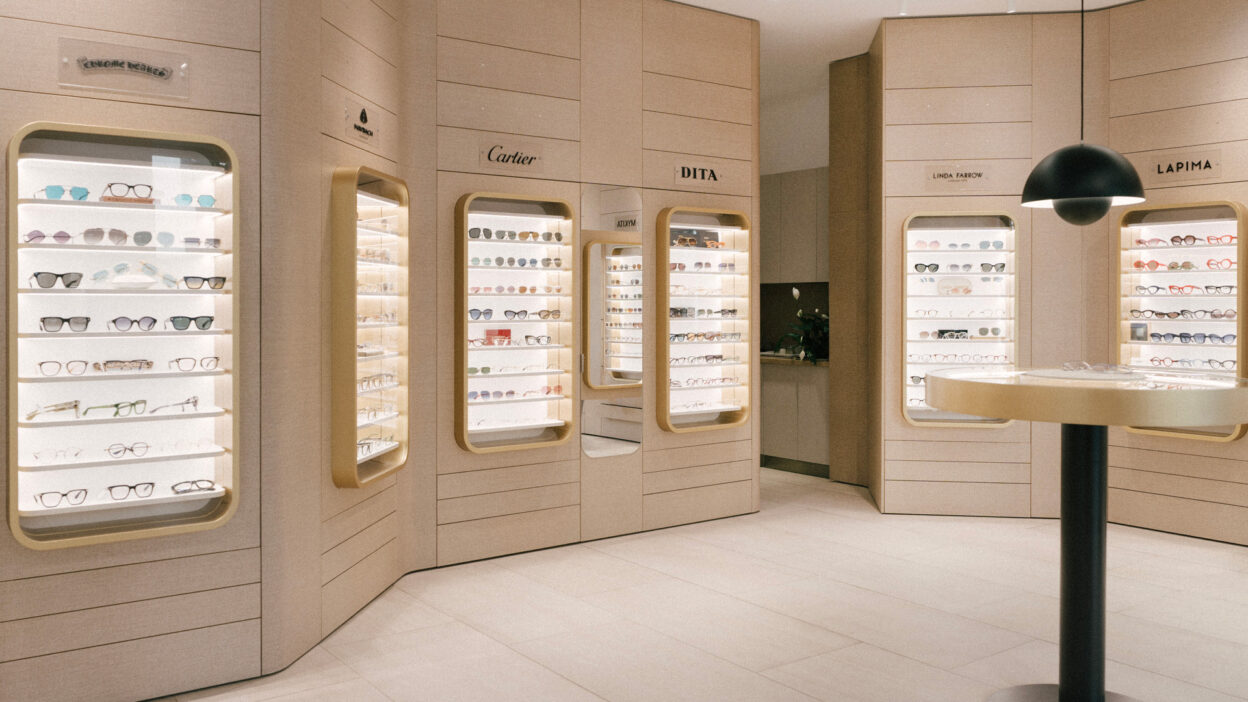
In Bucharest, a 30-year-old family optician is pairing clinical authority with independent design and luxury hospitality, a model built for a consumer who no longer wants to be treated as “emerging.”
For years, luxury executives spoke about Eastern Europe in the future tense.
Growth would come later. Consumers would eventually move beyond price and logos. Retailers would become more sophisticated once the region had caught up with Western Europe.
That language now feels increasingly outdated.
More than three decades after the fall of communism, Central and Eastern Europe is no longer simply a collection of emerging markets. In cities such as Warsaw, Prague, Bucharest and Sofia, a globally exposed consumer class is seeking better materials, limited production, personal service and products that are difficult to find elsewhere.
Eyewear is becoming one of the clearest expressions of that shift.
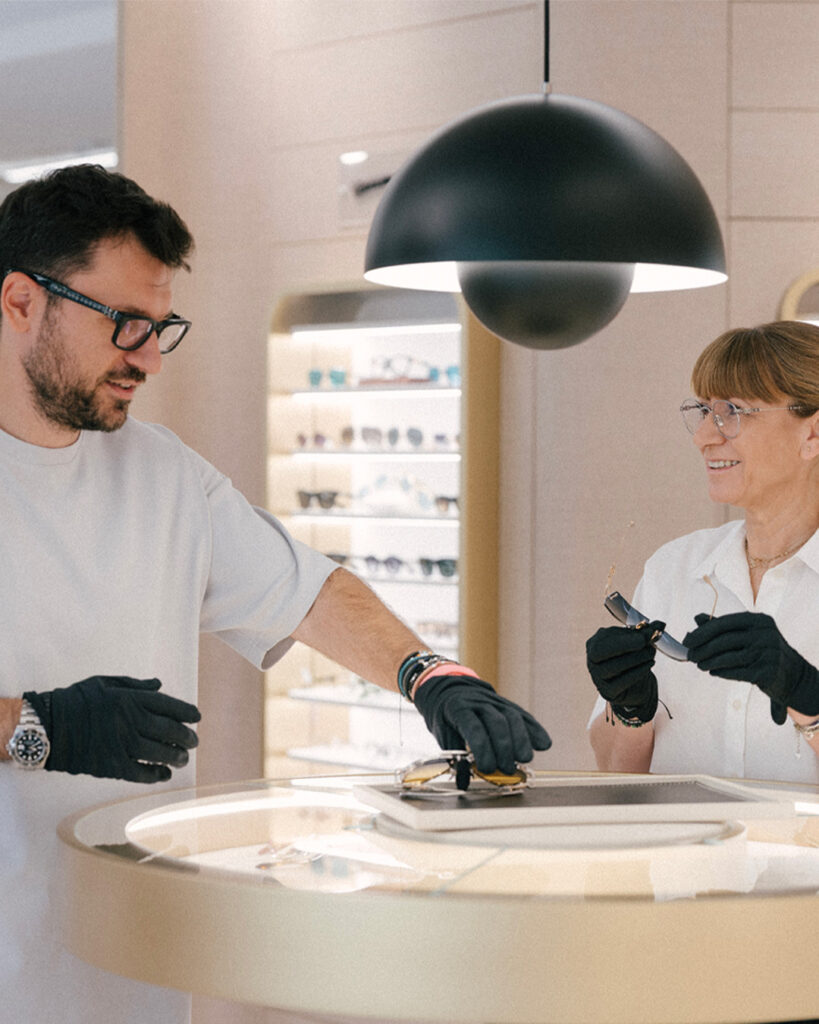
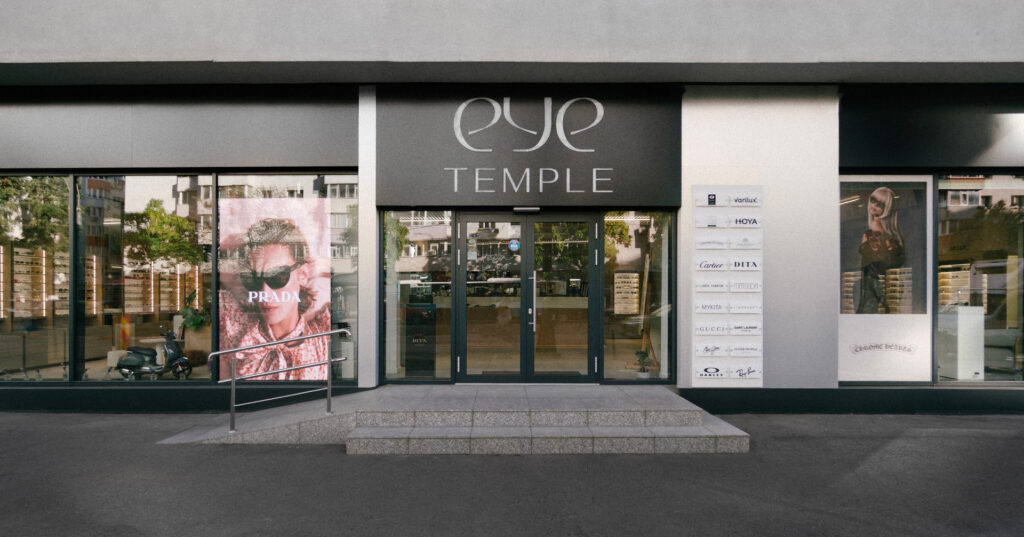
In Bucharest, Eye Temple offers a revealing case study. The family-owned business does not fit neatly into the category of a conventional optician, a pure independent eyewear boutique or a luxury department store. Instead, it brings clinical care, an on-site laboratory, established luxury maisons, design-led eyewear and hospitality together in a single destination.
That hybrid model may be exactly what a market in transition requires.
A Family Business Built Around Control
Eye Temple’s story began more than 30 years ago, when optometrist Liliana founded the company. Her son, Hani Marin, joined the business 12 years ago after studying economics and later completing private optometry training, learning directly from his mother and the company’s clinical team.
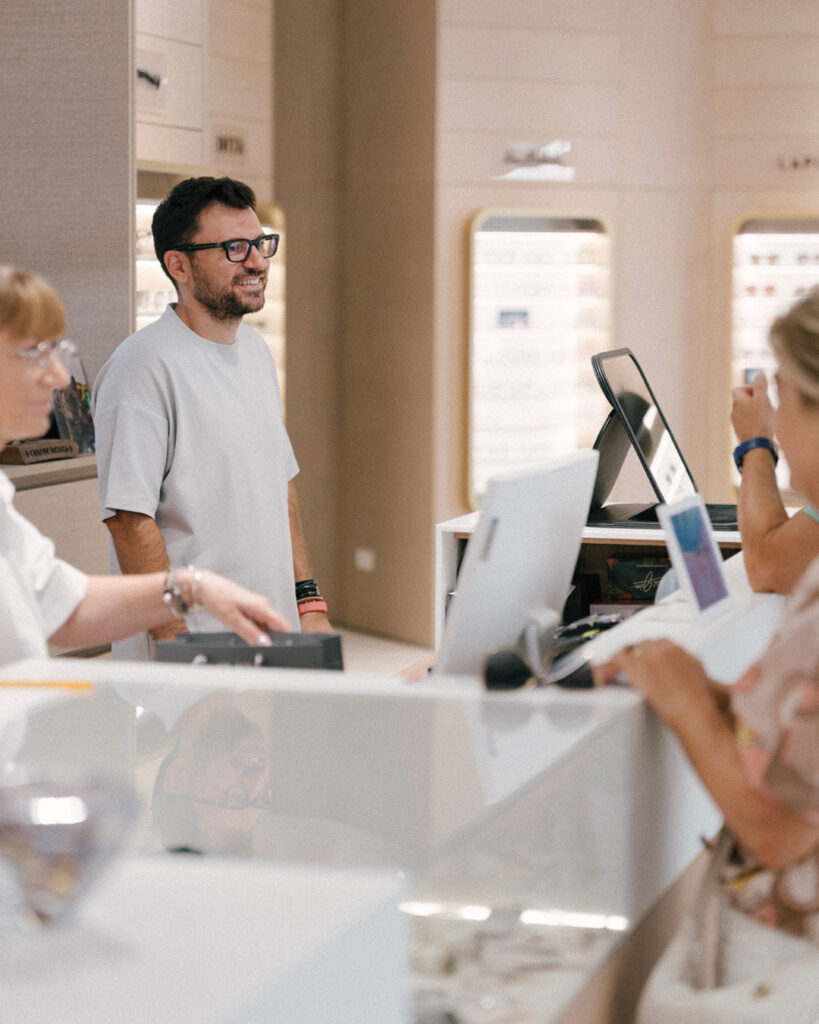
Today, Hani oversees most of the business, while Liliana remains closely involved in customer care and product selection. Both continue to work directly with clients, including long-standing and high-profile customers who often insist on being advised by one of the owners.
Their presence is not ceremonial. It is part of the operating model.
“We chose to run only one store because we strongly believe it is the only way to make sure everything is running smoothly,” Hani says.
In a retail industry where growth is usually measured by the number of locations opened, Eye Temple has made the opposite choice: to scale depth rather than footprint.
The decision creates an obvious limitation. A business built around the direct involvement of its owners is difficult to replicate quickly. But it also creates a form of quality control that larger optical chains often struggle to maintain. Product selection, clinical expertise, fitting and aftercare remain connected rather than divided between departments, branches or external suppliers.
For luxury eyewear, where trust and technical precision matter as much as the frame itself, that continuity can become a competitive advantage.
One Address, Several Businesses
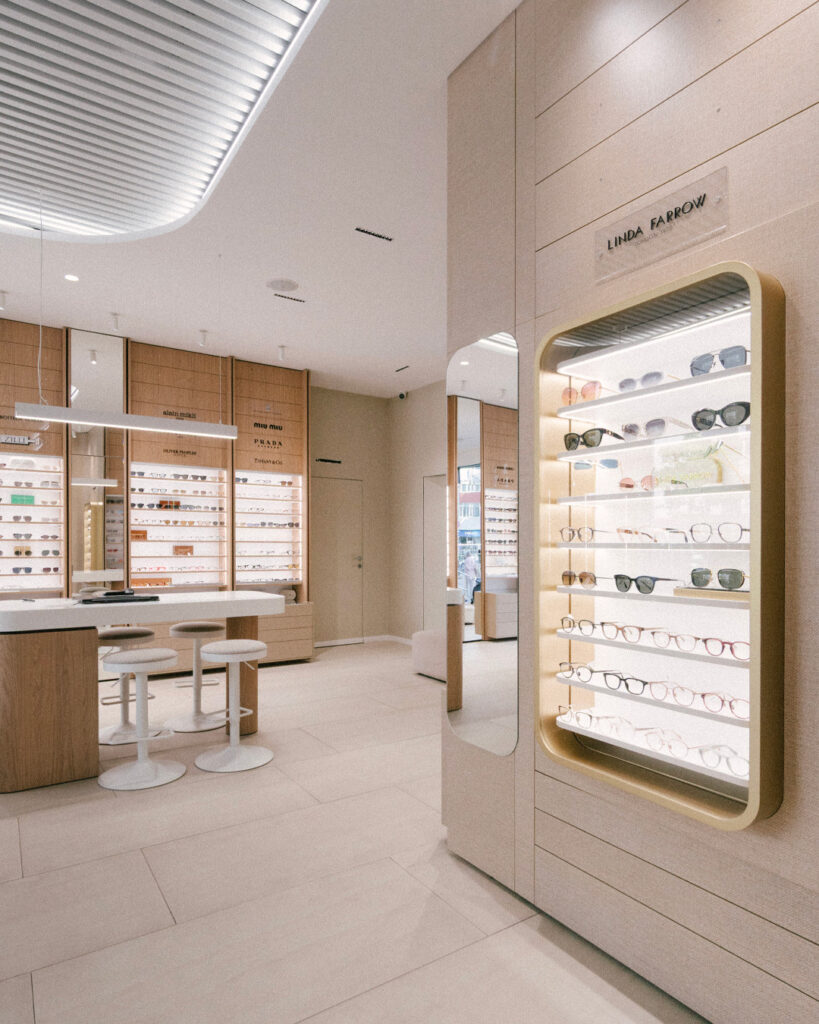
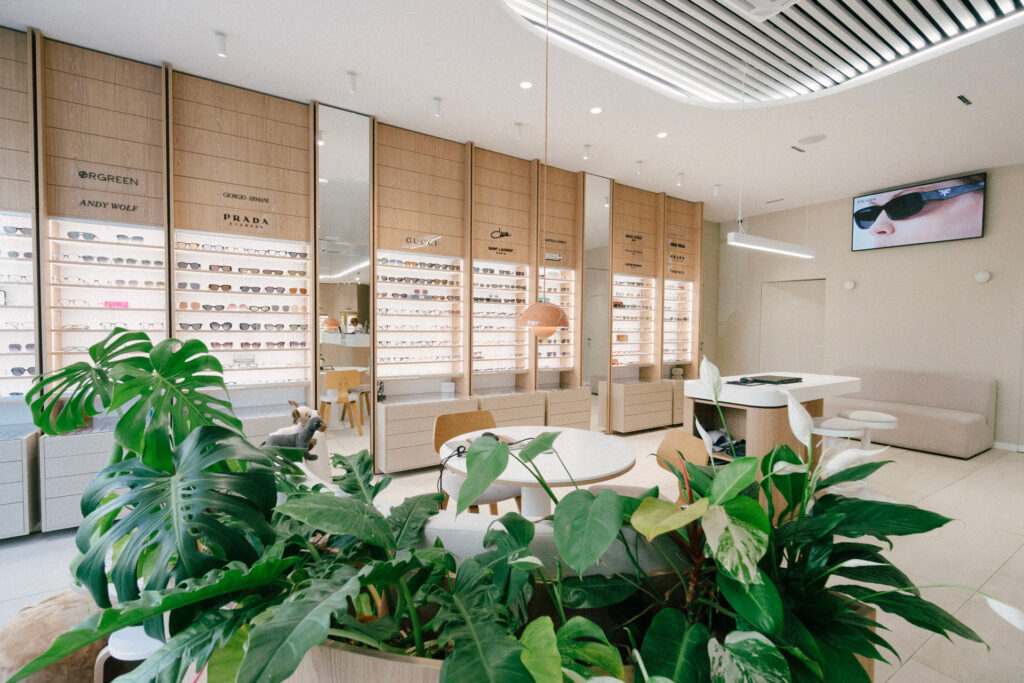
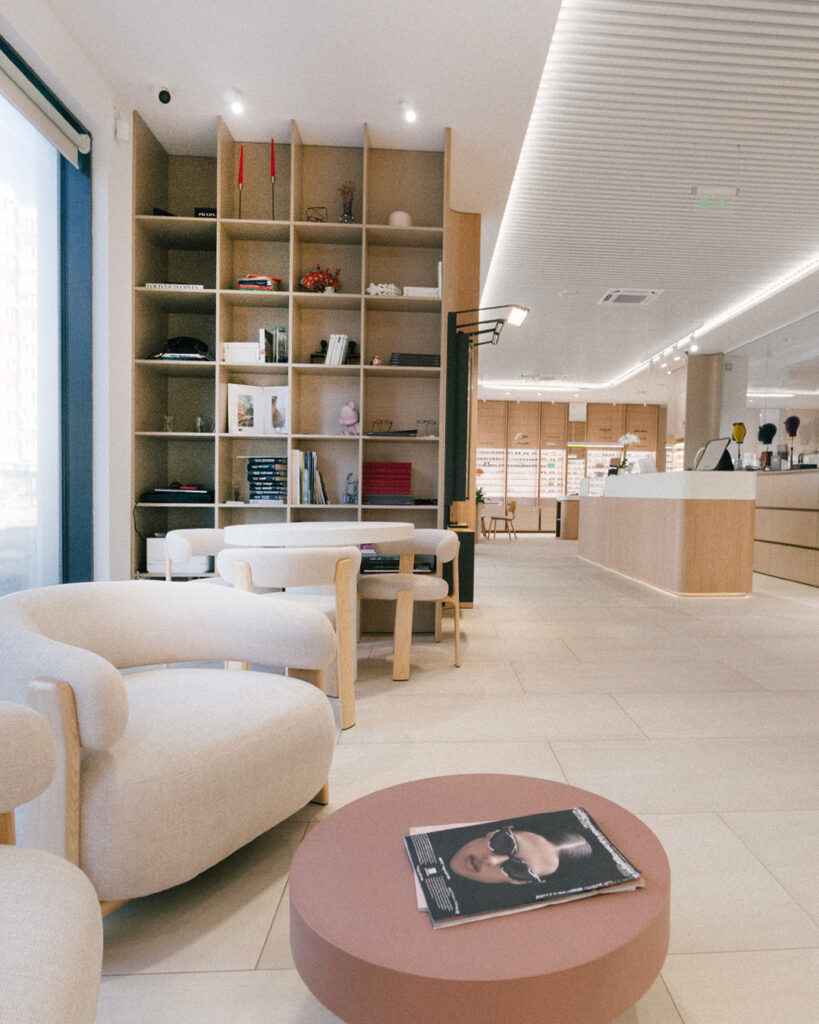
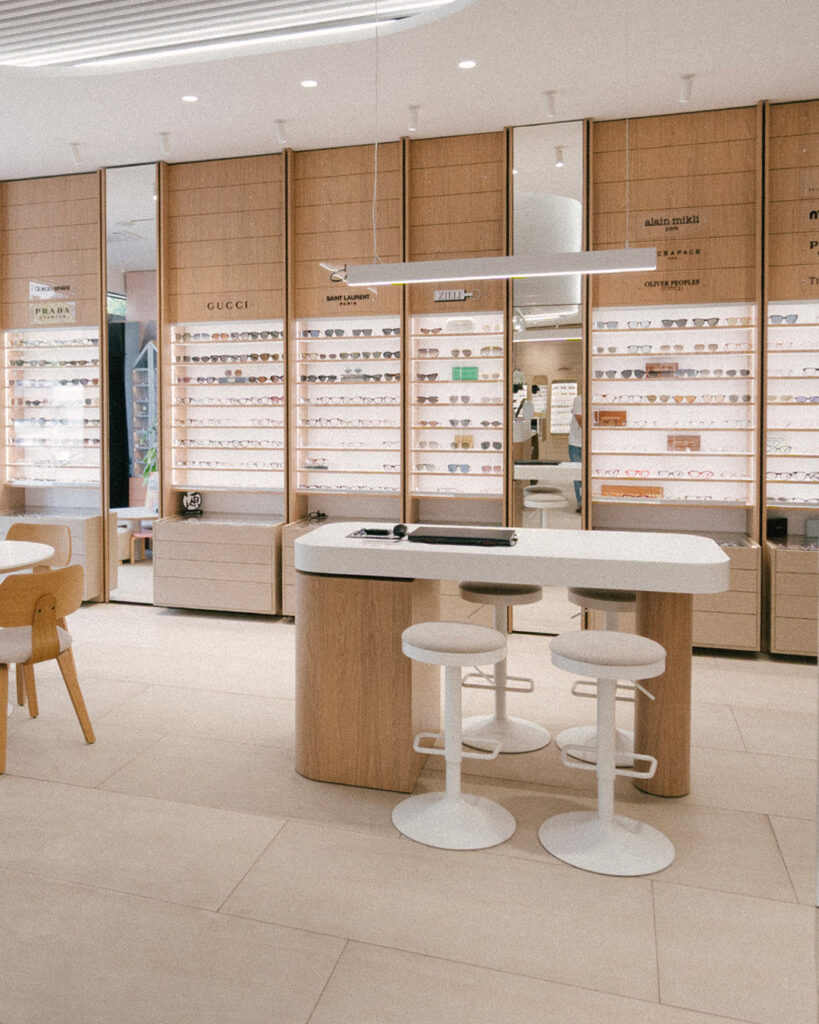
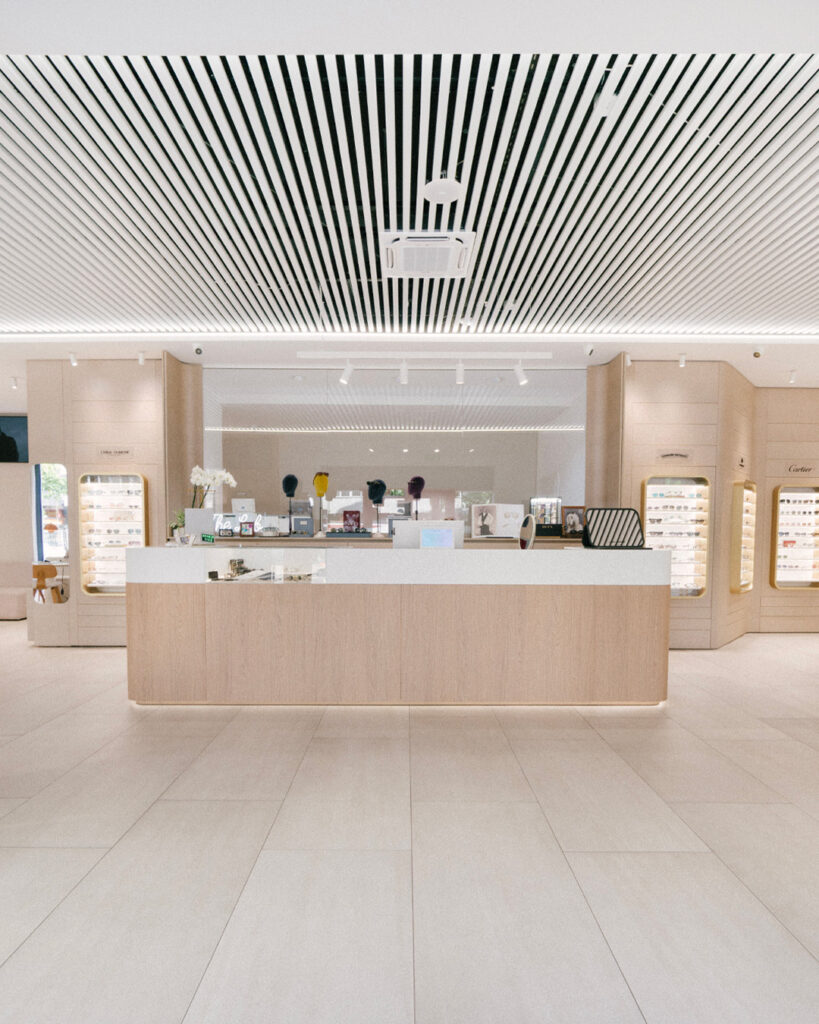
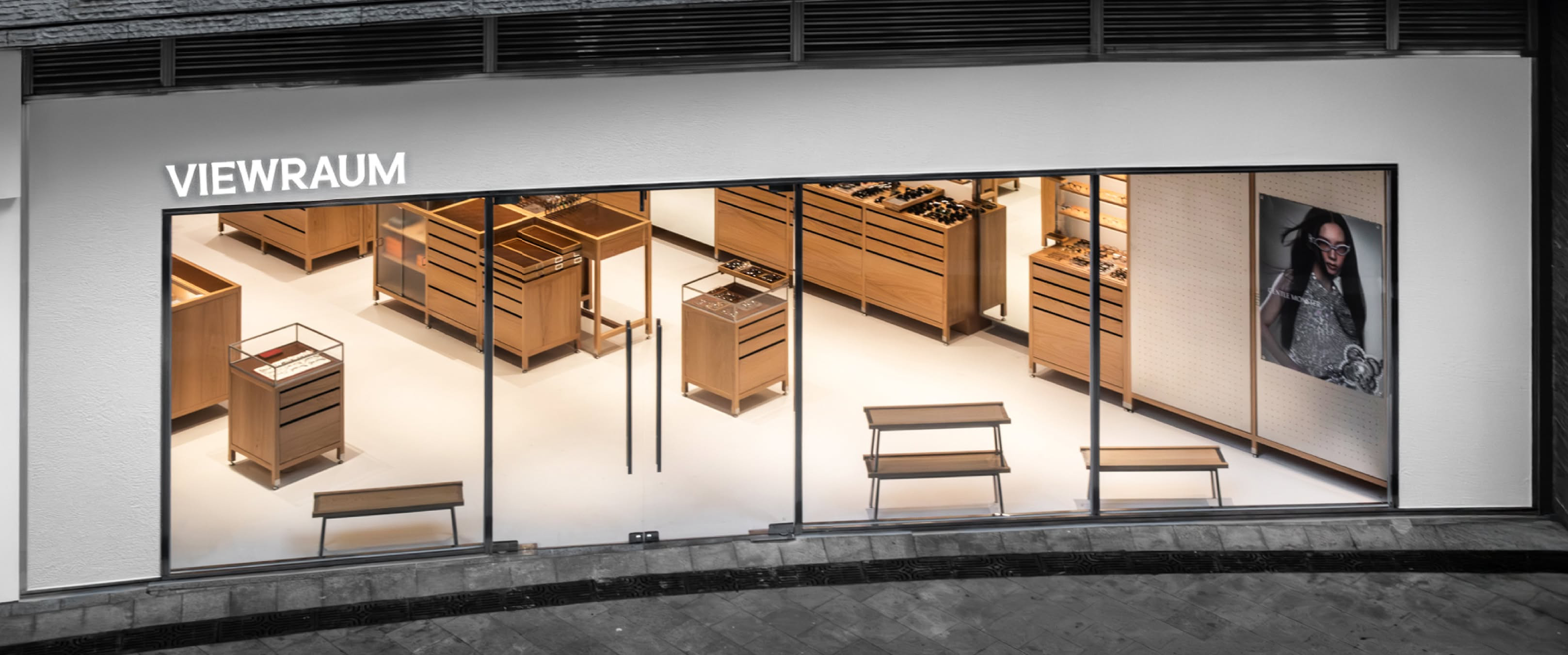
In autumn 2025, Eye Temple opened its new showroom at 104 Ion Mihalache Boulevard. According to the company, the project required an investment of more than €500,000 and brought together over 2,000 frames, two dedicated examination rooms, advanced clinical technology and an in-house laboratory where lenses are edged and fitted.
There is also a children’s area and a coffee corner, details that could be dismissed as retail theatre but serve a practical purpose. Eye examinations, frame selection, lens consultation and fitting take time. By making that time more comfortable, the store turns a medical transaction into a considered retail experience.
The model positions Eye Temple as what the company describes as Romania’s first fully integrated, one-stop premium optical destination. Customers can move from consultation to product selection, lens preparation and aftercare without leaving the space.
This vertical integration also gives the retailer greater control over an increasingly important element of luxury: the final delivery.
A rare frame can lose its value if the fitting is poor. A carefully designed store means little if the clinical experience feels rushed. Eye Temple’s proposition depends on keeping the medical, technical and aesthetic sides of the business at the same level.
Between Recognition and Discovery
The store’s assortment reflects the particular stage of development of Romania’s luxury market.
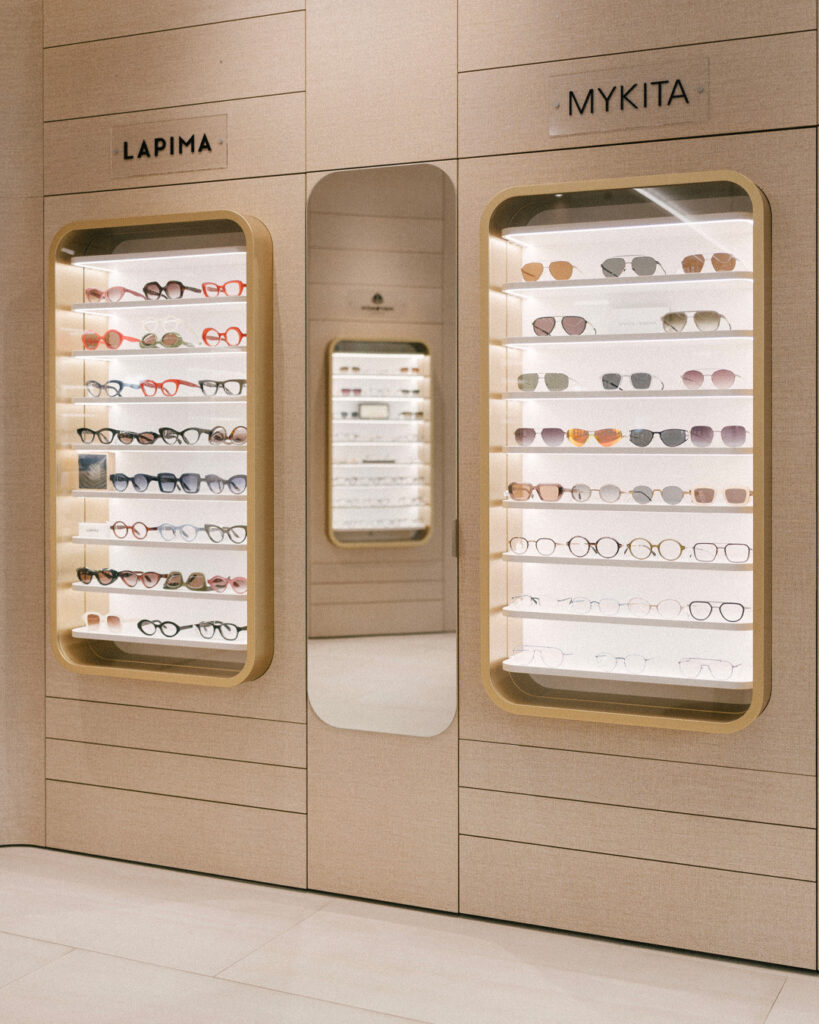
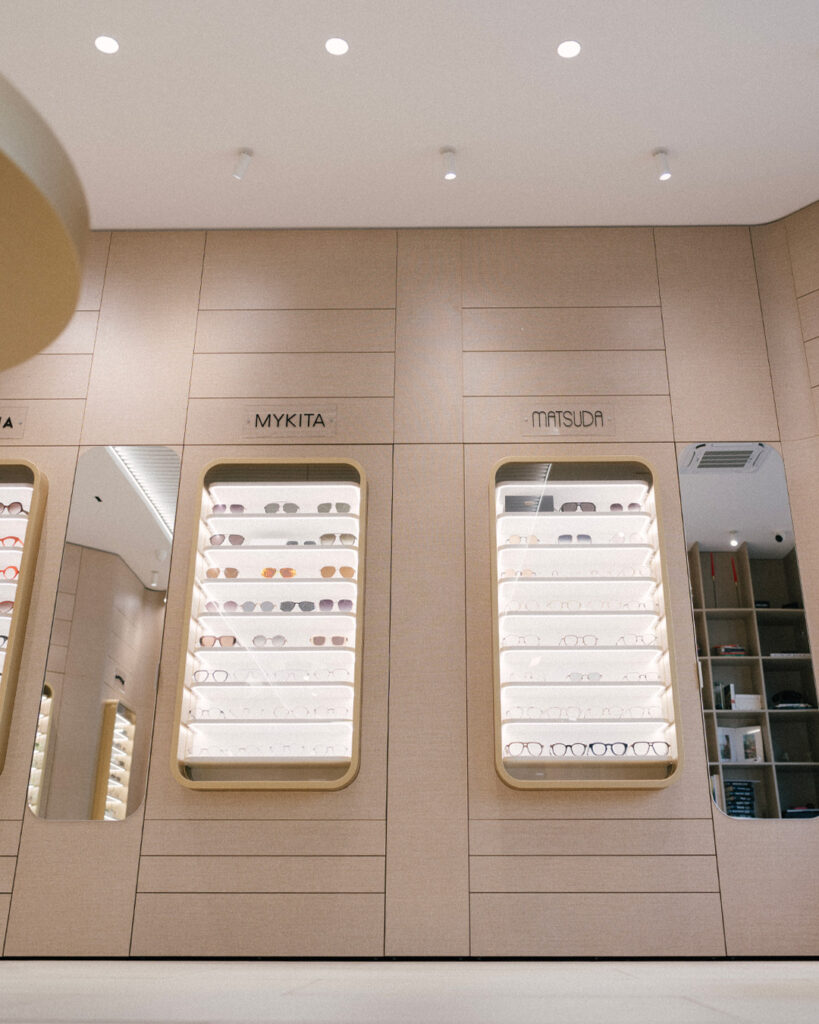
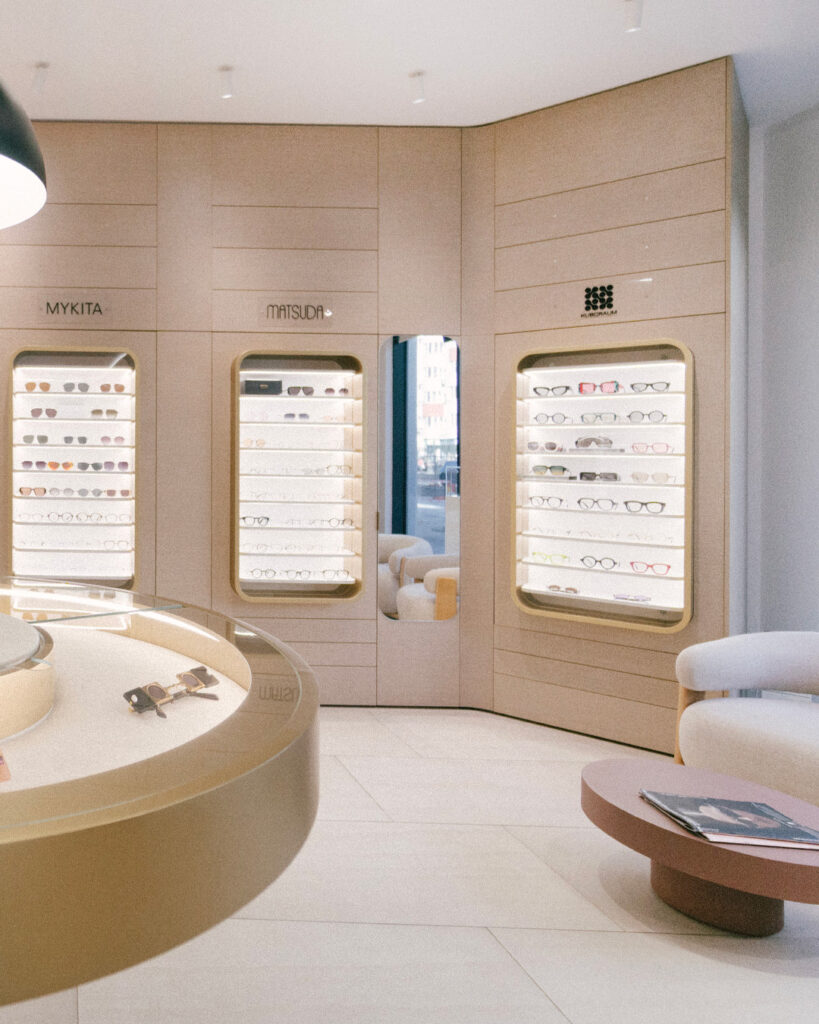
Recognisable maisons and hyper-luxury names, including Chrome Hearts and Maybach, which Eye Temple says it represents exclusively in Romania, sit alongside independent and design-driven labels such as Mykita, Kuboraum, Matsuda, Massada, Lapima, Linda Farrow, Anne et Valentin and DITA.
Eye Temple is not presenting an anti-logo manifesto. Nor would that necessarily make commercial sense in a market where established names remain an important entry point into luxury.
Instead, the assortment creates a bridge.
A customer may initially enter through the familiarity of Cartier or Chrome Hearts, then discover a frame whose value comes from construction, material, design language or limited availability rather than a widely recognised logo. The retailer’s role is to make that transition understandable.
This is particularly important in independent eyewear, where many of the most interesting brands have little mainstream consumer awareness. The product does not automatically sell itself. Someone must explain why an acetate is different, why a hinge matters, why a particular shape is difficult to produce or why a small-run frame commands its price.
In that sense, the next generation of Eastern European optical retailers will need to behave less like resellers and more like editors, educators and cultural translators.
Eastern Europe After “Emerging”
Romania’s broader economic trajectory helps explain why such concepts are appearing now. Eurostat placed the country’s purchasing-power-adjusted GDP per capita at 81 percent of the EU average in 2024, reflecting a significant process of convergence.
Luxury has moved faster still. An analysis by Cushman & Wakefield Echinox found that cumulative sales among leading luxury brands in Romania increased by 120 percent between 2019 and 2023, despite relatively few new store openings.
No single figure proves that an independent eyewear boom has arrived. But the direction is difficult to ignore.
Eye Temple says it has built a base of approximately 40,000 clients over three decades. That history matters because it shows that the current appetite for premium optical retail did not appear overnight. It was built through years of rising incomes, international travel, digital exposure and a gradual change in how consumers understand luxury.
For an earlier generation, luxury often meant visible proof of access to the West. For a growing group of customers today, it is becoming more personal: discreet craftsmanship, unusual design, scarce products and service that cannot be standardised.
At the same time, Eastern Europe is no longer only importing taste. Designers, creative founders and new retail concepts are increasingly emerging from the region itself. The market is slowly moving from being a recipient of Western luxury to becoming a contributor to the broader design conversation.
The Next Opportunity and the Constraint
Eastern Europe should not be treated as a single, uniform market. Poland and the Czech Republic are at different stages from Romania or Bulgaria, while spending power remains concentrated in a relatively small number of urban centres.
Macroeconomic volatility, inflation and geopolitical uncertainty also make expansion less predictable. Independent eyewear requires significant inventory investment, highly trained employees and the patience to educate customers about brands they may never have encountered before.
The greatest constraint may be talent rather than demand.
A retailer can import an exceptional collection. It cannot import trust, local knowledge or decades of relationships as easily. The businesses most likely to succeed will be those able to combine international standards with owner-level attention, while gradually turning that expertise into systems that can outlast the founders.
For Eye Temple, remaining a single-location business protects the experience but also raises the central question facing many family-owned luxury retailers: how to grow without diluting the qualities that created loyalty in the first place.
The answer may not be rapid geographic expansion. It may be stronger digital reach, international delivery, private appointments, limited-edition launches and deeper relationships with a smaller number of brands.
In other words, growth does not always need another address.
A Market Learning to Curate
For decades, luxury moved east primarily through distribution. Global brands entered new territories, local retailers supplied recognisable names, and consumers were expected to follow a familiar path from accessibility to aspiration.
The next phase will be different.
It will be shaped by retailers capable of deciding what does not belong on their shelves, by customers who distinguish craftsmanship from marketing and by stores that treat service, space and product as parts of the same proposition.
Eye Temple is still a business in transition, operating within a market that is itself changing. Its relevance lies precisely there. The mix of medical credibility, luxury recognition, independent design and family ownership captures the current complexity of Eastern European eyewear.
Bucharest is not simply catching up with an established Western model.
It is beginning to build its own.


 English
  French
  Italian
  Spanish
  Portuguese
  German
  Korean
  Japanese