



Every luxury industry eventually reaches a turning point. A new eyewear market is taking shape and there has never been a better time to be part of it.
Fashion evolved beyond clothing. Watches became objects of collecting. Sneakers became cultural assets. Even coffee transformed from a commodity into an experience.
Eyewear, despite being a global multi-billion-dollar industry, never made that transition.
Not because the products weren’t good enough.
Because the culture was never built.
In just 11 months, Curated Optics has emerged as the industry’s independent editorial authority, reaching hundreds of thousands of readers, generating millions of views, and building a community of thousands of subscribers.
For decades, the industry has largely depended on distributors, trade fairs, agents, consultants, and advertising-driven trade media to shape perception. Retailers were rarely encouraged to develop an independent point of view. Instead, many simply followed the same recommendations, bought the same collections, and built stores that looked increasingly alike.
The result is a market filled with products but surprisingly little identity.
The few publications serving the industry largely operated without a clear editorial direction, featuring whoever paid for coverage. The result was media that often resembled advertising catalogues rather than independent journalism.
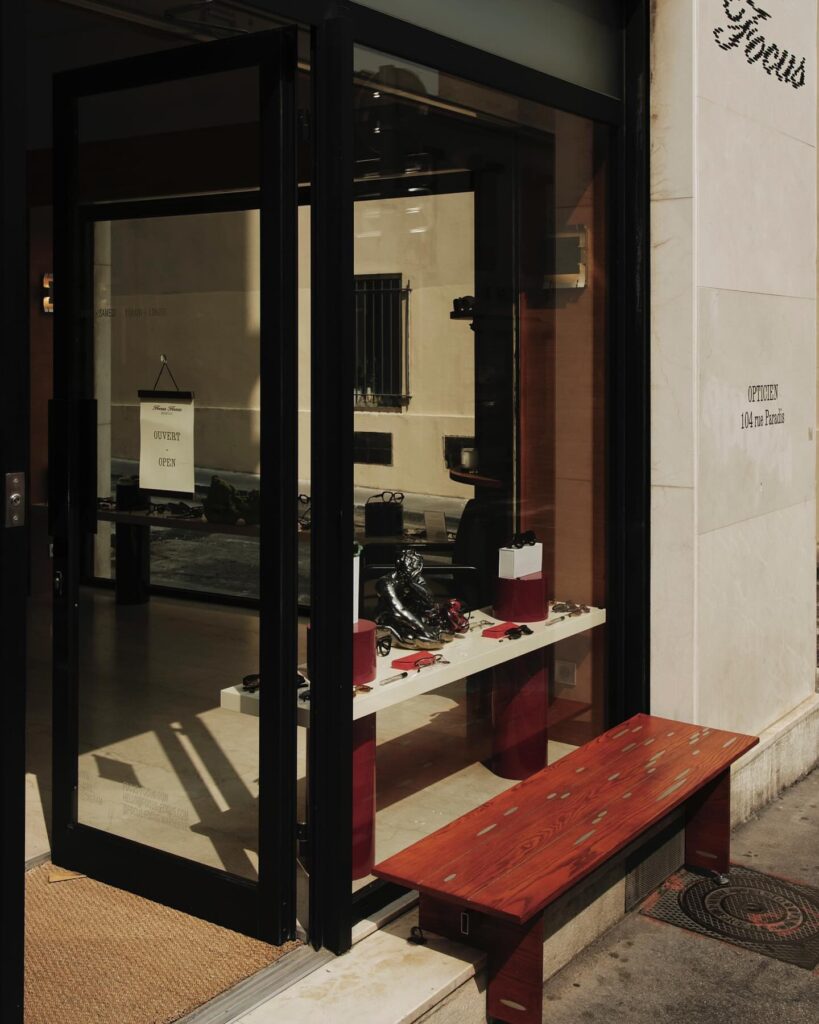
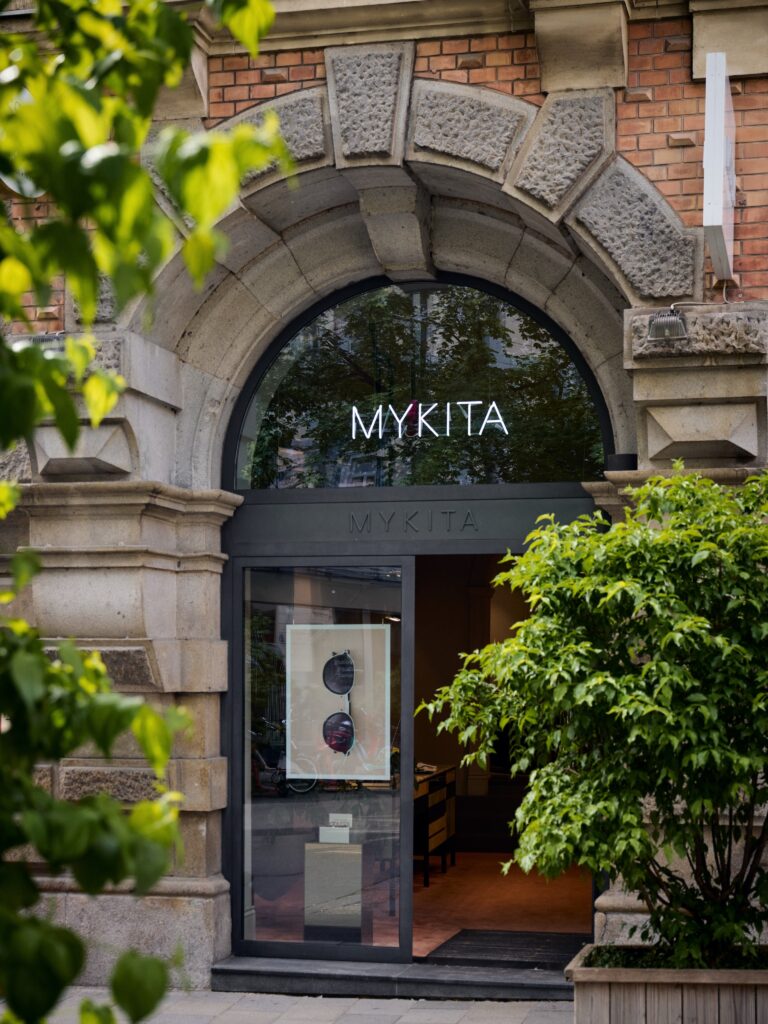
Over the past year, while mapping thousands of optical stores across Europe, we reached a conclusion that challenged many assumptions. Although the continent has thousands of optical practices, fewer than a thousand genuinely operate as luxury destinations. The number delivering what could be described as a true high-end retail experience is dramatically smaller.
Around 90% of eyewear brands have little to no consumer awareness. Their marketing targets opticians, not customers. That’s why eyewear represents one of the biggest opportunities in luxury today: building a market driven by culture and consumer demand instead of trade marketing.
That isn’t a failure of entrepreneurship.
It’s the consequence of an industry that never invested in culture.
Culture changes incentives.
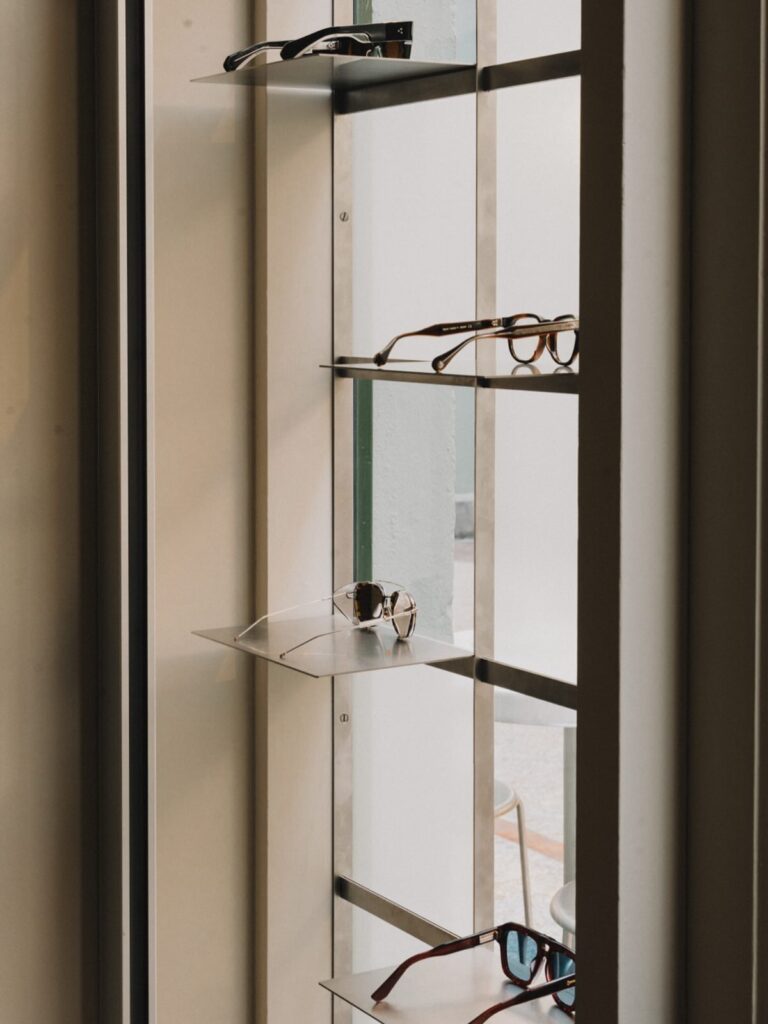
When retailers stop relying exclusively on commercial recommendations and begin searching for independent editorial perspectives, everything changes. They become more selective. They invest in architecture instead of displays. They build identity instead of inventory. They curate instead of simply purchasing.
The same transformation happens for brands.
Instead of relying almost entirely on distribution networks and intermediaries, luxury brands begin building direct relationships with the world’s best independent optical retailers. They compete through creativity, craftsmanship, and cultural relevance rather than simply expanding wholesale doors.
That shift creates value for everyone.
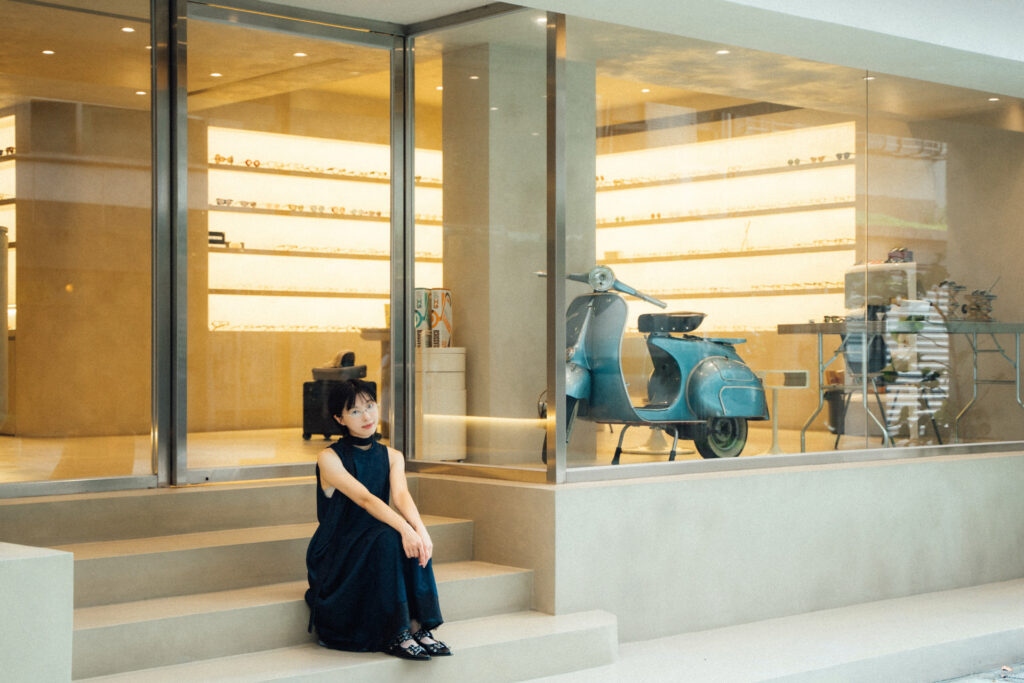
Look beyond the brands exhibiting at trade fairs. Pay attention to those building outside them. They are the ones focused on the consumer, the real retail experience, and long-term brand building, and they are the ones shaping the industry’s future.
Retailers become destinations instead of transactional stores.
Brands become collectible rather than merely available.
Consumers begin buying into stories, communities, and design philosophies, not just another pair of glasses.
This transformation has already begun.

Brands such as Jacques Marie Mage proved that eyewear could transcend its functional role and enter the world of collecting, scarcity, and cultural desirability. They didn’t simply launch another eyewear brand, they created a new luxury category that demonstrated glasses could carry the same emotional value as a mechanical watch or a rare sneaker.
That success opened a door the industry is only beginning to understand.
The next decade of eyewear will not be defined by who sells the most frames.
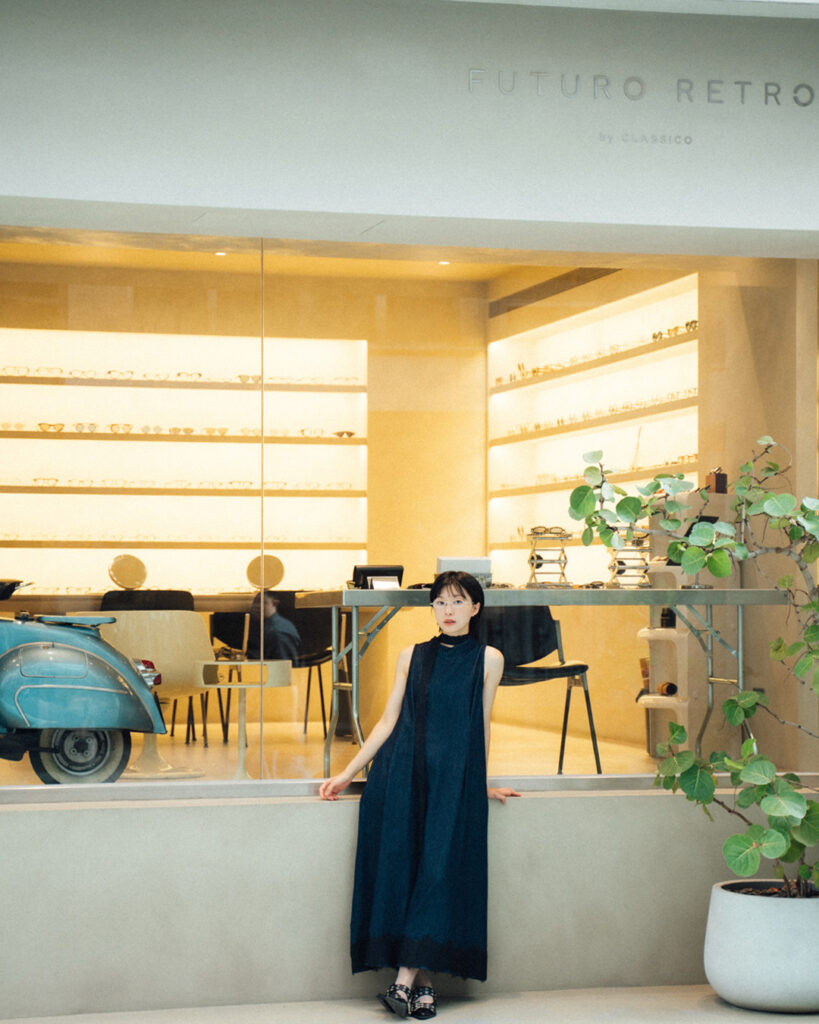
It will be defined by who builds the strongest culture.
The biggest opportunity in eyewear today is no longer manufacturing.
It is education.
It is storytelling.
It is design.
It is helping independent optical retailers discover their own identity instead of borrowing someone else’s.
Luxury doesn’t emerge because an industry becomes larger.
It emerges when an industry finally develops a culture worth belonging to.

Most of what the industry calls “media” isn’t journalism at all. It is advertising. Publications built around sponsored content, paid placements, product launches, and marketing campaigns. Coverage often follows advertising budgets rather than editorial relevance. Important conversations about retail strategy, positioning, consumer behavior, cultural shifts, or the future of luxury eyewear rarely happen.
The consequences have been profound.
Independent optical retailers have spent years trying to understand what defines a successful modern practice while receiving very little objective guidance. Many have been encouraged to chase the same brands, the same marketing messages, and the same commercial formulas. In many cases, that confusion has proven expensive.
Perhaps the industry’s greatest misconception is its understanding of luxury itself.
Not because talent doesn’t exist.
Because education never existed.
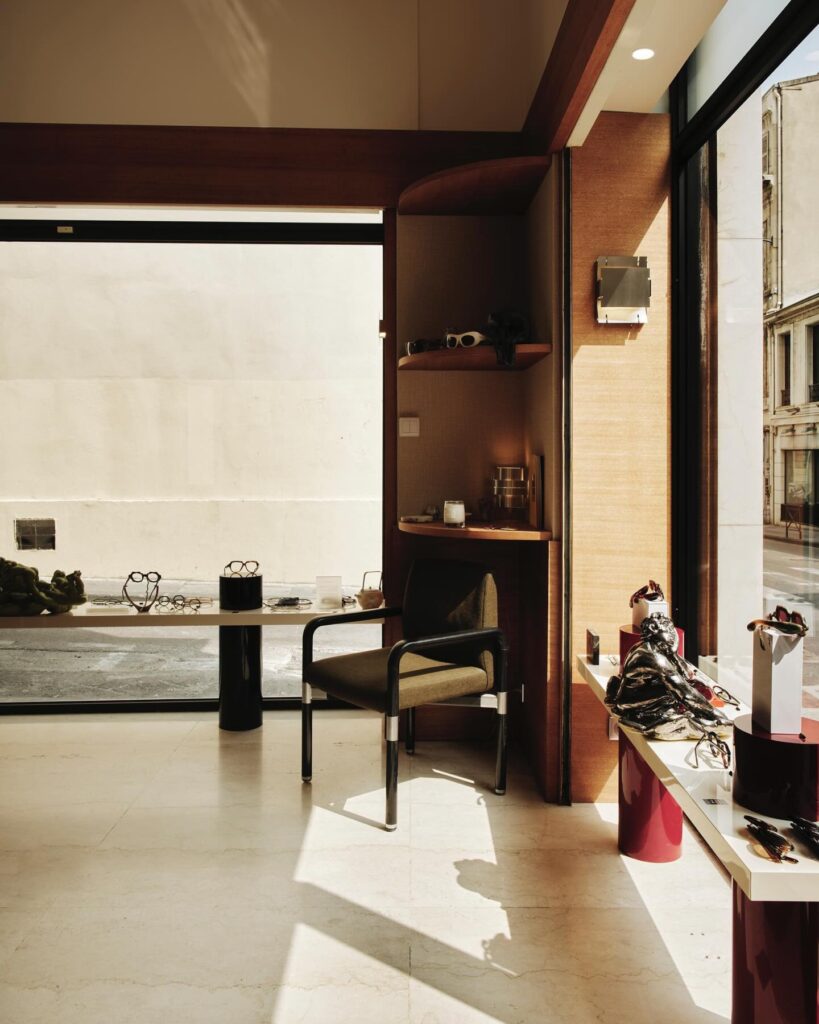
Without independent editorial standards, the market gradually lost its ability to distinguish between branding and brand equity, between distribution and desirability, between premium pricing and genuine luxury positioning.
The same pattern appears on the brand side.
Many brands presented as “luxury” are primarily distributed through mid-market optical chains or conventional retail networks. Their visibility is often the result of commercial relationships rather than cultural relevance or exceptional product. Meanwhile, truly distinctive independent brands struggle for attention because the ecosystem capable of explaining their value has never existed.
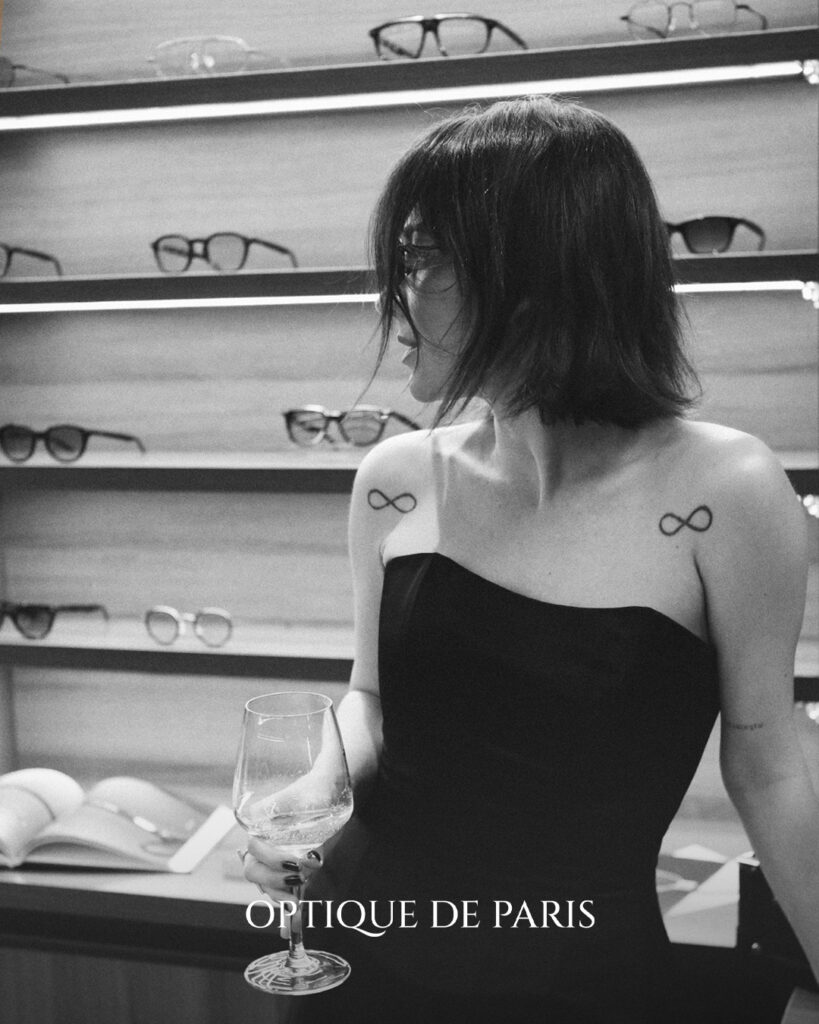
Luxury industries evolve through criticism, analysis, and cultural conversation.
Fashion has publications that shape taste. Watches have editorial platforms that educate collectors. Design has critics who influence markets.
Eyewear had almost none of that.
Instead, it relied on marketing.
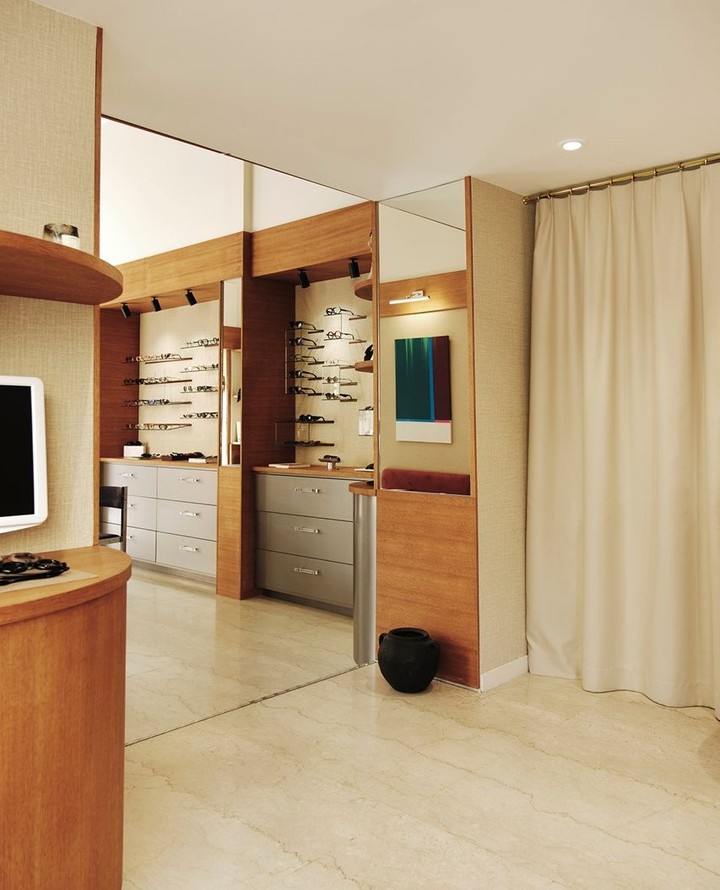
Over the past eleven months, our mission has been simple: replace promotion with perspective.
We have focused on independent boutiques redefining retail, founders building meaningful brands, collectors shaping culture, and conversations that challenge long-held assumptions. Rather than asking who spends the most on advertising, we ask who is genuinely moving the industry forward.
That shift has inevitably challenged established interests.
Now is the time to build a new generation of optical stores with fresh perspectives and new brands with distinctive identities.
The industry is entering a new era, and the game is only just beginning.

 English
  French
  Italian
  Spanish
  Portuguese
  German
  Korean
  Japanese