



In an industry often driven by logos, trends, and constant novelty, Florence-based Bottega Di Sguardi has built its reputation by moving in the opposite direction. More than an optical store, it has become a destination for those seeking individuality, craftsmanship, and a deeper connection to the objects they wear.
Under the vision of founder Simone Ghedini, Bottega Di Sguardi has emerged as one of Europe’s most respected independent eyewear destinations, attracting enthusiasts from around the world who travel to Florence not simply to purchase glasses, but to experience a unique perspective on aesthetics, identity, and culture.
We sat down with Simone to discuss the evolution of the eyewear industry, the philosophy behind his carefully curated selection, the value of craftsmanship, and why the future of eyewear may have less to do with products and more to do with meaning.
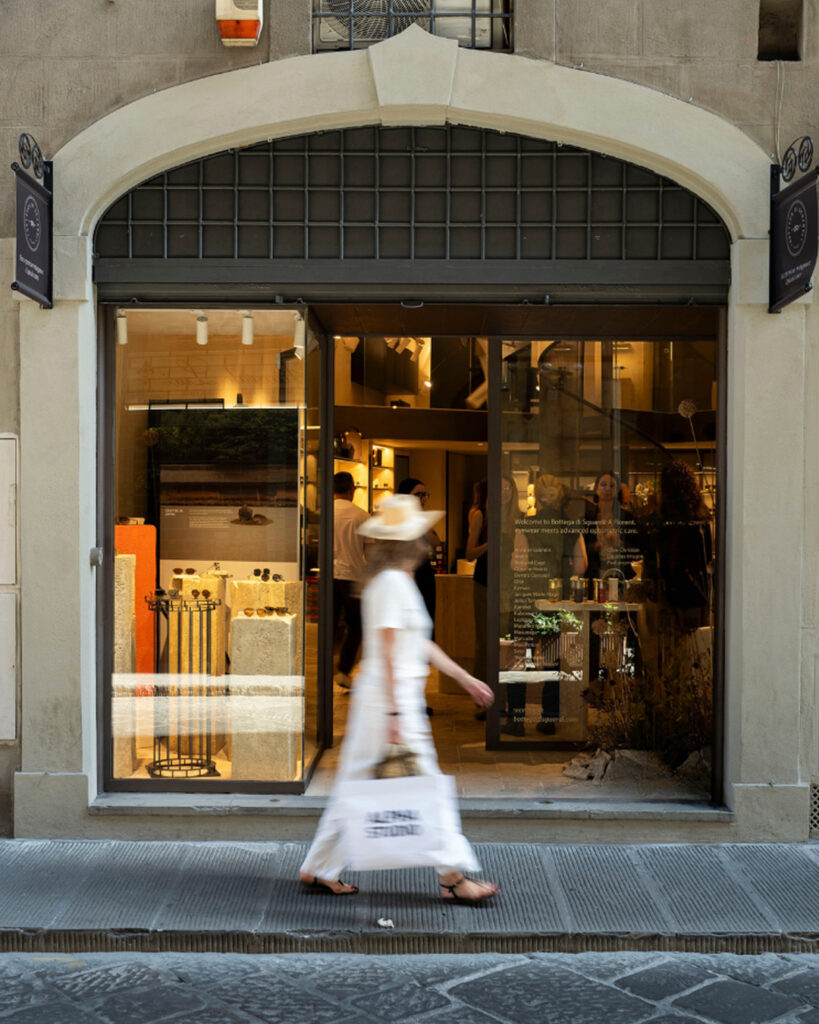
I believe any eyewear enthusiast arriving in Florence already knows your store. How did you enter this industry? What is the story behind Bottega Di Sguardi?
I never dreamed of opening an optical store.
Those already existed.
I dreamed of creating a place that didn’t exist.
A place where eyewear would stop being a simple product and become culture, identity, and self-expression.
When I started, most people entered a store to buy a brand.
I wanted to create a place where people would enter to discover something about themselves.
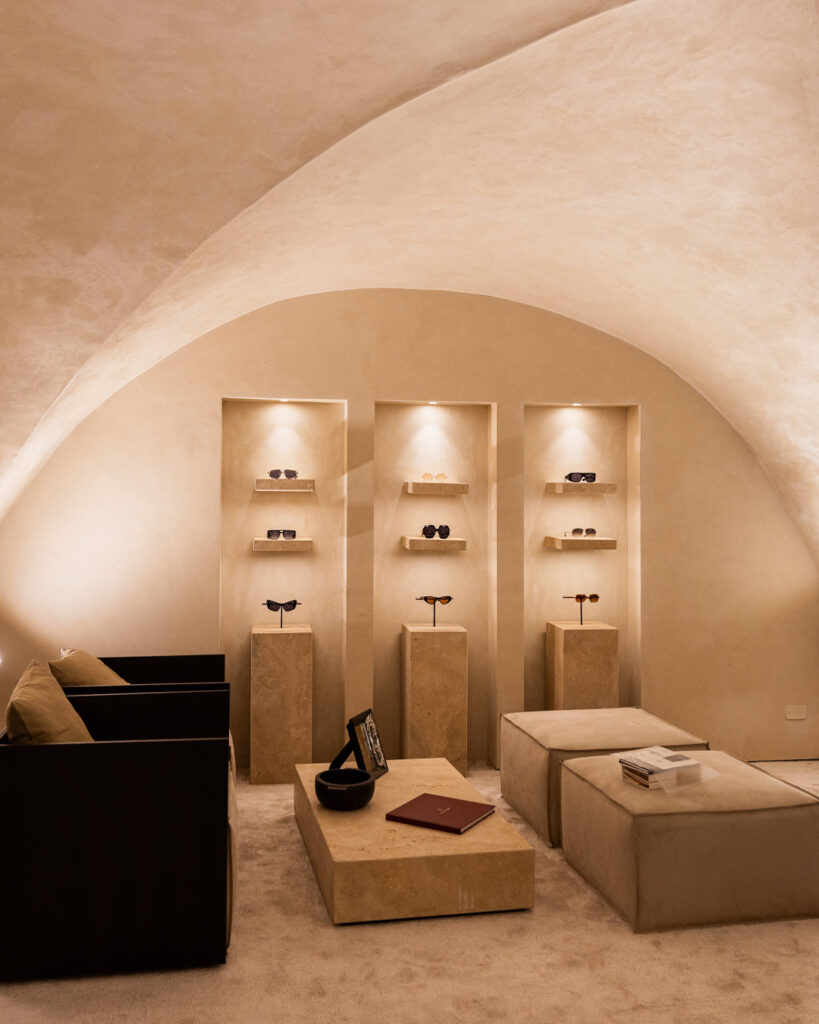
Today, my dream is for Bottega Di Sguardi to become one of the places people feel compelled to visit when they arrive in Florence, just as they would visit a gallery, a museum, or a special landmark in the city.
The most exciting part is that this dream is already beginning to take shape, day by day.
A pair of glasses is only the starting point.
The real satisfaction comes when someone looks in the mirror and recognizes something about themselves that they were unable to see before.
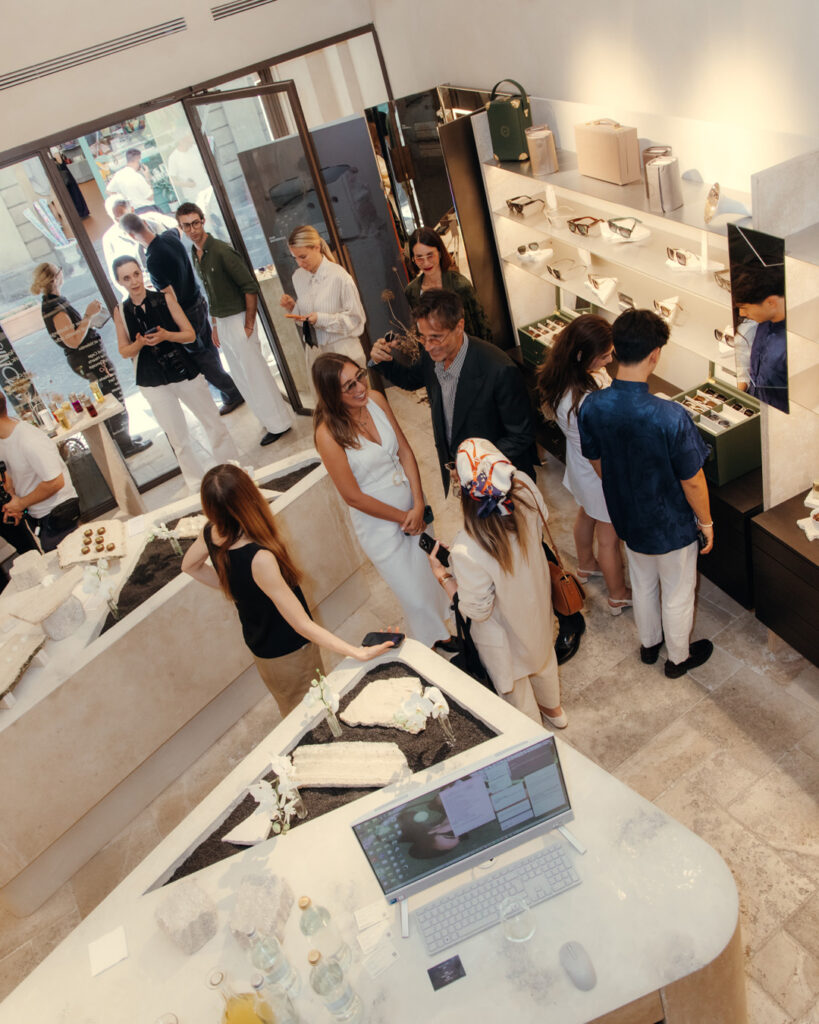
How do you see the eyewear market today?
I believe that for years the industry taught people what to desire.
We do the opposite.
We try to help them understand what truly represents them.
I don’t think the challenge today is choosing between logos and authenticity.
I think the real challenge is finding something that has meaning.
When someone discovers the story behind a brand, why it was created, the people who work behind it, and the culture that surrounds it, the object completely changes its value.
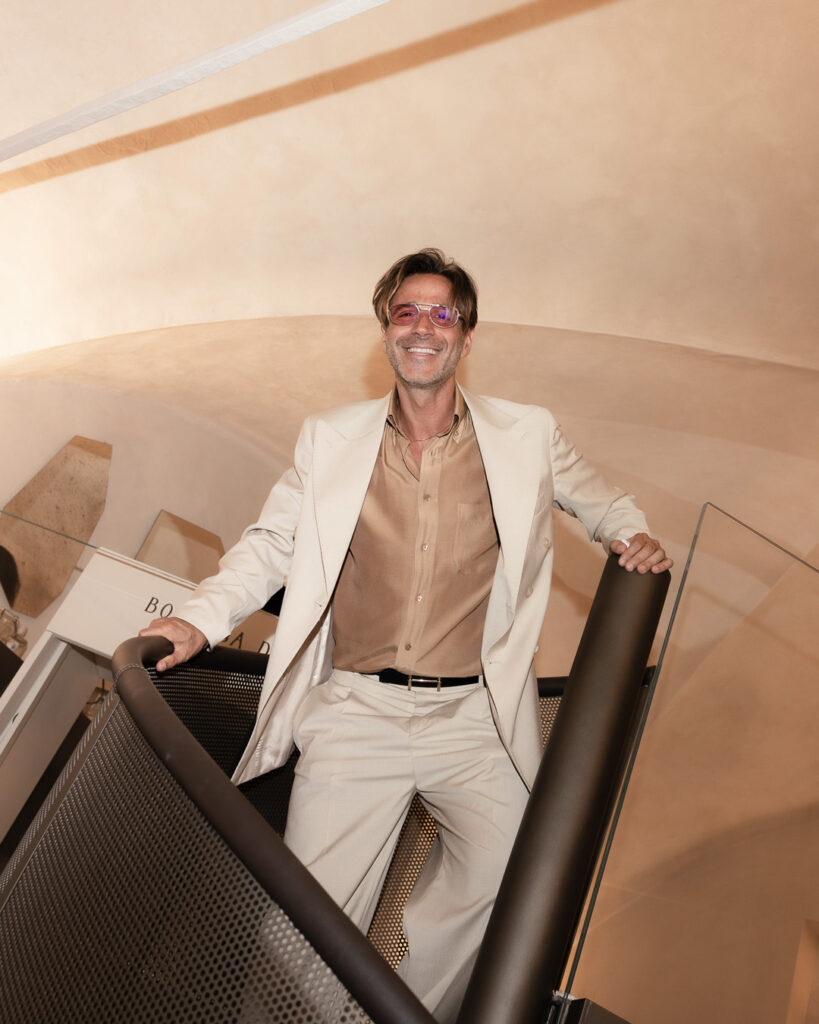
Eyewear stops being something you wear and becomes something you tell stories about.
After all, eyewear is a unique object: it constantly exists between us and the world.
It is the way we look at others, and also the way others look at us.
And when a client comes back telling us that someone stopped them in the street to ask about the glasses they were wearing, something special happens.
It means that object managed to tell a story before the person even opened their mouth.
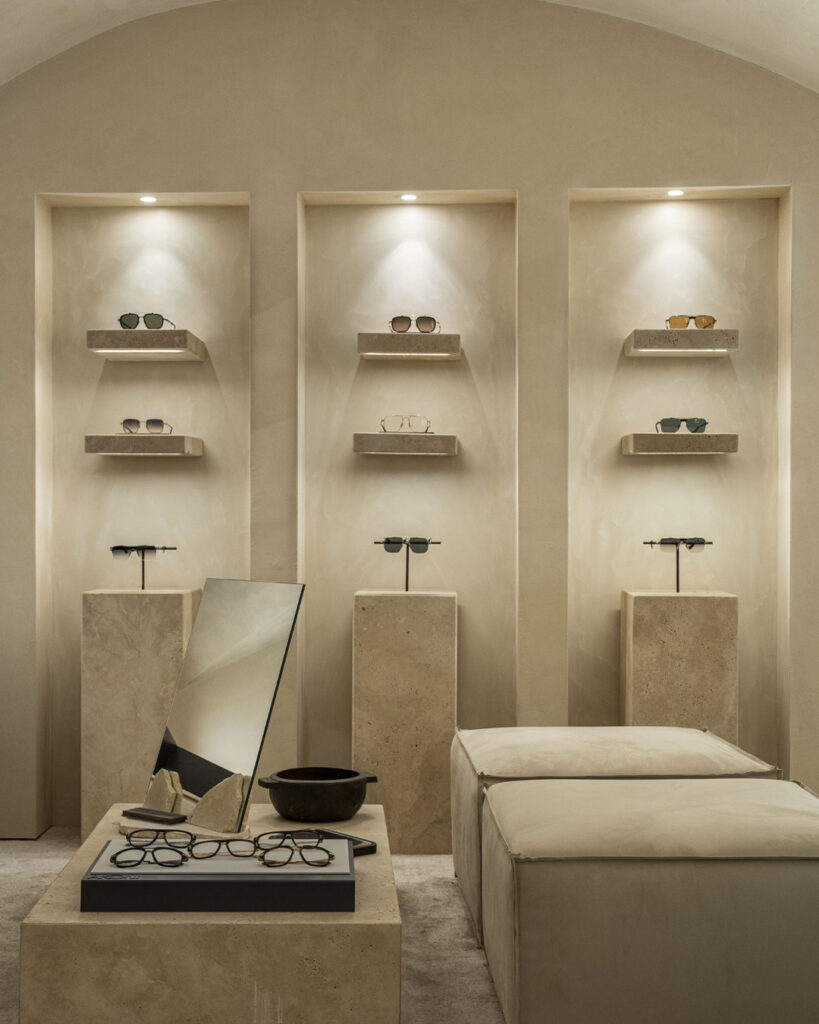
Bottega Di Sguardi has built a strong identity around independent brands and niche products. What criteria do you use when selecting a new brand?
I don’t select brands.
I curate a collection.
That is a huge difference.
Many people buy according to the market.
I follow an aesthetic obsession.
Every brand that enters Bottega Di Sguardi must contribute to telling a vision.
I’m not interested in having many brands.
I’m interested in having the right ones.
There are wonderful brands that would never enter my store.
Not because they are not valid, but because they do not belong to the vision I am trying to build.
When you enter our space, everything must belong to the same universe while maintaining different personalities.
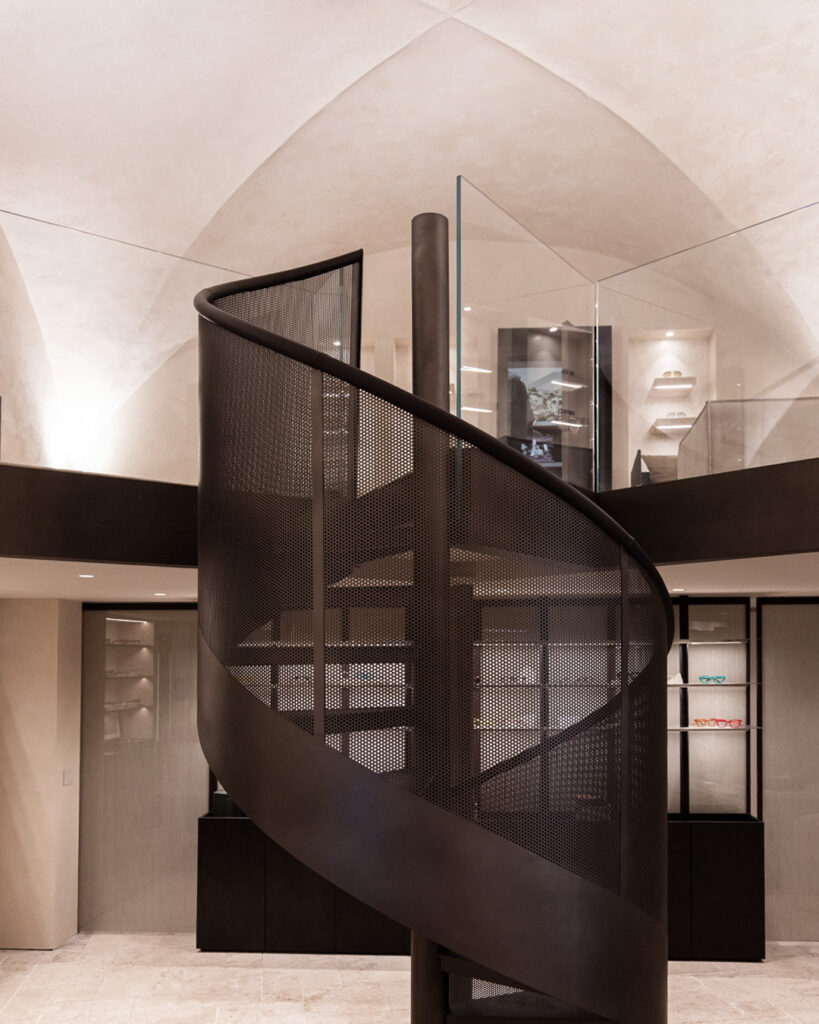
You often emphasize that eyewear should tell a story and define a person’s style. How do you understand a client’s personality?
The first thing we do is not talk about glasses.
We talk about the person.
I want to know who is standing in front of me.
What they do.
How they live.
What they dream about.
What they want to communicate to the world.
People often arrive believing they are looking for a pair of glasses.
In reality, they are looking for an identity.
The most fascinating part is that sometimes they discover something about themselves that was already there but had not yet been expressed.
We do not sell frames.
We try to make something visible that was previously invisible.
And that is what makes our work so extraordinary.
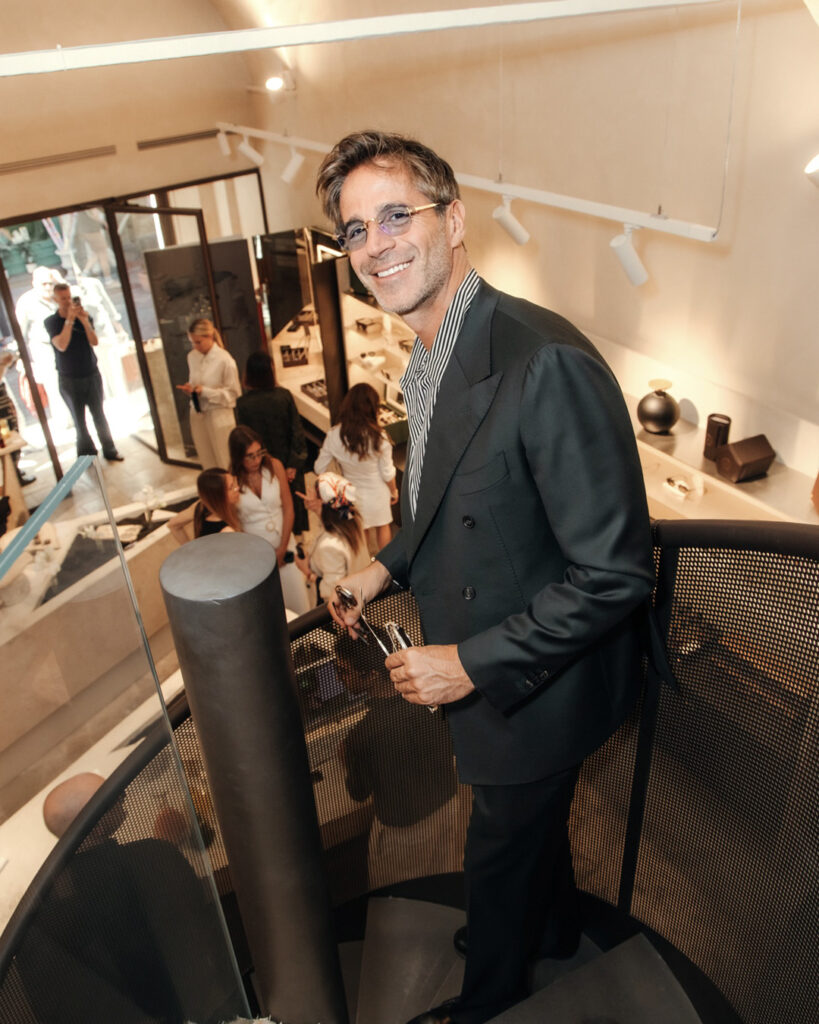
Today we see new collections and new models launched continuously. Do you think the industry is producing too much, too fast?
Absolutely.
But the problem is not quantity.
It is speed.
We have become accustomed to the idea that every season requires something new.
I believe exactly the opposite.
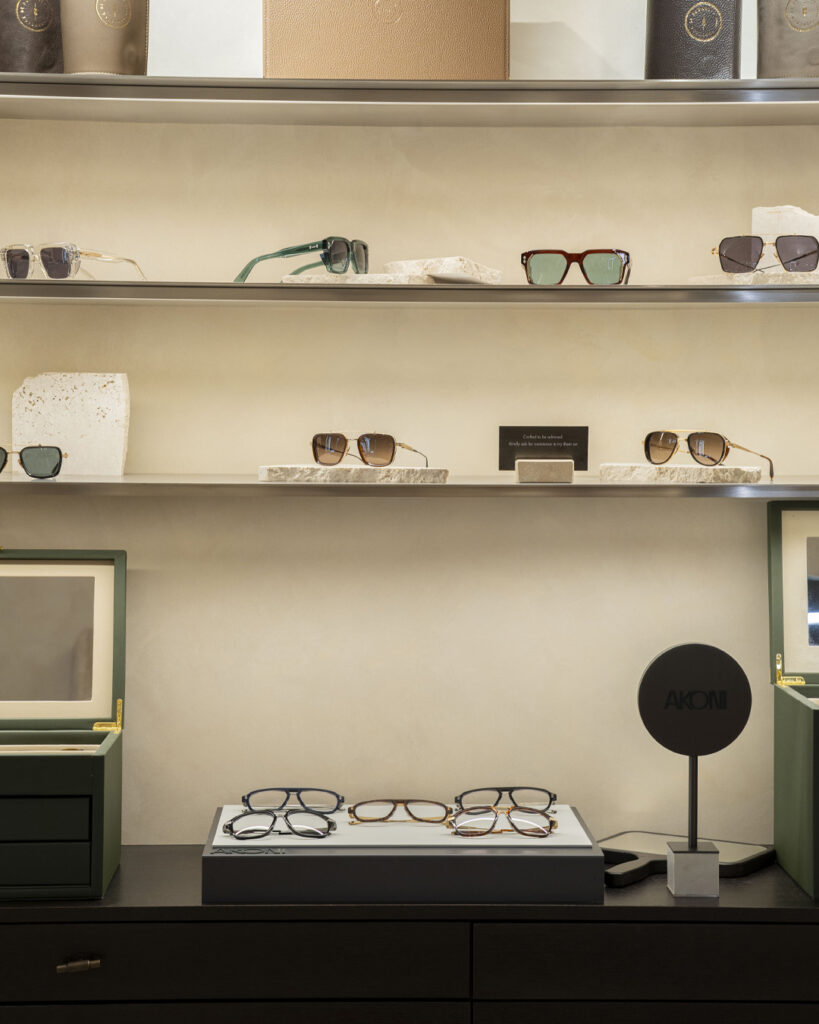
A great pair of glasses should not be replaced.
It should be preserved.
Eyewear is like photography.
It tells the story of who we were at a particular moment in our lives.
Twenty years from now, we should be able to open a drawer, pick up a frame, and immediately remember who we were when we chose it.
That is why, for us, the value of eyewear is not only aesthetic but emotional.
I like to imagine a home with a library for books, a cellar for wine, and a dedicated cabinet for eyewear.
Objects that tell our story.
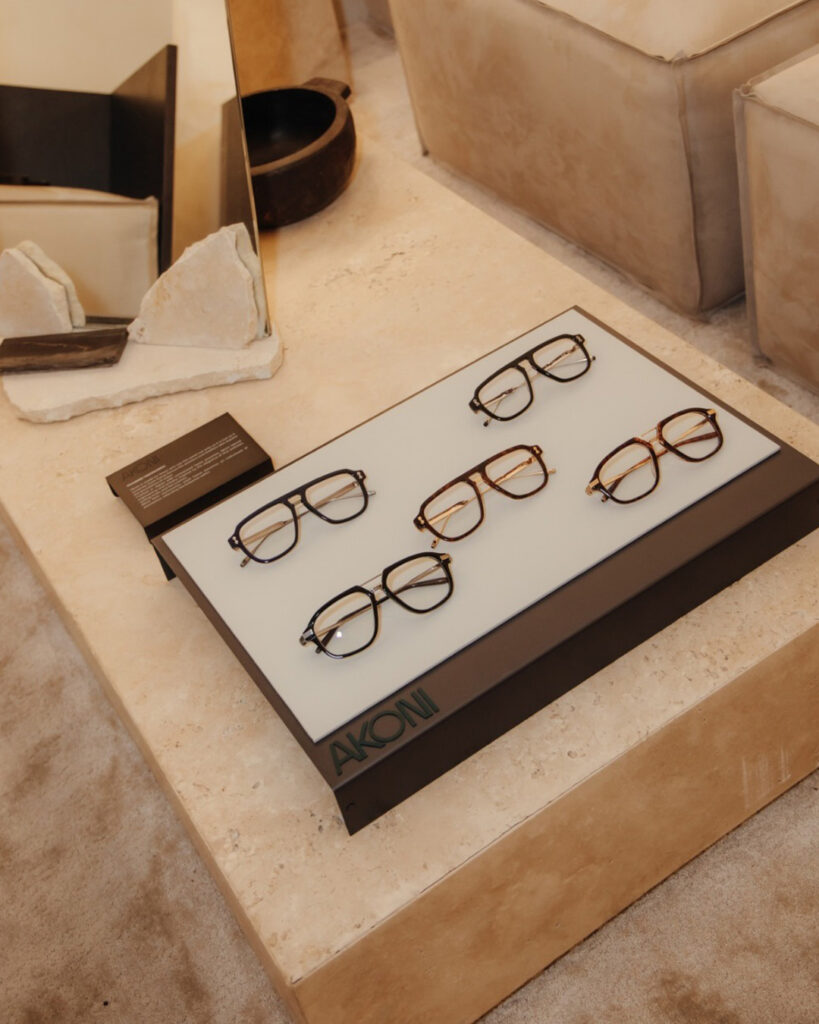
Japan and Japanese craftsmanship are often present in Bottega Di Sguardi’s selections. What do you believe truly differentiates an authentically handcrafted product from one made at scale?
I do not love Japan because it produces well.
I love Japan because it assigns value to things that require time.
Today we live in a culture of immediacy.
Japanese culture moves in the opposite direction.
It celebrates patience, repetition, and the obsessive pursuit of perfection.
When I hold a great Japanese frame in my hands, I do not simply see a product.
I see the time someone dedicated to it.
And I believe that the true luxury of our era is precisely this: time.
If a 25-year-old and a 60-year-old walked into your store today, do you think there are still generational differences in the way people choose eyewear?
More than an age issue, I believe it is a matter of awareness.
At sixty, we often find people who know themselves very well.
At twenty-five, we find people who are still building their own aesthetic language.
But both need the same thing.
To be listened to.
The difference is that with younger clients, we often do educational work as well.
We do not tell them what to choose.
We teach them how to see.
Because when you learn how to see, you also begin to choose better.
Ultimately, our ambition is not to sell more glasses.
It is to increase people’s aesthetic sensitivity.
And that applies at any age.
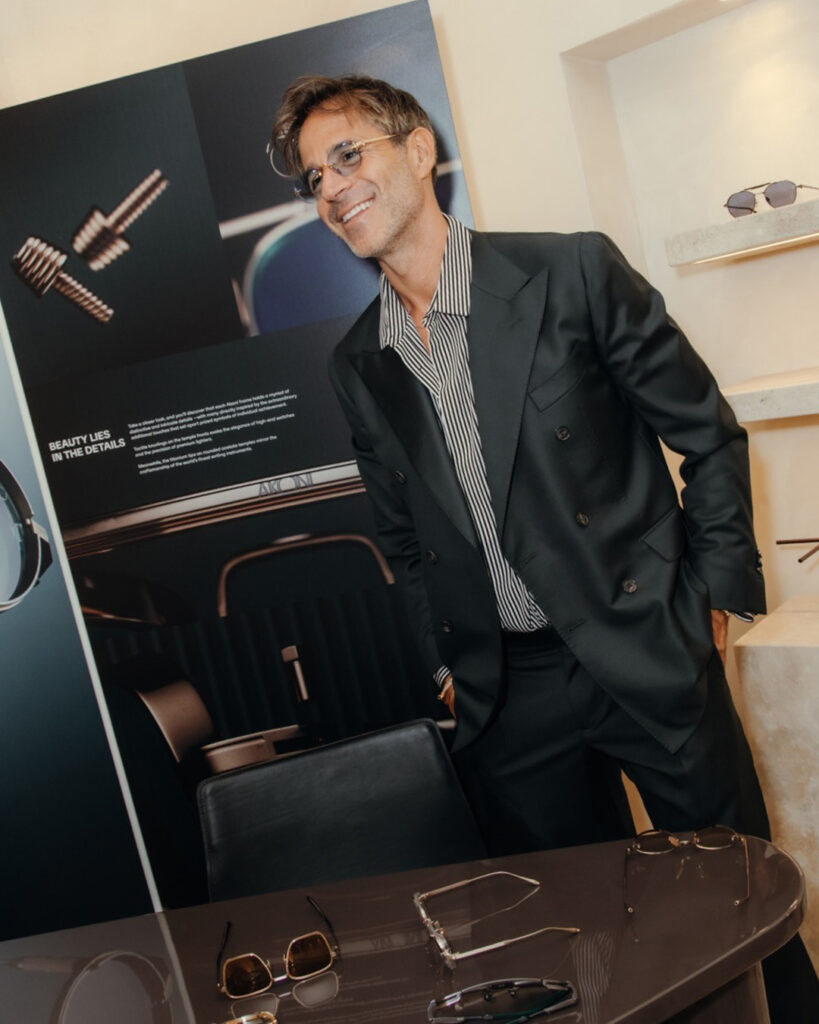
If you had to choose one frame that truly represents the philosophy of Bottega Di Sguardi, what would it be and why?
The frame that represents Bottega Di Sguardi does not exist.
Because our philosophy is not about selling a model.
It is about helping every person find their own.
It could be Japanese titanium.
It could be natural horn.
It could be a bold acetate frame or one that is almost invisible.
The shape does not matter.
The material does not matter.
The price does not matter.
The feeling does.
If there is a recognizable signature in our work, it is not a pair of glasses.
It is that moment when someone looks in the mirror and says:
“There it is. This is me.”
That is the philosophy of Bottega Di Sguardi.
And for me, that will never go out of style.
At a time when much of the eyewear industry is focused on acceleration, seasonal launches, and visibility, Bottega Di Sguardi offers a compelling alternative: slowing down.
For Simone Ghedini, eyewear is not merely a product category but a medium through which people express identity, memory, and personal culture. His philosophy challenges conventional retail thinking, replacing transactions with conversations and consumption with discovery.
Perhaps that is why enthusiasts continue to travel to Florence to visit Bottega Di Sguardi. They are not simply searching for frames.
They are searching for a clearer reflection of themselves.
And in an increasingly crowded market, that may be the rarest luxury of all.



 English
  French
  Italian
  Spanish
  Portuguese
  German
  Korean
  Japanese