


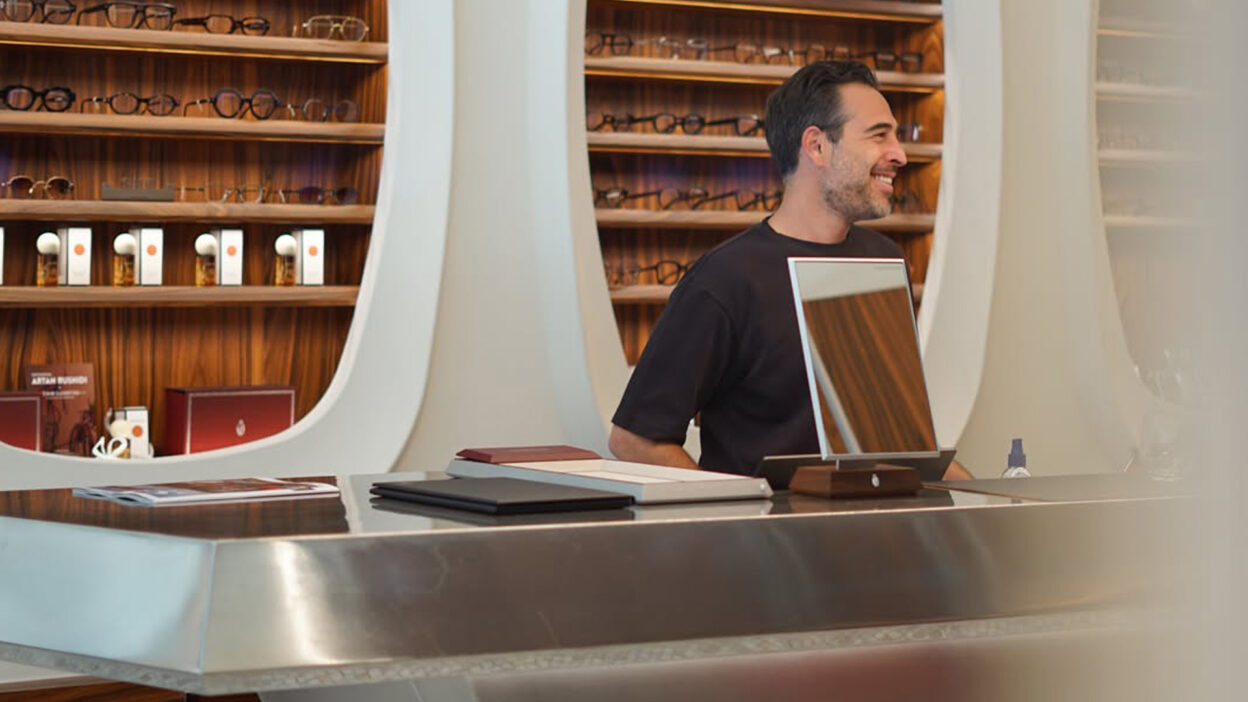
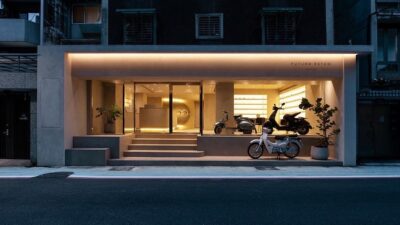
In September 2025, we wrote about Le Bar à Lunettes, the remarkable concept store created by Thibaut Nocart in Liège, a space where modernist architecture, design culture and luxury eyewear converge into a single experience. More than an optical boutique, Le Bar à Lunettes challenged conventional ideas about what eyewear retail could become.
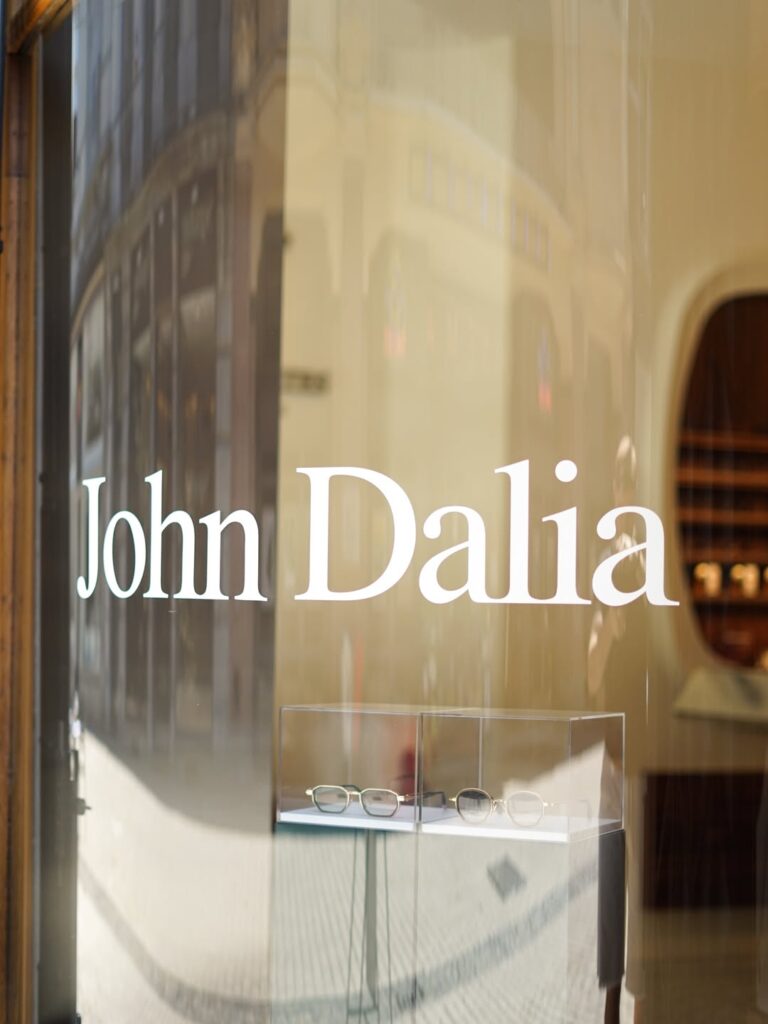
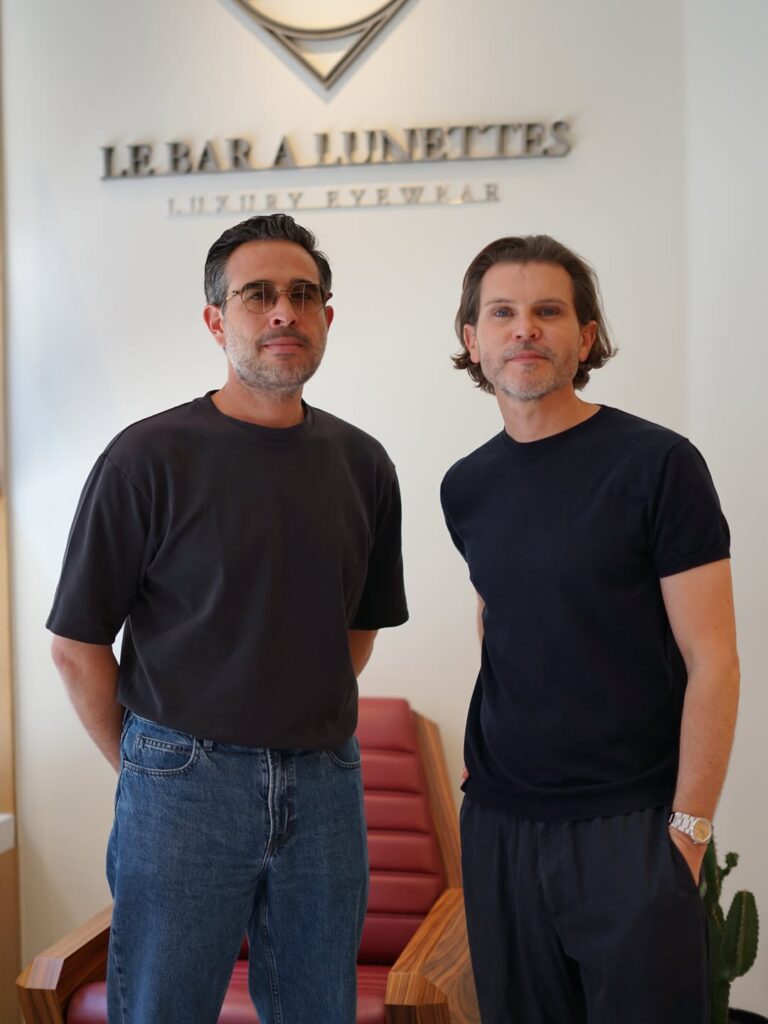
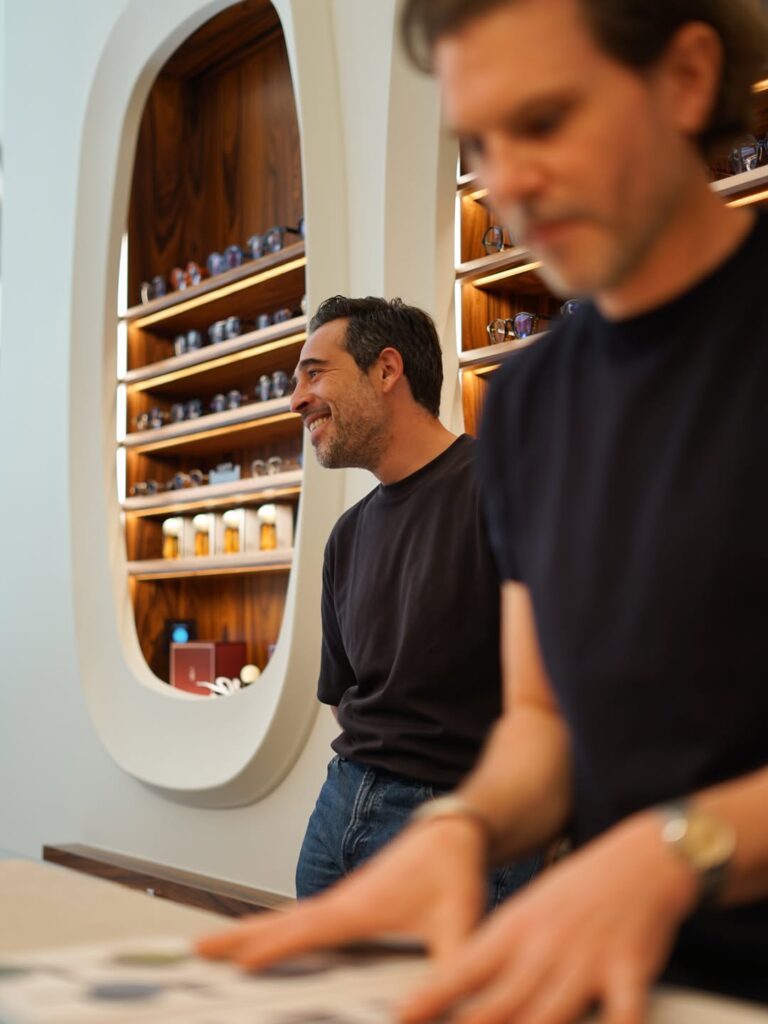
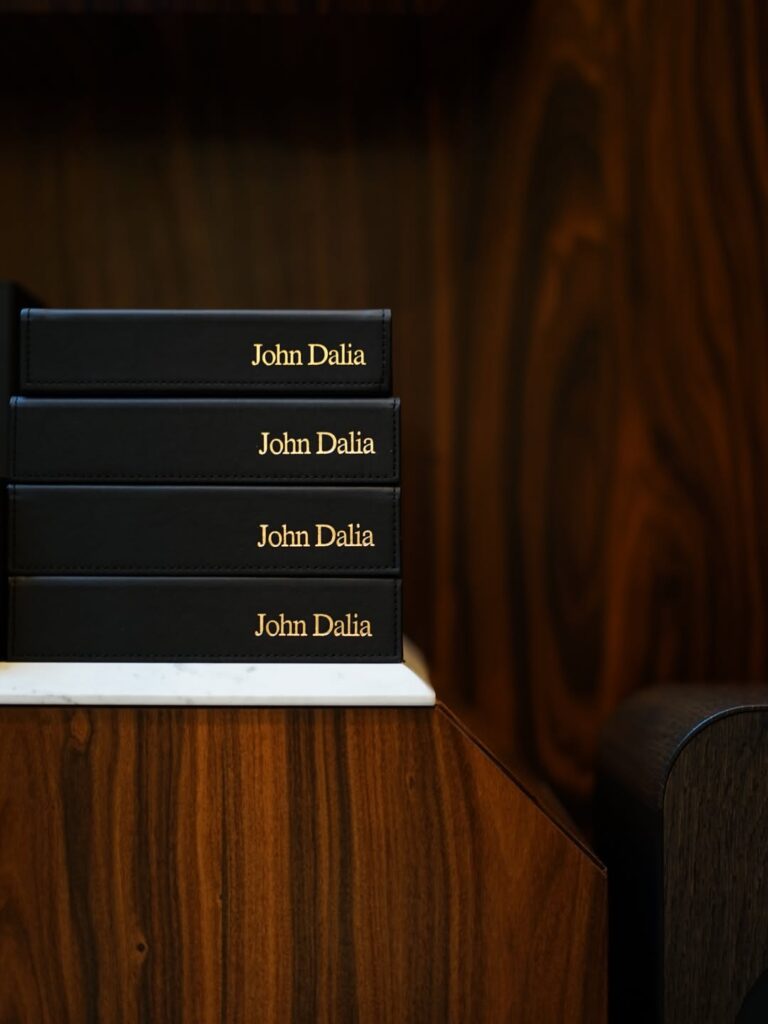
Last weekend, that vision was reinforced during an exclusive trunk show featuring John Dalia, one of the most influential figures shaping contemporary luxury eyewear.
The event was more than the presentation of a new collection. It offered a glimpse into the future of luxury consumption itself.
For years, the industry has been obsessed with speed. E-commerce promises frictionless transactions, next-day delivery and free returns. Technology has transformed how consumers discover, compare and purchase products. The future will undoubtedly become even more digital, even more efficient.
Yet luxury continues to operate according to a different set of rules.
Because before a customer becomes loyal to a luxury brand, there is usually a first encounter.
That encounter rarely happens through a checkout page.
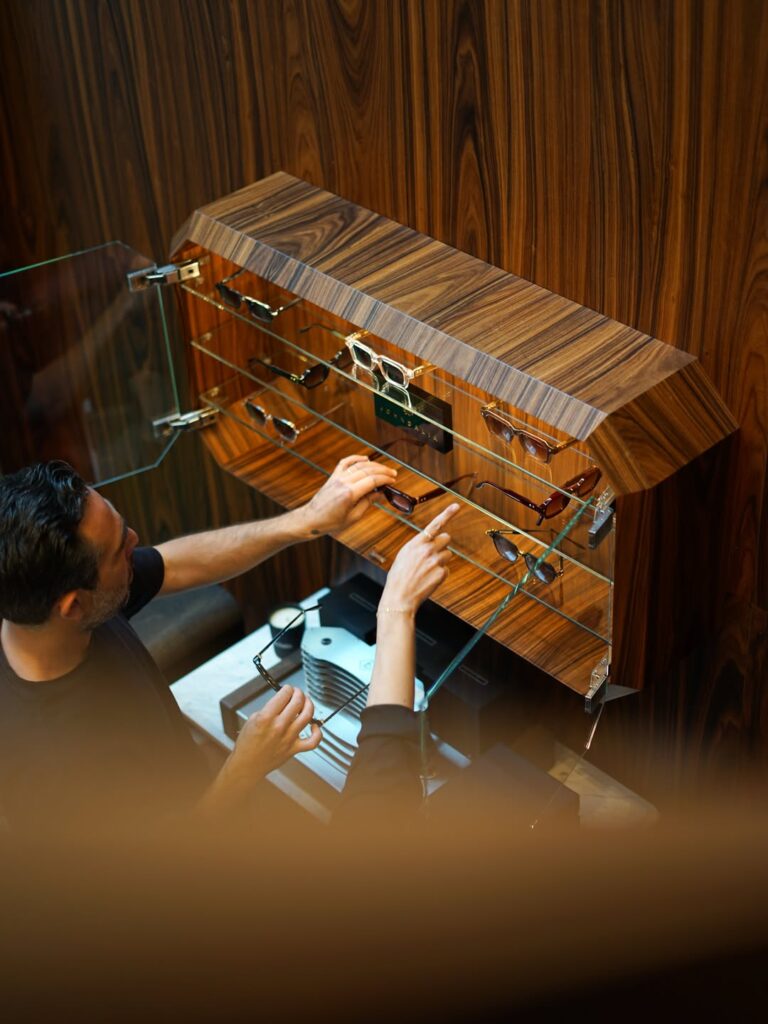
It happens when a customer sees a frame in natural light. When they feel the weight of titanium in their hands. When they understand how a silhouette changes the way they look at themselves. When they experience the environment that surrounds the product and meet the people who created it.
Luxury is not built on convenience alone. It is built on emotion, memory and human connection.
This is precisely why events like John Dalia’s appearance at Le Bar à Lunettes matter.
John Dalia has spent years redefining what eyewear can represent. His approach has never been purely functional. Instead, he has elevated eyewear into a category that sits comfortably alongside fine jewelry, watches and fashion accessories. His collections are not designed merely to improve vision; they are designed to communicate identity.
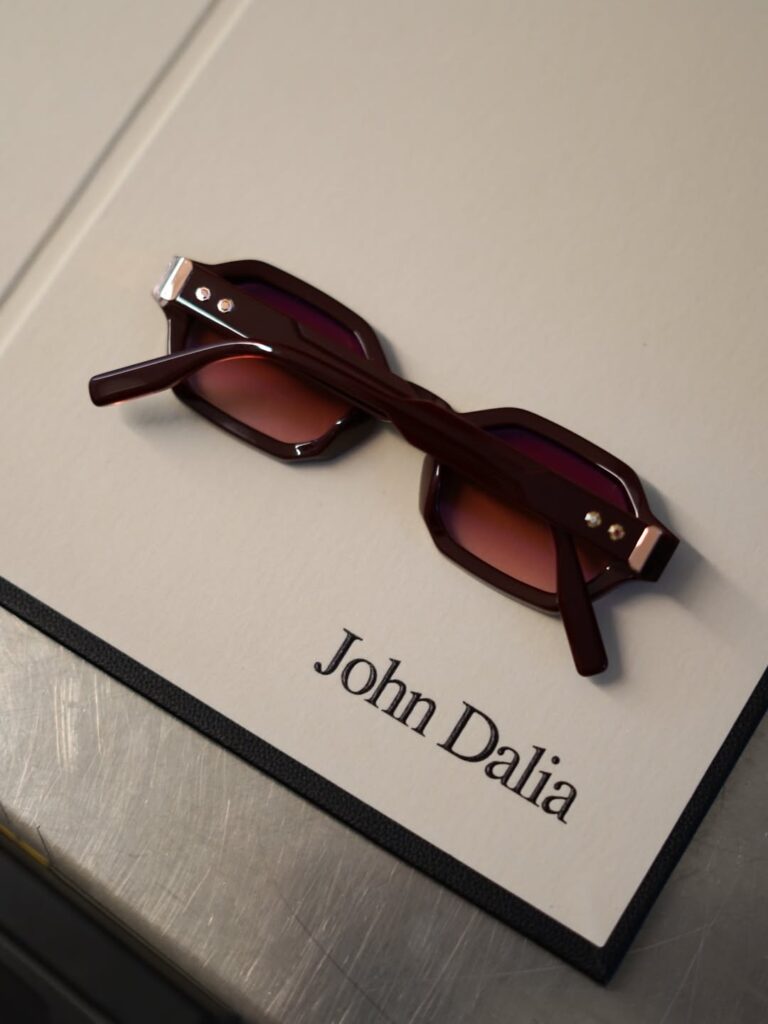
And identity cannot be fully experienced through a screen.
The digital journey may eventually become the dominant purchasing channel. Once customers establish trust, understand sizing and develop confidence in a brand, repeat purchases can happen almost effortlessly. The relationship enters a natural flow where convenience becomes part of the luxury experience.
But the beginning of that relationship remains profoundly physical.
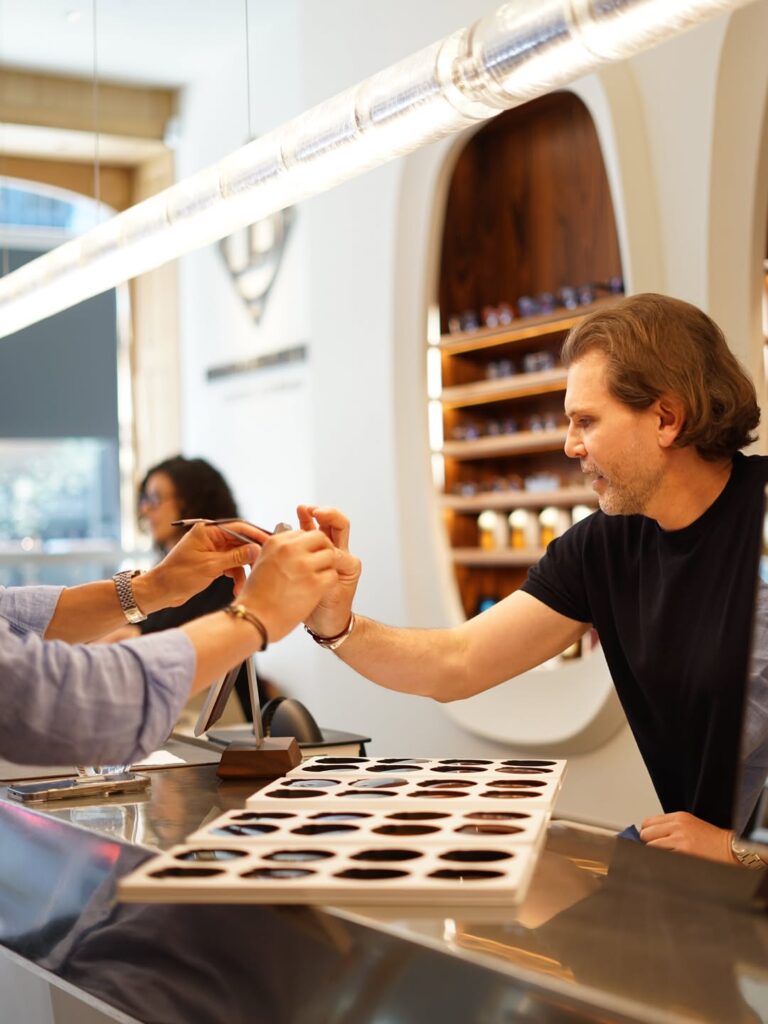
The luxury industry often discusses omnichannel retail as if online and offline channels compete with one another. In reality, the most successful brands understand that they perform different functions.
Digital channels facilitate transactions.
Physical experiences create desire.
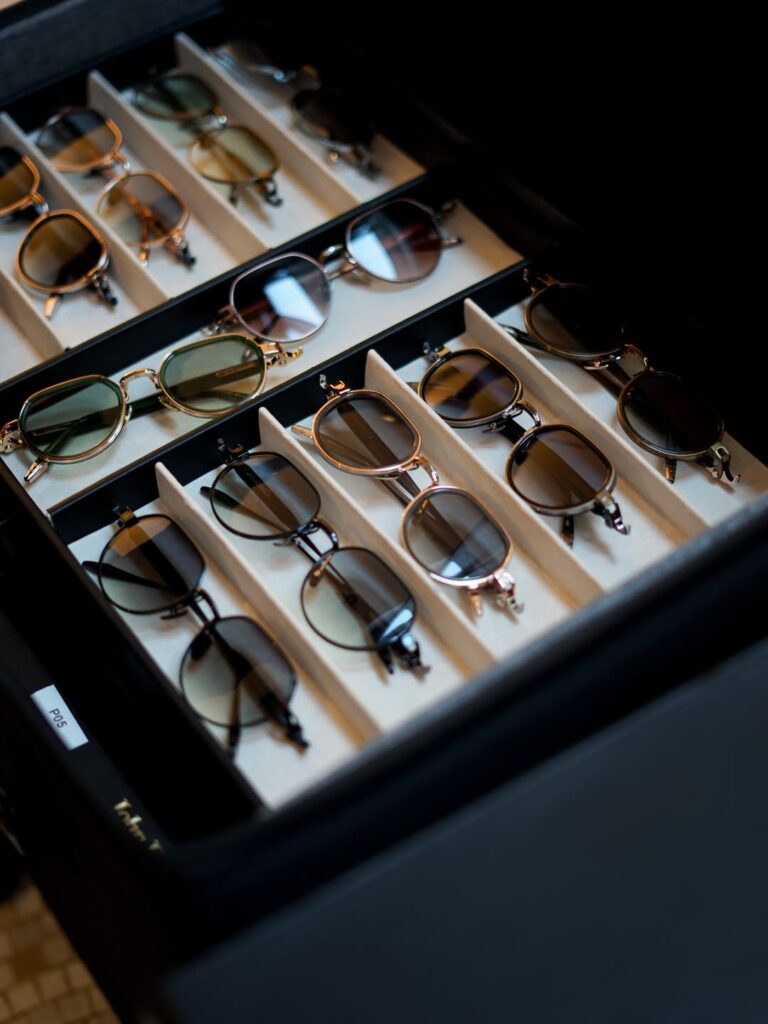
The role of stores such as Le Bar à Lunettes is therefore becoming increasingly strategic. They are no longer simply points of sale. They are cultural spaces where brands can express their values, craftsmanship and vision directly to consumers.
This becomes even more powerful when the founder himself is present.
During the trunk show, clients were not merely discovering the 2026 collection. They were interacting with the person behind the vision. They were hearing the stories, understanding the design philosophy and participating in a dialogue that no algorithm can replicate.
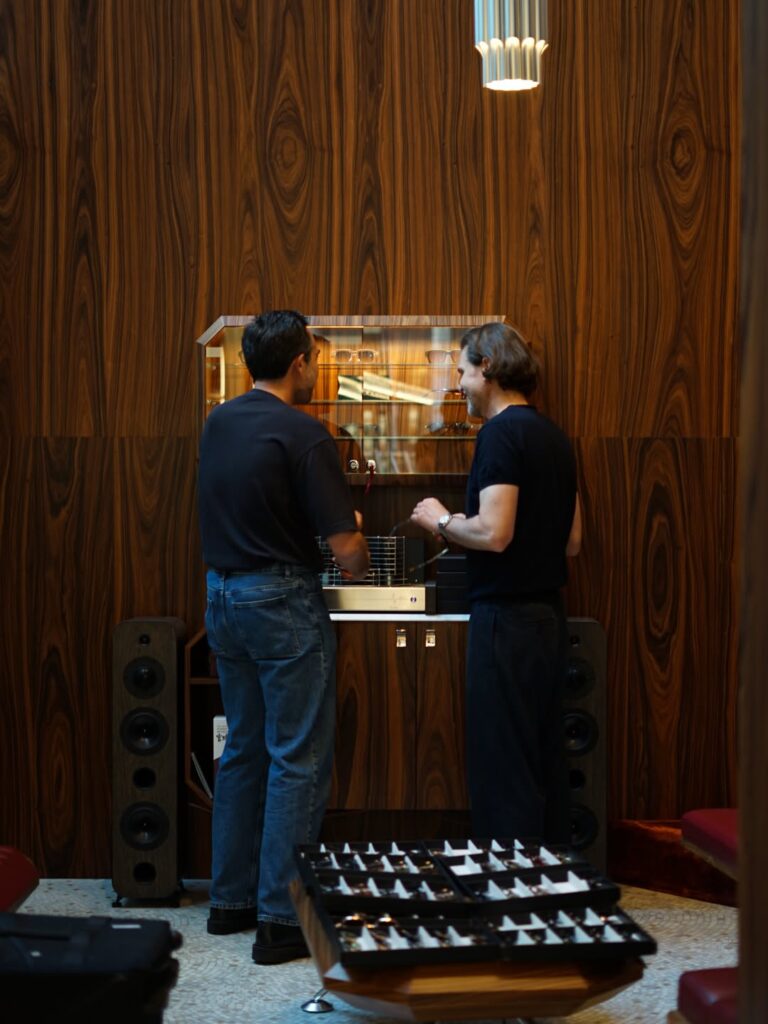
As luxury consumers become increasingly exposed to endless digital content, genuine human interactions become rarer and therefore more valuable.
This is perhaps the paradox of modern luxury.
The more digital commerce evolves, the more important real-world experiences become.
The more automated transactions become, the more consumers seek authenticity.
And the more products become available everywhere, the more meaningful exclusive moments become.
For eyewear, these dynamics are particularly significant.
Glasses are not simply products.
They sit on the face. They influence perception. They frame identity. They become part of how an individual presents themselves to the world every single day.
Few luxury categories maintain such a direct relationship with self-expression.
That is why choosing eyewear remains intensely personal. It is also why the physical environment in which those choices are made matters so much.
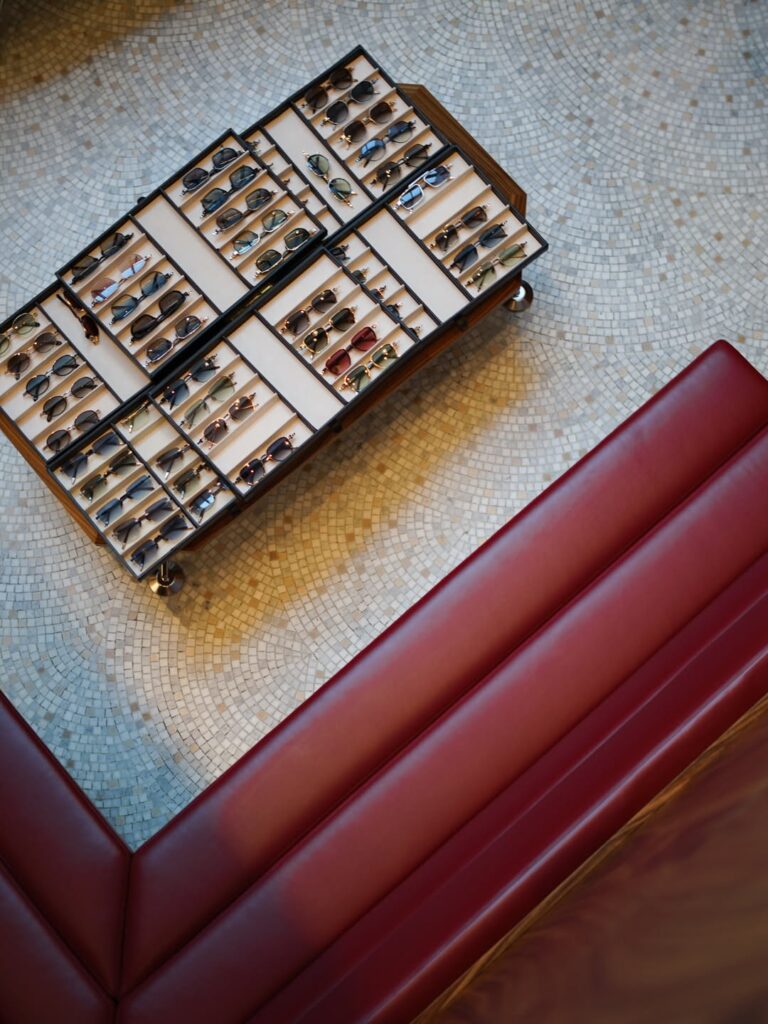
Le Bar à Lunettes understands this reality. John Dalia understands it as well.
Their collaboration demonstrates something the luxury industry is slowly rediscovering: while technology may define the future of transactions, human experiences will continue to define the future of luxury.
And in a world increasingly dominated by screens, moments like these may become not less important but absolutely indispensable

 English
  French
  Italian
  Spanish
  Portuguese
  German
  Korean
  Japanese