


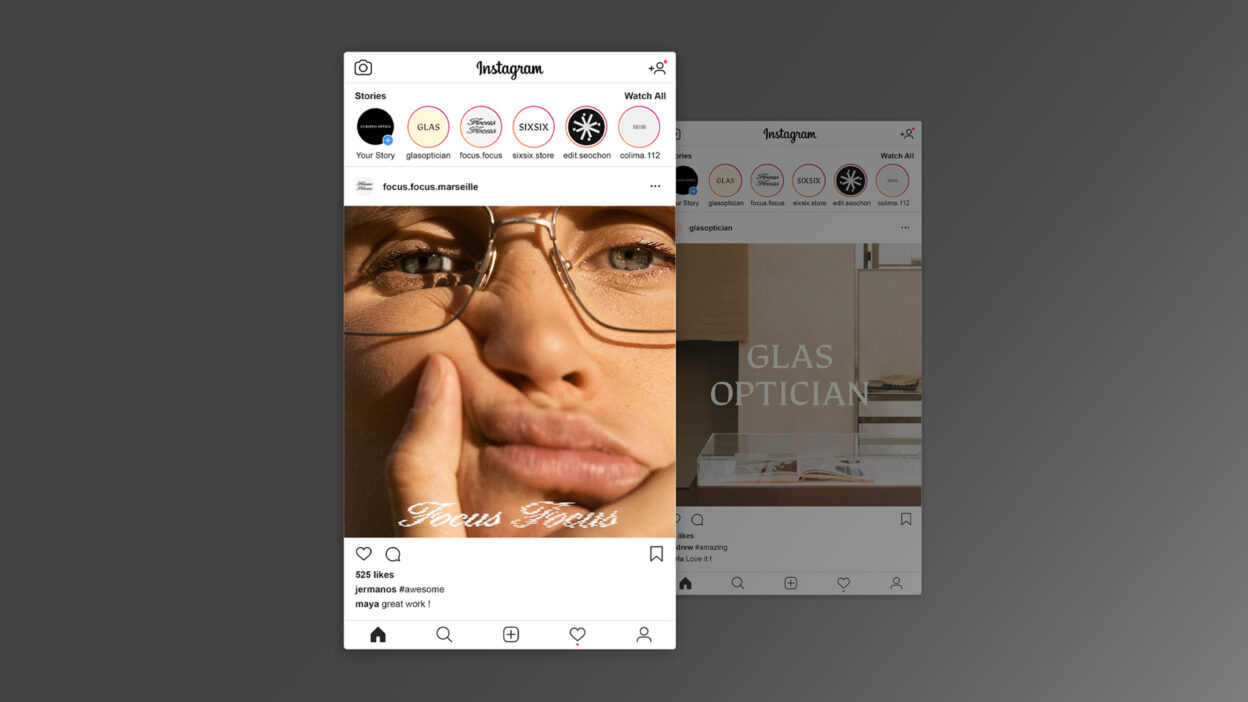
Today, Instagram has become your business card. People check it before they visit your website and often before they even search for you on Google.
For years, independent optical stores believed their biggest challenge was competing with chains. It wasn’t.
The real battle was for attention.
The eyewear industry has spent decades discussing products, suppliers, buying groups, and margins. Meanwhile, an entire generation of consumers quietly changed the way they discover places to shop.
Instagram is often the first storefront.
Walk into almost any beautifully designed independent optical boutique and you’ll find handcrafted furniture, natural stone, warm lighting, custom displays, and an impressive portfolio of brands.
Then open their Instagram account.
In most cases, the experience falls apart.
The physical store tells one story. The digital storefront tells another.
The Buying Problem Came First
Independent opticians have traditionally been trained as healthcare professionals, not fashion buyers.
Many built their assortments based on what competitors were selling, what sales representatives recommended, or simply what they personally liked wearing.
Very few approached their stores like luxury retailers with a clear creative direction.
Without a distinct identity, many became dependent on agents, buying groups, and familiar names instead of building a portfolio that reflected their own vision.
But while product selection has been widely discussed, another problem has quietly become even bigger.
The Instagram Generation
Consumers under 30 rarely visit a store without researching it first.
Just as people browse Instagram before choosing a restaurant, hotel, or café, they now do exactly the same with fashion and optical boutiques.
If your Instagram doesn’t inspire them, many never open the door.
The surprising part is that some of the world’s best optical stores still communicate online as if social media were an afterthought.
Beautiful interiors.
Exceptional products.
Almost no emotional connection online.
In many cases, engagement comes almost exclusively from older customers, while younger audiences simply scroll past.
Instagram Is No Longer Marketing
Instagram has become part of a store’s identity.
The strongest boutiques don’t just post products.
They create atmosphere.
They document culture.
They make people want to visit.
The goal isn’t thousands of random photos. It’s creating a recognizable visual language that people immediately associate with your store.
The best examples understand this remarkably well.
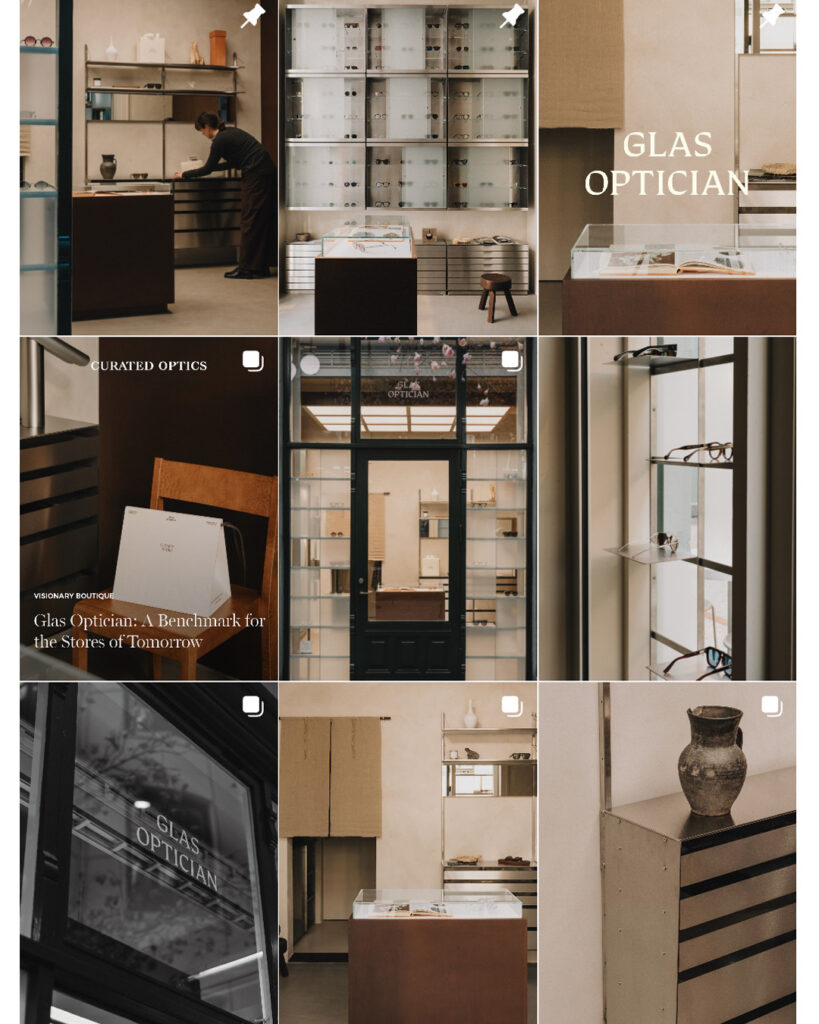
Glas Optician treats Instagram almost like a hospitality brand. The space itself becomes the hero, constantly showcasing the atmosphere, details, and experience of visiting the boutique.Their logo appears consistently throughout the content.
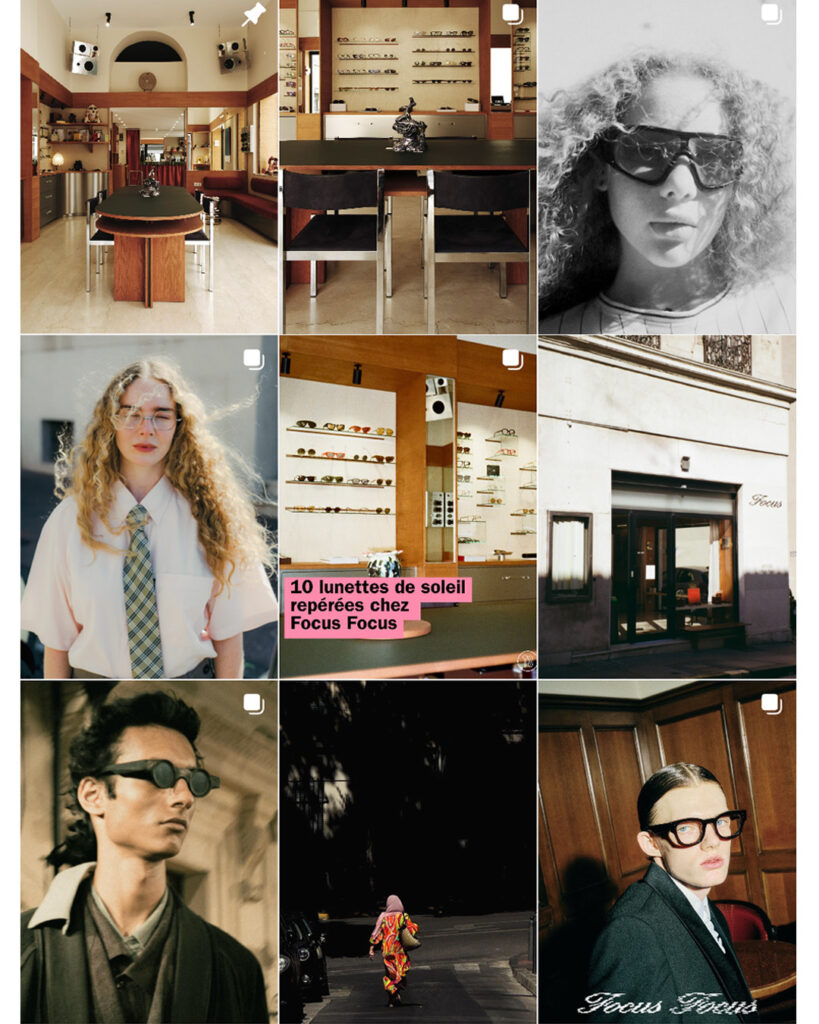
Focus Focus Marseille masterfully blends campaign imagery supplied by brands with original photography and everyday moments inside the store. Their logo appears consistently throughout the content, gradually building a memorable visual identity.
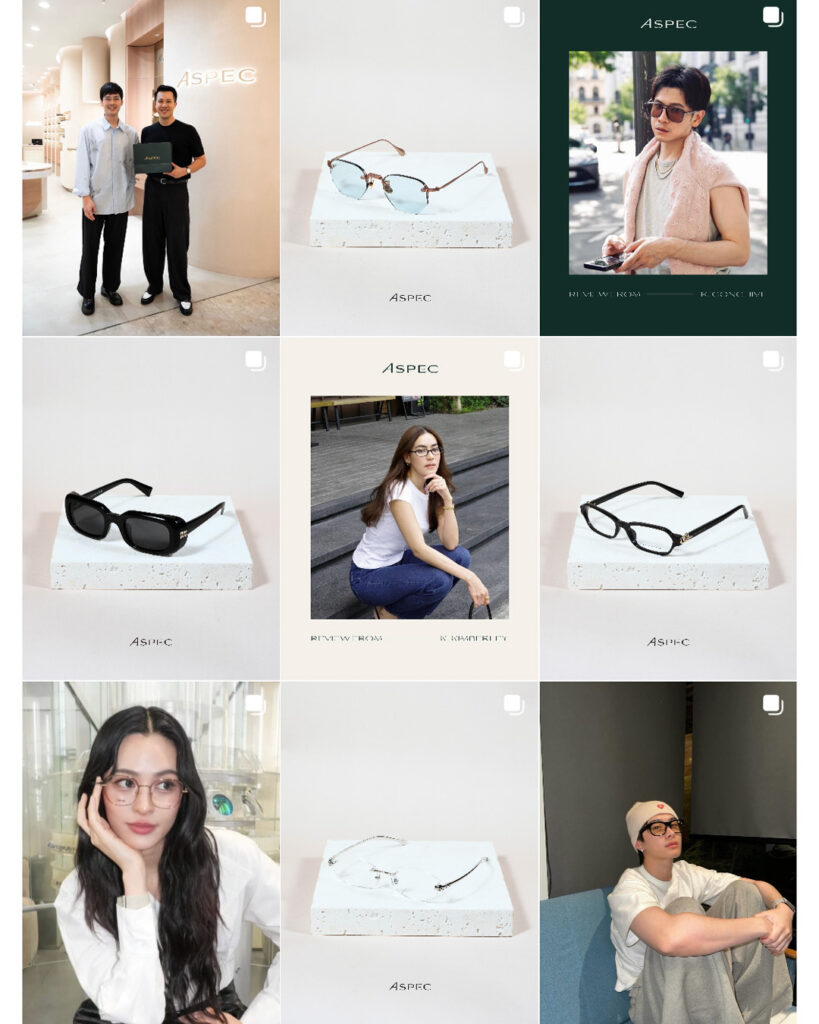
ASPEC Thailand combines professional brand imagery with creator collaborations, original content, and the personality of the store itself. Every post reinforces the same identity rather than feeling like disconnected advertisements. Their logo appears consistently throughout the content.
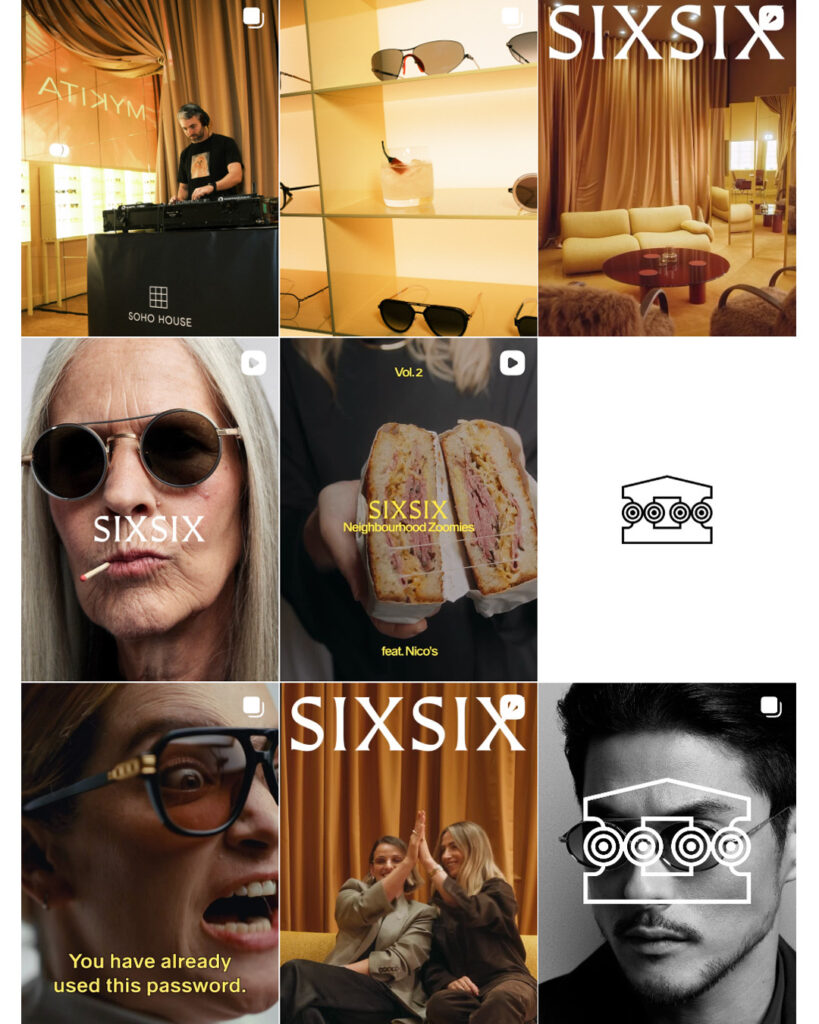
SIX SIX may be one of the strongest examples. Professional Reels, original storytelling, carefully selected brand assets, and a consistent visual language make the account feel alive. Their logo isn’t just a watermark—it’s an integral part of the experience. Every post reinforces the same atmosphere people encounter when walking through the door.
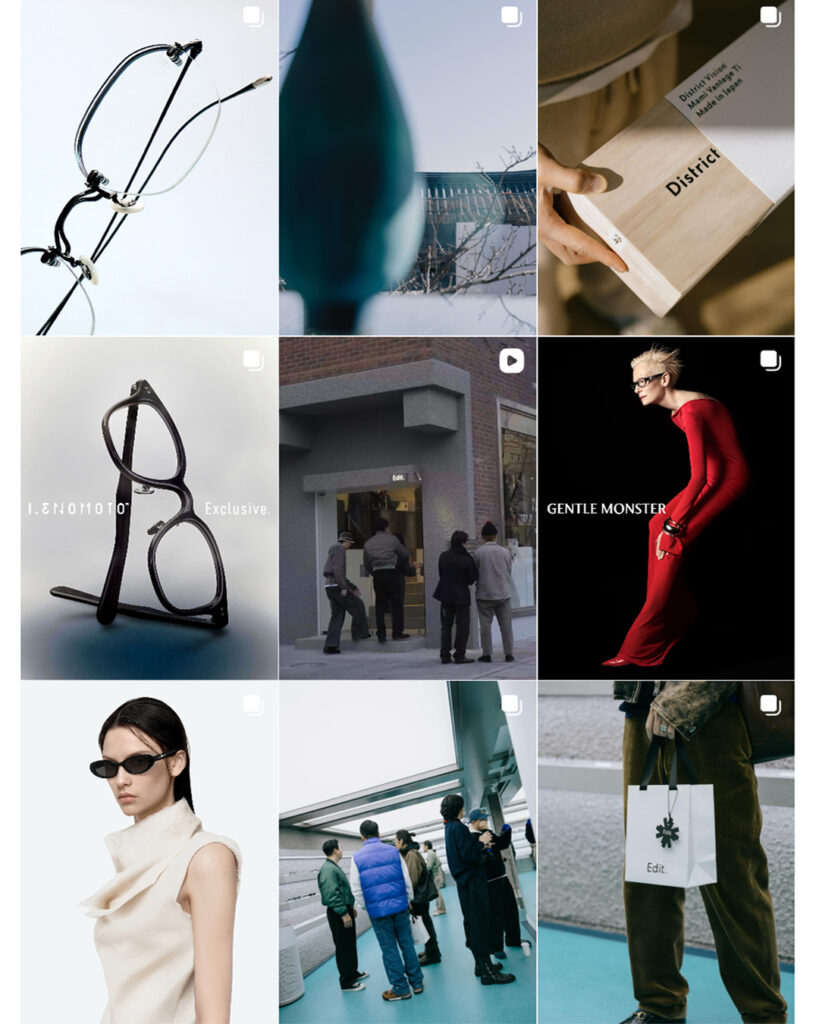
EDIT Seochon perfectly balances exclusive products, community events, architecture, and editorial storytelling, making the boutique feel like a cultural destination rather than simply a retail space.
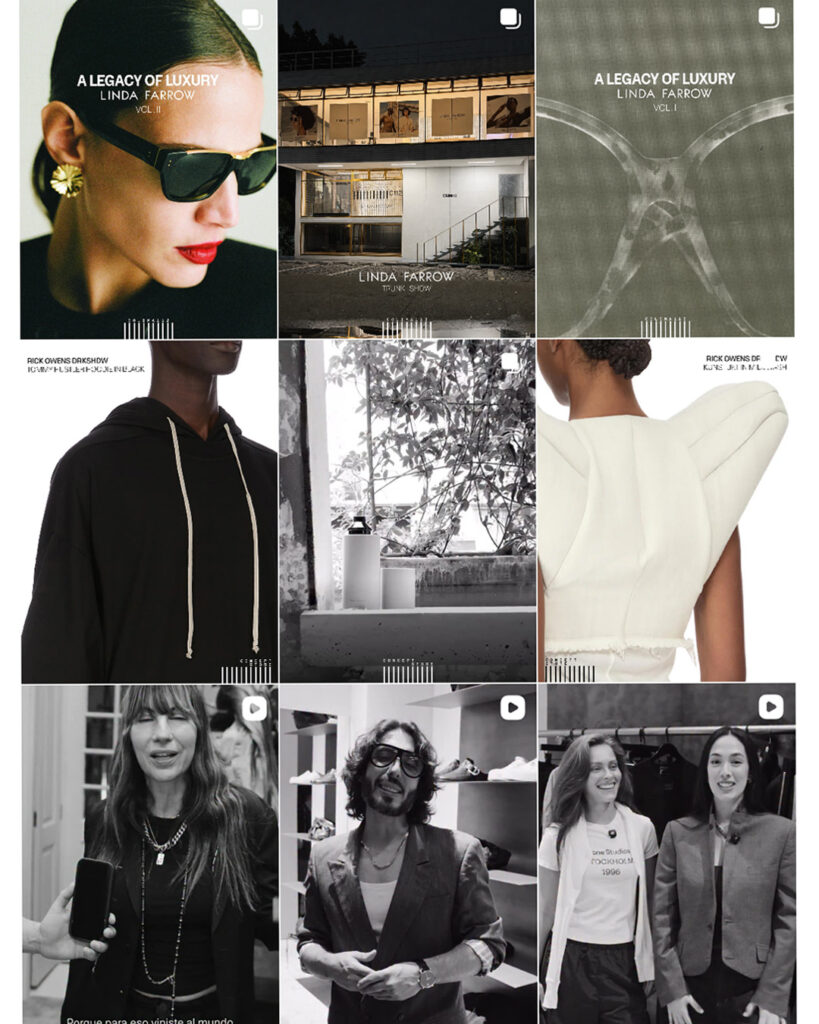
Colima 112 approaches Instagram almost like a luxury department store, mixing fashion presentations, events, architecture, and carefully curated lifestyle imagery into one coherent narrative.
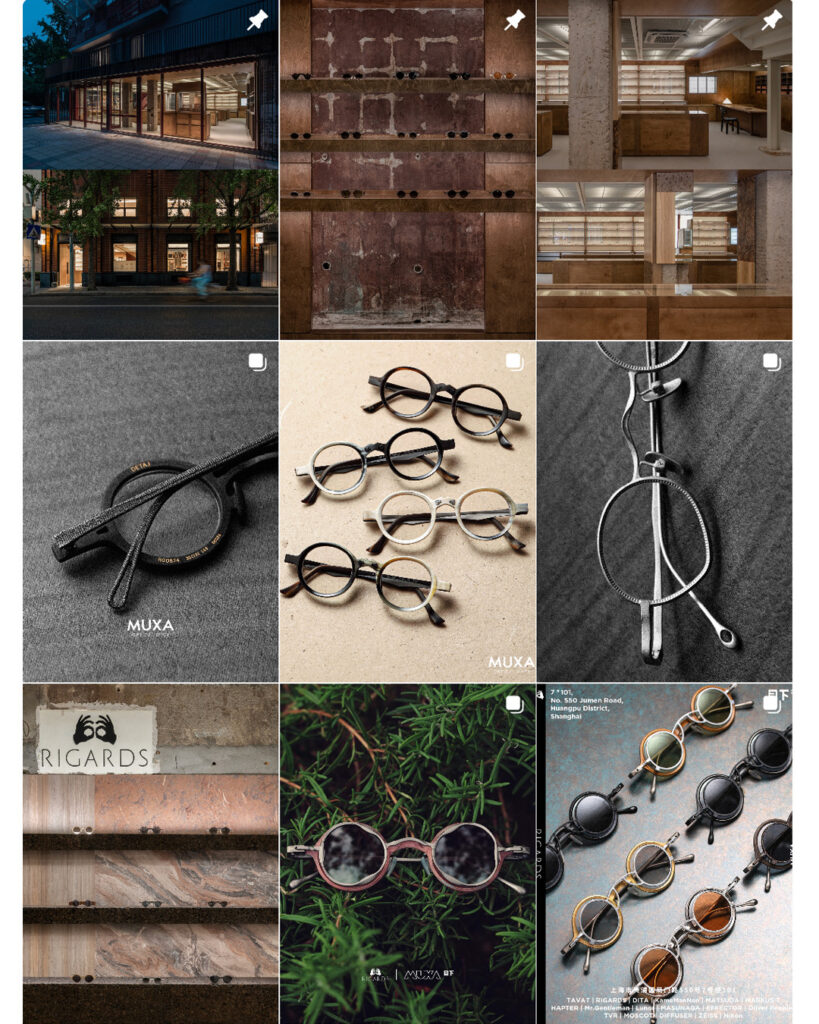
MUXA Eyewear is another strong example. Based in China, the store has become popular with both locals and tourists because its Instagram communicates more than products. It shows the location, the space, the atmosphere, and the texture of the eyewear through original photography and sharp copywriting. The logo appears consistently, turning each post into part of the store’s identity. Their content investment feels as intentional as the investment in the physical space itself.
The Future Belongs to Creative Retail
The next generation of successful optical stores won’t necessarily have the largest selection of brands.
They’ll have the strongest identity.
Luxury retail is no longer defined only by architecture or premium products.
It is defined by consistency online and offline.
Independent opticians should consider investing around 5-10% of their annual revenue in a creative agency capable of producing high-quality digital content with a clear artistic direction and consistent brand identity.
The same applies to your website. You don’t need a complex site just a clean landing page that reflects the same identity and atmosphere as your store and Instagram.
Consumers don’t separate Instagram from the store anymore.
To them, they’re the same place.
And for many young customers, Instagram is simply the front entrance.

 English
  French
  Italian
  Spanish
  Portuguese
  German
  Korean
  Japanese