


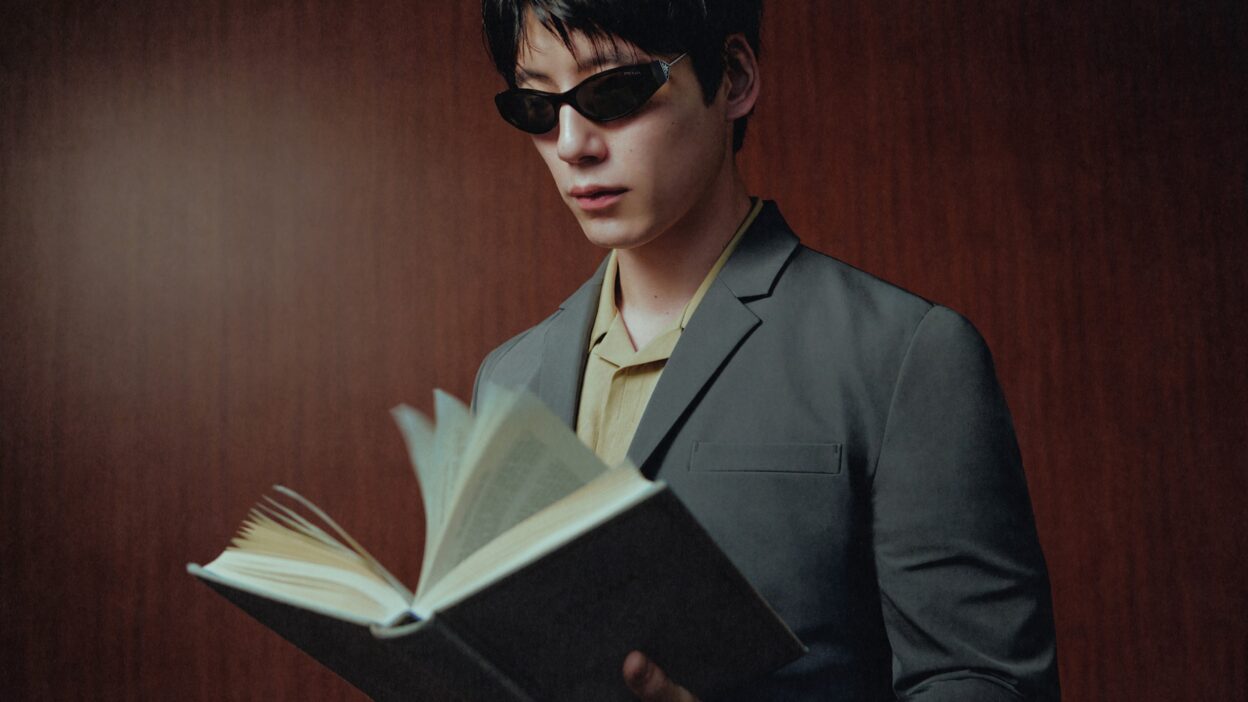
A handful of brands have successfully captured a younger audience by building genuine cultural relevance around their products. In doing so, many have gradually moved beyond the traditional optical retail network, while much of the industry has remained inside its own bubble.
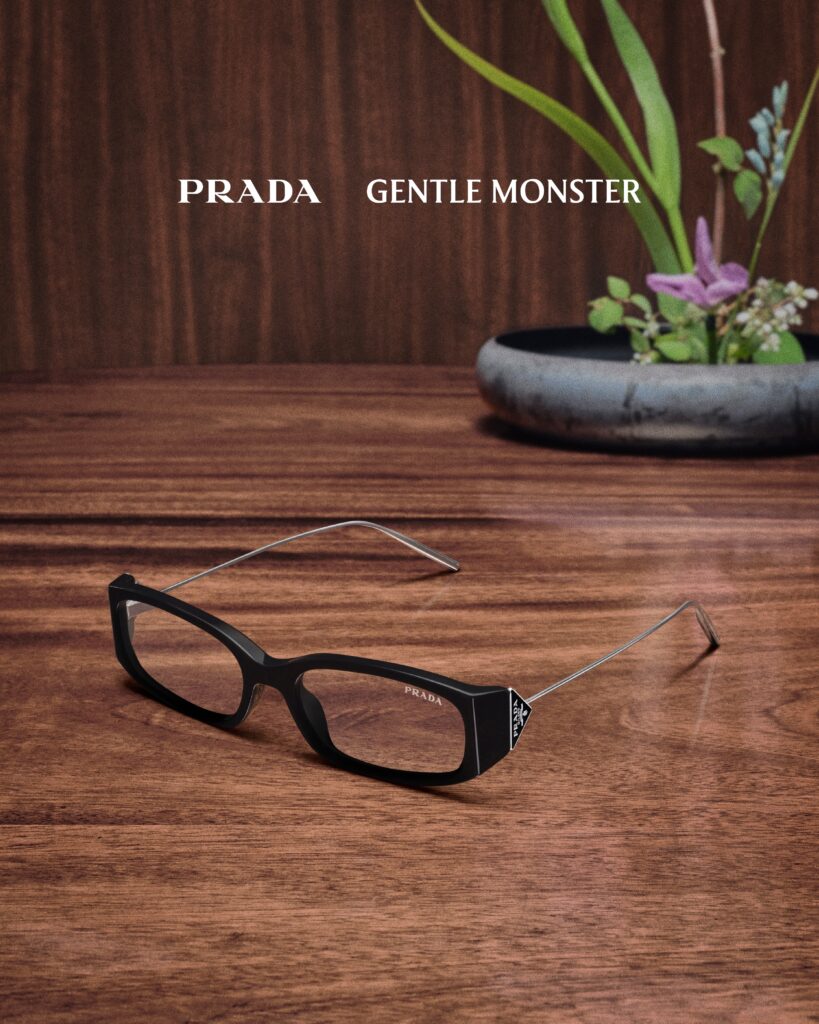
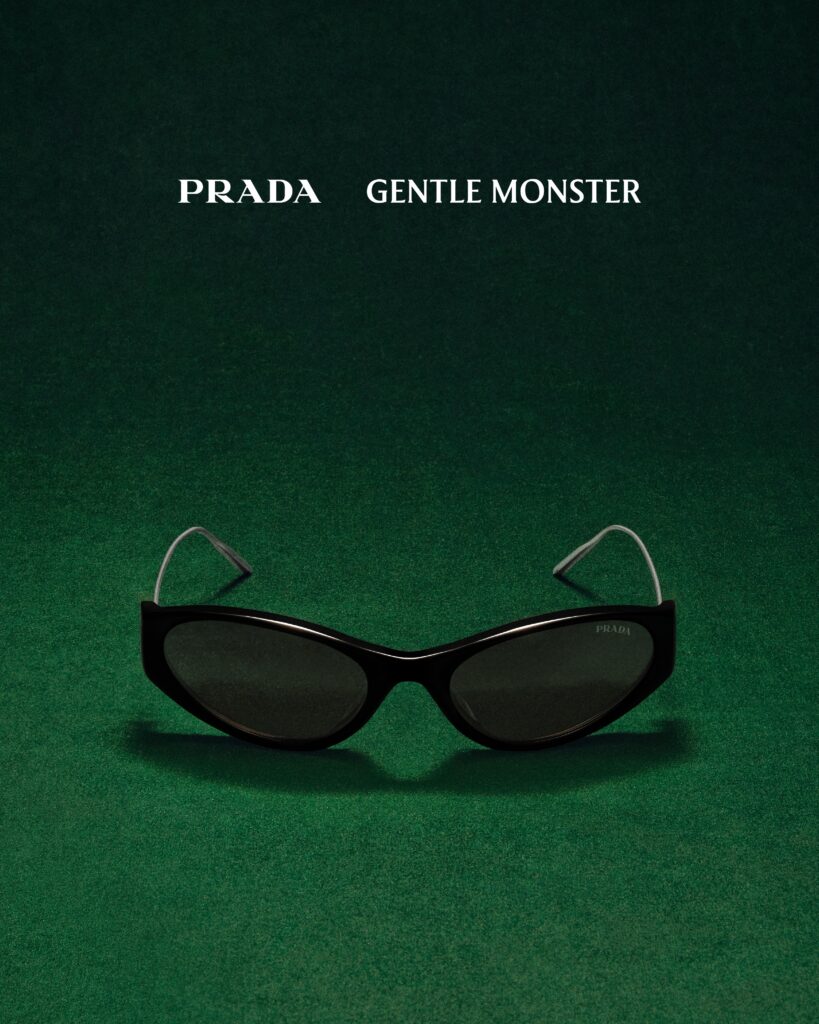
The best example is Gentle Monster’s latest collaboration with Prada. It demonstrates how an eyewear brand can succeed without relying on traditional optical retail networks, sales agents, or conventional distribution structures and, more importantly, how it can become viral and highly desirable among a new generation of consumers.
When you see collaborations like these and products that never make it into traditional optical stores, you realize just how outdated much of the traditional industry has become.
Many brands and optical retailers still feel stuck in the past, offering little that feels fresh, exciting, or culturally relevant. Collaborations like this bring a completely different energy, reminding consumers that eyewear can be desirable, contemporary, and part of a much bigger cultural conversation.
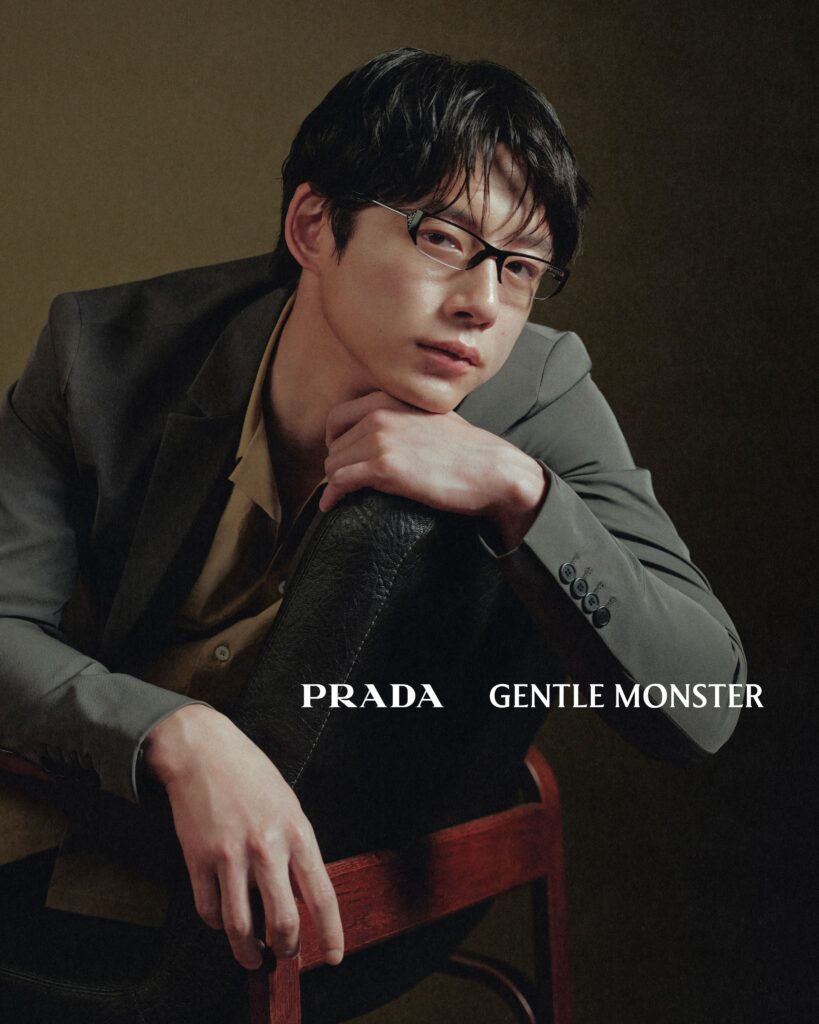
For more than two decades, the eyewear business has mistaken distribution for demand.
The industry’s biggest investment wasn’t in building cultural relevance. It was in winning shelf space.
Brands perfected the art of selling to opticians. Trade fairs became the calendar that mattered.
Sales representatives became the primary marketing channel. Factory tours replaced consumer storytelling. Success was measured by how many stores carried a collection not by whether anyone outside the industry cared.
Somewhere along the way, the optician quietly became the customer.
The wearer became secondary.
Brands like Gentle Monster have put consumers first.
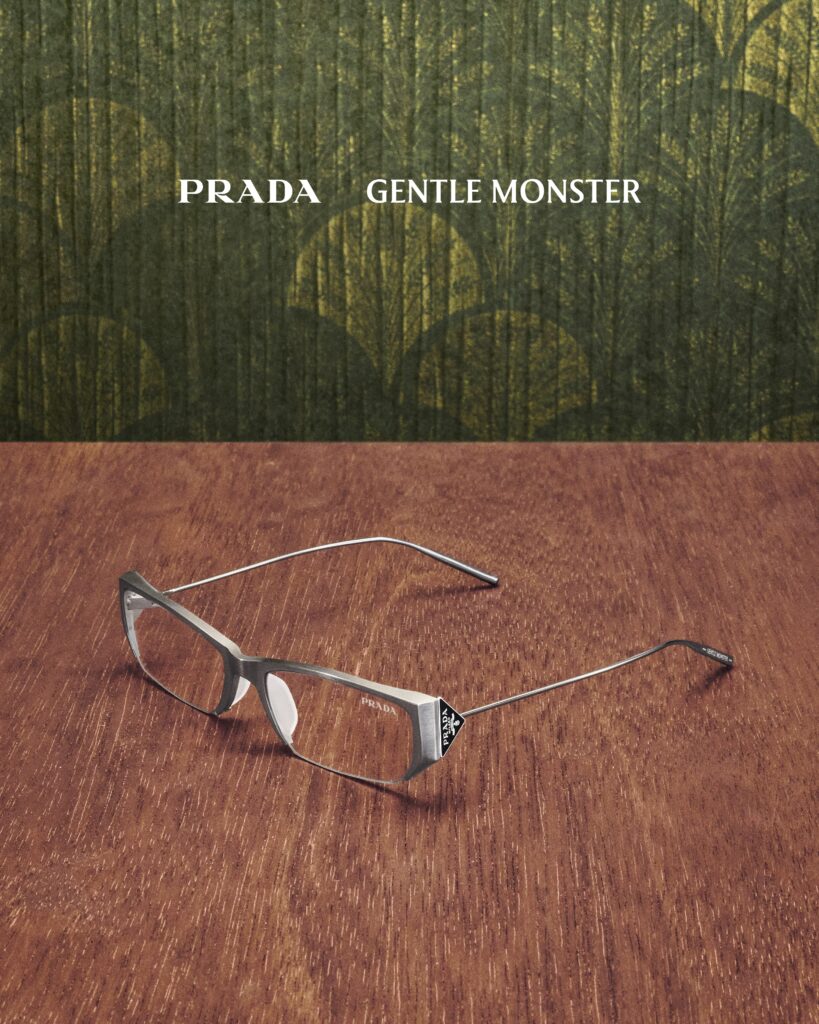
An optician should refuse what is easily offered by sales agents and instead seek out what is difficult to access. Go directly to the source.
Ironically, the industry built around what people wear on their feet has become far more talked about, collected, and culturally influential than the one built around what people wear on their face. Sneakers became a global obsession.
Eyewear, despite being one of the most visible accessories a person owns, never built the same consumer culture.
That model created an industry obsessed with competing for the same shelves, the same accounts, and the same retail portfolios. It also created predictable stores carrying predictable brands. Many labels survived not because consumers actively sought them, but because distribution networks, chain retailers, and established sales structures kept them visible.
Meanwhile, something far more interesting was happening outside the traditional system.
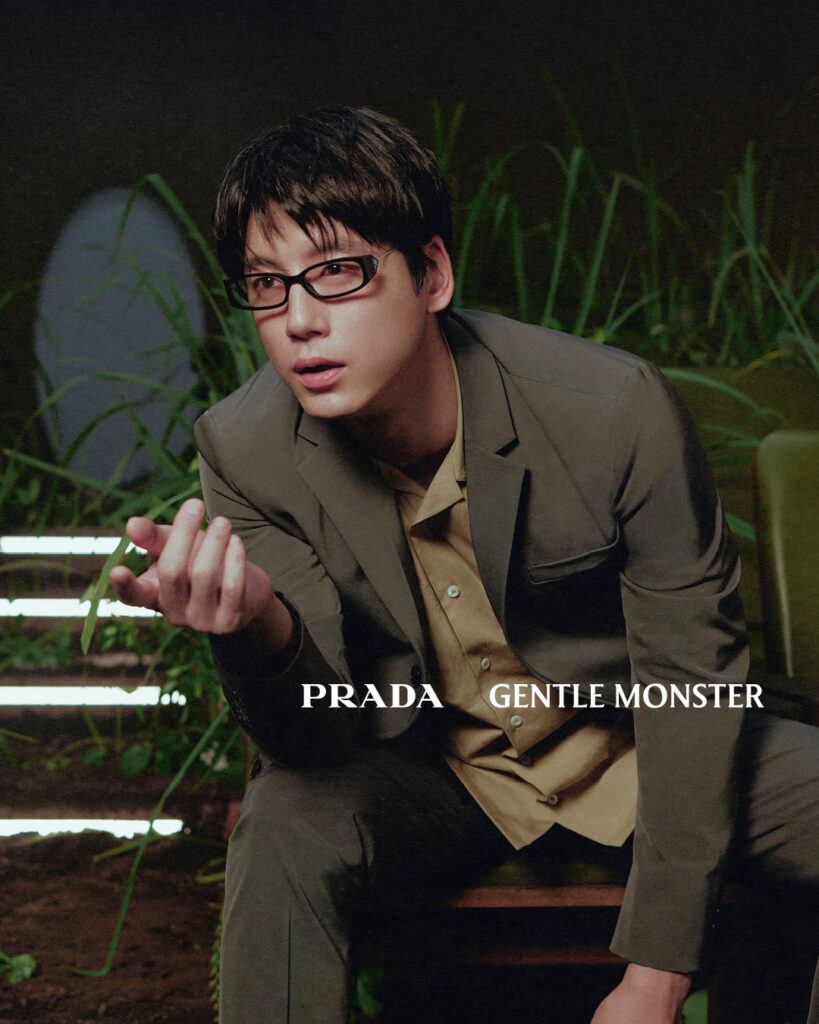
In the last 6 years a new generation of independent brands began speaking directly to consumers. A new wave of optical boutiques reinvented what an eyewear store could look like.
They understood something the old industry had overlooked: young consumers don’t buy products, they buy identity, culture, and taste.
The future of eyewear won’t be decided by who has the largest sales force.
It will be decided by who earns attention.
That changes the role of the optician completely.
The best optical stores shouldn’t look at what neighboring retailers stock.
A sales agent’s job is simple: sell more shelf space.
An optician’s job is much harder: build a point of view.
The store itself must become the brand.
Its portfolio should be based on market research, cultural relevance, and differentiation, not on tradition or convenience. The strongest boutiques of the next decade will likely carry brands few competitors have discovered yet. Their identity won’t come from a famous logo on the frame, but from the taste behind every buying decision.
The same applies to investment.
Instead of filling every trade fair appointment available, imagine redirecting that budget toward exceptional interior design, world-class branding, original content, and an unforgettable retail experience. Consumers remember experiences. They rarely remember which sales representative introduced a collection.
The next era of eyewear won’t be built inside exhibition halls.
The hottest brands today Gentle Monster, Jacques Marie Mage, and Thom Browne, aren’t the ones you’ll find filling exhibition halls at SILMO or MIDO. Nor is the next generation of brands quietly emerging behind them.
Some brands have already found that audience. They captured it by operating far beyond the closed world of the optical industry. That’s why independent opticians should study what they have built, not to copy it, but to understand how they craft narratives, design unforgettable retail experiences that resonate with consumer
It will be built on Instagram feeds, in beautifully designed optical spaces, through distinctive curation, and by retailers confident enough to think independently.
The eyewear industry doesn’t simply need better brands.
It needs a new operating system.
At Curated Optics, that’s precisely why we built editorial guides, market analysis, and curated brand indexes not to tell retailers what everyone else is buying, but to help them discover what everyone else has missed.
Because in the future, the most valuable shelf isn’t the one everyone is fighting for.
It’s the one nobody else has.

 English
  French
  Italian
  Spanish
  Portuguese
  German
  Korean
  Japanese