


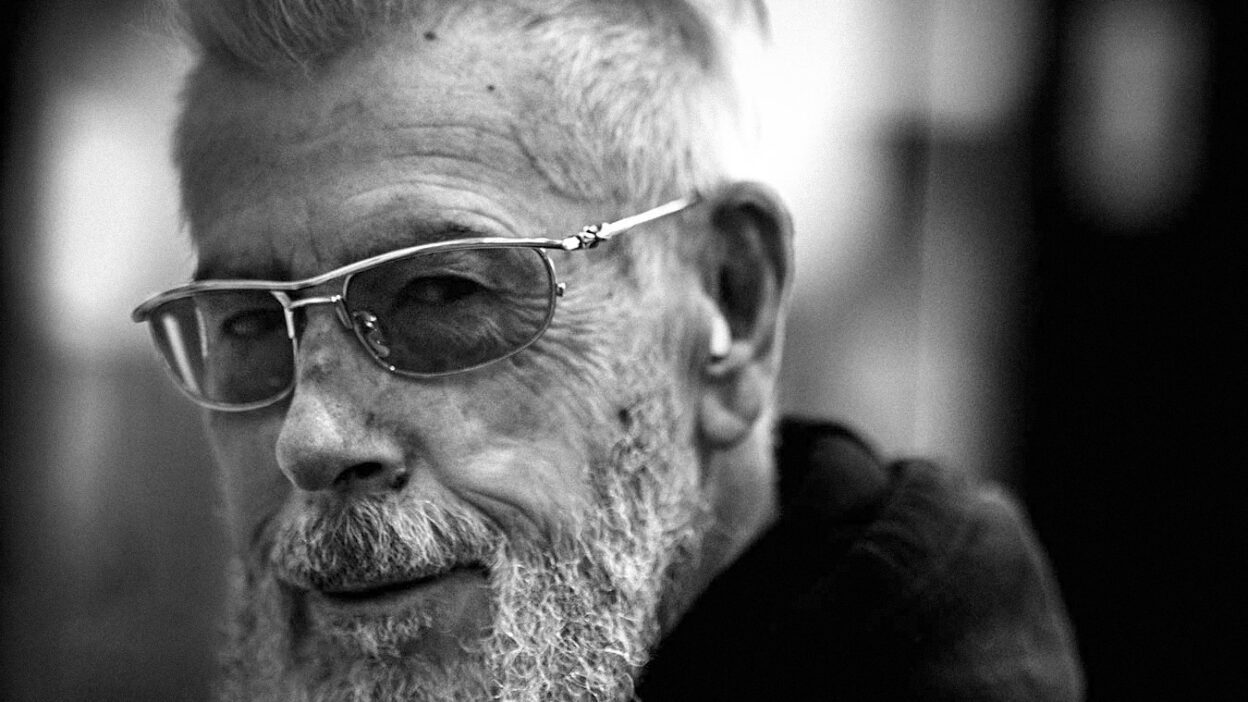
If you ask who the most influential optician in the Netherlands is, one name comes up again and again: Ben Akkerman.
For decades, Akkerman has been quietly shaping the direction of Dutch optical retail, long before independent eyewear became a movement. He belongs to a rare generation of visionaries who understood that glasses were never just medical devices, they were culture, identity, and self-expression years before the industry embraced those ideas.
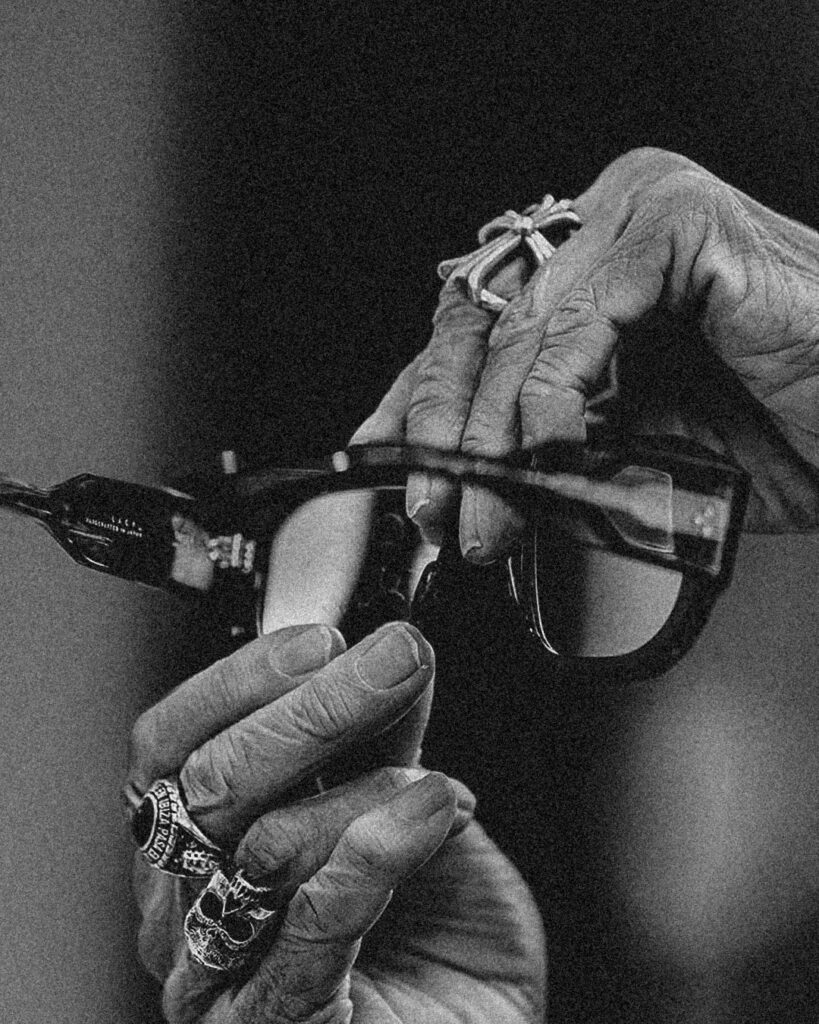
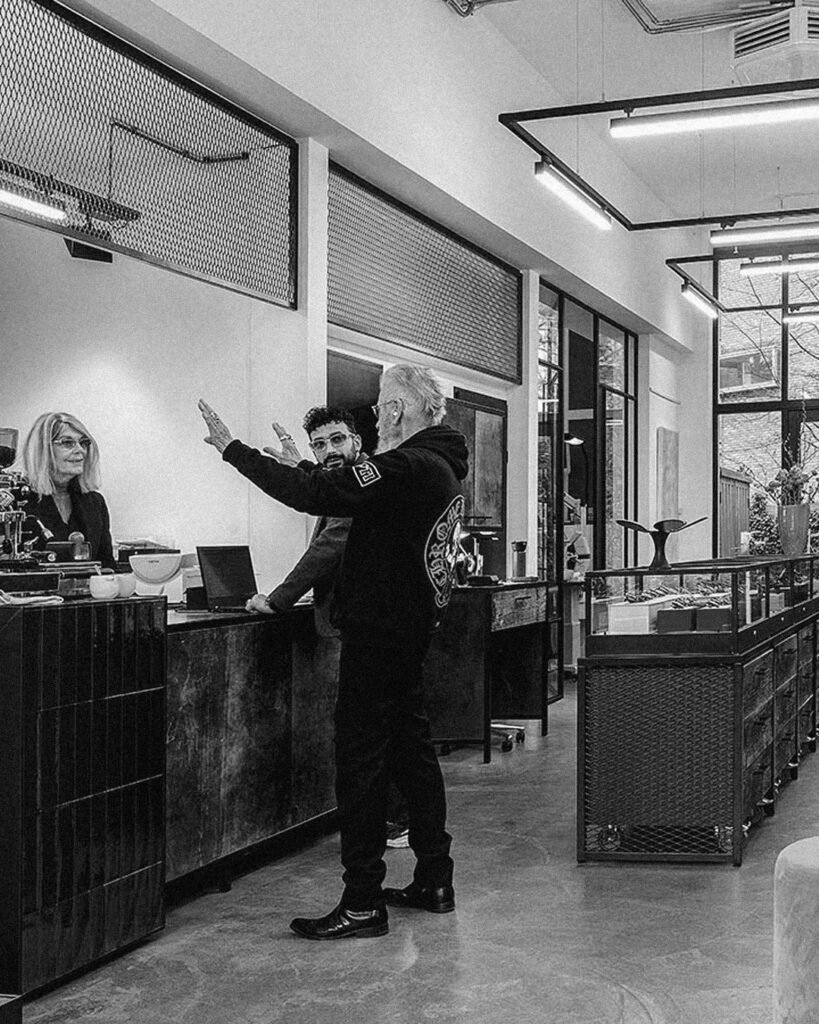
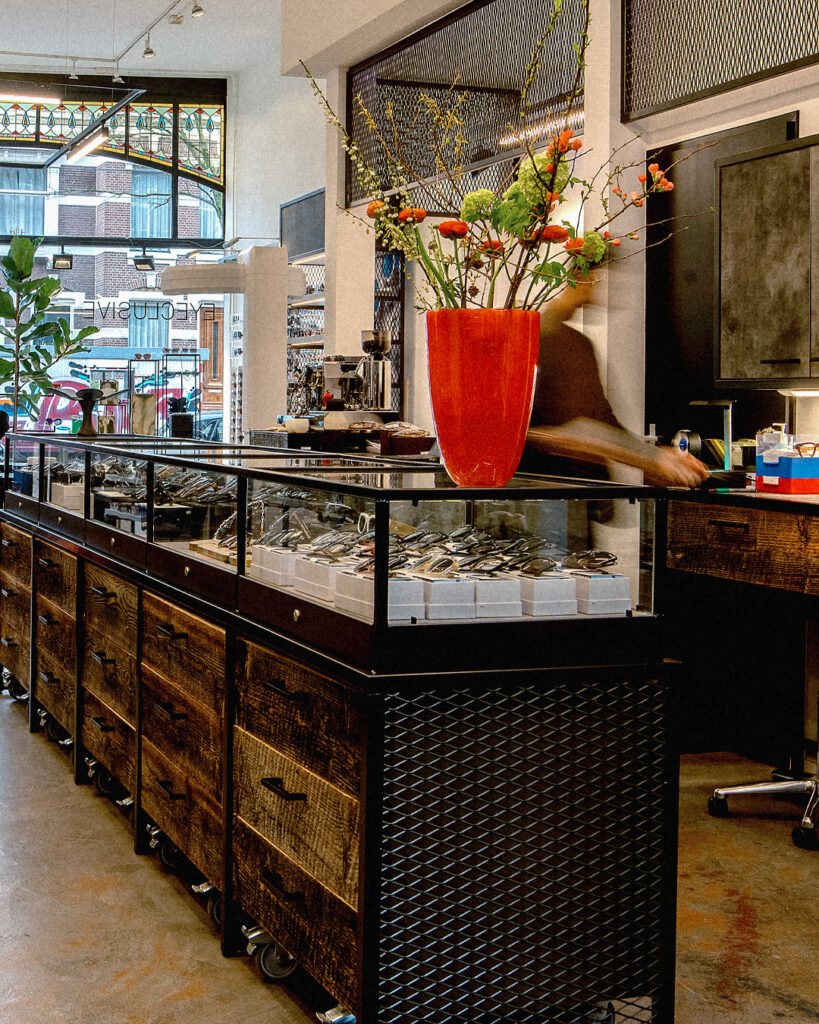
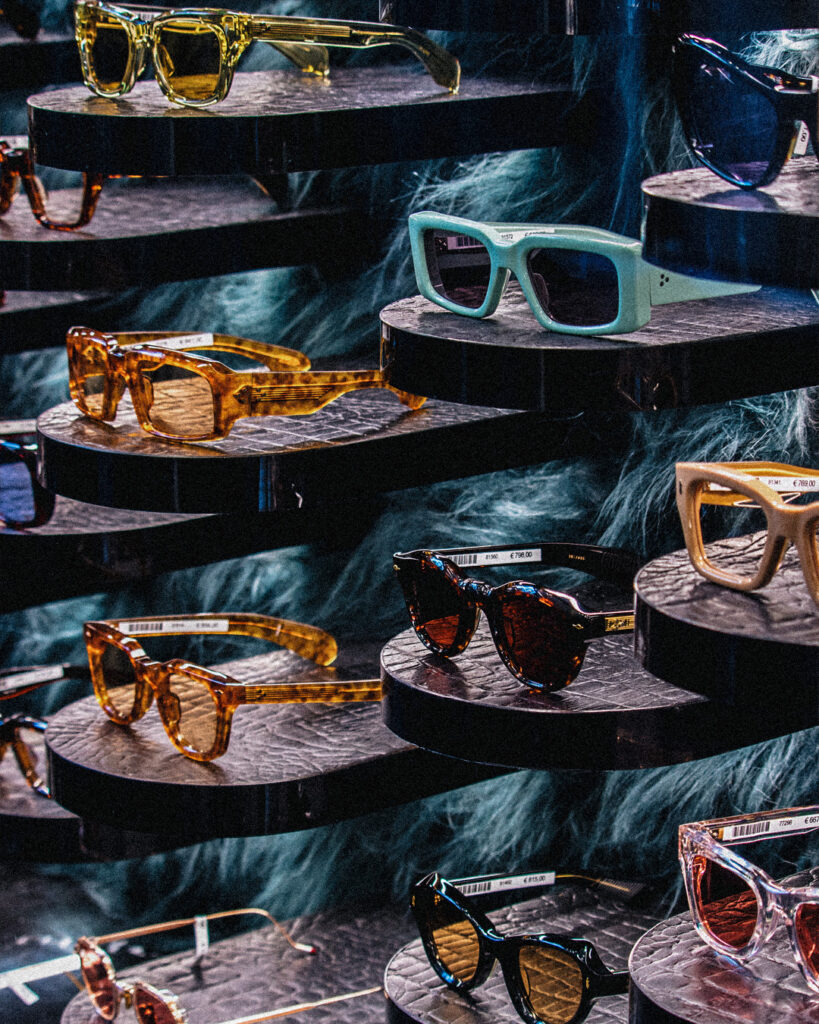
Walk into Eyeclusive Rotterdam and it becomes immediately clear that this is not a conventional optical store. It feels closer to an art gallery than a retail space. Every frame has been selected with intention, every conversation begins with curiosity rather than a sales pitch, and every customer leaves with something that reflects who they are, not simply how well they see.
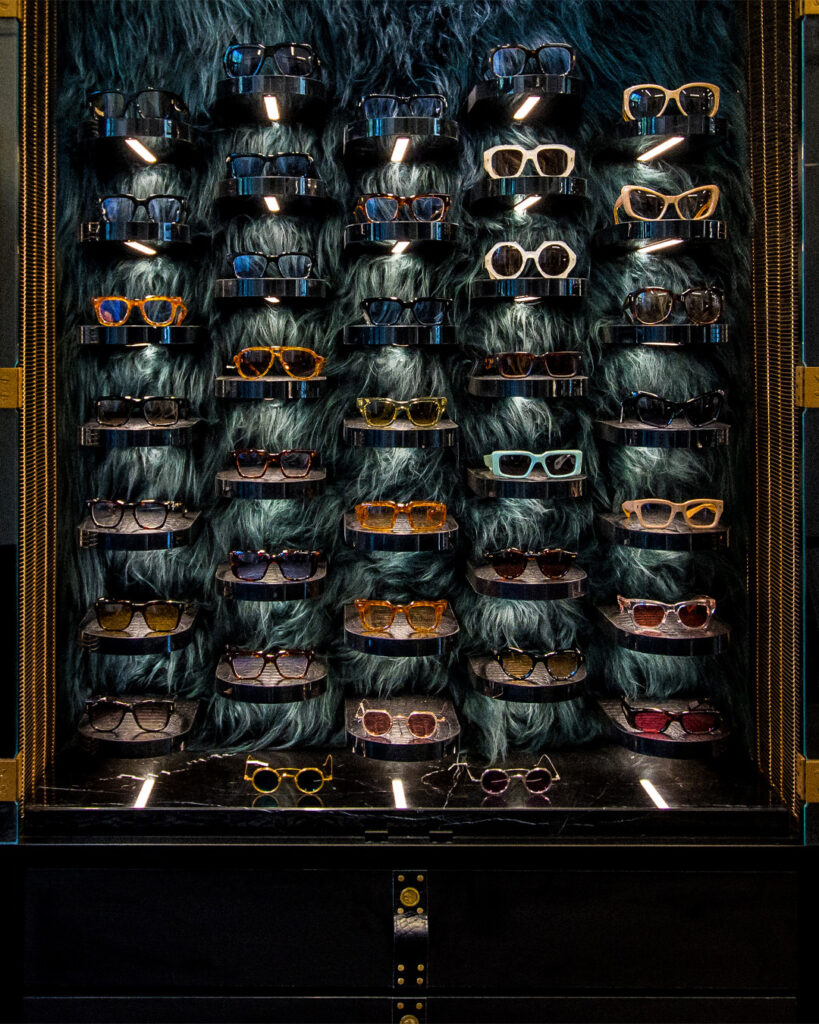
At a time when much of the optical industry is driven by volume, licensed fashion brands, and standardized retail concepts, Ben continues to prove that authenticity, craftsmanship, and human connection remain the most valuable assets an independent optician can possess.
In this exclusive conversation with Curated Optics, he reflects on nearly seven decades in optics, why storytelling matters more than ever, and why the future belongs to independent frame makers.
You originally wanted to become an artist. How did you end up in optics, and what has changed since you first entered the profession?
My father was an optician, but I wanted to become an artist.
My dream was to attend theatre school in Amsterdam, but my parents weren’t willing to finance it. We eventually made a deal: if I truly disliked optical school after one year, they would let me pursue theatre.
Instead, I was fascinated almost immediately.
I completed my education and never looked back.
Since I started in 1959, the profession has evolved from very primitive tools to highly sophisticated instruments. But my own philosophy has always remained the same: I wanted to sell not only better vision, but better-looking people.
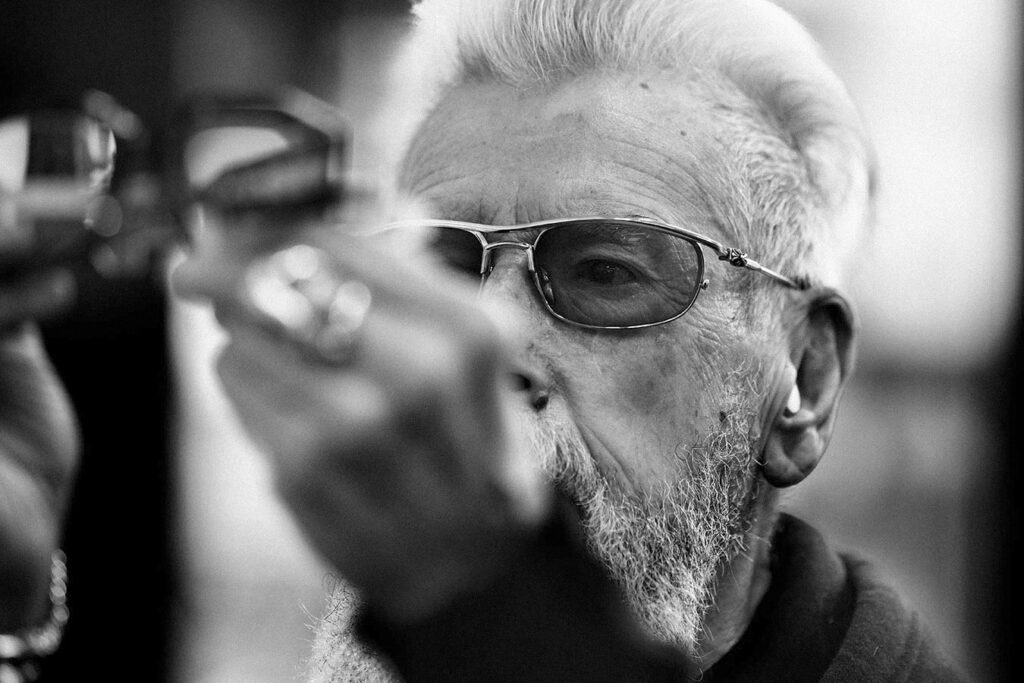
What defines a truly memorable optical retail experience today?
Making people understand that a good pair of glasses becomes part of someone’s identity.
There are endless possibilities to improve vision, but eyewear can also change how you feel about yourself. Sometimes something as simple as the right lens tint can make a person appear younger, more fashionable, and more confident.
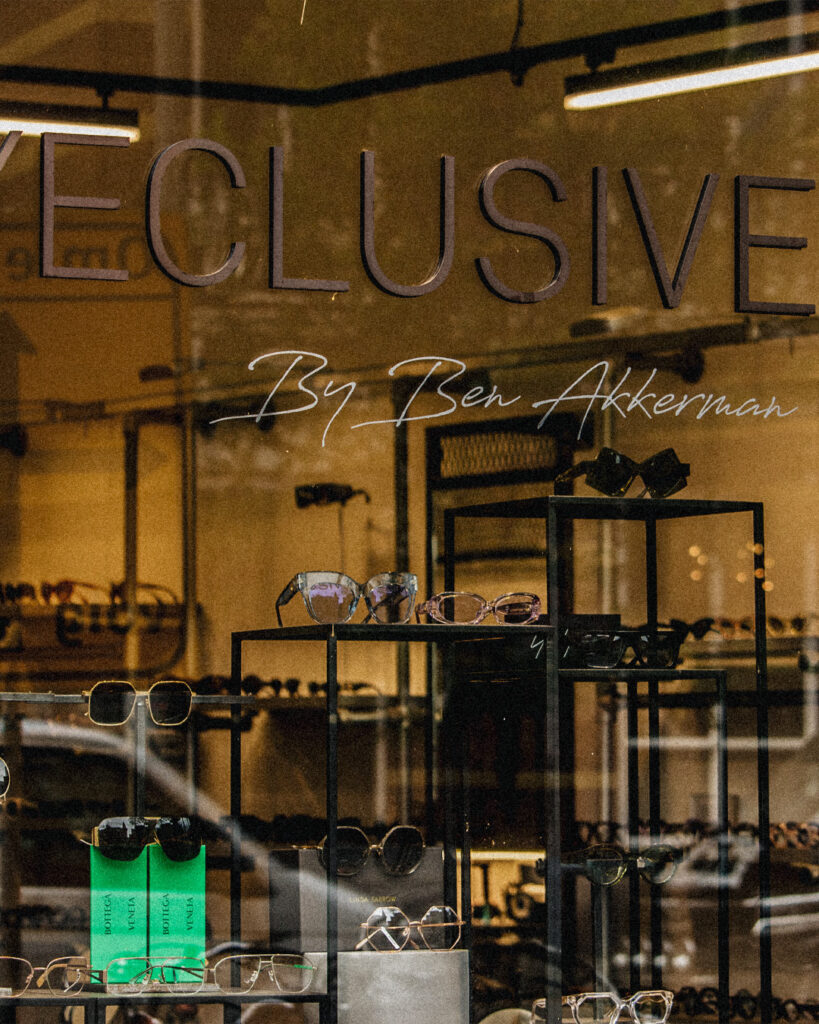
How should independent opticians compete against large chains and online platforms?
Be genuinely interested in your customers.
Share your knowledge and your experience.
Help people understand that their eyes deserve something meaningful, and that there is an entire world beyond licensed brands.
Independent opticians succeed when they educate rather than simply sell.
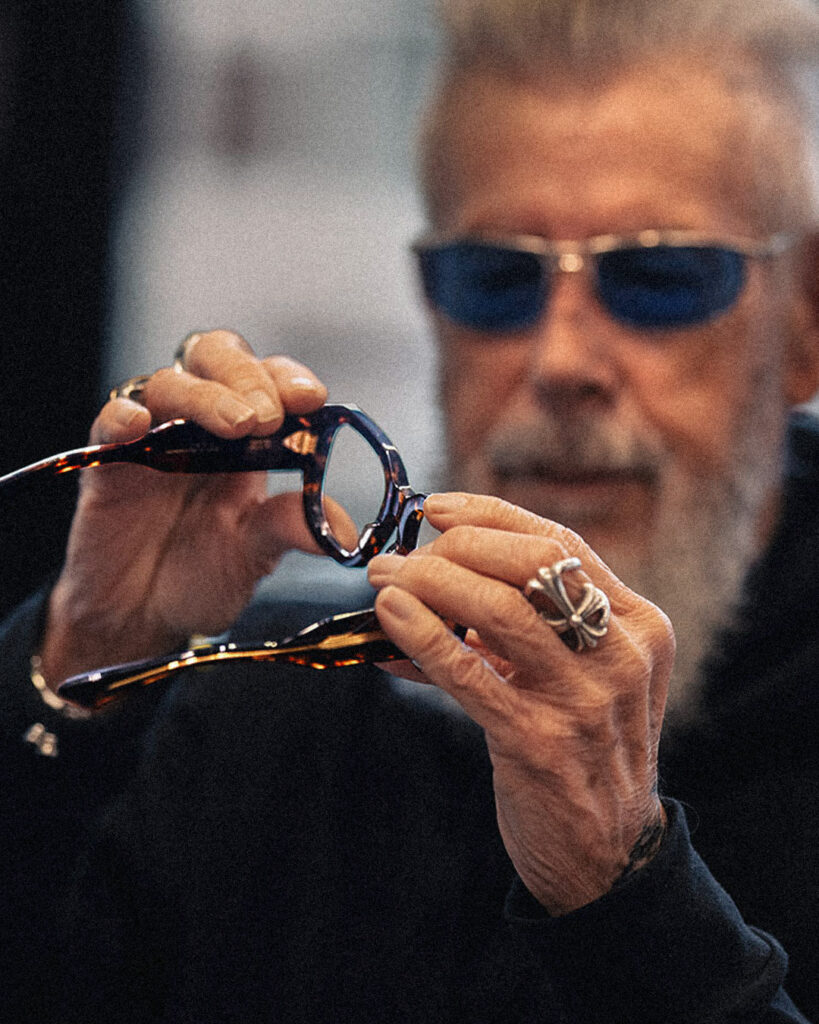
What changes have you seen in eyewear consumers over the last decade?
Eyewear has increasingly become an ornament.
People no longer own just one pair of glasses. They buy multiple frames for different occasions, moods, and lifestyles.
That shift has changed the entire conversation around eyewear.
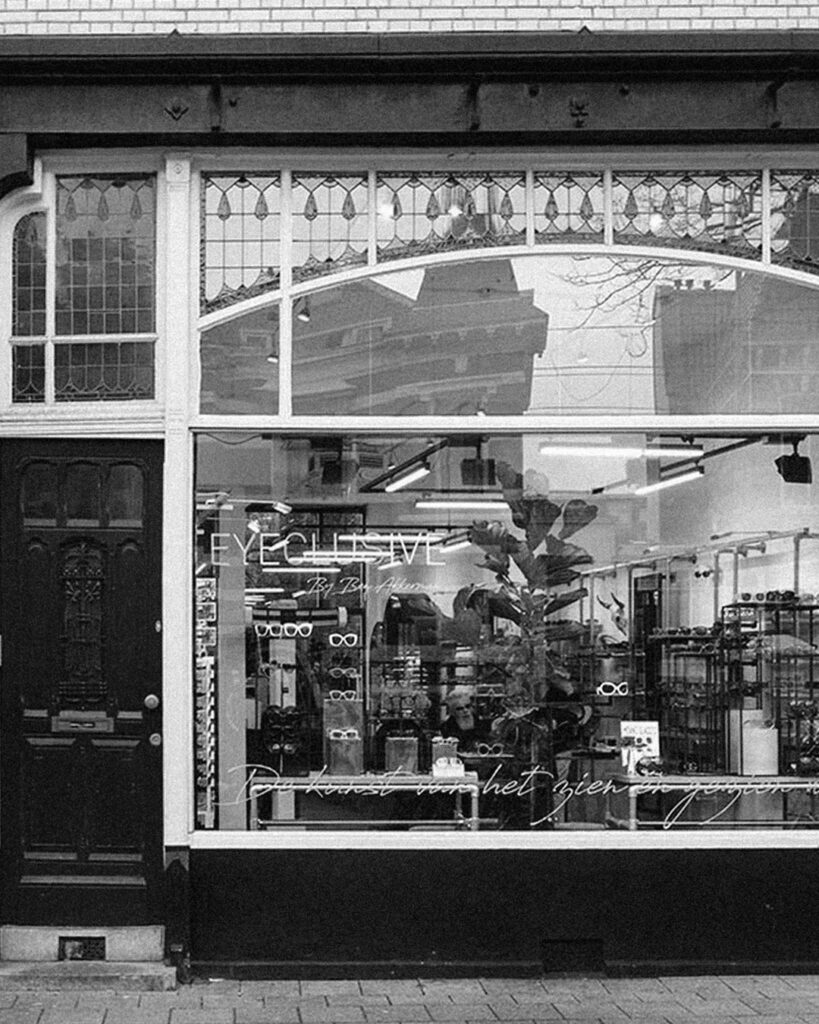
Are clients buying vision solutions, fashion products, or personal identity?
Of course they need vision solutions.
But those solutions should always express personal identity.
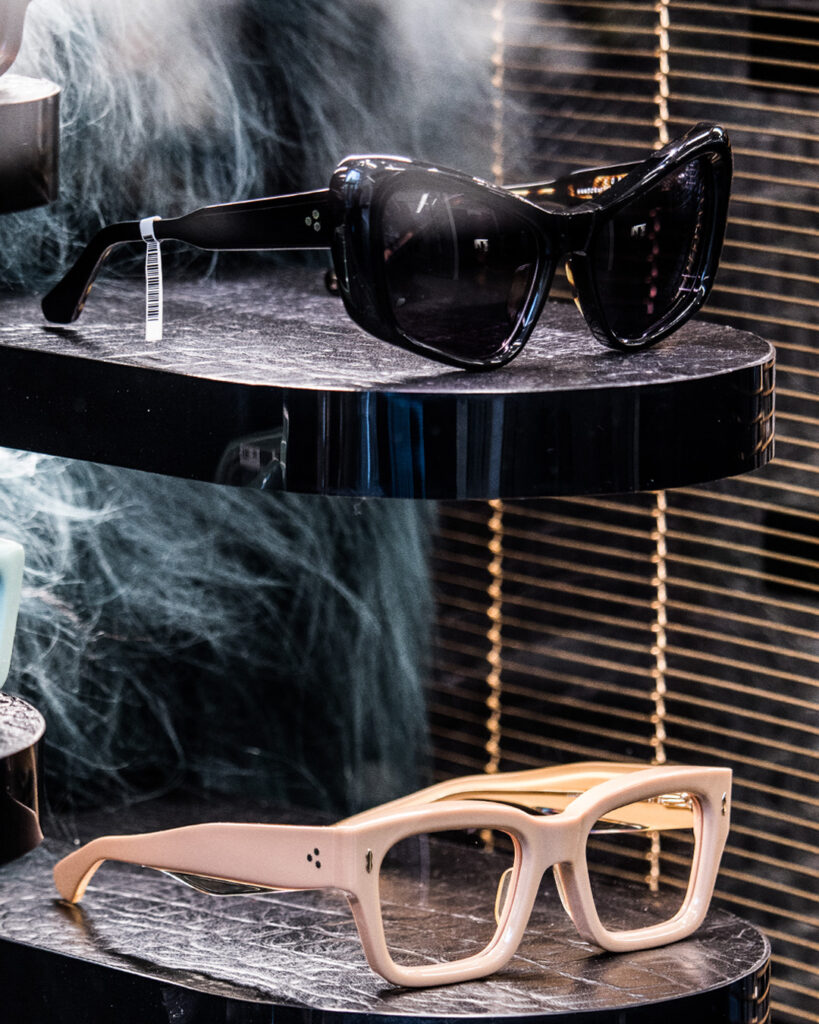
What separates a successful optician from a successful eyewear curator?
A successful curator has an instinct for discovering new brands before everyone else.
You need to understand which collections fit the people you want to welcome into your store. Selecting frames is not simply buying inventory, it’s creating an identity for your business.
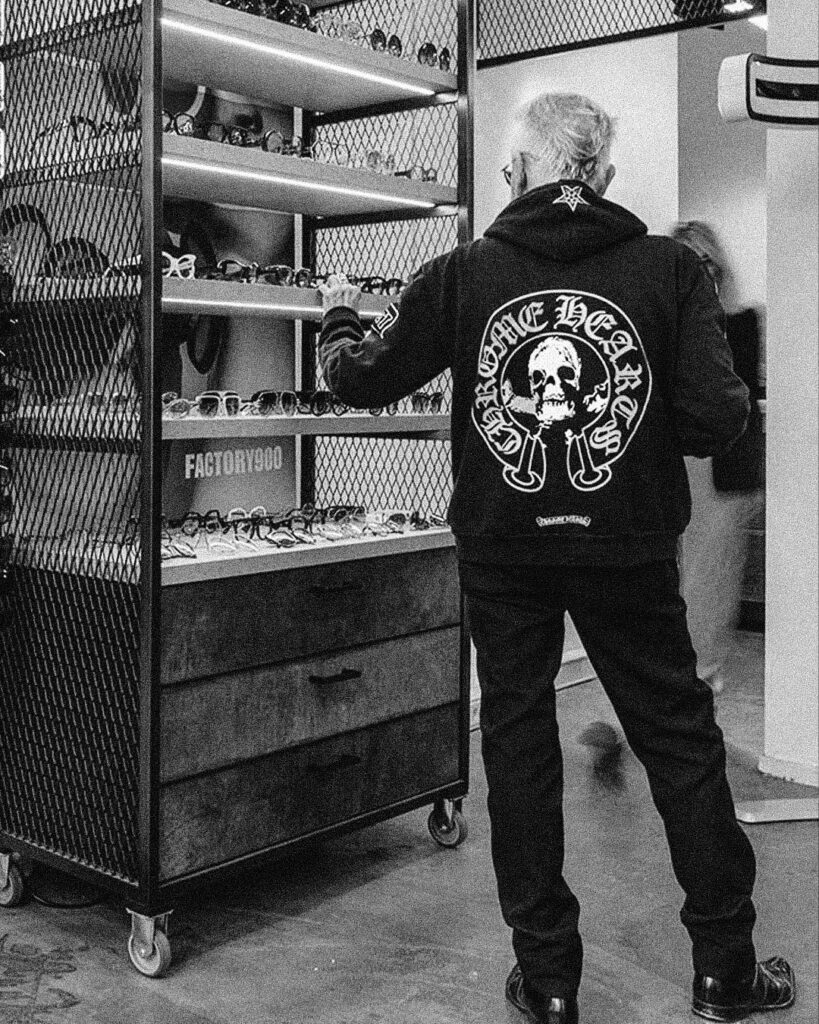
How important are limited editions and independent brands today?
Extremely important, especially for men.
Limited editions create collectors.
Collectors understand stories.
They appreciate craftsmanship, rarity, and authenticity, and those qualities create long-term relationships rather than one-time purchases.
What major shift will redefine the eyewear industry over the next five to ten years?
Licensed brands will gradually lose their appeal.
The future belongs to real frame makers, brands built around craftsmanship, slower production, and genuine design.
At the same time, personal service inside intimate independent stores will continue to survive and become even more valuable.
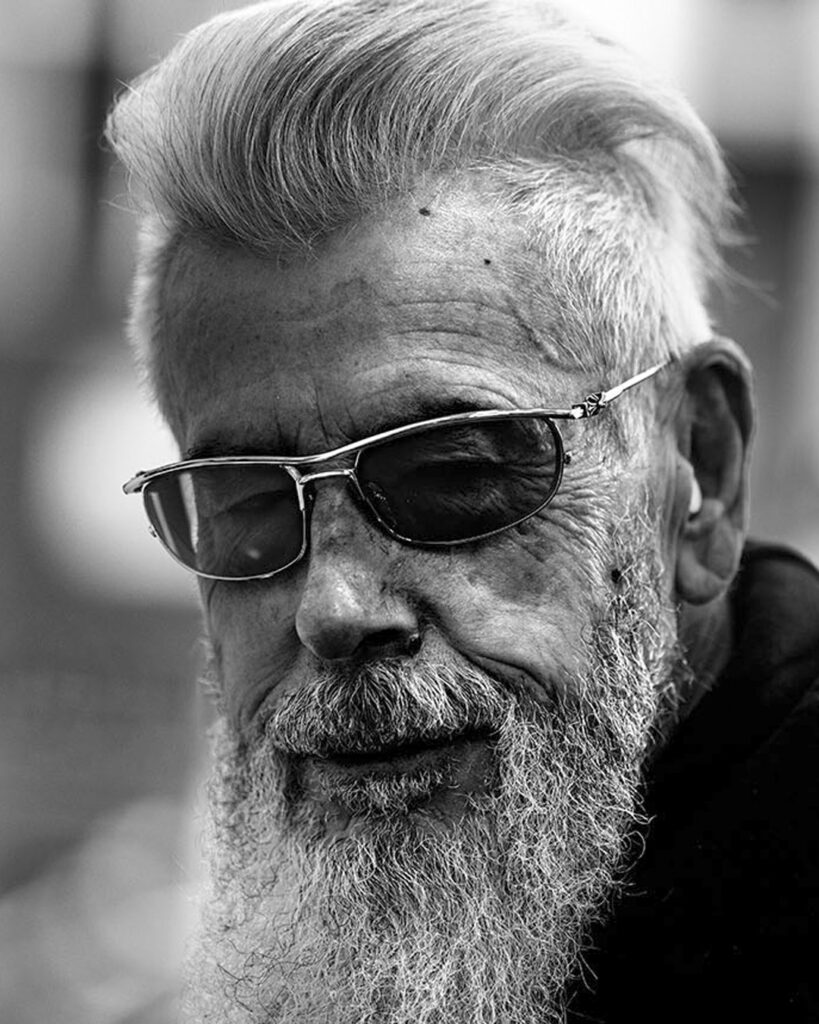
What advice would you give to young opticians entering the profession?
Remain yourself.
Believe in your own strategy.
Don’t abandon your original vision because of trends or outside pressure.
Most importantly, create customers who become walking ambassadors for your store.
That will always be your strongest form of marketing
A Lifetime Ahead of the Curve
Listening to Ben Akkerman, one thing becomes remarkably clear: many of the ideas today’s independent eyewear movement celebrates are ideas he has been practicing for decades.
Long before collectors became common, he spoke about stories. Long before independent brands challenged licensed fashion, he built his store around craftsmanship. Long before eyewear became part of cultural identity, he treated every frame as an extension of the person wearing it.
Perhaps that is why Eyeclusive remains one of Europe’s most respected independent optical destinations. It isn’t driven by trends it helped create them.
In an industry increasingly searching for authenticity, Ben Akkerman reminds us that the future may not belong to those who produce the most glasses, but to those who understand why people wear them in the first place.
 English
  French
  Italian
  Spanish
  Portuguese
  German
  Korean
  Japanese