

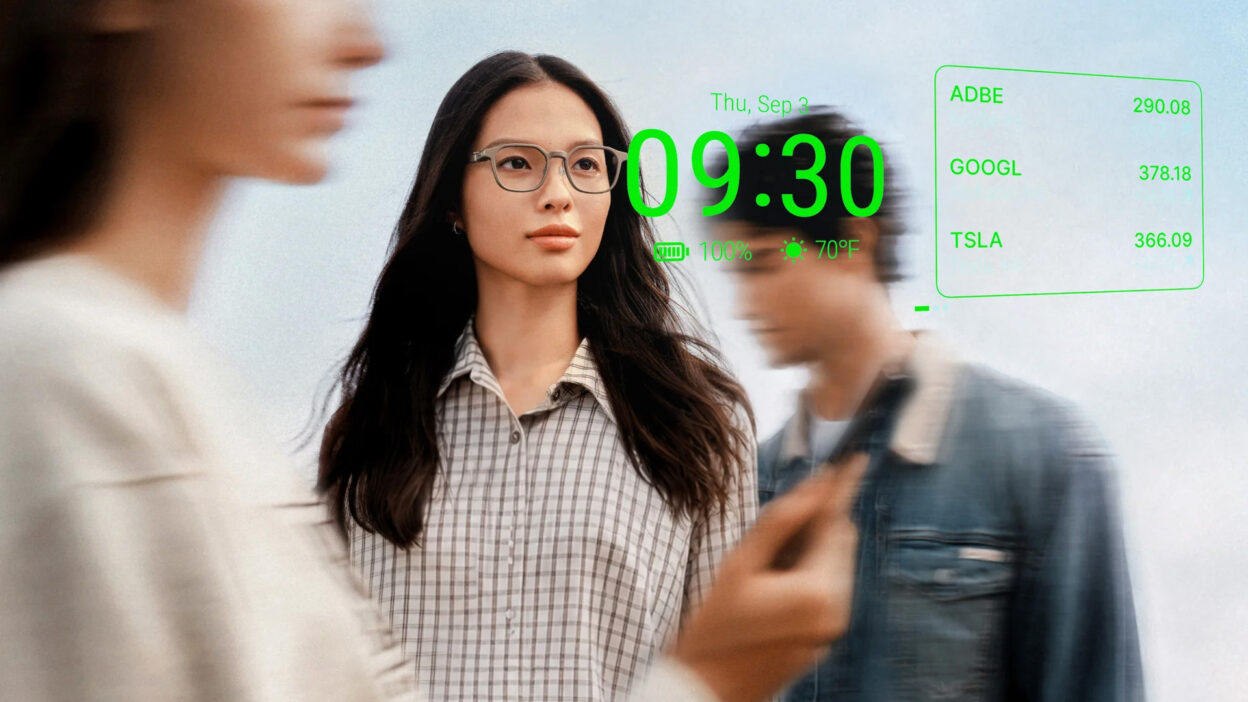
Cover image credit: RayNeo
The middle of the eyewear market should be nervous. Genuine luxury has a different defence.
The optical industry is being invited to celebrate its next big opportunity. It should read the small print. A few months ago, we explained why smart glasses would be treated as little more than a novelty, and why they would fail to replace conventional eyewear within the next five years.
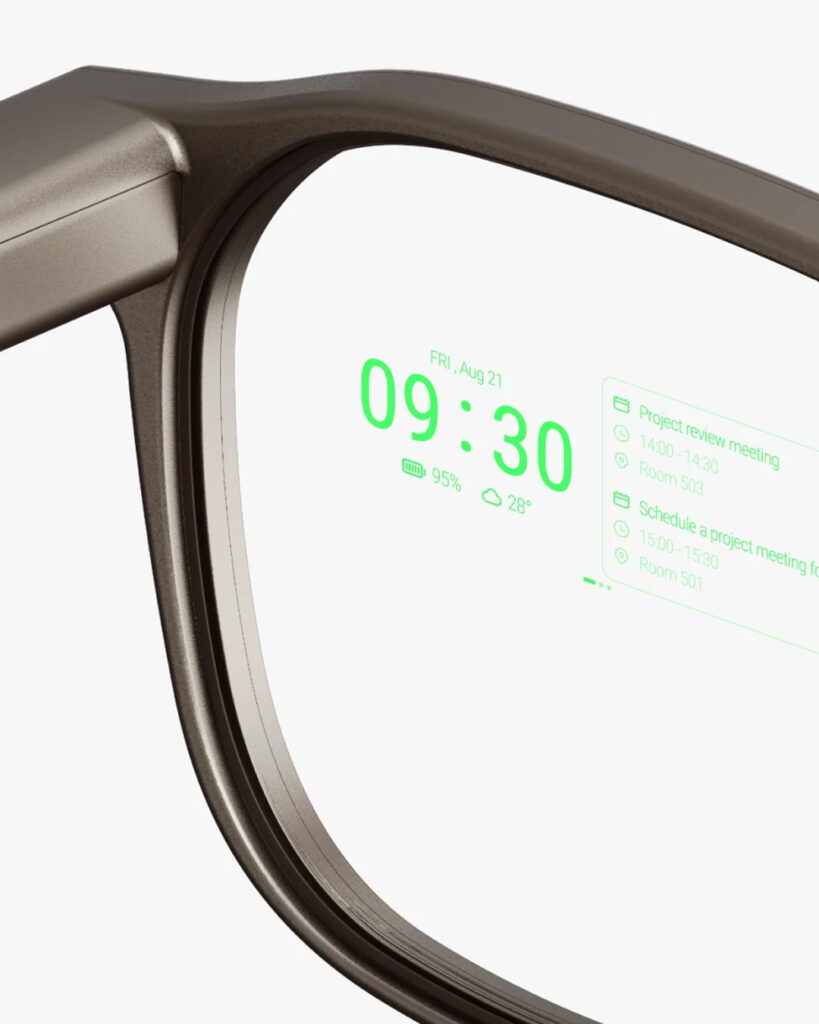
Smart glasses could squeeze the brands selling ordinary frames at extraordinary markups, and turn the opticians introducing them into an expendable distribution channel.
That is the risk behind the excitement: helping build a market does not guarantee owning a place in it.
Meta wants more than your face
Meta has described glasses as a natural evolution of mobile computing. The strategic prize is clear: greater control over the platform connecting consumers to digital life, with less dependence on Apple and Google’s operating systems.
In 2021, Meta saw how exposed its business was to Apple’s software changes, which restricted tracking and made it harder to reach the right audiences with ads. Meta’s entire business model revolves around advertising. The longer it keeps you connected, the more opportunities it has to sell your attention.
Startups are chasing that opening too. But the race to build the next device can overlook what makes people wear something every day: comfort, appearance, prescription needs, privacy, battery life and whether it solves a problem worth paying for.
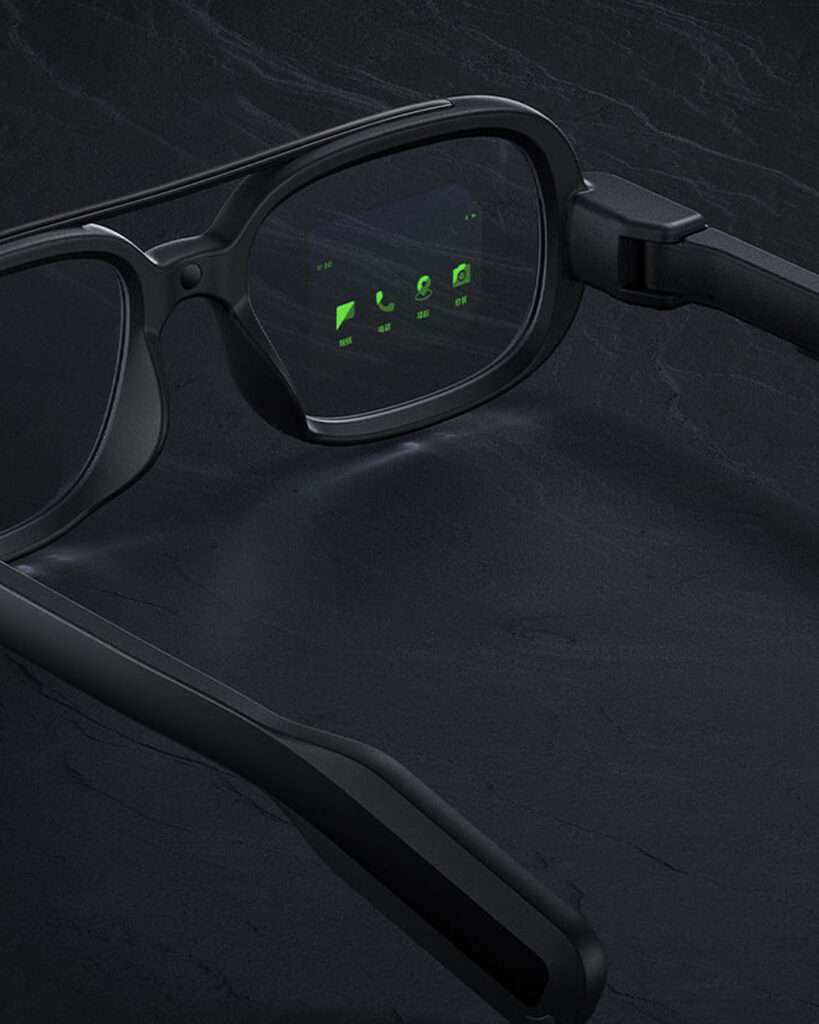
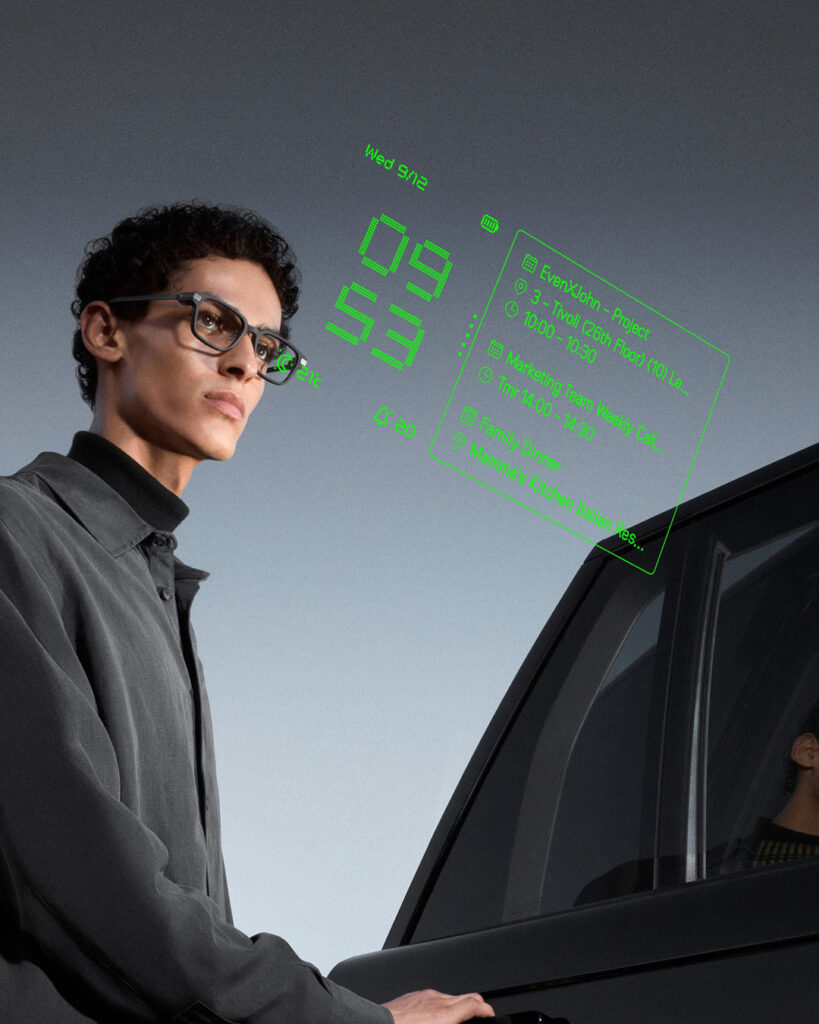
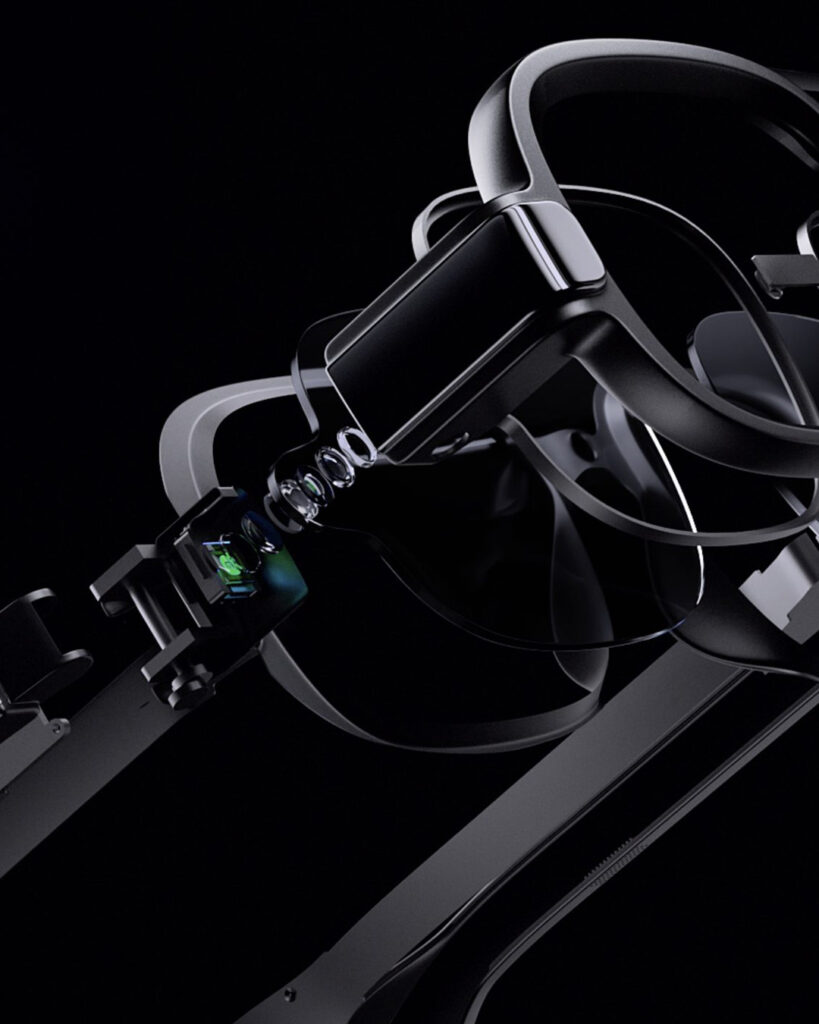
Alongside them, a growing number of companies, many from Asia, including RayNeo, Xiaomi as well as players such as Even Realities and Mira, are competing for a place in the market. Much of the offering feels familiar: monochrome green displays, AI audio features and, crucially, continued dependence on a smartphone.
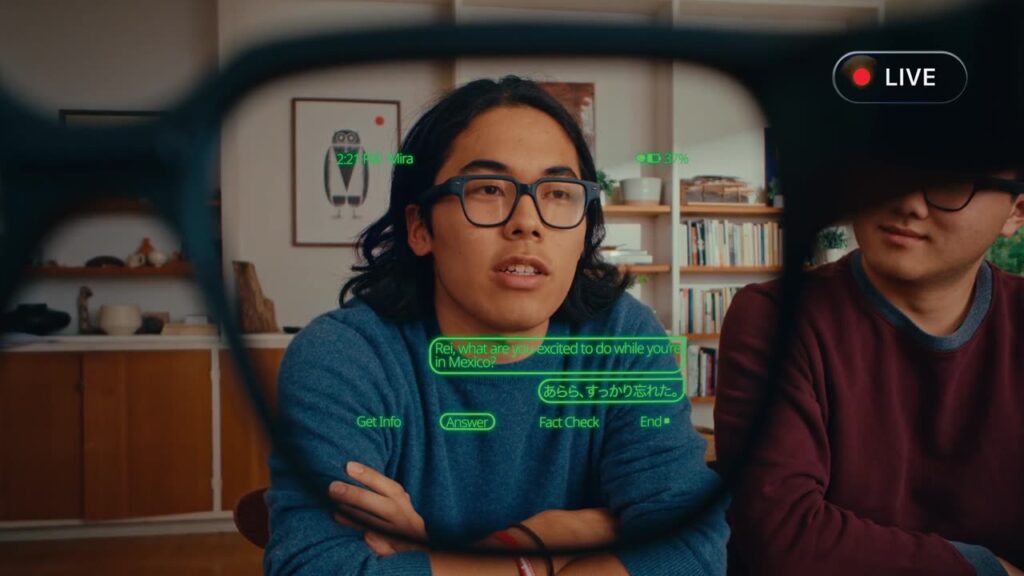
Green MicroLED displays are not a new technology; Xiaomi introduced them in 2019.
If there is one habit the smart glasses industry has inherited from traditional eyewear, it is the tendency to borrow from competitors. From familiar green LED displays to near-identical frames and interchangeable marketing campaigns, a category promising to reinvent eyewear often struggles to distinguish one product from the next.
As long as glasses need a smartphone to deliver their essential value, the revolution remains incomplete. They may succeed commercially as accessories. Becoming the next computing platform demands something bigger: making the phone less necessary.
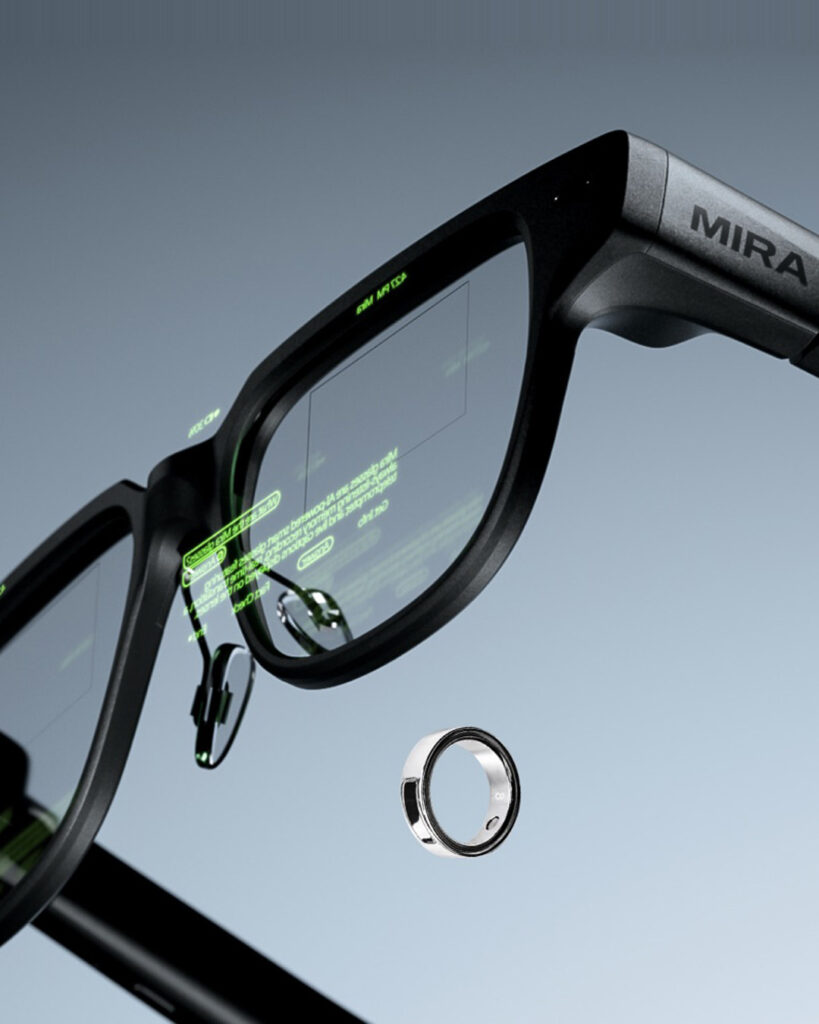
The middle has nowhere comfortable to hide
Why pay a premium for an interchangeable frame when a connected alternative offers useful technology at a comparable price?
Brands whose strongest asset is their markup could find that question brutal.
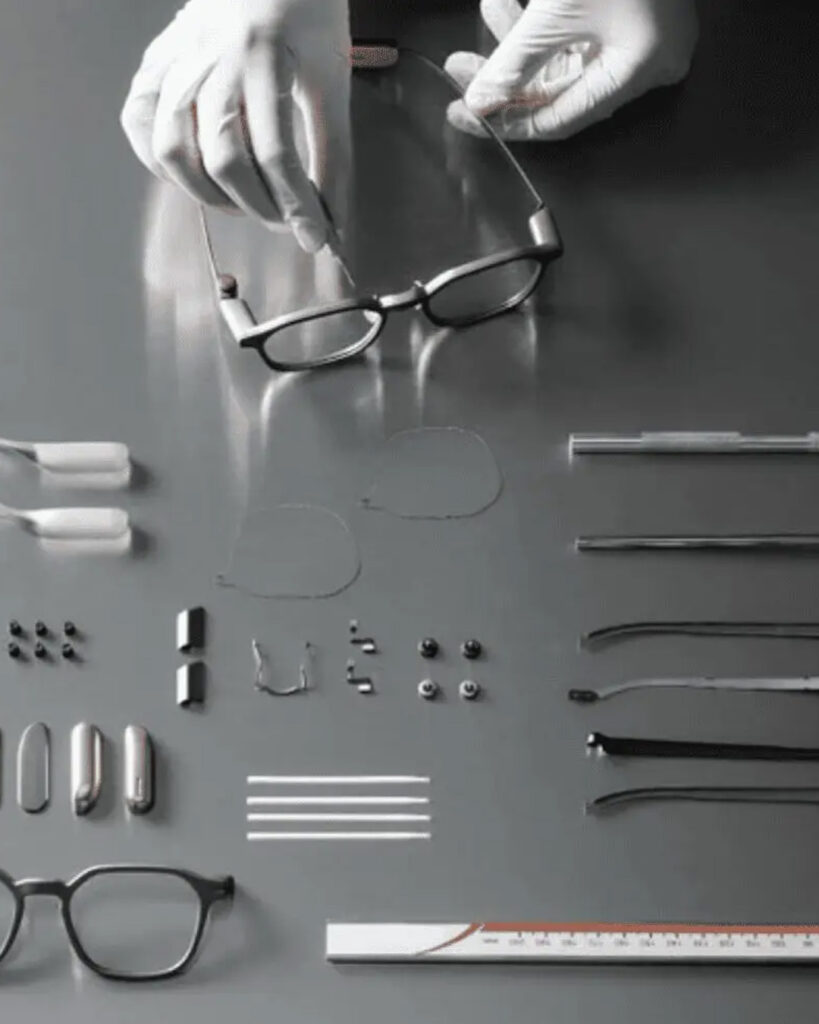
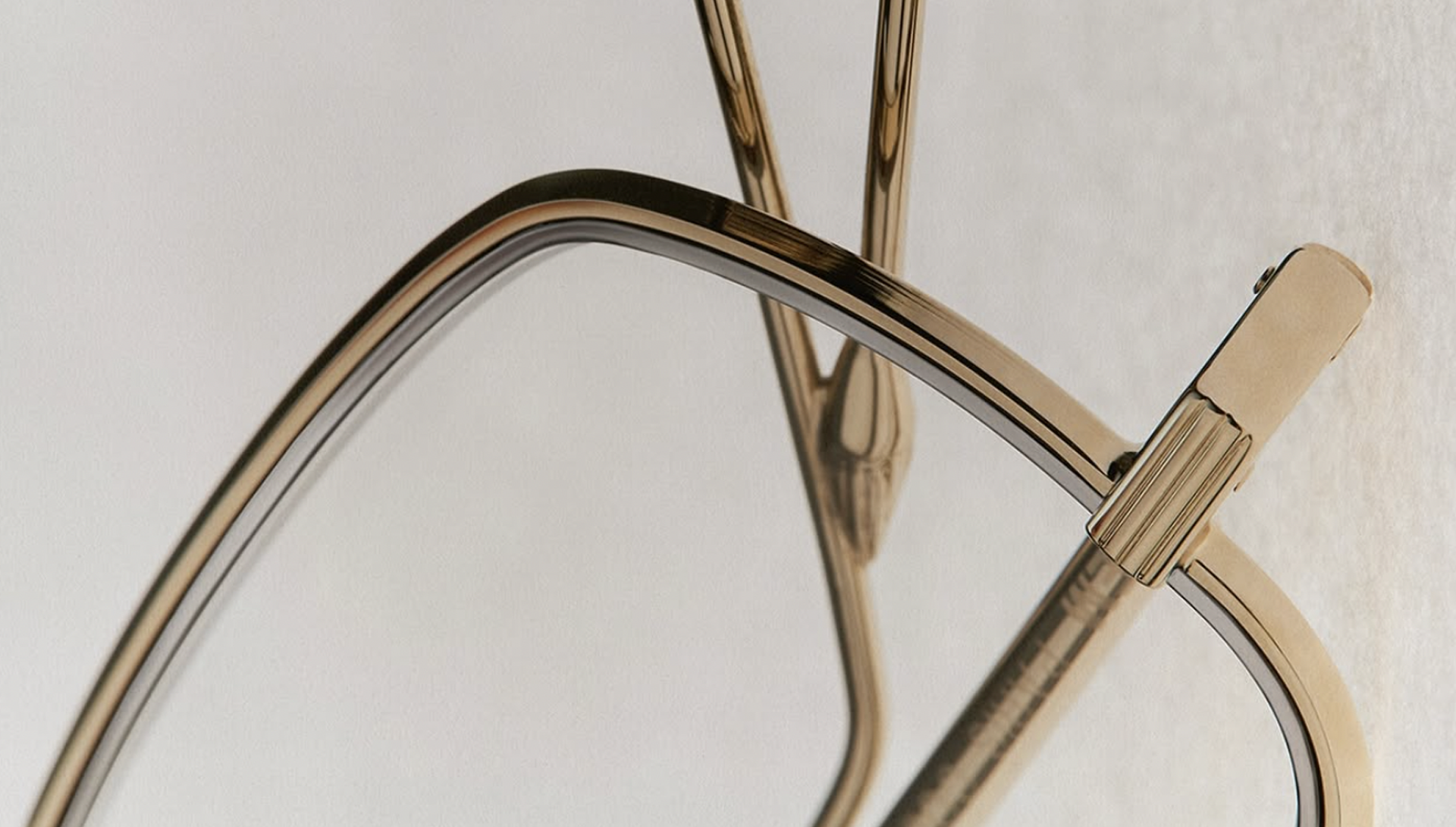
True high-end eyewear has a stronger defence. Mechanical watches suggest why: utility does not exhaust desire. Collectors buy authorship, materials, rarity and the pleasure of an object made exceptionally well. Craftsmanship can survive technological competition provided it is real.
Expect “Made in Japan” to become an especially tempting marketing shortcut. If a future smart-glasses product merely receives final assembly there, buyers should ask what was actually made, finished and developed locally. An origin label alone cannot explain craftsmanship.
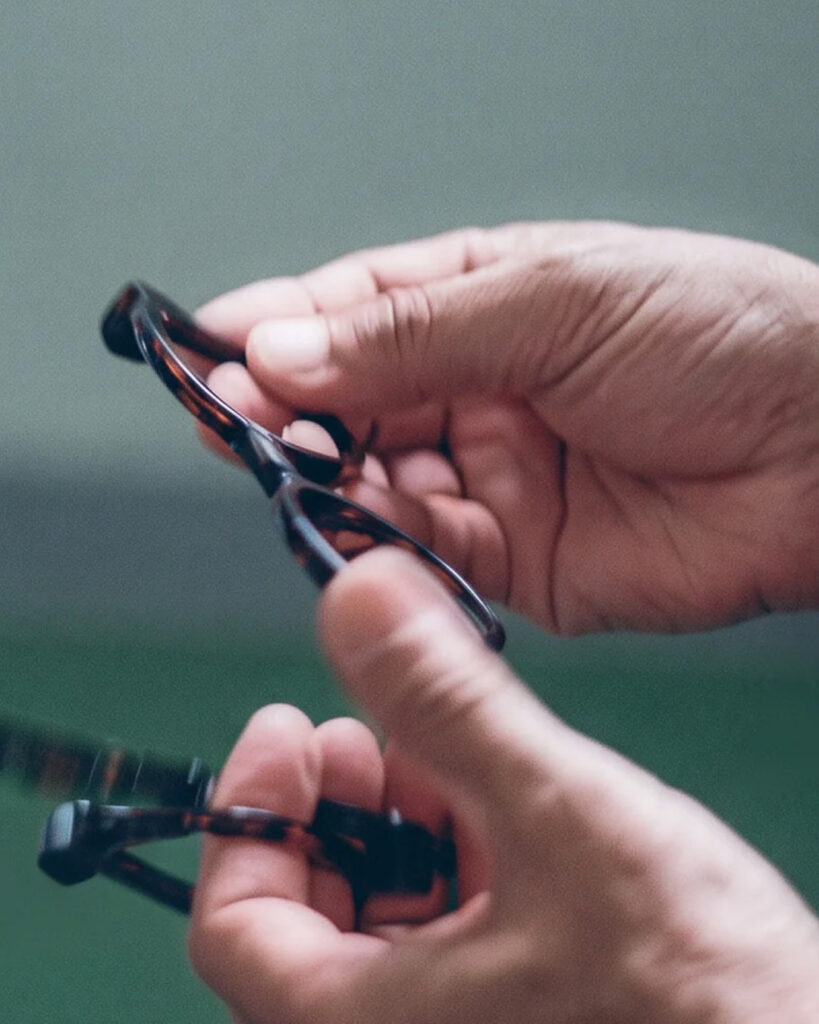
Can we really talk about craftsmanship in smart glasses, or is it simply a marketing strategy? Some startups, such as Sesame, appear to be reaching into the luxury market by attaching cultural value to their products. But without genuine substance behind that positioning, the story becomes little more than marketing.
If the technology is manufactured in Shenzhen and shipped to Japan for finishing and engraving, what exactly justifies the craftsmanship claim? The answer requires transparency about where and how the product is actually made.
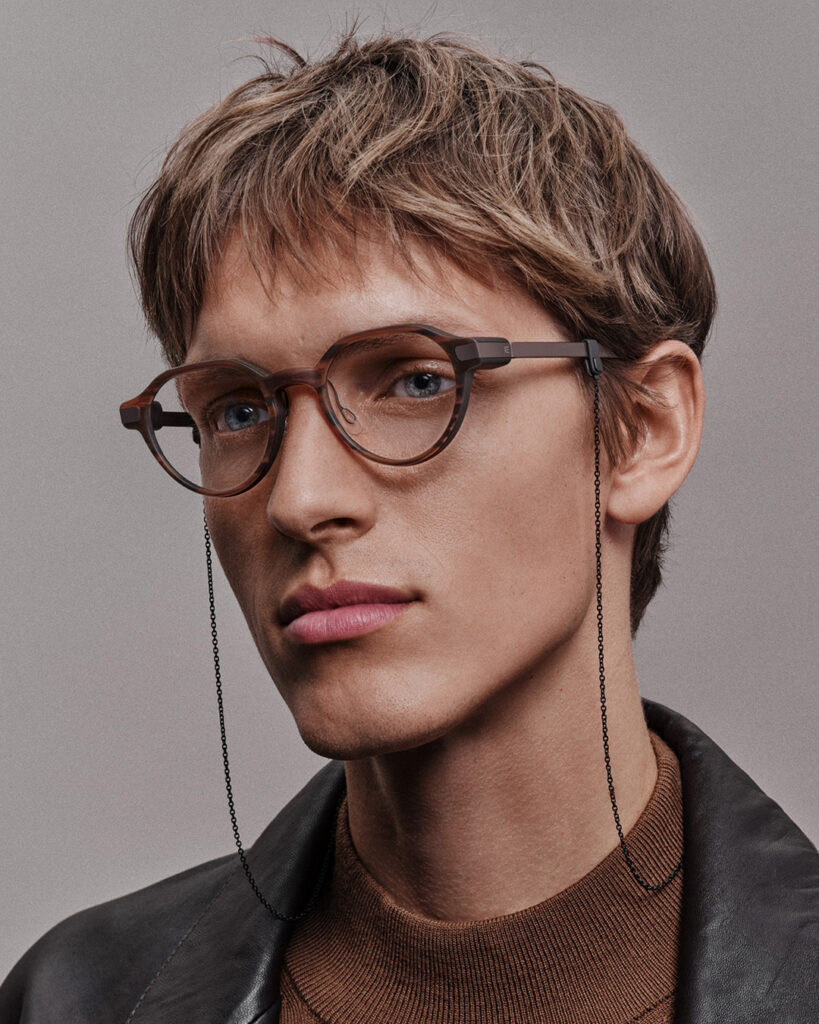
The deeper question is whether smart glasses belong in luxury at all. Luxury buyers often seek lasting value, while connected devices face battery degradation, software dependence and technological obsolescence. The parallel with the quartz revolution of the 1970s is revealing: quartz transformed watchmaking, yet mechanical watches later reclaimed their appeal as objects of craftsmanship and desire. Smart glasses could face a similar divide between technological utility and enduring luxury.
One of Apple’s most remarkable achievements was becoming the world’s leading watchmaker by sales volume. Could it repeat that success if it enters the eyewear industry?
The Apple Watch put pressure on the affordable watch segment while traditional high-end watchmaking strengthened its appeal. Brands such as Rolex, Patek Philippe and Audemars Piguet have seen considerable growth over the past decade. Social media helped fuel that momentum, amplifying the visibility of luxury watches and turning ownership into an increasingly powerful expression of status and aspiration.
Some of the names mentioned above may eventually be acquired by giants such as Apple, Google or Meta. Could the smart glasses market consolidate around just three dominant players over the next 10 to 15 years? If it does, the defining question for high-end eyewear will be how to preserve a distinct identity and give consumers a lasting reason to choose it.
Opticians could become the launch infrastructure
Opticians offer trust, fitting expertise and access to prescription customers. Those strengths make them valuable partners.
They do not guarantee permanent bargaining power.
Once consumers understand the product, platforms could push repeat purchases, upgrades and subscriptions through their own channels. Clinical expertise would retain value; the retail transaction could migrate elsewhere.
This is a scenario, not an announced corporate plan. But independent opticians should negotiate as though it is possible.
The decisive question is not who sells the first pair.
It is who owns the customer when the second pair is due.

 English
 French
 Italian
 Spanish
 Portuguese
 German
 Korean
 Japanese