


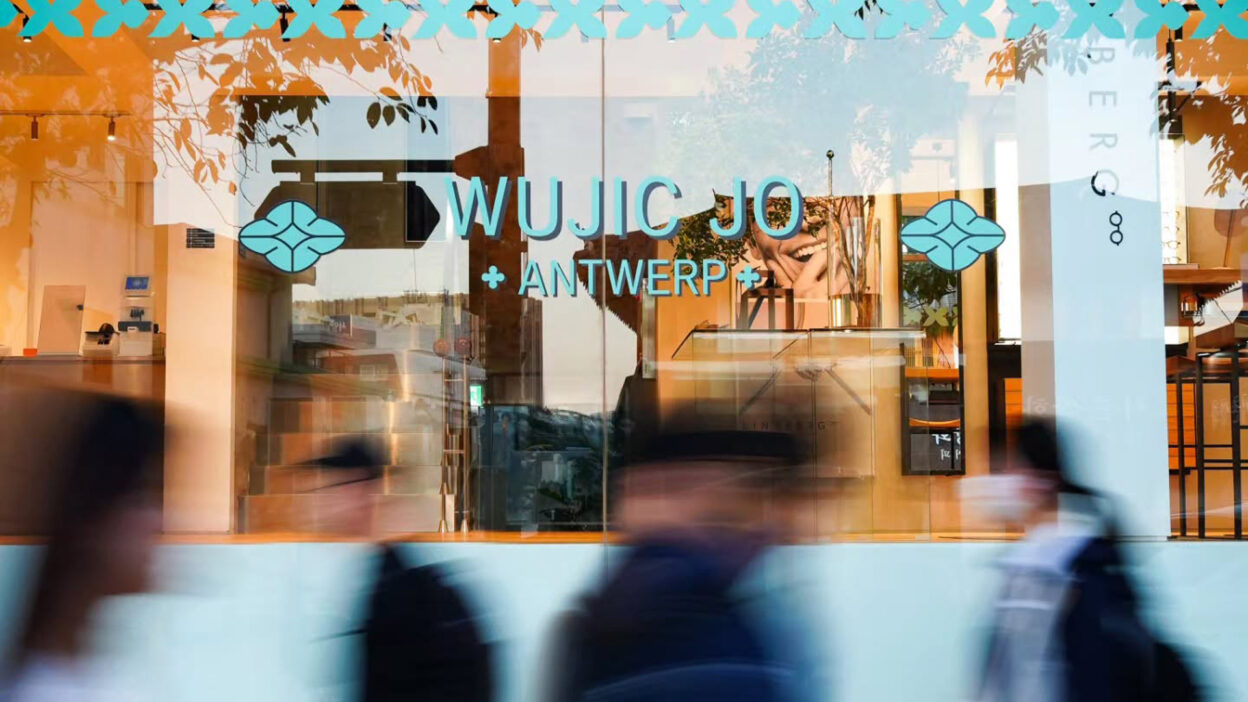
At EDIT. Seochon, the Antwerp Series shows why the next opportunity in independent eyewear may lie between abstraction and function.
SEOUL — Quiet luxury has trained consumers to recognise value through restraint: discreet branding, refined materials and objects designed to reveal their quality slowly. But in South Korea’s increasingly sophisticated eyewear market, restraint alone may no longer be enough.
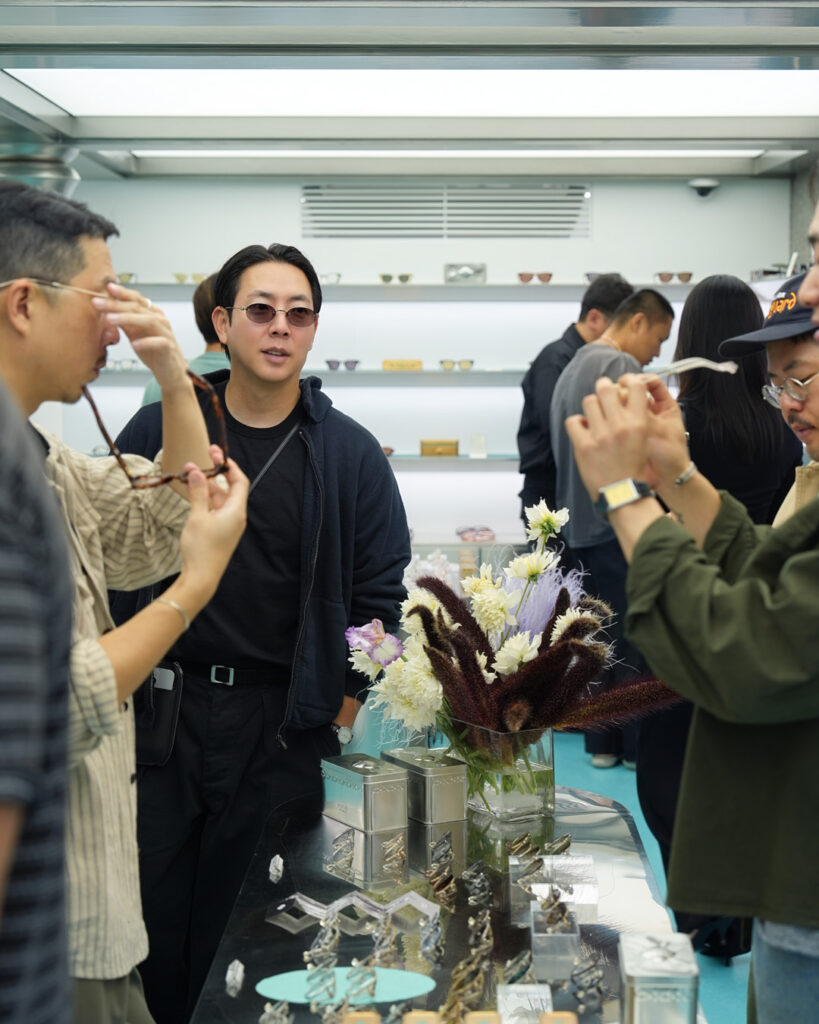
The exclusive presentation of WUJIC JO’s Antwerp Series at EDIT. Seochon, the concept space overseen by buyer and retailer Aiden Kim, offered a compelling alternative. Rather than simply making luxury quieter, the Korean label is making it more conceptual.
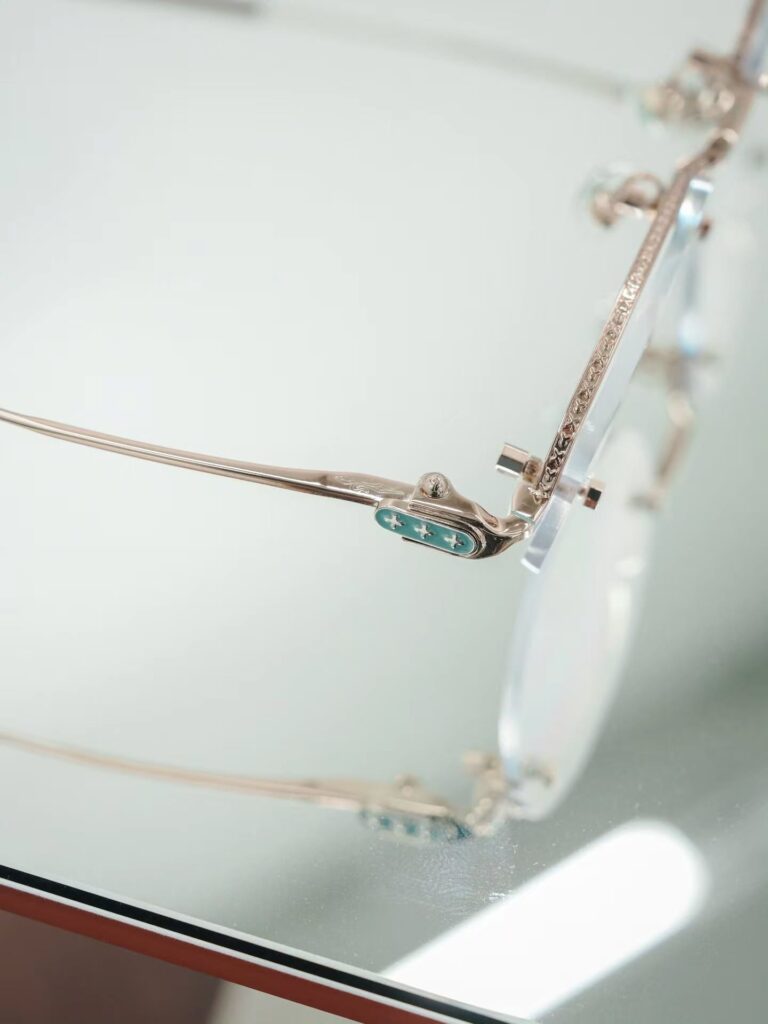
The Antwerp Series is the first metal line within WUJIC JO’s essential A-Series. Inspired by the Gothic architecture of Antwerp Cathedral, the collection translates the city’s history into precise, wearable details: oxidised copper tones recalling the mint-green patina of ageing statues, end-piece cuts evoking weathered marble, and arrow motifs derived from the cathedral clock tower’s hands. The frames balance these references with functional construction, including three-pin rivets and seven-layer hinges.
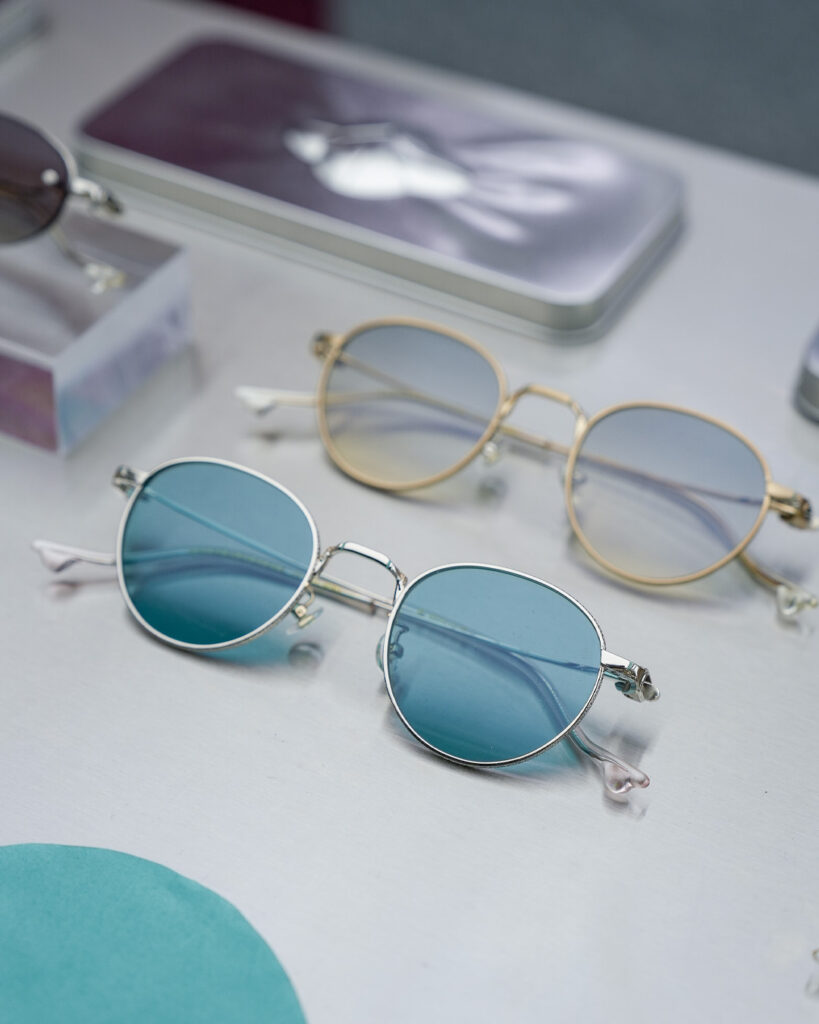
This balance is important. Abstract design can attract attention, but abstraction without function risks becoming costume. Quiet luxury faces the opposite danger: when reduction becomes too safe, one beautifully made product can become indistinguishable from another.
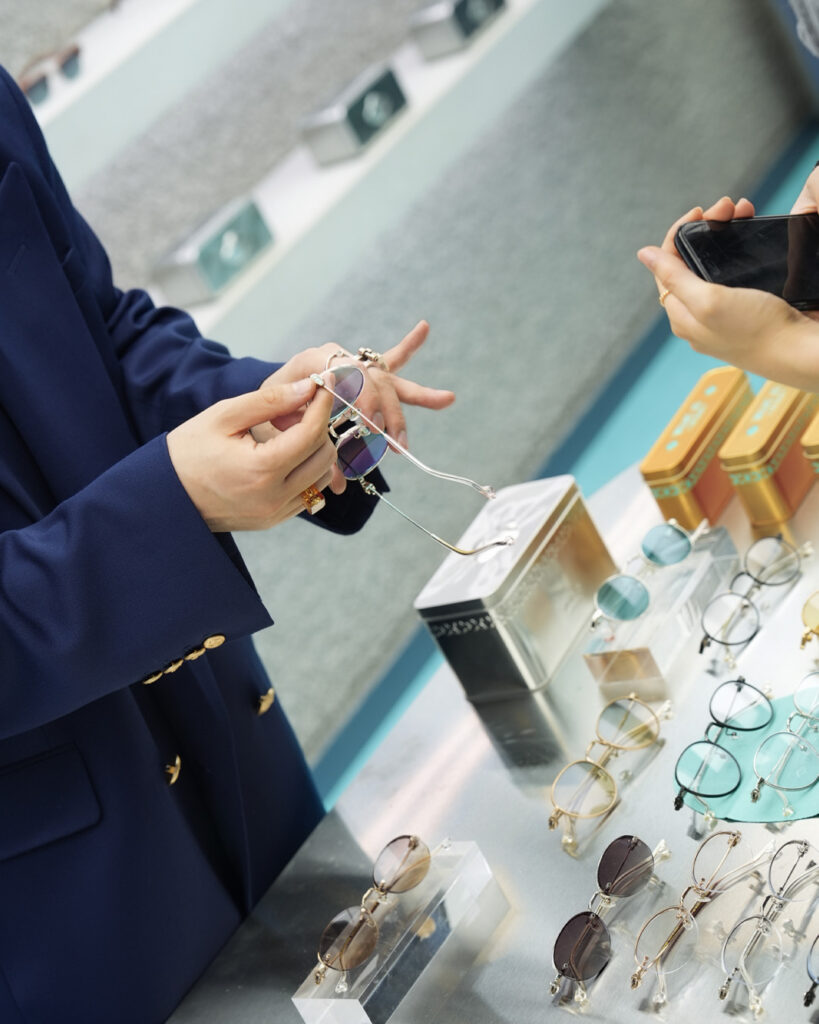
WUJIC JO occupies the narrow territory between the two creating frames that feel unfamiliar without becoming unwearable.
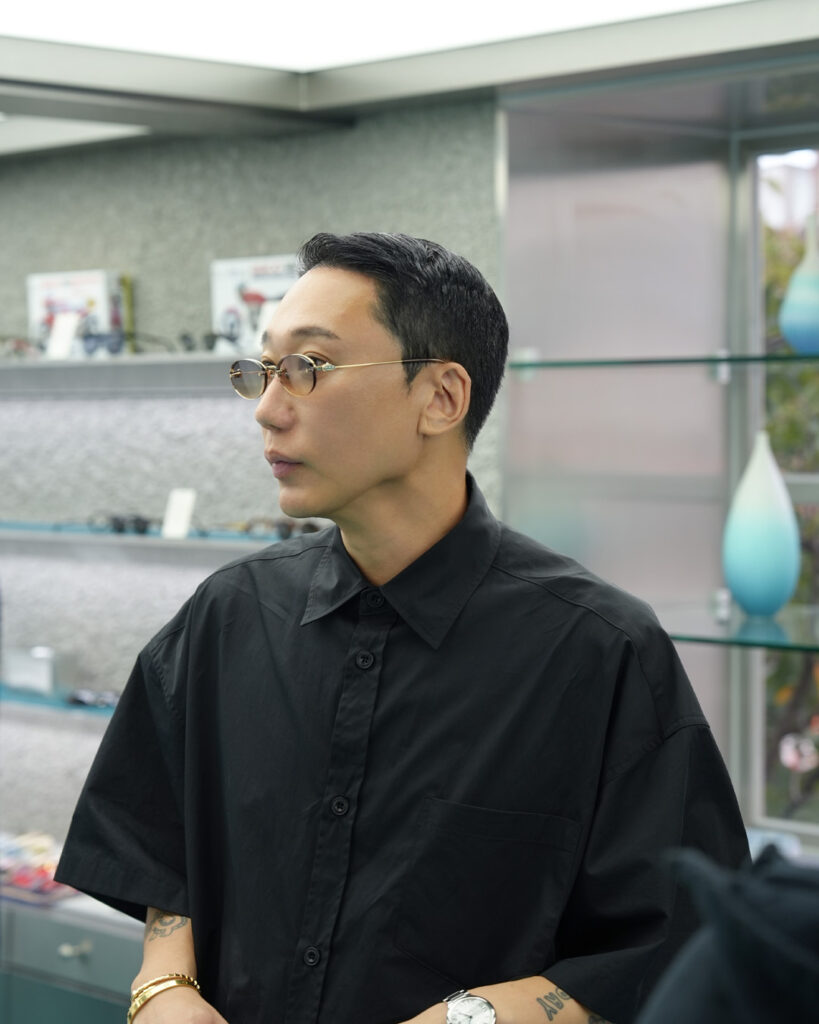
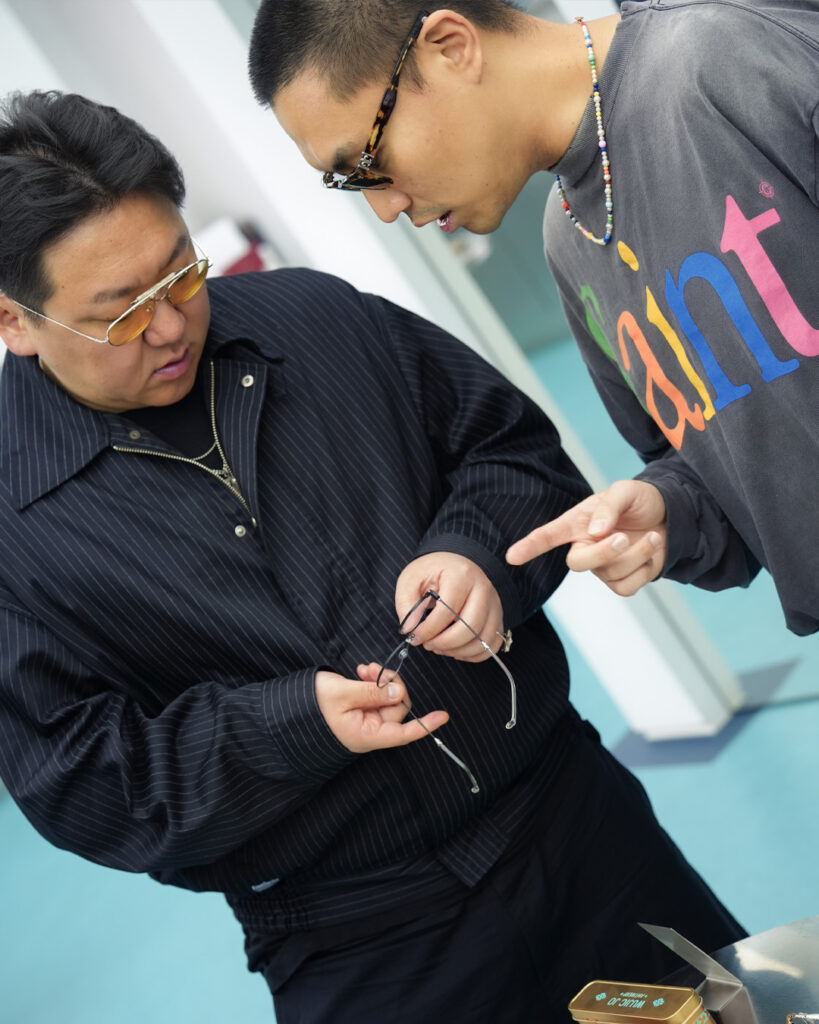
The location reinforced that position. EDIT. Seochon approaches eyewear through selection, narrative and cultural context rather than traditional product hierarchy. Under Kim’s direction, the store operates less like a conventional optical retailer and more like an editorial platform, where customers are encouraged to understand why a product exists, not simply how much it costs.

That model reflects a broader change in South Korea. According to Kim, Korean consumers have become fast, informed and highly selective. They assess fit and quality, but also identity, rarity, storytelling and the experience surrounding a product. They are not merely price-sensitive; they are value-sensitive and willing to invest when a brand gives them a clear reason.

For independent brands, this creates an opening. Competing through scale is unrealistic, but competing through clarity is not. WUJIC JO demonstrates that a smaller label can turn cultural references, technical construction and a distinctive visual language into commercial relevance.
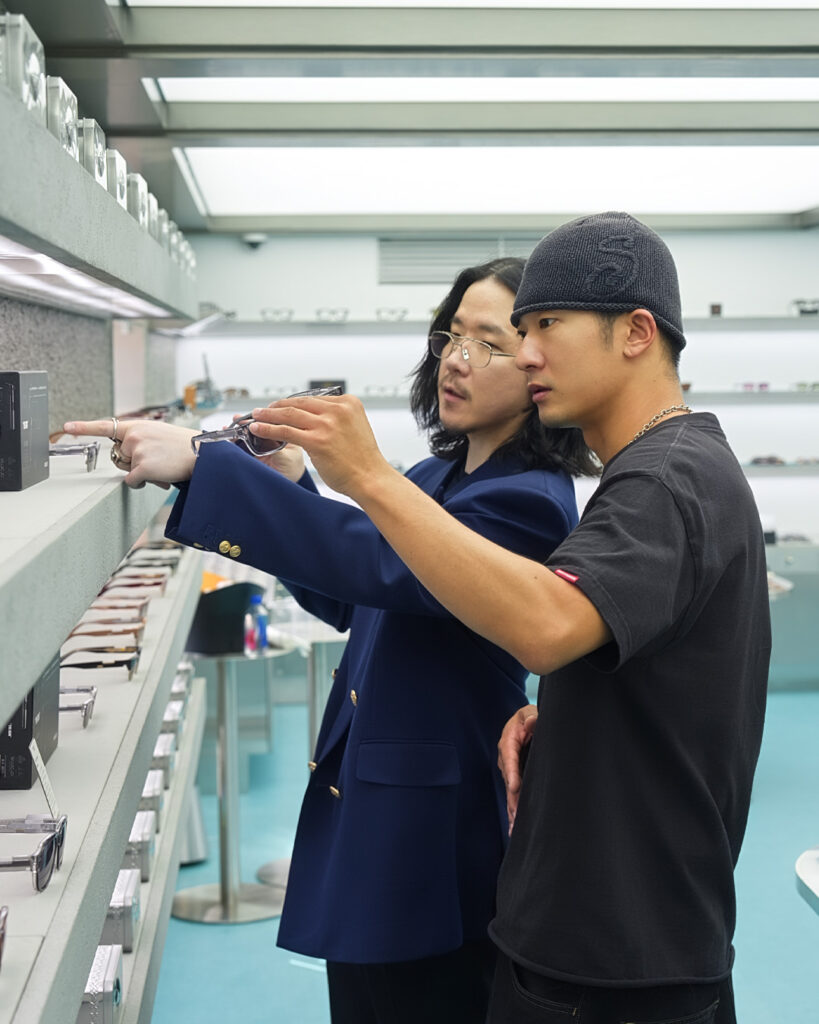
The future of Korean eyewear may therefore belong neither to invisible luxury nor to spectacle for spectacle’s sake. It may belong to brands capable of making abstraction functional and function culturally desirable.


 English
  French
  Italian
  Spanish
  Portuguese
  German
  Korean
  Japanese