

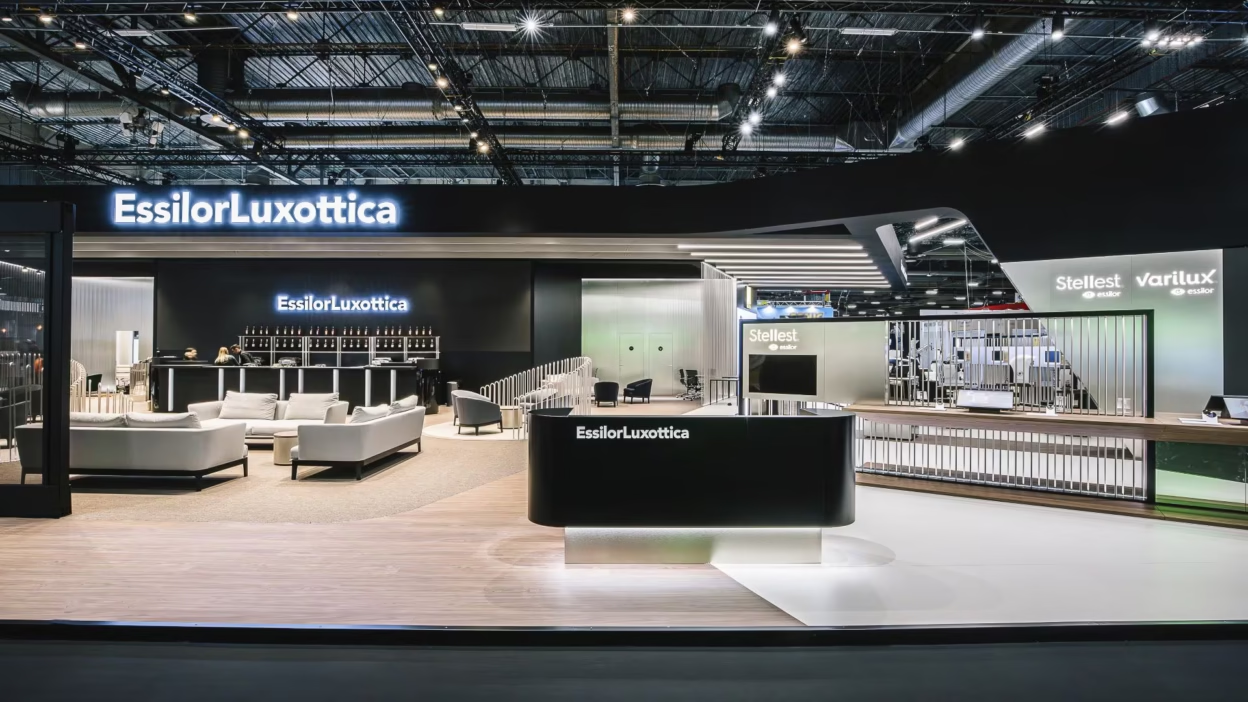
For decades, the eyewear industry operated inside one of luxury’s most insulated ecosystems.
Instead of building consumer desire, it built distribution. Instead of creating collectors, it created sales networks. Instead of speaking to the public, it spoke almost exclusively to opticians.
That strategy worked, until consumers stopped listening.
For much of the industry, the real customer wasn’t the end consumer. It was the optician.
As opticians watched their customer base grow older while online retail captured an increasing share of sales, many began to realize that something fundamental was no longer working.
Luxury categories rarely become influential because of distribution alone. Watches built collectors. Sneakers built communities. Fashion built aspiration. Their products became desirable long before customers entered a store.
Eyewear followed a different path.
Instead of building eyewear brands with genuine cultural value, the major conglomerates spent the past three decades licensing some of the world’s most famous fashion houses, placing iconic logos on largely conventional frames and assuming that a prestigious name alone would create desire. For many years, that strategy worked. But today’s luxury consumer has evolved. Increasingly, they seek authenticity, craftsmanship, originality, and cultural relevance, not just a recognizable logo.
The independent eyewear industry largely replicated the distribution model established by the major conglomerates. The difference was that, instead of being led by corporations, it was driven by independent sales agents, many of whom had previously held key positions within those conglomerates during the 1990s. Over time, these agents became increasingly influential, often acting as gatekeepers between brands and retailers.
The consequence was that both systems prioritized distribution over consumer culture. Neither the major conglomerates nor much of the independent eyewear industry succeeded in creating the kind of cultural relevance that transformed categories such as watches, sneakers, or luxury fashion.
Around 2015, Instagram fundamentally changed how luxury brands built relevance. Consumers no longer discovered products through retailers alone. They discovered them through culture, creators, communities and social media.

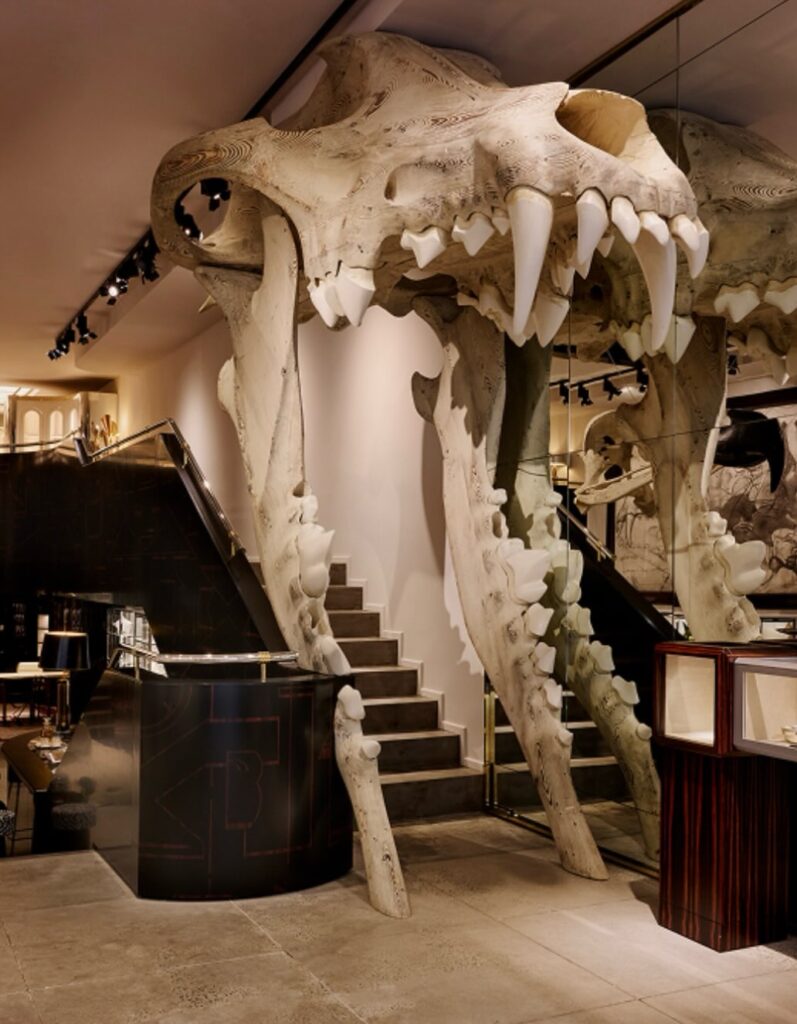
Only a handful of eyewear brands, most notably Gentle Monster and Jacques Marie Mage, understood this shift. They didn’t simply build successful companies; they built cultural movements. Beyond those exceptions, however, much of the industry remained focused on wholesale distribution rather than consumer demand.
One of the industry’s greatest misconceptions was treating eyewear primarily as a medical device rather than a cultural product. Distribution networks invested heavily in educating opticians about factories, production techniques and technical specifications, while spending far less time helping retailers think like fashion buyers or create compelling consumer experiences.
That distinction proved costly.
Today’s customer doesn’t discover luxury products inside a store. They arrive already knowing what they want.
Many younger consumers discover eyewear on Instagram, through fashion publications, creators and collectors. They follow brands that create identity, scarcity and conversation, not simply products that fill display cabinets.
As a result, many optical stores now carry brands with excellent wholesale distribution but limited organic consumer demand. If a product depends entirely on an optician’s recommendation, it is worth asking whether the brand has truly built demand or simply built distribution.
The industry’s close commercial networks also deserve examination. Long-standing relationships between distributors, trade fairs, retailers and trade media helped create a stable ecosystem, but stability can sometimes come at the expense of innovation. Even without formal coordination, industries built around the same commercial incentives can become resistant to new ideas, new business models and new voices.
That is precisely why truly independent media has become increasingly important. For years, much of the industry’s editorial conversation remained closely connected to the same commercial ecosystem it covered. Whether intentionally or simply because of shared incentives, the result was often a narrative that reinforced the status quo rather than challenged it.
The greatest threat to traditional eyewear, however, is unlikely to come from another frame brand.
It will come from businesses that understand culture better than optics.
If retailers continue selling inventory instead of experiences, and products instead of cultural relevance, they risk becoming less important in the purchasing journey. Consumers increasingly decide what they want before they ever step inside an optical store.
The next generation won’t build its wish list from an optician’s recommendation.
It will build it from culture.
And in every luxury category, culture creates demand.
Distribution merely follows.
Cover Photo Credit: EssilorLuxottica

 English
  French
  Italian
  Spanish
  Portuguese
  German
  Korean
  Japanese