

For decades, the eyewear industry believed that demand started inside the optical store. It never did.
For more than twenty-five years, the luxury eyewear business has operated inside a remarkably closed ecosystem.
Brands built collections for opticians. Trade shows sold to opticians. Marketing convinced opticians. Awards were given by the industry, for the industry. The entire system revolved around one assumption: if optical retailers bought a collection, consumers would eventually want it.
That assumption created one of the industry’s biggest illusions.
Many eyewear brands never generated genuine consumer demand. Instead, they generated distribution demand.
There is a fundamental difference.
Consumers weren’t walking into stores asking for most eyewear brands. They discovered them only after an optician presented them. The retailer became the marketing department. The shelf created desirability.
At the same time, optical retailers increasingly relied on globally recognized fashion logos because they appeared to be the safest commercial choice. Luxury fashion houses gave stores confidence that customers would recognize the name, while independent eyewear brands depended almost entirely on the retailer’s ability to tell their story.
The result was an industry where almost everyone believed demand already existed, when in reality the optical channel itself was manufacturing much of it.
That model is beginning to fracture.
Akoni’s Collaboration With Retori Isn’t About Eyewear
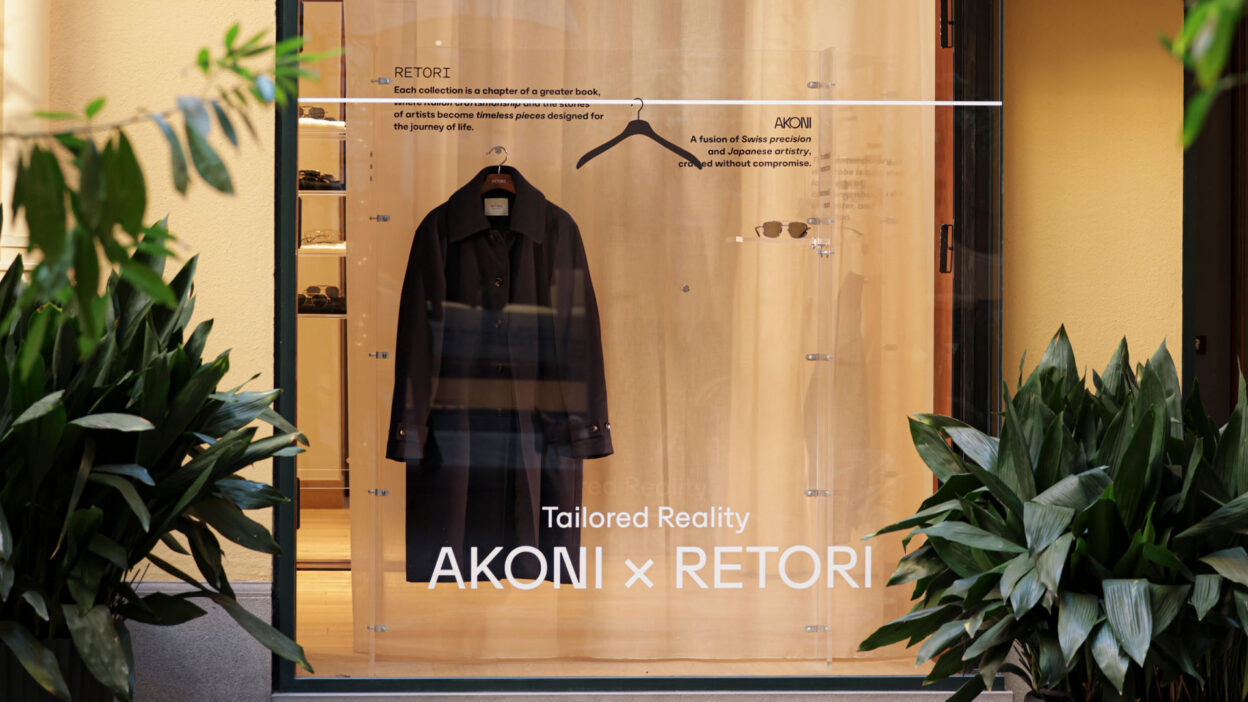
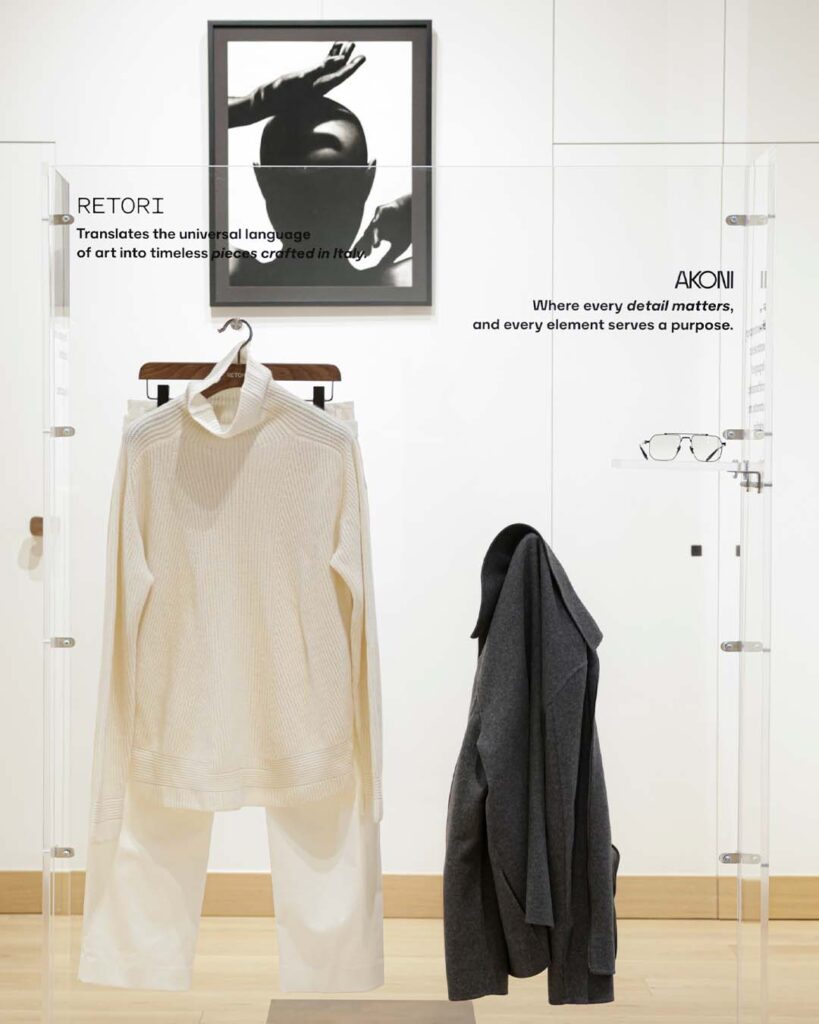
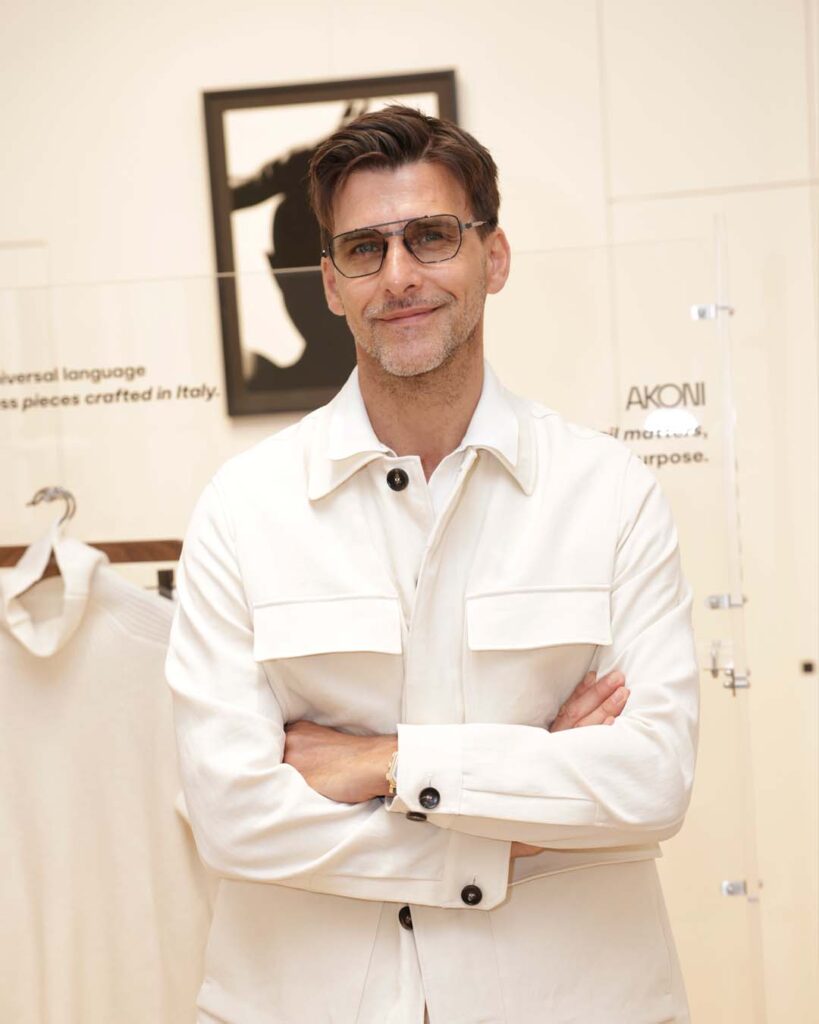
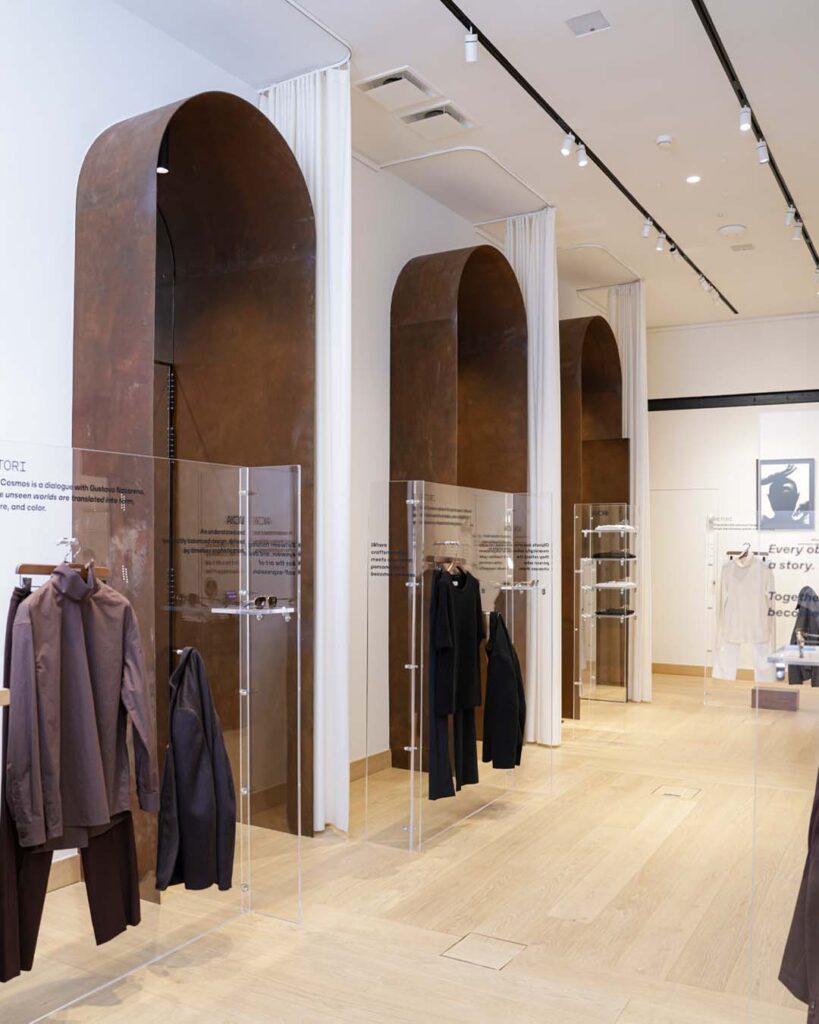
On the surface, Tailored Reality, Akoni’s immersive collaboration with Italian luxury fashion label Retori during Men’s Fashion Week, looks like another premium brand partnership. The installation combines Swiss-crafted eyewear, Italian tailoring and curated lifestyle objects into an environment exploring craftsmanship, identity and contemporary luxury.
But strategically, something much more important is happening.
Akoni is stepping outside the traditional eyewear ecosystem.
Instead of speaking only to opticians, distributors and optical buyers, the brand is placing itself inside the language of luxury fashion.
That changes everything.
Because consumers rarely think in product categories.
Nobody wakes up wanting to buy eyewear.
People want a new identity.
They want better style.
They want a wardrobe.
They want to belong to a certain aesthetic.
Eyewear is simply one piece of that story.
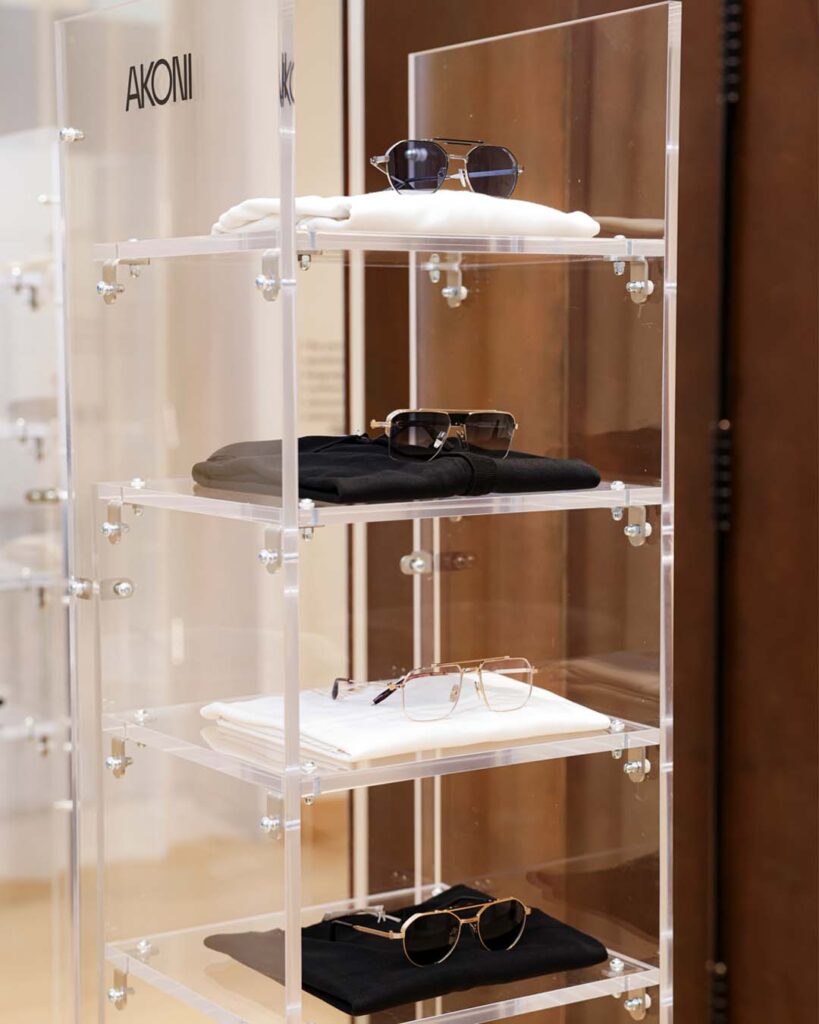
Luxury Fashion Understood This Years Ago
The most successful luxury brands no longer sell products.
They sell worlds.
When fashion houses create installations during Fashion Week, collaborate with artists or build immersive retail experiences, they aren’t trying to sell jackets.
They’re creating cultural relevance.
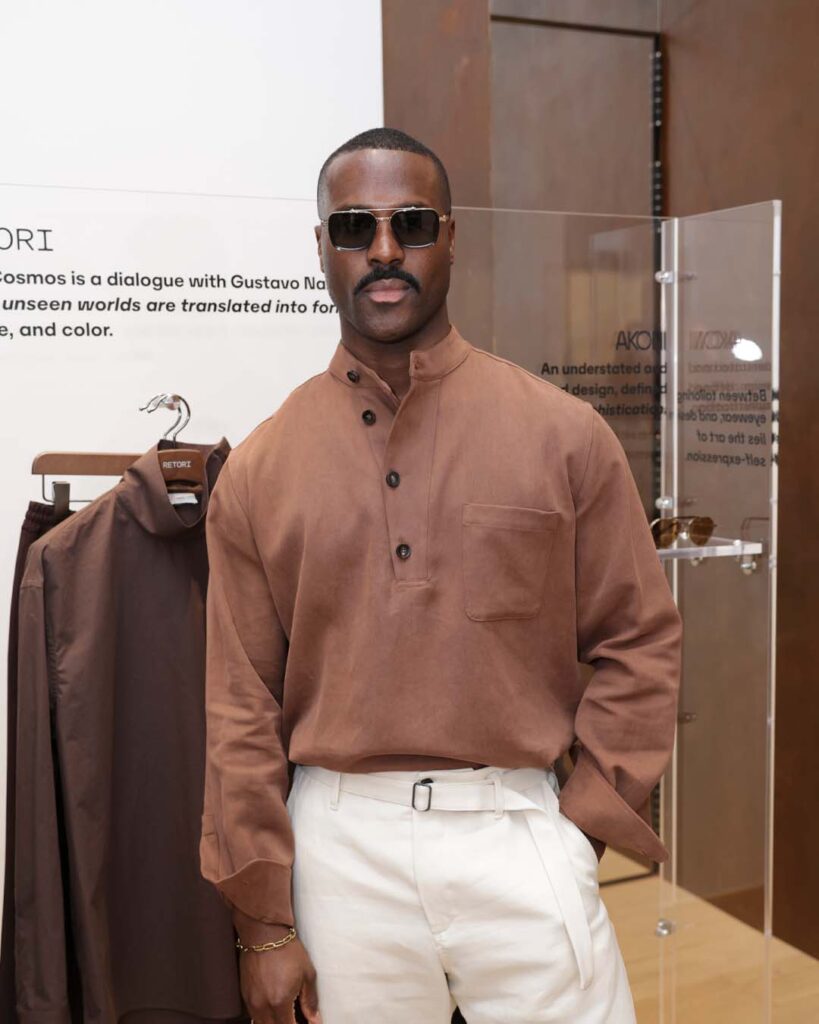
Eyewear has been slow to adopt that mindset.
Many independent fashion brands create immersive pop-up showrooms during Fashion Week, offering visitors a complete brand experience. High-end eyewear brands will increasingly make the same shift.
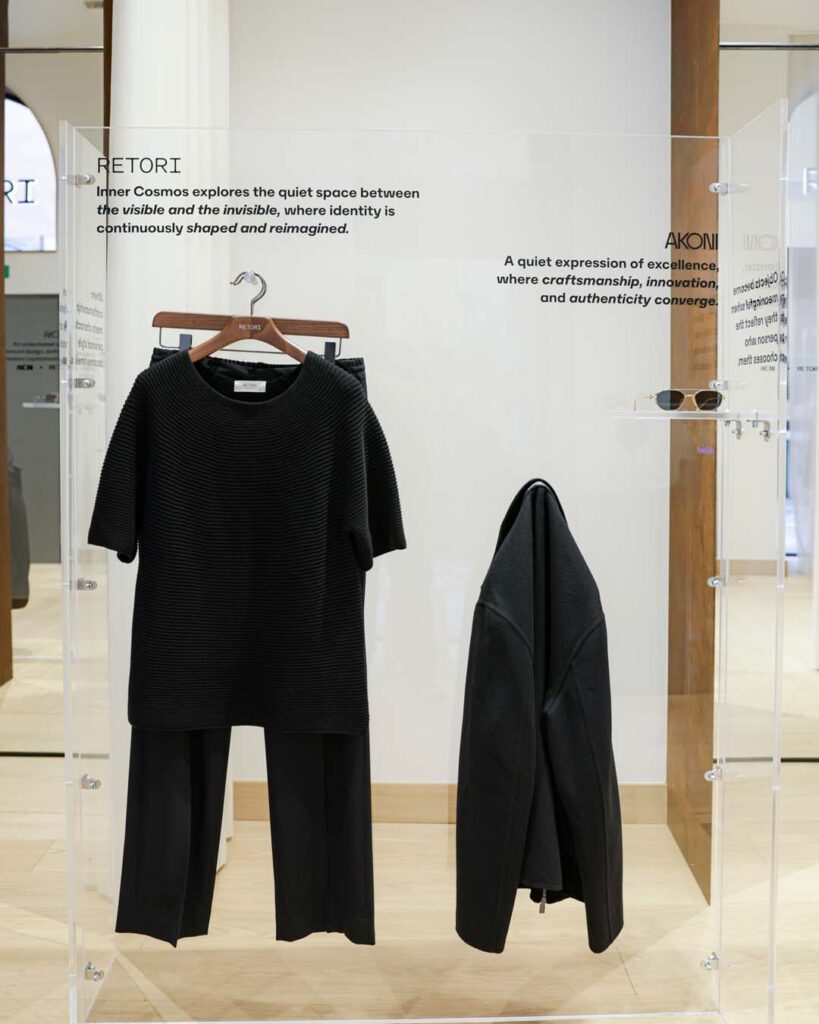
Too often, the industry still believes the path to growth is another optical distributor, another trade show booth or another wholesale account.
Meanwhile, entirely new consumer audiences are discovering brands through fashion, architecture, design, music and culture not through optical stores.
Akoni understands that luxury positioning cannot remain confined to an optical channel.
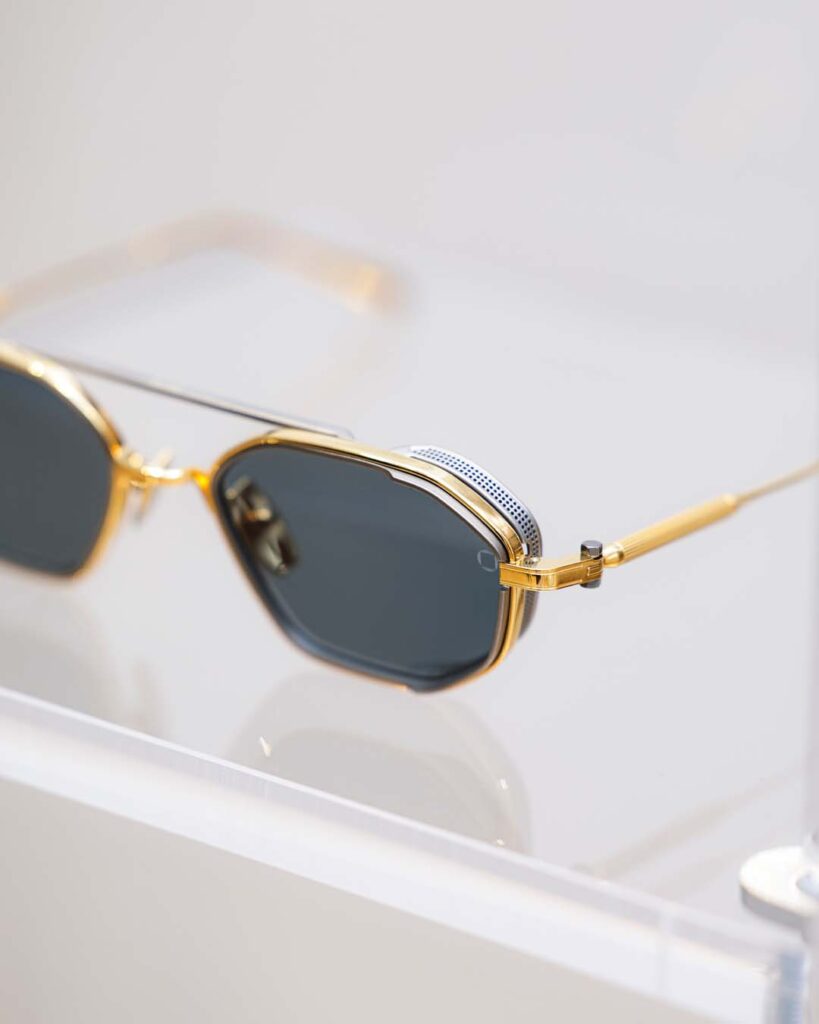
Breaking Out of the Bubble
The eyewear industry has spent decades talking to itself.
Brands marketed to opticians.
Opticians marketed to customers.
The customer remained the final step in the chain.
Today’s strongest luxury brands are reversing that equation.
They create desire first.
Distribution follows.
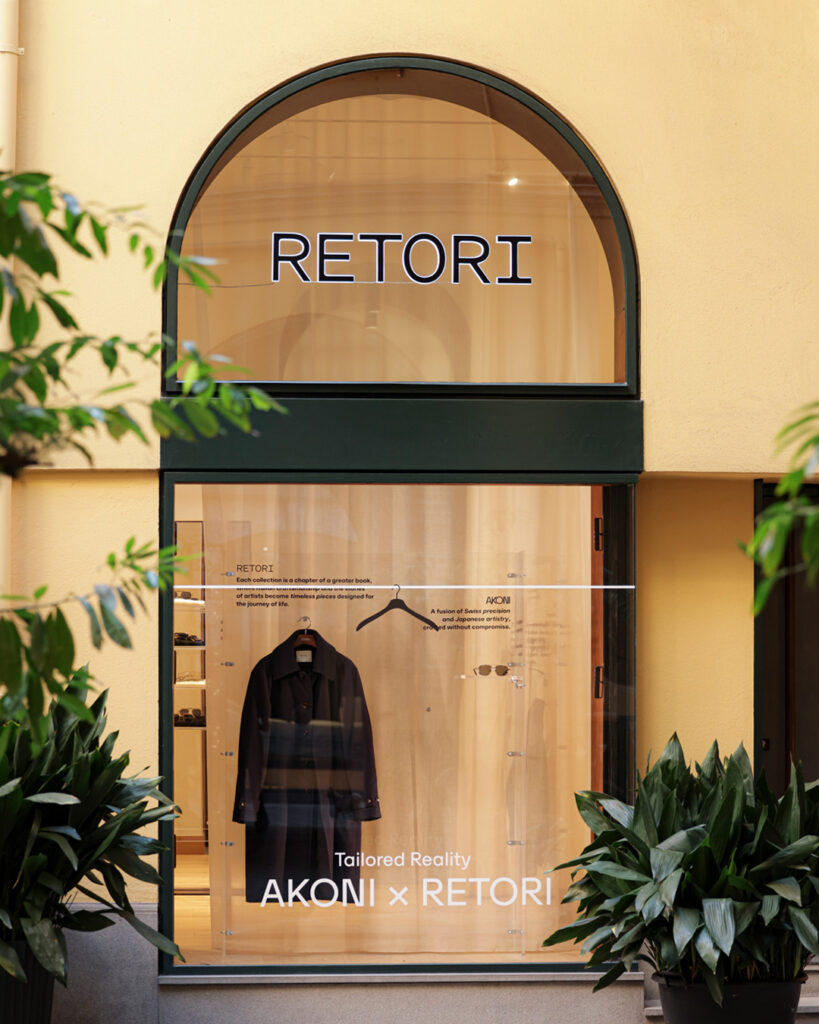
Akoni’s partnership with Retori signals something larger than a Fashion Week activation.
It represents a growing realization that independent eyewear brands cannot rely solely on the optical ecosystem to build relevance.
The next generation of successful eyewear companies won’t compete only for shelf space inside optical stores.
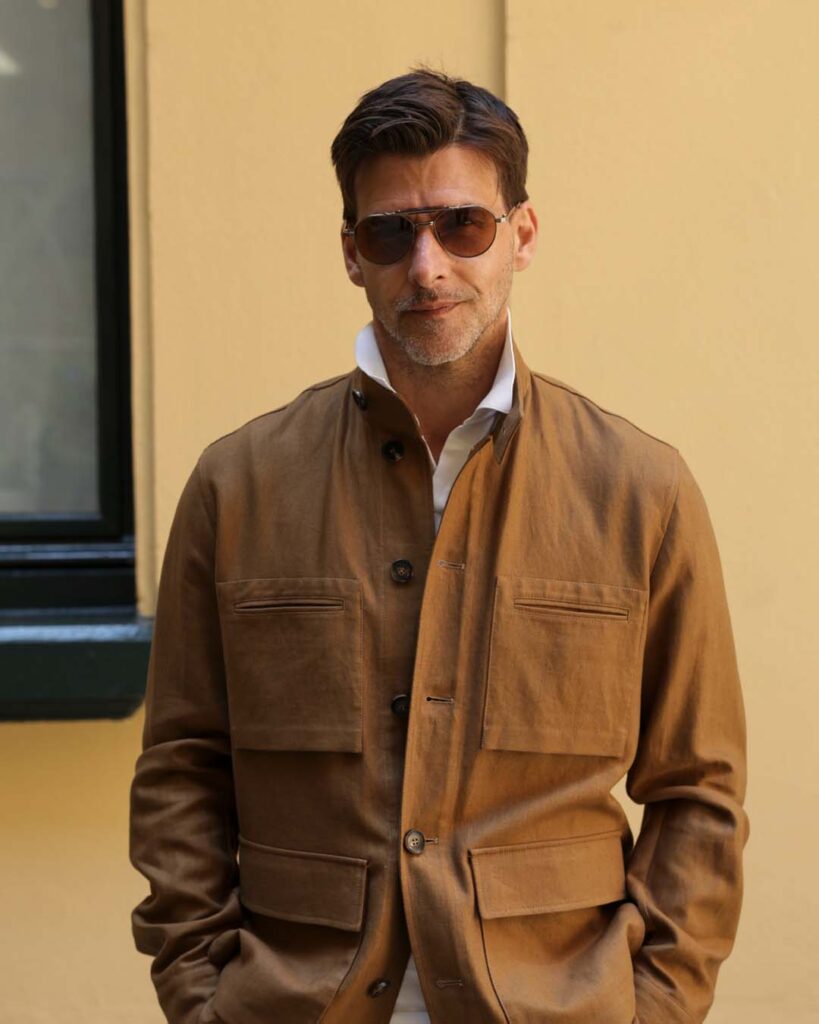
They’ll compete for cultural space inside luxury itself.
And that may prove to be the biggest shift the eyewear industry has seen in decades.

 English
  French
  Italian
  Spanish
  Portuguese
  German
  Korean
  Japanese