


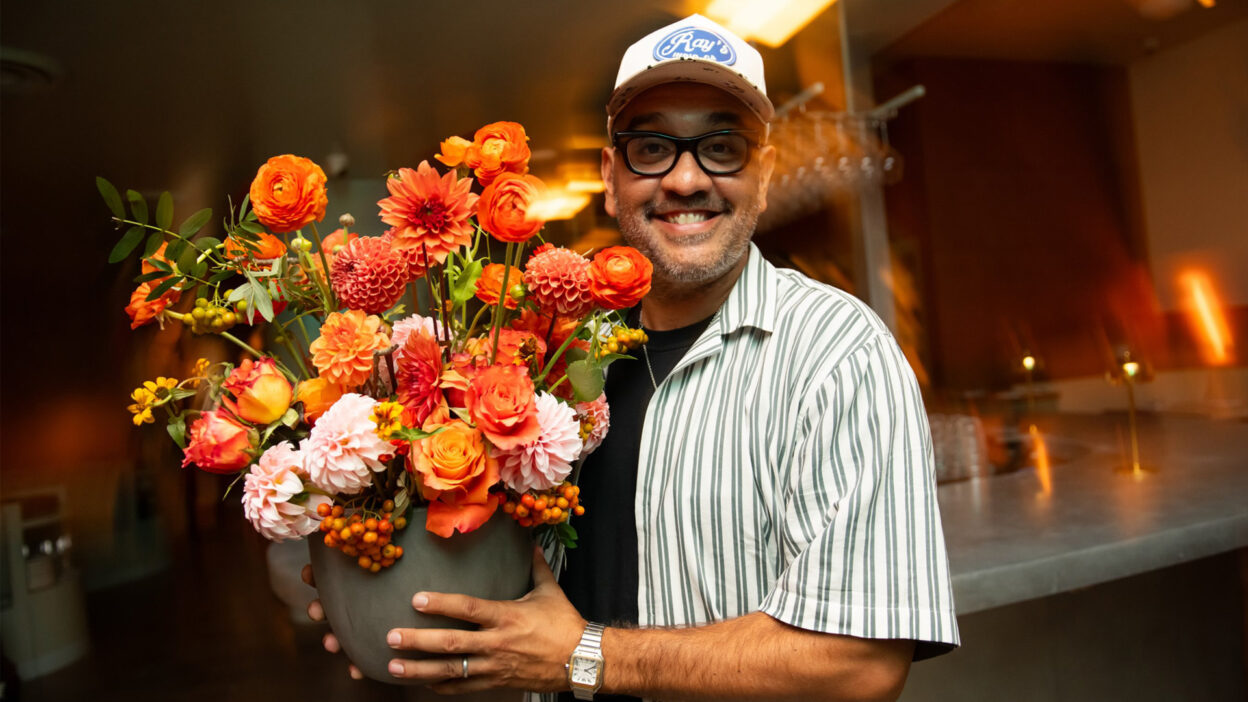
One of independent eyewear’s most widely distributed brands is walking away from the trade-show floor. The real story is not where it will show next, but why Garrett Leight is willing to take the risk.
Garrett Leight had never been a brand we felt compelled to put on the cover of Curated Optics. We saw it as the safe choice: well-made, easy to wear, widely available, and rarely surprising. Eyewear for every day, not necessarily for a headline.
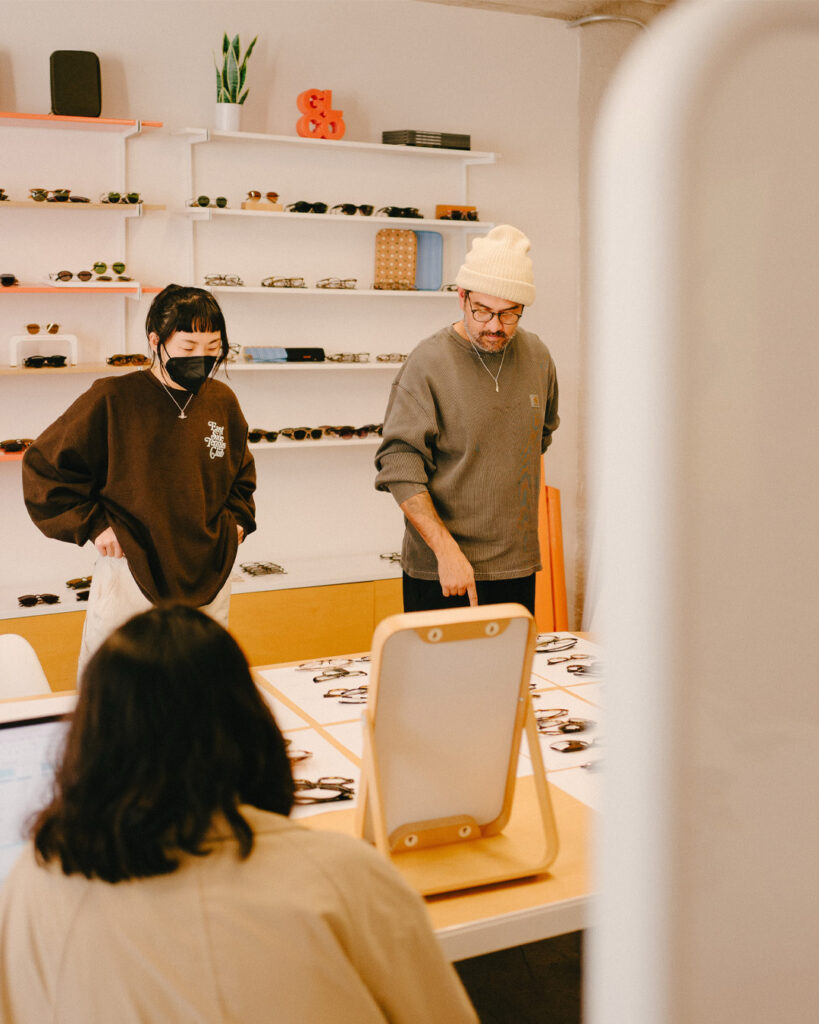
Then came the first jolt. GLCO moved its production from China to Japan, beginning with its Autumn 2025 collection. Now comes the bigger one: after more than a decade at SILMO, Garrett Leight California Optical is leaving the trade-show floor and creating its own space in Paris.
For a small label, a private showroom can be a way to build mystique. For a brand with, according to its founder, more than 2,000 wholesale accounts and distributors worldwide, it is a gamble with real commercial consequences. That is what makes this decision matter. Garrett is not dismissing a fair that never worked for him. He is stepping away from a platform that helped build his business.
“You have a responsibility to show up for your customers, and walking away from something you’ve participated in for more than a decade isn’t as simple as saying, ‘Let’s do something different,’” Leight writes in an email to Curated Optics. “There is real risk involved.”

That is the slap to the industry: one of its most broadly distributed independent names is questioning whether occupying a booth is still the best way to show up.
Garrett is clear about what he owes SILMO. When GLCO first exhibited there in 2012, it effectively built a Garrett Leight store inside the fair. Buyers encountered its magazines and its story alongside the frames. The show gave an international stage to a world that had begun with First Fridays parties in the courtyard of the brand’s Venice store, where DJs, neighbours and local creatives came together.
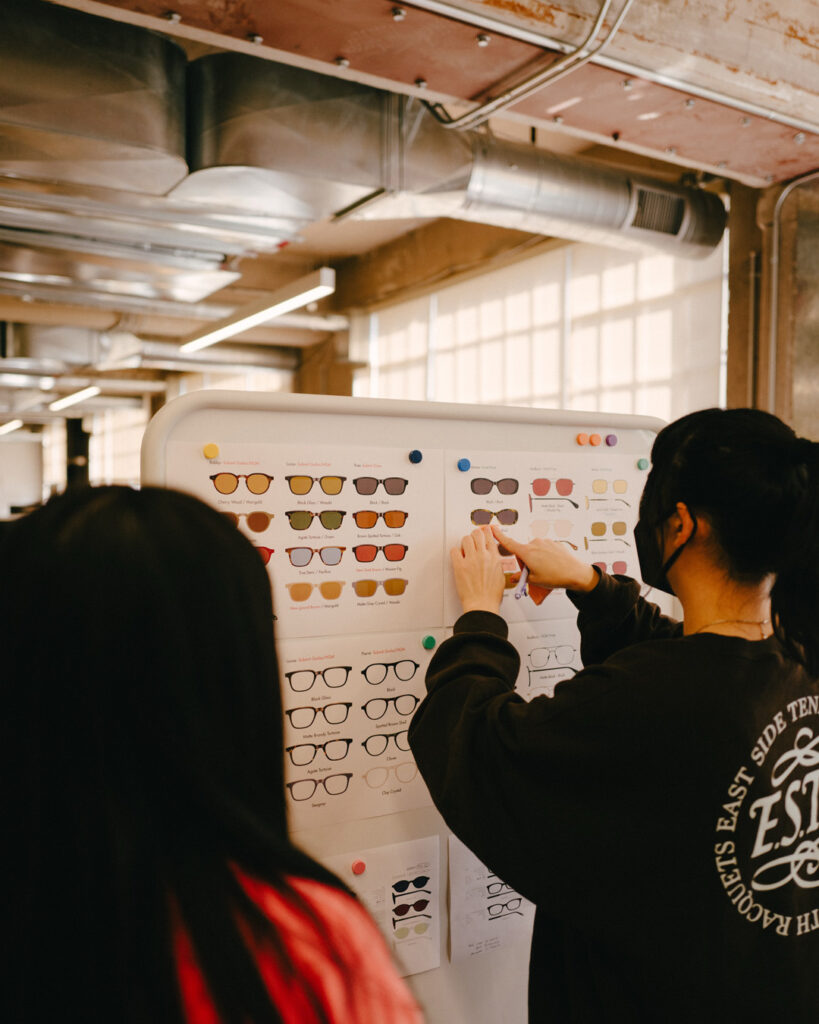
“At some point, I realized that what we were really doing was taking this little Venice community and sharing it with the rest of the world,” he writes. GLCO was never supposed to be only a collection of glasses. It was an invitation into a particular way of seeing and living.
But a borrowed stage has limits. You can design your stand; you cannot control the entire environment around it. And when every brand is competing for attention in the same aisles, even a distinctive story can become another appointment squeezed between two orders.
“Ultimately, though, I felt like we needed to put the brand first again,” Garrett says.
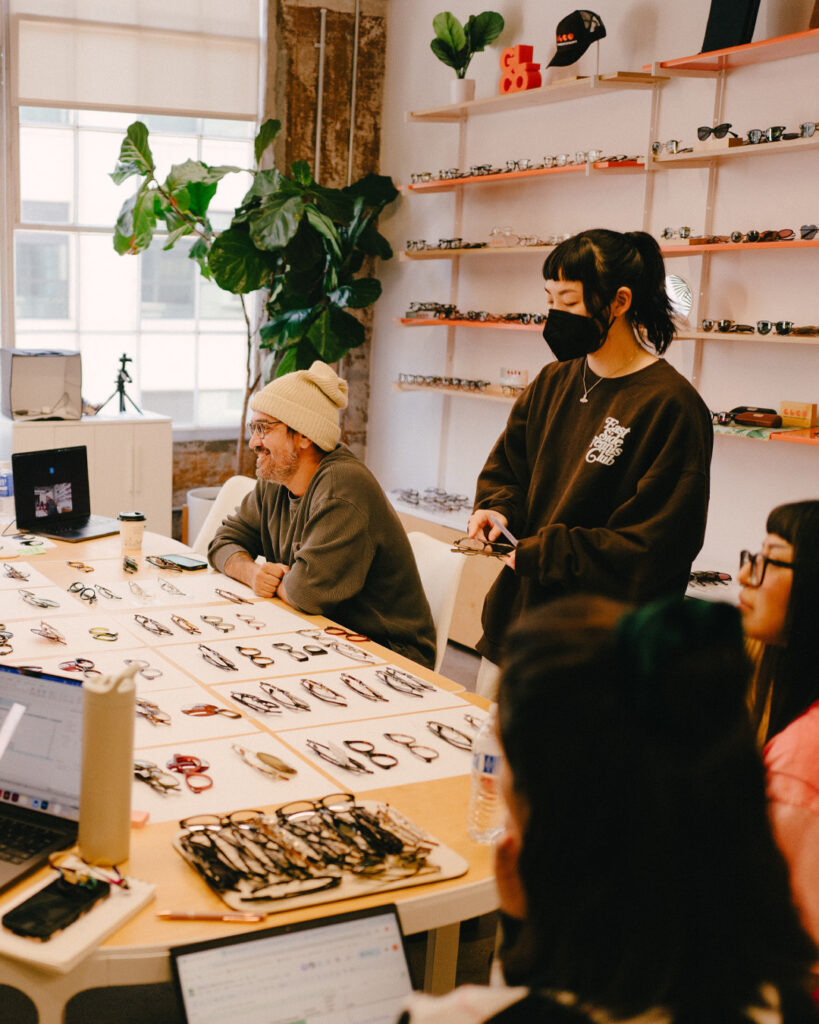
In Paris, GLCO will control the space, music, food and hospitality. Chef Laurent Dagenais is creating a Mexican-influenced menu that connects to Leight’s heritage. These are not just party details. They are how the founder intends to make buyers feel the brand before asking them to buy into the collection. As he puts it, “Instead of asking people to experience GLCO inside a convention center, we’re creating our own home in Paris and bringing a little bit of Los Angeles with us.” – Entry to the event is by invitation or appointment only.
Independent brands have already been building their own experiences around SILMO. What changes here is the scale. It is one thing to host intimate appointments when your distribution is tightly controlled. It is another to ask a global network of customers to follow you away from the place they have found you for more than ten years. If GLCO makes that work, other established brands may start asking an uncomfortable question: what, exactly, is the booth still buying us?

Garrett offers a less corporate account of how he finally made the call. Last summer in Joshua Tree, after taking mushrooms, he says Jim Morrison appeared to him in a dream with a message: “If you book them, they will come.” It is an outrageous anecdote. Beneath it sits a serious conclusion: GLCO needed to start taking risks again.
For years, Garrett Leight was the brand that played it safe. Now he is making the eyewear industry wonder whether it has been playing it too safe, too.
One thing is clear: the eyewear industry is at a turning point. Leading eyewear brands and independent creators are charting their own course, while fashion and technology players are heading in a different direction.


 English
  French
  Italian
  Spanish
  Portuguese
  German
  Korean
  Japanese