

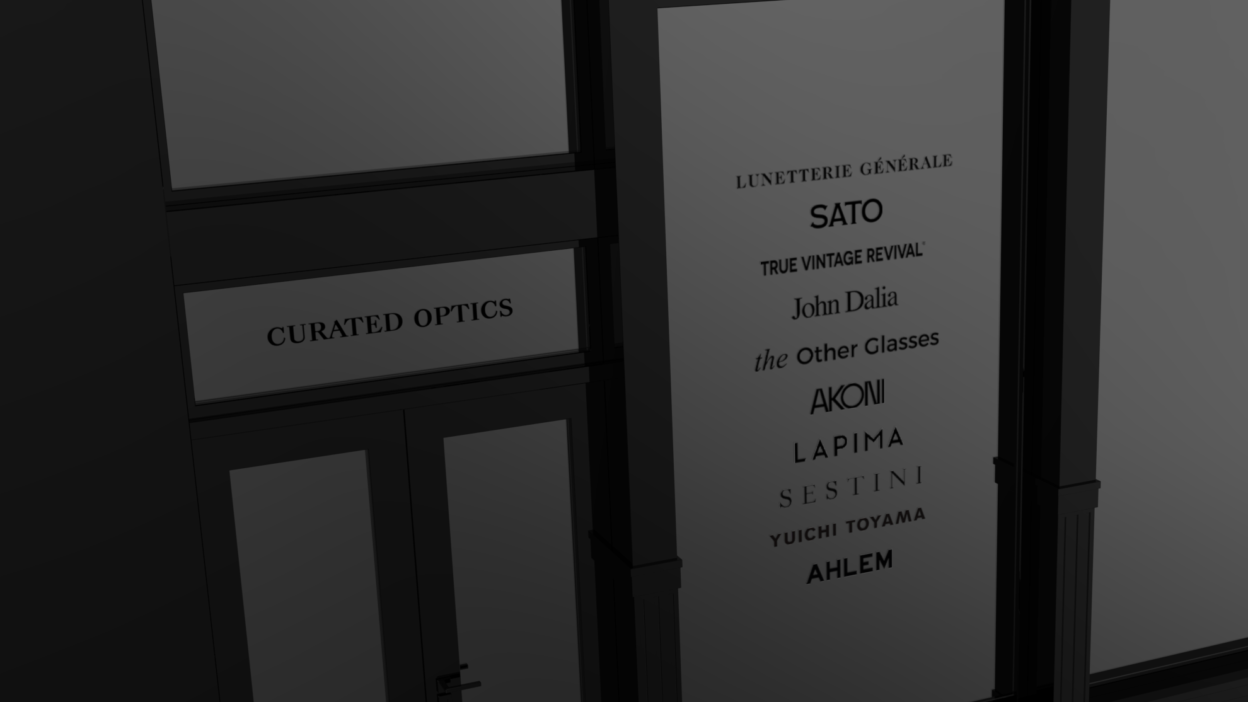
The biggest misconception in the eyewear industry is that luxury brands need money to be created.
They don’t.
They need money to survive.
Creating a beautiful collection is relatively easy. Protecting its positioning for the next ten years is where almost every independent brand fails.
Most optical retailers don’t truly know which brands to buy because they are not professional buyers. Instead, many rely on the recommendations of agents and distributors to shape their assortment and positioning.
Most eyewear brands don’t fully understand how to build healthy distribution or, if they do, they often compromise because cash flow and numbers takes priority over long-term brand equity.

That is why so many promising eyewear brands begin with a luxury vision and slowly drift toward buying groups, mass distribution, and lower-tier retailers. Revenue grows. Distribution expands. But the brand quietly loses the one thing it can never buy back: perception.
Luxury is not defined by price.
It is defined by distribution.
The Industry Rarely Talks About Store Tiers
One of the industry’s biggest blind spots is that very few people distinguish between different levels of optical retail.
Not every premium-looking optical store belongs in the same category.
A healthy luxury ecosystem naturally creates different tiers.
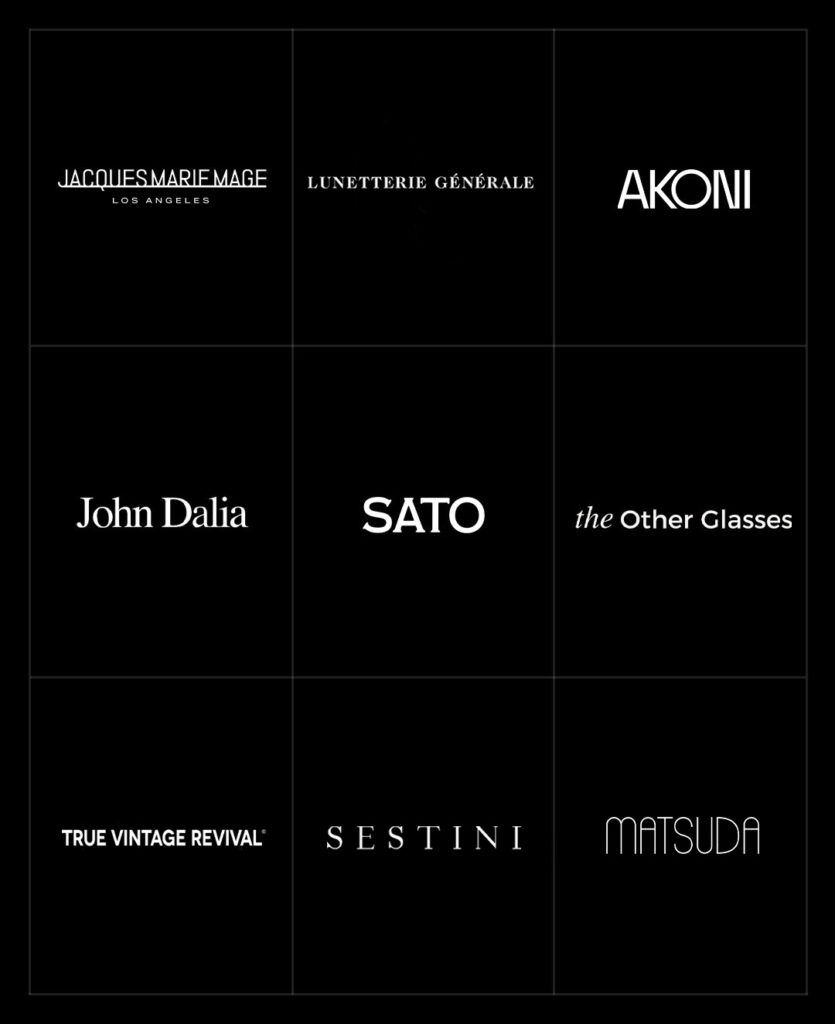
Tier 1 stores are destinations. They build culture, invest in architecture, photography, storytelling, events, and carefully curated brand portfolios. They shape demand instead of following it.
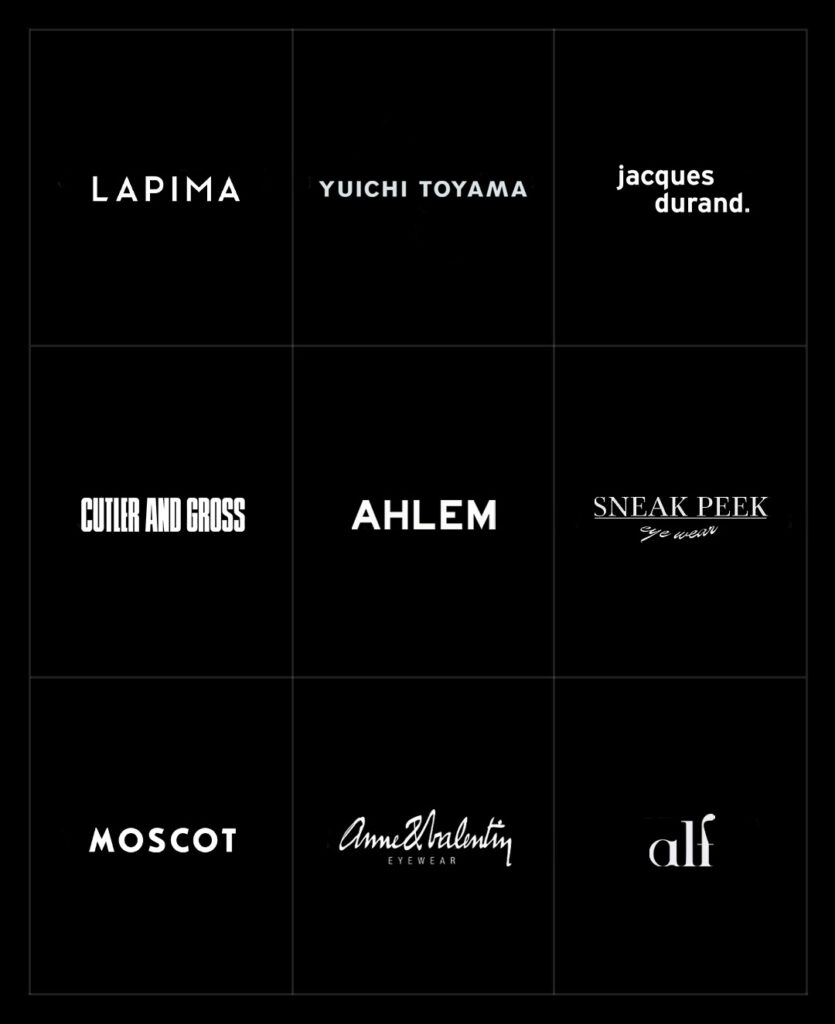
Tier 2 stores are excellent independent retailers with strong service and carefully selected products, but they are less influential in defining trends.
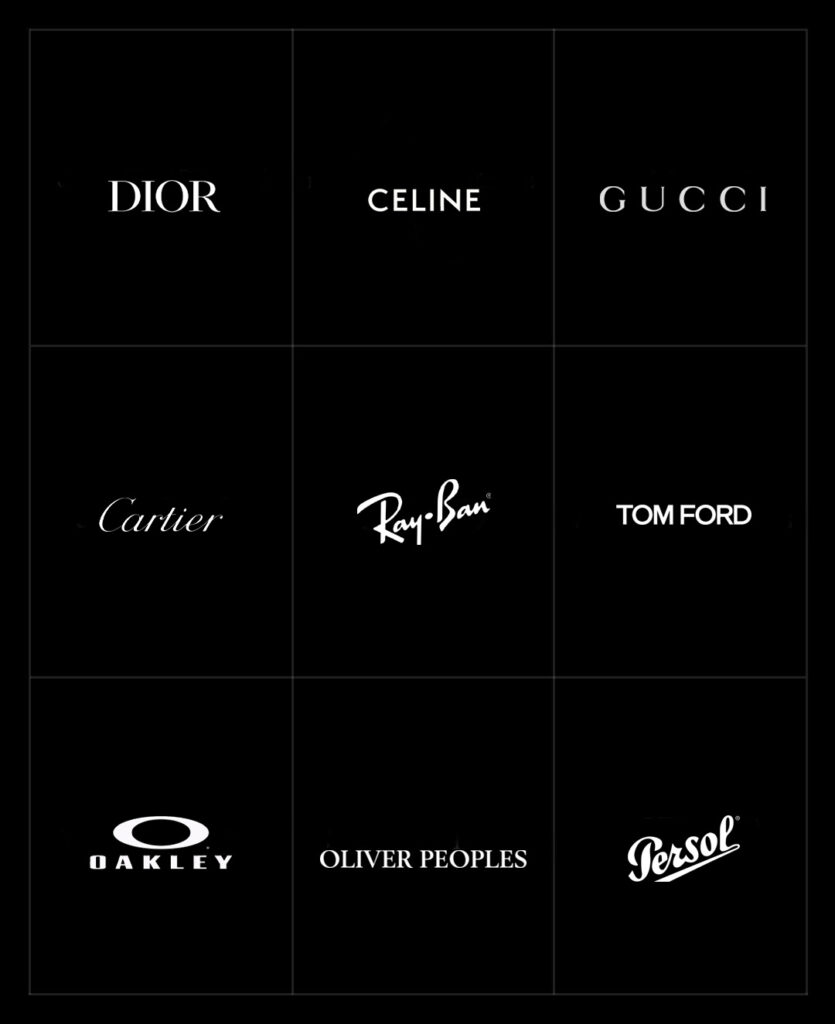
Tier 3 stores focus primarily on commercial performance. Product selection is broader, positioning is less defined, and differentiation becomes increasingly difficult.
Below that, distribution becomes transactional rather than aspirational.
The problem is that many brands never learn this distinction.
They see every new account as growth.
Luxury sees every new account as a decision.
Selective Distribution Is More Valuable Than Fast Growth
The fastest way to destroy a luxury brand is not poor design.
It is poor distribution.
Once consumers begin finding the same brand everywhere, scarcity disappears.
Once scarcity disappears, desirability follows.
Then pricing becomes the only competitive advantage.
That is not luxury.
The strongest luxury brands understand something that many emerging eyewear companies overlook: saying “no” creates more long-term value than saying “yes.”
Growth should never come before positioning.
Distribution Partners and Agents Don’t Build Brands
Another uncomfortable truth is that most eyewear brands outsource their distribution too early.
On paper, it makes sense.
A distributor already has relationships, sales representatives, and access to hundreds of accounts.
But incentives matter.
Most distributors are measured by monthly sales.
Brand equity is not their KPI.
Many still approach eyewear primarily as a medical product rather than a cultural or fashion object. They cannot communicate the identity, aesthetics, or long-term vision that a luxury brand requires because they were never built to do that.
They sell inventory.
Luxury brands sell perception.
Those are fundamentally different businesses.
More importantly, distributors choose retailers based on commercial opportunity.
Luxury brands should choose retailers based on brand alignment.
Those are rarely the same thing.
Choosing Your Retailers Is Part of Product Design
Where your product is displayed is part of the product itself.
The store, the neighboring brands, the visual merchandising, the staff, the digital presence, and even the architecture all become extensions of your identity.
That decision should never be delegated completely to someone whose primary objective is increasing monthly volume.
The world’s strongest luxury brands are obsessive about where they appear.
Independent eyewear should be no different.
Selectivity Doesn’t Mean Elitism
Selective distribution is not about refusing entire regions.
There are exceptions.
A Tier 2 or even Tier 3 retailer may be the right choice in a smaller city if it is the only serious optical destination and genuinely represents the brand well.
A beautiful independent boutique in Santorini.
An exceptional family-owned optical store in rural Iceland or Netherlands.
A carefully curated retailer serving an entire region.
Those locations can strengthen a luxury brand because they become the local reference point. They serve all categories of people in that region.
The equation changes in major metropolitan markets.
When multiple qualified retailers exist, selectivity becomes essential.
That is where brand equity is either protected or diluted.

Volume Is Easy. Prestige Is Difficult.
Recently, with our tools, while analyzing the retail network of a luxury eyewear brand owned by one of the world’s largest conglomerates, we noticed something surprising.
Its marketing presented the brand as an exclusive luxury maison.
Its distribution told a completely different story.
Tier 1 boutiques. Tier 2 independents. Commercial chains. Lower-tier retailers.
Everything mixed together.
The message became inconsistent.
Luxury positioning on one side.
Mass accessibility on the other.
Consumers may not consciously notice this contradiction.
But they feel it.
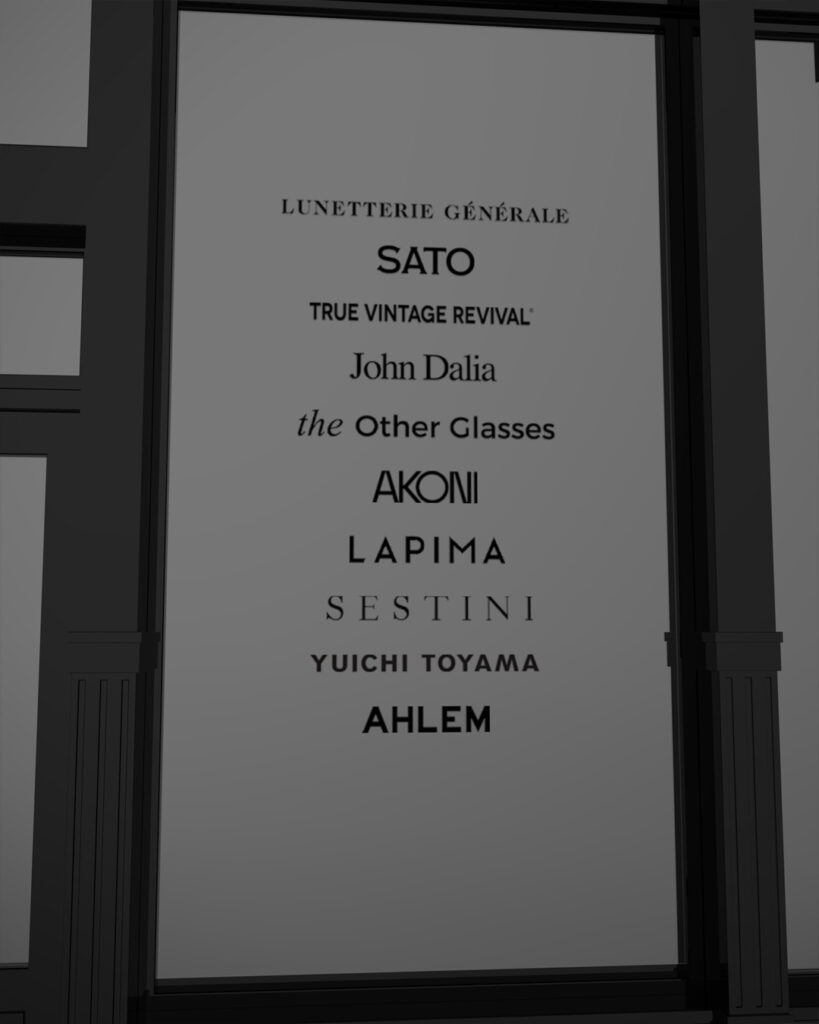
And perception is what determines whether a brand becomes timeless or simply another name on the wall.
The Real Luxury Strategy
Building a luxury eyewear brand is not about opening as many doors as possible.
It is about opening the right ones.
Because the hardest part is not entering the industry.
The hardest part is having the discipline to stay where your brand truly belongs.



 English
  French
  Italian
  Spanish
  Portuguese
  German
  Korean
  Japanese