

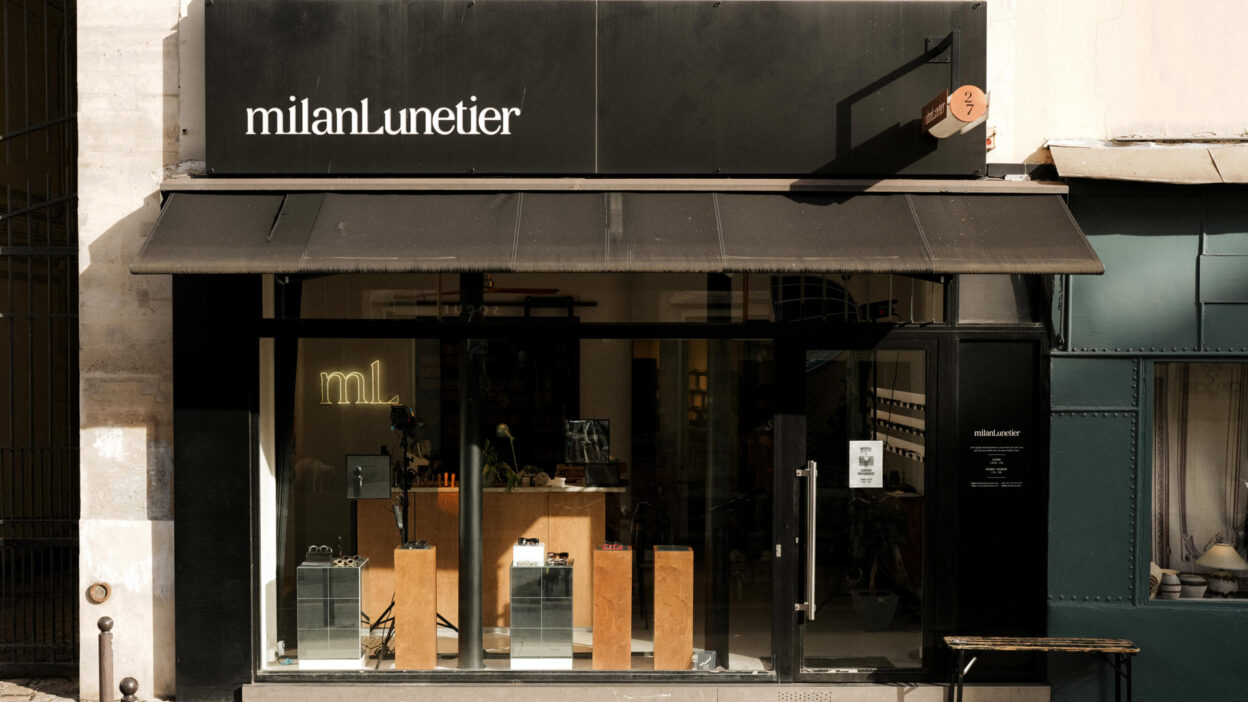
In a crowded independent eyewear market, carrying desirable brands is no longer enough. The boutiques that stand out are increasingly those capable of creating a world around the product, one customers want to return to even when they are not actively looking for another pair of glasses.
At Milan Lunetier, in Paris’s 11th arrondissement, that world is built through a combination of optical craft, personal style, music and hospitality.
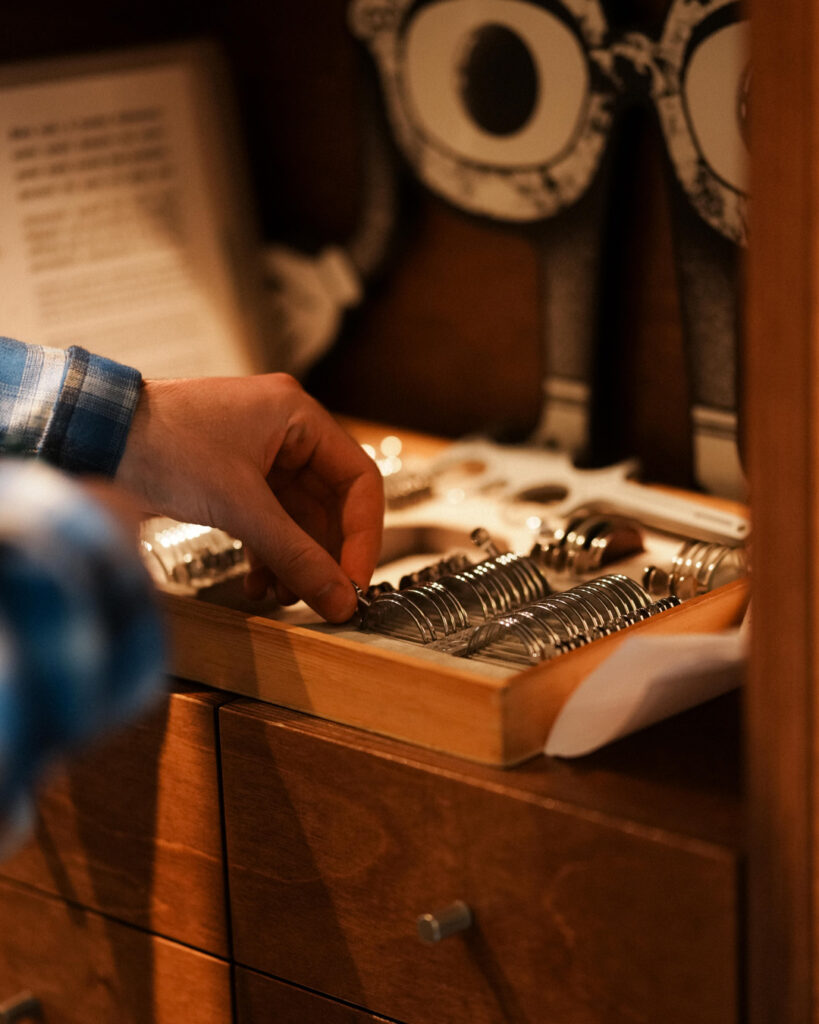
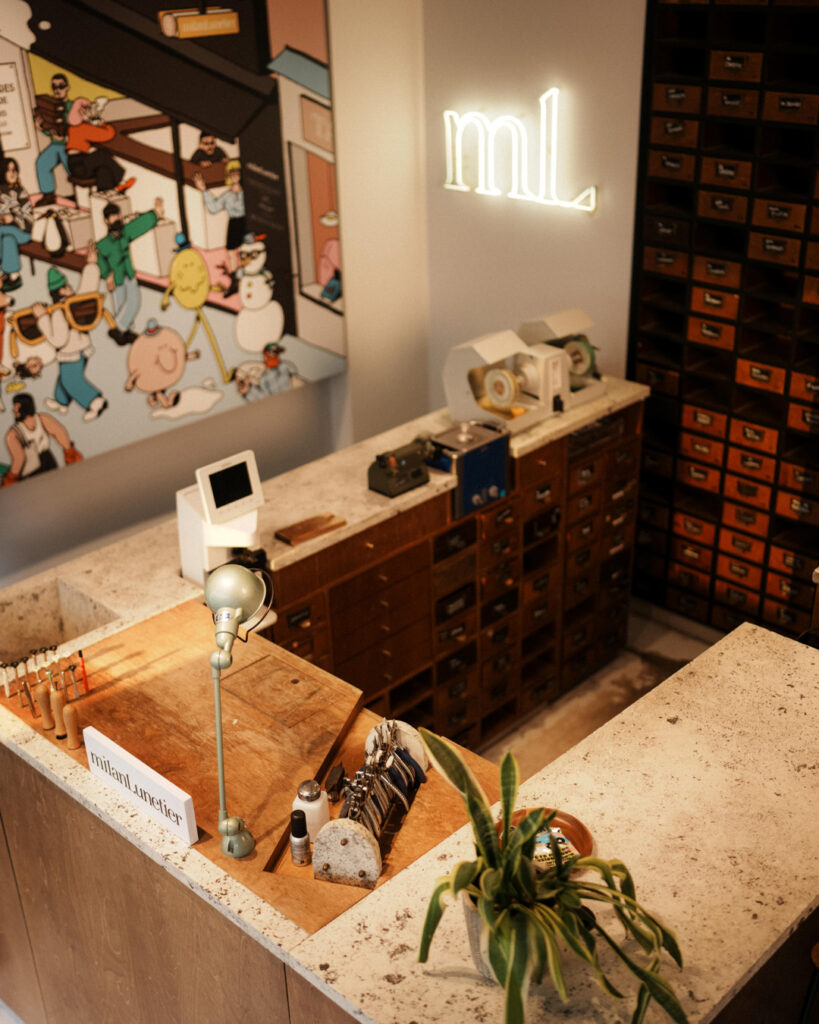
Opened on Rue de Charonne in 2011, the boutique was conceived around the traditional role of the lunetier: someone who understands the frame not only as a fashion object, but as a technical, crafted and deeply personal one. It is a distinction that shapes the entire customer experience.
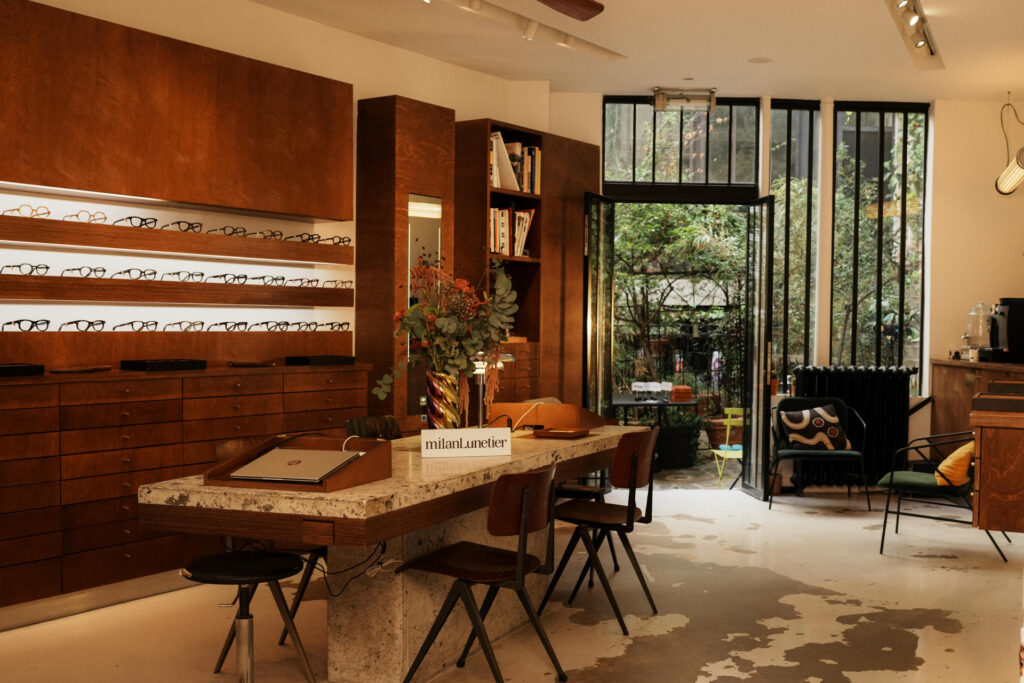
Very few frames are displayed in the store. Instead of confronting visitors with an exhaustive wall of product, the team selects models according to the client’s face, prescription, daily habits and sense of style. The result is closer to a private consultation than a conventional shopping journey.
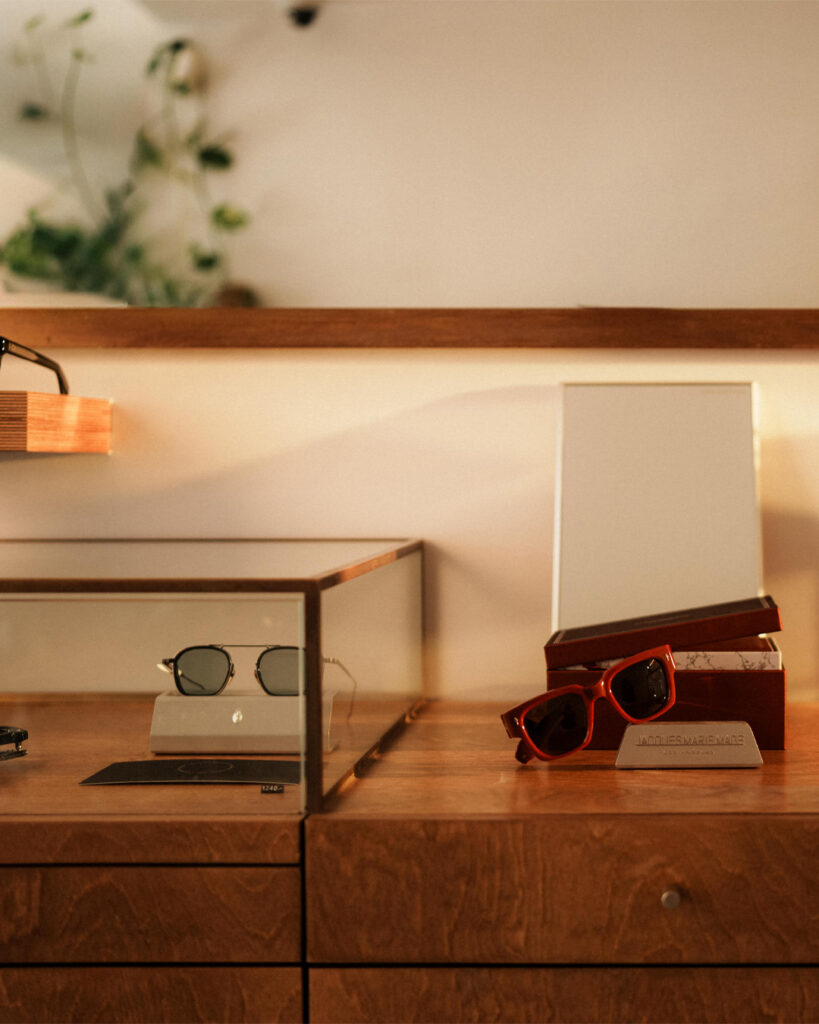
Its current selection moves between established and more experimental names, including KameManNen, Ahlem, Oscar Magnuson, Anne & Valentin, Rigards, Jacques Marie Mage, Cutler and Gross, Port Tanger and Aude Herouard. Yet the value of the assortment lies less in the number of labels than in the connections the team makes between frame, wearer and lifestyle.
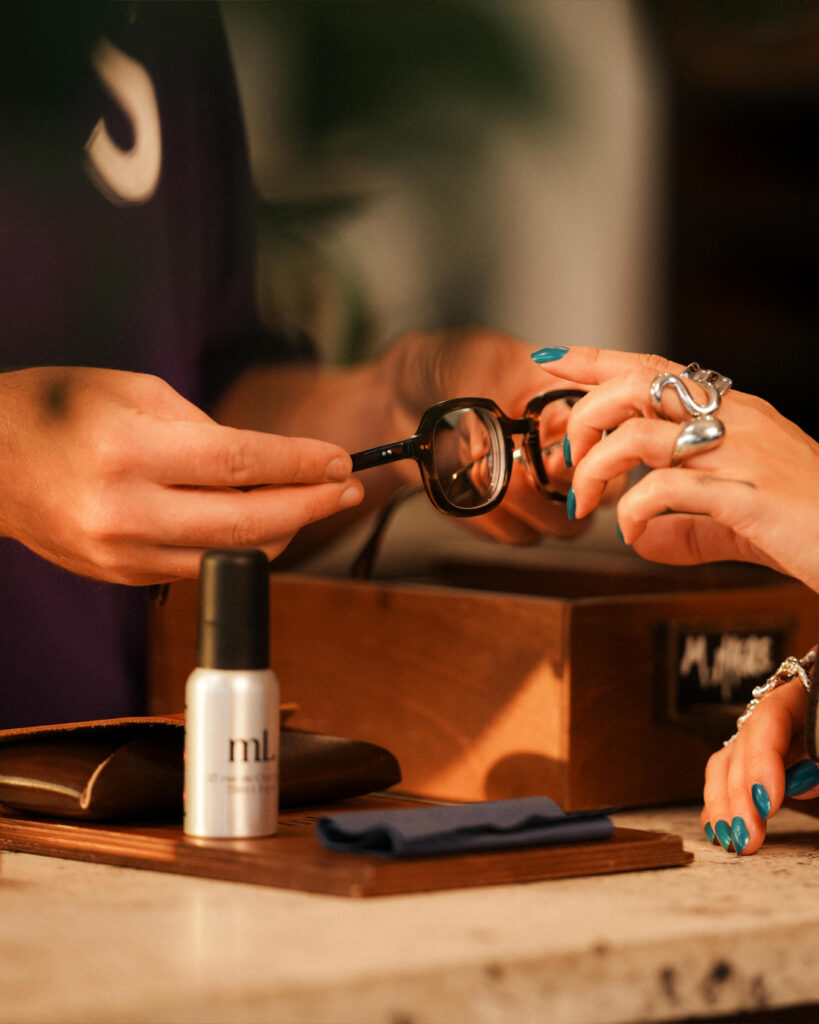
This curatorial approach is supported by serious optical infrastructure. A dedicated refraction room sits below the boutique, while Studio ML, opened nearby in 2019, extends the business into repair and restoration. The fashion proposition and the technical profession are not treated as separate worlds. Each gives credibility to the other.
From Optical Store to Cultural Space
What increasingly distinguishes Milan, however, is everything happening around the eyewear.
The boutique has long collaborated with designers, musicians and artists, using events to connect its clients with the wider Paris creative community. Its programme has included Fête de la Musique celebrations, artist commissions and product launches conceived less as conventional retail activations than as temporary cultural environments.
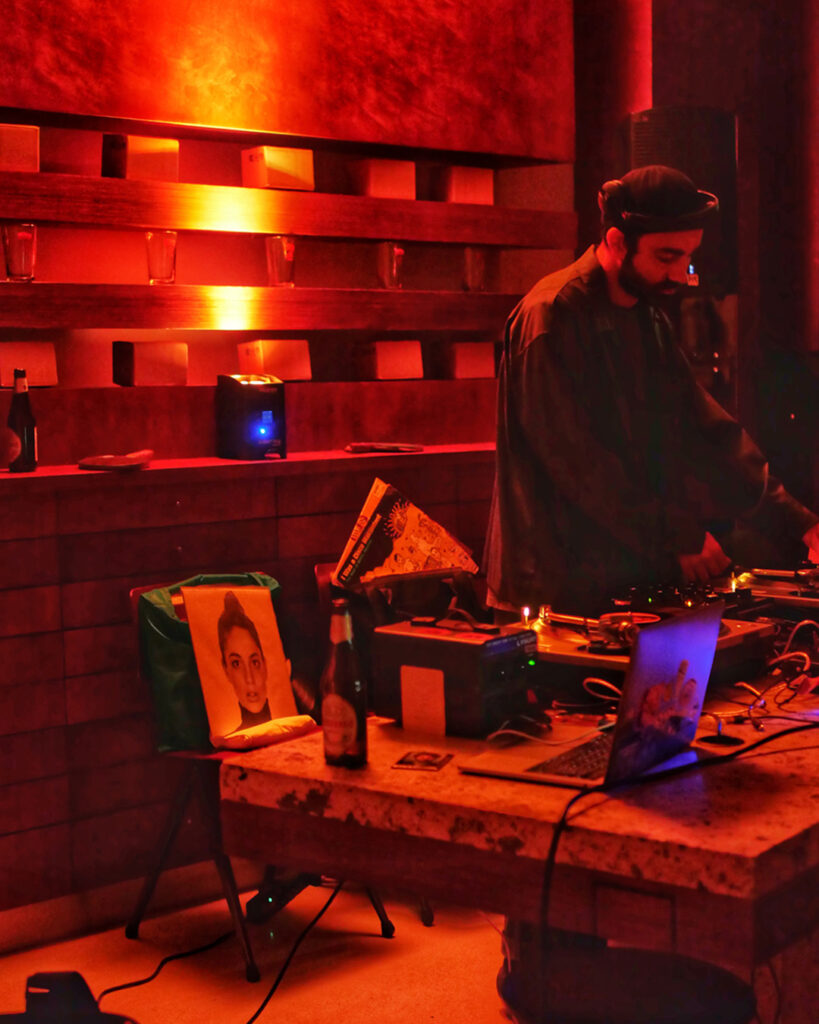
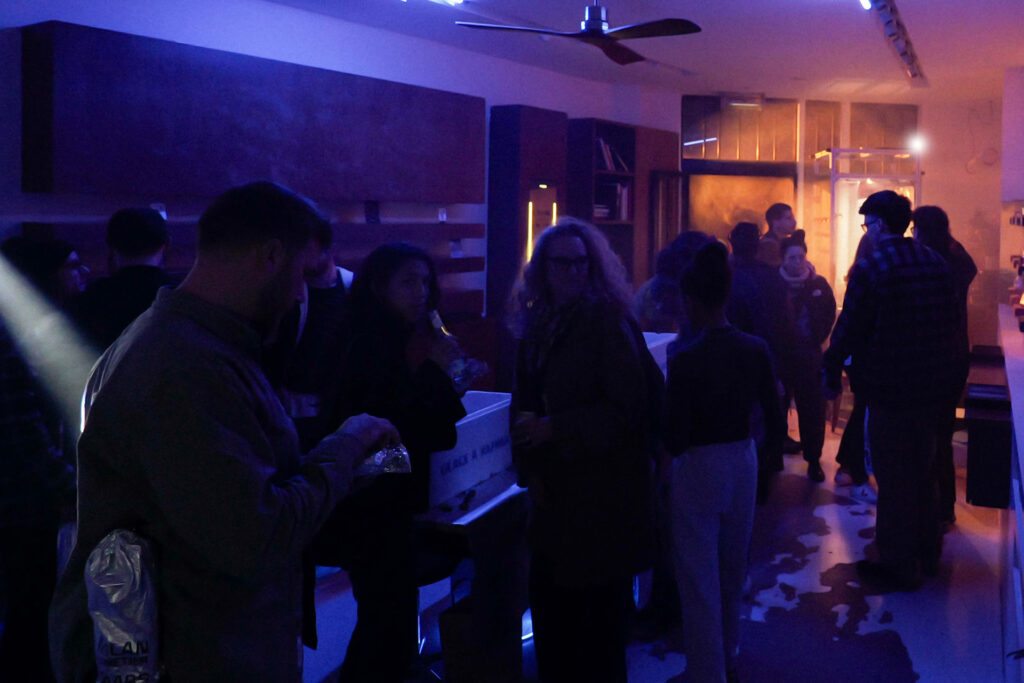
A recent collaboration with eyewear label BAARS illustrates the strategy. The launch of a new frame became an intergalactic-themed evening, complete with bespoke scenography and a collector’s object created for the occasion. Clients, creatives and members of the independent eyewear community gathered around a shared experience rather than a traditional sales presentation.
Another collaboration, planned for 2027, will introduce a frame designed exclusively with a creative partner.
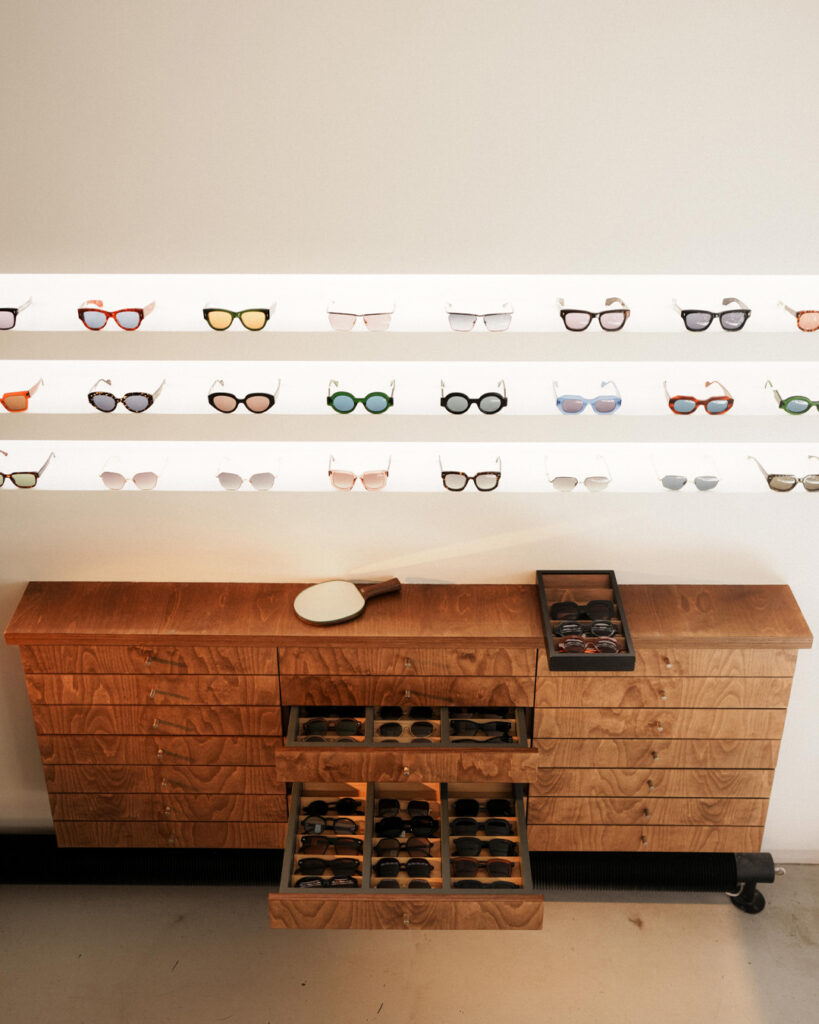
These projects reflect a broader change in luxury retail. As products become more visible online and access to sought-after brands expands, physical stores have to offer something that cannot be reduced to availability. Community, atmosphere and cultural relevance are becoming commercial differentiators in their own right.
Under Tom Flourac, the new face of Milan and the person now shaping its creative direction, the boutique is preparing to push this idea further.
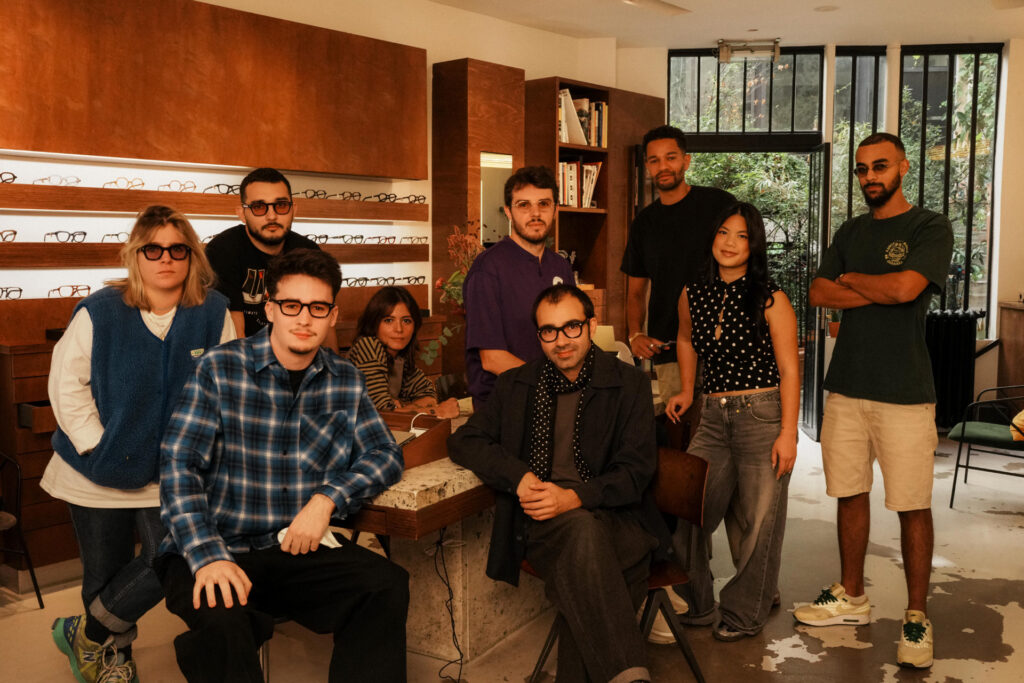
Designing for the Ear as Well as the Eye
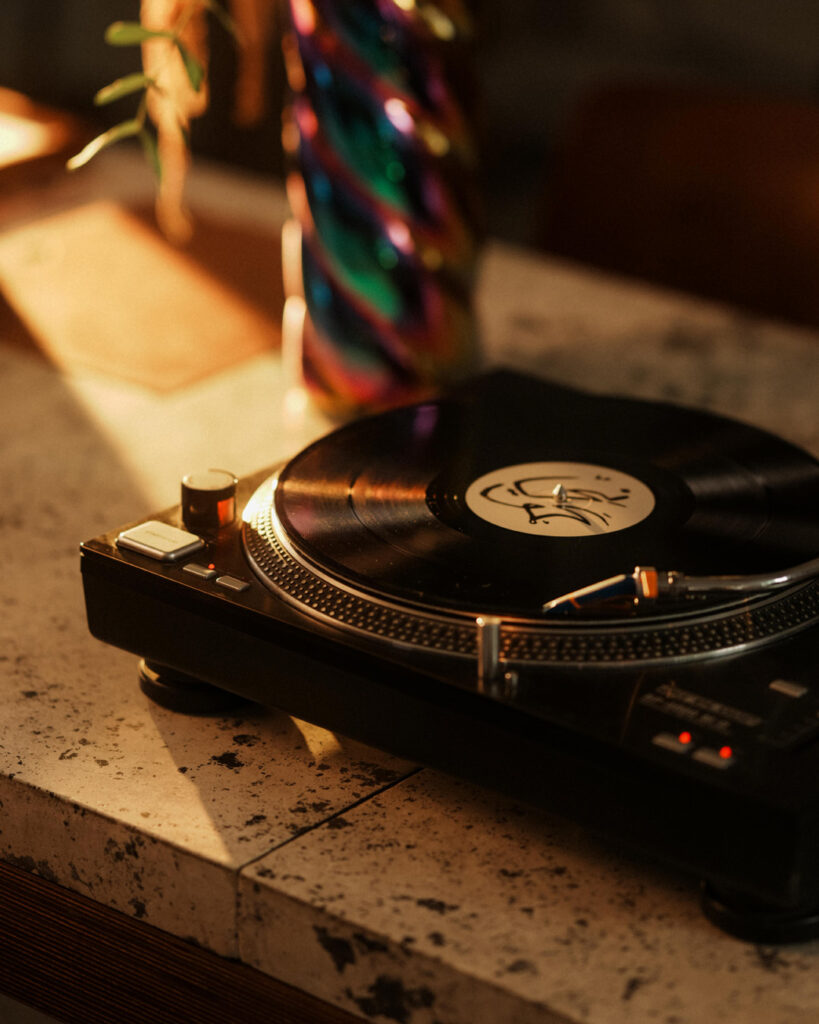
Music is already central to Milan’s identity, but the store is now planning a complete redesign of its sound system. The ambition is not simply to improve the background playlist. It is to create a more deliberate listening experience for clients and visitors, while opening new possibilities for events and collaborations.
For an optical boutique, investing in sound may appear tangential. In practice, it reveals how Milan understands contemporary retail. Music influences how long people remain in a space, how they remember it and whether the environment feels transactional or welcoming. When considered alongside lighting, furniture, product selection and service, sound becomes part of the store’s architecture.
The opportunity and the challenge is to turn this atmosphere into lasting value without allowing experience to overshadow optical expertise. Milan’s answer is to keep the profession of the lunetier at the centre. The events may bring people through the door, but the technical knowledge, highly edited selection and human quality of the consultation give them a reason to return.
This balance matters in a category where the language of “experience” is frequently used but rarely defined. At Milan, it does not mean spectacle for its own sake. It means creating the conditions for conversation, discovery and trust.
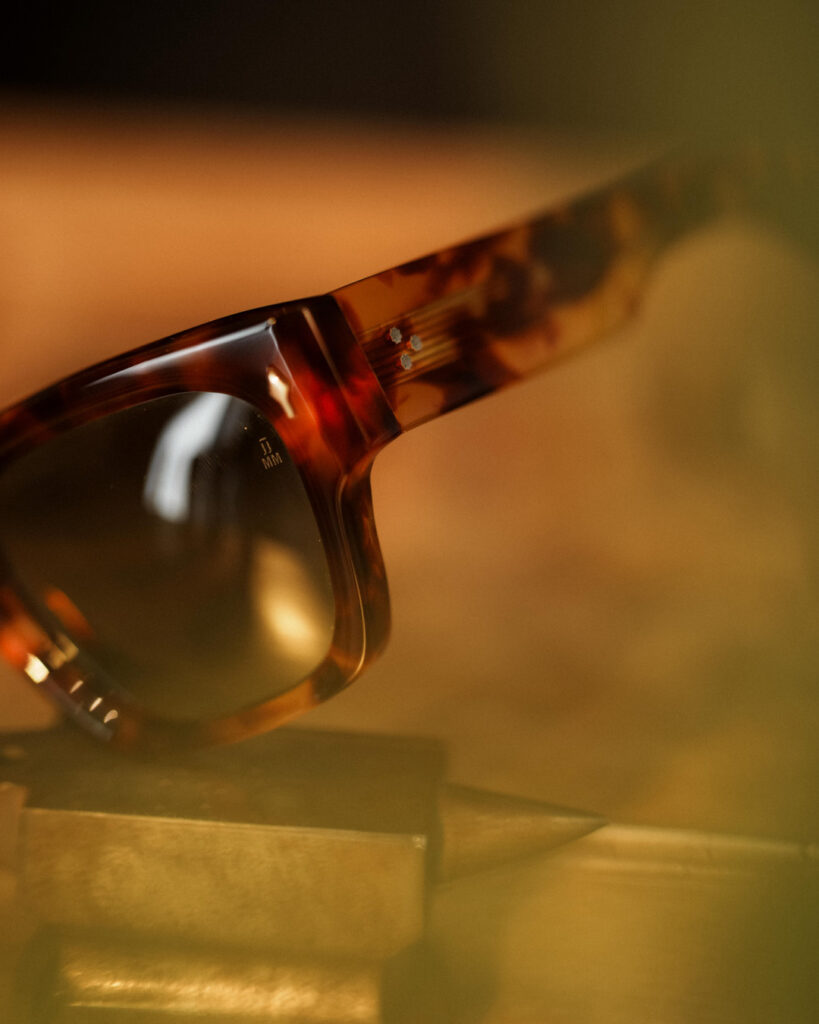
Clients can come for a frame, encounter a designer they did not know, listen to music, meet an artist or simply spend time in a space that feels considered without becoming intimidating.
Milan Lunetier’s next chapter is therefore not about transforming an optical boutique into something else. It is about expanding what an optical boutique can be.
In an industry still debating the future of physical retail, Milan offers a distinctly Parisian proposition: precise but informal, technically credible yet culturally curious, and built around the increasingly valuable pleasure of being somewhere worth staying.


 English
 French
 Italian
 Spanish
 Portuguese
 German
 Korean
 Japanese