



Inside GLAS Optician, the Copenhagen concept challenging luxury eyewear’s biggest names with independent design, quiet interiors and what its founders call “the rarest luxury of all: a real person.”
Ask us to name the best optical store in Copenhagen and our answer comes quickly: GLAS Optician.
It is a concept that has matured naturally over a decade, one that understands the market completely, yet chooses to see it differently. GLAS has invested in distinctive collections, strong design and relationships that go far beyond conventional retail. Even now, as the business enters a period of transition, its identity feels clearer than ever.
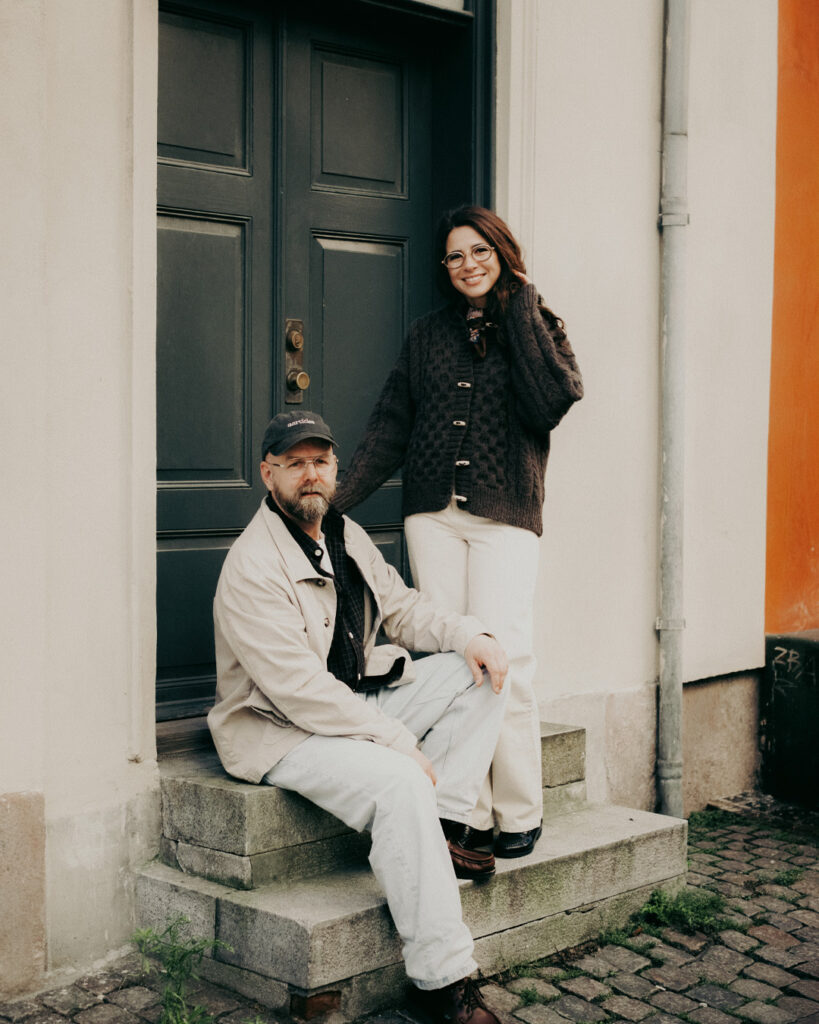
Founded in 2016 by Hugo and Havana Benson, GLAS emerged from the collision of two complementary worlds. Hugo brought experience in fashion, sales and design; Havana brought deep optical expertise and an exceptional instinct for customer care.
The original idea came to them beside Copenhagen’s harbour, where they sat developing a business plan without having every answer.
“There was a lot of intuition involved,” Hugo remembers. “We didn’t have all the answers. We simply had a strong feeling that there was another way of doing things.”
That feeling became the foundation of GLAS.
An Optical Store That Refuses to Look Like One
When GLAS opened, Denmark had few genuinely high-end optical boutiques. The industry remained conservative, often defined by predictable spaces, familiar labels and a transactional approach to customers.
GLAS wanted to break that formula.
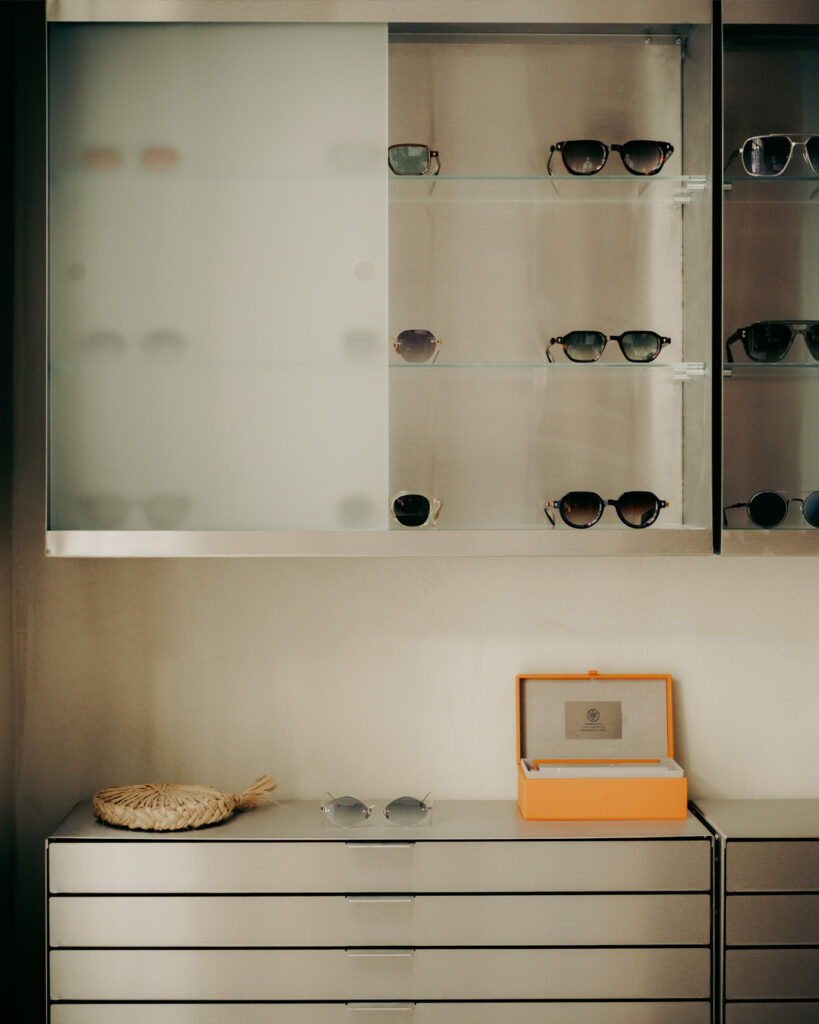
“Our ambition was never to make GLAS feel like a conventional optical store with more expensive products,” Hugo says. “We wanted to create an environment that felt more like a meeting between fashion, design, craftsmanship and people.”
The goal was to build a place where exceptional eyewear and exceptional service carried equal weight. But GLAS was never meant to become a fixed, finished concept.
“For us, the real challenge is to remain relevant,” Hugo explains. “Much like in a relationship, you cannot simply assume that what worked yesterday will work tomorrow. You have to stay curious, present and attentive. If you stop being relevant, you slowly disappear.”
That constant evolution became especially visible when GLAS Optik transformed into GLAS Optician at the end of 2025. It was far more than a change of name. Behind it was a platform built to support the company’s next chapter, potentially beyond Copenhagen.
“We never set out to create something finished,” Hugo says. “We set out to create something meaningful and to keep developing it.”
The FRAMA Effect
A major part of that development has been GLAS’s partnership with Copenhagen design studio FRAMA.
The relationship was never simply about creating a beautiful interior. Hugo and Havana had known FRAMA founder Niels Strøyer Christophersen personally for years, sharing an appreciation for honest materials, functionality and objects that resist short-lived trends.
“We have never been particularly interested in forcing relationships or partnerships simply because they make commercial sense,” Hugo says. “We believe that the right people, the right values and the right timing have to come together. When they do, you should have the courage to move.”
That is exactly what happened with FRAMA.
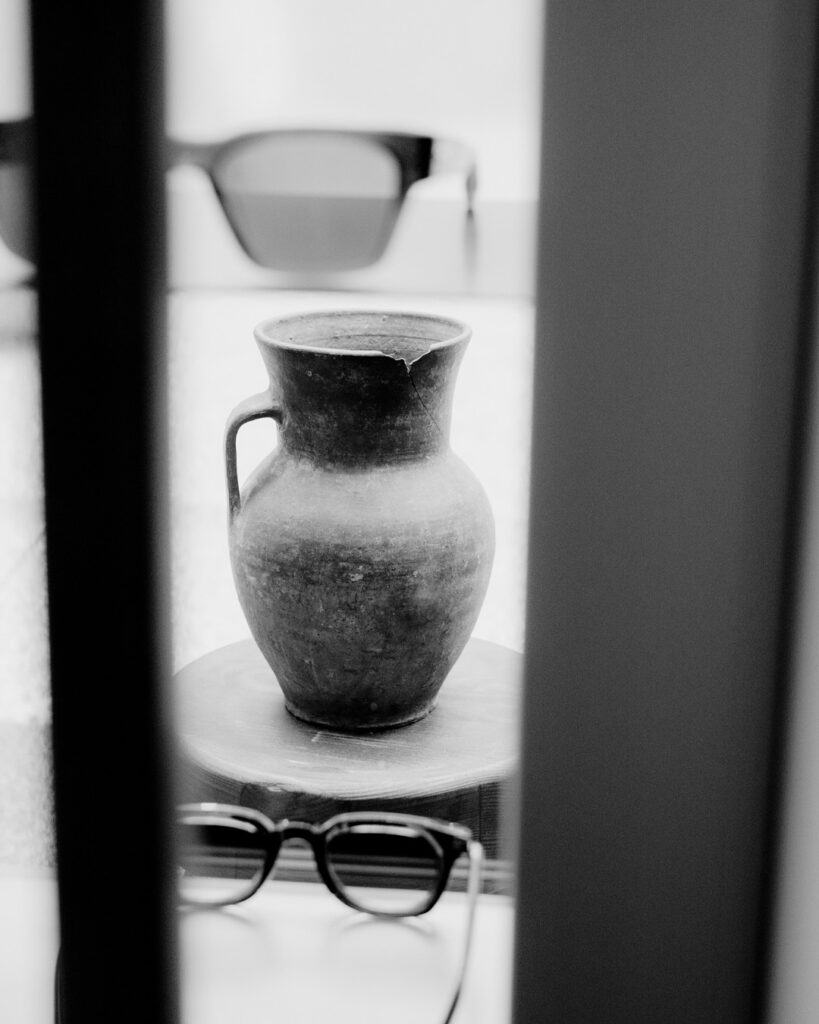
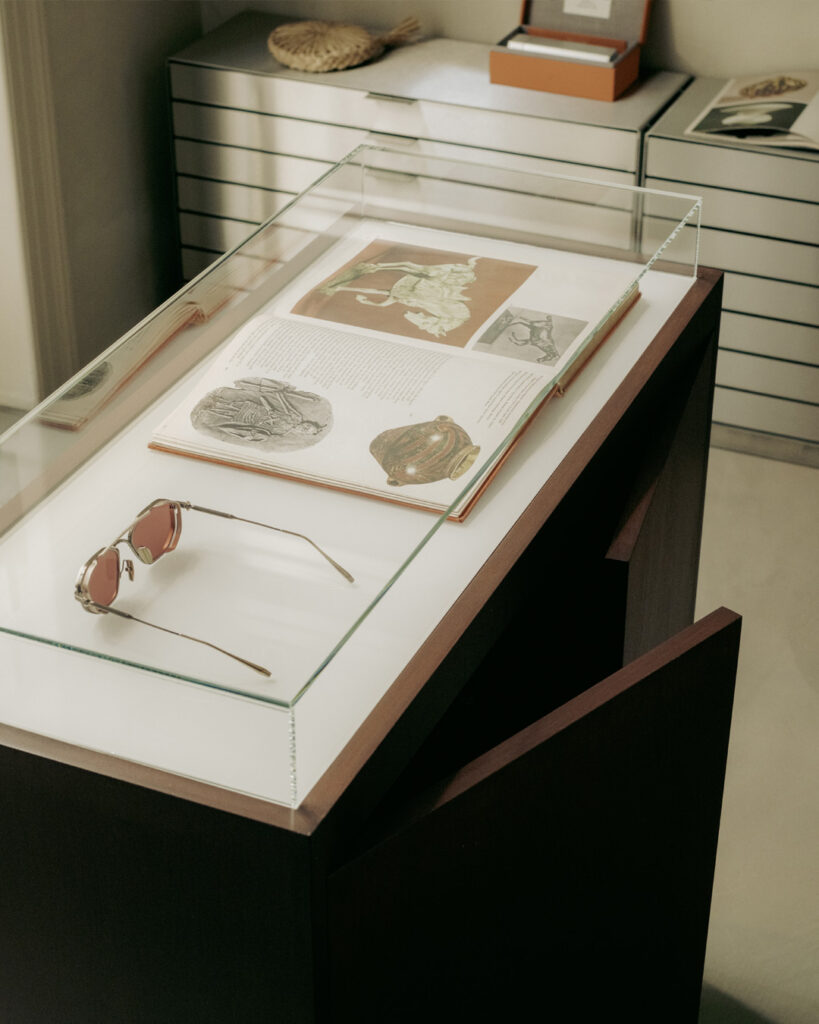
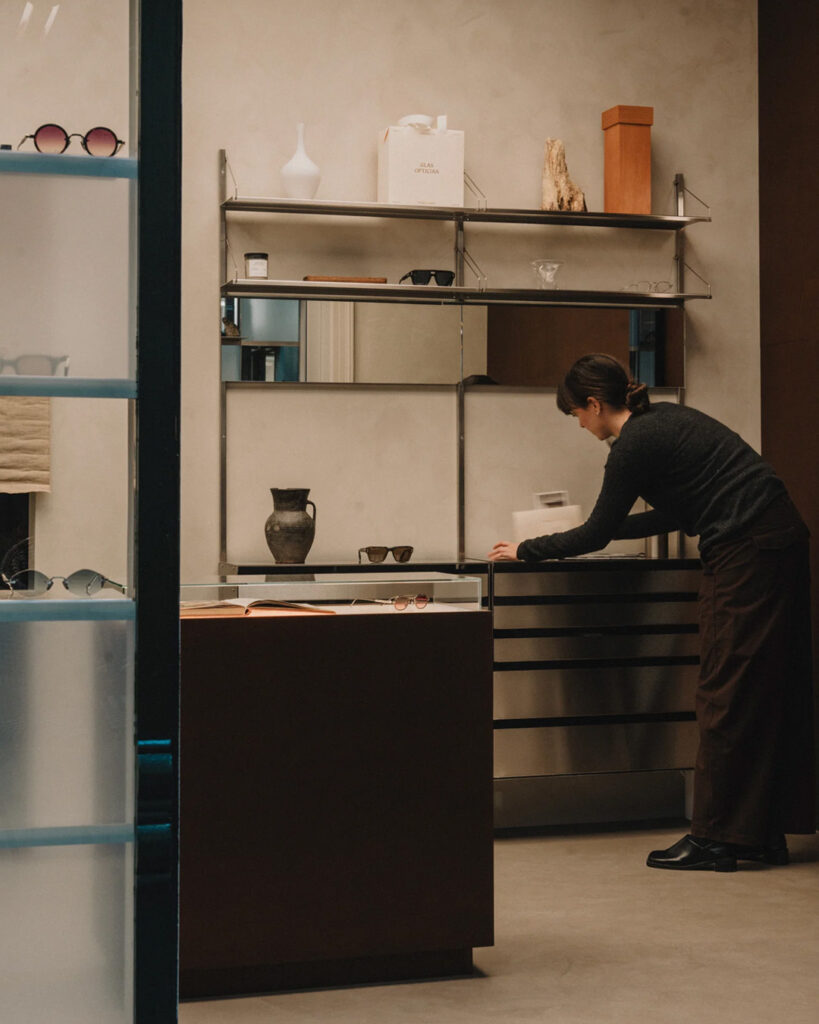
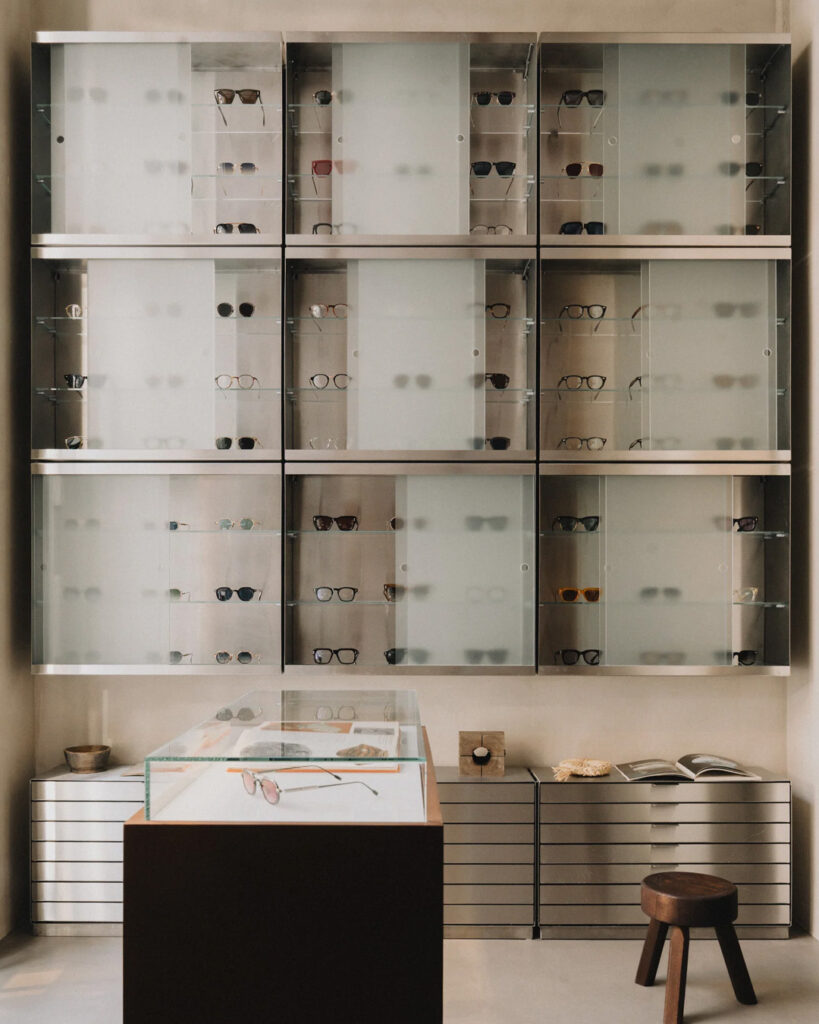
Its restrained design language gives the GLAS stores a quiet confidence. Natural materials and simple geometry frame the eyewear without overpowering it. The result feels less like conventional retail and more like a lived-in cultural space, somewhere conversation matters as much as commerce.
“The FRAMA elements do not compete with the eyewear,” Hugo explains. “They create a quiet framework around it. They allow the products, the people and the conversation to remain at the centre.”
The partnership also confirmed something GLAS had sensed from the beginning: eyewear does not have to exist in isolation. It can belong to a broader conversation encompassing architecture, furniture, art, fashion and craftsmanship.
The goal, Hugo says, is to create “a business that is modern without chasing modernity, luxurious without being excessive, highly curated, but still human.”
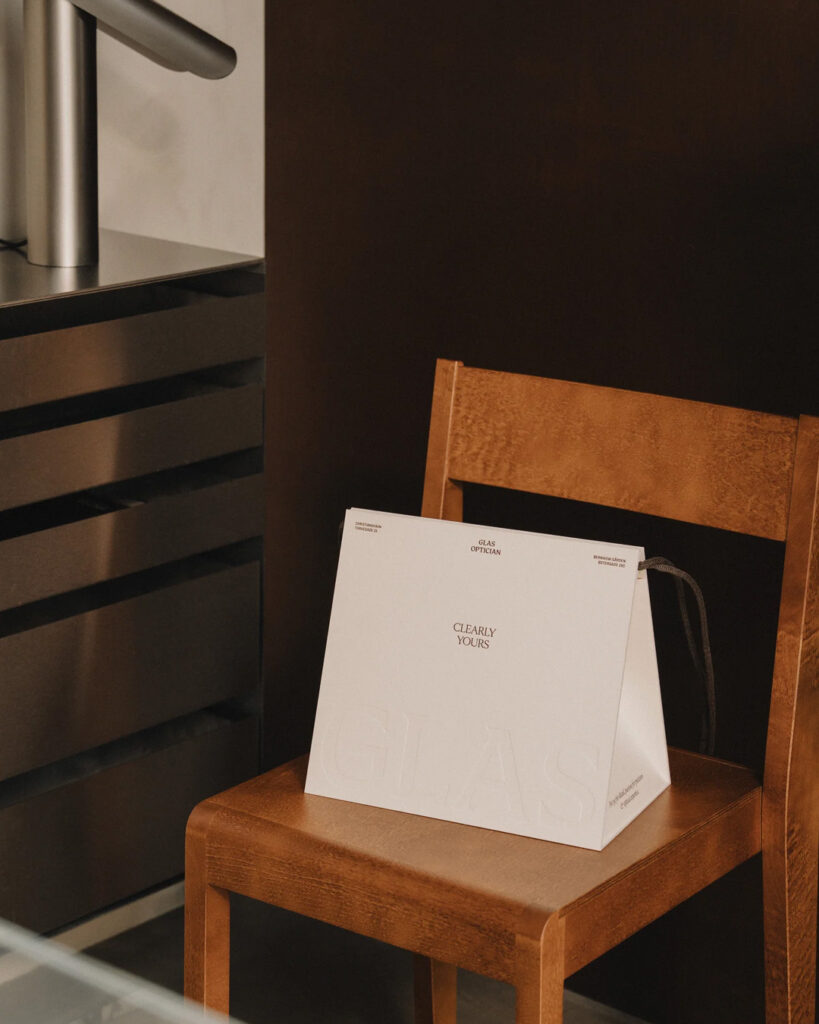
Taking On the Giants
The path has not been easy. GLAS has introduced brands, removed others and repeatedly adjusted its direction. During the pandemic, it became one of Copenhagen’s strongest destinations for Prada and other major luxury names.
Yet its original ambition, to create something genuinely independent, never disappeared.
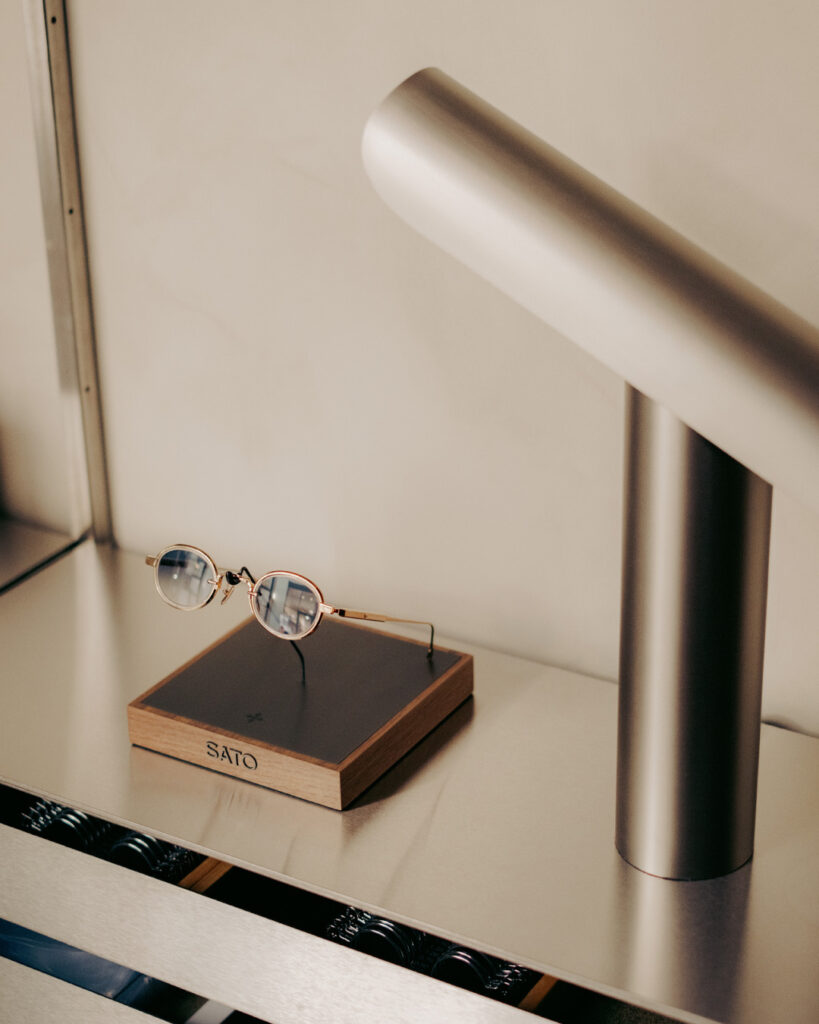
“We have always remained curious about where the business should go next,” Hugo says. “The foundation of GLAS has always been the vision of creating something genuinely independent.”
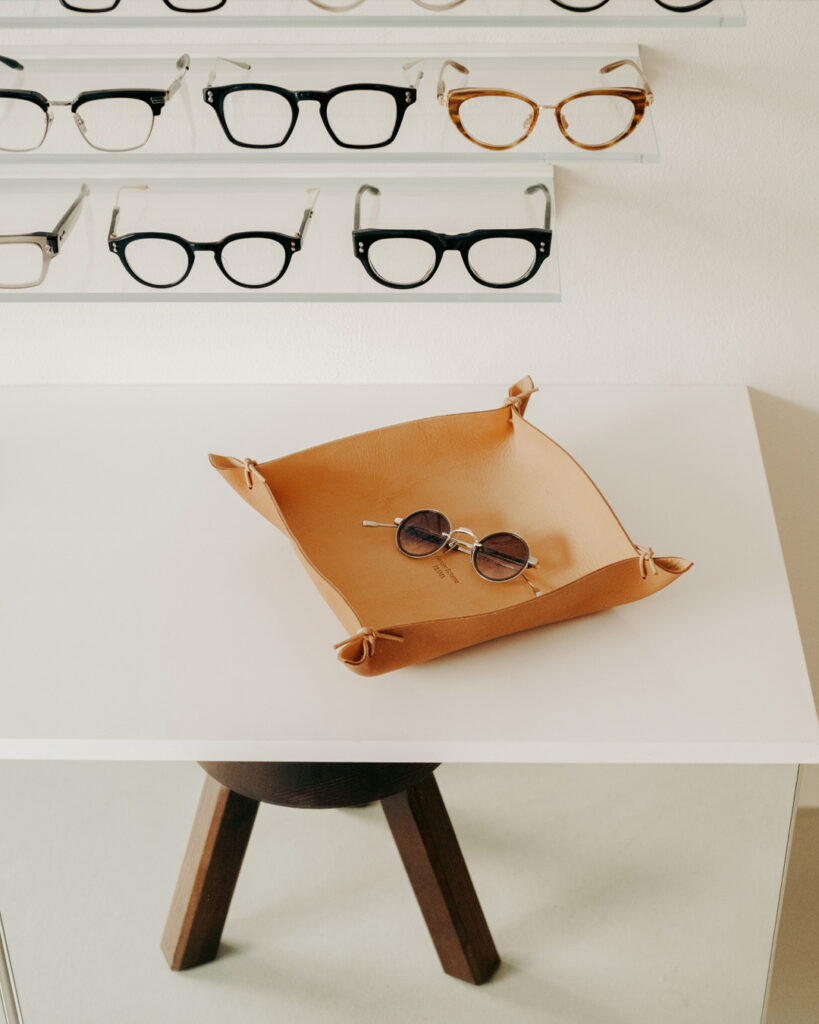
Today, that means moving deeper into lesser-known designers and younger independent eyewear makers. Its selection is not built solely around famous names, but around craftsmanship, authenticity and the people responsible for each frame.
The challenge is visibility.
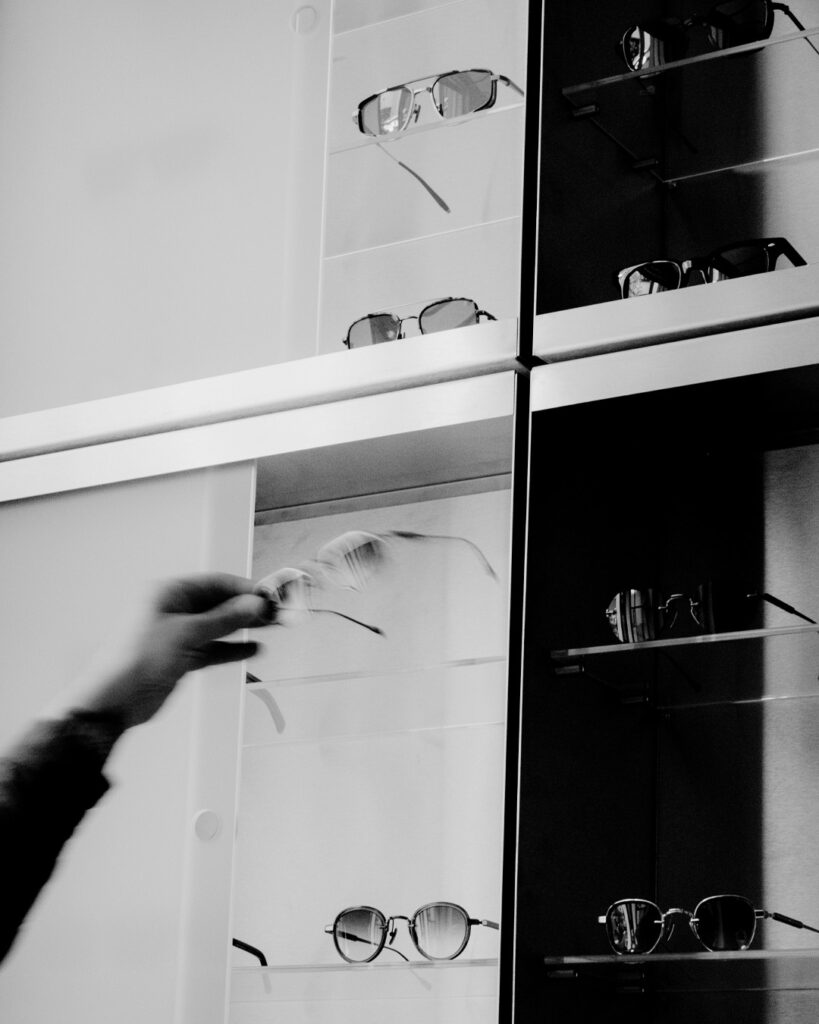
“You can have the best product in the world, but if nobody knows about it, you have nothing,” Hugo says.
Customers naturally trust names they already recognise. Presenting an unfamiliar designer therefore requires knowledge, conviction and the ability to create confidence around the product.
“That is where we come in,” he explains. “Our job is to create confidence around brands people may not know through curation, knowledge and experience.”
For GLAS, true curation is not simply choosing attractive frames from a catalogue. It means building direct relationships with founders and designers and understanding the human vision behind every collection.
“It is not simply about the name of a brand,” Hugo says. “It is about the people behind it the designer, the owner, the vision and the integrity of the product.”
Two Different Perspectives, One Shared Vision
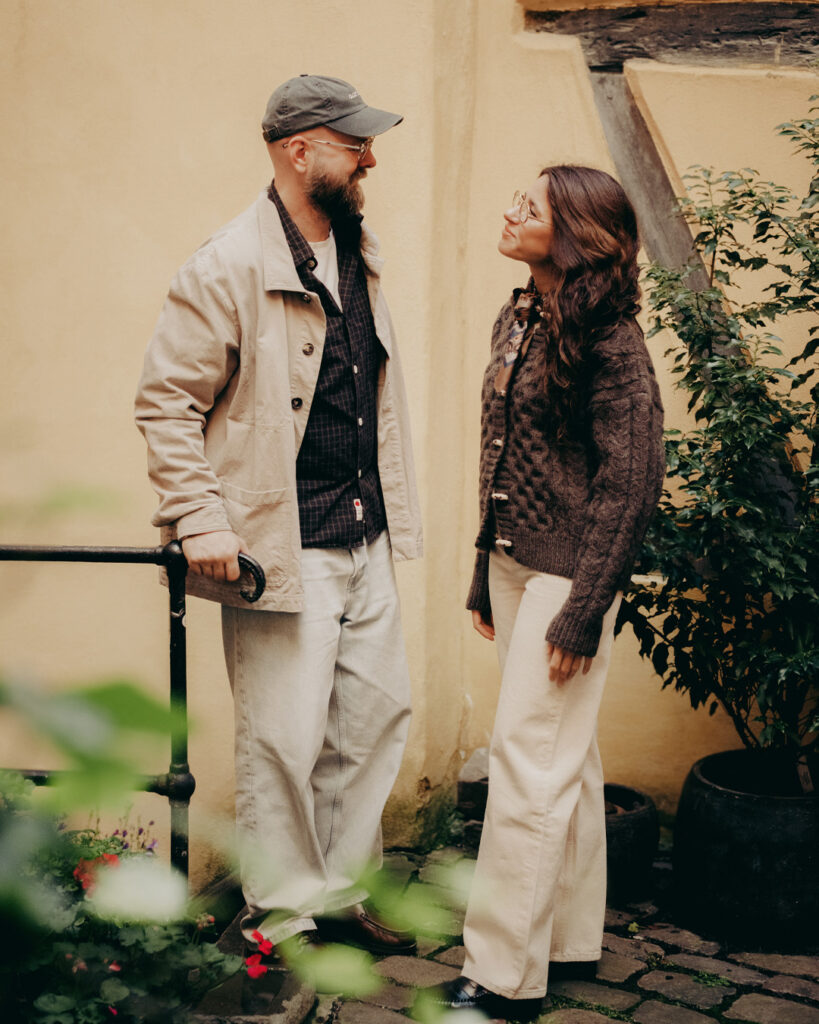
GLAS’s character also comes from the contrast between its founders.
“Havana and I come from two very different worlds,” Hugo says. “She comes from optics, I come from fashion and sales, and together we have always challenged each other.”
Instead of weakening the partnership, those different perspectives have made it more resilient.
“We have never had exactly the same perspective,” he adds, “and I actually think that has been one of our greatest strengths.”
The same philosophy extends to the community surrounding GLAS.
“Our customers are not just customers. Our suppliers are not just suppliers. Our partners are not simply companies we buy from. They all become part of the ecosystem around GLAS.”
The Rarest Luxury Isn’t a Logo
For all its focus on design and curation, the most radical element of GLAS may also be the simplest: human contact.
While modern retail continues to invest in screens, technology, influencers and increasingly automated experiences, Hugo believes the next definition of luxury will be intensely personal.
“A truly modern optical experience is not about more stations, more screens or bigger spaces,” he says. “It is about creating an atmosphere where people feel comfortable, understood and able to trust you.”
That trust turns customers into ambassadors and creates something no advertising budget can manufacture.
“Your customers become your most honest ambassadors,” Hugo explains. “When people genuinely trust the experience they have had with you, they talk about it, recommend you and bring others through the door.”
The long-term ambition is international. GLAS is exploring how its universe could give existing optical businesses a new direction while preserving their histories and values. Copenhagen may be its foundation, but it does not have to be its limit.
“We have always had an international vision for GLAS Optician,” Hugo says. “From the very beginning, we saw the potential to take the concept beyond Copenhagen.”
The idea sounds surprisingly simple: quiet luxury, brave curation, exceptional service and independent eyewear selected with conviction.
Or, as Hugo puts it, “the rarest luxury of all: a real person.”
In an industry obsessed with the next big name, that may be GLAS Optician’s most disruptive idea yet.


 English
  French
  Italian
  Spanish
  Portuguese
  German
  Korean
  Japanese