



Eyewear brands have spent decades marketing to opticians instead of creating desire among consumers. To build lasting businesses and genuine cultural relevance, they must learn to operate beyond the optical industry.

Eyewear considers itself part of fashion. Too often, however, it continues to market itself like a medical device.
For decades, brands have built their businesses around optical fairs, sales representatives and relationships with opticians. Most consumers discover a brand only after entering a store, because an optician recommends it, not because they already understand its identity.
In effect, eyewear brands have outsourced their desirability to the retailer.
Licensed fashion labels benefited from the opposite dynamic. A familiar logo placed on a frame imported an existing world of recognition and status. Desire was created before the customer entered the optical store.
Independent brands may offer better materials and more sophisticated construction, but often depend on opticians to explain that value. Quality becomes proof at the point of sale rather than the reason someone wanted the brand in the first place.
The Optician Cannot Be the Entire Brand Strategy
Opticians remain essential, but they cannot be the sole source of a brand’s cultural legitimacy.
A resilient eyewear company must create demand before the eye examination. It must explain not only how a frame is made, but why it deserves a place in someone’s life.
Eyewear sits at the centre of the face and shapes how a person is perceived. Few accessories have greater cultural potential or remain so dependent on technical language.
Enter Culture Without Making Eyewear the Centre of Everything
Getting outside the eyewear bubble means participating in conversations around architecture, art, cinema, literature and design.
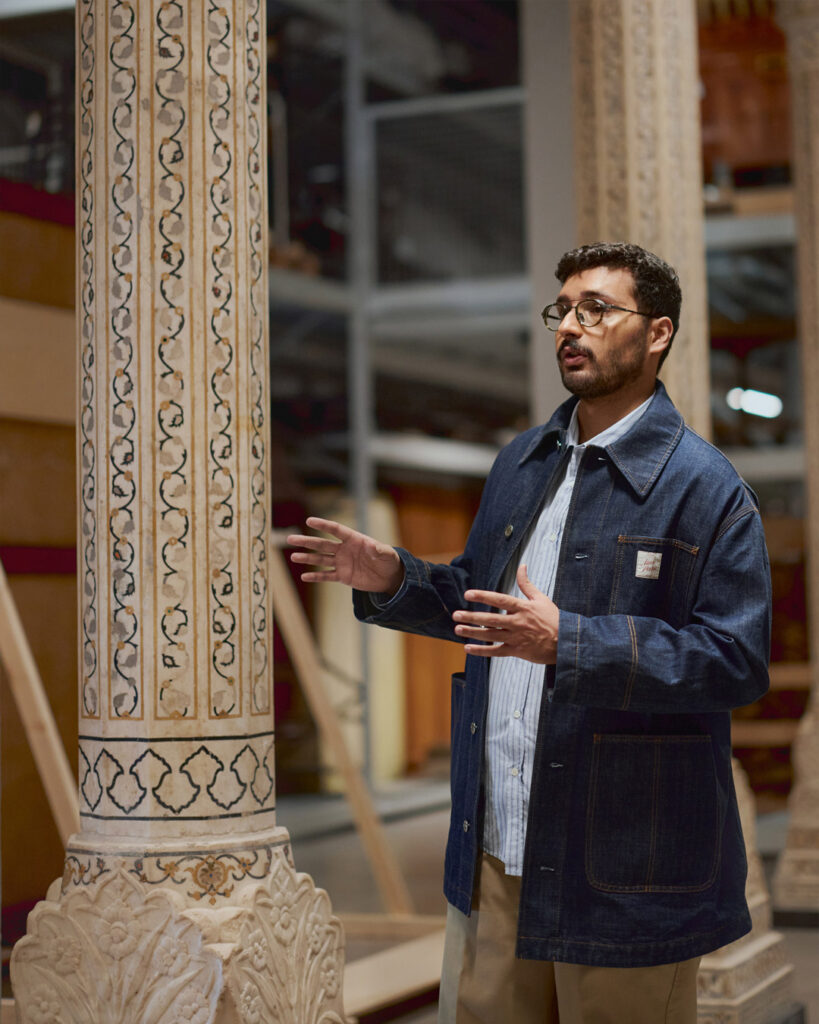
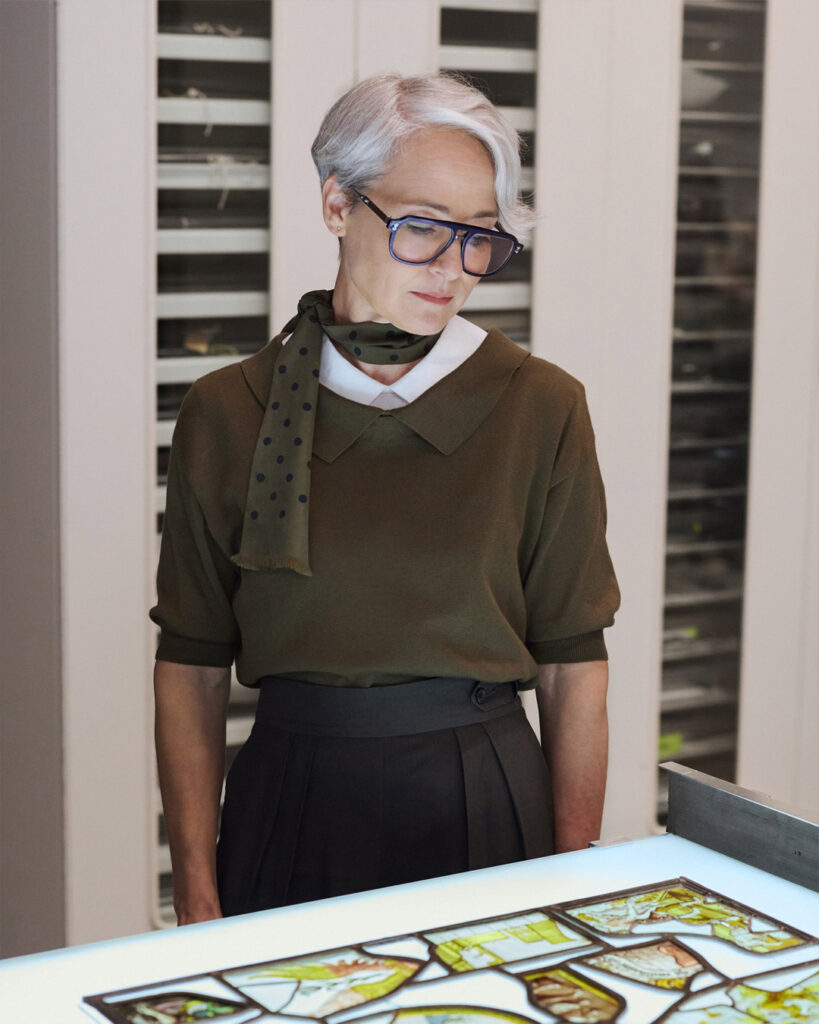
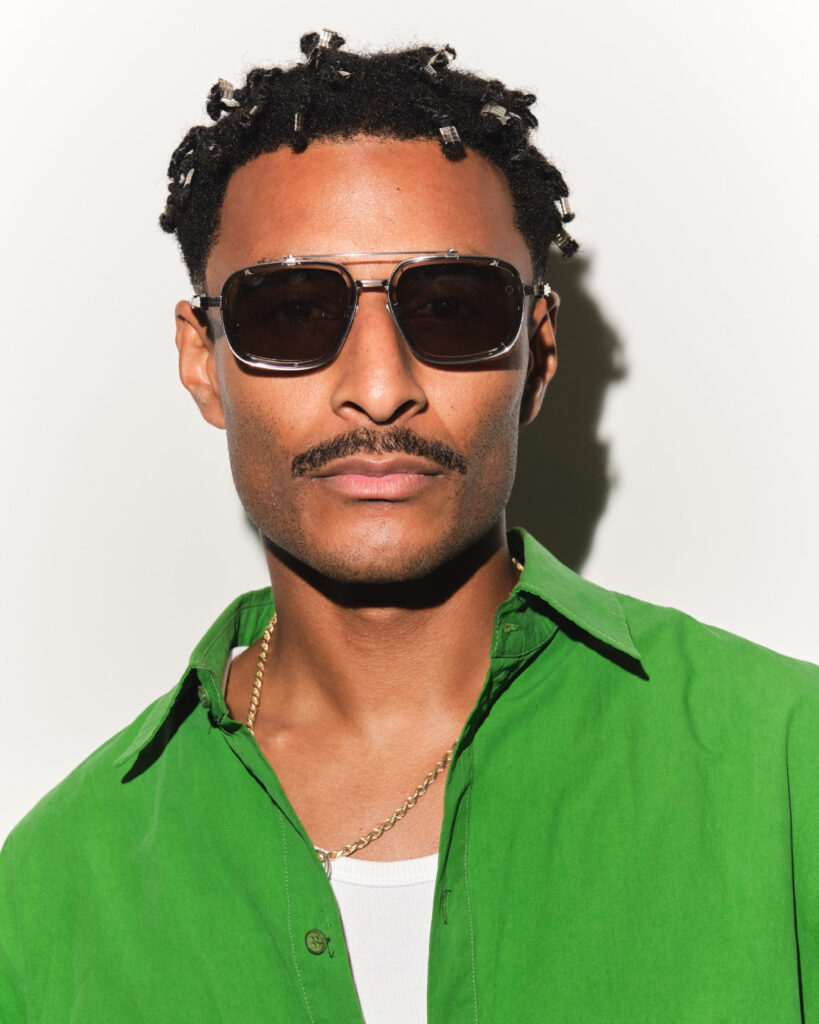
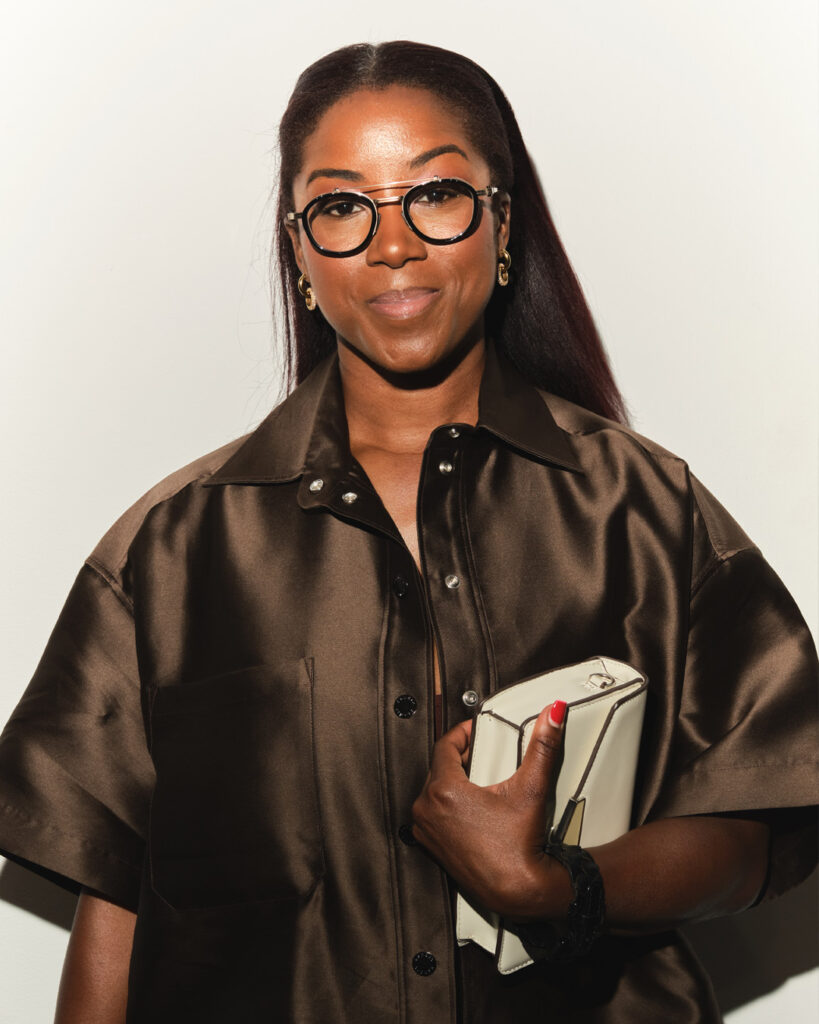
AKONI’s editorial partnership with TANK offers a relevant example. For the latest edition of Framing Visionaries, the project entered London’s Victoria and Albert Museum and invited Anmol Ahuja, Dr. Ingrid Schroder and Tamar Clarke Browne to explore objects, curation, architecture and the preservation of knowledge.
The eyewear is present without dominating the conversation. Instead, AKONI connects itself with craftsmanship, intellectual curiosity and enduring design.

From Product Storytelling to World-Building
Cultural relevance cannot be created through a single fashionable dinner or celebrity campaign. It requires a consistent point of view.
The strongest projects allow a brand to become an editor, convenor or patron. They give audiences something meaningful, even when no immediate purchase follows.
Craftsmanship remains important, but craftsmanship alone is not positioning. Materials and manufacturing become distinctive only when connected to a larger philosophy.
Turning Recognition Into Commercial Power
There is also a commercial advantage to leaving the optical bubble.
When consumers enter a store asking for a brand by name, the optician no longer carries the full responsibility for creating demand. Consumer storytelling and professional expertise begin to reinforce one another.
The retailer remains the trusted adviser, while the brand gains greater control over its identity and becomes less interchangeable on the shelf.

The Industry’s Invisible Advantage
Few products are more visible or personal than eyewear. Frames are worn on the face every day and become part of a person’s identity.
Yet eyewear has often chosen to remain culturally invisible, speaking mainly to itself while relying on opticians and borrowed logos to communicate its value.
For years, the eyewear bubble protected the industry. Now it is becoming its ceiling.
The brands that endure will not simply manufacture better frames. They will build recognisable worlds around them, and give consumers a reason to care long before they need a new prescription.


 English
  French
  Italian
  Spanish
  Portuguese
  German
  Korean
  Japanese