


As Mexico’s optical market expands, the Roma Norte boutique offers independent brands a blueprint for building relevance through curation, hospitality and design.
Latin America’s premium eyewear opportunity is becoming harder to ignore. Mexico’s eyewear market is forecast to grow by 8.7 percent annually between 2025 and 2030, according to Grand View Research. Even the industry’s largest groups are seeing momentum: EssilorLuxottica reported an 8.2 percent increase in Latin American revenue at constant exchange rates for the second quarter of 2025, noting that Mexico had returned to growth.
Yet the region’s more compelling story may be unfolding outside the conglomerate system.
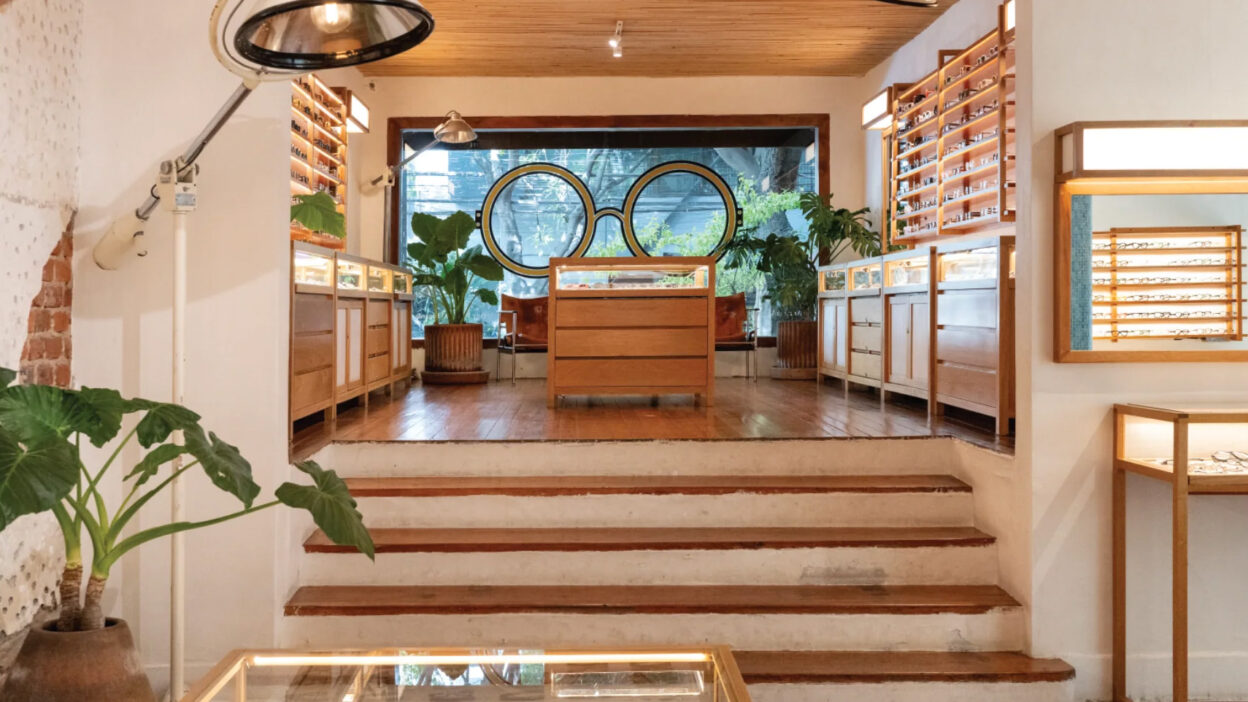
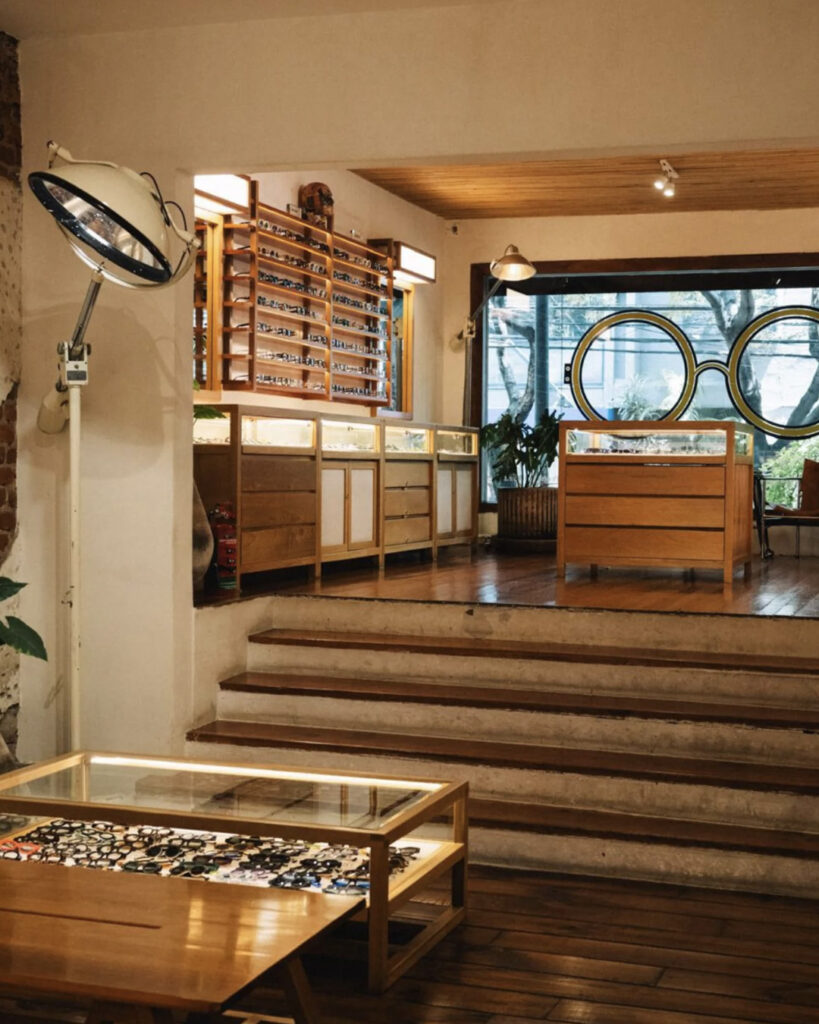
Located on Colima Street in Mexico City’s design-driven Roma Norte neighbourhood, Escópica is part optical boutique, part cultural living room. Founded in 2010 by brothers Diego and Javier Graue, the business grew out of a family ophthalmology tradition dating back to 1898. They describe the concept as a Casa de Visión a welcoming space designed to make choosing eyewear feel personal and unhurried.
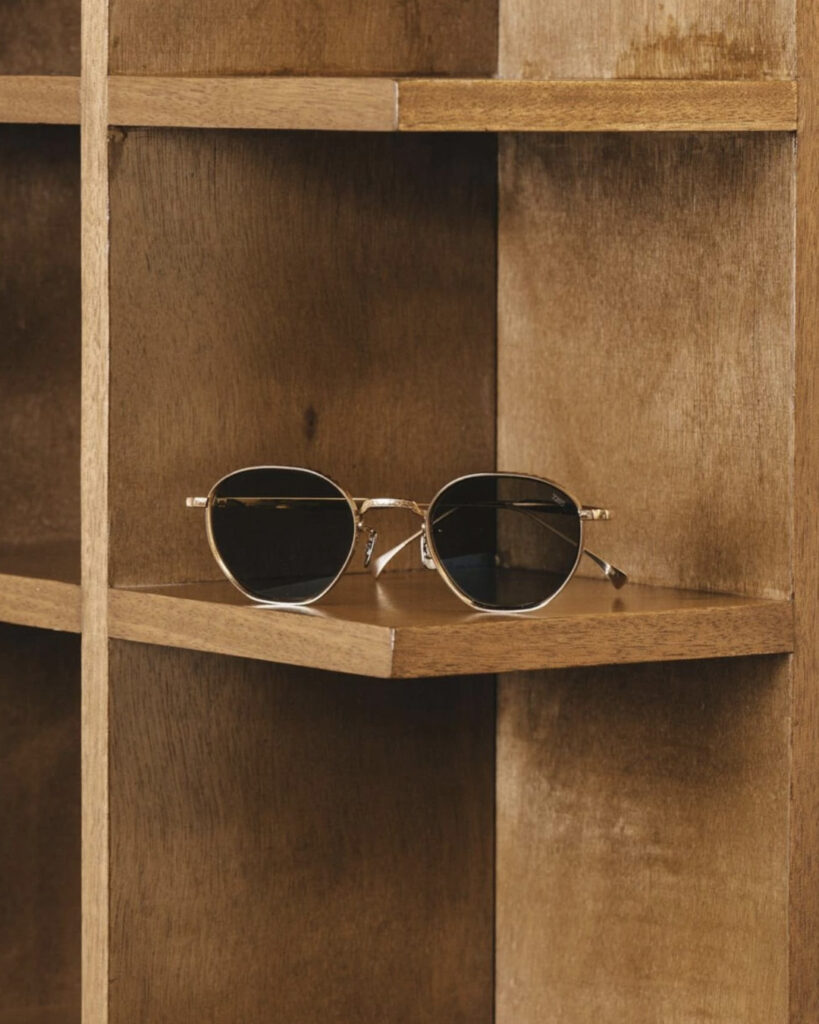
Its selection maps the geography of independent eyewear: French labels such as Ahlem and Anne et Valentin, British institution Cutler & Gross, Japanese specialists Eyevan, and experimental names including Rigards.
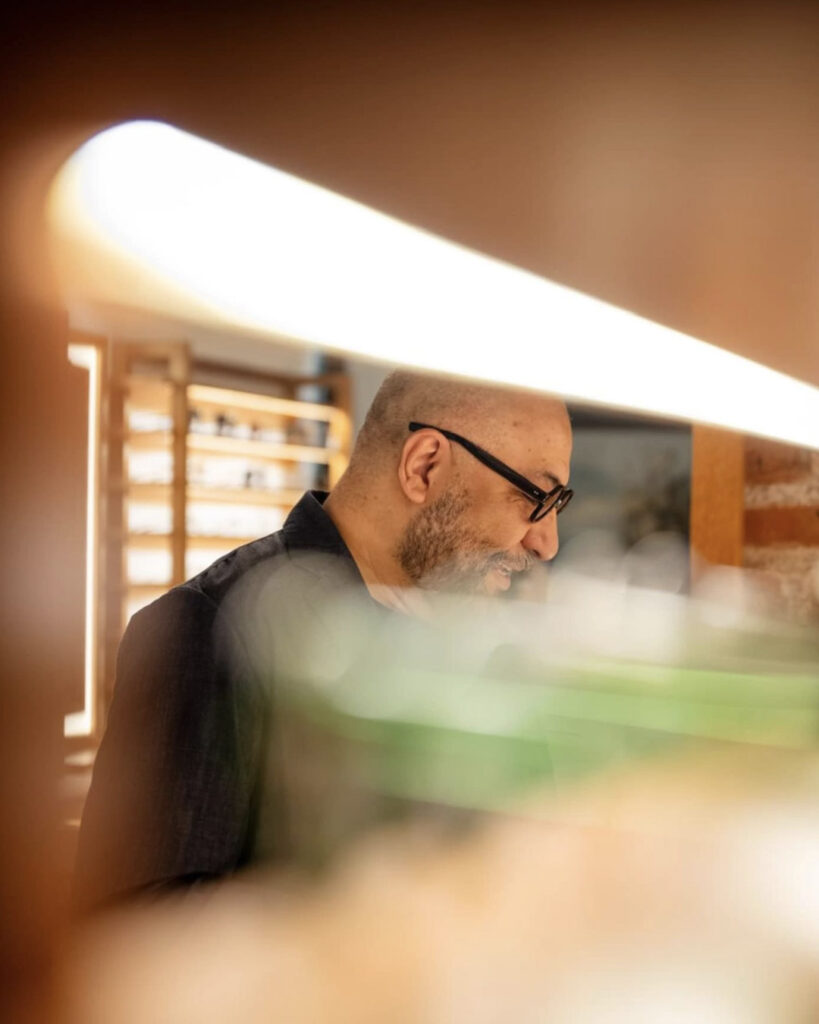
But Escópica’s evolution from curator to creator is particularly significant. After eight years of studying frame construction and listening to customers in-store, the brothers launched Gramo in 2018. Their own label is designed in Mexico City and produced by specialist craftspeople in Fukui, Japan.
Gramo combines Mexican cultural references with Japanese manufacturing precision. Its name brings together the founders’ surnames, Graue and Moreno,while also referring to one of a frame’s defining characteristics: its weight. The brand demonstrates that the flow of eyewear design is no longer exclusively from Europe or Japan into Latin America. A distinctly Mexican perspective can now sit alongside the international names Escópica helped introduce to the market.
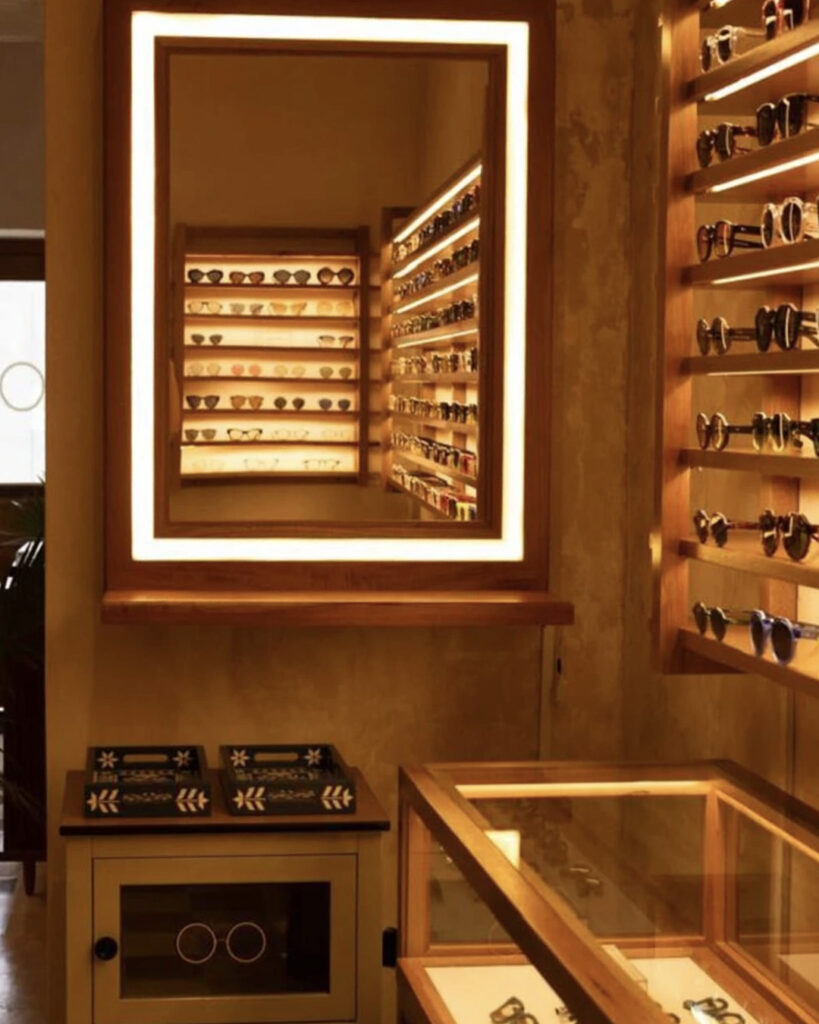
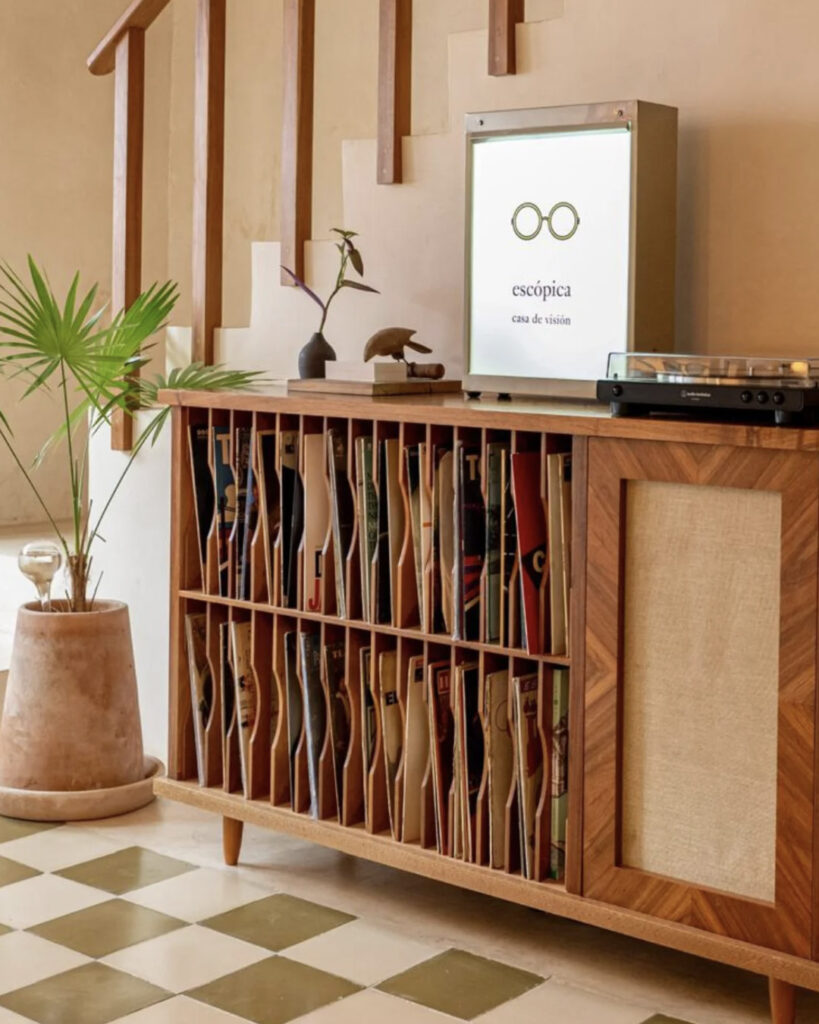
The store experience remains the foundation of the business. An early profile described hospital lamps inherited from the family’s medical past, their grandmother’s jukebox and domestic furniture selected to make visitors feel at home.
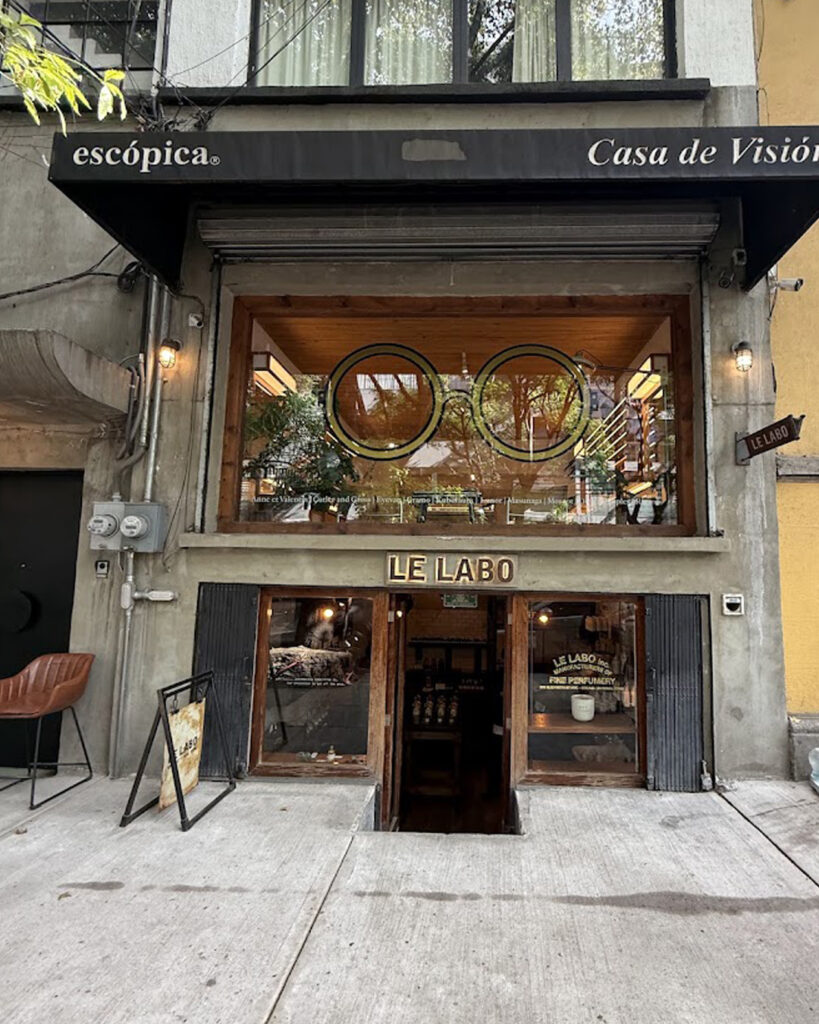
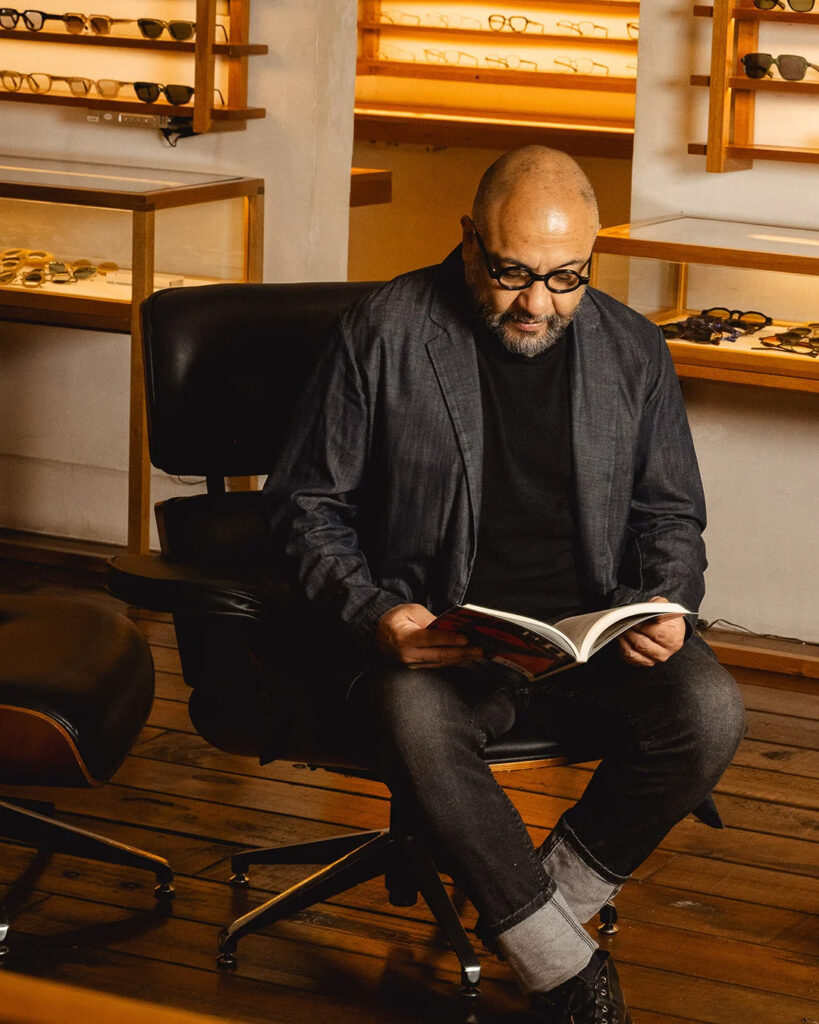
Customers can browse books, listen to music or spend the afternoon over coffee while taking the time to choose a frame. Optometric consultations, precision lenses, repairs and polishing give the concept technical credibility. A recent Instagram post presented a visit as a moment of pause rather than a conventional transaction.
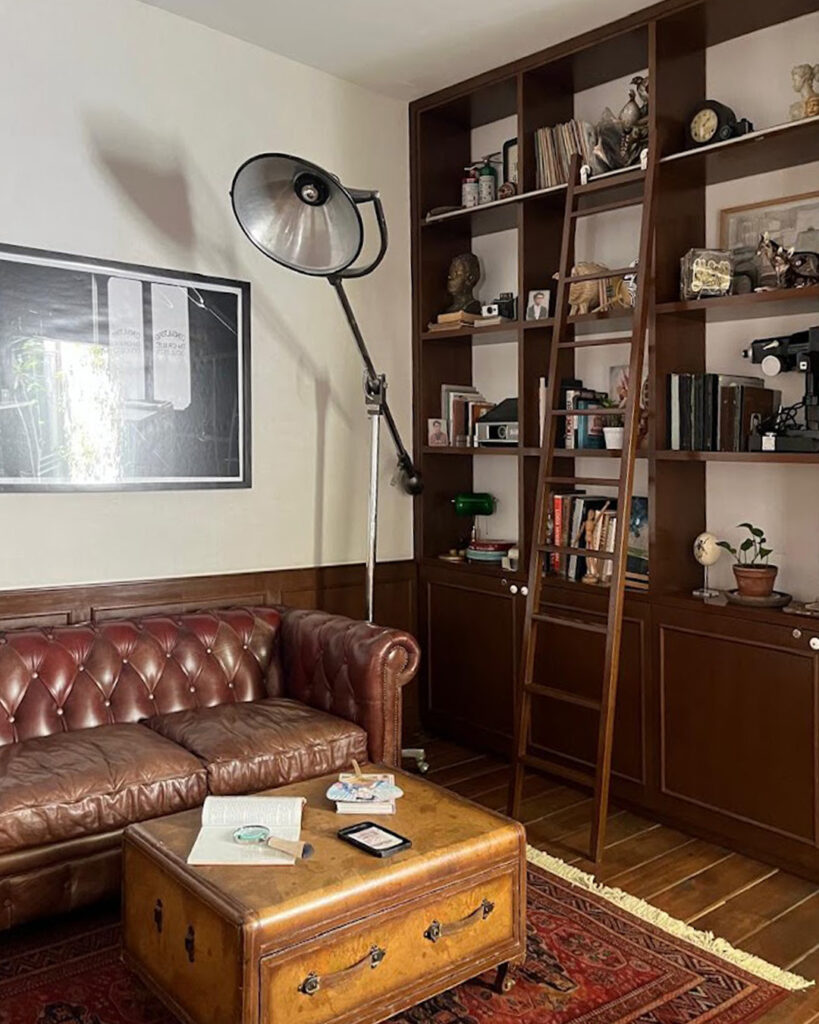
This is not fast retail. It is product education delivered through hospitality.
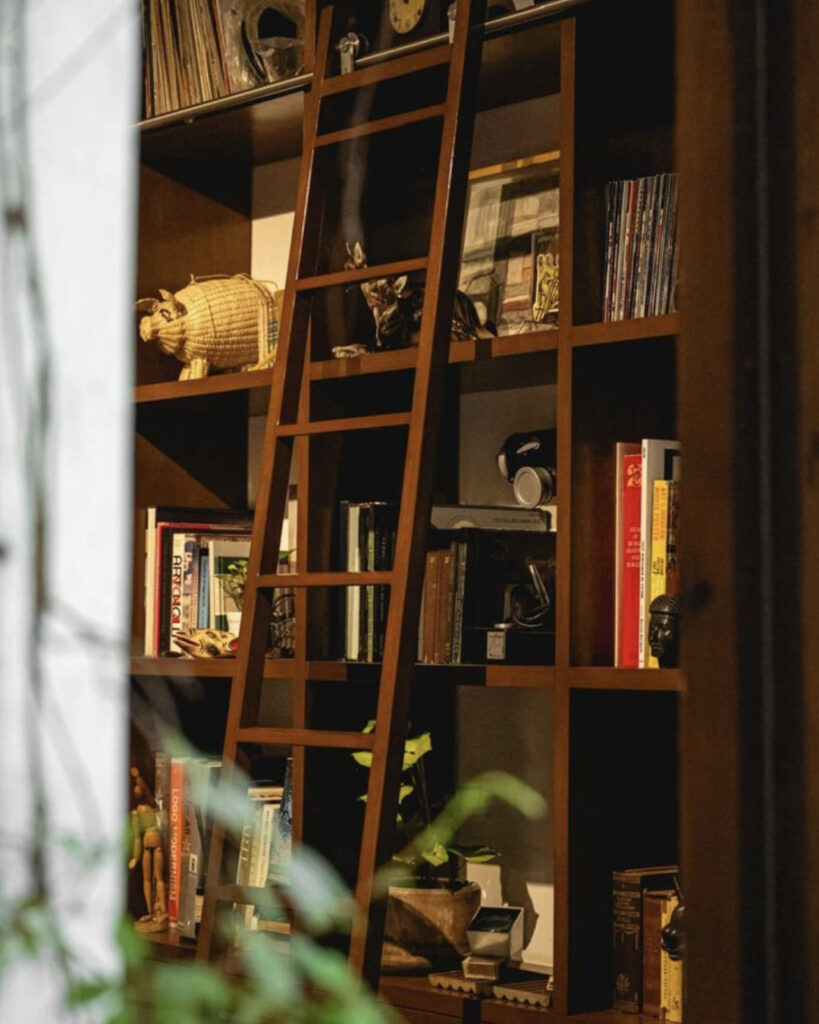
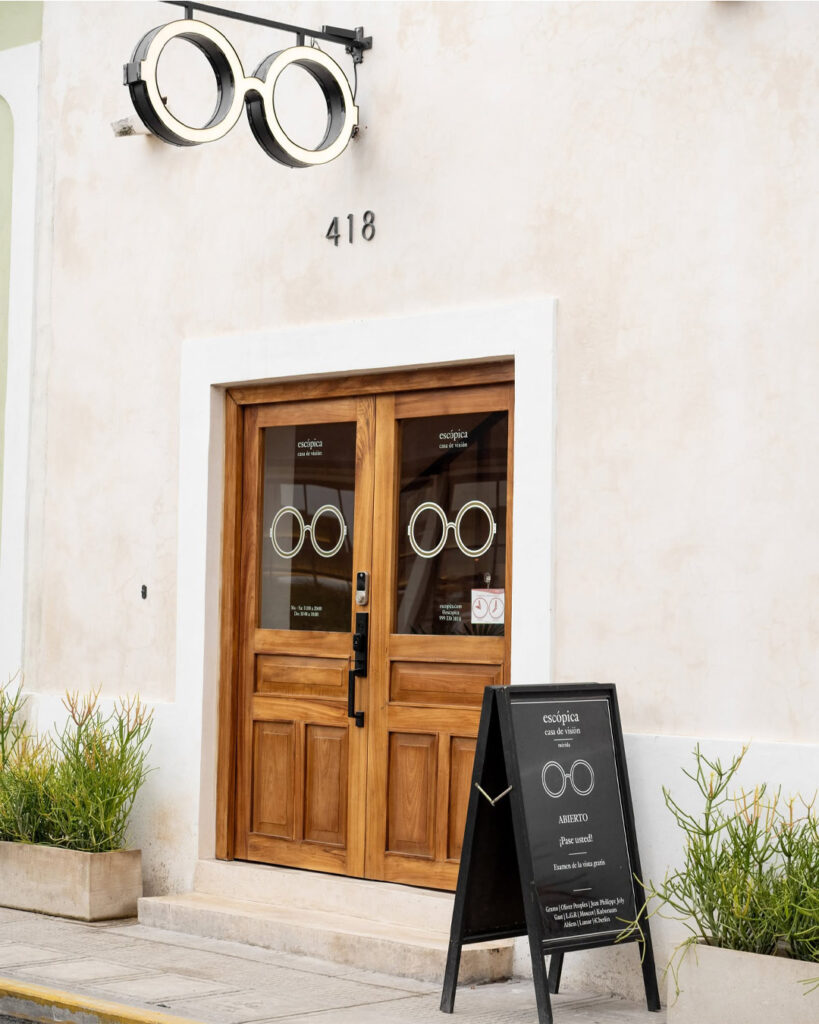
Escópica’s expansion to Mérida suggests that Mexico’s design-conscious eyewear audience is no longer limited to the capital. For independent brands, the lesson is significant: Latin America is not simply another distribution map to populate. The market needs retailers capable of explaining craftsmanship and provenance while translating global design into a local cultural language.
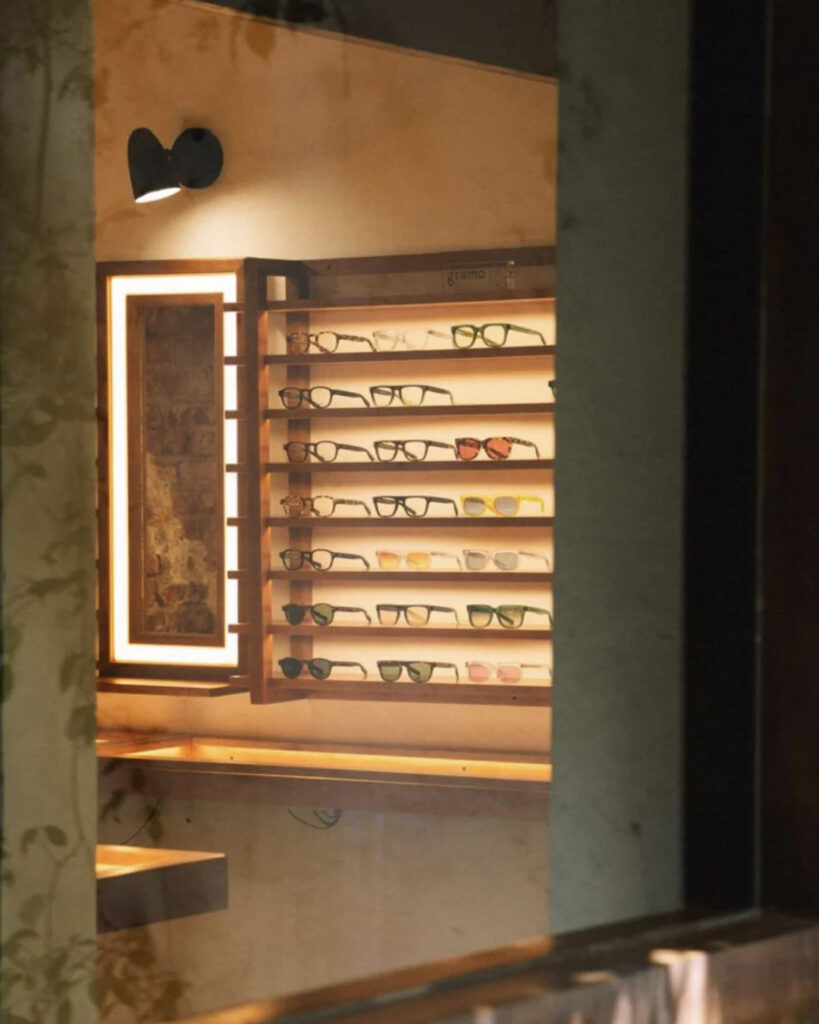
In an industry dominated by licensed logos and standardised chains, Escópica’s advantage is not scale, it is context. The store turns an eye examination into hospitality, a frame into an object of design and a retail address into a community.


 English
  French
  Italian
  Spanish
  Portuguese
  German
  Korean
  Japanese