


The role of the agent is not disappearing, it is evolving. The era in which an agent managed five, ten, or even twenty brands under the label of an “agency,” passively waiting for trade fairs to secure deals, has come to an end. In its place, a new blueprint is emerging: the ambassador model.
Operating with a single brand across a broad territory allows an ambassador to reach places the brand itself cannot access directly. Rather than standing behind a booth waiting for clients and commissions, the ambassador moves into the field building retail presence, shaping storefronts, and creating original, localized content for a network of independent stores. This model already exists, and some brands, such as Moscot, are fortunate enough to benefit from it.

Looking ahead, brands will increasingly connect with boutiques directly, just a click away, supported by their own events and digital platforms. Two decades ago, it was nearly impossible to experience a brand’s DNA online to understand its identity, its retail experience, or the ease of purchasing and returning products within 30 days. Today, that access is immediate. And yet, the internet will never replace the ambassador, but will replace the sales agents.
This new model rejects the passive, commission-driven approach of the past. Instead of representing dozens of competing labels, the ambassador commits fully to one brand across a wide territory embedding themselves in the market in a way no centralized team ever could. They are not waiting for foot traffic at trade fairs; they are on the road, building retail environments, shaping visual merchandising, and producing original, localized content tailored to a network of independent opticians. These ambassadors are tastemakers, influencers for the brand, and curators in their own right. They are not there to upsell you the third brand in their portfolio, nor do they sit back waiting for your call when you need new frames, they’re certainly not here to push you into booking a trade show appointment either.
And this blueprint for a new kind of role already exists a role built for the future. One that will endure beyond AI, beyond the internet, rooted in something that technology cannot replace: human connection. But a human connection that brings value to both the brand and the store.

We discovered Stanislas Balp and Ivana Benkotić-Balp on Instagram, through their page: The Eyegency. We have been following them for a long time, consistently seeing Stanislas on the road, visiting new stores with his 360° camera creating content, capturing the effort behind the scenes, and documenting it all in a highly engaging and entertaining way.
We wanted to uncover the story behind this journey. Below, you’ll find their unedited story, along with their perspective on the industry.
Through their content, they do far more than document they actively create marketing for both partner stores and Moscot, in a way that is unique, original, interactive, and consistent.
At the same time, it becomes a true retail experience. If I were a retail architect, I would follow their stories with great interest. You can see each store from end to end how it is positioned, how customers enter, how the space is structured in a normal day-to-day setting.
There is an enormous amount to learn from what they do from business and retail strategy to merchandising and in-store execution.

1. When did you enter this industry, and what motivated you to do so?
I started my journey in the eyewear industry in 2014, when I joined Baumvision Europe. It was somewhat by chance, although I do have a sales and marketing background. My wife Ivana, our daughter and me, had just moved from Paris to Vienna and without speaking German, there were limited job opportunities for me out there.
At that time Baumvision was distributing MOSCOT, BARTON PERREIRA, LEISURE SOCIETY and PAUL FRANK in Europe. I ended up doing customer service for the French speaking markets. After a year there, I was given the opportunity to take my first steps in sales representation for MOSCOT on a small territory, in addition to my position.
Working at Baumvision was a great experience, as I got to learn and educate myself about the industry with a very cool team of people, as well as some of the top agents representing the company’s portfolio of brands.
When I heard that MOSCOT would start their own distribution company in Europe in 2016, I wrote Harvey Moscot to apply for a position, since I had become a huge fan of the brand.

2. We were very impressed by the content you create. Approximately how many kilometers do you travel each year?
Thank you, it is much appreciated! Since I started representing MOSCOT, I always wanted to add my own distinctive identity to our agency’s social media presence. The idea was to not just repost what MOSCOT was posting, but rather share my own experience within working for the brand. I started with a fisheye/macro lens mounted on my phone and as technology evolved, I wanted to document it with videos. I have put a lot of effort in the content I shared online, from planning, shooting to editing. This represents hours of work, but to me it has always been more of a hobby than actual work. I really see it as a diary of my journey with MOSCOT.
In regards to the kilometers I do every year… I get that question often and honestly I stopped counting. As they say “when you love, you don’t count the cost”. In between, flights, roadtrips by car and train, it is probably somewhere around 40.000 kms a year…

3. We’ve seen that you represent Moscot in many countries, has language ever been a barrier for you?
Luckily, not really. When I started, I was in charge of half of France (south) and the French speaking part of Switzerland, so my mother tongue. Then we expanded to the rest of Switzerland and Austria (and later Croatia and Slovenia), followed by northern parts of Germany. I was fortunate to be working with markets (and partners!), where English is well spoken. But after a while and as my German improved, I also started doing meetings in German. Of course when I do not know a word I will say it in English, but I really try to speak the language of the optician I have a meeting with.
Ivana, who is now co-owner of the agency, speaks Croatian and German, besides English and French, so that also helps a lot and it was very complementary to my language skills.

4. How do you plan and organize your travels?
From 2016 till 2021, I was working on my own but after COVID and having obtained more territories, I have asked Ivana to join forces with me, in order to be able to manage everything (on a personal and professional level).
We plan client visits following the course of tradeshows, buying habits and seasonality of the areas we are in charge of. For instance, the tourist destinations have different timelines and needs compared to bigger cities. However, the idea is to visit each client when a new collection comes out. Moreover, we always try to prioritize clients that we have not seen in the longest time.
In terms of logistics, I either drive or take the train, if the client is not too far away. Sometimes I use motorail (car on the train), but unfortunately this offer is very limited these days. Otherwise I fly and then rent a car upon arrival. We try to organize the most logical and efficient itineraries in terms of time, distances and costs, although, depending on our partner’s schedules, this does not always work out perfectly.
5. Do you have a back-office team supporting your activity for Moscot?
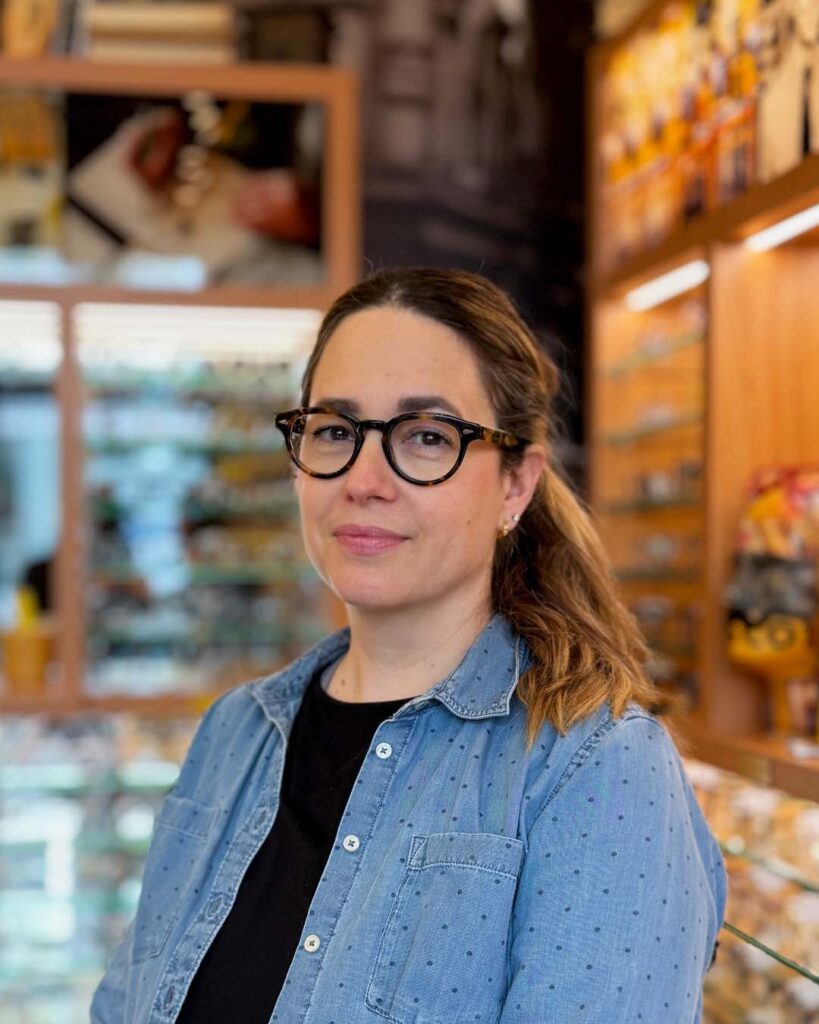
Ivana is playing an important role in our agency, since she is managing everything when I am on the road. She has a tourism and marketing background, which is very useful for our work.
And of course, we also have the support of the customer service, marketing and finance team of MOSCOT Europe. The brand really put together an amazing group of people working in the HQ in Lugano. They work tirelessly for the opticians, as well as answering all of our questions or helping us find solutions. To have survived 111 years in the business you must put customers first.
6. How did the idea of creating 360° videos start, and what motivated you to pursue it?
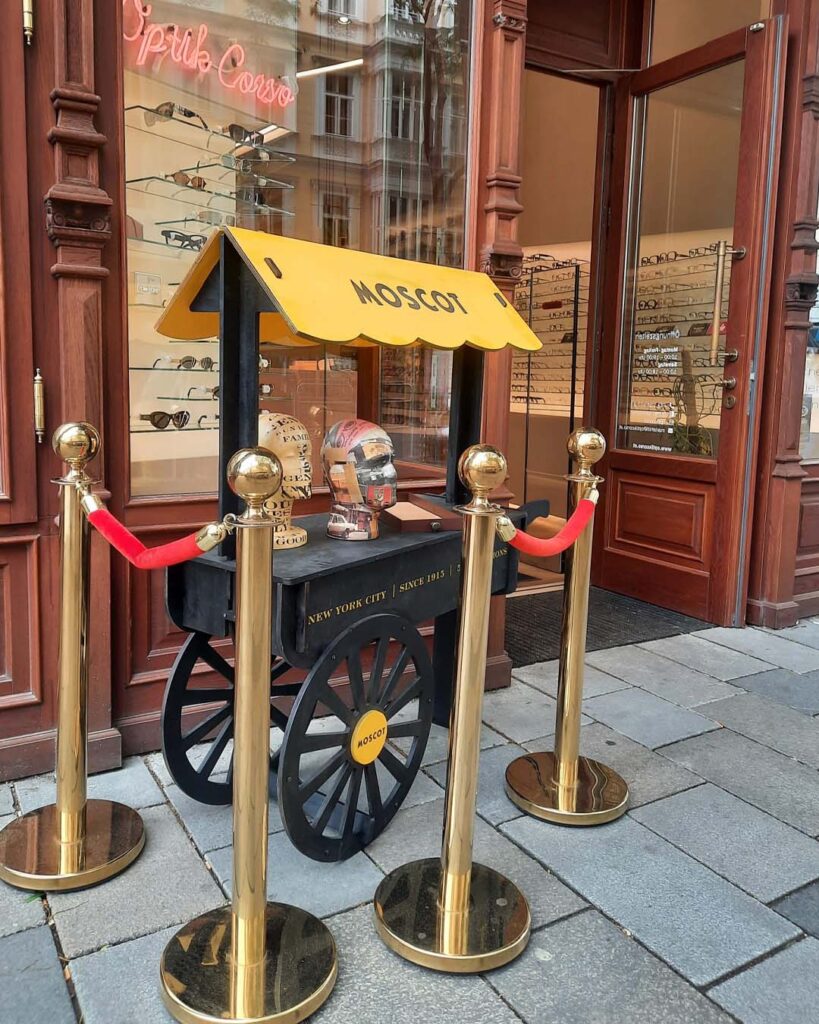
This brings me back to 2018 when I saw my first 360° picture – also known as tiny planet and how I originally got into this – I was completely amazed and wanted to replicate it in the shops I was visiting. As video quality improved, I started creating “virtual tours” of our partner opticians in 2019. The idea was to portray their shops and the way they present the MOSCOT products. On the other hand, the opticians appreciate the videos, which I also gift to them.
This “shoot first, reframe later” opens up creativity and using 360° footage, became kind of a trademark of my work on social media. I am constantly experimenting and I later started using a tiny camera, that can be worn for POV shots – here the idea was to create immersive videos of what it is like to be “in my shoes” as an eyewear sales rep, as well as a pocket gimbal camera that allows me to shoot MOSCOT products, almost as a professional videographer would do.
I have spent much time perfecting different types of content creation, in order to tell my story and differentiate our agency.
7. How do you see the current state of the eyewear industry and market?
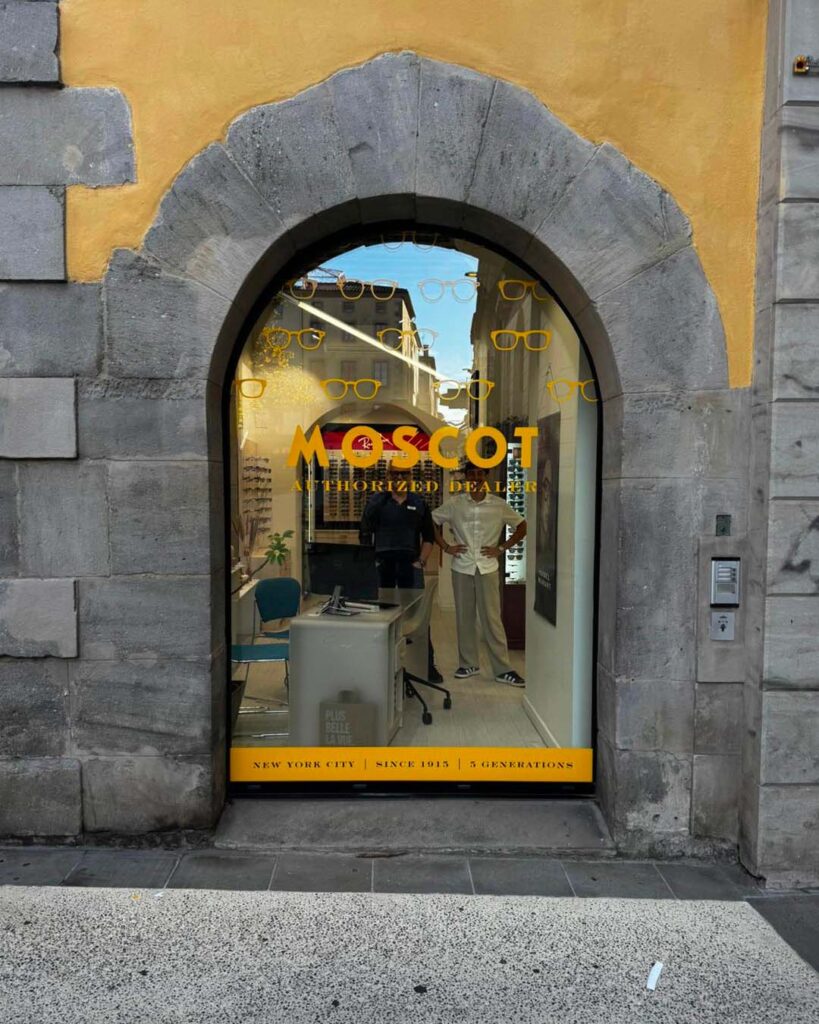
We have mixed feeling about this question because we can only see it through our experience with MOSCOT and not through multiple brands like other agents. MOSCOT has not been participating in tradeshows since 2020 and has decided to pave their own way. This shows consistency with the brand identity, as well as not conforming with expectations of others. We have the same way of seeing things. I prefer presenting the collection to our partners in their shop, where they feel comfortable and they have access to their stock and sales data. Plus window projects and displays can be discussed on-site and I can obviously also film their shops – even though it means more mileage for me.
We do our job with a lot of fervour and I think you can as well see it in our content online. COVID also taught us to be proactive, so we are always anticipating new releases with newsletters and videos, where we present the upcoming frames or latest news of the brand. We think this proactivity is key to building up a strong relationship with our partners and they can see that we are passionate about what we do.
8. Why did you choose Moscot? What inspires or excites you about the brand?
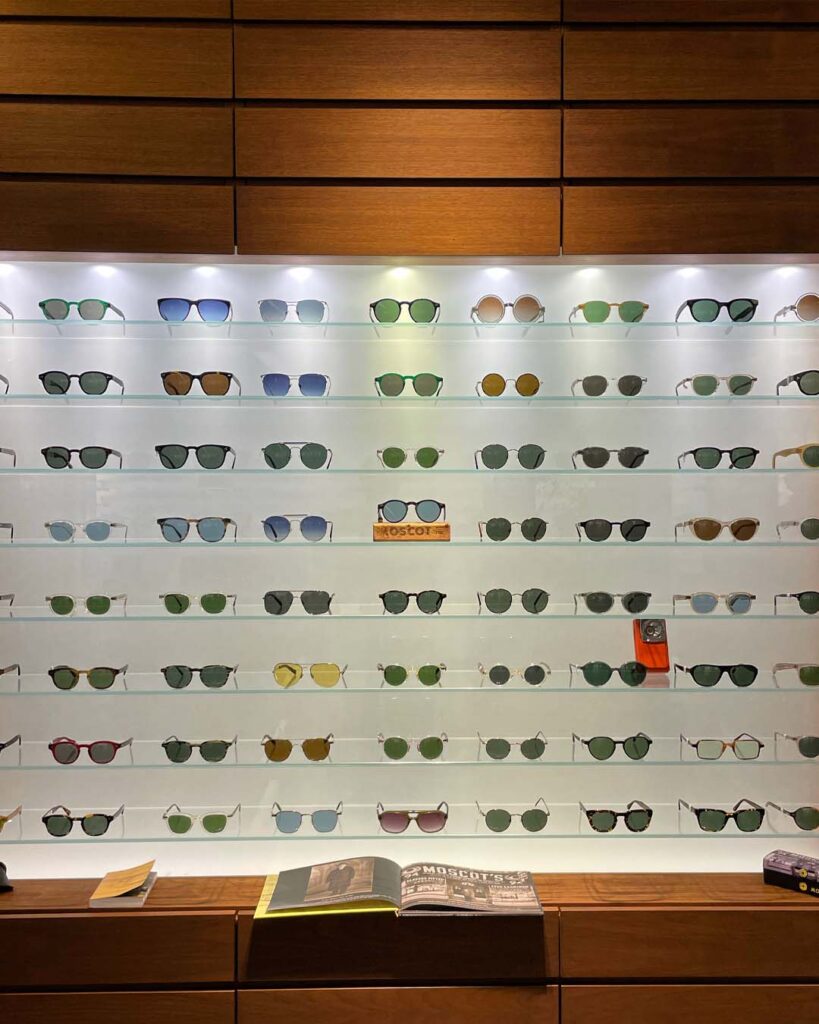
I am very grateful that MOSCOT gave me the opportunity to work for them back in 2016. Ever since then we have been working very hard to be the best brand ambassadors we possibly can be. As mentioned earlier, I became a fan of the brand as soon as I discovered it in 2014. MOSCOT’s history, its timeless design, its family heritage and the values that Harvey and Zack are perpetuating, are completely what we stand behind.
Traditionally our fellow colleagues in sales representation are managing a portfolio of several brands in a specific area, when at the contrary, we were able to stay with just one brand but therefore expand our territories. We are very proud to be working for such an established brand, that managed to embrace the changes and the challenging times we have been through in the past years. We are also very grateful for the opticians we are working with across Europe. Whether they are big or small partners, we treat them equally and push ourselves to give them the best service possible.
9. How many clients do you work with annually, and how do you usually find them?
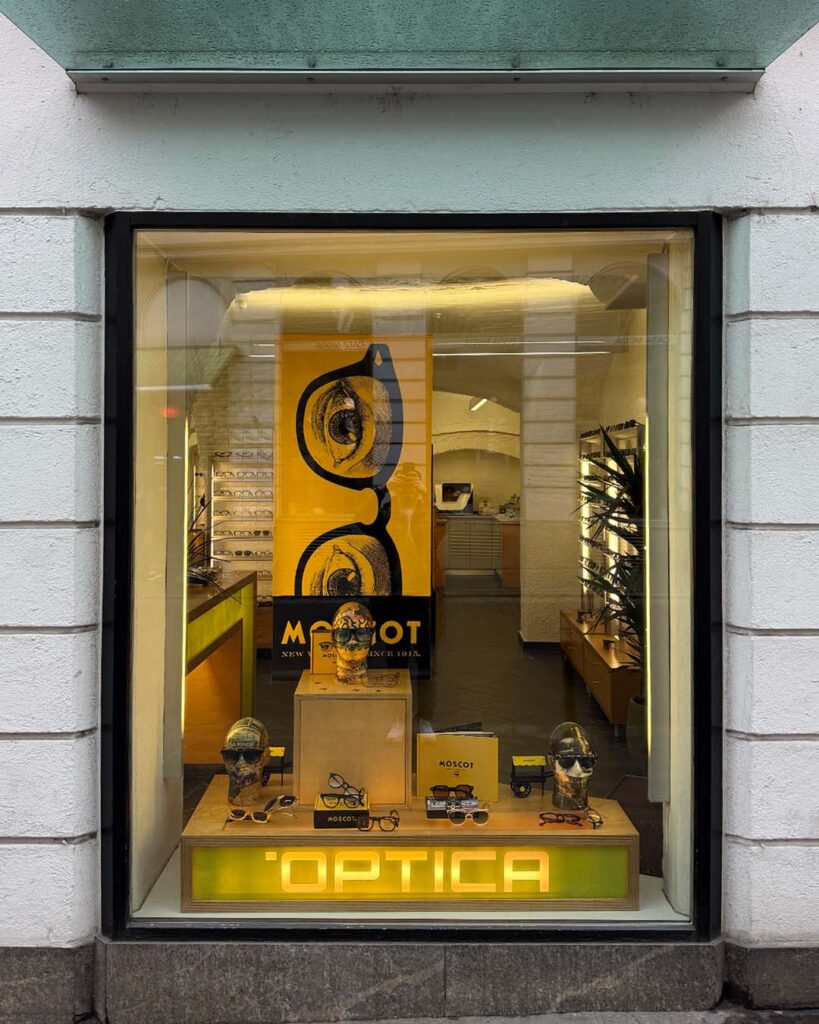
The agency is currently managing around 250 accounts across six countries in Europe. Since September 2025 we have expanded our team, with the arrival of an ex-colleague of mine from Baumvision Europe, Laurent Wagner. Our motto is to be very reactive and provide answers and solutions, as fast as possible to our clients. The arrival of Laurent has helped us maintain this quality of service.
When it comes to finding new opportunities, we are mostly contacted by optical shops that wish to carry the brand. However we also reach out to shops that we feel would be a good match for MOSCOT, if they are in areas where we do not have a reseller. We tend to be selective in terms of geographical distribution, since we give our partners a large catchment area, as well as exclusivity.
10. How do you see the eyewear industry evolving over the next 10 years?
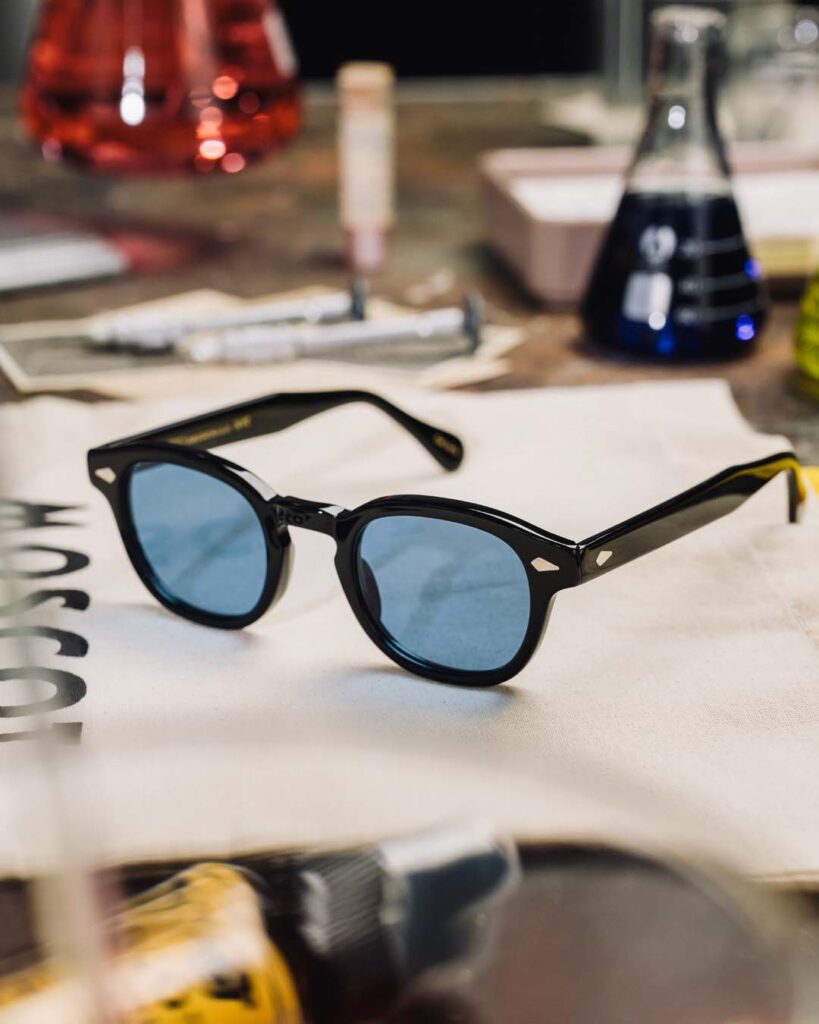
Once again our perspective is very much from inside our bubble. We think that the next 10 years will accelerate the switch into differentiation. Independent stores are moving away from big players and luxury conglomerates and would rather work with real independent brands that have a story to tell, craftmanship and strong values. We are already working with many opticians that embraced this philosophy and that are focusing on less brands but working each collection more in depth, offering a wider variety of styles, sizes and colours from the few they have in store.
The dominance of digitalization will push the development of smart glasses and there will be a shift towards such solutions but we believe that eyewear will always stay a personal feeling driven by design and comfort and not connectivity.
Conclusion
The future, instead, belongs to those who choose depth over breadth.
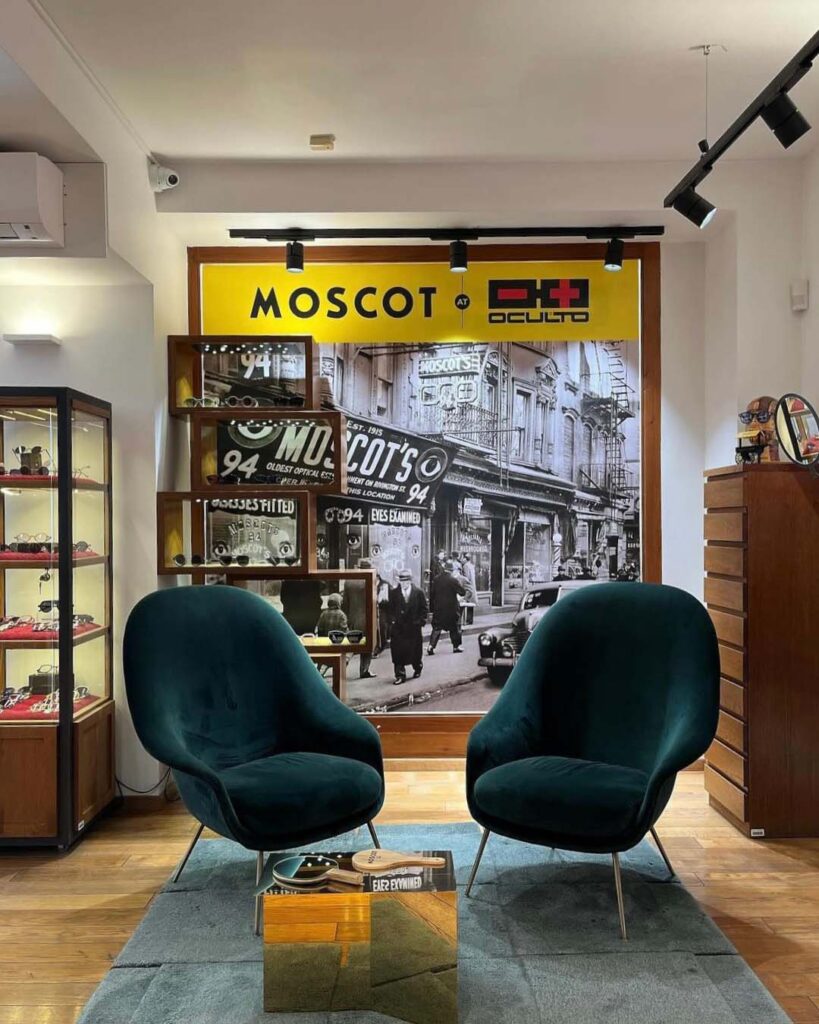
To those who cross six countries not to close quick deals, but to create a continuous presence. To those who document the journey, producing original content that turns distribution into narrative. To those who support retailers not occasionally, but constantly 24/7, as partners rather than suppliers.
At its best, this role becomes something else entirely: part strategist, part storyteller, part entertainer.
So why hasn’t every brand embraced this shift?
Because the market isn’t fully ready. The optician, in many cases, is still catching up.


 English
  French
  Italian
  Spanish
  Portuguese
  German
  Korean
  Japanese