

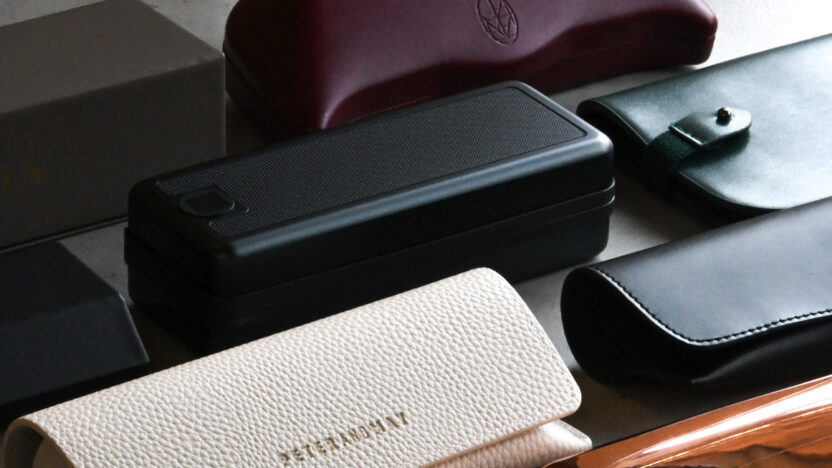
In January, we warned that more than 60 percent of optical stores could face bankruptcy within 24 months.
Why are opticians selling fewer frames? The economy offers part of the answer. France has entered a technical recession after two consecutive quarters of falling GDP. The decline in the second quarter was small enough to round to zero in the official figures. In the third quarter, GDP fell by 0.2 percent.
We would add something closer to home. When an optical store tries to meet every customer’s needs, it can lose the very thing people came for. There may be more frames on the wall than ever, yet fewer reasons to walk through the door.
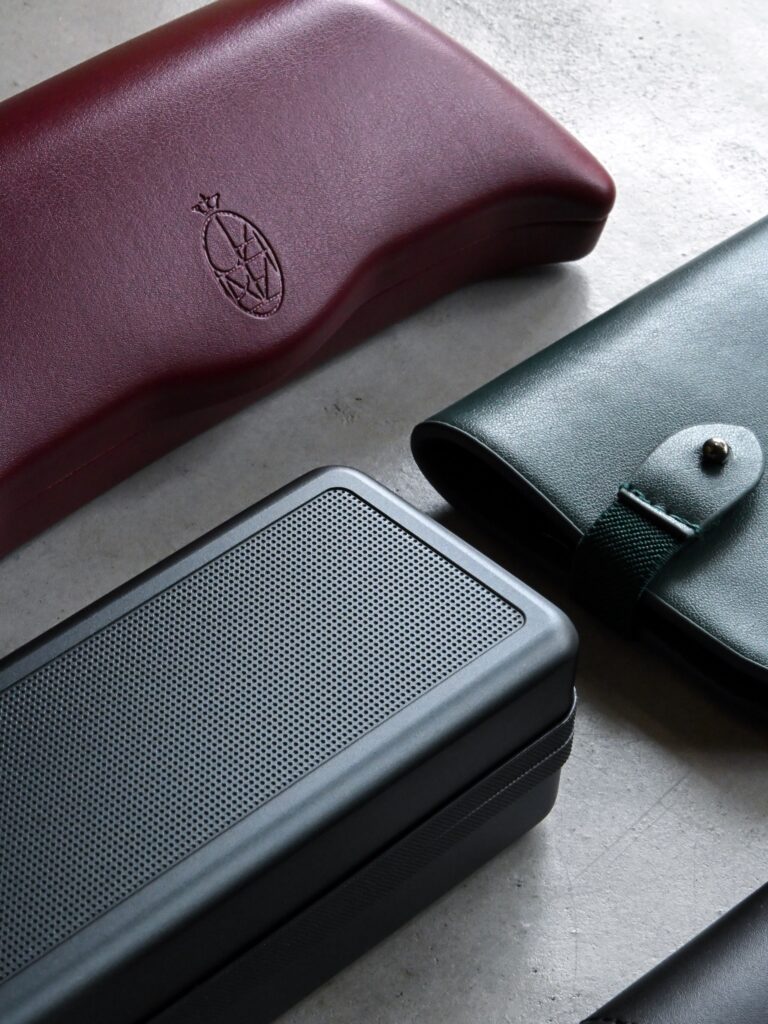
A decade of eyewear is coming to an end
Around 2014 to 2016, after years in which Oliver Peoples, Persol and Barton Perreira had helped define luxury eyewear, a different generation found its audience. Jacques Marie Mage, AHLEM, Kuboraum and, later, LAPIMA shaped the taste of independent optical stores for the better part of a decade. Today, those brands have reached maturity. Look through an exhibitors’ list from one of the fairs of those years and you will also see how many names disappeared along the way.
Eyewear is a slow business. People do not buy glasses every month. The industry tried to give frames the shelf life of a fashion season, but the customer who loves a pair enough to wear it every morning may be perfectly happy with it two years later. For the optician, the cost of that mismatch is sitting in the stockroom.
Another major issue few in the industry are willing to discuss is that the eyewear brands that defined the past decade are following in their predecessors’ footsteps. They have begun opening their own stores, putting them in direct competition with the independent opticians who helped build their success.
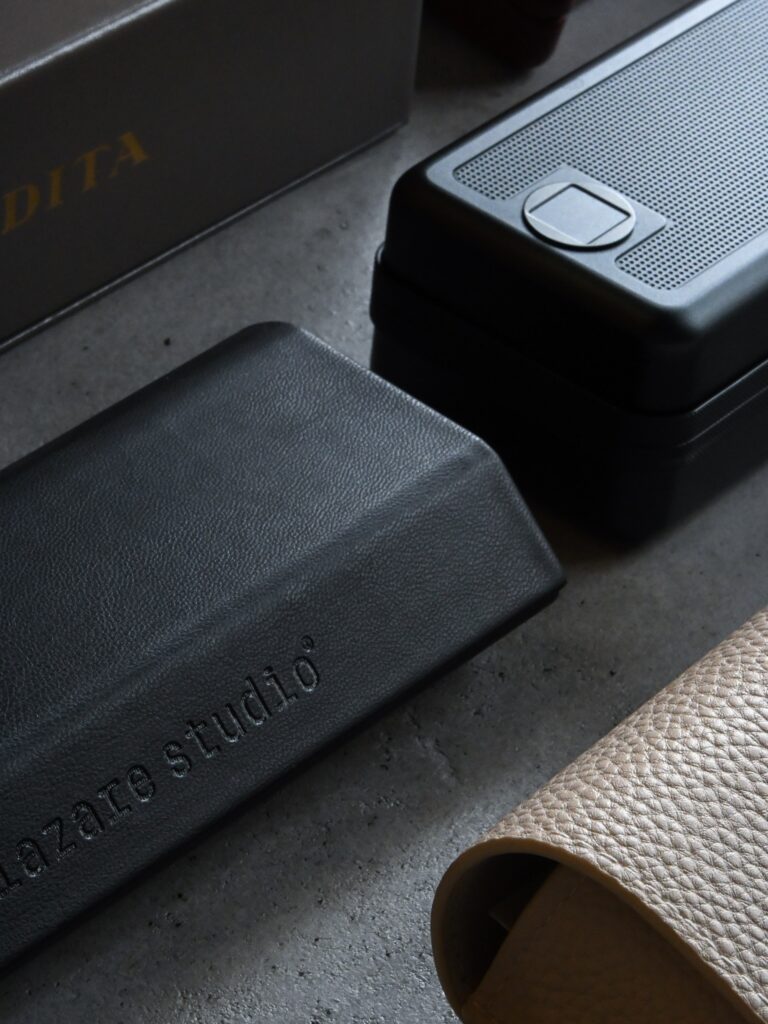
The customer who was a child is now an adult
So what has changed in ten or twelve years? For one thing, the child who once came into the store with a parent is now choosing a frame of their own. They grew up on social media. Before meeting the optician, they have probably already met the store on Instagram. Too often, that first impression is a handful of supplier photographs that could belong to any shop in town.
The same distance shows up when a new collection arrives. Some opticians took on Jacques Marie Mage for the status, the positioning or the friendship they had with the agent. They assumed the frames would sell themselves. What they lacked was a community of collectors, the confidence to explain the product and, in many cases, even a mailing list organised around what their best customers liked to wear.
We see a similar pattern today. A young label can hire a former Jacques Marie Mage agent, borrow a familiar aesthetic and find its way into the ten or twenty stores where that agent knows the owners personally. The real test comes a few months later, when those stores decide whether to order again. Eyewear agents are struggling to keep up. They’re turning to social media and creating content, but those efforts have yet to translate into sales. The eyewear business is changing.
The new wave of independent eyewear brands has reset the market. Sato and The Other Glasses interest us because each has its own creative direction, visible in how it designs, develops and presents its frames.
Paloceras, in our view, illustrates the risk of chasing the next wave of hype after an original idea has already caught people’s attention. When that next wave fails to arrive, a brand can find itself waiting for the very industry it pays for publicity to create the excitement on its behalf. Building a profitable eyewear brand takes years. Anyone who has opened an optical store from scratch knows the feeling.
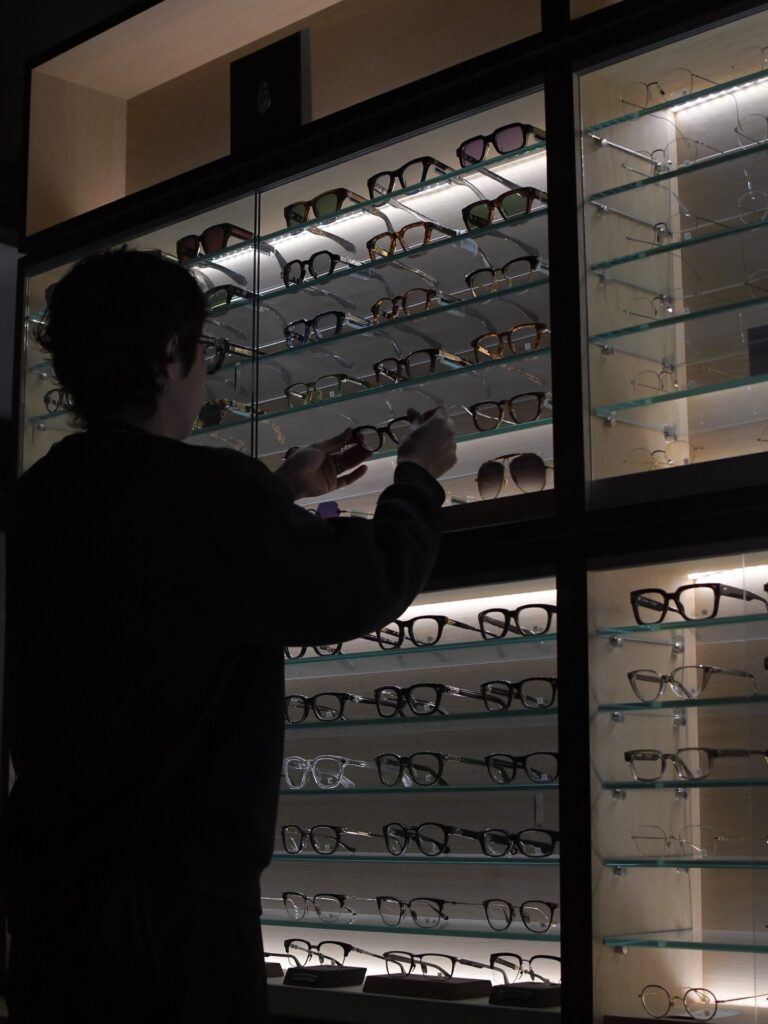
What people want to wear next
What makes this period especially difficult is the timing. Confidence is lower, cash is tied up in unsold stock, and larger groups continue to buy stores. All of this is happening just as taste is changing.
In South Korea, Japan and Taiwan, with China following closely, we already see a preference for simpler frames whose identity lives in the details. A lighter temple, a finer rim, a bridge that sits comfortably through a fifteen-hour day. These are qualities a customer appreciates long after the novelty of a new pair has worn off.
For an independent optician, the place to begin may be closer than the next trade fair. Look at what your regulars bought, remember what they wished fitted better, and keep a list of the people who would genuinely care about the next release. Sometimes the most persuasive thing a shop can say is also the simplest: “You told me you loved your last pair but wished it were a little lighter. This one came in yesterday, and I thought of you.”


 English
 French
 Italian
 Spanish
 Portuguese
 German
 Korean
 Japanese
 Dutch