


In the world of avant-garde eyewear, beauty has never been about perfection. It has always belonged to the strange, the unconventional and the emotionally charged object pieces that challenge the wearer rather than simply decorate them. For years, much of that territory has been dominated by Kuboraum, whose masked philosophy transformed eyewear into identity and performance. But another name has steadily moved from the underground toward a wider global audience: Rigards.
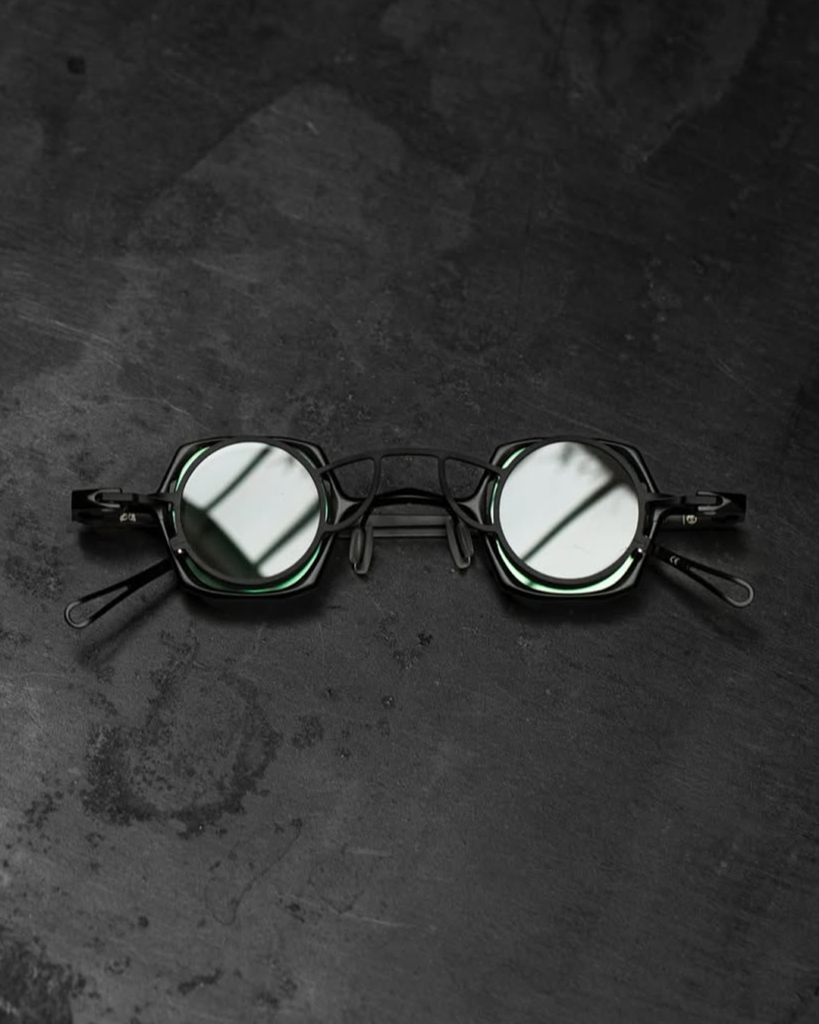
Founded in 2012 by Ti Kwa and Jean-Marc Virard, Rigards entered the market with an entirely different proposition. Rather than chasing trends or polished luxury aesthetics, the brand focused on raw craftsmanship, nonconformist design and unconventional materials. Natural horn, sterling silver, copper and hand-finished textures became part of its visual language, creating frames that felt closer to sculptural objects than fashion accessories.

Rigards operates in a segment where products are rarely bought solely for function. Consumers are investing in narratives, ideology and identity. The company itself describes its aesthetic as being drawn toward forms that are “not conventionally beautiful,” with inspiration coming from textures and imperfections found in nature.

That positioning matters because the luxury market has increasingly shifted toward communities rather than categories. Consumers no longer merely buy eyewear; they buy into worlds. The distinction may seem subtle, but it explains why some independent labels evolve beyond products and become cultural symbols.
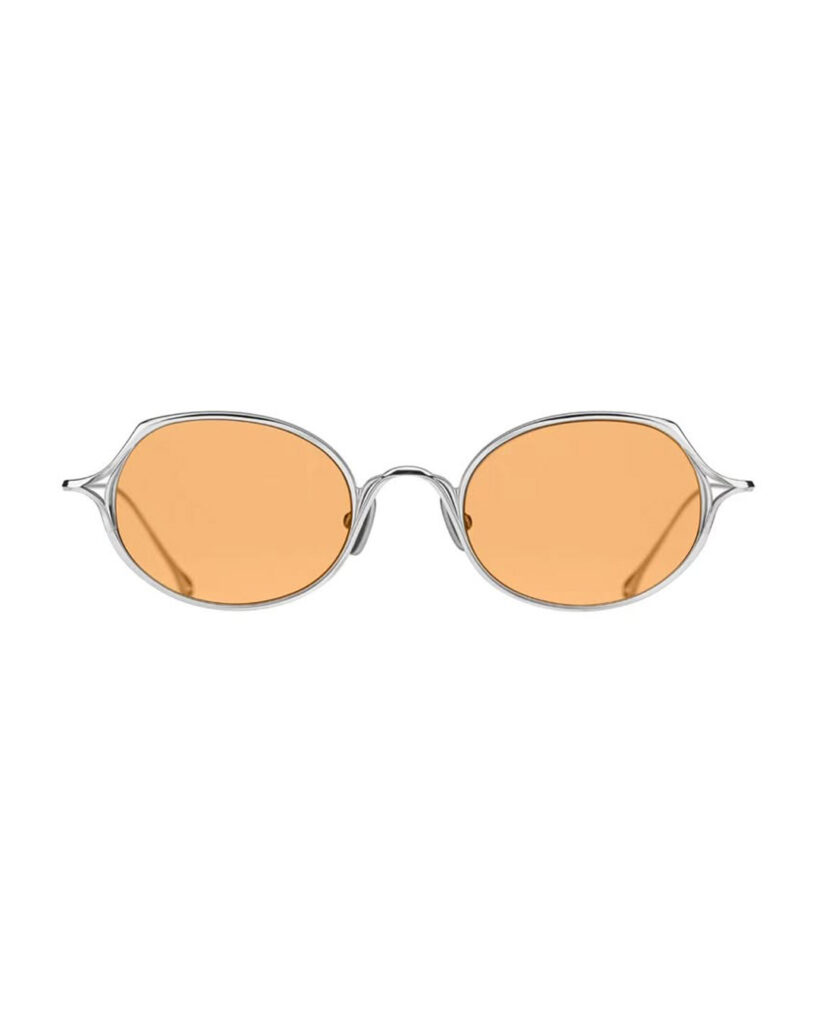
Rigards increasingly appears to belong to that category.
It is becoming less of an eyewear brand and more of what fashion increasingly calls a cult brand labels that build intense loyalty through shared aesthetics and values rather than mass visibility. The same dynamic helped elevate brands such as Rick Owens or Boris Bidjan Saberi from niche communities into influential cultural forces.

The interesting question is no longer whether Rigards has design credibility. It clearly does. Its collaborations, handcrafted processes and strong visual identity have already secured that position.
The more interesting question is whether Rigards can evolve its digital presence to match the strength of its physical product.
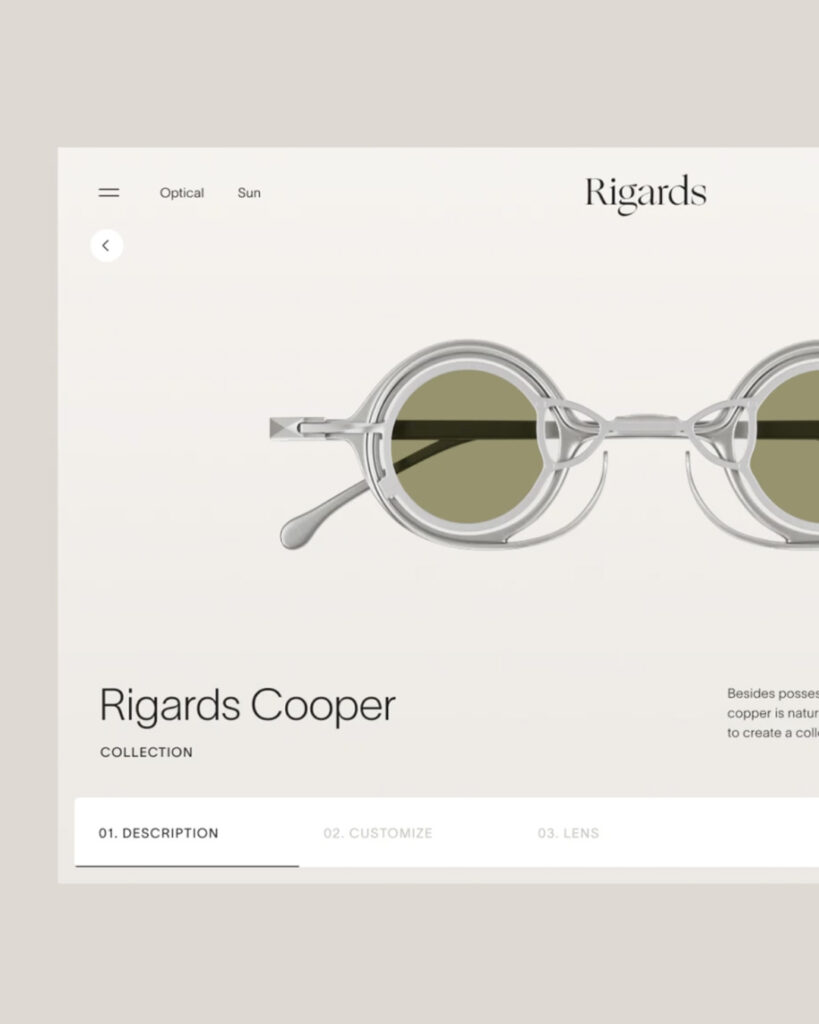
Around the brand online, experimental concepts and speculative creative directions have emerged, including visual ideas associated with Bureau Gautier. These concepts suggest a dramatically different digital identity: one that feels more immersive, editorial and emotionally driven rather than simply transactional.
If executed at a large scale, such a shift could fundamentally reposition Rigards in the market.
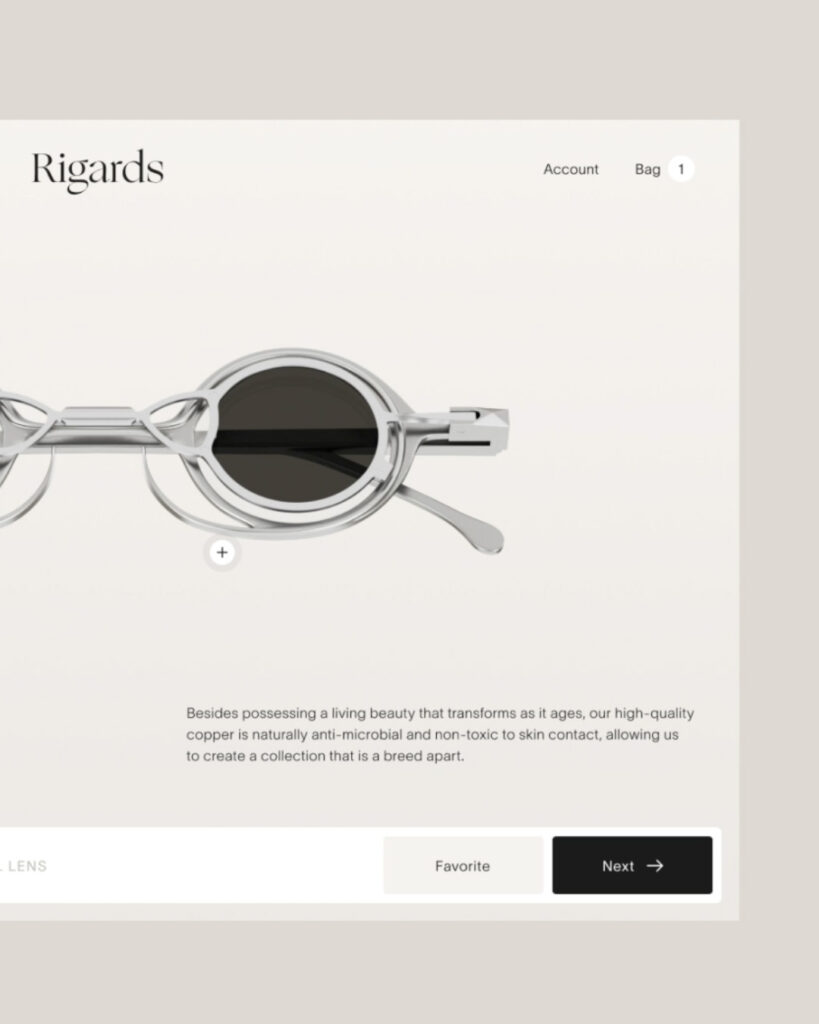
Luxury fashion history repeatedly demonstrates that design alone rarely creates category leaders. The strongest brands understand that perception is designed as carefully as the product itself. Digital presence today functions as architecture for desire. It shapes discovery, narrative and cultural relevance.
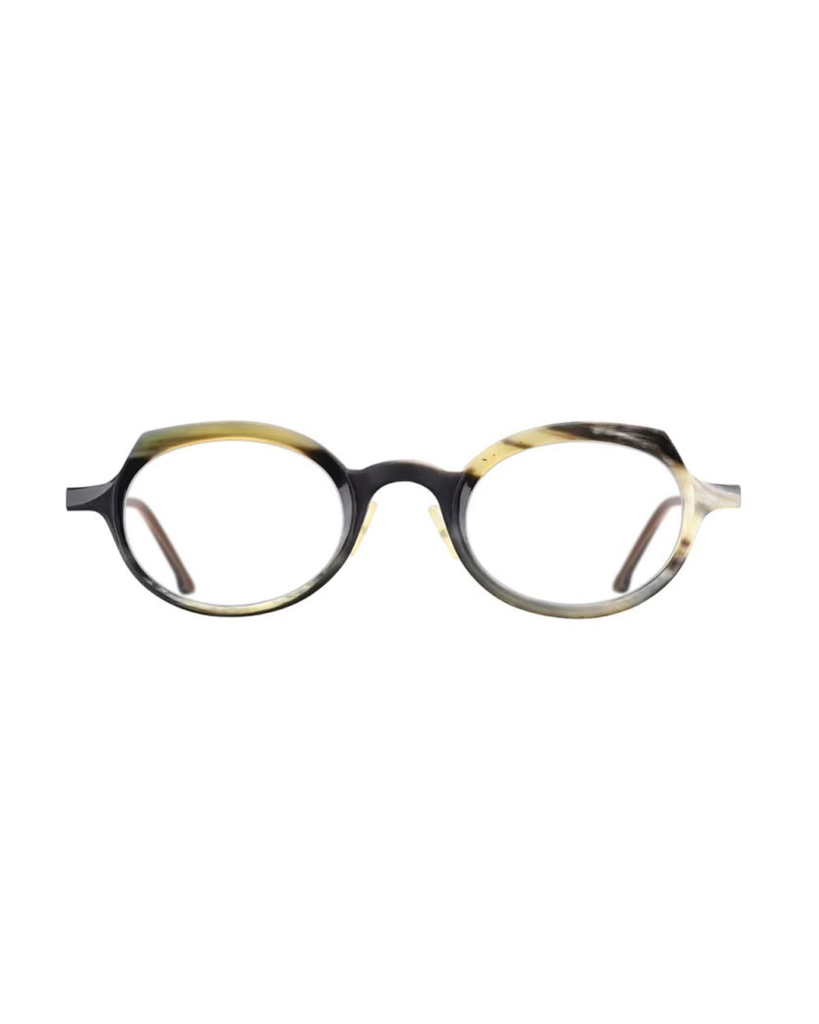
Rigards already possesses the difficult part: a distinctive visual language that cannot easily be copied.
What it potentially lacks is amplification.
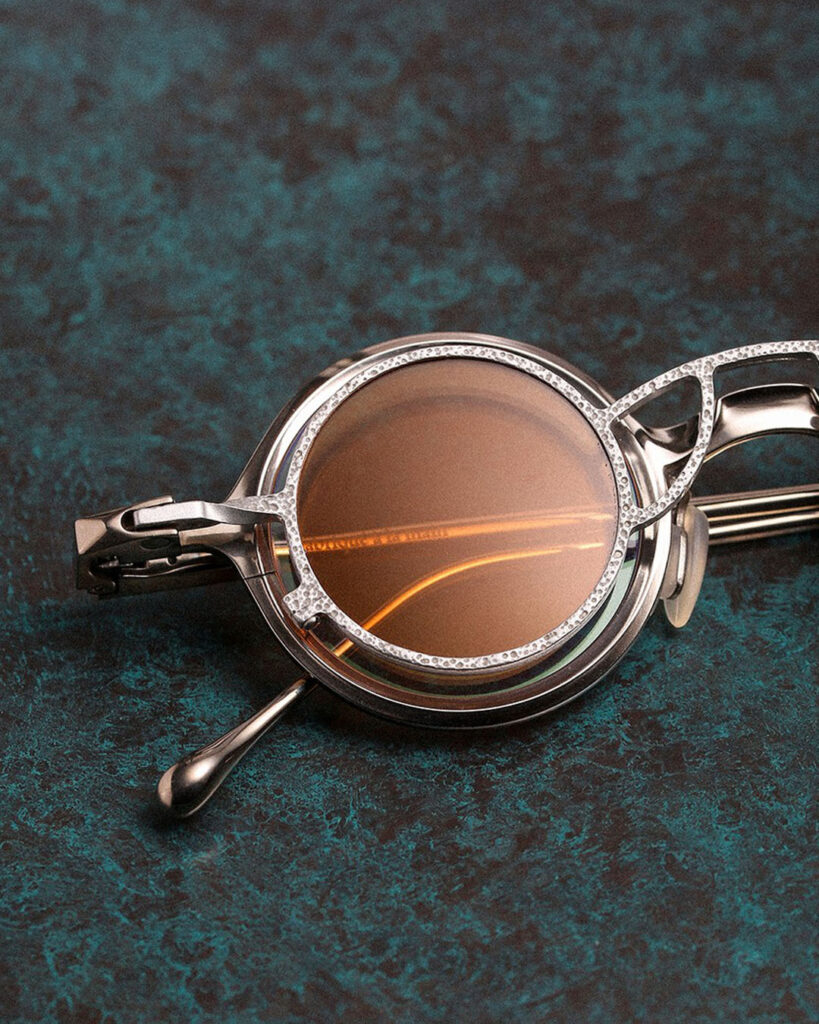
Because in 2026, exceptional product design without exceptional digital storytelling is increasingly like building a masterpiece and hiding it in a gallery with no entrance.
And perhaps that is the most interesting lesson surrounding Rigards: in contemporary luxury, the future belongs not only to those who create the strange, but to those who know how to make the strange visible.



 English
  French
  Italian
  Spanish
  Portuguese
  German
  Korean
  Japanese