


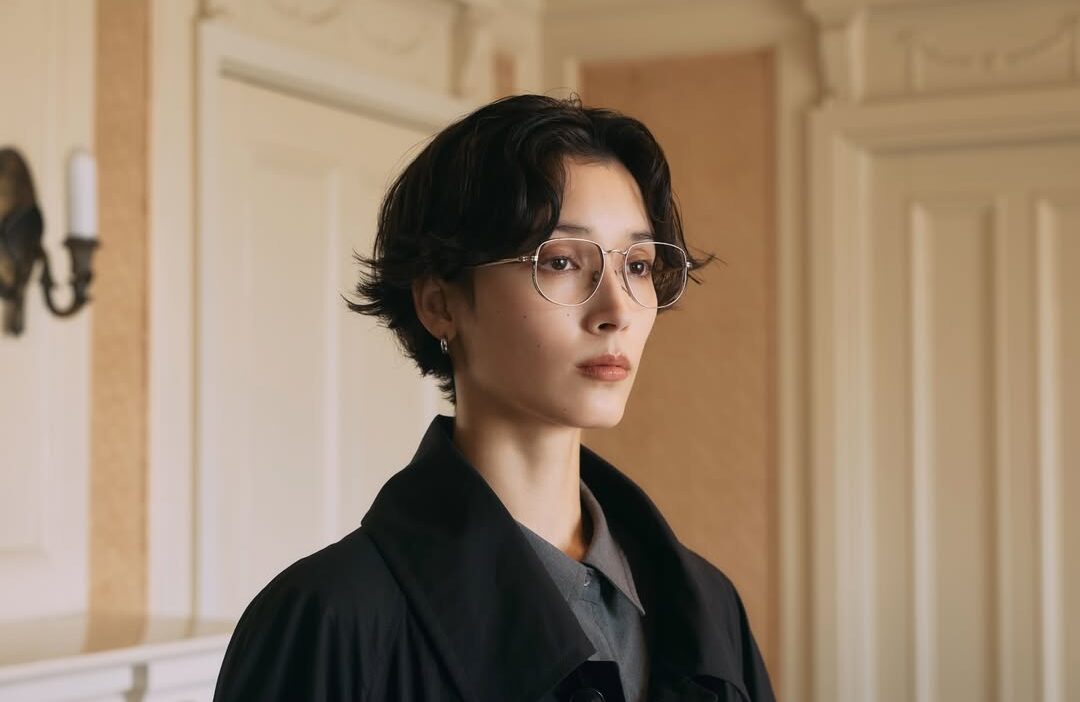
For years, KameManNen felt like one of fashion’s best-kept secrets, the kind of eyewear brand discovered through obsessive collectors, and independent stores with owners who cared more about craftsmanship than logos. Then something shifted.

You started noticing it. Not on billboards. Not through loud campaigns. But on the face of Ronnie Fieg, repeatedly. Different fits, different moments, same language: understated Japanese frames with a presence that didn’t need to scream. KameManNen quietly entered mainstream fashion consciousness not through marketing volume, but through repeated visual proof.
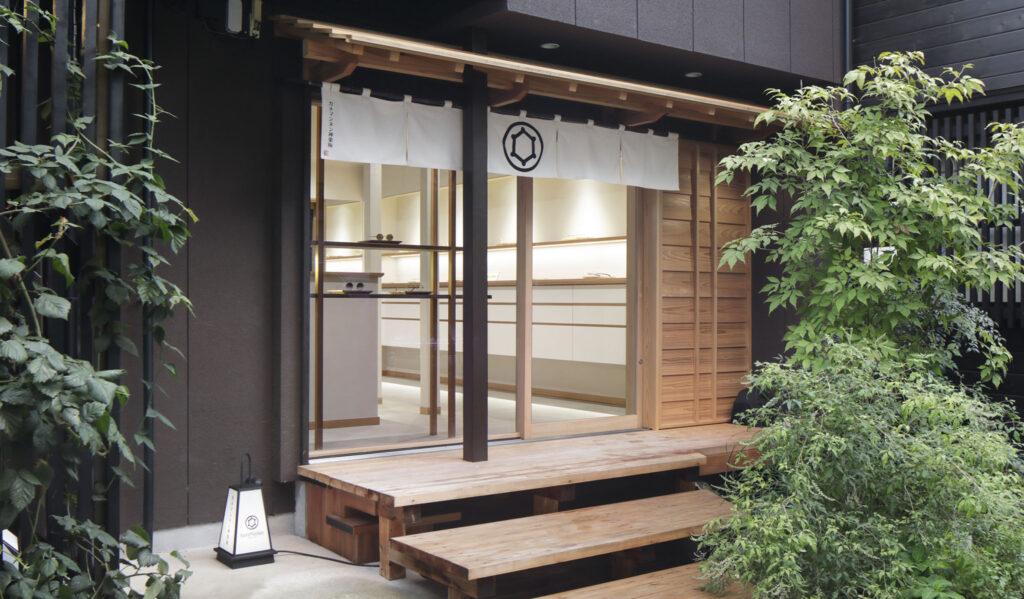
And maybe that timing wasn’t accidental.
We’re living in a post-maximalist era. The fashion pendulum that once swung toward oversized logos, hyper-color, and almost cartoonish self-expression has moved somewhere else. Quiet luxury became the dominant conversation, restraint replacing excess, permanence replacing novelty.

But here’s the issue: once everyone starts wearing “minimalism,” minimalism itself becomes uniform.
KameManNen exists in the space beyond that.
Founded in Fukui, Japan in 1917 and often described as Japan’s oldest eyewear brand, KameManNen didn’t emerge from fashion culture at all. Its roots were industrial. It began as a plating workshop before evolving into one of the most respected names in Japanese eyewear production. The philosophy has remained almost stubbornly consistent for more than a century: make objects designed to last, not simply products designed to sell.
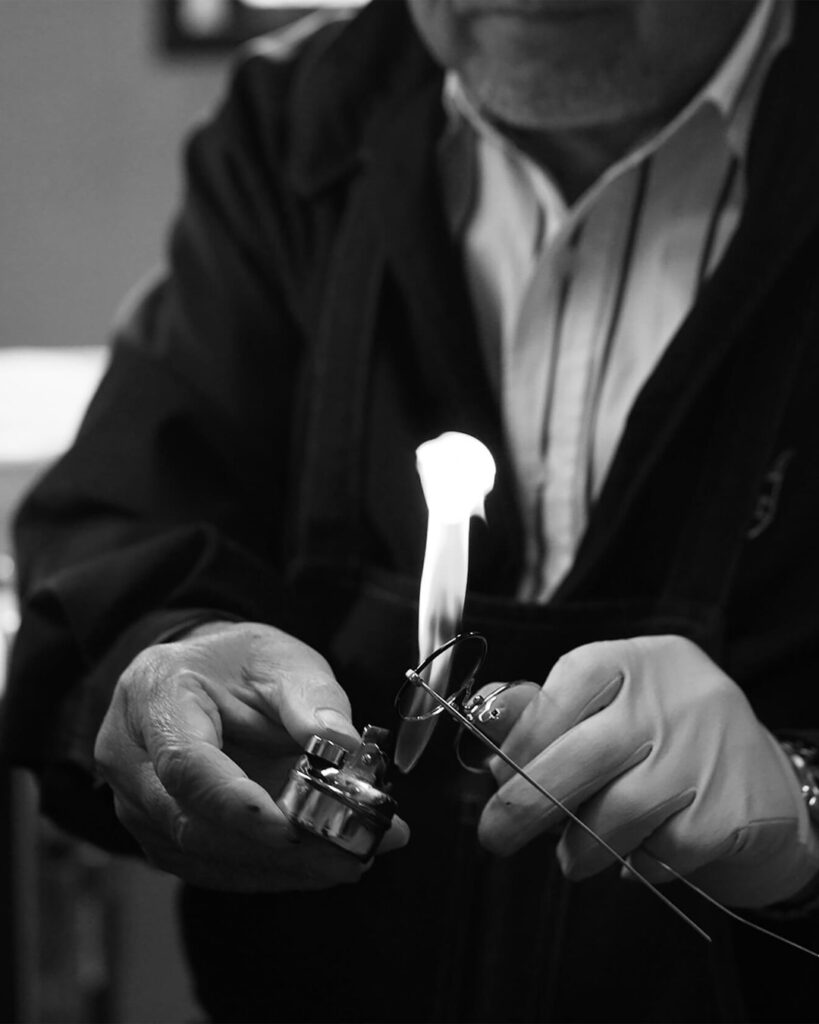
This is where the story stops being about aesthetics and starts becoming about craft.
The word craftsmanship gets abused in fashion. Today it often means little more than “made carefully.” At KameManNen, it means preserving manufacturing techniques many factories no longer bother keeping alive.
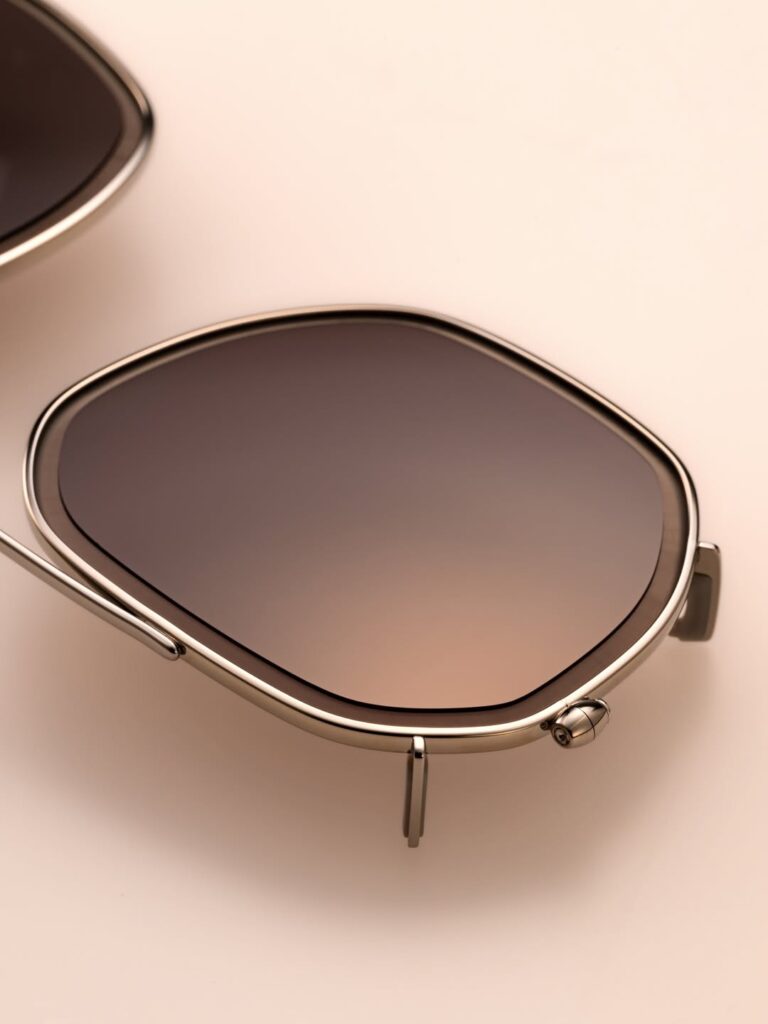
Take Shinbari, a traditional lamination process where metal cores are inserted by hand between acetate layers. Modern mass production largely replaced this with machine-based methods because machines are faster and cheaper. Shinbari isn’t faster and definitely isn’t cheaper. It survives because it creates something machines struggle to replicate: durability, detail, and a certain kind of beauty visible only when you start paying attention.
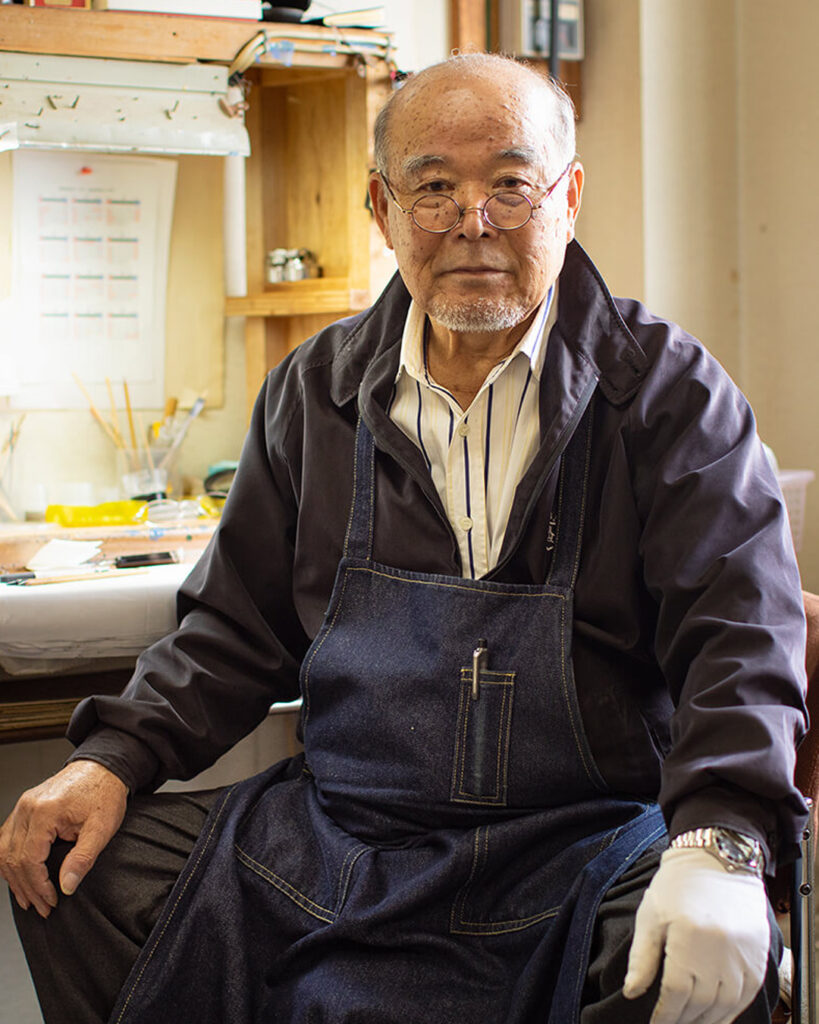
Even their approach to finishing reflects that mentality. KameManNen historically favored precious metal plating and highly durable ion plating treatments over endless color experimentation, prioritizing longevity over seasonal novelty.

Then there are details most people will never consciously notice.
KameManNen developed its own distinctive reversed nose pad construction, a small engineering decision that becomes surprisingly important in wear. Instead of feeling like a conventional technical component attached onto a frame, the integration feels more organic and balanced. The result is a fit that sits differently on the face: lighter, cleaner, almost disappearing despite the precision of the build.
It’s the kind of detail that says everything about Japanese manufacturing philosophy.

Not innovation for marketing purposes.
Which raises an interesting question for independent optical stores.
In an era where every city has access to the same global brands, what actually creates identity?
Because today, many stores accidentally look like copies of each other. Same logos. Same collections. Same “safe” brands that exist everywhere.
Independent retailers shouldn’t compete by becoming smaller versions of major chains. Their advantage has always been curation.
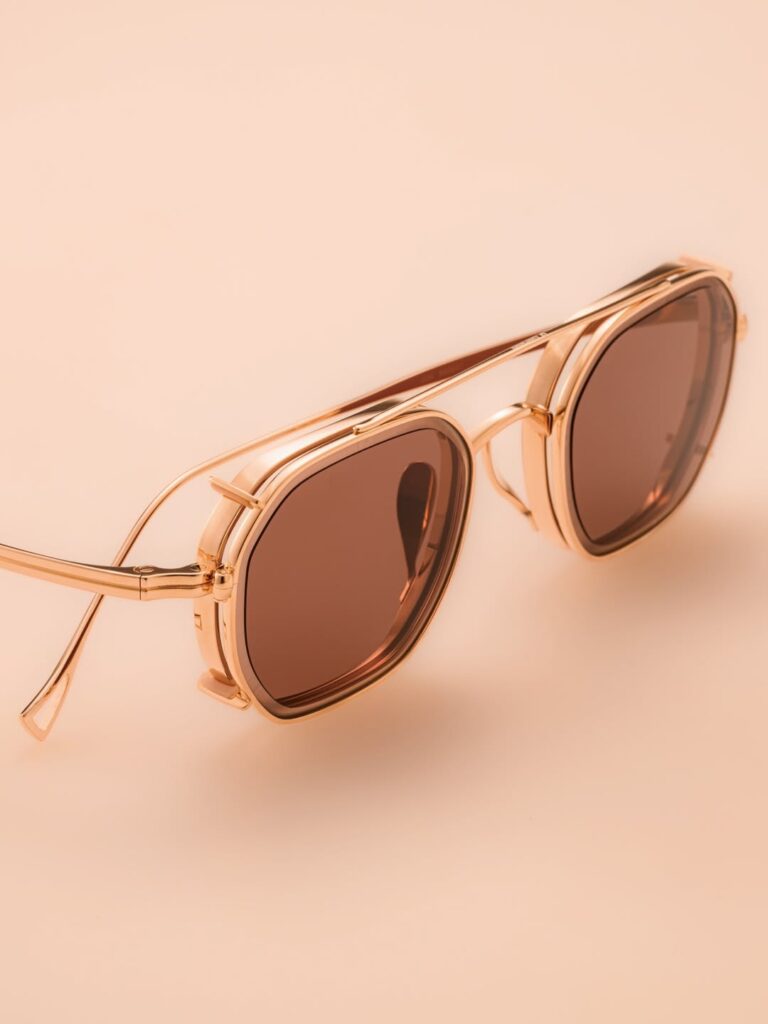
They should own names people can’t find everywhere else. They should build ecosystems of discovery. Brands with stories. Brands with depth. Brands that become local signatures.
KameManNen is exactly that kind of brand.
Not because it is rare for the sake of rarity.
Because there is a difference between exclusivity and individuality.
One is created through artificial scarcity.
The other is created through substance.
And perhaps that’s where fashion is heading next. Beyond quiet luxury. Beyond loud luxury.
Toward objects with enough integrity that they don’t need either.
KameManNen isn’t popular because the world suddenly discovered Japanese craftsmanship.
The world simply became ready to notice it.


 English
  French
  Italian
  Spanish
  Portuguese
  German
  Korean
  Japanese