


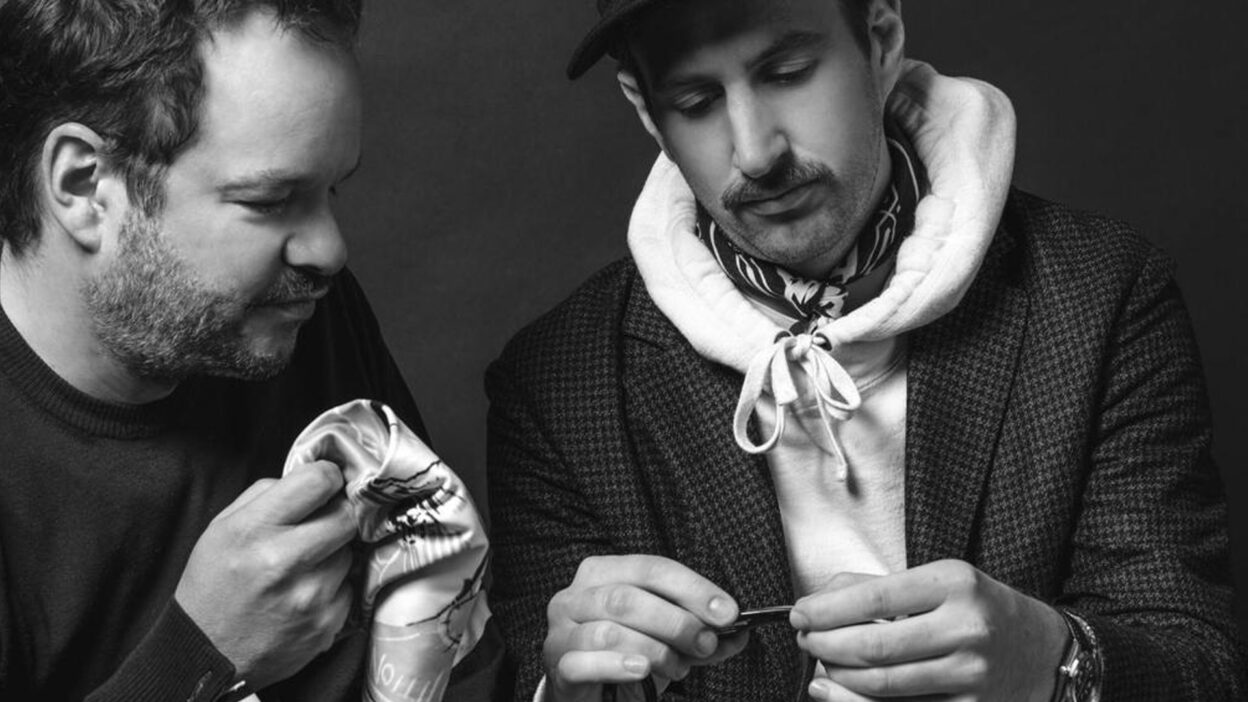
Inside the Munich boutique where precision, hospitality and quiet confidence matter more than conventional luxury signals.
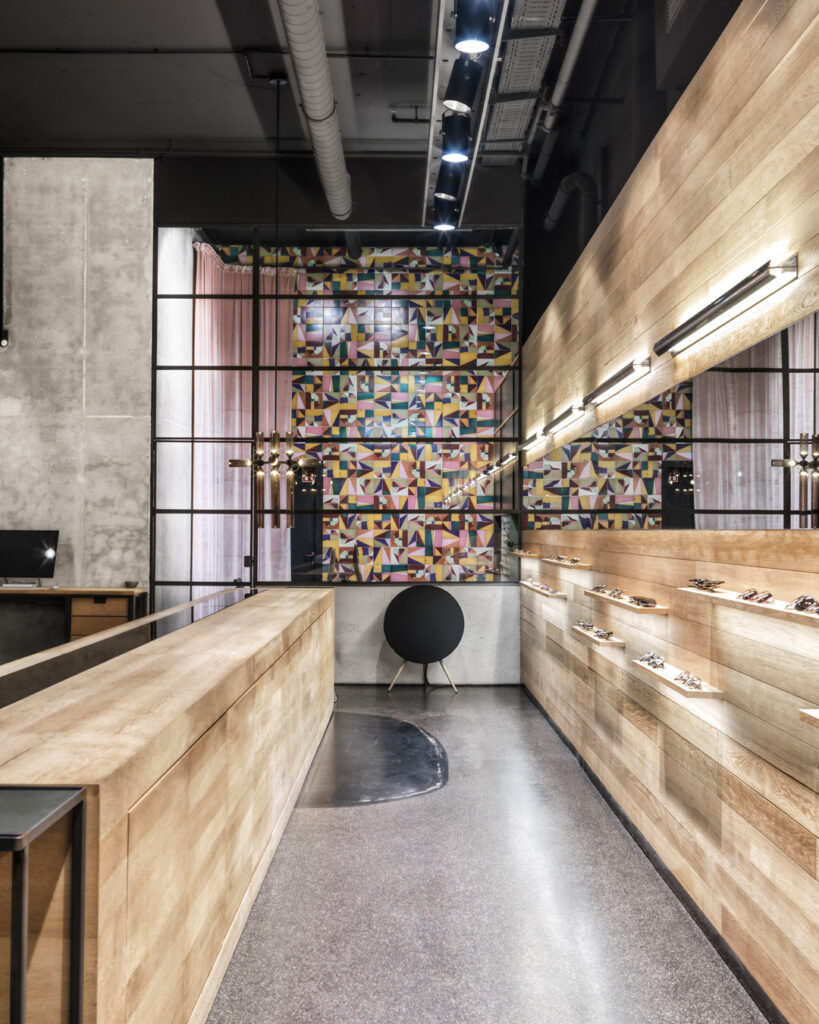
On Munich’s Maximilianstraße, an address synonymous with luxury, Leidmann is advancing a surprisingly different idea of what a premium optical store should feel like.
There is no interest in turning luxury into theatre. No desire to overwhelm clients with status, spectacle or an endless wall of brands. Instead, Christian Leidmann and Philipp Foret have built their approach around something quieter and considerably harder to reproduce: attention.
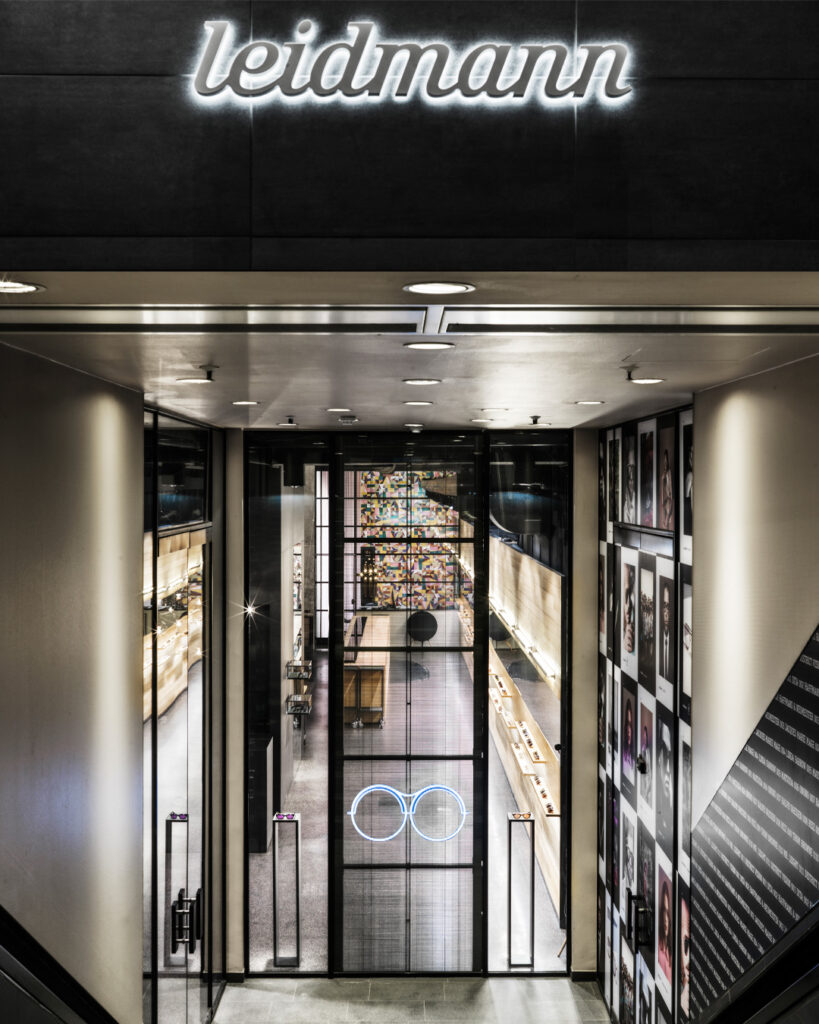
Since 2001, Leidmann has developed a distinctive point of view shaped by exceptional eyewear, advanced eye diagnostics, personal consultation and an uncompromising eye for craftsmanship. Its own philosophy begins with a deliberately provocative question: “Who cares about brands?” The answer lies not in ignoring names, but in looking beyond them, towards design, materials, provenance and the emotional connection between a person and the object they wear every day.
That perspective feels particularly relevant now. As smart eyewear, e-commerce and increasingly sophisticated technology reshape the functional side of optics, the value of human judgement may become more important rather than less. Leidmann believes the future will belong to stores that know exactly what they stand for, and understand how to make people feel genuinely seen.
For Curated Optics, the team behind Leidmann reflects on hospitality, quiet luxury, the growing divide within the eyewear market and why technology should improve the experience without ever becoming the experience.
How did you enter this business, and what is the story behind the store?
Our story is less about a single point of entry into eyewear than about a gradual evolution over many years.
Leidmann has developed through our daily work: through our clients and team, our engagement with products and craftsmanship, and our curiosity about the culture surrounding eyewear. Our shared path emerged just as naturally, guided by a similar understanding of quality and the desire to create something with substance and longevity.
Important inspiration has also come from high-end hospitality and gastronomy. What interests us is not luxury as a display of status, but the art of making people feel genuinely welcome through attentiveness, anticipation, and exceptional service that never feels staged. Looking beyond optics has shaped us just as much as looking within the industry.
We have never regarded the store as a finished concept. It continues to evolve through the people, ideas, and brands we encounter. Our work as representatives for selected eyewear brands grew from this same retail perspective. We remain active on the sales floor, keeping us close to both the products and the people who wear them. For us, retail and brand representation continually inform one another.
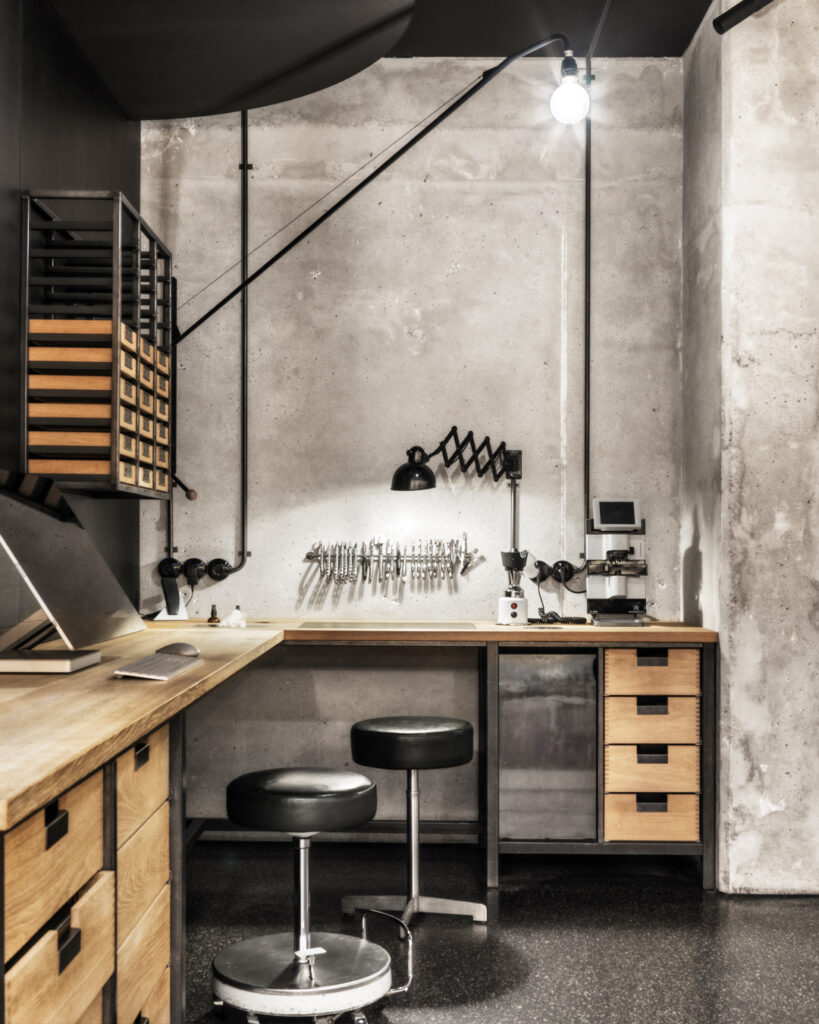
Leidmann brings together exclusive brands, carefully curated collections, advanced eye-diagnostic technology, and personalized consultations. What kind of experience do you want customers to have when they visit your store?
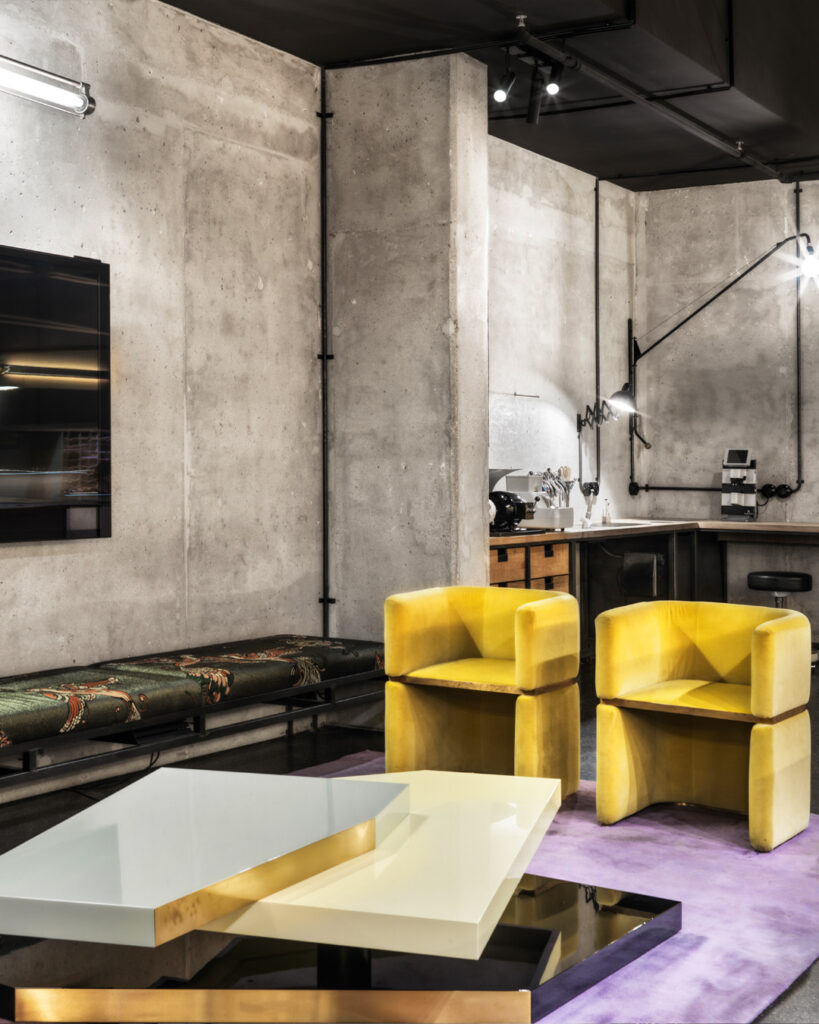
Above all, we want people to feel comfortable. Leidmann should not feel like a stage or an intimidating luxury environment, but rather calm, open, and personal.
We listen before making suggestions and bring together optical expertise, craftsmanship, design, and an understanding of the person in front of us. Technology allows us to work with greater precision, but should remain quietly in the background.
Ideally, clients leave with excellent vision and a frame that feels entirely natural to them. Just as importantly, we hope they feel they were given time, honest advice, and genuine attention. If someone leaves thinking that their glasses may not have been the least expensive, but were worth every cent, then we have probably done our work well.
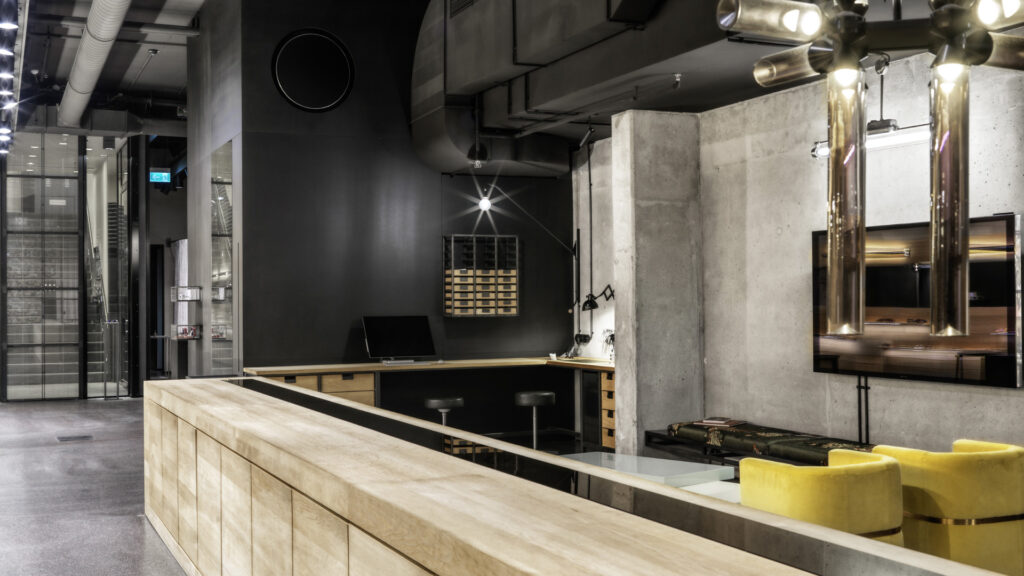
How do you view the premium eyewear market today? Are customers looking for a functional product, a fashion accessory, a piece of design, or a way to express their personality?
Eyewear can be all of these things, but function must remain the foundation. In the premium segment, however, glasses are rarely purchased simply to fulfil a practical need. They are among the most personal objects we wear and inevitably become part of our identity.
Clients are not only choosing an aesthetic, but also what a product represents: its origins, materials, craftsmanship, and story. Making these qualities tangible creates a deeper connection to the product.
For us, luxury emerges from exceptional quality, a certain degree of rarity, and an authentic story. Limited production can create desirability, but it becomes meaningful only when supported by genuine substance. We sense that conventional luxury signals are becoming less important, while individuality, integrity, and a real connection to the product matter more and more.
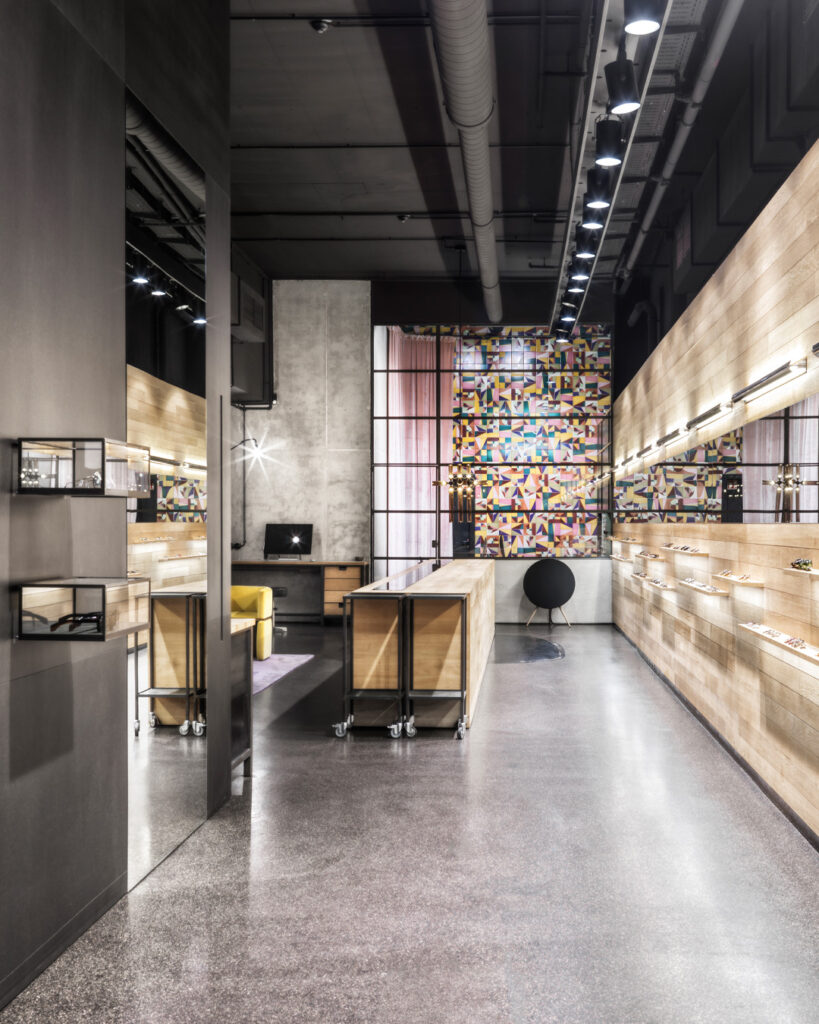
How do you expect the industry to evolve in the coming years, and what roles will technology, e-commerce, and personalization play in its future?
We believe the industry may become increasingly differentiated. Technology—including smart eyewear, advanced eye measurement, and e-commerce—will likely assume a greater role within the functional market. Much like the smartwatch transformed the watch industry, smart eyewear could fundamentally change our understanding of glasses.
At the same time, this may make the analogue and handcrafted even more valuable. In the premium segment, craftsmanship, exceptional materials, provenance, individuality, and human expertise could gain further significance. Technology is fast and scalable; luxury, as we understand it, often emerges from time, knowledge, and things that cannot be reproduced without limit.
This development may place the traditional middle market under greater pressure. For optical stores, a clear identity and genuine expertise will therefore become increasingly important. Digital tools can simplify and enrich the experience, while personal judgement, trust, and long-term relationships remain at its centre.
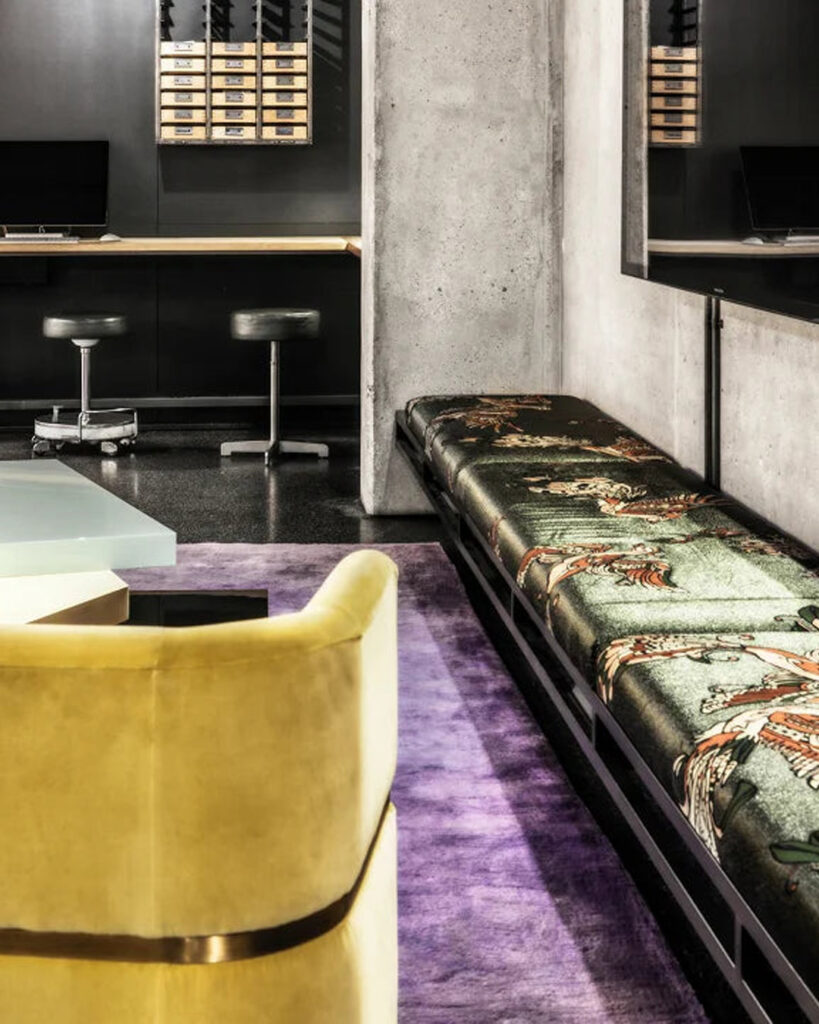
From your perspective, what defines a top-tier optical store: its selection of brands, the expertise of its team, the quality of its service, or the overall customer experience?
For us, these elements cannot really be separated. A considered selection only comes to life through knowledge. Technical expertise requires empathy, and a beautiful space gains meaning through the way people feel within it.
Perhaps the defining quality is consistency. Curation, consultation, optometry, craftsmanship, service, and atmosphere should all reflect the same degree of care.
In our own work, we have found it important to make conscious choices. We do not need to offer everything, but we want to maintain a clear point of view while remaining open and attentive to each client. Ultimately, the experience is shaped by many small details being handled thoughtfully and consistently, every day.
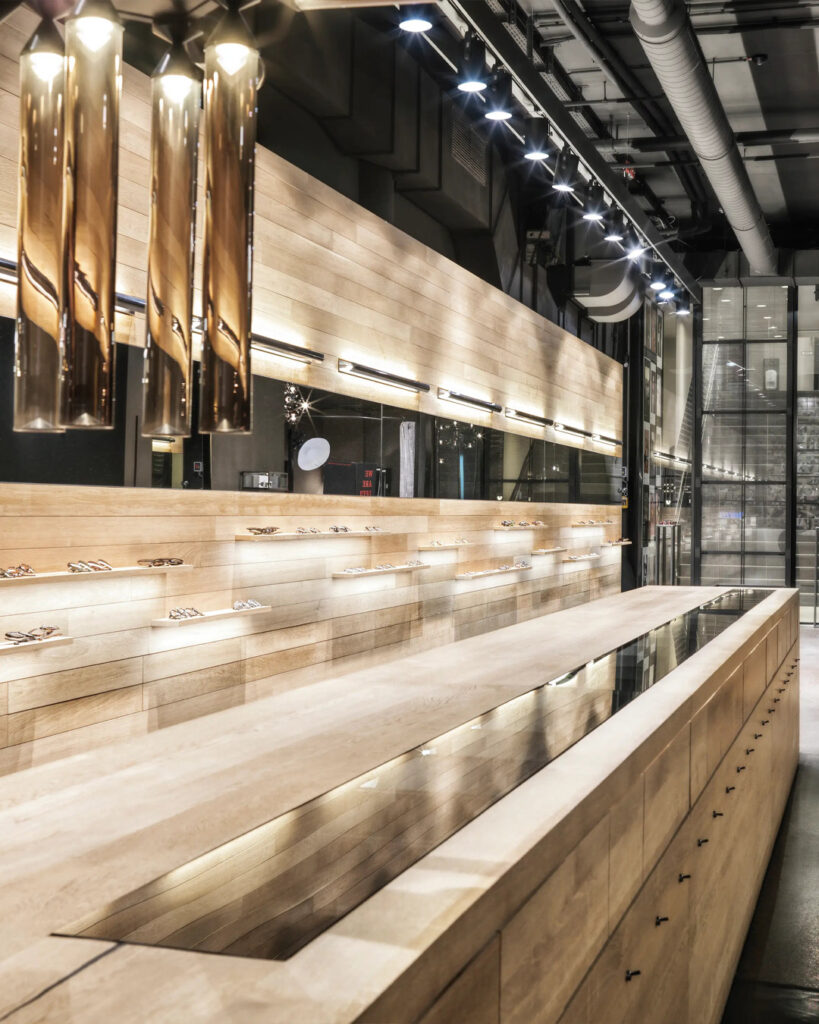
What do you consider the biggest challenge facing the optical industry today, and what changes are needed to overcome it?
Perhaps the greatest challenge is remaining genuinely open and adaptable in the face of accelerating change. Technology, products, brands, and client behaviour are evolving rapidly. What feels relevant today may look entirely different only a few years from now.
Part of our responsibility is to remain attentive to what may become relevant for our clients. This means staying curious, travelling, observing other markets, recognising developments early, and being willing to question even the things that have worked well in the past.
The challenge is not necessarily one particular technology or trend, but recognising meaningful change early enough and responding with flexibility without losing one’s identity. Remaining open does not mean following every development. It requires judgement: understanding what creates lasting value, what has genuine substance, and what should be preserved.
Conclusion
Leidmann’s perspective reveals a widening divide within the optical industry.
On one side lies a world built around speed, scalability, digital convenience and increasingly intelligent products. On the other are the qualities that resist automation: craftsmanship, instinct, trust, cultural knowledge and the ability to understand the person standing in front of you.
Leidmann does not reject technology. It simply refuses to make technology the protagonist. Precision matters, but so does knowing when precision should disappear quietly into the background.
The same principle shapes its approach to luxury. Rarity without substance is not enough. A beautiful store without empathy is not enough. An impressive brand list without knowledge is not enough. The defining quality is consistency—the alignment of product, expertise, atmosphere and service across every detail of the experience.
At a moment when luxury can easily be reduced to logos, limited releases and engineered scarcity, Leidmann offers a more demanding proposition: the true premium experience is making someone feel understood.
Luxury is not only what a store displays. It is how carefully the store sees you.


 English
  French
  Italian
  Spanish
  Portuguese
  German
  Korean
  Japanese