

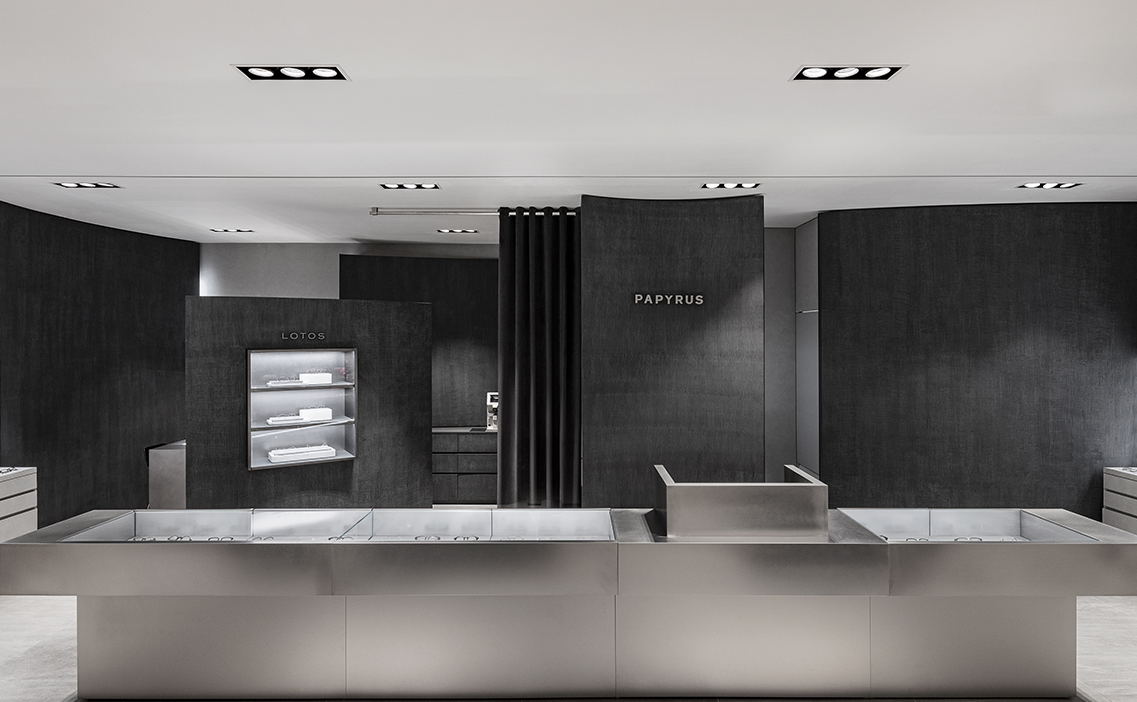
The South Korean retailer has turned an optical shop into a study in how people actually buy and wear glasses. Its interiors change from one address to the next. The attention to the wearer carries through.
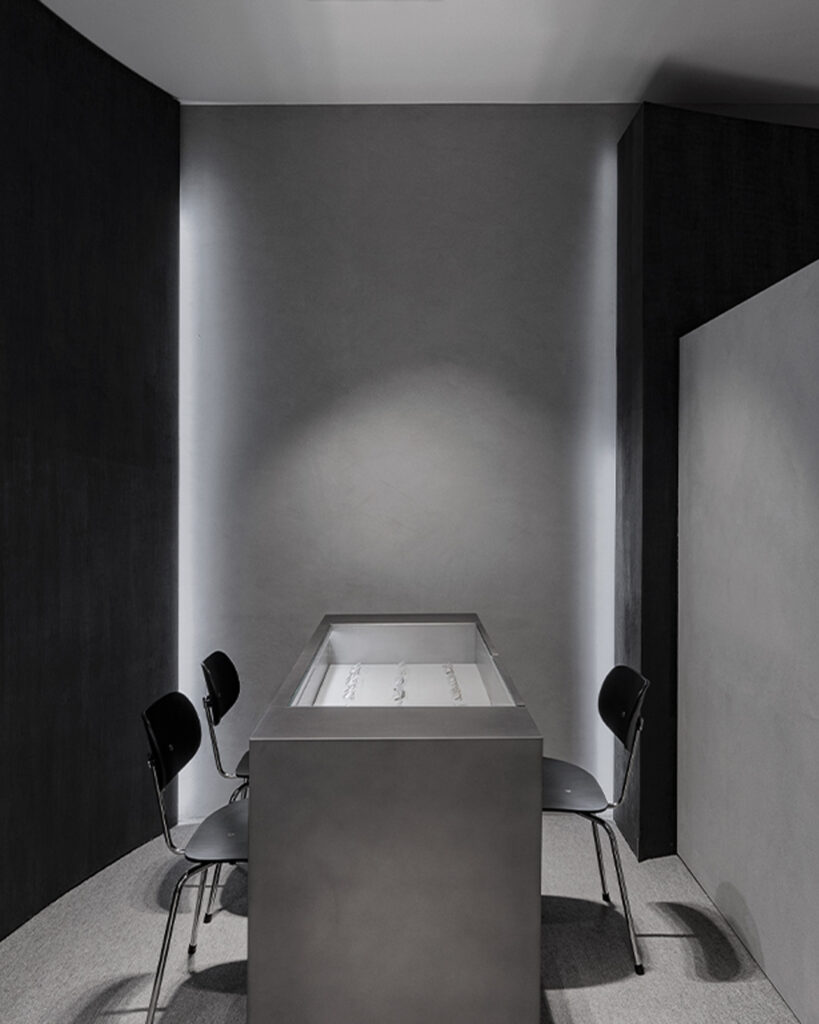
Papyrus opened its first shop in Apgujeong, Seoul, in 1992, bringing the eye of a fashion buyer to optical retail. Its selection spans classic frames from established Japanese makers and more experimental work by emerging European designers. Three decades on, that approach extends to the stores themselves. Across eight locations in South Korea, Papyrus adapts the way it presents and sells eyewear to the rhythms of each address, from the department store floor to Seoul’s financial district.
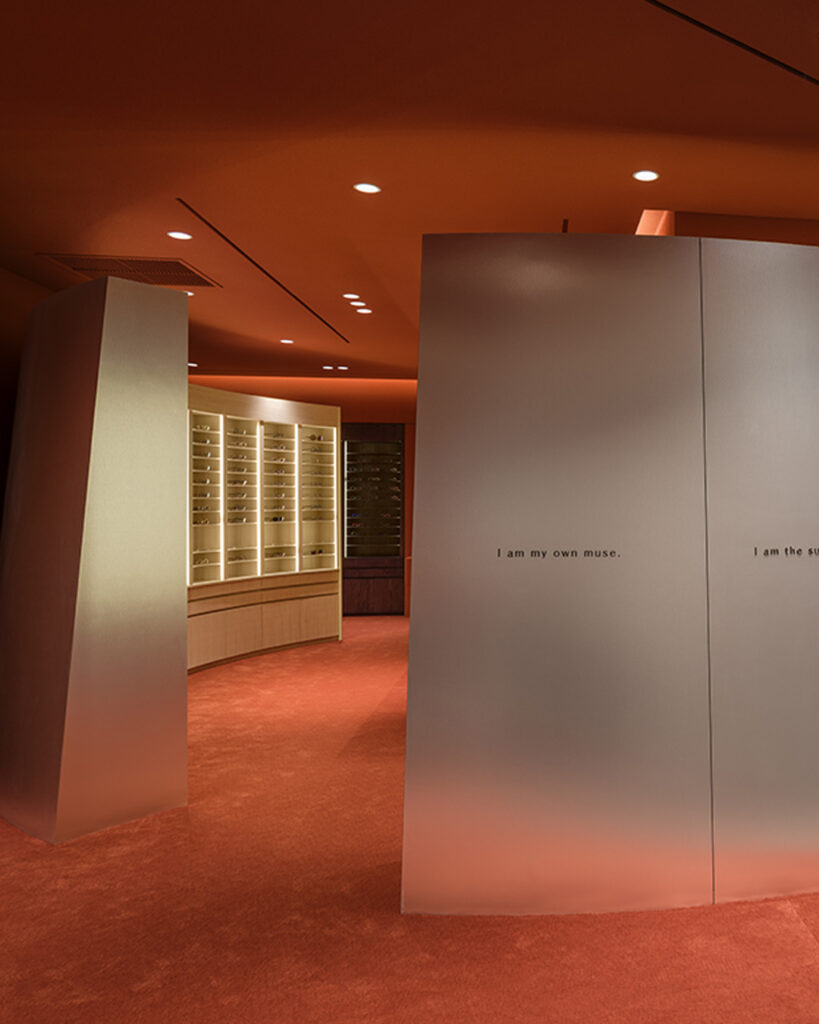
The retailer’s directory lists eight locations. Five are in Seoul: Nineone Hannam, Galleria, Papyrus COEX, Gwanghwamun and Lotte. The other three are Bundang, Gwanggyo and Daejeon. That puts Papyrus in luxury department stores, a major shopping mall, an office district and regional retail centres. Each setting gives the customer a different reason to walk in.
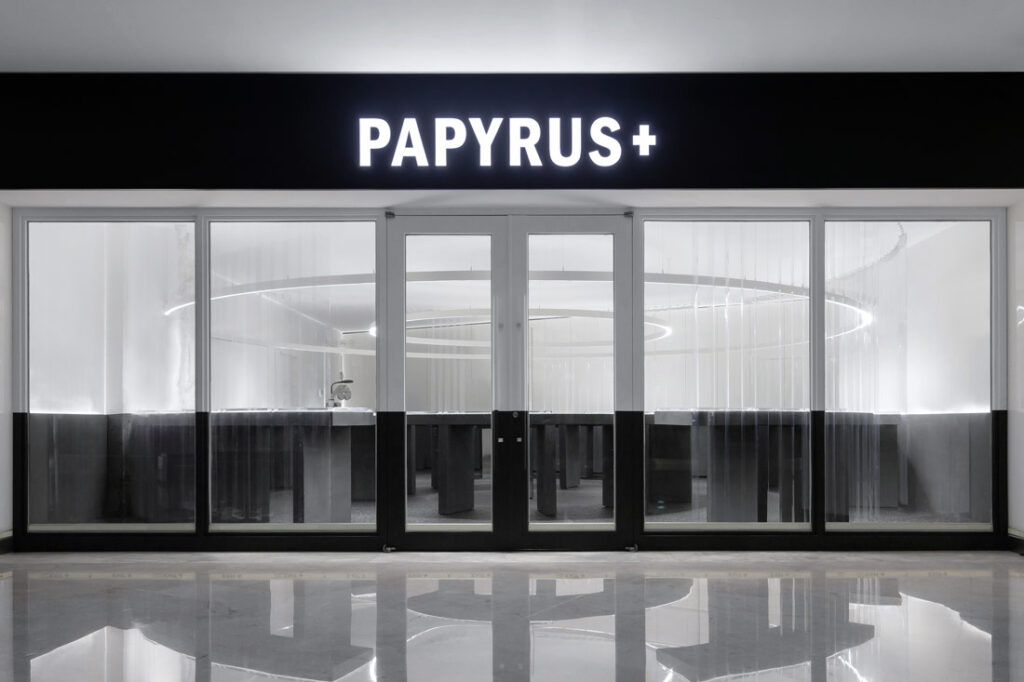
The stores don’t have to look alike
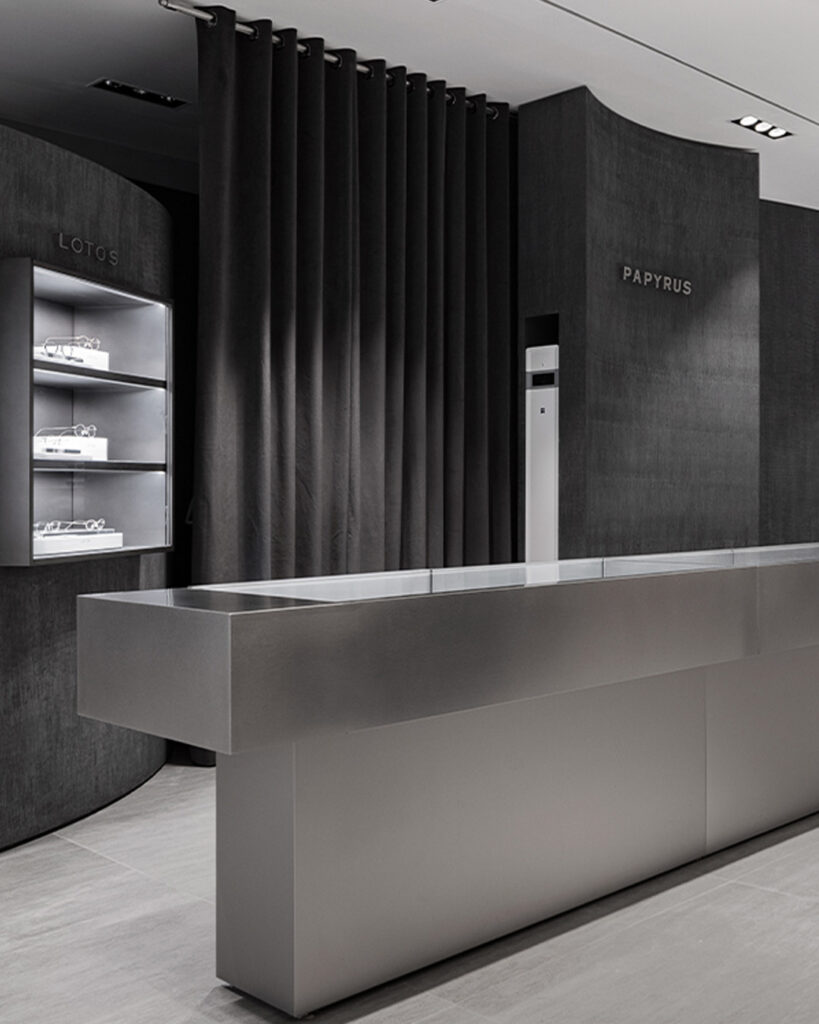
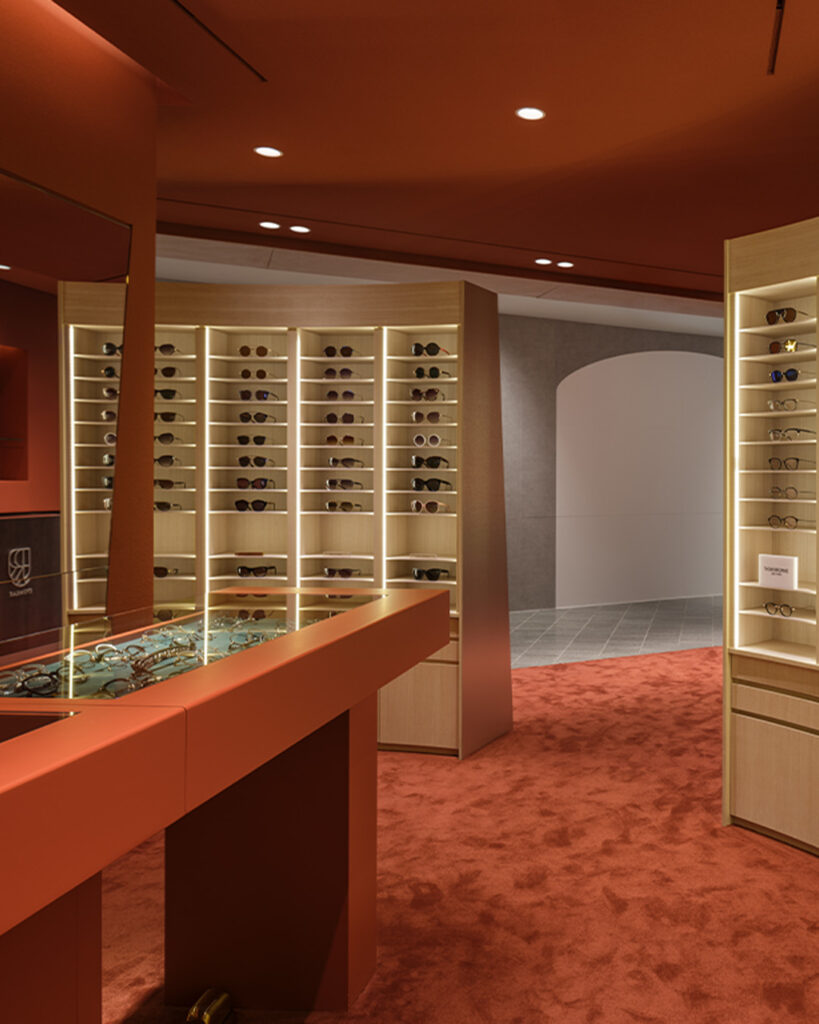
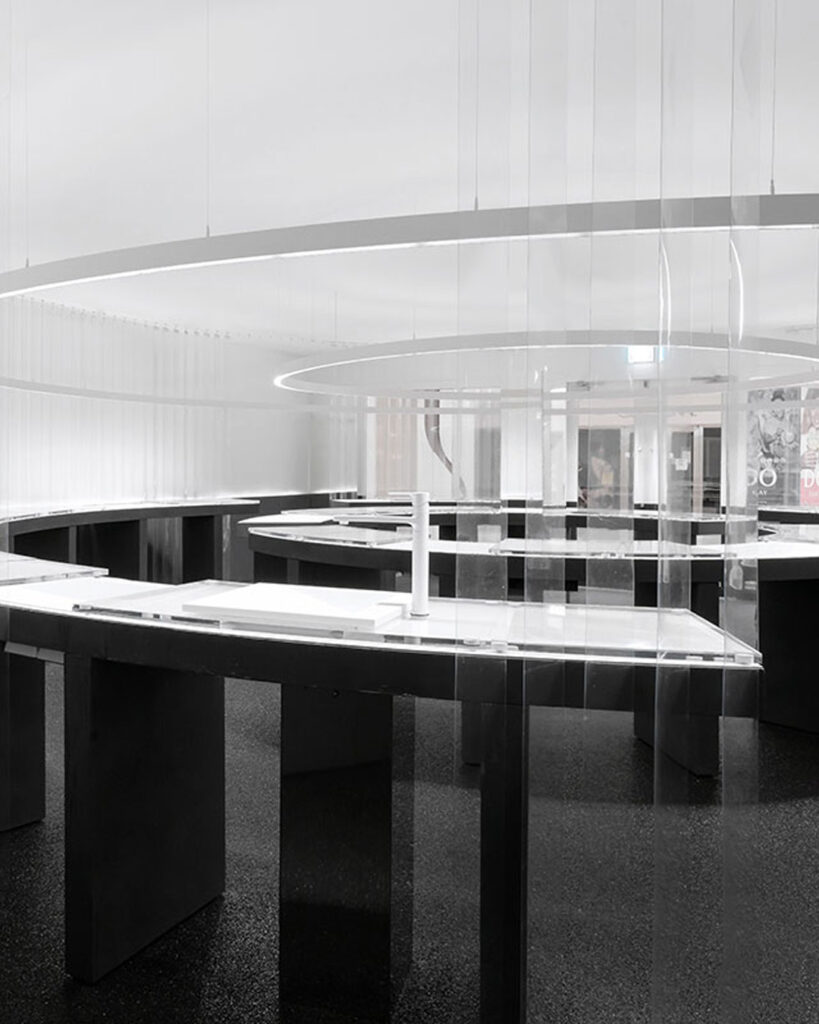
At Galleria, WGNB worked in monochrome. At Nineone Hannam, the same studio set red stainless-steel displays against a blue interior and lined the fixtures with suede. The starting point at Hannam was the idea that a frame is a piece of architecture in miniature. Its structure has to suit the place it occupies. At Lotte, Space Simjae tackled a department store problem. A curved red entrance makes the shop recognisable across a busy floor while revealing only a small part of the collection.
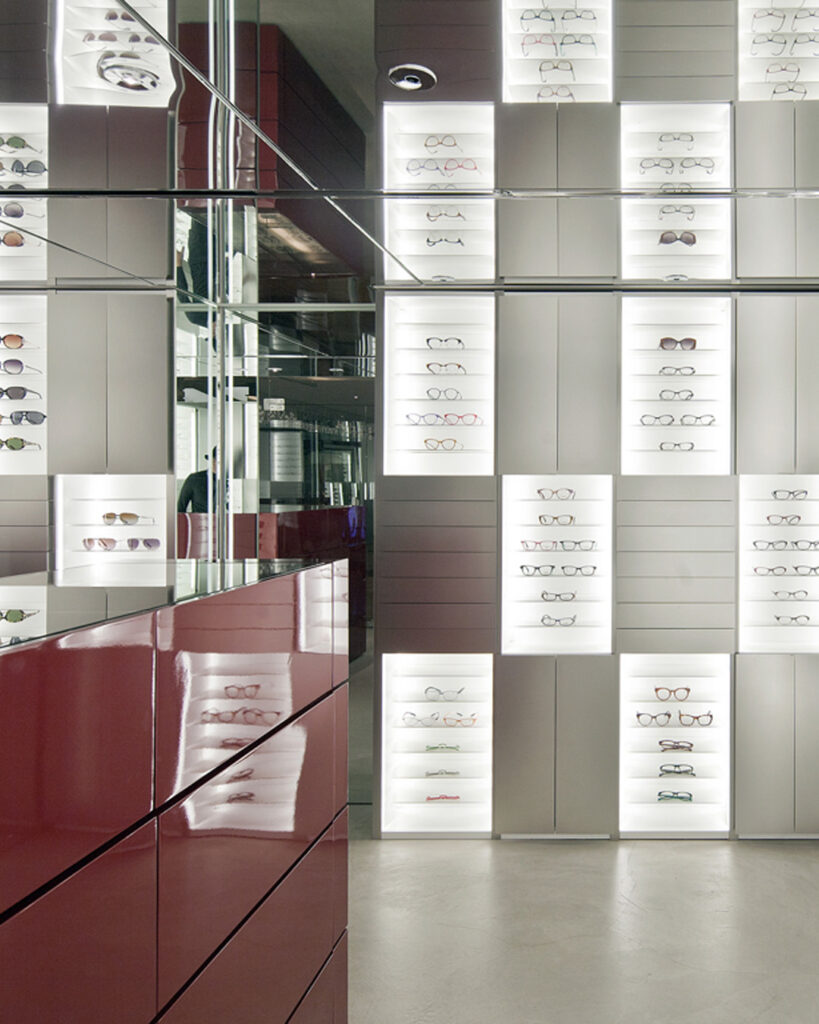
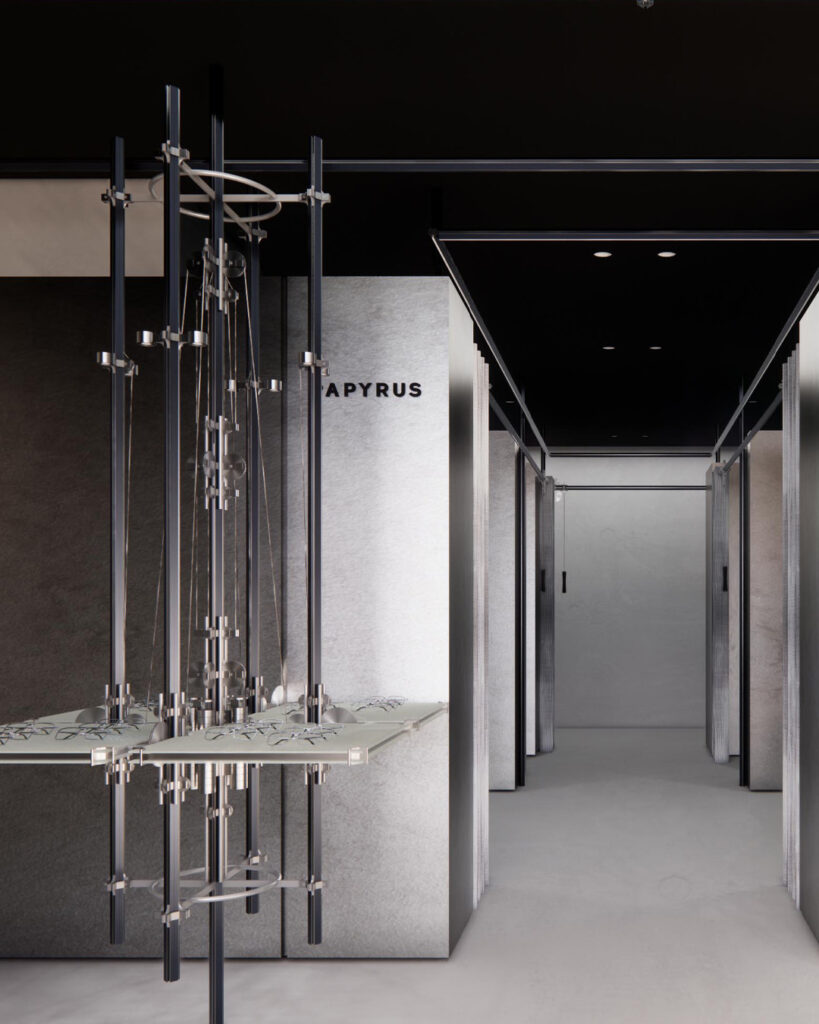
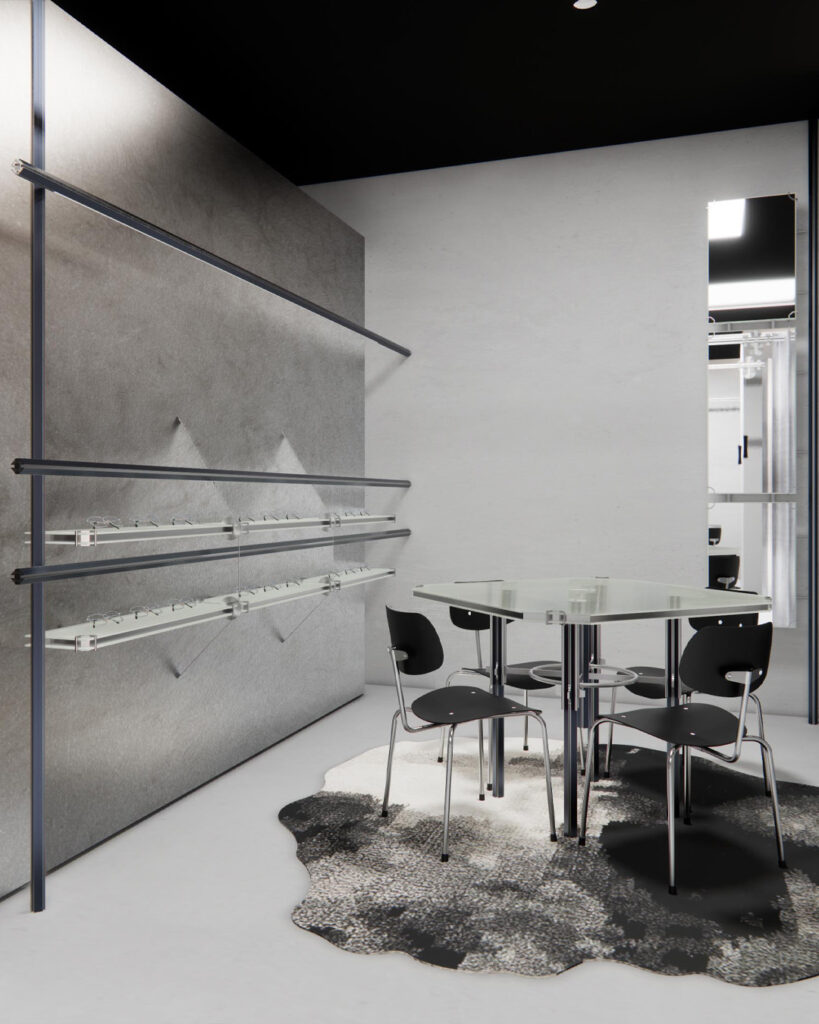
The brief changes where customers come in with a specific need. Gwanghwamun, in the Seoul Finance Center, is built around an office concept that gives practical frames, functional spectacle lenses and contact lenses a place in the offer. At Gwanggyo, Archi@Mosphere drew on the stonework of Suwon’s Hwaseong Fortress and put display, eye testing and assembly into an open layout. In Bundang, LABOTORY built its concept around the consultation itself, with an emphasis on making customers feel at ease as they see how different frames change their face. Papyrus COEX and Daejeon extend the network into Starfield COEX and Galleria Timeworld.
The business of the fifteen-hour frame
There’s a difference between the frame that gets noticed on a tray and the one a customer wants to wear for fifteen hours. In a minimalist frame, a smaller lens shape can make a stronger prescription easier to accommodate.
A different bridge can keep the frame from slipping. A change in rim thickness can give the wearer the definition they want without taking over the face. These details give an optician something specific to work with when a customer asks for “something simple.”
For a buyer, the commercial question is how much of the assortment can serve that customer. Five colours of the same shape can make a display look full while offering a person with a narrow face only one fit. A shop that knows which customers leave empty-handed can spend its next buying budget more effectively. Papyrus’s breadth, from classic to experimental, is what makes its approach interesting here. A retailer can keep the frame that draws attention and still give the everyday customer a serious choice.
Where South Korea has the advantage
That responsiveness extends beyond the assortment. Specialist optical stores remain the dominant channel in South Korea, according to Euromonitor. The Korea JoongAng Daily reports that shops commonly stock lenses and edge them in-house, so customers with suitable prescriptions can leave with finished glasses in a single visit. A customer replacing a broken pair or fitting an appointment into a workday feels that advantage immediately.
For European luxury opticians who buy primarily for the window, the challenge is to bring the same judgment to the fitting tray. Which customer could you serve better tomorrow if you bought one more bridge fit, one smaller lens shape or a lighter version of a silhouette that already sells? Papyrus spends considerable thought on what people see when they walk past. The more revealing part of its business is what it has to offer once they sit down.


 English
 French
 Italian
 Spanish
 Portuguese
 German
 Korean
 Japanese
 Dutch