


Before an optical store can sell a frame, it must persuade someone to look. At Ramstein Optik in Basel, that moment of attention has a history stretching back almost eight decades.
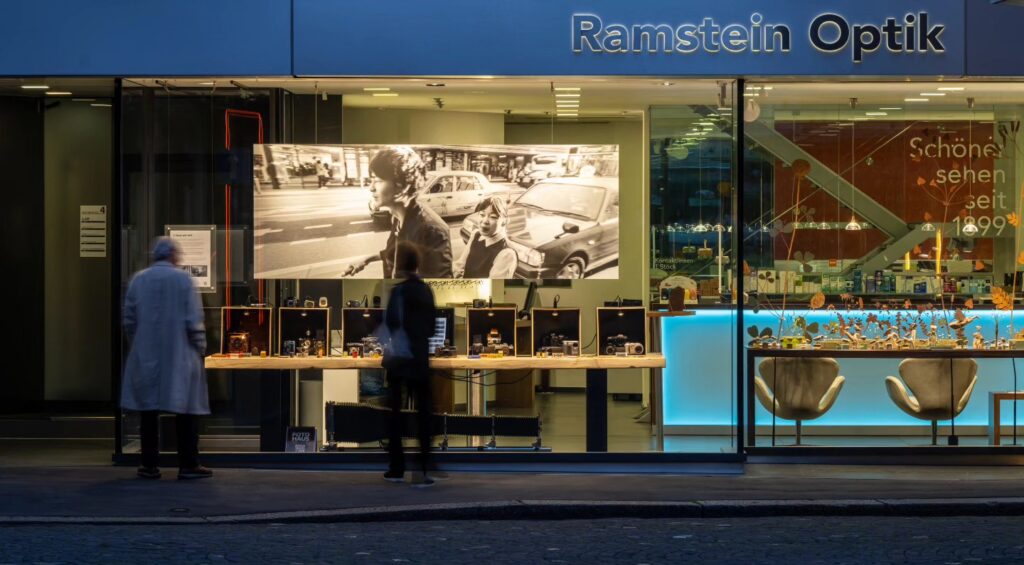
In 1996, two talking trees appeared in the window of an optical store in Basel. Created by the Basler Marionetten Theater, they commented live on the people passing through Sattelgasse. Recalling the installation years later, Ramstein Optik owner Andreas Bichweiler described crowds so large that the street became difficult to navigate. For a moment, the shop window had become a theatre, and the pavement its auditorium.
The episode offers an introduction to a business whose relationship with the public extends well beyond eye examinations and frame selection. At Ramstein, the window provides a space for artistic expression, a meeting point with the city and a reason to stop without an intention to buy.
For independent optical retailers, that relationship deserves attention. A store can distinguish itself through the products it carries, but its identity also depends on what it creates around them. Ramstein’s history shows how that identity can develop over generations.
A business shaped by its city
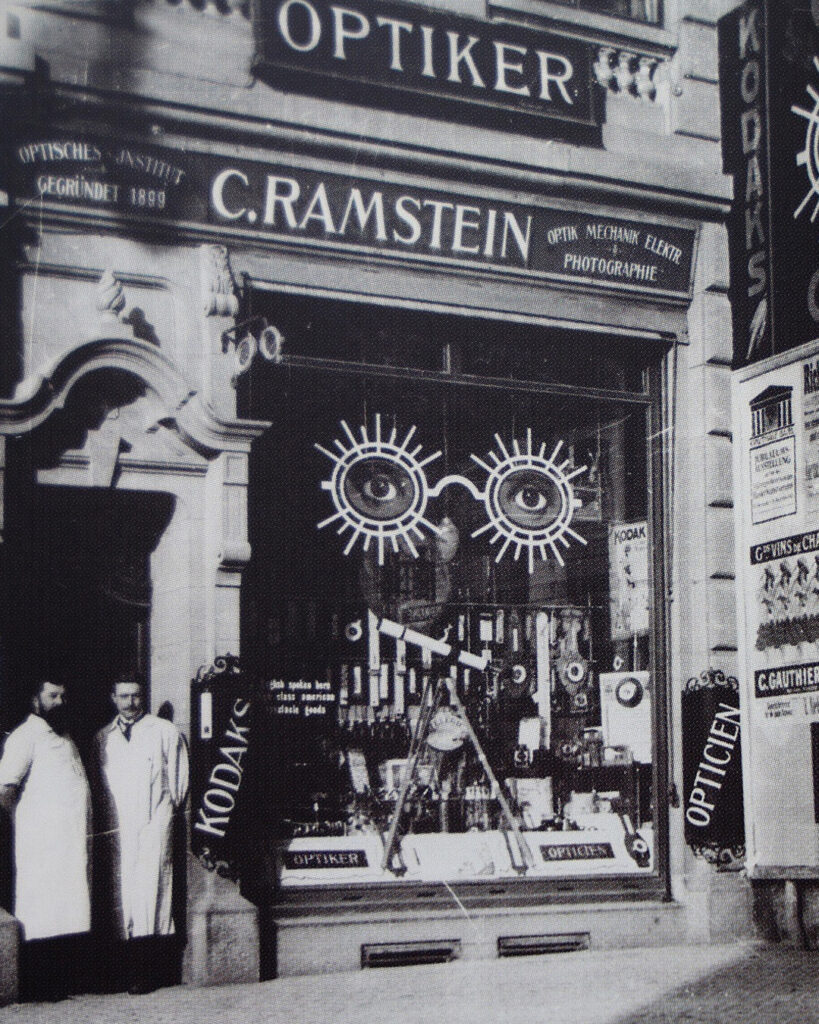
The story began in 1899, when Carl Ramstein and Wilhelm Schulthess established their optical institute on Greifengasse in Kleinbasel. According to the company’s historical account, Carl expanded across the Rhine into Grossbasel in 1909, opening another location at Eisengasse 34.
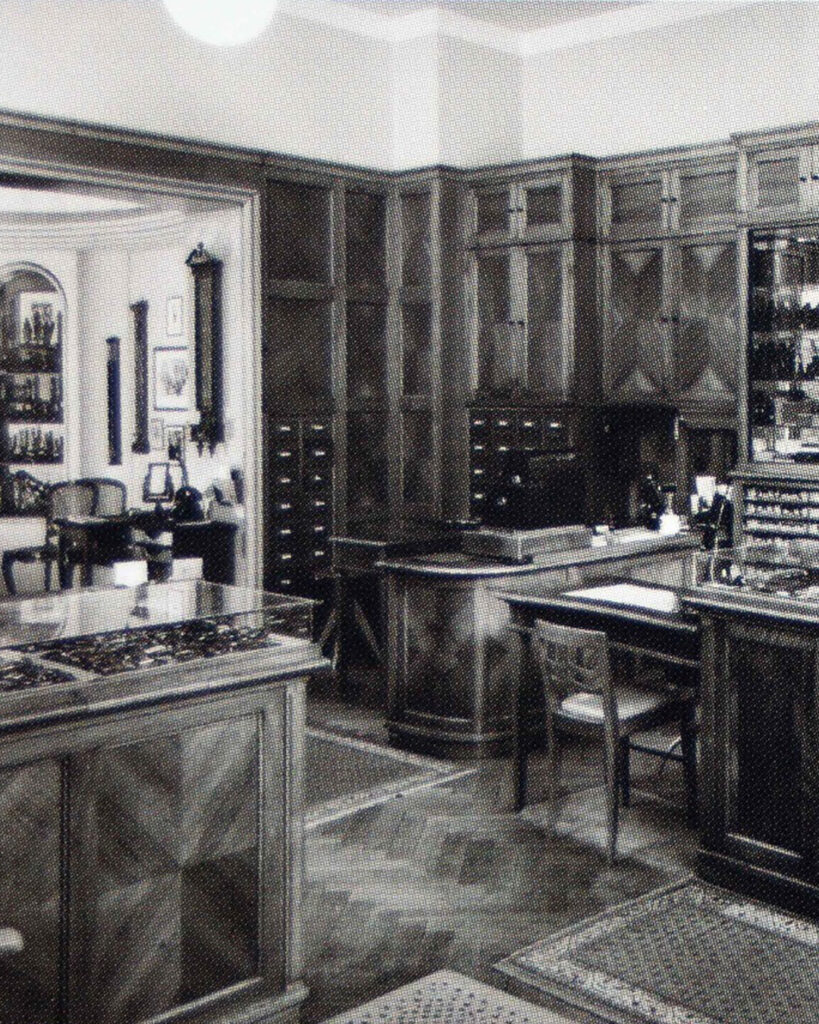
Its interior drew inspiration from optical stores in London, which his son Max had encountered during his time in England. The detail is revealing: an international perspective was already influencing how the family presented its business to a local audience.
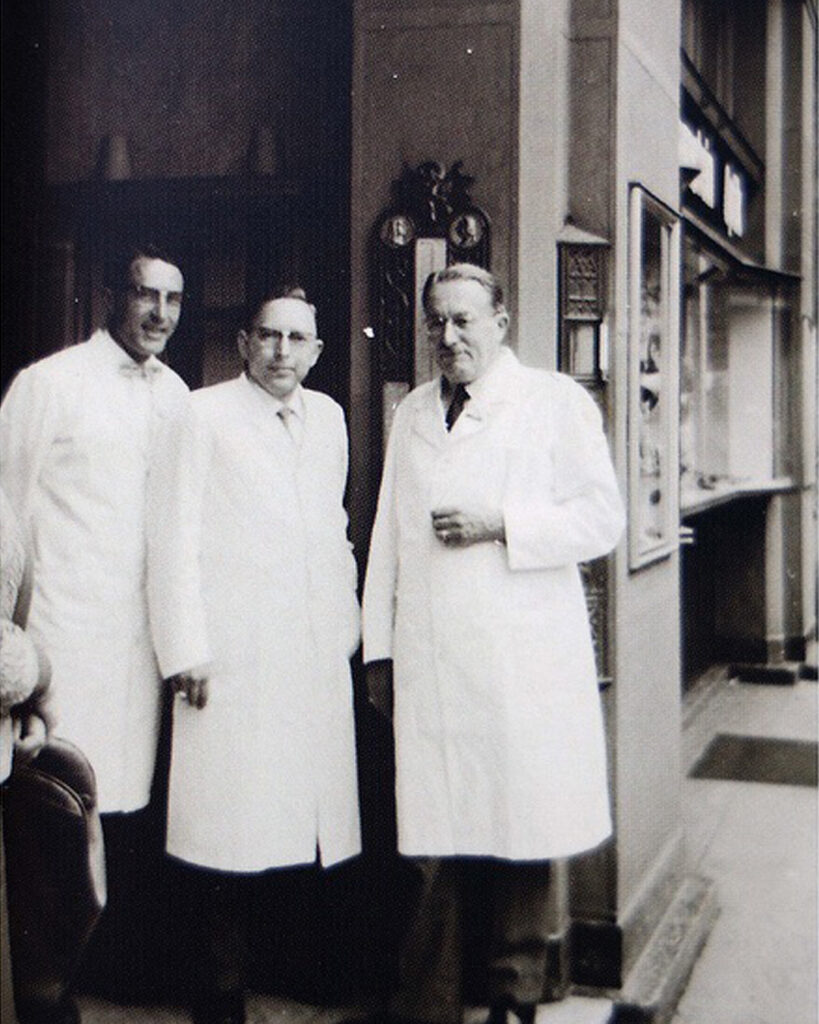
Max and Emilia Ramstein later joined and took over the family business. With Louis Jberg, they established M. Ramstein, Jberg & Cie in 1919. In the company’s recollections of this period, white coats formed part of the professional appearance, a visual expression of the technical authority associated with the optician’s role.
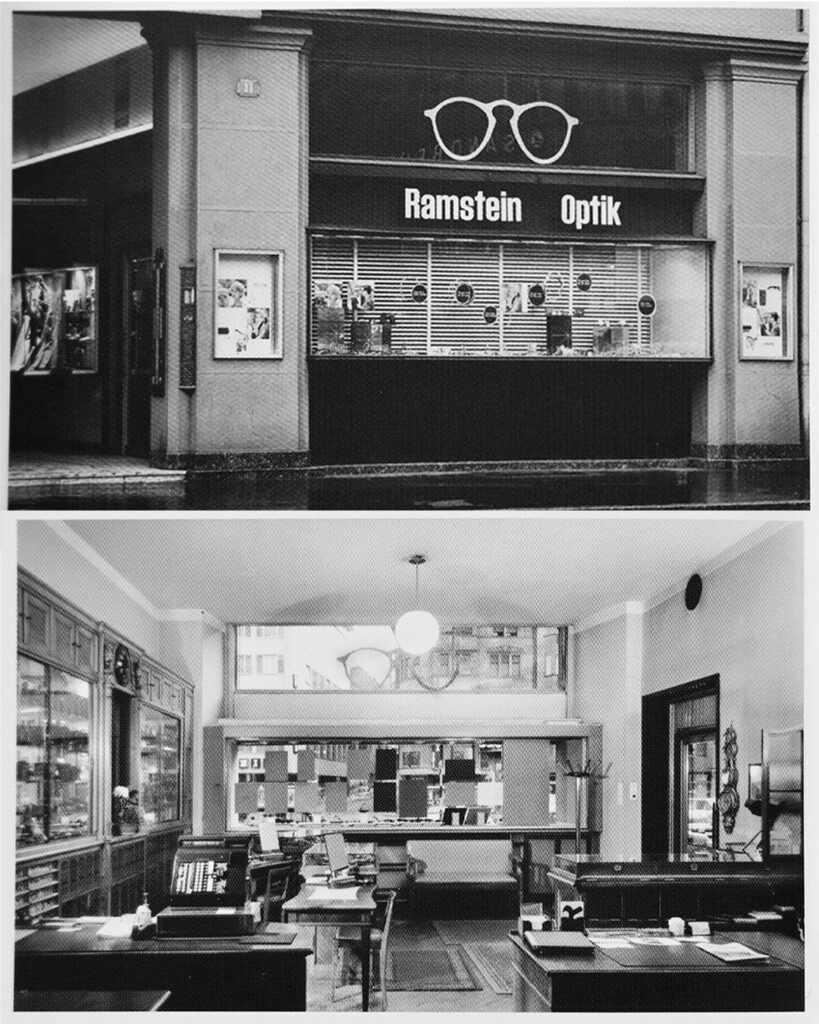
Another move followed in 1940, during the Second World War, when the business relocated from Eisengasse 34 to Marktplatz 11, beside Basel’s Rathaus. Ramstein’s account describes larger premises, a renewed appearance and a notable increase in customers, helping establish the store’s recognition across the city.
These addresses trace more than physical expansion. They show a business progressively embedding itself in Basel’s commercial life, while adapting how it presented its expertise.
When the window became an artistic medium
In 1947, according to Ramstein, Jean Tinguely designed his first window for the optician. Museum Tinguely independently documents his work for the business, including a display photographed in May 1949. The museum describes how the artist’s window designs, often made from wire, anticipated the visual language of his later work.
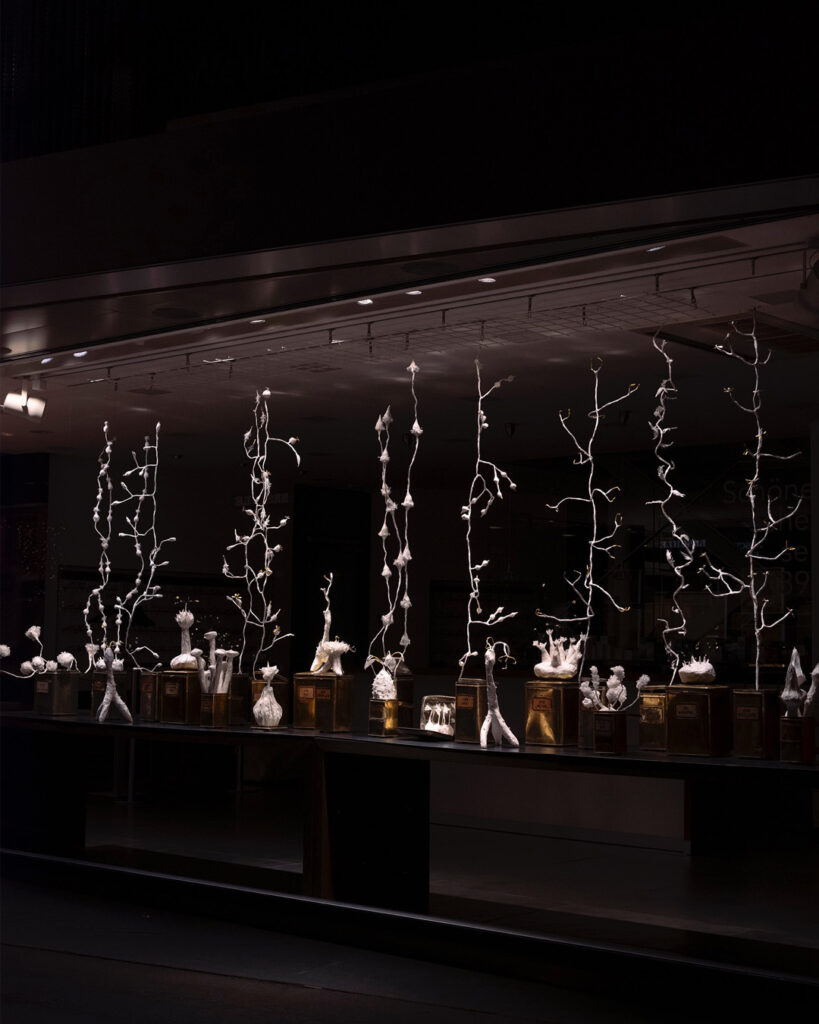
This gives Ramstein’s artistic history unusual substance. The storefront was a working space for an artist developing his practice, with a street audience encountering the results.
The connection also belongs to a wider history. Museum Tinguely’s Fresh Window exhibition, held from December 2024 to May 2025, examined the exchanges between art and commercial display, placing Tinguely’s commissions within a tradition that included work by artists such as Andy Warhol, Jasper Johns and Robert Rauschenberg.
Seen in that context, the optical window becomes a particularly fitting exhibition space. Both the artist and the optician work with perception, directing attention towards differences in form, proportion, colour and movement.
A permanent address, a changing programme
The business continued through another generational transition. Following Louis Jberg’s retirement after four decades of partnership, Max Ramstein’s sons, Walter and Rolf, stepped in. The company M. Ramstein, Söhne & Cie was formed in 1959.
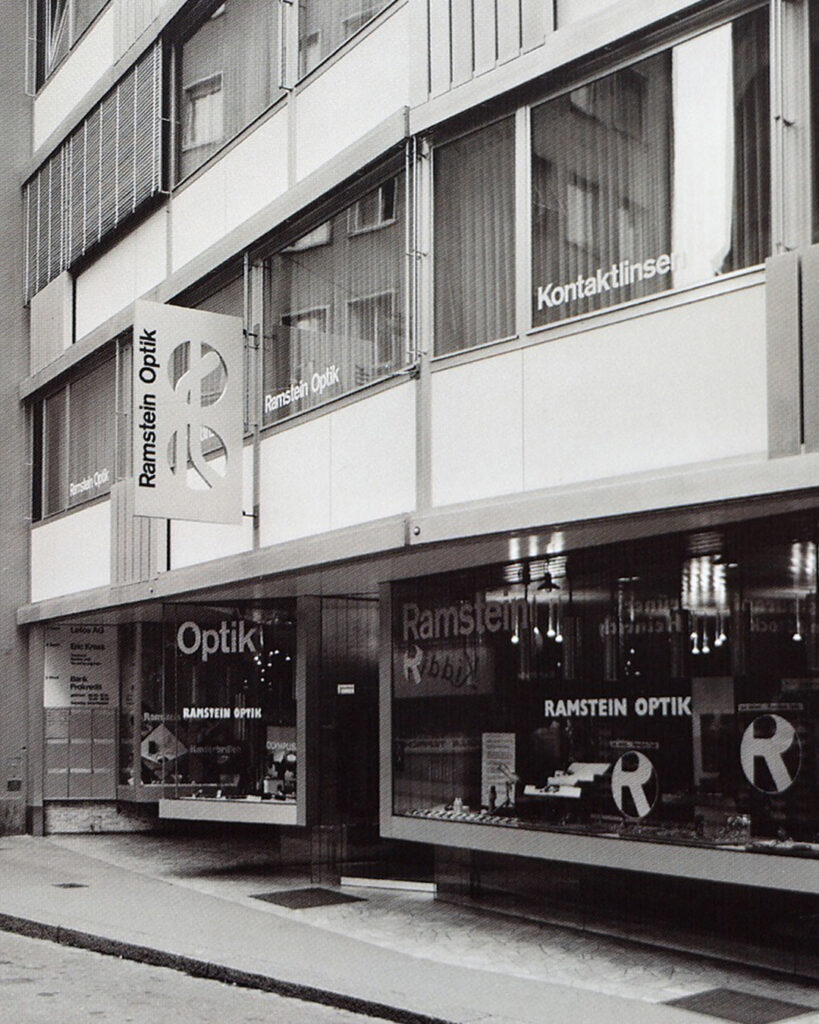
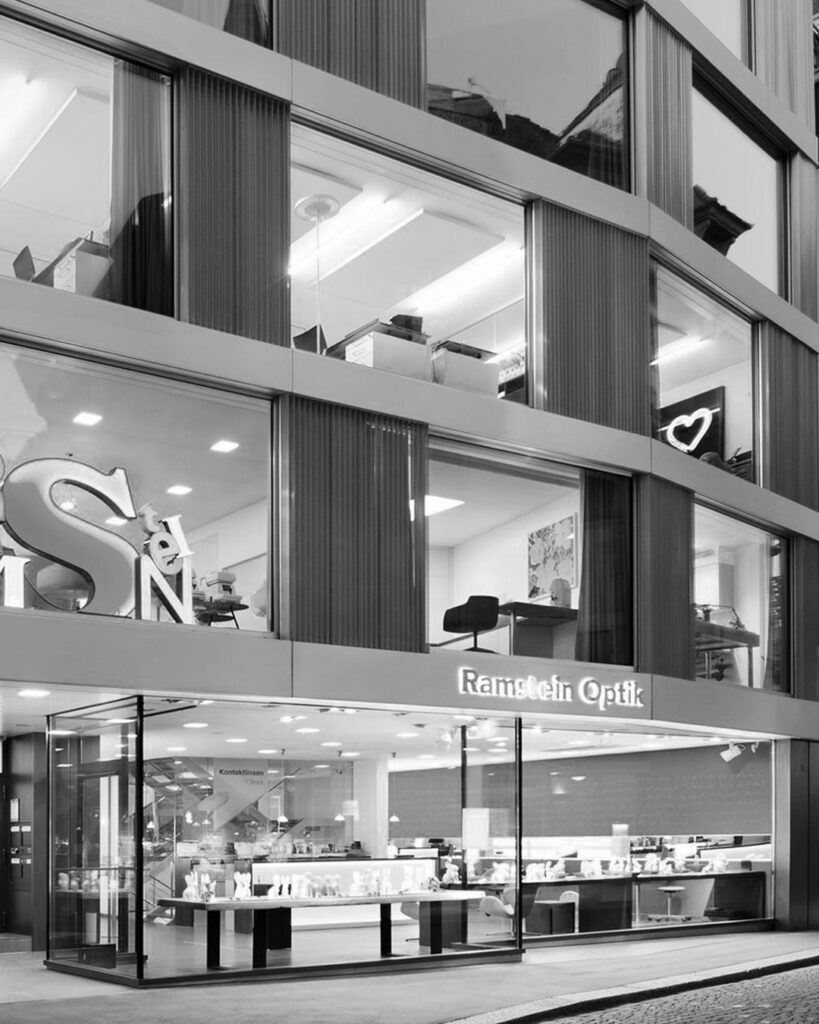
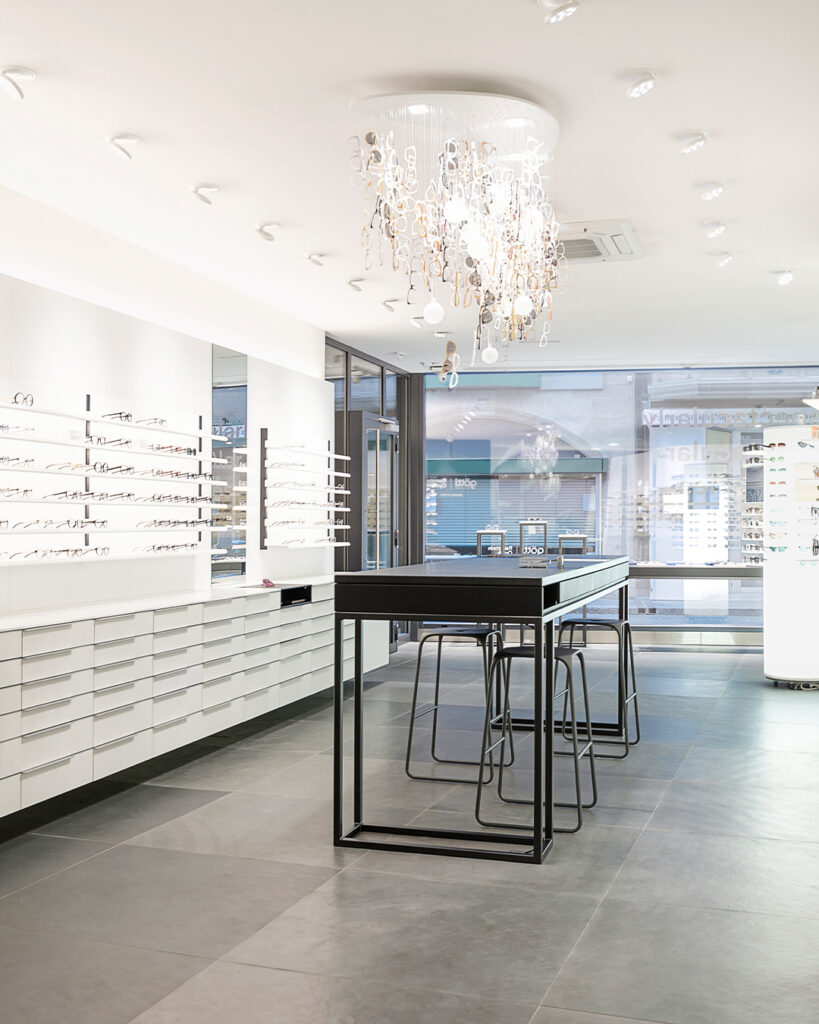
On 1 August 1966, Ramstein moved to its present address at Sattelgasse 4. According to its historical account, architect Leo Eya designed the new commercial building, where a contact lens department opened on the first floor and a specialist low vision section was established. Both services remain part of the business today.
A black-and-white photograph recreated in December 2024 returned to that architectural history. The comparison offered a reminder that a recognisable address can become part of a retailer’s identity, carrying memories across successive generations of customers.
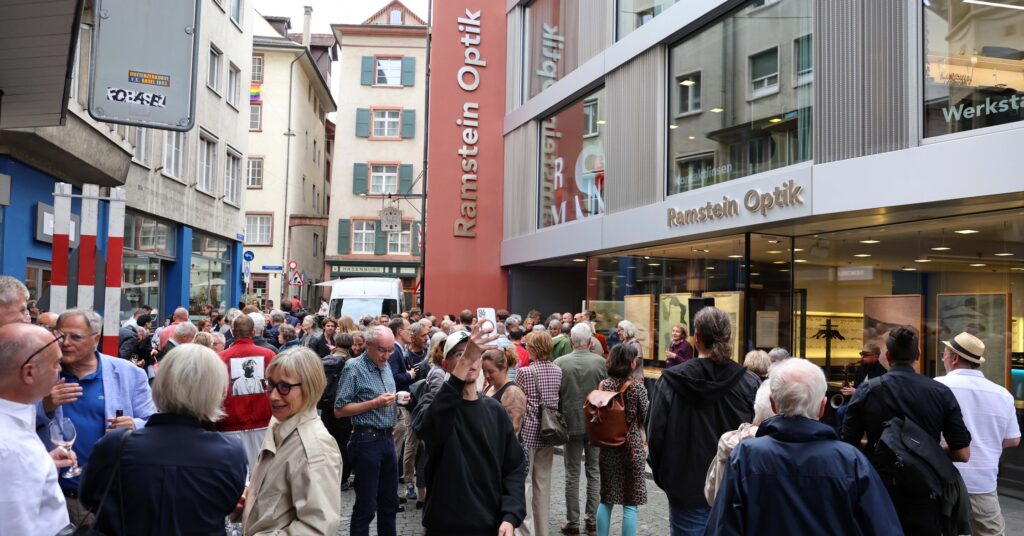
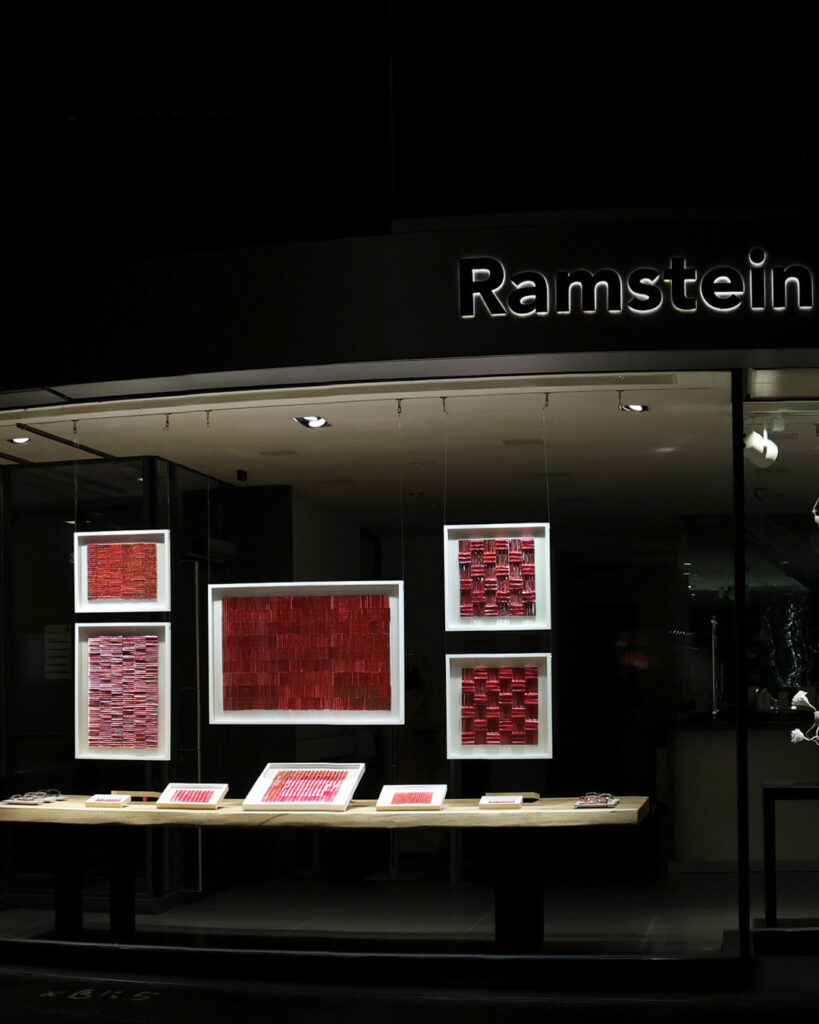
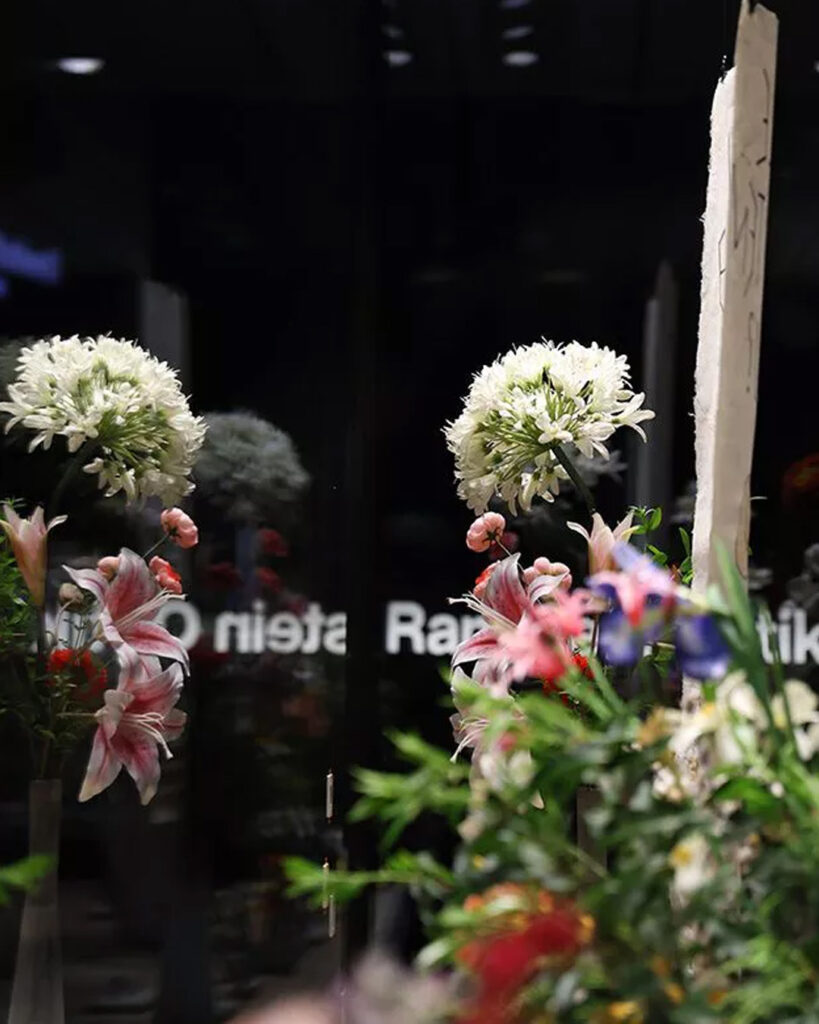
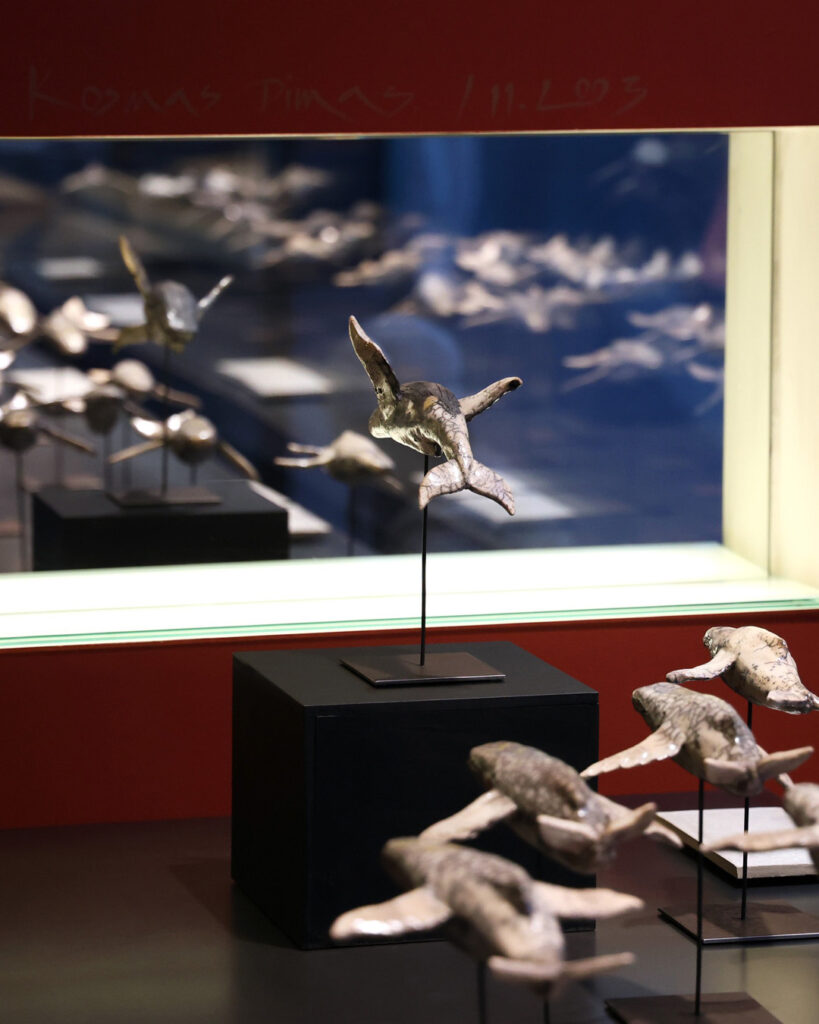
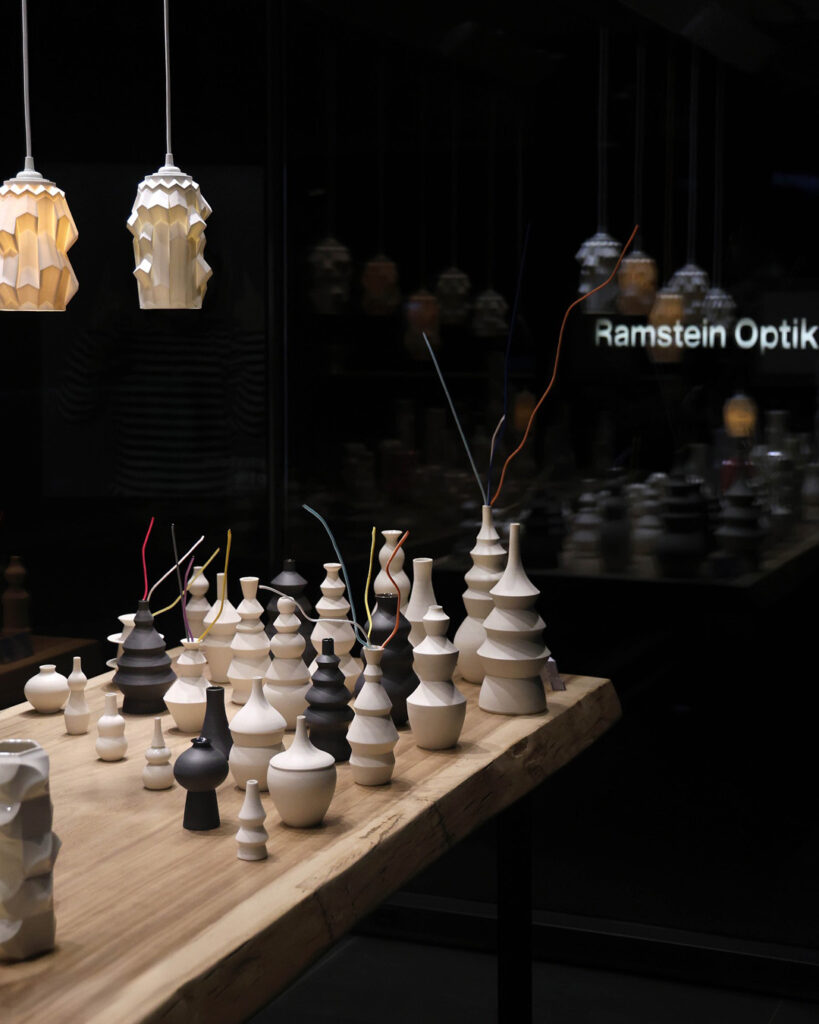
Within that setting, the windows remain a changing element. Ann Yuki Bichweiler continues the programme, whose 2026 presentations include Stielbruch by Tilla Küng and Wal 52 by Yuko Wakasa. The identification of individual artists and named works reinforces the exhibition character of the space.
Beyond the glass
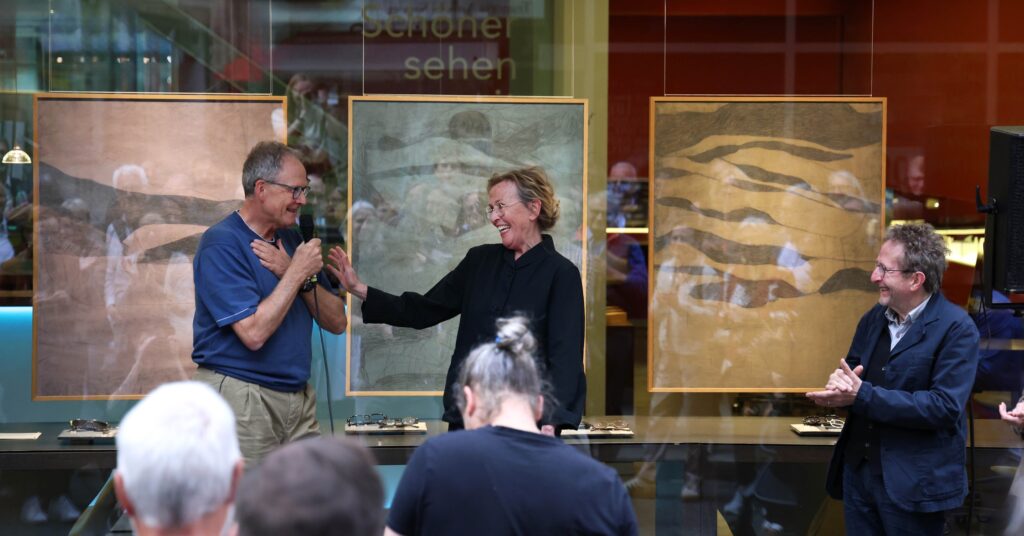
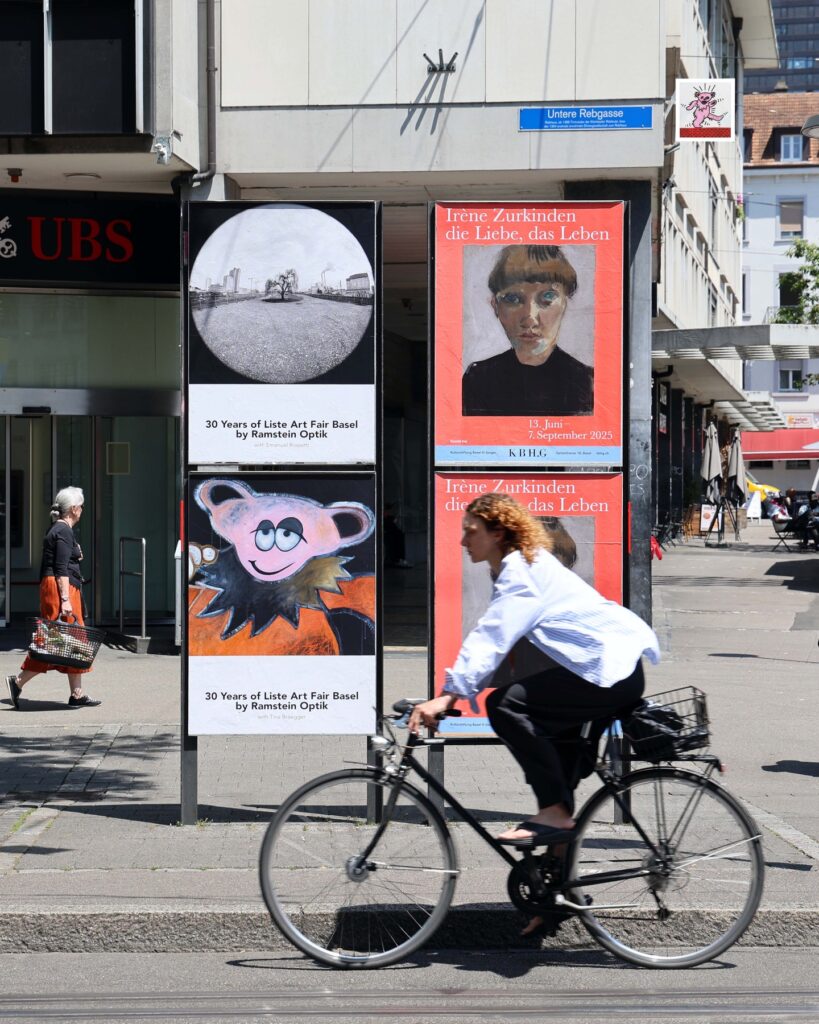
Ramstein’s engagement with art also reaches beyond its façade. In 2022, it collaborated with Kunsthalle Basel on a poster campaign celebrating the institution’s 150th anniversary. During Art Basel, original prints by ten artists appeared in public space.
In 2026, its ART posters featured Norwegian artist Mette Stausland. Ramstein traces the collaboration to her longstanding friendship with Andreas Bichweiler, formed during the years she lived in Switzerland and Basel. Dieter Bopp provided art direction.
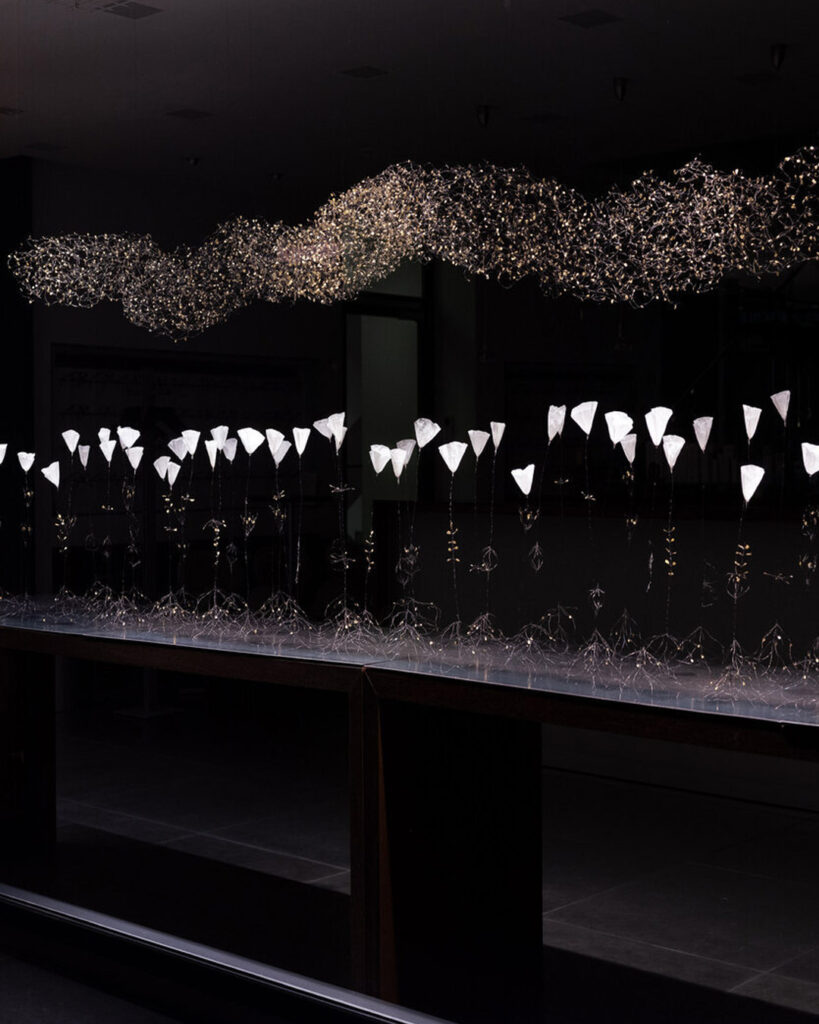
In the account of the opening vernissage shared for this article, Ramstein described an evening bringing together familiar and new faces, with a musical performance by Simon Spiess. The gathering gave the collaboration a social dimension: people could meet around the work, exchange ideas and experience the store through an occasion unrelated to a purchase.
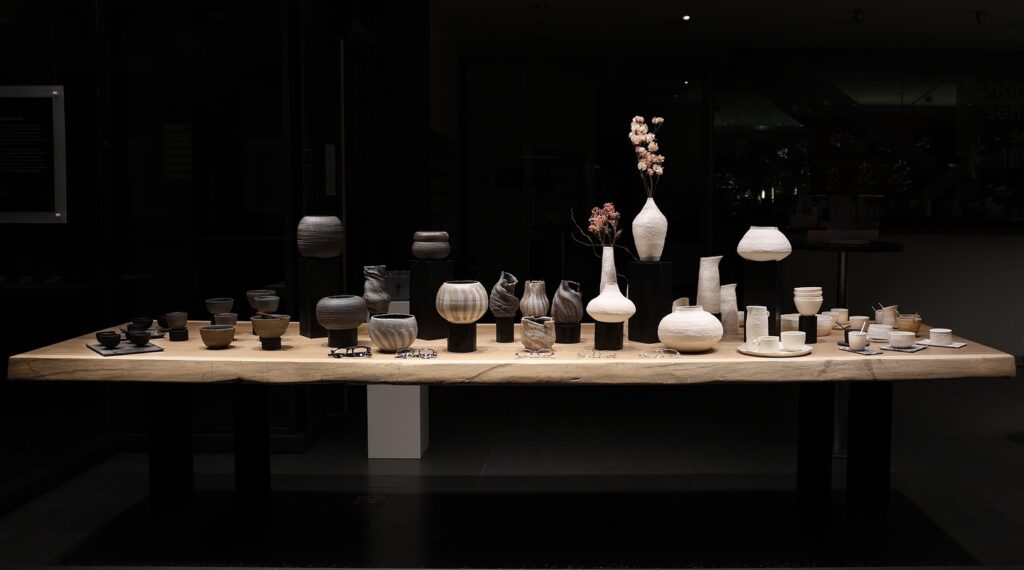
The value of a retailer’s own perspective
There is no sales evidence here that isolates the commercial return from these activities. Their significance is visible in the consistency of the approach.
Across windows, posters and gatherings, Ramstein expresses a perspective that belongs to the retailer itself. That matters in a sector where several stores may carry overlapping collections. The selection remains important, but the setting, relationships and judgement around it help explain why a customer might choose one destination over another.
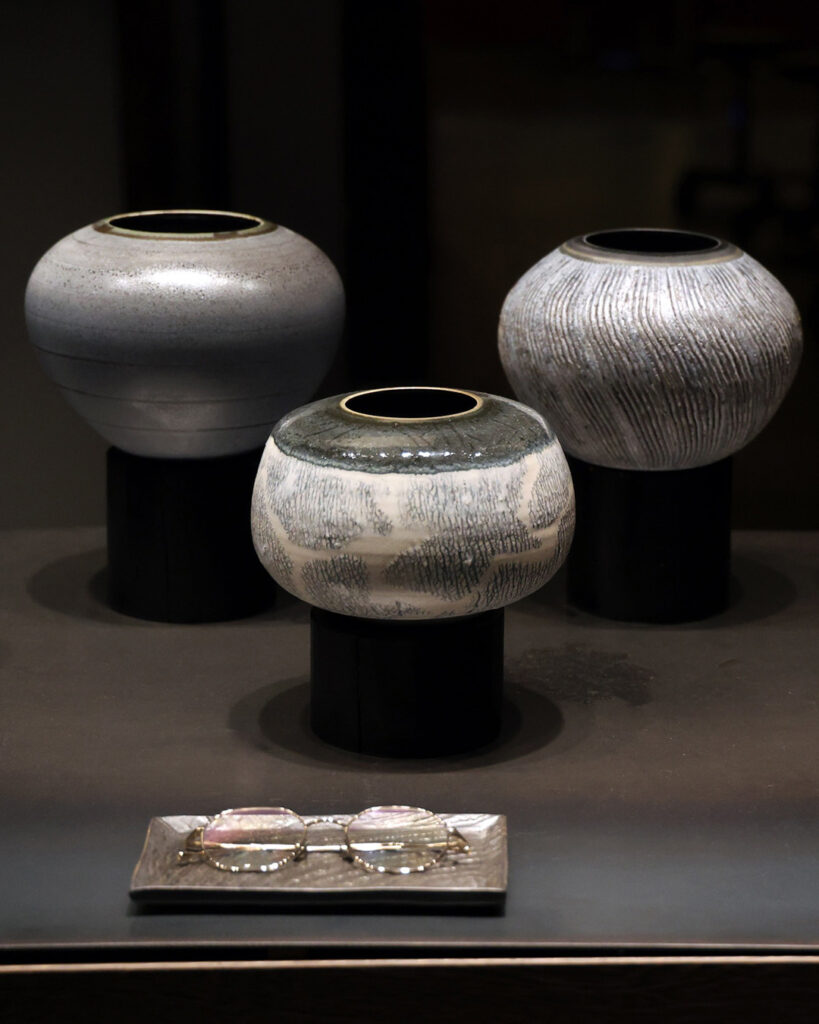
At Ramstein, professional expertise and cultural curiosity have developed alongside each other. The window connects them to the street, offering something accessible to customers, neighbours and people simply passing through.
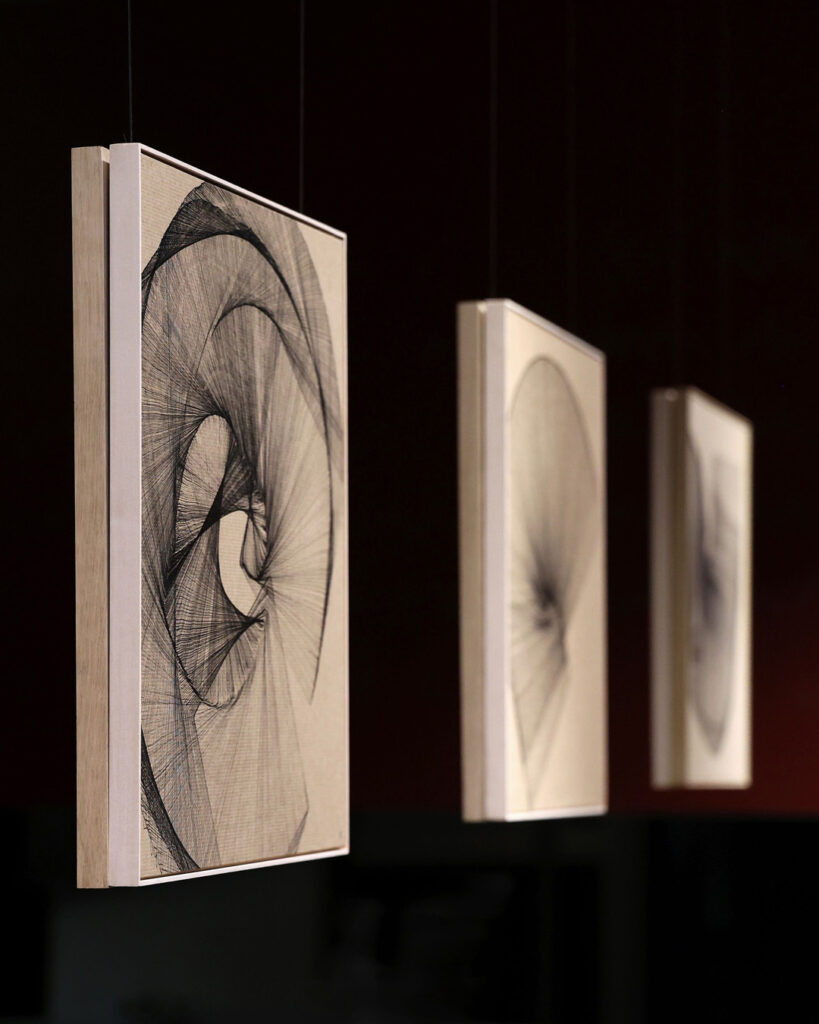
Over time, those encounters give a store a place in the life of its city. At Sattelgasse 4, looking through an optician’s window can mean discovering considerably more than a pair of glasses.


 English
 French
 Italian
 Spanish
 Portuguese
 German
 Korean
 Japanese
 Dutch