

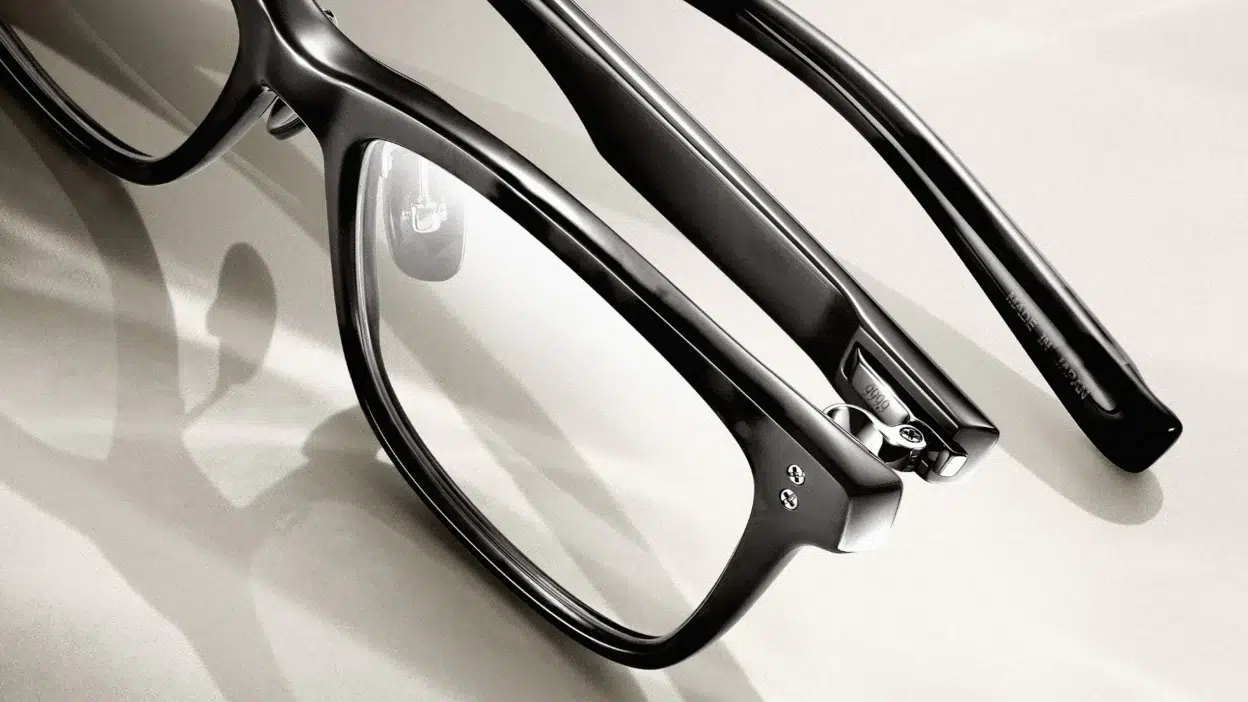
What European opticians can learn from Asia about design, desirability and everyday relevance.
A frame can impress an optician in thirty seconds and disappoint its wearer for fifteen hours.

That gap deserves more attention in Europe’s independent optical market. For retailers reporting slower sales, the uncomfortable question is whether their collections still reflect how customers actually live.

Part of the problem begins at the buying table. Elaborate construction, unusual shapes and heavy decorative hardware can become shortcuts for judging value. A frame feels substantial in the hand, tells a complicated manufacturing story and earns its place on the shelf. But how does it sit on the face? How well can it be adjusted? Will someone enjoy wearing it from breakfast until bedtime?
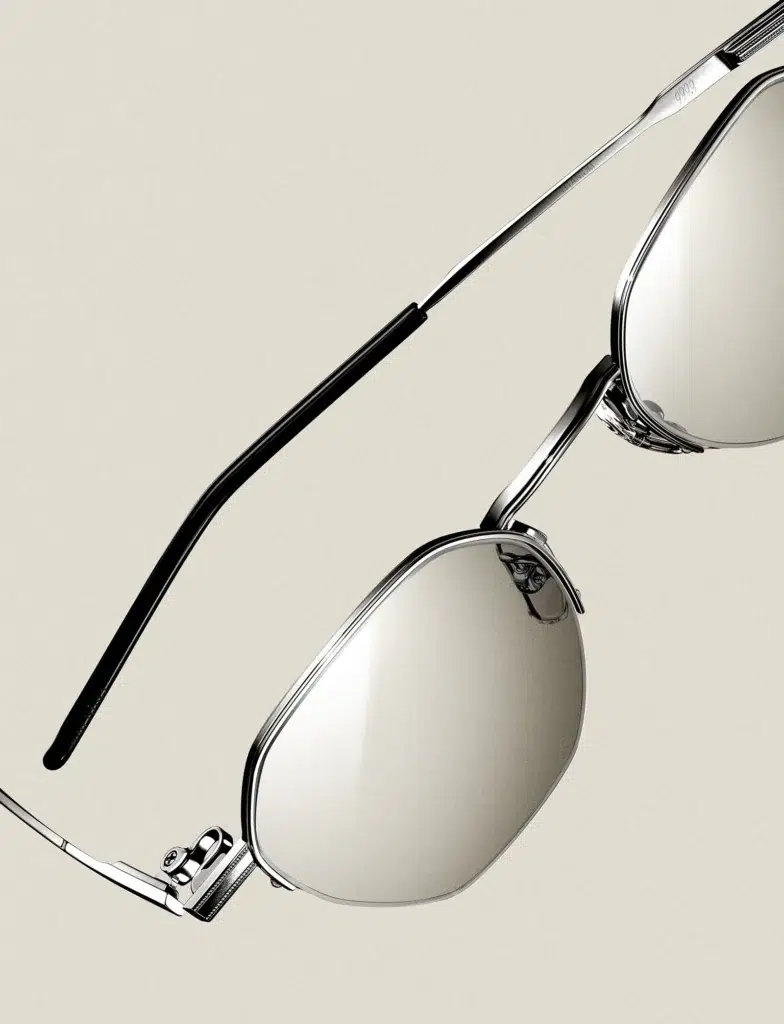
Too often, the optician weighs a frame in the hand and judges its presence in the display window before considering how it sits on a face. Heft becomes a proxy for quality, decoration for craftsmanship, and visual impact for desirability. Yet the customer experiences none of these things from behind the glass. They experience the weight on their nose, the pressure behind their ears and the balance of the frame throughout the day. What earns attention in a window does not necessarily earn a place in someone’s daily life.

Europe’s eyewear industry has become trapped in its own conventions. Trade fairs, awards and design teams reward products that impress insiders while overlooking the connection between fashion, trends and everyday life. The result is an industry designing for its own approval while retailers struggle to connect with customers.
Complexity can demonstrate skill. It does not automatically deliver a better product.
Optical frames and sunglasses also need different buying considerations. Both require comfort, but prescription eyewear often becomes an all-day necessity. Treating every optical purchase as a fashion statement risks overlooking the customer who wants character, precision and effortless daily use.

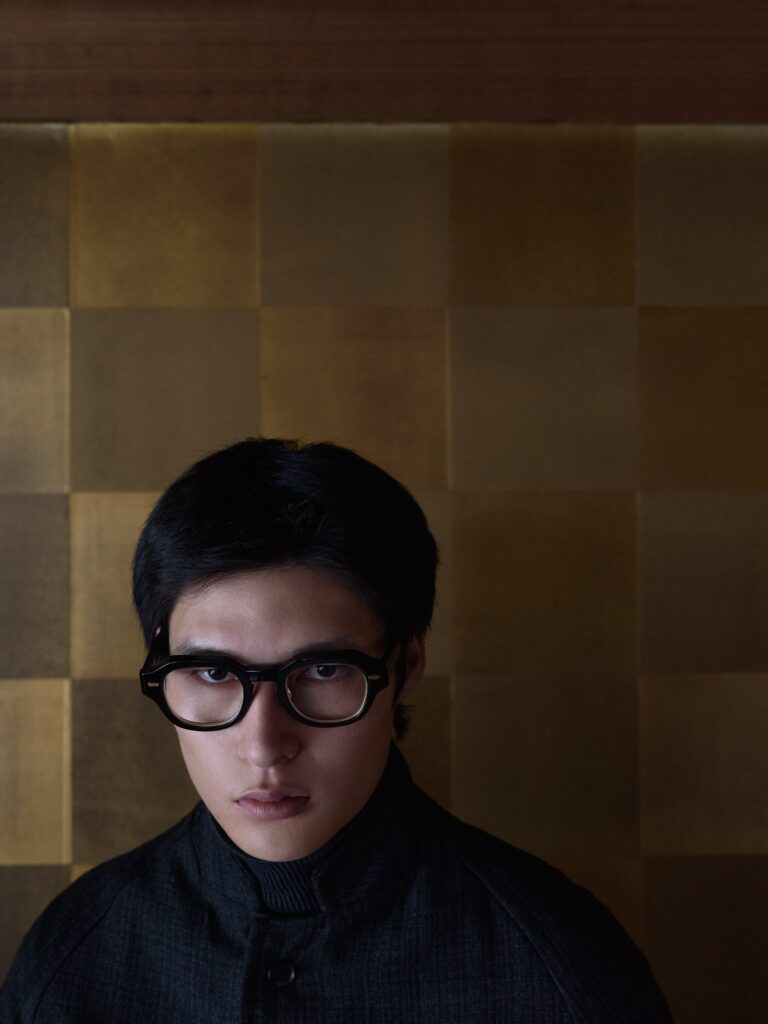
Asia offers useful reference points. Rather than treating South Korea, Japan and Taiwan as one market, European buyers should study how individual brands balance expression with wearability.

Gentle Monster illustrates that distinction. Its experimental image attracts attention, yet its optical offering also includes familiar acetate silhouettes and restrained metal designs. The spectacular pieces are only part of the proposition.

Japan offers another perspective. At 999.9, comfort, durability and adjustability explicitly guide development. EYEVAN connects fashion with precision craftsmanship, while YUICHI TOYAMA combines traditional techniques with contemporary design. Their approaches suggest that a clear identity can emerge through proportion, construction and disciplined detail.

This should also challenge how independents interpret competition. LINDBERG, owned by Kering Eyewear, is a European reminder that innovation and comfort can underpin a recognisable identity. A customer choosing that proposition may be responding to a practical benefit that another store has failed to explain or stock.
Independent retail cannot rely on a prestigious brand list to sell itself. Nor can it build an entire assortment around the most eccentric customer and expect broader demand to follow.
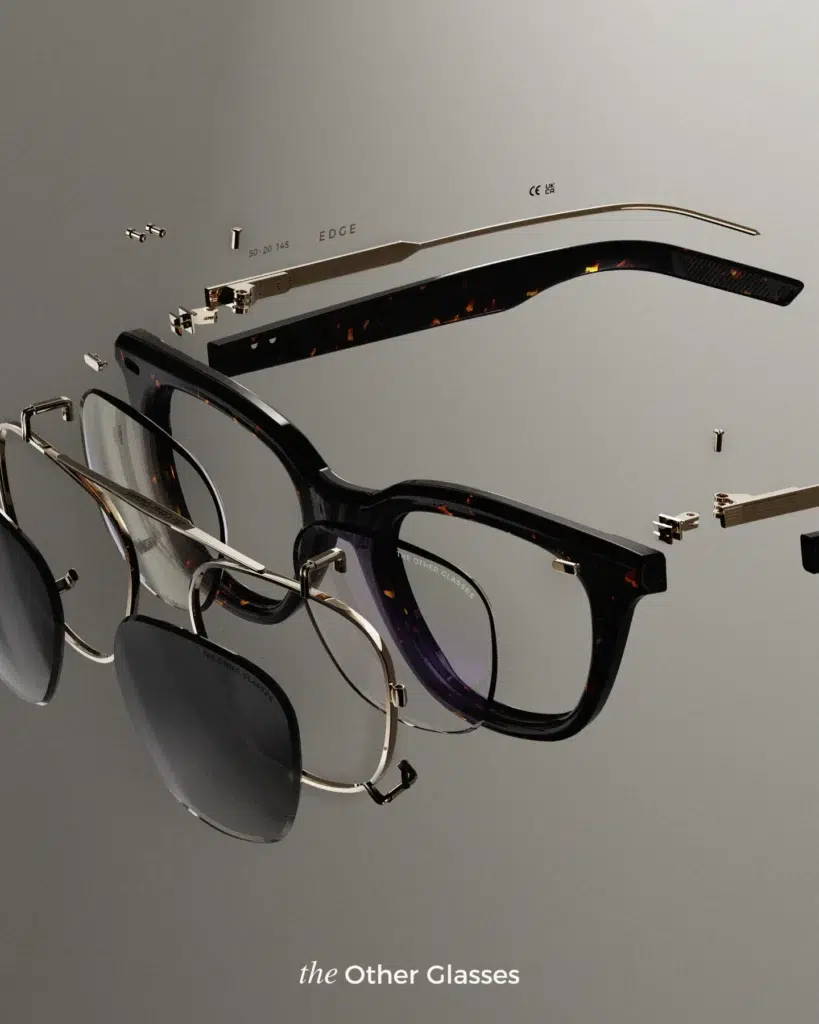
Brand DNA must reach the wearer through something tangible: balance, fit, material choices, a distinctive silhouette and details that serve a purpose. Decoration alone cannot carry that responsibility.
The opportunity for European opticians is to curate with greater discipline: preserve expressive design, but build the collection around people, prescriptions and everyday life.
The decisive test happens after the sale: would the customer happily wear those glasses for fifteen hours?



 English
 French
 Italian
 Spanish
 Portuguese
 German
 Korean
 Japanese
 Dutch