


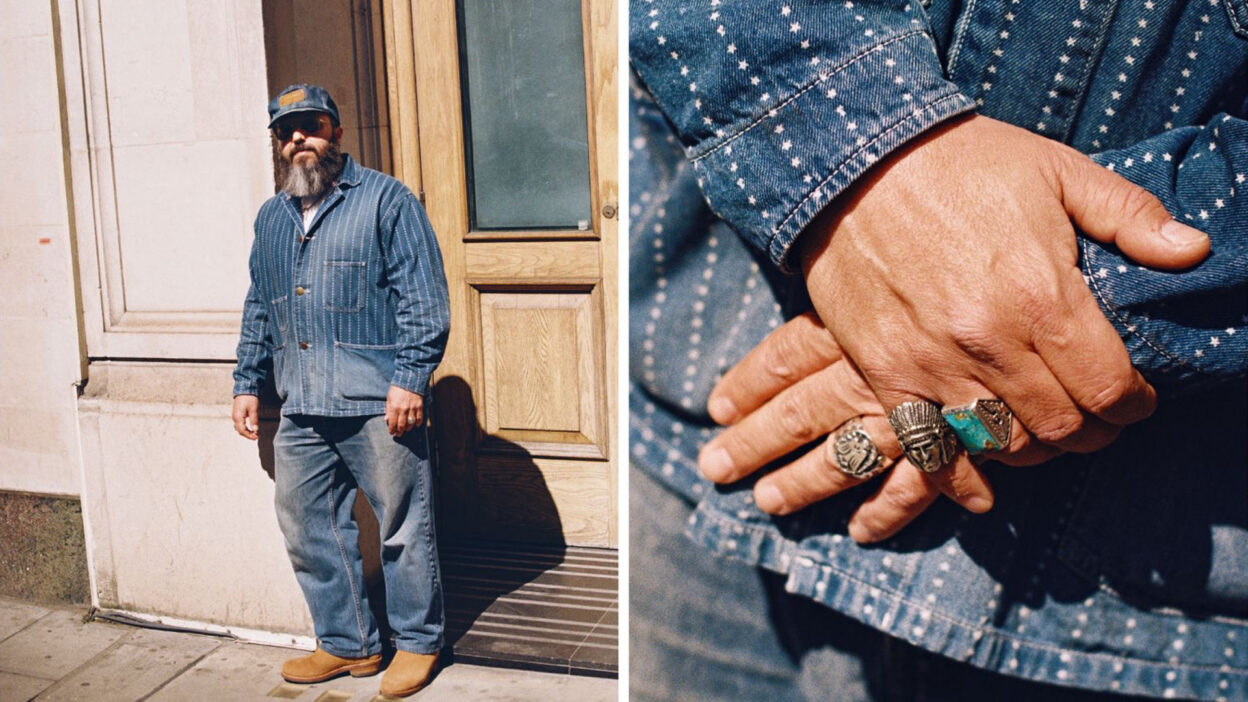
In an eyewear industry increasingly dominated by large groups, mass distribution, and fast-moving trends, independent retailers continue to prove that curation and identity still matter. Mr. Tortoise has quietly built its reputation around a different philosophy: fewer brands, stronger stories, and an uncompromising focus on craftsmanship.
Rather than chasing scale, the concept focuses on selectivity, carrying a carefully curated portfolio of brands where quality and authenticity come before volume. In a market increasingly shaped by technology and mass appeal, Mr. Tortoise represents a more traditional approach one built around human connection, timeless design, and the belief that eyewear has become far more than a functional object.
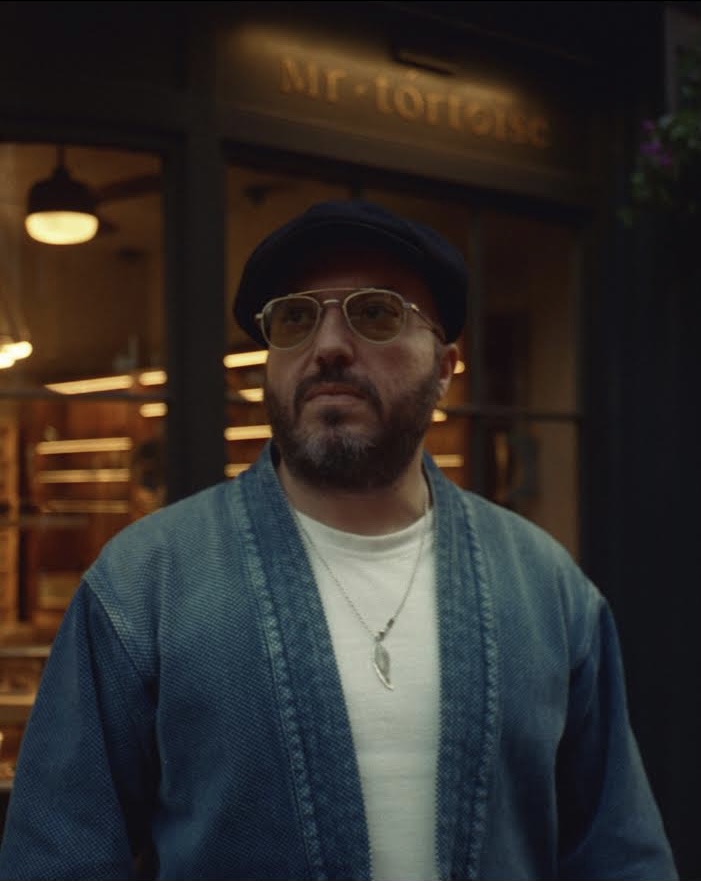
We spoke with Greg Karipidis about the journey behind Mr. Tortoise, the future of independent retail, and why craftsmanship continues to matter in today’s eyewear landscape.
How did you enter the eyewear industry, and what’s the story behind the concept of Mr. Tortoise?
I entered the eyewear industry in 2007 in Greece, initially helping my brother open his first optical store. In 2013, I opened my own store in Thessaloniki with a concept focused on handmade frames from independent designers.
The turning point came when I met Yannis Reisis from Matsuda, who introduced me to the world of Japanese eyewear and the rich heritage behind Matsuda. I was instantly drawn to the extraordinary attention to detail, uncompromising craftsmanship, and traditional manufacturing techniques that define Japanese eyewear culture.
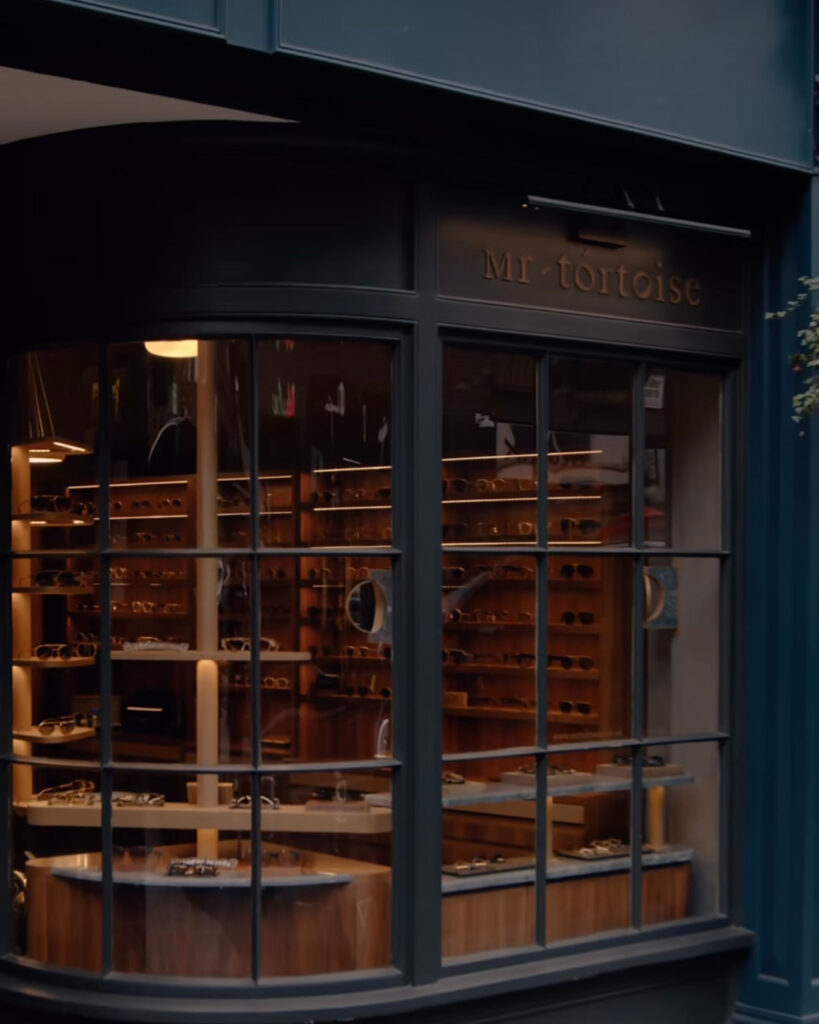
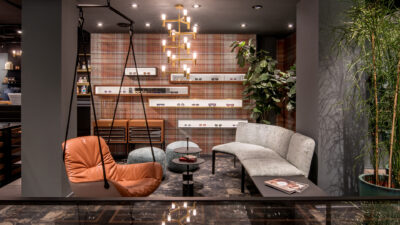
The idea behind Mr. Tortoise London, which launched in 2019, was to create a boutique carrying only a very selective number of brands with the highest standards of quality and design. We mainly focus on eyewear made in Japan, with a few exceptional and unique brands such as Rigards and Bird & Cage.
Why did you choose to build the concept between Greece and the UK? What does each market bring, and how do they complement each other?
Greece is my home country, and Thessaloniki is my hometown, so there is a strong emotional connection there.
London, on the other hand, has always been the most exciting city in Europe for me. It has a unique energy, creativity, and international culture. That is why I chose London — and Soho in particular — for the second location.
The two markets complement each other very well: Greece gives the brand its roots and authenticity, while London brings international exposure, diversity, and a fashion-forward audience.
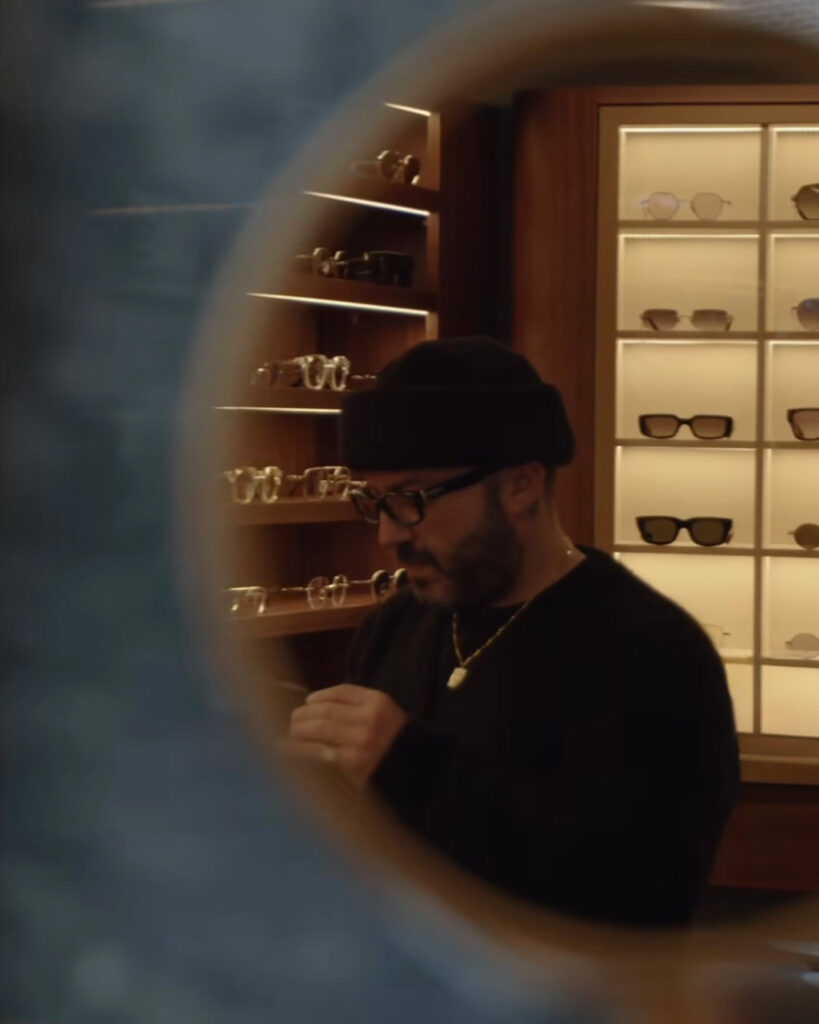
How do you see the eyewear industry today, and where do you think it’s heading in the next few years?
The eyewear industry is heavily dominated by large groups such as Luxottica and other major players in the mass market. However, there is still plenty of room for independent stores with a strong identity and unique point of view.
There will always be people looking for something more personal and inspiring — customers who want to feel connected to a cool and authentic space rather than simply buying a product. I believe the future belongs to stores and brands that can offer originality, craftsmanship, and a genuine experience.
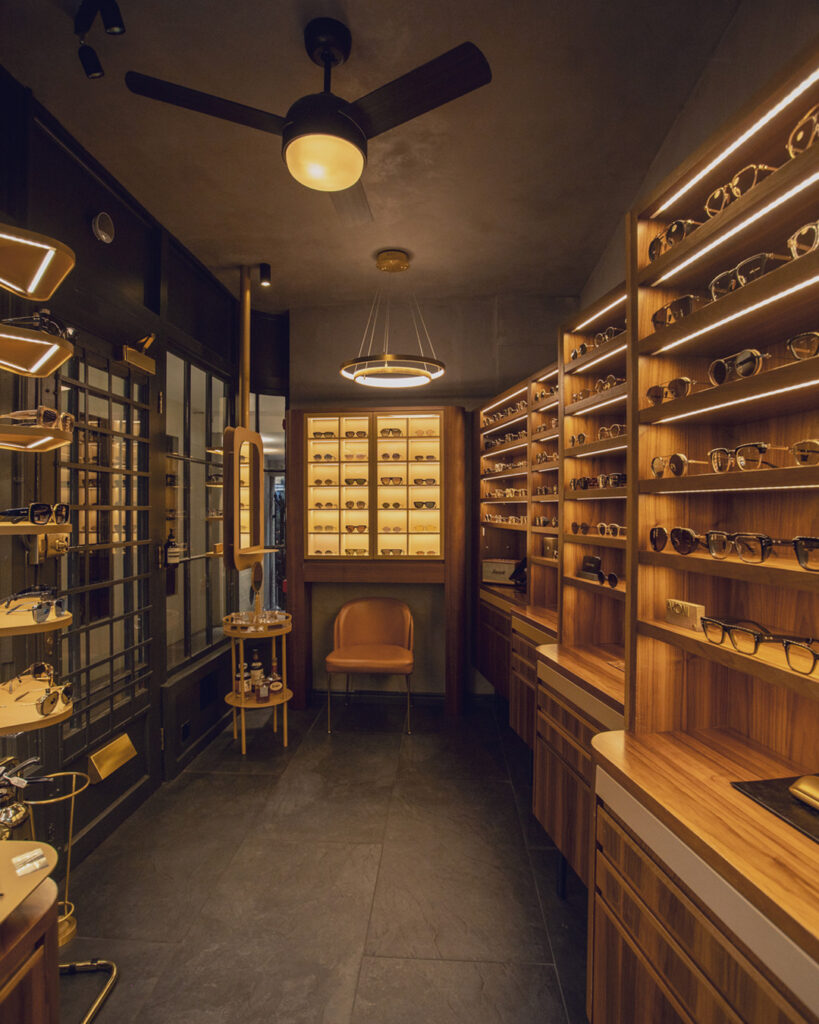
How do you build your brand portfolio? What do you look for when selecting a brand to bring into the store?
For us, it is always quality over quantity. The brands in the store should complement each other rather than compete with one another.
We select brands that have a strong identity and something meaningful to say through their craftsmanship or design language. We also value exclusivity and prefer working with brands that are selective about where they are distributed.
The right balance between craftsmanship, innovation, and uniqueness is very important.
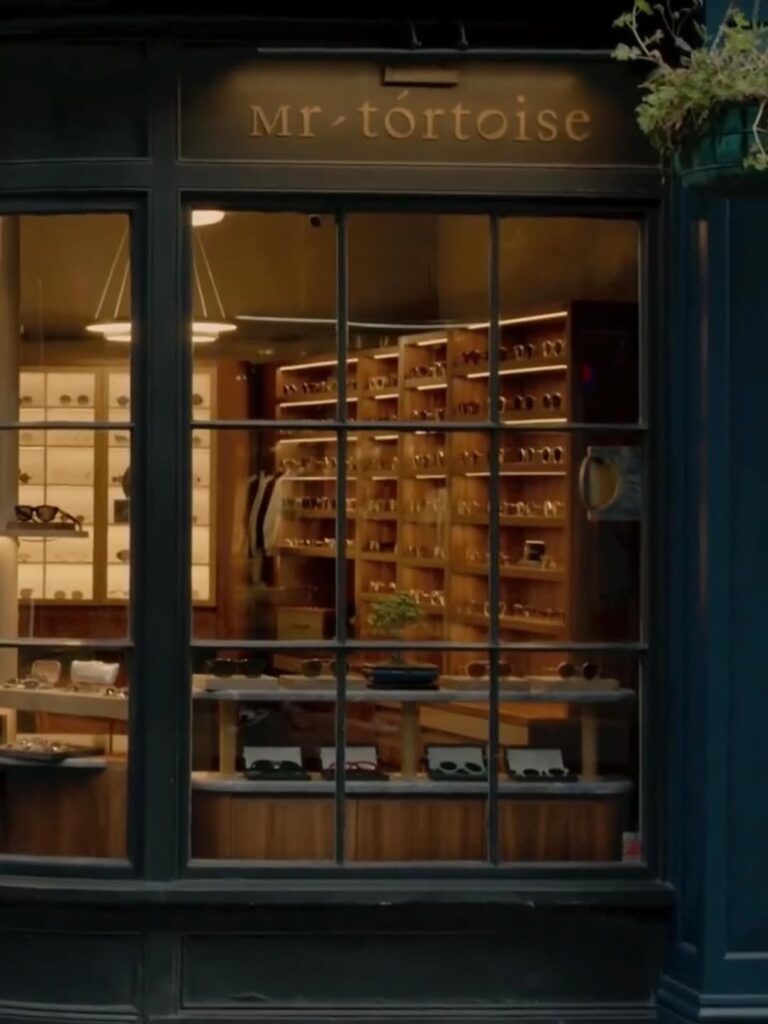
How would you define the Mr. Tortoise customer? What kind of people connect the most with the concept?
Our clients are people who truly appreciate quality, craftsmanship, and design. Many of them are creatives — including actors, designers, architects, and people working in fashion — who value individuality and attention to detail.
They are looking for something unique and timeless rather than mainstream luxury.
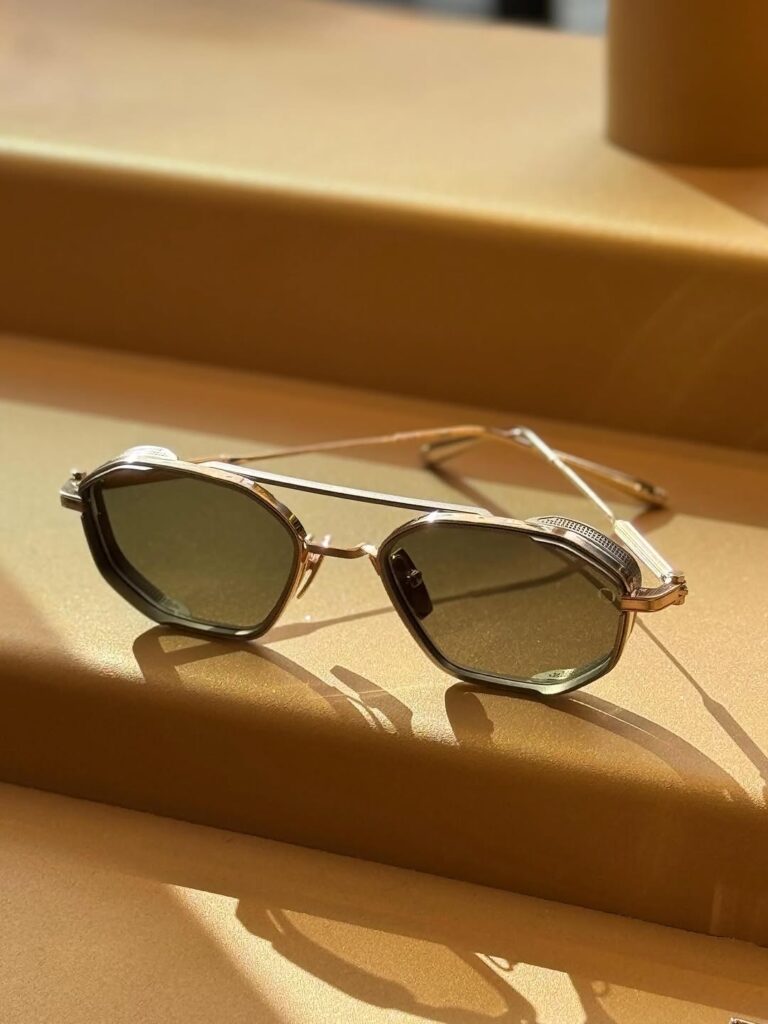
If you had to describe Mr. Tortoise in numbers, roughly how many frames do you sell annually? And which brand performs best within your portfolio?
All the brands do quite well.
Having experience in both Greece and the UK, what are the biggest differences between customers in these two markets?
Greek clients are quite selective and often look for bold or unique designs that help them stand out.
In London, we have a much more international clientele, and customers tend to be more open to experimenting with different colors, shapes, and styles. The diversity of the city creates a very interesting mix of tastes and influences.
Do you believe smart glasses will significantly change the eyewear industry? And what do you think will happen to traditional optical stores and clinics in the future?
Personally, I have never been a big fan of technology in eyewear. I love traditional frames, timeless materials, and old-school craftsmanship. That is why we focus on materials such as titanium, acetate, and buffalo horn.
I do believe smart glasses will become more important within the mass market, but customers who truly appreciate craftsmanship and heritage will remain loyal to traditional eyewear.
A good comparison is Rolex versus the Apple Watch — technology can become dominant, but there will always be people who value craftsmanship, artistry, and timeless design.
How do you see the future of Mr. Tortoise over the next 5–10 years?
We will continue doing what we do best: keeping the concept unique, personal, and special.
We are not interested in being everywhere. People connect with Mr. Tortoise because we offer a one-to-one, highly personal shopping experience, and because the store itself has a very distinct atmosphere.
It is an old-school approach — you need to visit the space, experience the vibe, and receive expert guidance in person. That human connection is extremely important to us and this is why we don’t want to be online.
What has been the most challenging moment in building this concept, and what did you learn from it?
One of the biggest challenges was staying loyal to a very selective and niche brand portfolio, even when it took time to educate customers and establish the identity of the store.
What I learned is that consistency and authenticity are essential. If you truly believe in your vision and remain patient, people eventually understand and appreciate what makes the concept unique.
How do you see the relationship between fashion, luxury, and eyewear today? Do you think eyewear has become more of a cultural statement than just a functional accessory?
Absolutely. Eyewear has evolved far beyond being just a functional accessory — today it is very much a cultural and personal statement.
Fashion and luxury, when approached in the right way, can create something truly powerful. However, only a few brands manage to combine fashion, luxury, and craftsmanship in an authentic and niche way.
I believe those are the brands that will continue to thrive in the future.

 English
  French
  Italian
  Spanish
  Portuguese
  German
  Korean
  Japanese