

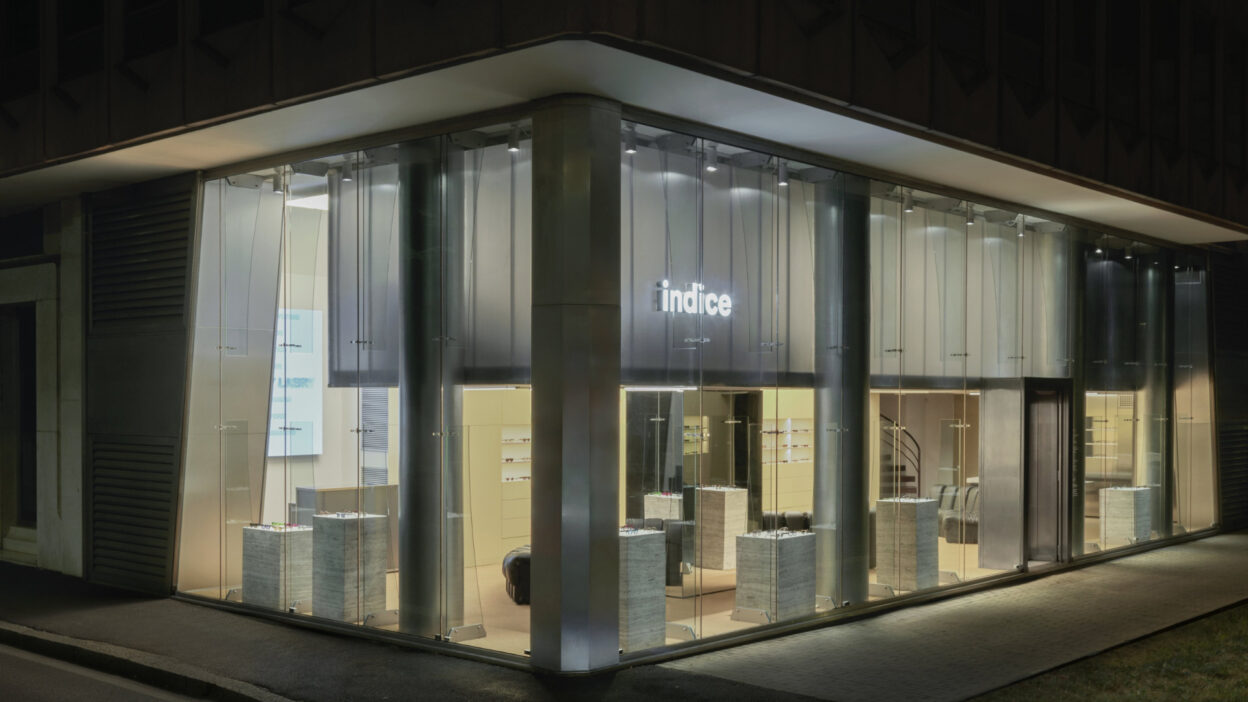
In a luxury landscape increasingly driven by scale, Italian retailer indice has built its business on the opposite principle: controlled scarcity. Over the past decade, the multi-location concept has quietly positioned itself as one of the few eyewear destinations capable of transforming product into narrative and narrative into demand.

Founded by Nicolò Plebani and Giovanni Comotti, indice was conceived as more than a retail space. From its first opening in Brescia in 2016, the project set out to merge interior design, curation, and product into a single, coherent language one where eyewear is treated as a cultural object rather than a seasonal accessory.
That positioning has proven particularly powerful when applied to one of the most effective tools in modern luxury: the capsule collection.
The Blueprint: A Retailer-Led Collaboration Model
Long before limited drops became a default strategy across fashion, indice began experimenting with retailer-driven exclusivity. In 2019, it became the first retailer to co-develop a highly limited capsule with Jacques Marie Mage, reinterpreting the brand’s iconic Molino frame. The project marked a turning point not just for indice, but for the role a retailer could play in product creation.
Rather than acting as a distribution channel, indice positioned itself as a co-author: shaping design, controlling distribution, and embedding the product within its own universe. The result was not simply a limited-edition frame, but a contextualized object available only within the physical and conceptual boundaries of the indice ecosystem.
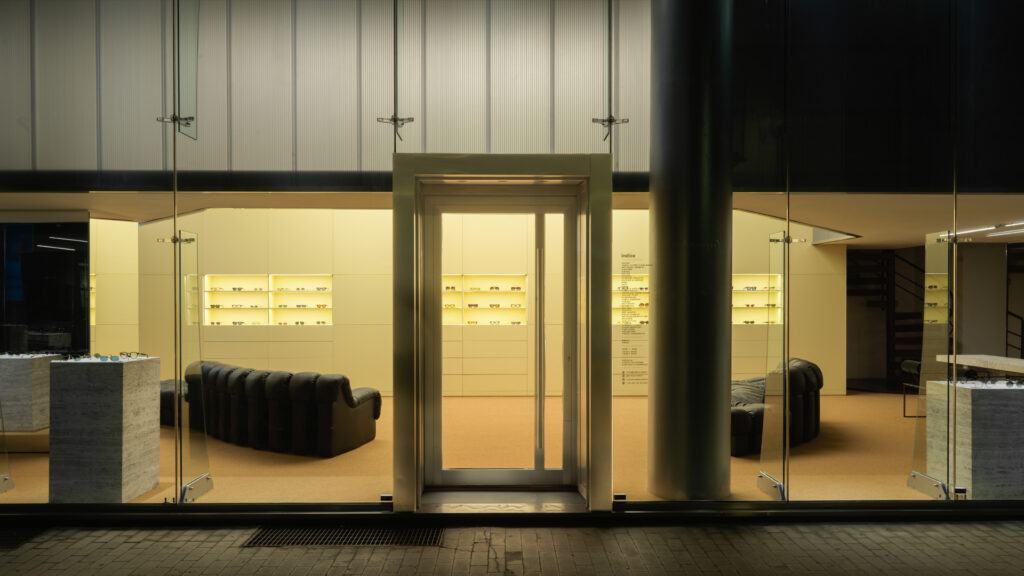
This model has since evolved into a long-term strategy, with subsequent collaborations spanning brands like MYKITA or Retrosuperfuture, each produced in tightly controlled quantities and sold exclusively through its boutiques.”
Now, as indice marks its 10-year anniversary, the strategy reaches a new level of visibility with its latest collaboration with Chrome Hearts.
Below, they share their vision and story in their own words.
How was indice founded? What is the story ?
The name is inspired by the “index” of a book – the structure that introduces and organizes what follows. In the same way, indice approaches the customer experience as a sequence of chapters, starting from the very first point of contact between the customer and the brand, where indice is encountered through its selection, its perspective, and its identity as a curator of eyewear. What follows is a journey shaped by discovery and refinement, where each step reflects the customer’s search for increasingly personal and defining pieces, moving through a carefully selected range of brands and styles. At indice, eyewear is not treated as a simple accessory, but as a cultural object – something that reflects identity, evolves over time, and becomes part of how one presents themselves to the world.
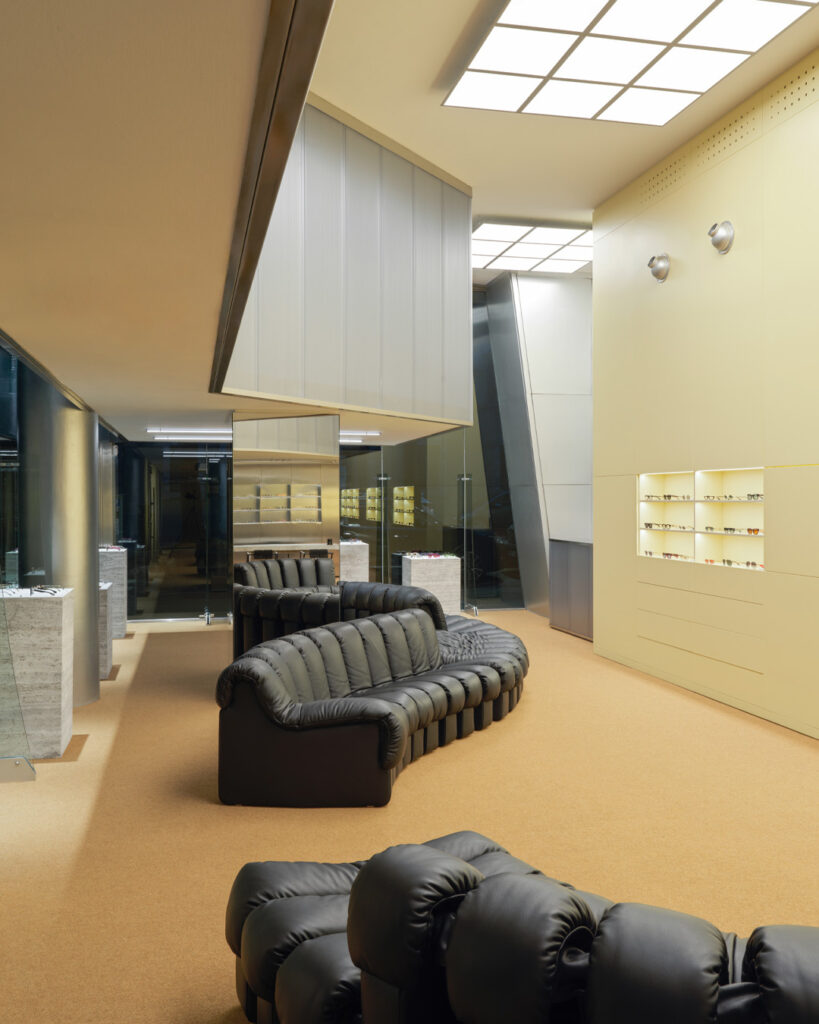
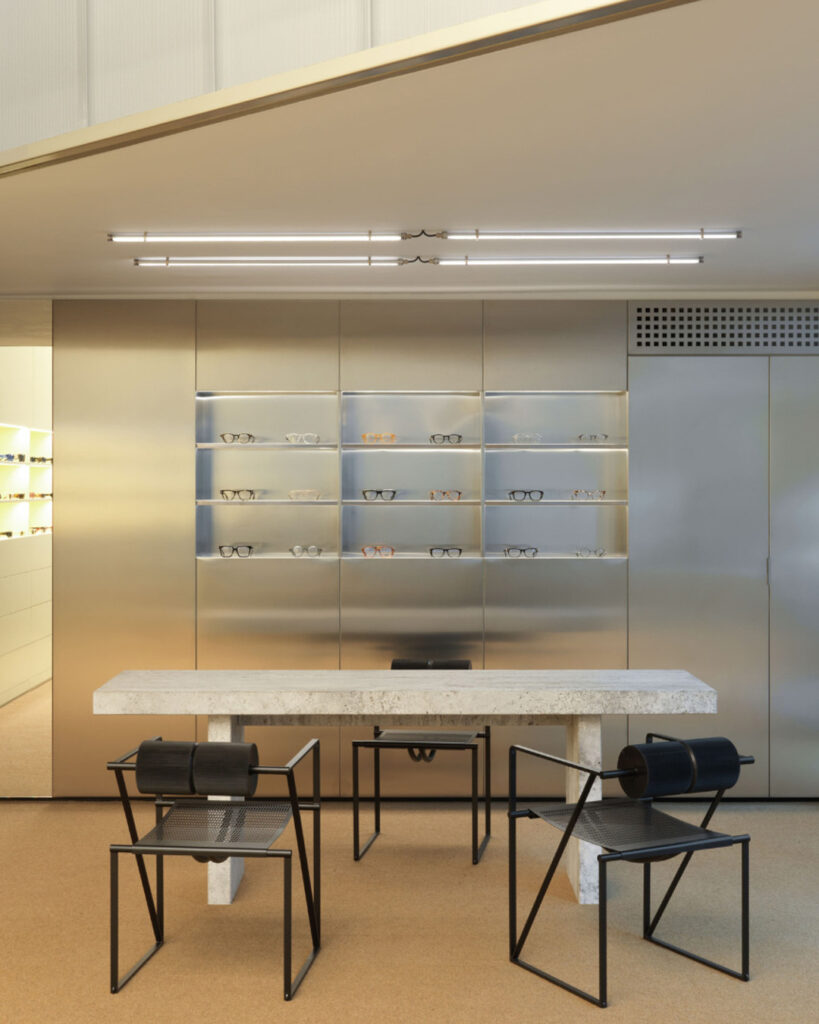
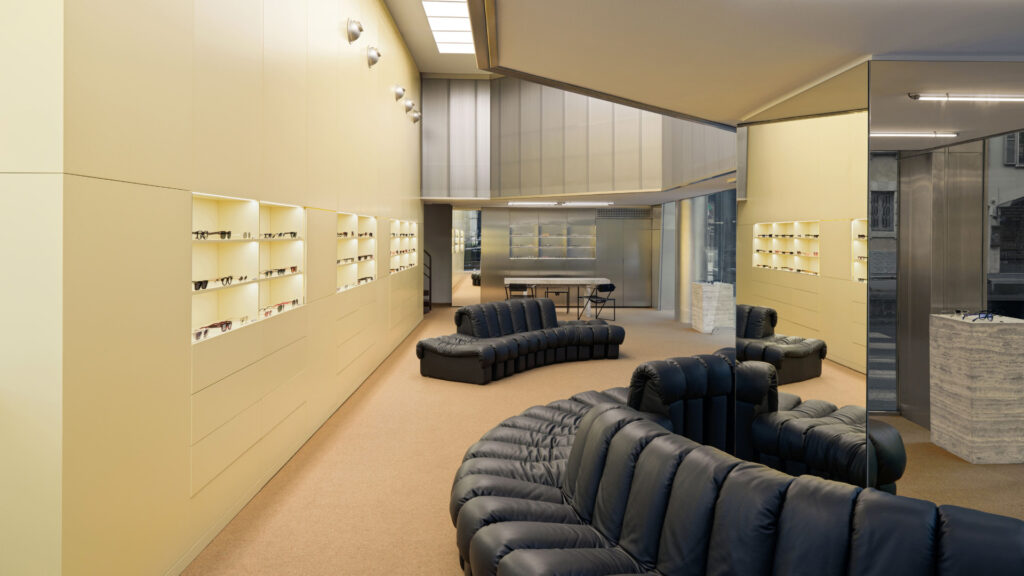
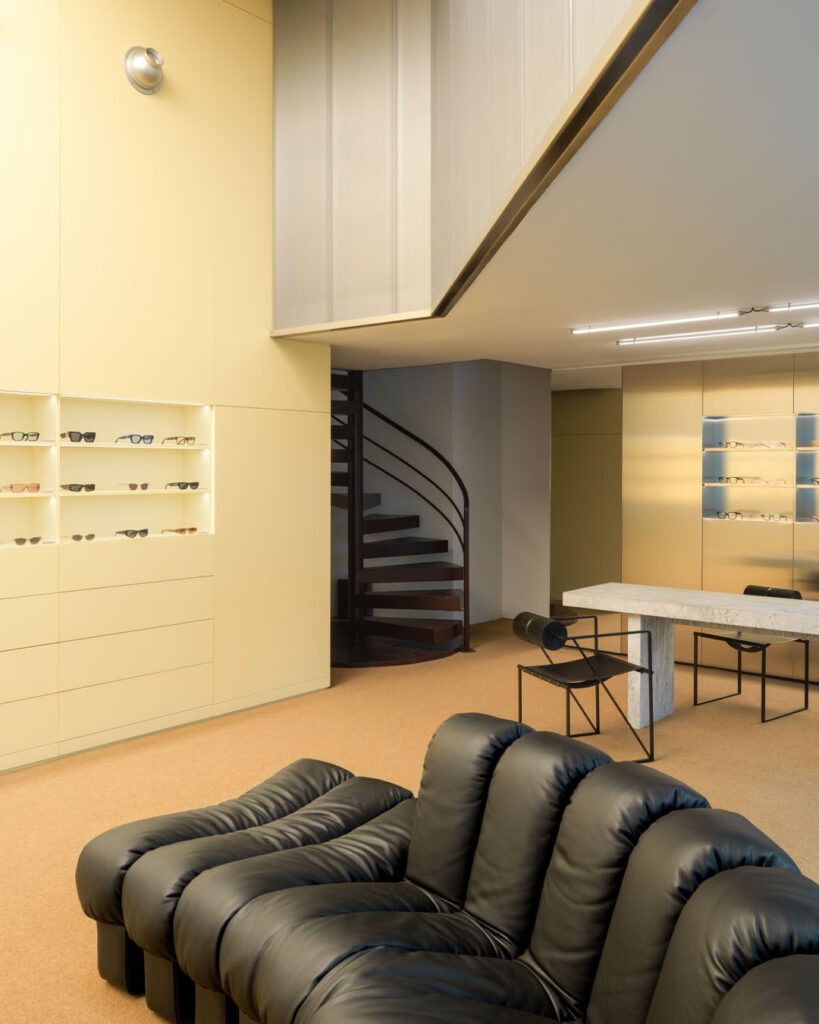
The first store opened in Brescia in 2016. From the very beginning, the project established a clear identity: refined interior design, statement furniture pieces, a carefully conceived layout and a distinctive communication style. Over the past ten years, it’s this combination that has made the difference.
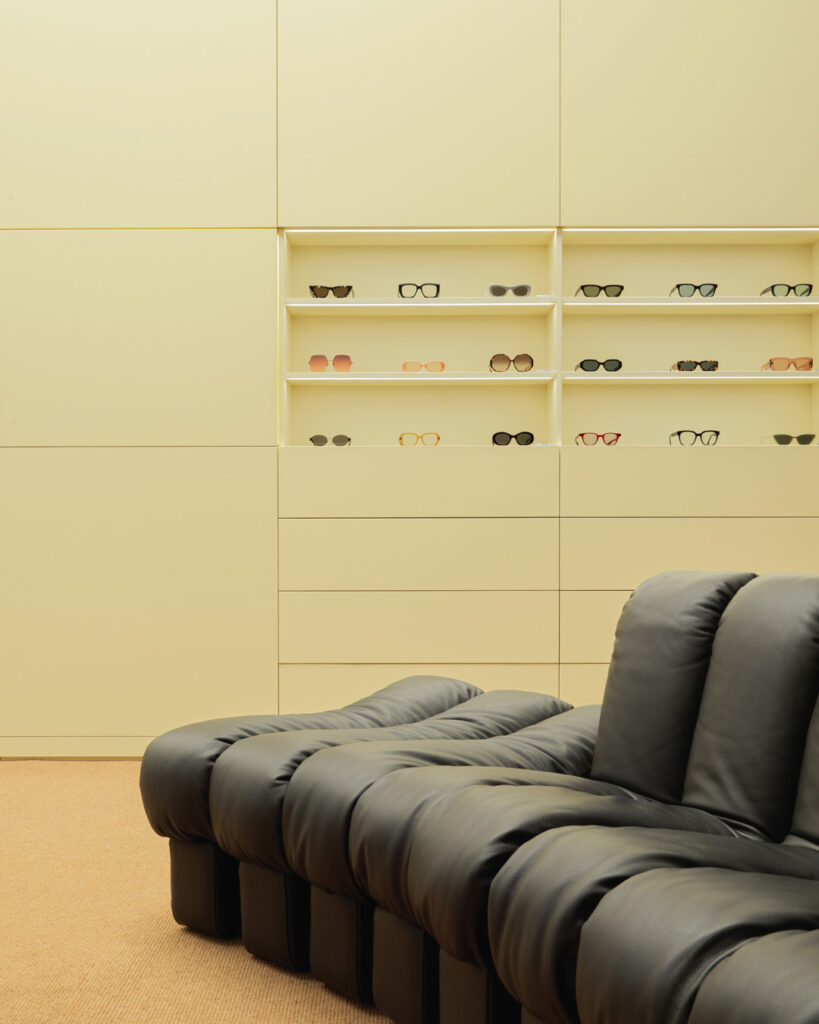
Today, indice represents an eyewear lounge: a place where eyewear takes center stage, where aesthetics and innovation coexist, and where an international, discerning, and constantly evolving community takes shape.
How do you see the current eyewear market?
Today, the eyewear market is far more mature, more sophisticated, and certainly more interesting than it was ten years ago. When we started, the idea of approaching eyewear through a language close to fashion, design, and lifestyle was still relatively uncommon.
However, many retail players are evolving towards more engaging experiences, almost akin to fashion boutiques, where the product is narrated, contextualized, and enhanced.
This has made the market more open and dynamic: on one hand, there is growing attention towards independent, research-driven brands, often more niche in nature; on the other, there has been a strong resurgence of eyewear collections by luxury brands, which in recent years have significantly raised the bar in terms of product, image, and desirability.
What is particularly interesting is that these two worlds now coexist more naturally. Customers are more informed, more curious, and more willing to understand the difference between a commercial object and a pair of glasses with a true identity. This is why we view the market positively: not only in terms of numerical growth, but as a cultural evolution of the industry.
We saw the Chrome Hearts event, do you think the independent eyewear space will follow a similar movement to what happened in streetwear or the sneaker industry?
No, we do not believe that independent eyewear will truly follow the same dynamics as streetwear or the sneaker market, at least not in the strictest sense. Eyewear remains a more personal, more intimate, less immediate object: it has to work on the face, convey a style, but also meet precise standards of construction and quality.
That said, there are extraordinary phenomena, such as Jacques Marie Mage and a select few others, where research, attention to detail, and scarcity transform the frame into a collectible object. In these cases, a tension emerges that feels very close to what audiences recognize in the sneaker world: desire, anticipation, and belonging.
When it comes to community, however, then yes, we believe the parallel is very strong. Today’s customer is increasingly looking for a universe to identify with, not just a product to purchase. This is also why we chose to celebrate ten years of indice through a series of events and the launch of limited capsule collections: exclusive custom frames, available only in our stores, designed to engage the customer and further amplify the experience.
How would you describe the indice customer?
We would describe them as curious, accustomed to travelling, and drawn to something that cannot be immediately replicated. The indice customer does not see eyewear as a simple functional accessory, but as an element of identity, capable of defining a face, a style, an attitude.
It is an international clientele, attentive to fashion but also to research, diverse in age and background. Some customers purchase their first pair with great awareness, while others are true collectors: people who recognize the value of a rare frame, a limited capsule, or a brand with a distinct story.
What they all share is the desire to enter into a journey. Returning to the idea of the index of a book, each customer finds themselves in a different chapter: some are only beginning to discover this world, while others have been collecting it for years. Our role is to guide them through that narrative, making every choice personal, special, and never accidental.
How many locations are you currently operating in? What are your plans for the future?
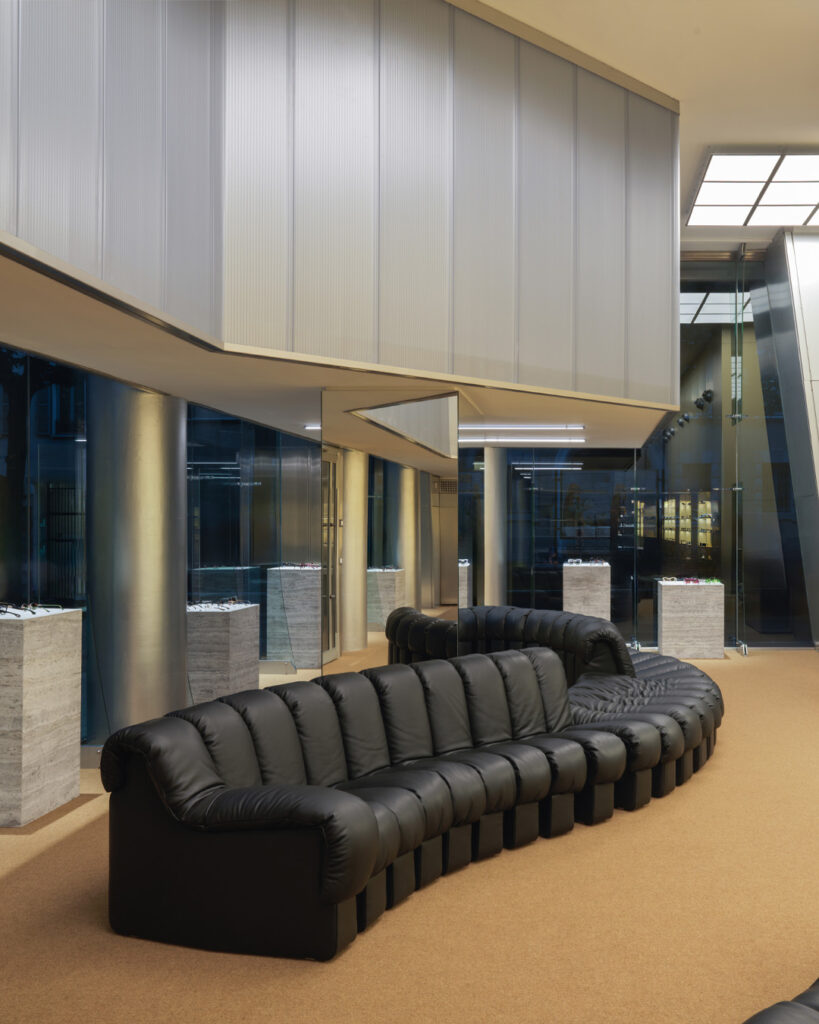
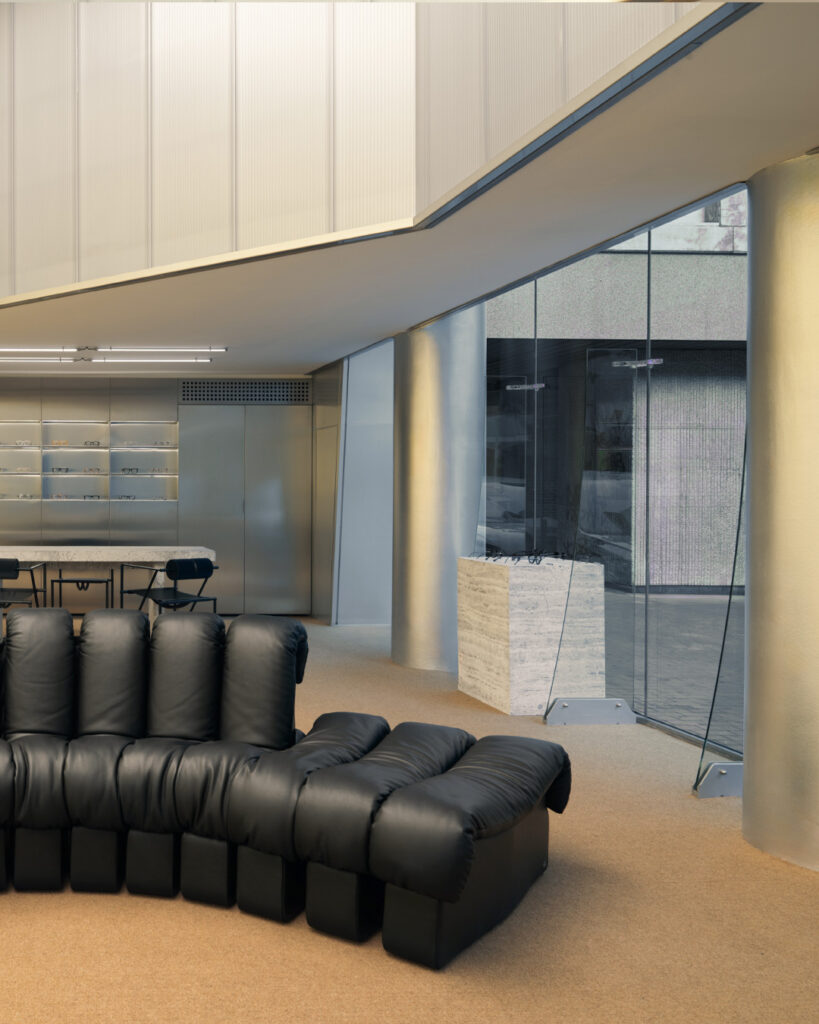
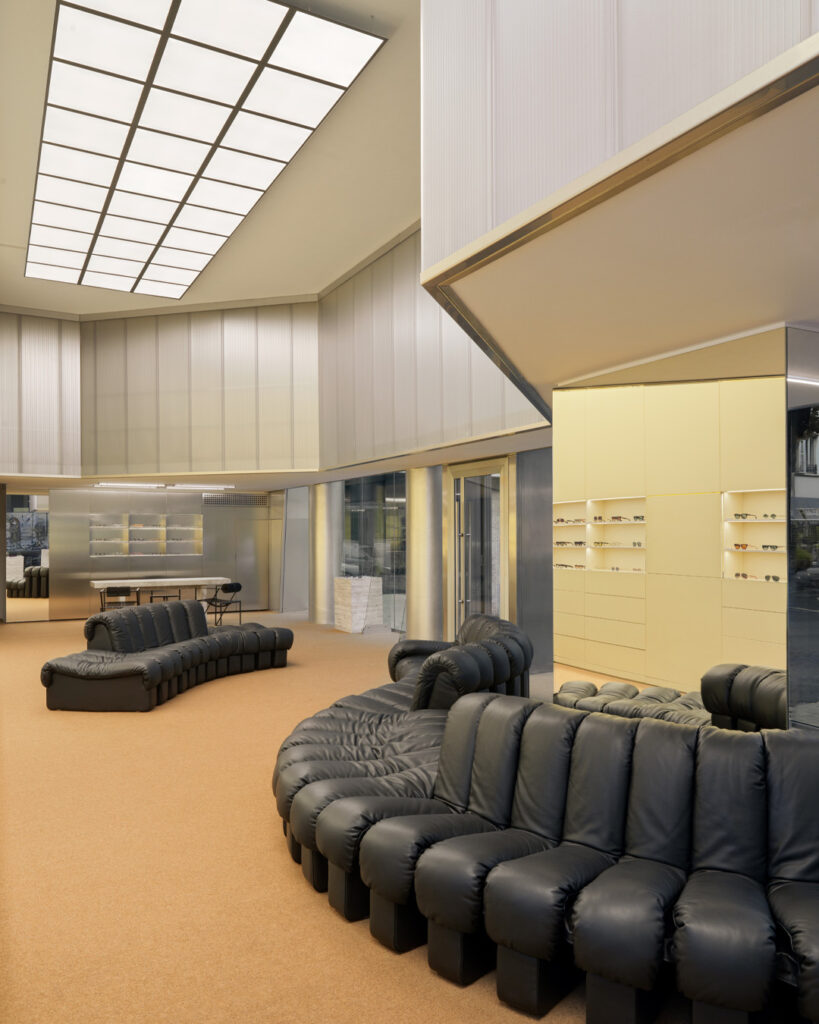
We have three boutiques and a 400 square-meter hub, which houses our warehouse and offices. Each space has its own distinct identity and establishes a precise dialogue with the place that hosts it.
Brescia, where it all began, represents our urban roots, located in the heart of the city. Forte dei Marmi reflects the summer and international spirit of Versilia. Cortina d’Ampezzo, on the other hand, brings indice to the mountains, among the Dolomites, with a more sophisticated imaginary world linked to the winter season.
Each boutique is an autonomous chapter within the same story: the interiors, rhythm, and atmosphere change, but the vision remains the same – eyewear as an object of identity, culture, and research.
Speaking about the present, this year we are celebrating ten years of indice with a series of special collaborations currently being activated with Chrome Hearts, FiveFourFive, MM6, Julius Tart, Off-White, Linda Farrow, Dita, Retrosuperfuture, Kuboraum, Thom Browne, and 100%. These are custom frames, produced in limited editions and sold exclusively in our boutiques: projects designed to strengthen the connection between product, space, and community.
Looking ahead, we want to continue expanding our retail presence, but in a coherent and selective way. We are not interested in being everywhere; we are interested in being in the right places. We are especially looking at metropolitan contexts, capable of speaking to an international clientele with a strong sensitivity to fashion, design, and product culture.
How do you see the eyewear industry in the next 10 years?
We see it growing, but also standing at the threshold of a major challenge: smart glasses. They will probably be one of the central themes of the next ten years, but the real game will not be purely technological. The key will be making them beautiful, desirable, and aesthetically credible.
We believe the future will not be defined by overtly “tech” glasses, but by smart glasses capable of looking, first and foremost, like real eyewear. The technological component will need to become almost invisible, naturally integrated into the frame, without compromising proportions, comfort, materials, or identity. In other words: less gadgets, more style objects.
For this reason, the industry will have to find a new balance between innovation and product culture. In this scenario, independent retail will play an important role: stores with a strong identity, capable of selecting, narrating, and contextualizing the product, will be best placed to guide customers through this evolution. Because even over the next ten years, with or without technology, eyewear will still need to speak about personality.
Conclusion: The Rise of the Retail Curator
In an era where brands are increasingly looking to control their own distribution, indice offers a compelling counterpoint: the rise of the retailer as creator.
By developing exclusive capsules, shaping product narratives, and maintaining strict control over distribution, indice has carved out a role that sits somewhere between boutique, gallery, and brand collaborator.
From its first breakthrough with Jacques Marie Mage in 2019 to its latest chapter with Chrome Hearts, the message is clear: in today’s luxury market, the power no longer lies solely in making the product but in defining the context in which it exists.


 English
  French
  Italian
  Spanish
  Portuguese
  German
  Korean
  Japanese