


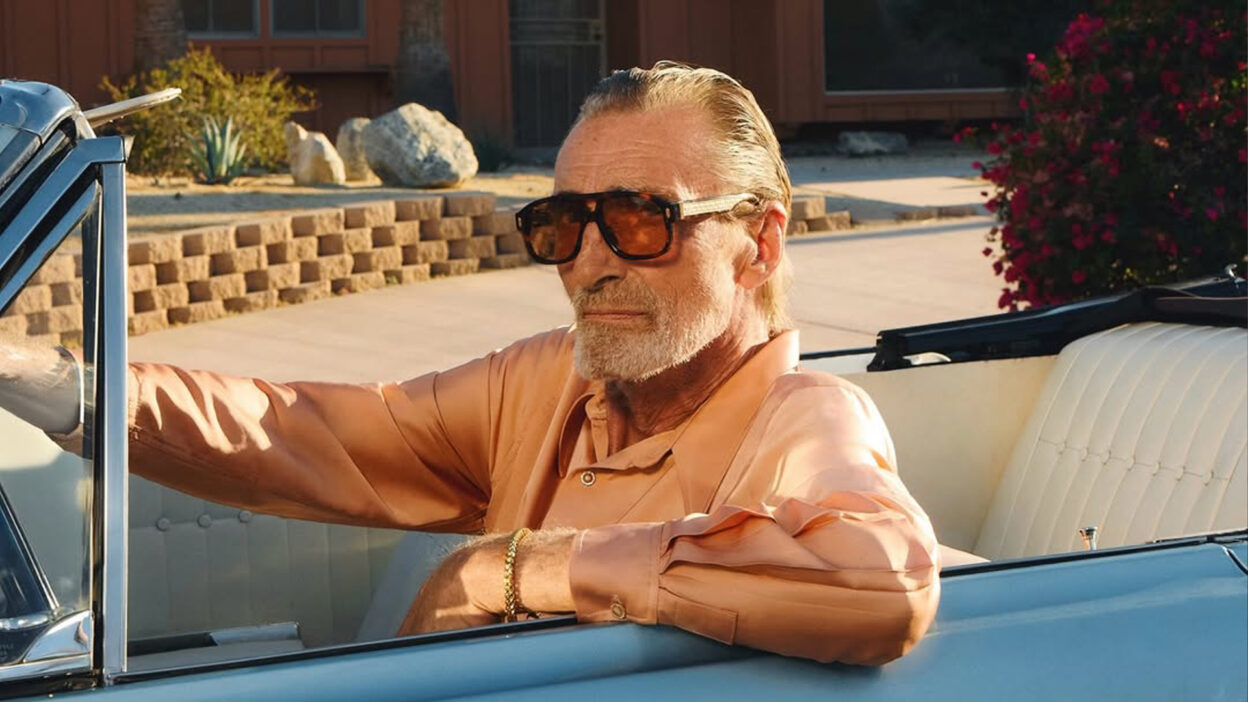
Just a month ago, a surge of polarized commentary surrounding Mike Amiri’s eyewear debut sparked renewed attention across industry circles. What initially appeared as routine criticism quickly evolved into something more significant: a conversation about authorship, independence, and the difficulty of translating fashion DNA into eyewear.

At the same time, in a brief exchange with Mike Amiri regarding his eyewear direction, a different perspective emerged: beyond the scale and status of his brand stands a designer notably open to learning an attitude that suggests Amiri could evolve into one of the eyewear players the industry is currently missing. At the same time, his campaign stands well above that of most eyewear brands, with his high-fashion expertise and content creation clearly evident throughout.
Amiri, whose brand has become deeply embedded in contemporary pop culture over the past decade, particularly among younger consumers, represents a rare case of sustained identity in a market often driven by rapid cycles. His success has never been accidental.
Behind the visibility lies years of disciplined development an often invisible layer of work that defines designers who endure rather than trend.

Independence vs. Industry Norms
What differentiates Amiri is a strategic decision many brands avoid: maintaining independence. Rather than licensing his eyewear to conglomerates like Luxottica or Marchon, he has chosen to retain control over product development.
This approach places him in a far more demanding position. By comparison, brands such as The Row partnered with Eyevan, opting for a proven path that ensures technical excellence and immediate credibility.
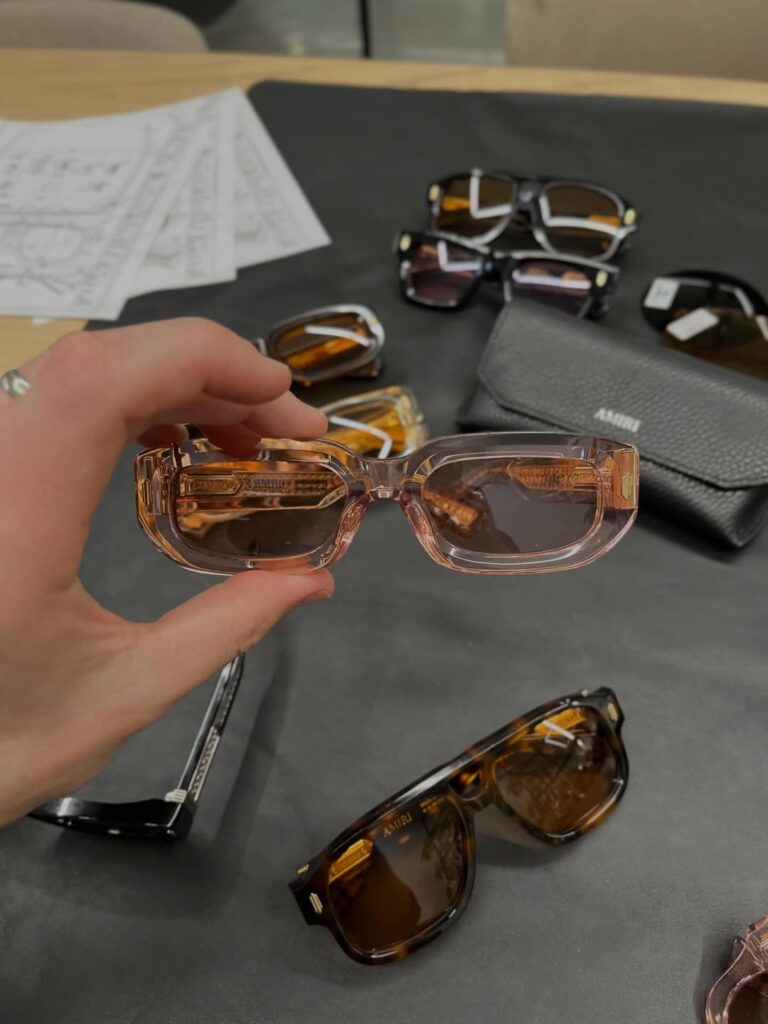
Amiri’s current collections already reflect an awareness of industry standards. Features such as custom hinges, laminated cores, 5-axis acetate cutting, and pressed-core logo integration signal a serious attempt to operate at a higher level. Are there mistakes? Of course. They are natural they are part of the process. And for collectors, an early-stage piece, even with imperfections, can become a significant chapter in the brand’s evolution.
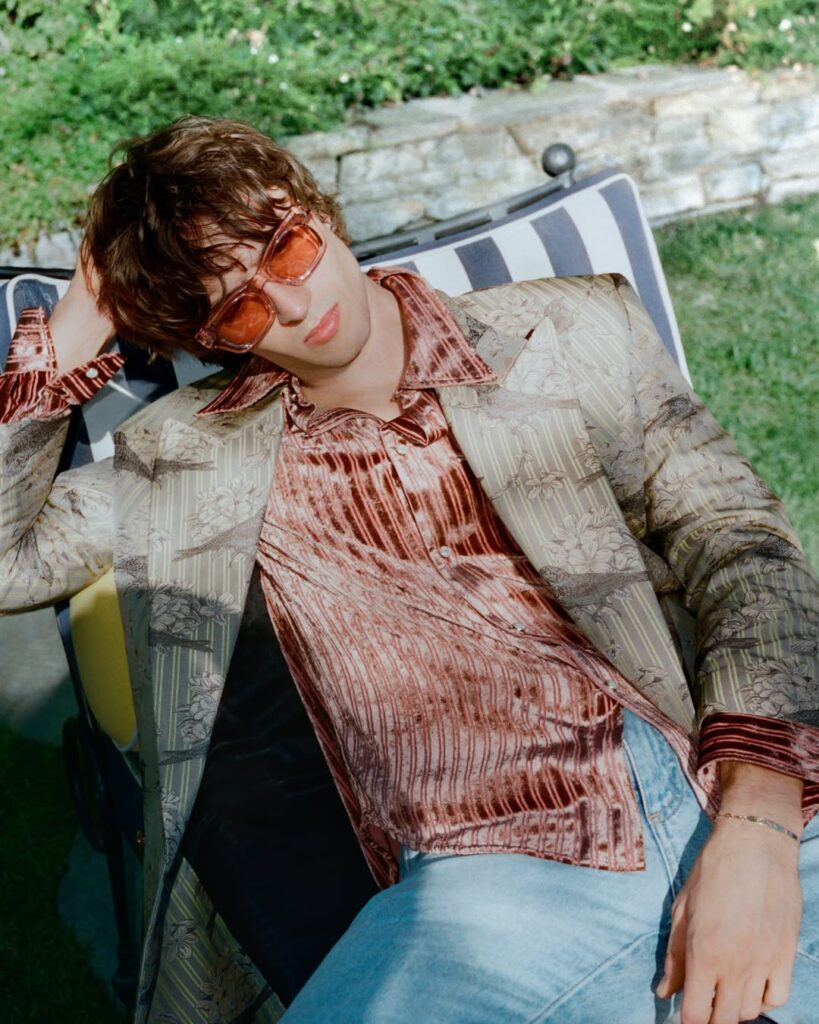
Still, comparisons to Jacques Marie Mage have emerged, largely due to visible core construction. Yet beyond this visual similarity, the philosophies differ significantly. The real challenge is not imitation, but differentiation. Still, it is worth recalling Jacques Marie Mage’s inaugural 2016 collection originally priced at just $350, now considered highly valuable among collectors, despite the early imperfections that preceded the brand’s eventual refinement and the establishment of its now clearly defined DNA.
In the independent eyewear space, success depends on a clearly defined and unmistakable identity one that goes beyond aesthetics into construction logic and product philosophy.

Why Amiri Matters for the Future of Eyewear
Amiri’s entry into eyewear is not just another brand extension, it represents a potential shift in market dynamics. The industry remains heavily consolidated, while true independent players are limited.
Brands like Chrome Hearts and Thom Browne have proven that independent positioning can succeed, but broader competition is still needed to energize the category and attract new consumers. Let’s not forget that Thom Browne’s early breakthrough and the brand’s status today owe much to its initial partnership with Dita in its formative years.
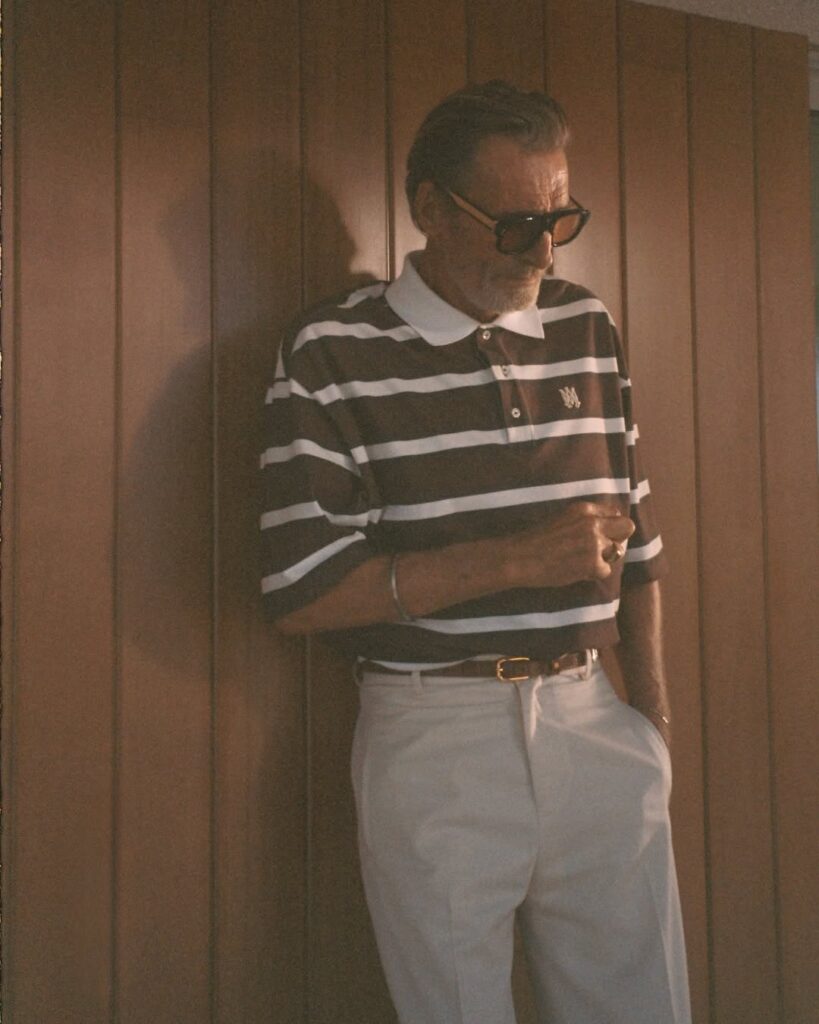
Amiri brings something particularly valuable: access to a younger, culturally engaged audience that eyewear has struggled to fully capture. His presence alone introduces new visibility into a space often dominated by legacy structures.
After high fashion absorbed streetwear culture, the next significant shift may well be its deeper move into the eyewear industry challenging the dominance of conglomerates and reshaping the landscape.
Looking forward, two strategic directions appear viable. He could partner with an established independent manufacturer to strengthen technical credibility, or invest in building a fully integrated eyewear division within his brand.

Both paths require a fundamental understanding: eyewear is not simply an accessory. It is a product where engineering defines design, and where balance, both literal and conceptual is essential.
If Amiri continues to resist licensing and embraces the expertise required, he has the potential to evolve into a significant force within independent eyewear.
The intersection between fashion and eyewear has never been more critical. Each industry depends on the other one for cultural relevance, the other for technical legitimacy.
And in that intersection, competition is not optional. It is necessary.


 English
  French
  Italian
  Spanish
  Portuguese
  German
  Korean
  Japanese