

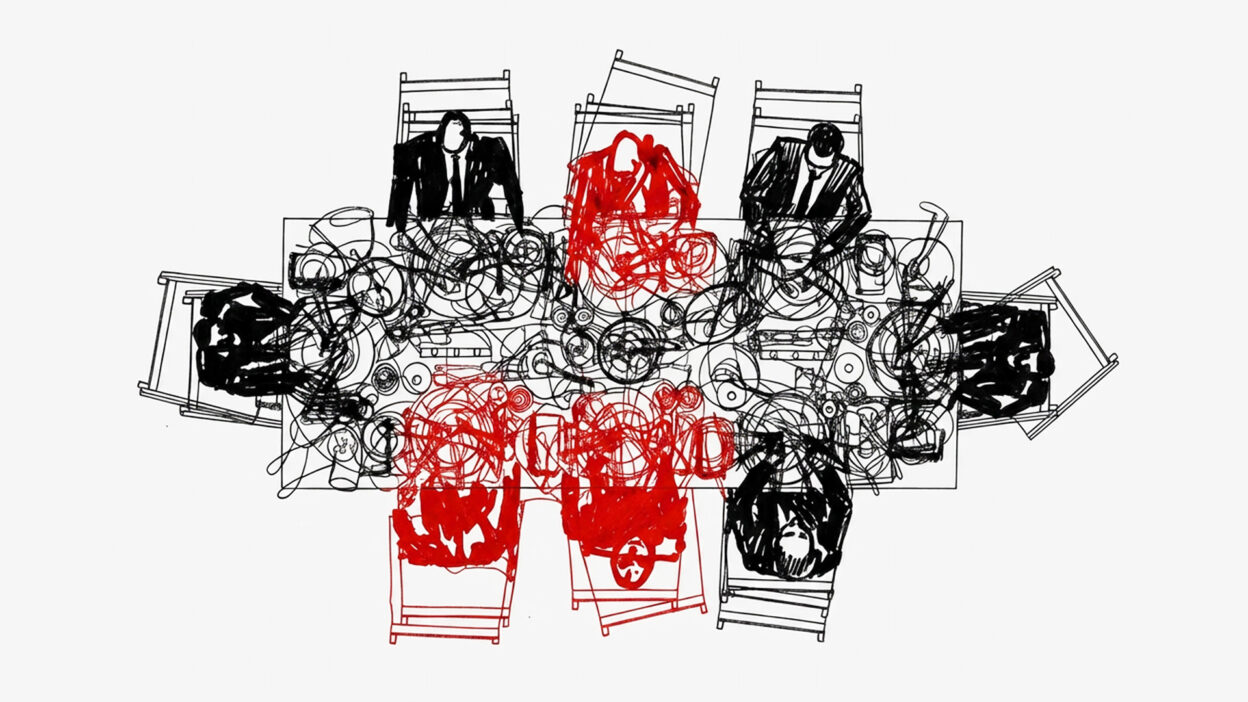
There is a structural fiction at the heart of the independent eyewear market: that it is fragmented, diverse, and competitive.
It is not.
Across multiple European markets Italy, the Netherlands, Belgium, Denmark, France the same pattern repeats with quiet consistency. Beneath the surface, distribution is increasingly concentrated in the hands of a small number of intermediaries: agents who control access, visibility, and ultimately, survival.
This is not an allegation. It is a map of how the system actually functions.
In every market, the top brands all seem to pass through one or two individuals. Have you ever asked yourself why?
Have you noticed that the only top brands to emerge in the past six years are the ones that didn’t go through them? And now, as those brands gain visibility, the same agents are making aggressive moves to bring them into their portfolios.
So what happened to all the others? Were no other brands launched or were they simply never allowed to surface?
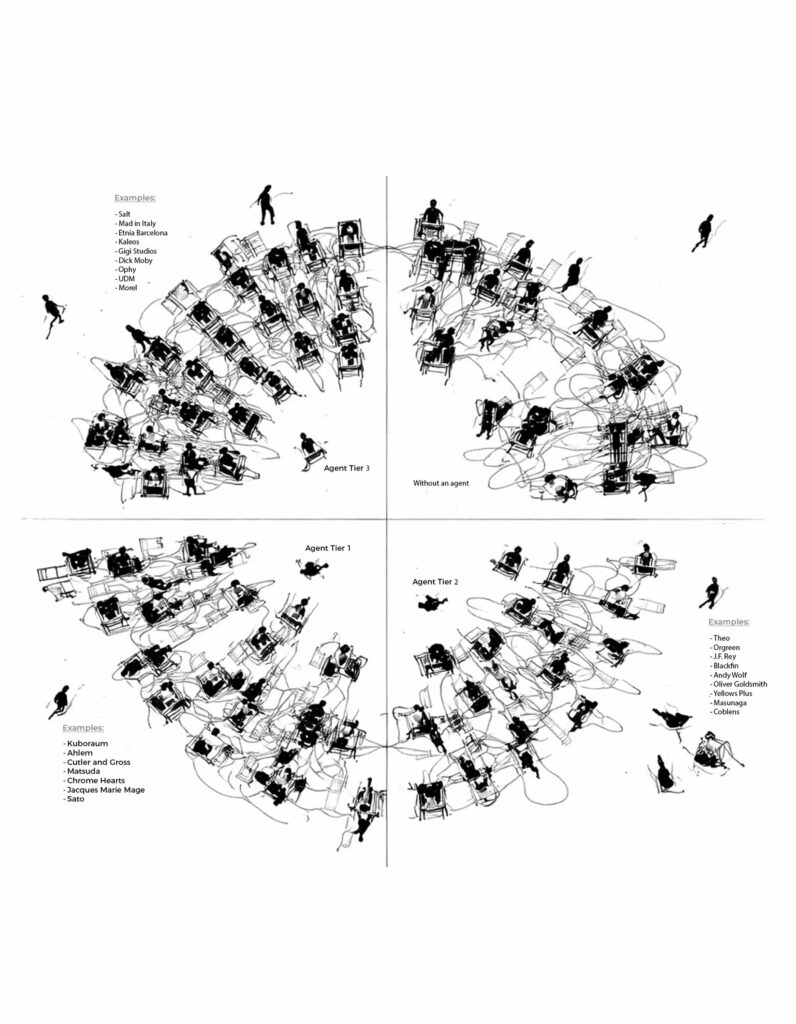
The Three Tiers No One Publicly Acknowledges
Off the record, agents themselves describe a clear internal hierarchy:
- Tier 1: Gatekeepers of “top” brands. High-margin, high-demand labels.
- Tier 2: Portfolio fillers. Mid-tier brands used to stabilize revenue.
- Tier 3: The outsiders — low-end independent brands, unnetworked and often reduced to single-brand operations, locked out of meaningful access.
This classification is not theoretical. It defines who gets shelf space, who gets meetings, and who gets ignored.
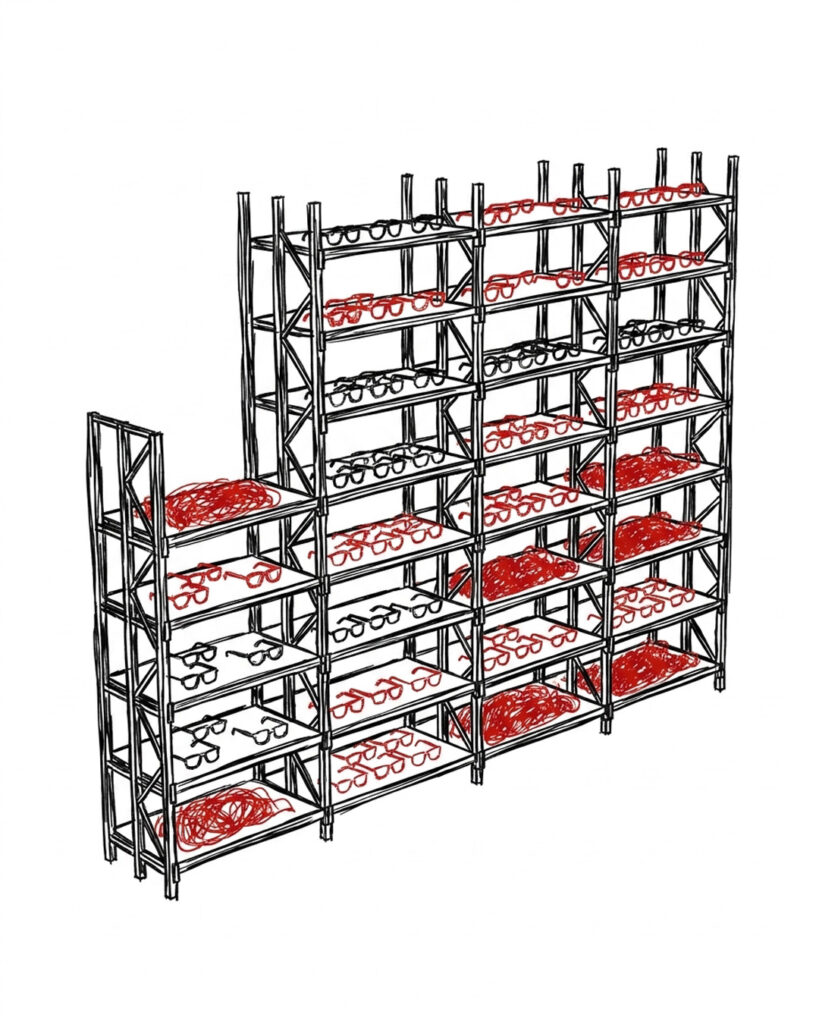
In several key markets, the top 10–15 independent brands are represented by the same individual. Not similar individuals. The same one.
The result is not competition. It is consolidation disguised as curation.
How did these top agents get here? Most have been in the industry for over 20 years, with some tracing their experience back to the 1990s and early 2000s, often within large conglomerates. They position themselves as early evaluators of potential identifying brands that might rise to the top, like Jacques Marie Mage, Chrome Hearts, Matsuda, or Kuboraum.
They operate like cultural opportunists—attaching themselves to momentum, then absorbing the recognition that comes with it. When a brand succeeds, the narrative is quietly rewritten: discovery becomes ownership, proximity becomes authorship.
Their portfolios are carefully filtered. Some carry up to 20 brands at a time, constantly searching for new entrants. If even a few of those brands break through, their own status rises in parallel.
But the other side of the ledger is never discussed.
No one counts how many brands have disappeared within those same portfolios. How many were deprioritized, mishandled, or effectively buried. Or the more uncomfortable possibility: that some brands with real potential are taken on not to be developed, but to be contained—so they don’t interfere with the performance of the top-tier names already inside the portfolio.
And yet, there is a visible shift.
Once brands reach sufficient scale and capital strength like Akoni, Jacques Marie Mage, or newcomers as The Other Glasses many begin to step away from agents in key territories, choosing instead to operate on their own terms and rebuild direct relationships with the market.
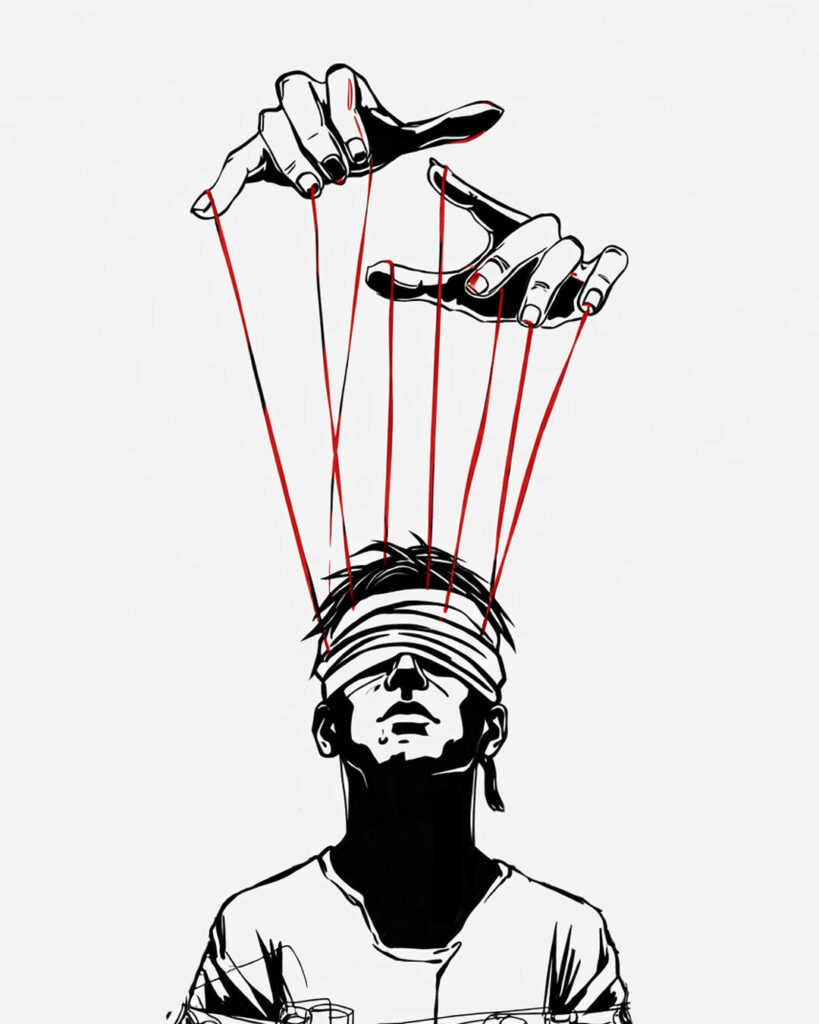
The Illusion of Choice
An optician may believe they are selecting from a wide field of independent brands.
In reality, in many territories, they are selecting from two or three portfolios.
When those portfolios overlap across borders Italy mirroring the Netherlands, Denmark echoing both the question becomes unavoidable:
Is this still a market, or is it coordination?
No formal agreement needs to exist. Informal alignment is enough.
Shared incentives do the rest.
Conditional Access: The Quiet Currency
In France, Germany, Italy, Belgium, Netherlands, opticians report a pattern of conditional access:
- Buy Brand X, or lose Brand Y.
- Want access to a leading label? Take on two unknown ones without DNA.
- Commit budget to our portfolio first, then we’ll talk.
Some of these “additional” brands have no clear identity, no independent presence no website, no narrative. They exist primarily as margin instruments.
The transaction is no longer about product.
It is about compliance.
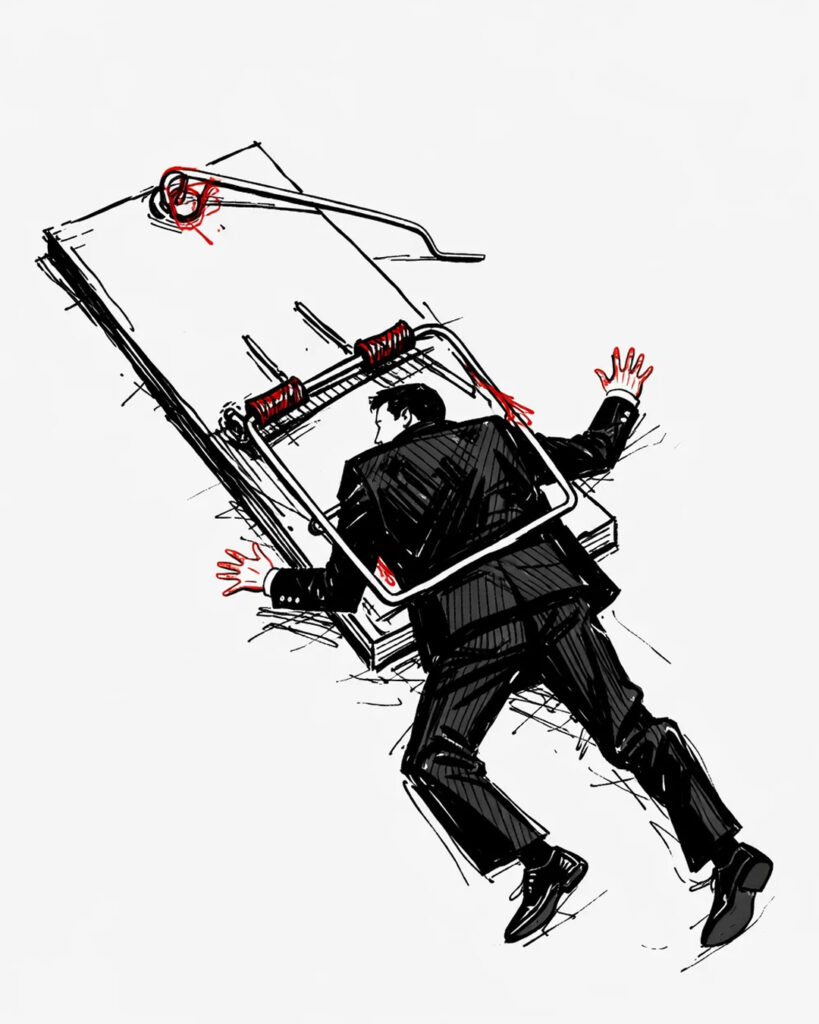
Contracts That Outlive Strategy
For brands, entry into these networks comes at a cost rarely discussed publicly.
Standard clauses include:
- Territorial lock-ins preventing direct sales to opticians
- Commission obligations even after termination
- Exit penalties triggered after minimal sales thresholds
- Creative interference, where agents influence product direction without investing capital.
Perhaps the most shocking claim we’ve heard is this: some top agents pressure brands not to launch new collections or shift creative direction without their approval. In effect, an intermediary with no financial stake ends up interfering in the brand’s creative decisions.
The imbalance is stark. Individuals who haven’t invested capital and carry little to no risk can still exert influence over product direction and timing. It creates a situation where agents can extract margins comparable to, or even higher than, the brand itself, while steering the market to suit their own interests. In reality, their greatest fear and the reason they seek to maintain this level of influence is that a new creative direction could interfere with the top brands in their own portfolios. It would disrupt their ability to control the market and divide the pie on their own terms.
This kind of control persists only as long as it goes unchallenged. The counterweight is simple in theory, difficult in practice: opticians who think independently, stay informed, and choose to work directly with brands.
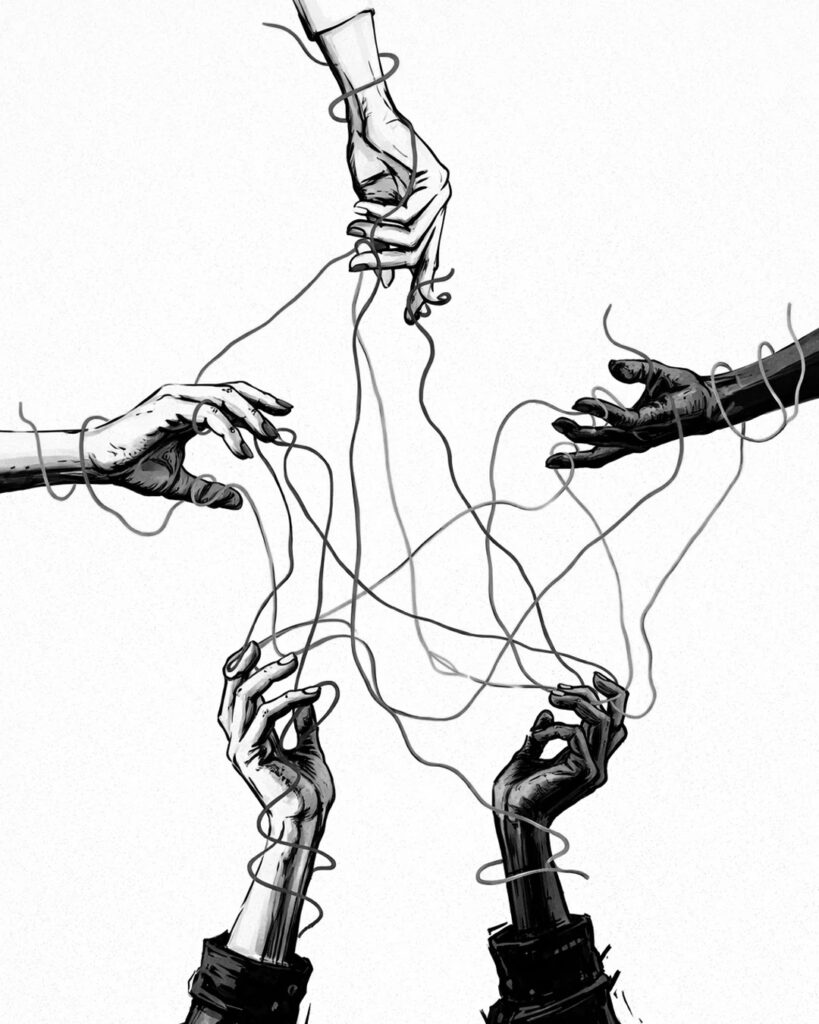
These are not partnerships. They are asymmetric dependencies.
Once inside, brands are effectively blocked from building alternative channels. Leaving is expensive, operationally disruptive, and reputationally risky.
So they stay.
Price Without Competition
When multiple brands flow through the same intermediary, pricing independence becomes theoretical.
“Recommendations” become norms.
Norms become expectations.
And eventually, price competition disappears without ever being formally restricted.
For the optician, this manifests subtly:
- Less flexibility
- Narrower margins
- Repetition across supposedly distinct brands
The storefront looks diverse. The supply chain is not.
Risk Without Investment
Perhaps the most striking imbalance is this:
Agents often assume no financial risk.
They do not manufacture.
They do not hold inventory at scale.
They do not invest in product development.
Yet they:
- Influence pricing
- Shape collections
- Control market access
- Dictate commercial conditions
Power, in this system, is not tied to capital.
It is tied to position.
Who Actually Pays the Price?
Everyone downstream.
- Brands become dependent, unable to scale independently
- Opticians inherit overstock, diluted portfolios, and constrained budgets
- Consumers receive a curated illusion instead of genuine diversity. Inferior products sold as “luxury”.
And eventually, the market corrects itself.
Not through reform but through consolidation.
The 25% Question: Who Really Profits From Independent Eyewear?
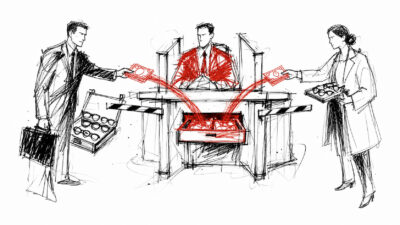
Today, top agents extract 20–25% commission on every frame, without investing in production, inventory, marketing, customer support or brand building. That margin is not neutral. It is value removed from the system.
Reclaimed, it could fundamentally reshape the market.
That 20–25% should return to where it creates real impact:
- into better materials, stronger design, and higher manufacturing standards;
- into tighter, more curated portfolios for opticians;
- into direct brand support, service, and long-term relationships.
Instead, it is absorbed by intermediaries who add limited structural value but retain significant control.
If redirected, that same margin could elevate product quality, restore pricing balance, and give opticians the freedom to build differentiated assortments, rather than recycled portfolios.
The question is no longer whether the value exists.
It’s who decides where it goes.
The Endgame: From “Independent” to Absorbed
In UK, BeNeLux, Scandinavia, the pattern is already visible:
Independent opticians, under margin pressure and operational fatigue, begin to exit.
Their businesses are acquired by larger groups.
The independent ecosystem shrinks.
The narrative remains.
The Breaking Point
The current system persists for one reason: passive acceptance.
- Opticians rely on agents instead of independent research
- Brands prioritize short-term access over long-term control
- Trade shows reinforce the same gatekeeping structures
But there are early signs of fracture:
- New brands refusing territorial exclusivity
- Direct-to-optician models emerging
- Alternative events outside traditional fairs
- Opticians beginning to question portfolios, not just products
And perhaps the most ironic part: the moment we begin promoting new brands or those that have broken away from the old structure their growing visibility and market demand quickly turn them into targets for agents.
What Comes Next
This is not a call for disruption. It is a call for clarity.
A functioning market requires:
- Independent decision-making at the retail level
- Transparent, non-exclusive distribution structures
- Contracts that reflect partnership, not control
- Brand identities that exist beyond intermediary validation
Without these, the trajectory is predictable:
Fewer players. Less independence. Higher concentration.
Final Question
If access to “independent” eyewear is controlled by the same two or three individuals in each market what exactly is still independent?
The ones who can drive real change are the opticians. They need to refuse working through intermediaries and start building direct relationships with brands. That 20–25% commission currently taken by agents should be redirected back into their own business into better-quality frames, a more carefully curated portfolio, and stronger brand-led services.
Instead of allowing a quarter of the price of every frame to go to the same two or three agents in each country, opticians can reclaim that value for themselves. Those who choose this path will be the ones who endure and ultimately win.
If you have encountered similar situations whether as a brand or as an optical retailer working with sales agents we are currently compiling a dossier for submission to the relevant authorities overseeing anti-competitive practices, with the aim of examining potential cartel-like behavior within the industry.
Firsthand accounts can be shared confidentially at [email protected].


 English
  French
  Italian
  Spanish
  Portuguese
  German
  Korean
  Japanese