

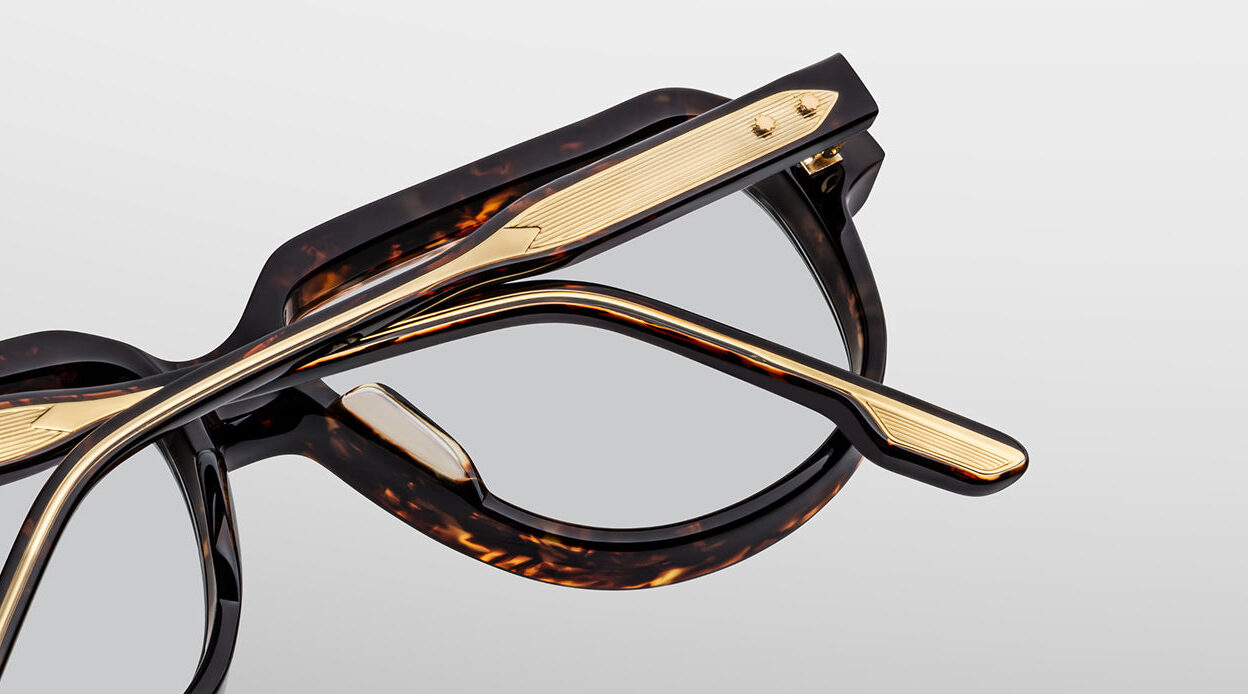
Despite its role in everyday life, eyewear is still one of the most undervalued products in the luxury and lifestyle market. The uncomfortable truth about modern eyewear pricing.
For years, the optical industry has been trapped in a contradiction: consumers wear their glasses every single day, often for years, yet many still expect them to cost less than products they replace annually.
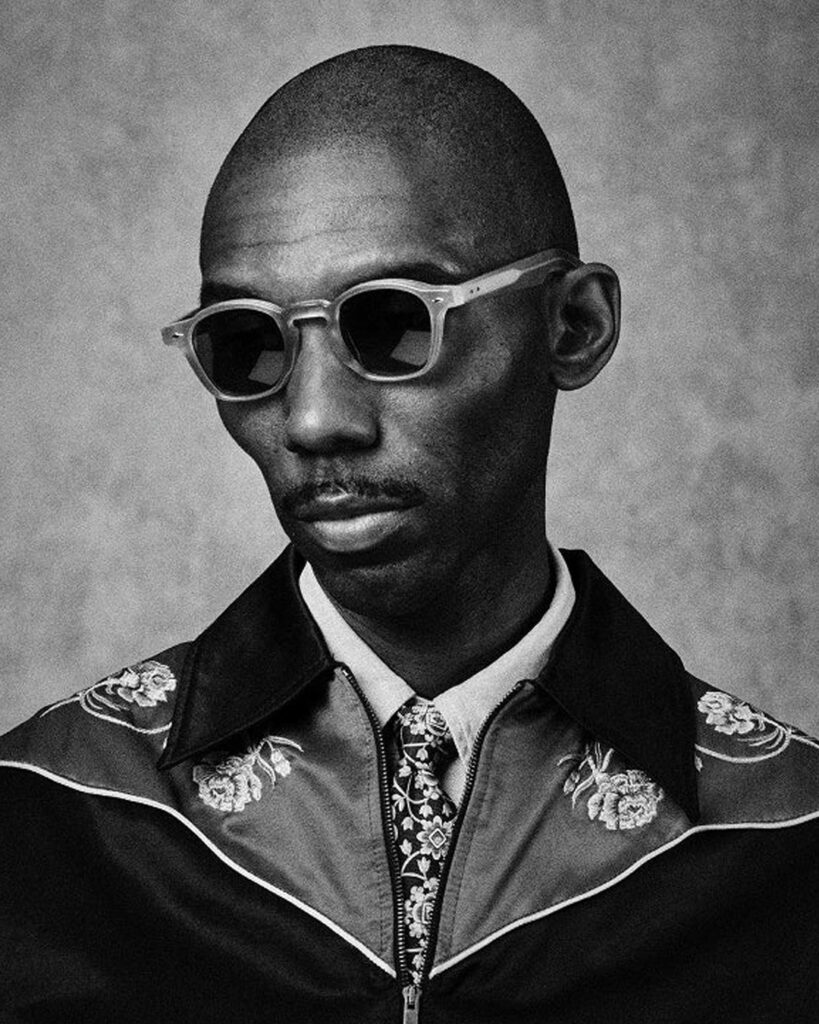
Why?
Because the industry spent decades teaching customers that eyewear is a volume business.
By flooding the market with heavily discounted frames, endless promotions, and fast-fashion collections, optical retail created a perception problem. Glasses became something to compare with a T-shirt, not with the object they actually resemble most: a smartphone.
But if we are honest, eyewear has far more in common with an iPhone than with a fashion accessory.
Think about it. Most people replace their glasses on a timeline remarkably similar to the one on which they replace their phones. Both are products used every day. Both are highly personal. Both are extensions of identity. And both accompany us through work, travel, social life, and countless daily interactions.
The difference is that nobody questions spending €1,200 on a smartphone they will replace in two or three years. Yet many hesitate when confronted with a frame that costs a fraction of that amount despite being worn on their face every waking hour.
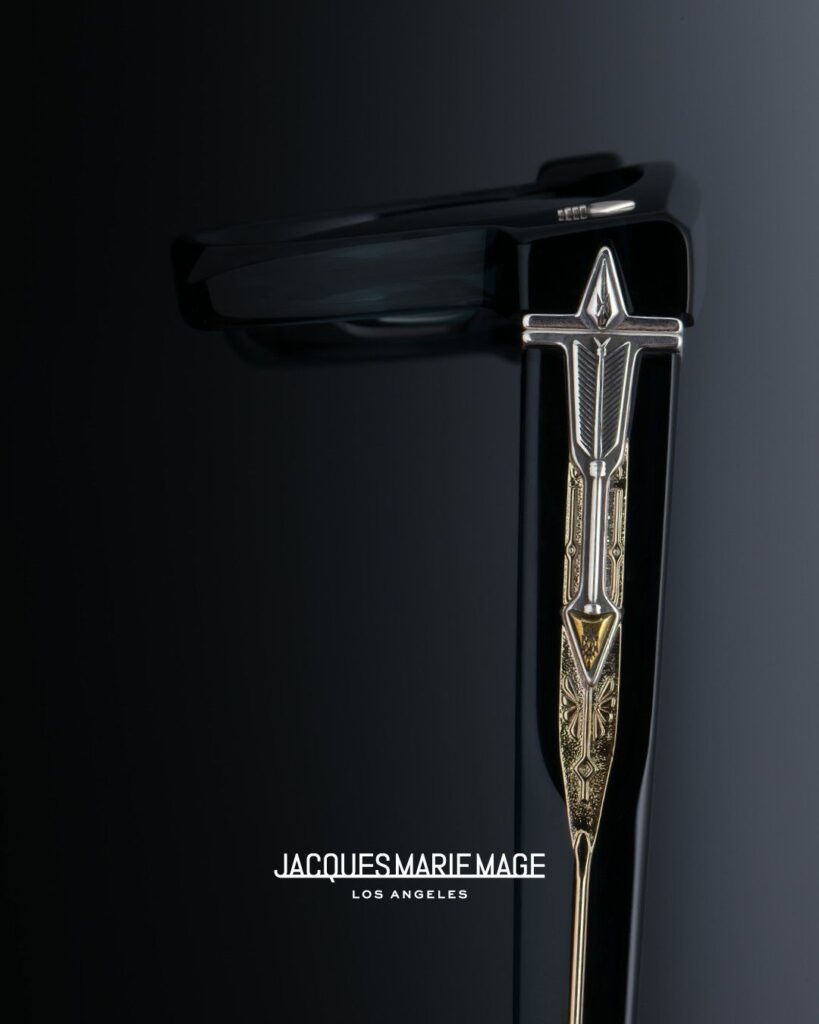
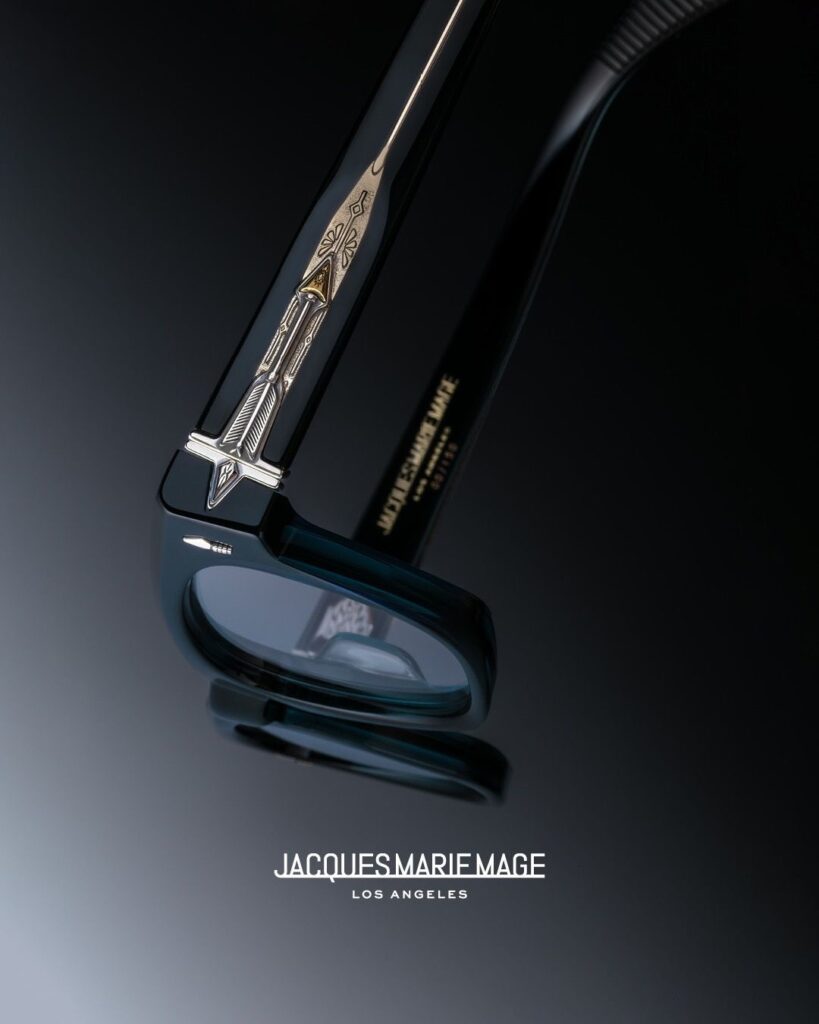
A new generation of independent eyewear brands has understood this reality. Companies such as Sato and Jacques Marie Mage have rejected the fast-fashion model altogether. Instead of chasing volume, they focus on craftsmanship, scarcity, design, and long-term value.
Their message is simple: eyewear is not disposable.
From a business perspective, this shift is equally important. Optical retailers do not benefit from the same purchasing frequency as fashion brands. Customers do not return every month. They return every few years. Acquiring new customers consistently requires investment, expertise, and differentiation. Sustainable pricing is not a luxury; it is an economic necessity.

This is why the future of independent optical retail belongs to carefully curated collections, distinctive brands, and products that carry meaning beyond function.
At Curated Optics, we believe the question is no longer why premium eyewear costs what it does.
The real question is:
Why should the object that defines your face cost less than the device in your pocket?


 English
  French
  Italian
  Spanish
  Portuguese
  German
  Korean
  Japanese