


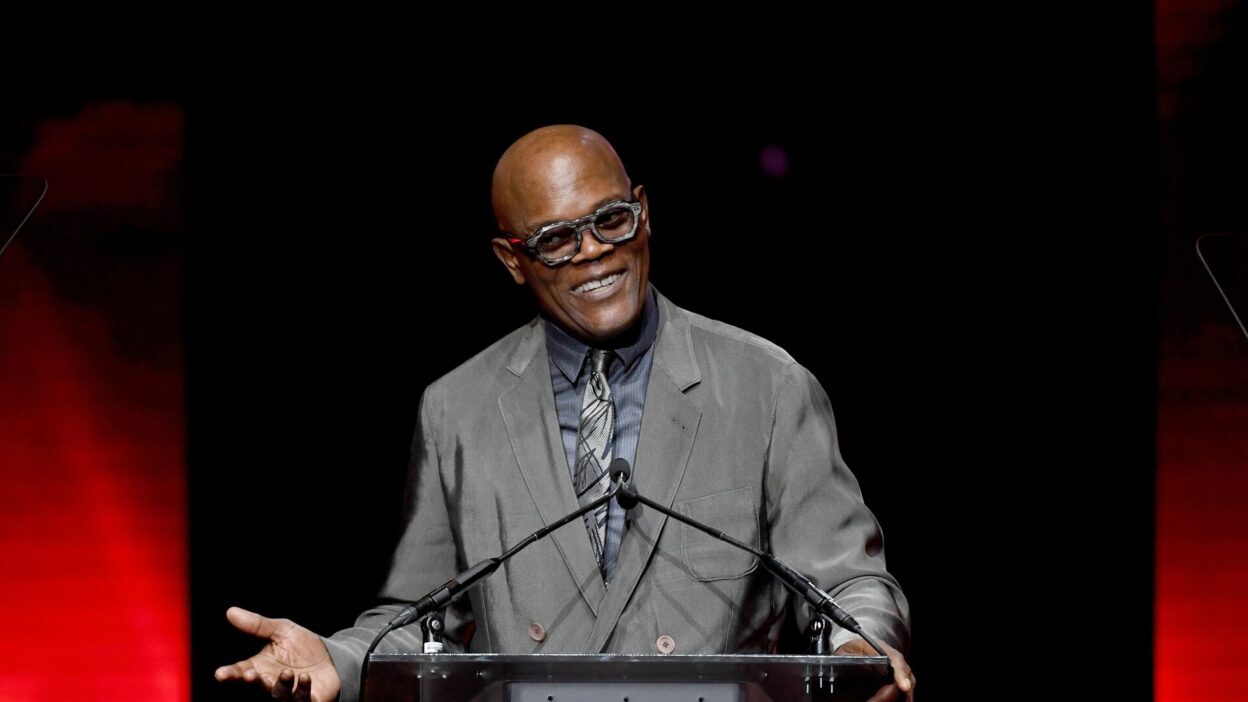
Fashion has a styling problem.
Not because there are too many choices, but because fewer people know how to distinguish between what is made and what is manufactured. Between design and decoration. Between luxury and true craft.
For decades, fashion houses taught consumers how to see. You can immediately identify the world of ERDEM through its emotional language of color, print and texture. There is an instantly recognizable visual signature. In clothing, we learned to read fabrics, silhouettes and palettes.
Eyewear, however, remains a different story.
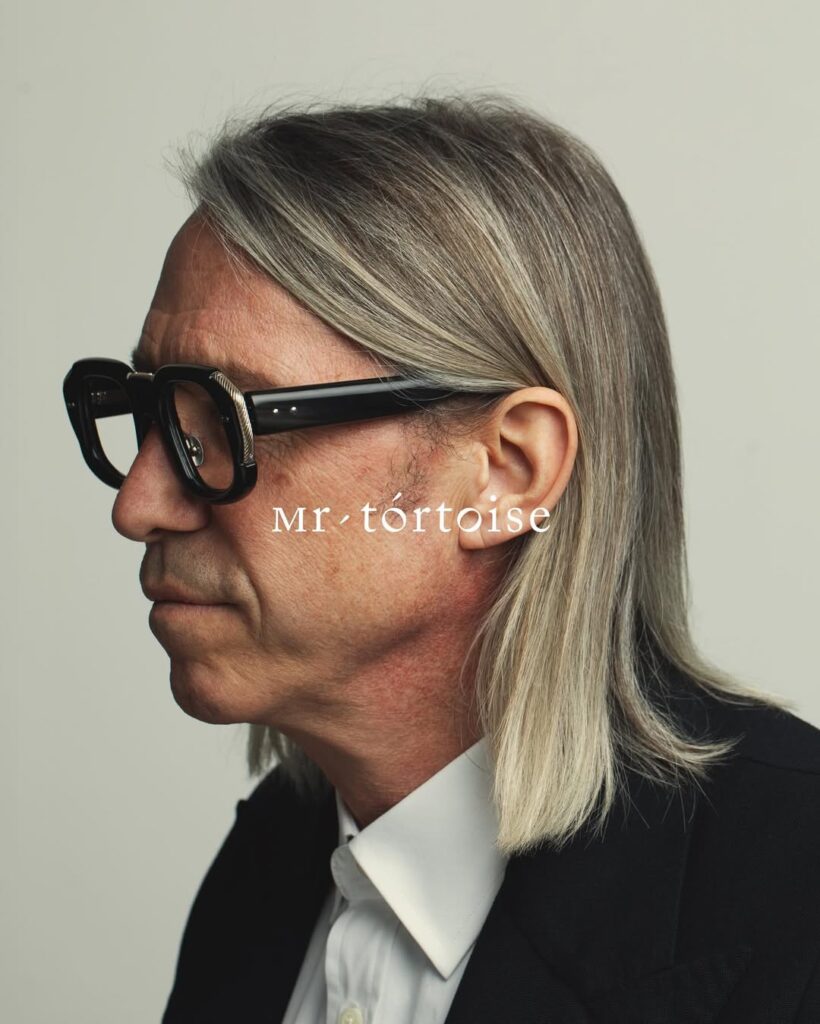
The industry has mastered logos, collaborations and seasonal drops, yet true artisanal language is increasingly rare. The market is crowded with recognizable names but surprisingly few makers. There are brands; there are luxury labels; there are large industrial systems. But authentic craft, the kind that exists because someone obsessively builds something with their hands, remains exceptionally uncommon.
Then there is Bird & Cage.
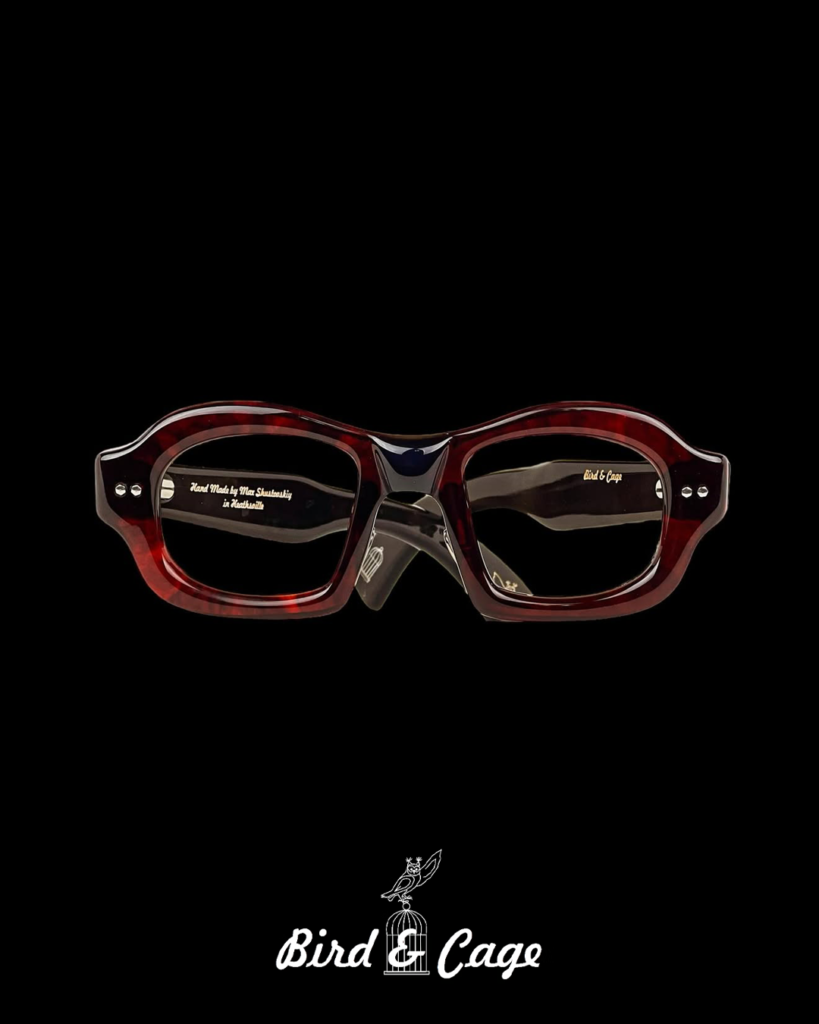
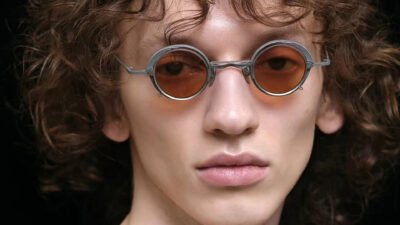
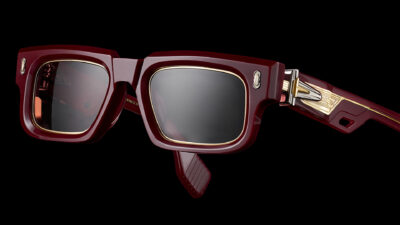
Born in New York and created by craftsman Max Shustovskiy, Bird & Cage is not built like a conventional eyewear business. It operates more like a private atelier than a scalable fashion company. Every pair is conceived, designed and assembled by Shustovskiy himself, from the first sketch to the final polish.
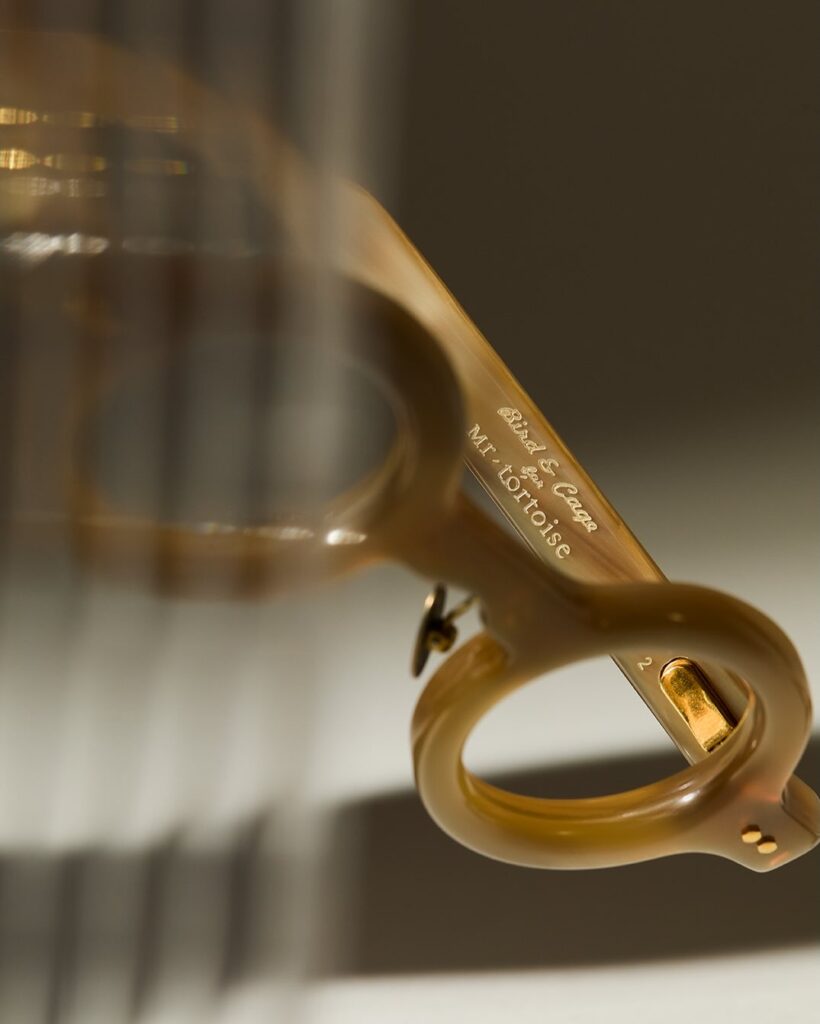
In an era of industrial repetition, that alone feels radical.
Before creating Bird & Cage, Shustovskiy spent years working alongside legendary eyewear designer Alain Mikli before eventually stepping away to build something entirely his own. What emerged was not simply another eyewear label, but an unusually personal interpretation of luxury.
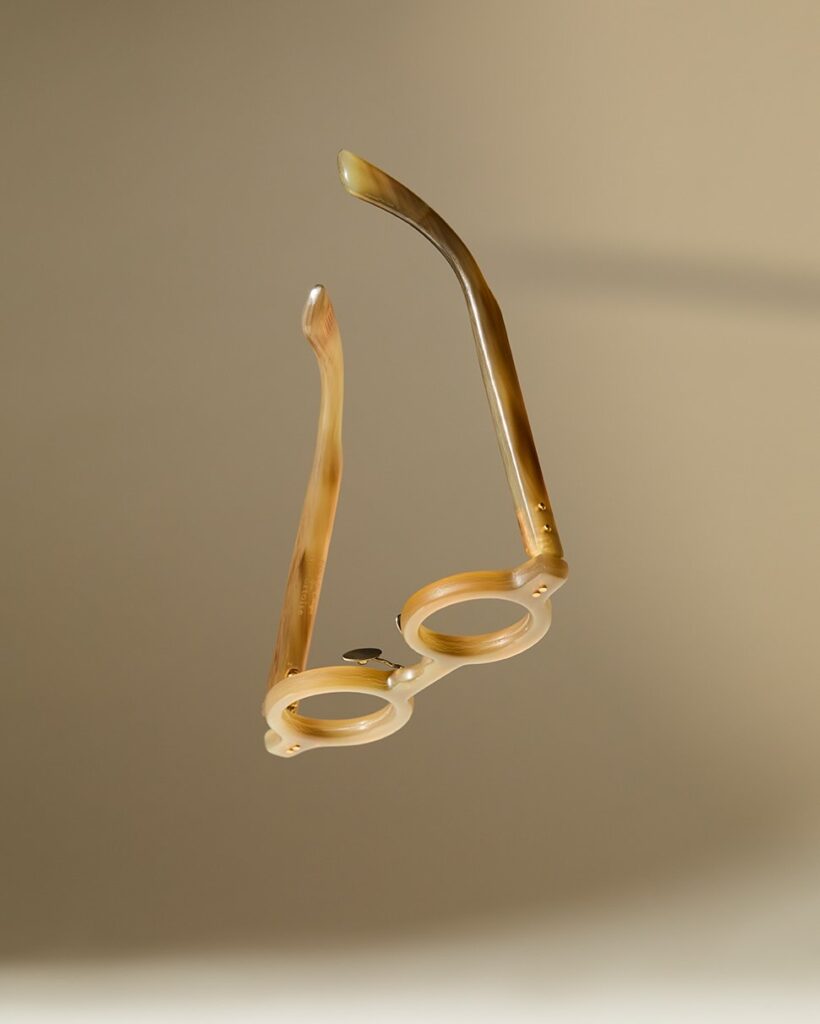
Bird & Cage works predominantly with buffalo horn, one of the earliest materials used in eyewear history and still one of the rarest. Unlike acetate, horn possesses a natural unpredictability: veins, depth, warm transparencies and tonal shifts that cannot be artificially replicated. The material moves through shades of honey, chestnut, charcoal and muted earth tones, creating what feels almost like nature’s own color grading system.
And perhaps this is where Bird & Cage becomes particularly interesting.
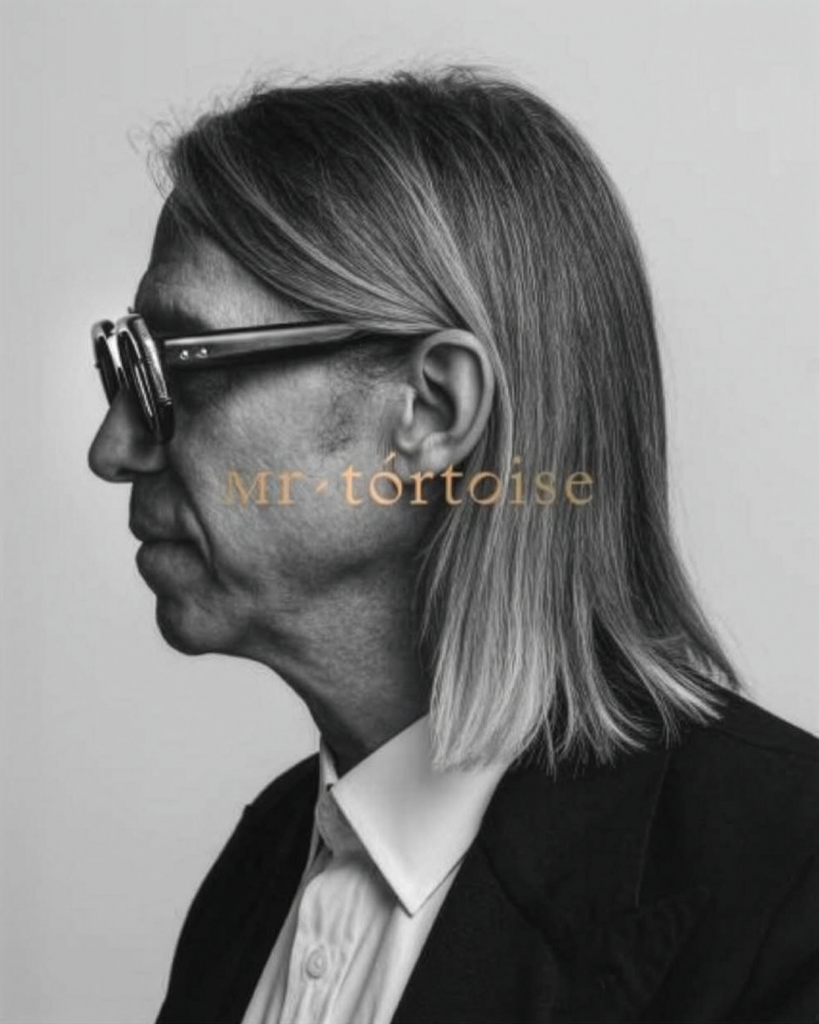
The brand does not scream for attention.
No exaggerated logos. No visual noise. No forced maximalism.
Its language is quieter: neutral colors, unusual architecture and subtle individuality.
Luxury today often attempts to be louder. Bird & Cage does the opposite.
Its frames feel closer to collecting than purchasing.
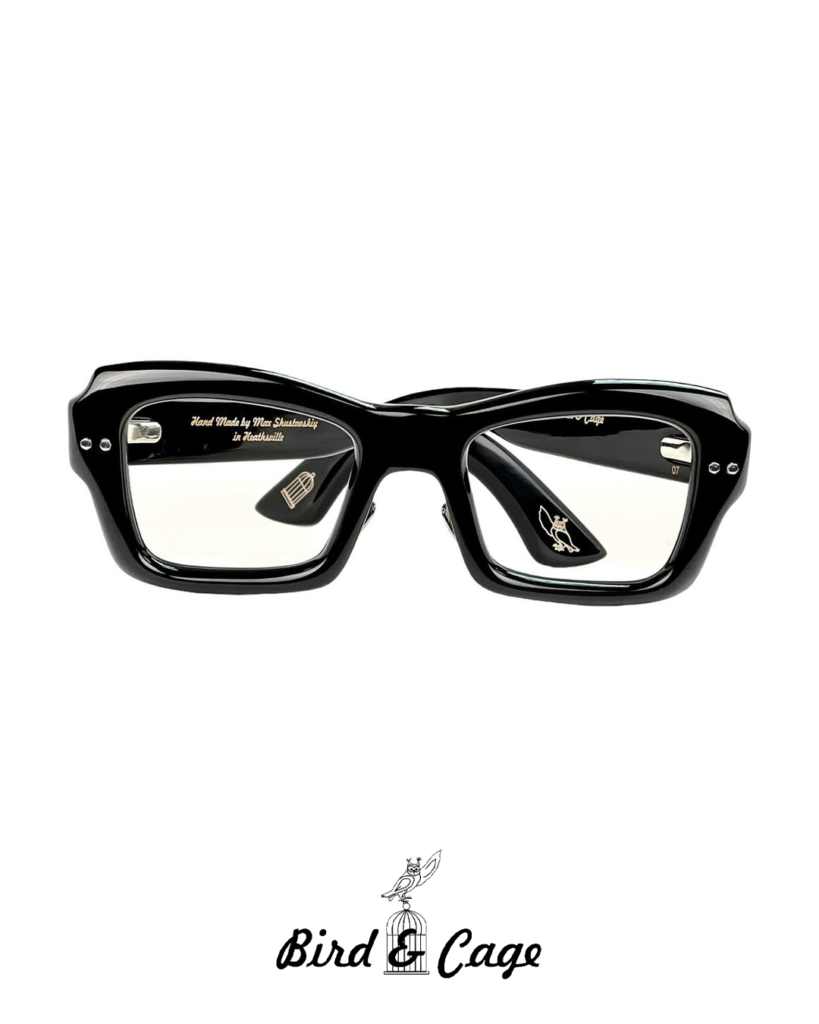
Some of the world’s most interesting fashion objects are not available everywhere. They are discovered through a network of people and places that understand them. Bird & Cage exists in exactly that ecosystem, appearing in carefully selected optical destinations and independent boutiques rather than mass distribution channels.
From Mr Tortoise in Soho, London, to Bottega di Sguardi in Florence, the brand travels through a small international map of insiders who still believe in product before marketing.
This is also why Bird & Cage belongs to a category becoming increasingly rare in fashion: objects with human fingerprints still visible on them.
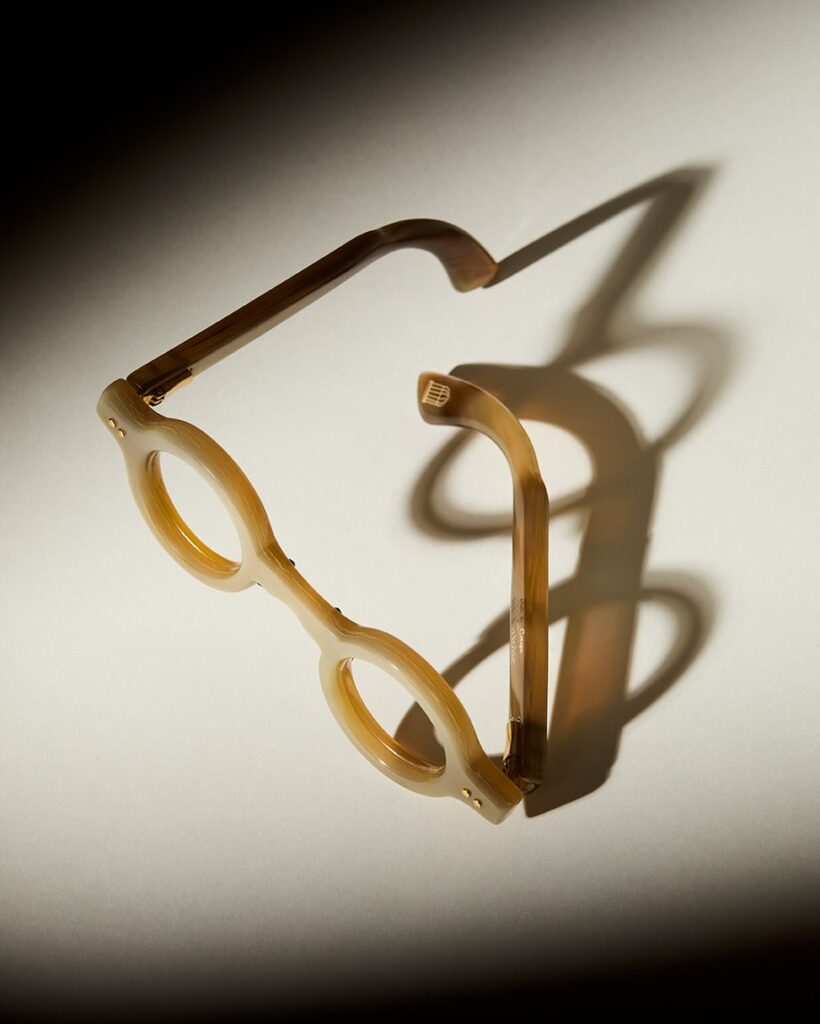
Real craft is difficult because it resists acceleration.
It cannot be optimized. It cannot be endlessly scaled. It cannot be copied without losing its soul.
And perhaps that is precisely why, in an industry searching for authenticity, Bird & Cage feels increasingly relevant.
Because the future of luxury may not belong to those making more.
It may belong to those making less and making it better.

 English
  French
  Italian
  Spanish
  Portuguese
  German
  Korean
  Japanese