


As independent boutiques become scarcer and established players retreat into caution, indice founders Giovanni Comotti and Nicolò Plebani are betting on a highly defined point of view. Their new Milan store suggests that the future of physical retail may belong to those willing to create a world, rather than simply fill a shop.
What can the fashion industry learn from Giovanni Comotti and Nicolò Plebani?
At a moment when many retailers are postponing expansion, minimising risk and relying on increasingly predictable formats, the founders of indice are moving in the opposite direction. Their new Milan store opened over the weekend to a packed house, an early signal that physical retail can still generate excitement when it gives people a compelling reason to show up.

Independent boutiques, once essential engines of discovery, are increasingly rare. Rising costs, cautious spending and the growing dominance of major luxury groups have made opening a new store feel like an act of defiance. Yet indice’s arrival in Milan demonstrates that scale is not the only way to compete. Clarity can be just as powerful.
Founded in Brescia in 2016, indice has spent a decade developing a retail proposition that sits somewhere between an optical boutique, a design gallery and a private members’ lounge. Eyewear is not presented as a functional afterthought or a seasonal accessory, but as an object of identity and culture.
The company’s stores in Brescia, Forte dei Marmi and Cortina d’Ampezzo have each interpreted that idea differently. Milan is its most ambitious expression yet, and perhaps its clearest statement about where independent retail can go next.

A Store With a Point of View
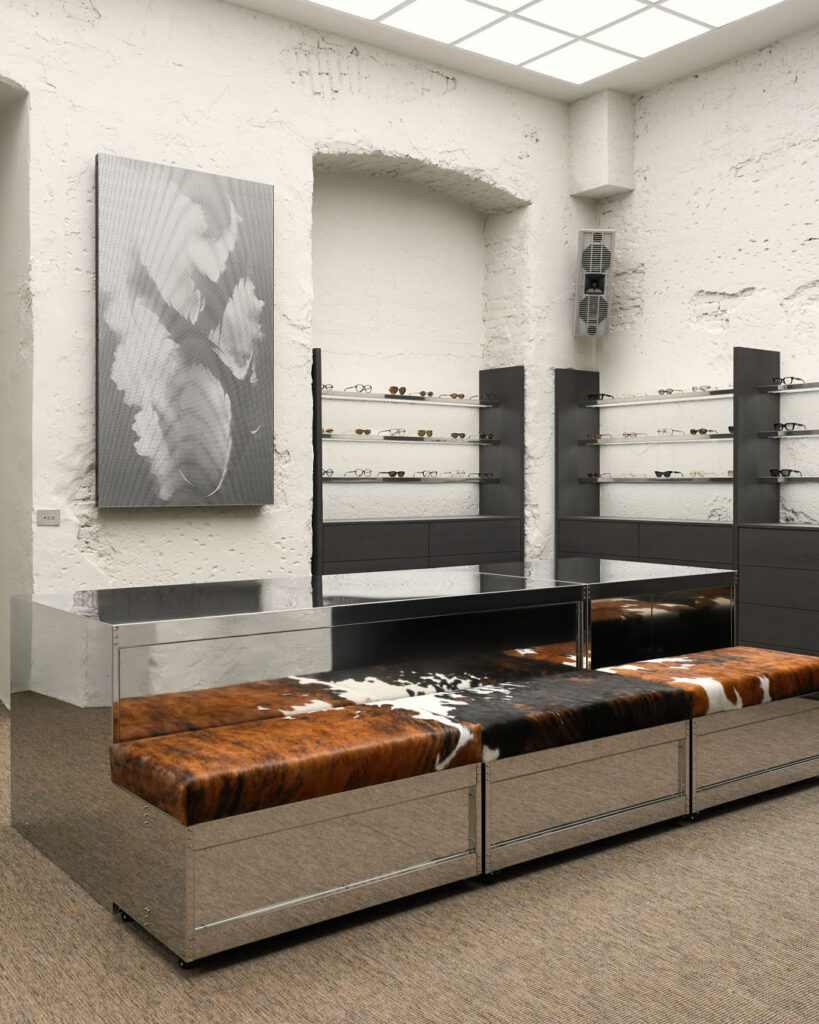
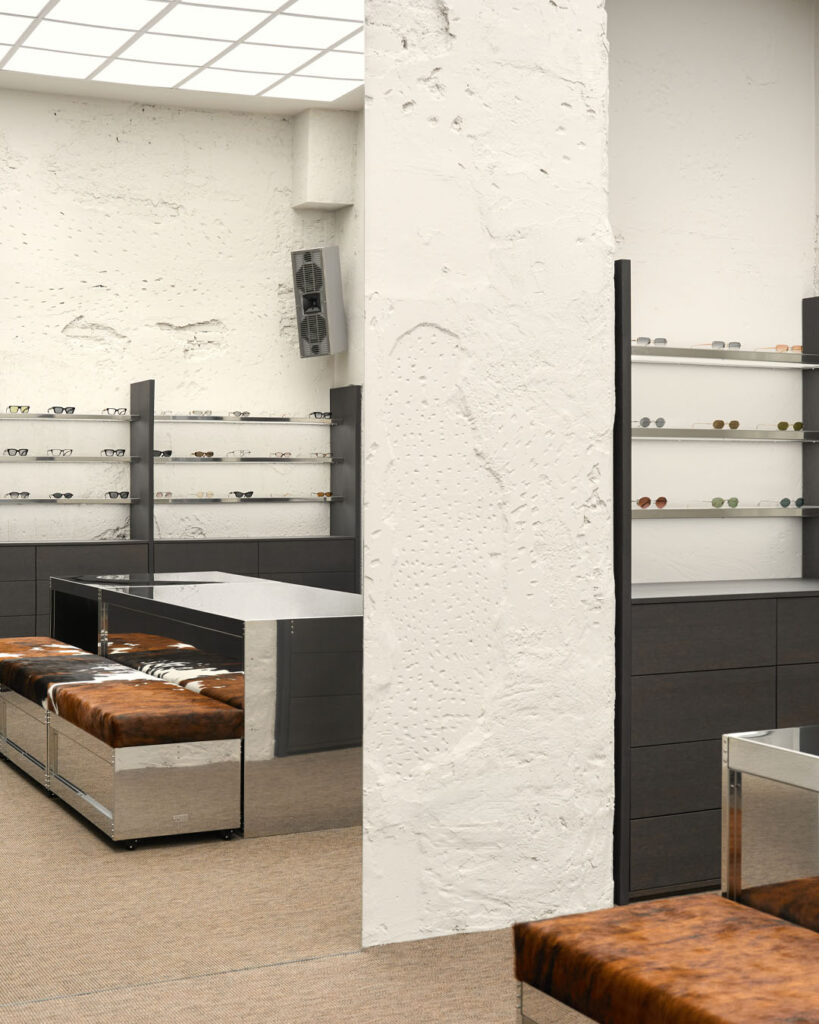
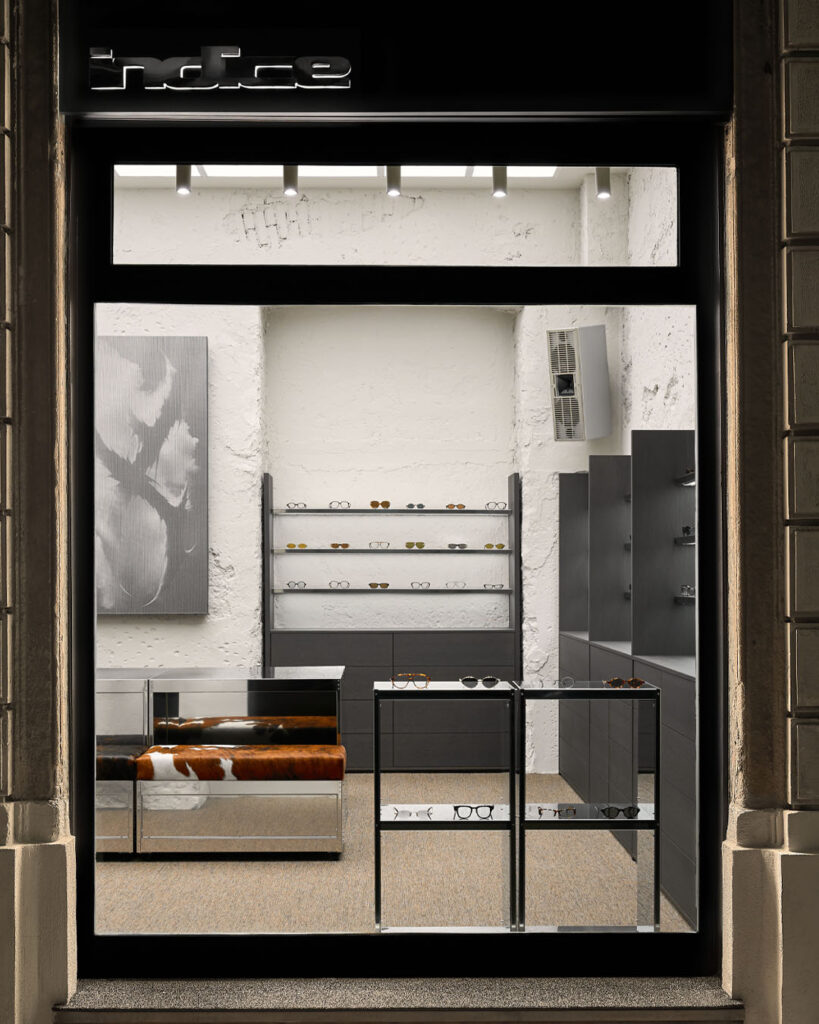
Designed by Alessandra Vigani, the Milan boutique unfolds within a single, expansive room. Rather than erasing the building’s history, the design uses it as a foundation.
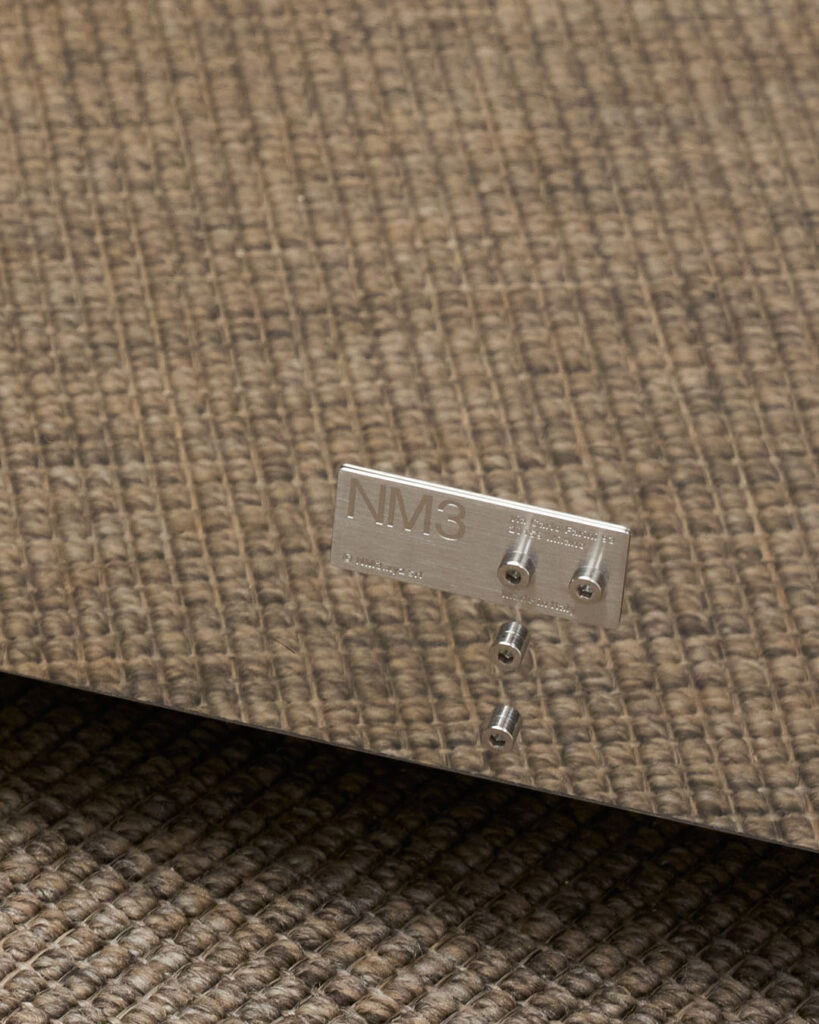
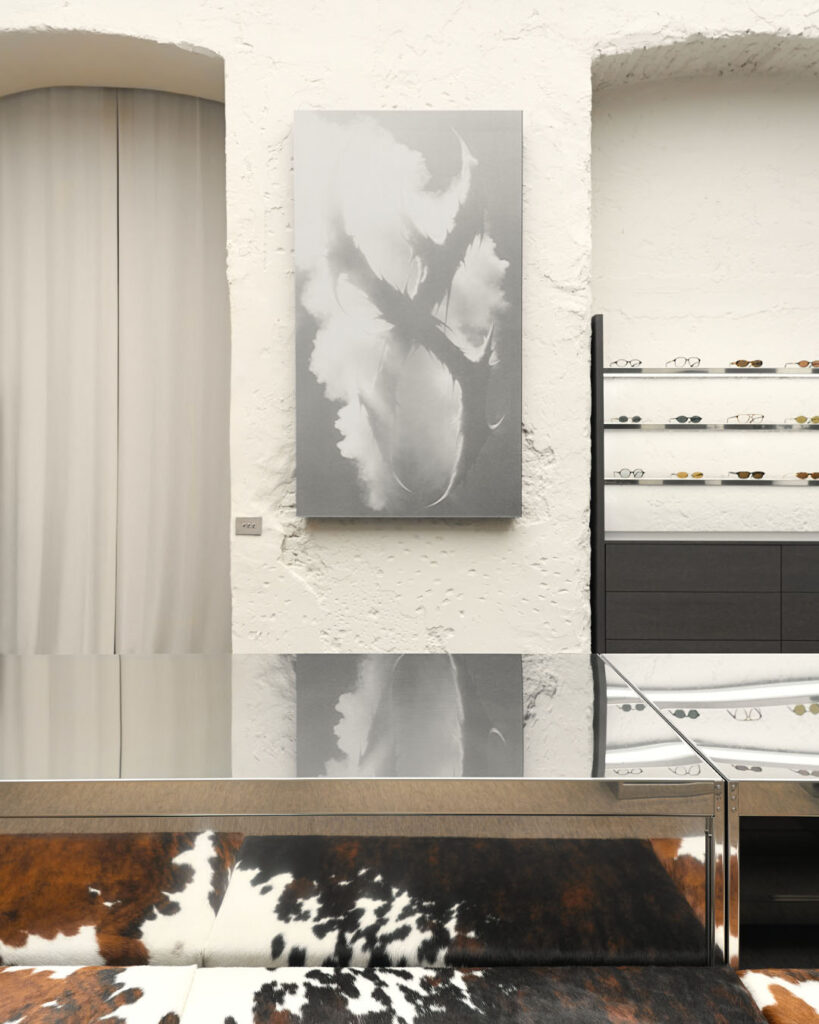
The original textured walls have been preserved and left exposed, set against dark oak display units and steel shelving running along the perimeter. Wall-to-wall woven rope carpeting softens the harder architectural elements, while a grid of luminous ceiling panels casts an even, immersive light across the space.

At its centre is a sculptural steel structure developed with Milan-based design studio NM3. It functions simultaneously as a checkout counter, consultation area and social anchor, incorporating seating upholstered in pony hair. More than a piece of furniture, it distils the indice proposition into a single object: commercial but cultural, rigorous but tactile, functional but memorable.
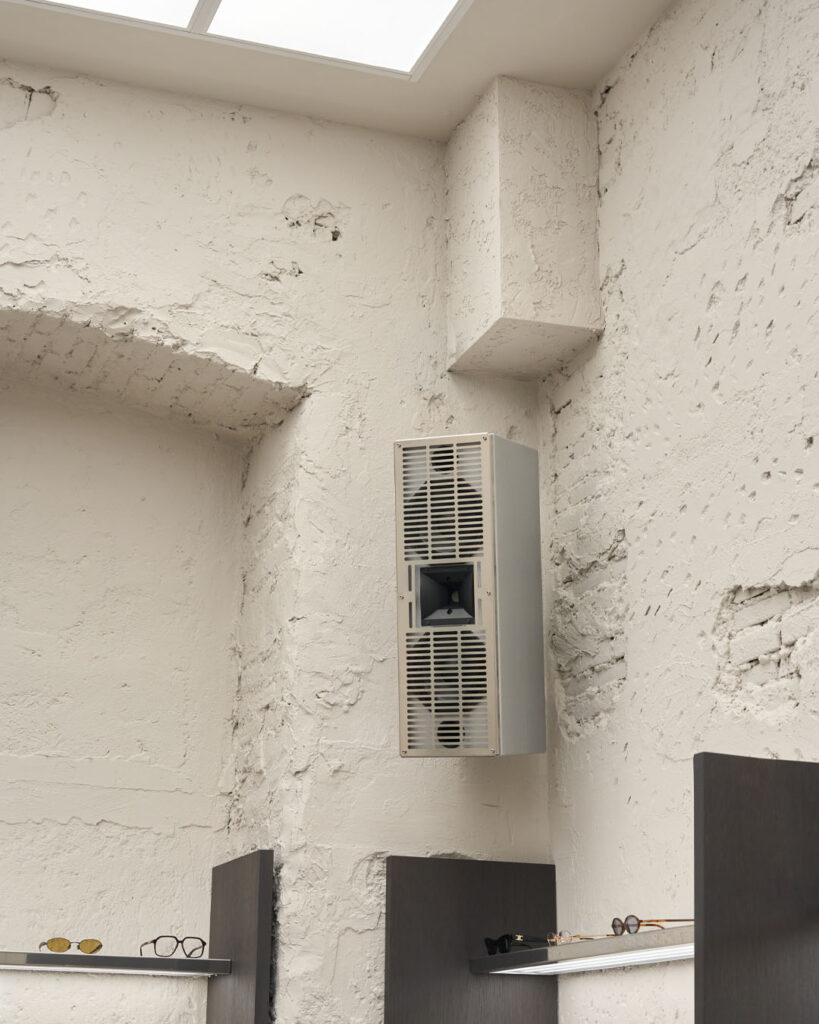
A bespoke hi-fi system created by Giorgio Di Salvo completes the environment. Sound is not treated as background decoration, but as part of the store’s identity, another layer in an experience designed to slow visitors down.
This is not retail conceived around maximum product density. It is retail conceived around atmosphere, context and conversation.

From Retailer to Cultural Editor
The store’s design may attract attention, but indice’s real advantage lies in the thinking behind it.
Giovanni Comotti and Nicolò Plebani have understood that an independent retailer cannot outperform global groups through inventory or reach. It can, however, compete through taste. Its value comes from knowing what to select, how to present it and why it matters.
That philosophy has shaped indice since its first Brescia opening. The name refers to the index of a book: a structure that introduces and organises what follows. Each product, collaboration and store becomes a chapter in a larger narrative.
Over the years, the founders have used limited-edition eyewear to turn scarcity into cultural relevance. In 2019, indice became the first retailer to co-develop a limited capsule with Jacques Marie Mage, reworking the brand’s Molino frame. Collaborations with names including Mykita, Retrosuperfuture and Chrome Hearts followed.
The strategy moves indice beyond the conventional role of distributor. Instead of waiting for brands to provide products and stories, the retailer becomes a co-author, helping shape the object, controlling its context and introducing it to a community already primed to understand its significance.
In a market saturated with merchandise, curation becomes a product in its own right.

The Business Lesson Behind the Buzz
The packed Milan opening offers a useful reminder: consumers will still gather around retail when retail behaves like culture.
Indice is not attempting to be everything to everyone. Its world is specific, rooted in independent eyewear, collectible design, music and a recognisable material language. That specificity creates belonging. Customers are not simply purchasing a pair of glasses; they are entering a point of view.
This is where many larger retailers struggle. Their spaces may be polished, expensive and technically flawless, yet remain emotionally anonymous. Designed to appeal broadly, they often communicate very little.
Indice has chosen definition over scale. Every element reinforces the same proposition, from the limited-edition frames to the steel centrepiece and bespoke sound system. The result feels less like a store assembled from retail conventions and more like a destination built around a coherent cultural identity.
For independent entrepreneurs, the lesson is not to reproduce indice’s aesthetic. It is to understand the discipline behind it.

A distinctive interior is powerful only when it reflects a distinctive business. Exclusivity creates lasting value only when it is supported by credibility. Community cannot be manufactured through an opening-night guest list; it must be cultivated through years of consistent choices.
Giovanni Comotti and Nicolò Plebani have spent a decade building that consistency. Milan is not an abrupt reinvention, but the logical next chapter.
Why Milan Needs Places Like indice
Milan hardly lacks luxury stores. What it increasingly needs are places capable of surprising an audience already surrounded by fashion, architecture and design.
The new indice store succeeds because it does not behave like another conventional flagship. It offers a strong edit instead of endless choice, intimacy instead of scale and a sense of discovery that large retail networks struggle to replicate.
At a time when caution is making much of the market look the same, indice has chosen conviction. Its founders have invested not simply in square metres, but in a clear vision of what those square metres should mean.
That may be the most relevant retail lesson of all. The opportunity is not necessarily to open more stores. It is to create stores with enough identity to become destinations.
Milan now has a new one.


 English
  French
  Italian
  Spanish
  Portuguese
  German
  Korean
  Japanese