


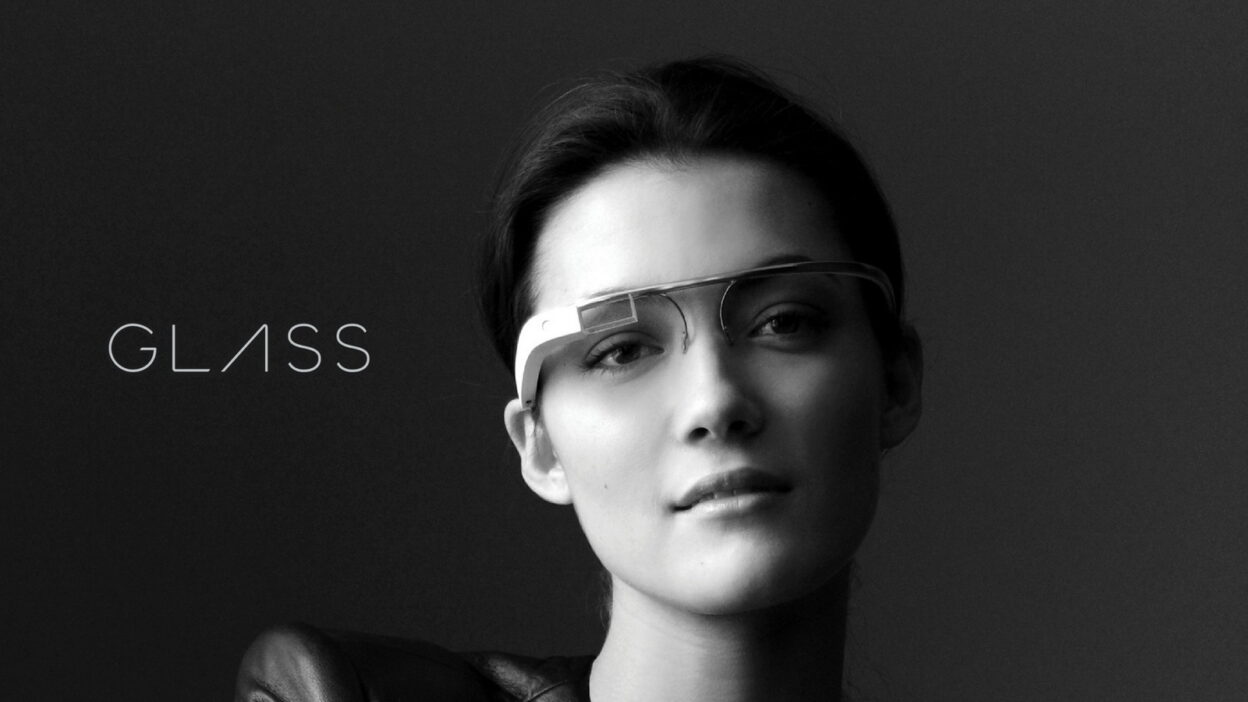
The technology sector rarely forgets its failures. The shadow of Google’s 2014 misstep with Google Glass still looms large over today’s renewed push into smart eyewear. But this time, the strategy is different and far more dangerous for independent players.
Instead of selling technology, Google is buying culture. Its reported collaboration with Gucci, under Kering, are not about product. They are about trust, positioning, and control. Google is expected to launch smart glasses next year in collaboration with Gucci.
Because technology alone never sold glasses and it never will.
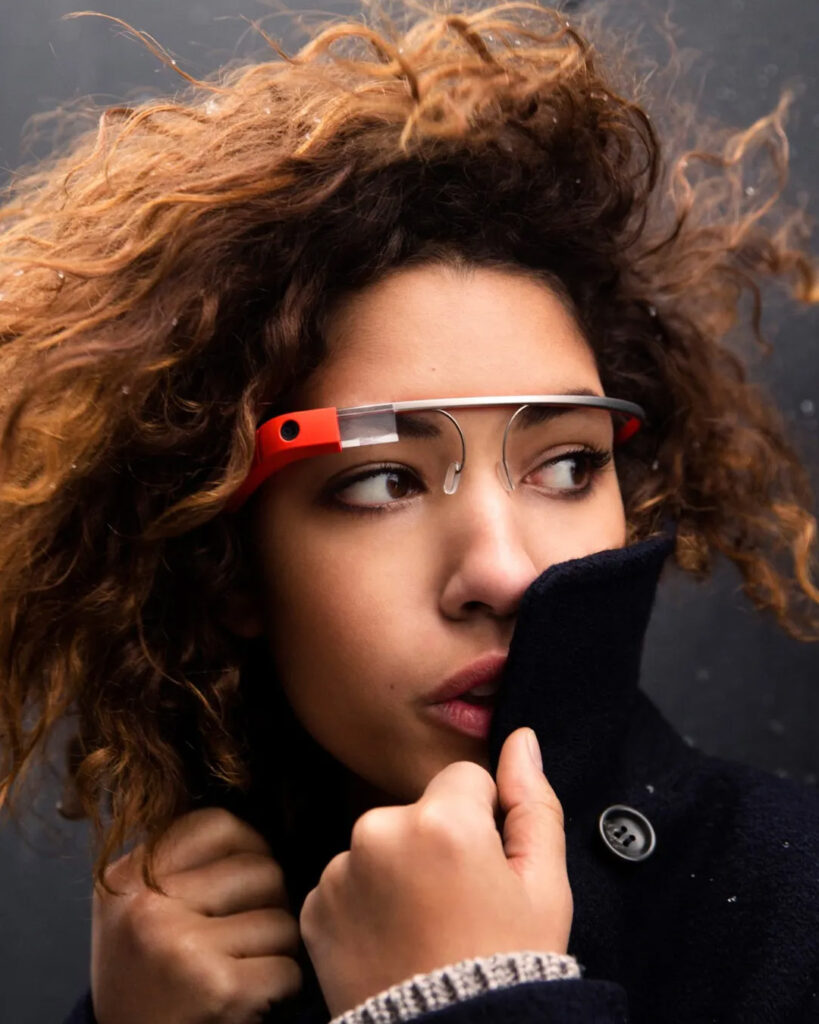
Big tech never forgets, it only rebrands failure.
Meta understood this earlier. Its partnership with Luxottica through brands like Ray-Ban and Oakley was not about launching a product. It was about buying instant credibility.
These companies are not entering eyewear. They are absorbing it. They understand that glasses are not electronics. They are identity. And whoever controls identity controls distribution, margin, and customer loyalty.
The independent industry is playing the wrong game.
Independent opticians believe they are participating in innovation. In reality, they are being used.
Every time you stock smart glasses as an independent optical retailer, you are not just selling a product, you may be contributing to a transition in which your role becomes less central. You are explaining the technology, reducing friction, and normalizing behavior.
The pattern is familiar. In the early smartphone era, Google deployed its Android operating system across multiple hardware partners, including brands like HTC. This distributed approach allowed the company to refine its ecosystem, shape user behavior, and establish market dominance before eventually consolidating control through its own hardware and distribution channels.
The same playbook is now being deployed in eyewear and most of the industry is walking into it blindly.
Opticians are training their own replacement.
If independent opticians continue to serve as the frontline educators for smart glasses In its current form, they may inadvertently accelerate their own obsolescence. By allocating capital, retail space, and customer trust to products controlled by vertically integrated tech-fashion alliances, they are effectively subsidizing the development of ecosystems that will ultimately bypass them.
This is not a theoretical risk. It is a structural inevitability. And when their distribution becomes direct, integrated, and controlled you will be removed from the equation.
The dirty secret: these products don’t actually sell.
Smart glasses, in their current form, are not easy products to sell. Feedback from opticians who have experimented with early offerings whether from Meta collaborations or startups like Even Realities consistently highlights low consumer readiness, unclear value propositions, and operational friction. Not to mention issues related to setup, support, and warranty.
These devices are not yet positioned for mass adoption, and certainly not for effortless retail success.
Yet their true purpose lies elsewhere: market education, data acquisition, behavioral conditioning, and ecosystem lock-in.
These products are not designed to make you money today as independent optical store. They are designed to build their market for tomorrow.

The only way out: rebuild culture before tech.
What, then, is the alternative?
If you want to survive as independent optical store, the strategy must change.
Stop chasing technology. Start rebuilding culture.
The independent optical sector must resist the temptation of short-term gains and instead pursue a coordinated, long-term strategy.
This begins with rebuilding an ecosystem reminiscent of the pre-2007 mobile industry an era defined by diversity, brand differentiation, and symbolic value.
Before smartphones, devices like the iconic Nokia 8800, Motorola Aura, Vertu were not merely functional; they were status objects embedded in cultural narratives.
Eyewear must return to that model where value is not driven by features, but by perception, craftsmanship, and belonging.
Independents must unite or disappear.
There is only one viable path forward.
Independent stores must support independent brands. Money must circulate inside the same ecosystem.
Second, the industry must cultivate a distinct subculture akin to the luxury mechanical watch sector or sneaker culture where craftsmanship, collectability, and identity converge.
Only when smart glasses technology is truly mature should independents engage and only through independent collaborations.
Anything else is dependency.
A useful parallel can be drawn with the watch industry. Over time, the market consolidated to a clear structure: a handful of dominant high-end brands and a growing layer of connected devices driven by companies such as Google and the Android ecosystem. The middle disappeared. It always does.
This trajectory should serve as a cautionary lesson for eyewear. Smart glasses will inevitably be adopted by the independent optical sector but not as a replacement for analog eyewear.
If introduced prematurely, or through dependency on large technology conglomerates, independent players risk losing both distribution and identity.
Independent brands are unlikely to gain access to the retail networks controlled by major conglomerates or big tech platforms. At the same time, they remain structurally dependent on independent opticians for visibility, credibility, and sales.
For this reason, the transition toward smart glasses must be carefully timed aligned with technological maturity and built through partnerships within the independent ecosystem. Anything less risks repeating the same consolidation cycle, where only a few dominant players remain and the rest are structurally excluded.
The clock is ticking: 10 years to extinction.
If nothing changes, the outcome is predictable. Independent opticians should source eyewear exclusively from independent brands.
Failure to adopt such a strategy will likely result in a stark outcome: within the next 10 to 15 years, independent eyewear retailers and brands could face systemic decline, not because of a lack of demand, but because they facilitated the rise of ecosystems designed to replace them.
The current moment is not just a technological transition it is a structural inflection point. Those who misread it may not survive it.
This is not speculation. It is already happening. And the most dangerous part? Most of the industry still believes it is an opportunity.
Image Source: Google Glass


 English
  French
  Italian
  Spanish
  Portuguese
  German
  Korean
  Japanese