

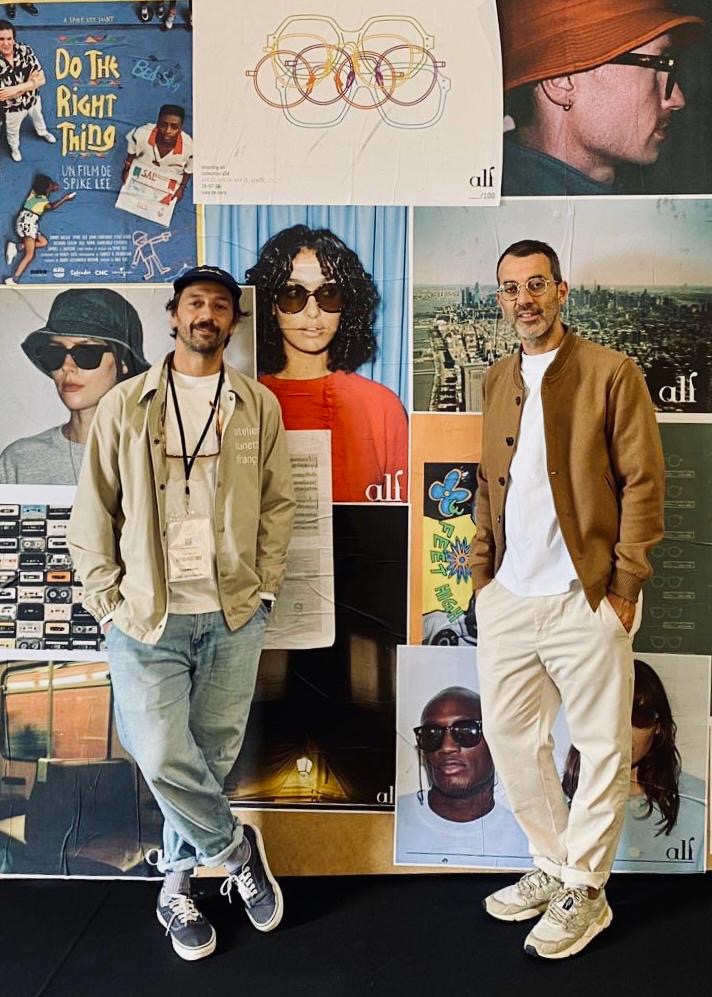
In a market saturated by logos and accelerated product cycles, a new kind of restraint is emerging one that speaks not to the masses, but to a highly selective audience. For Germain and Alexis, the brothers behind Lunettes ALF, that audience is clear: the 1% who value precision over excess, and intention over visibility.
Their approach to eyewear aligns with a broader shift toward quiet luxury, where desirability is no longer driven by overt branding, but by subtlety, materiality and coherence. Yet what sets their project apart is not only the product it’s the ecosystem they are building around it.
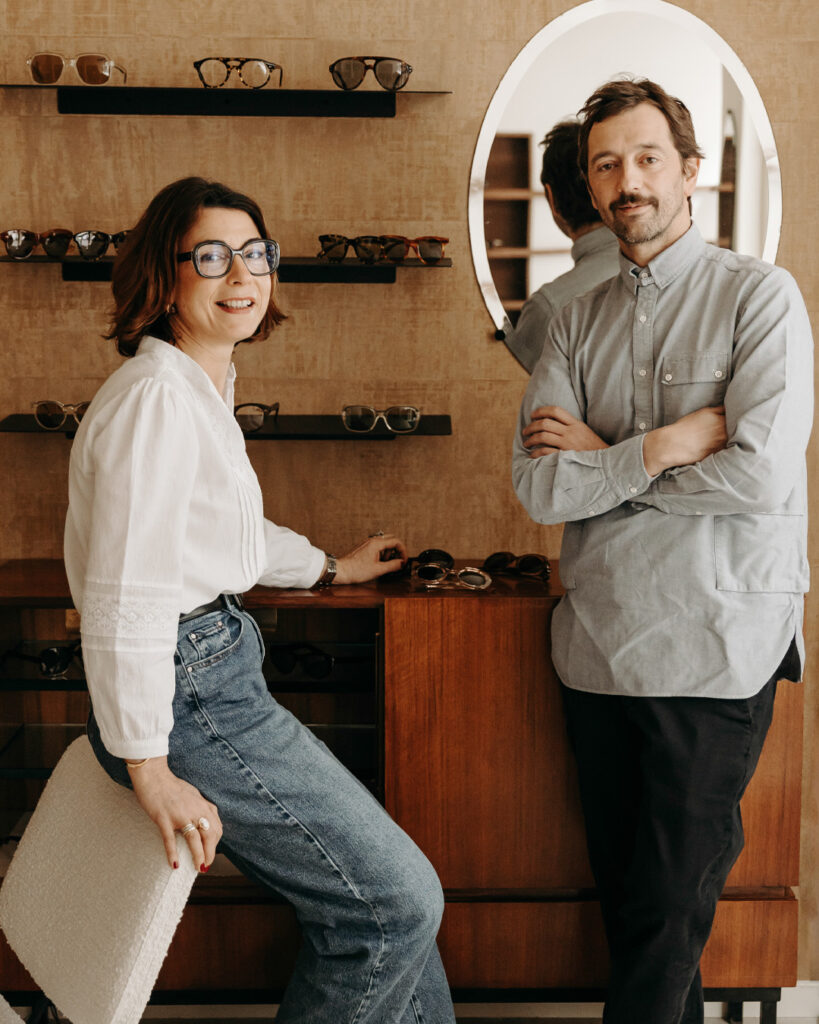
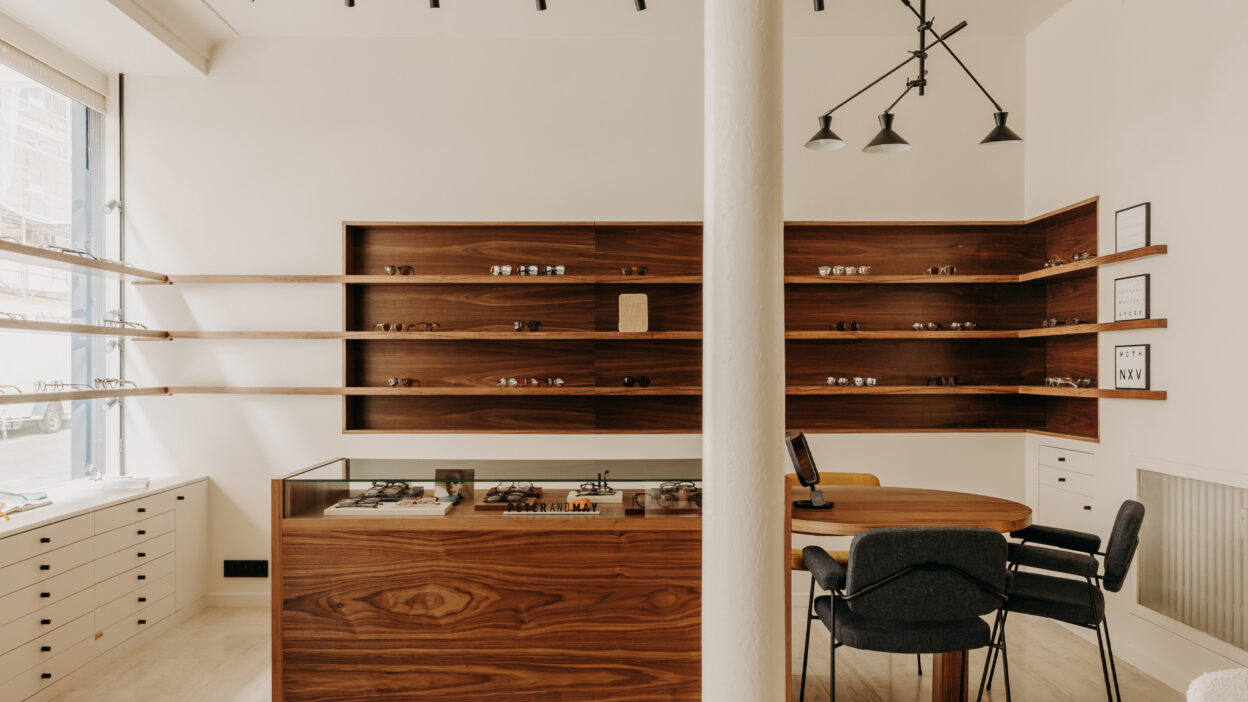
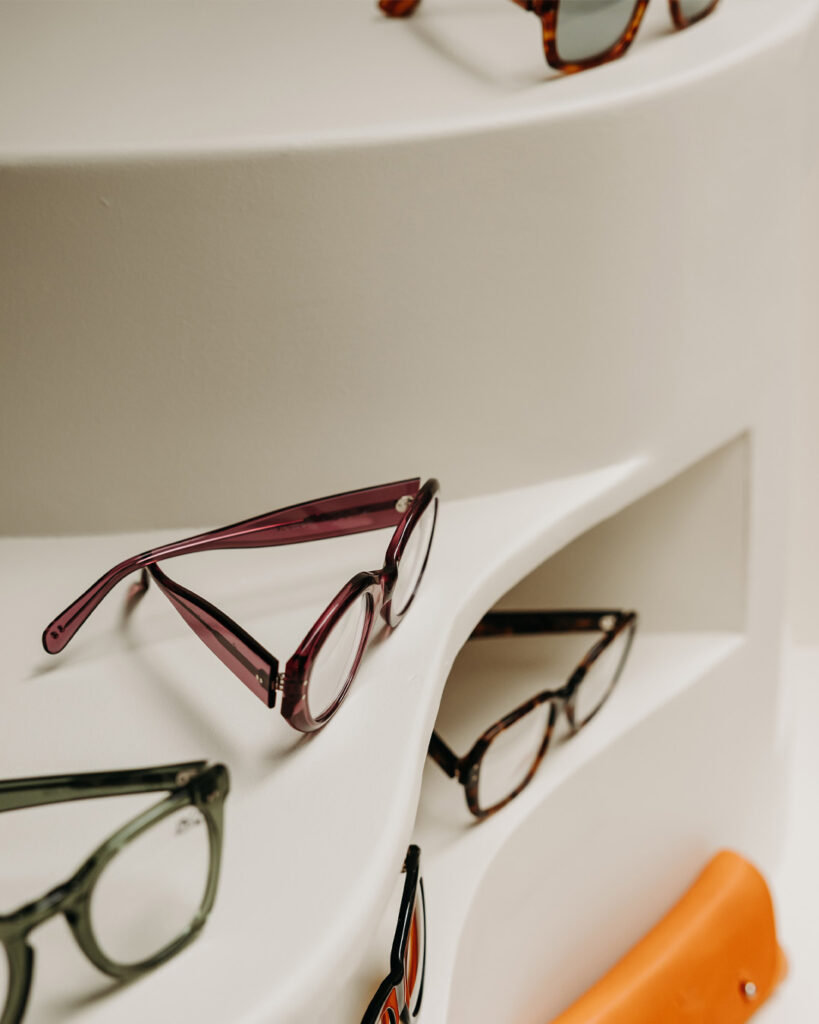
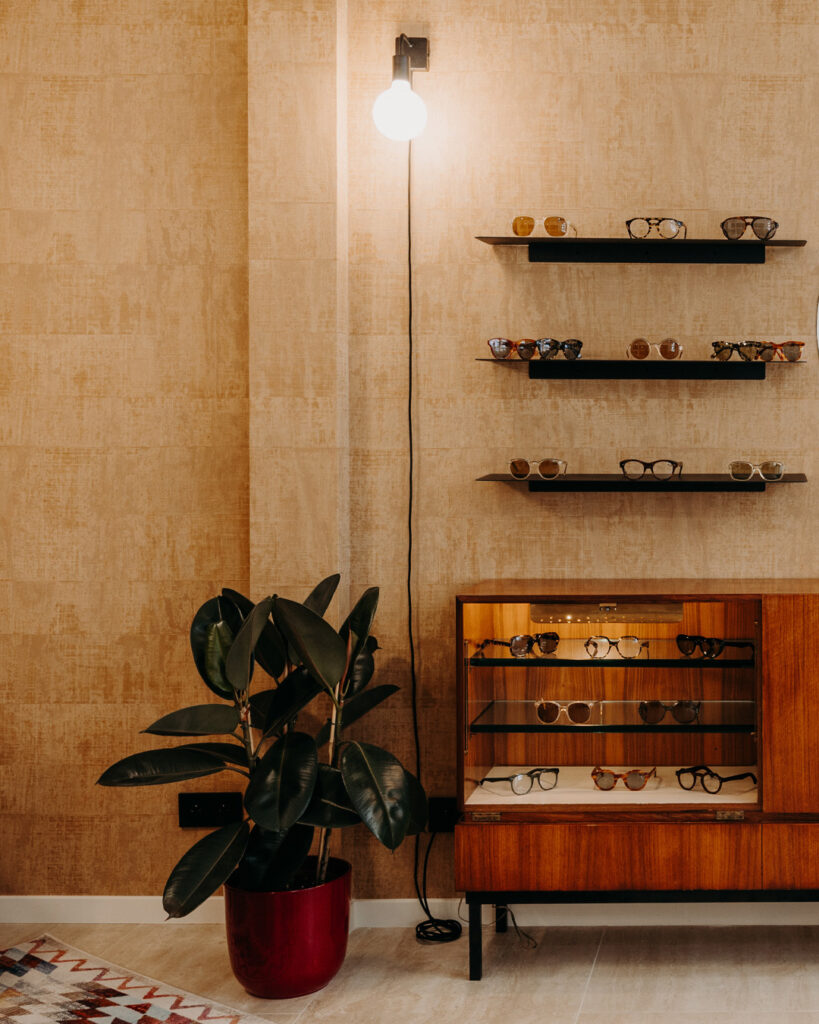
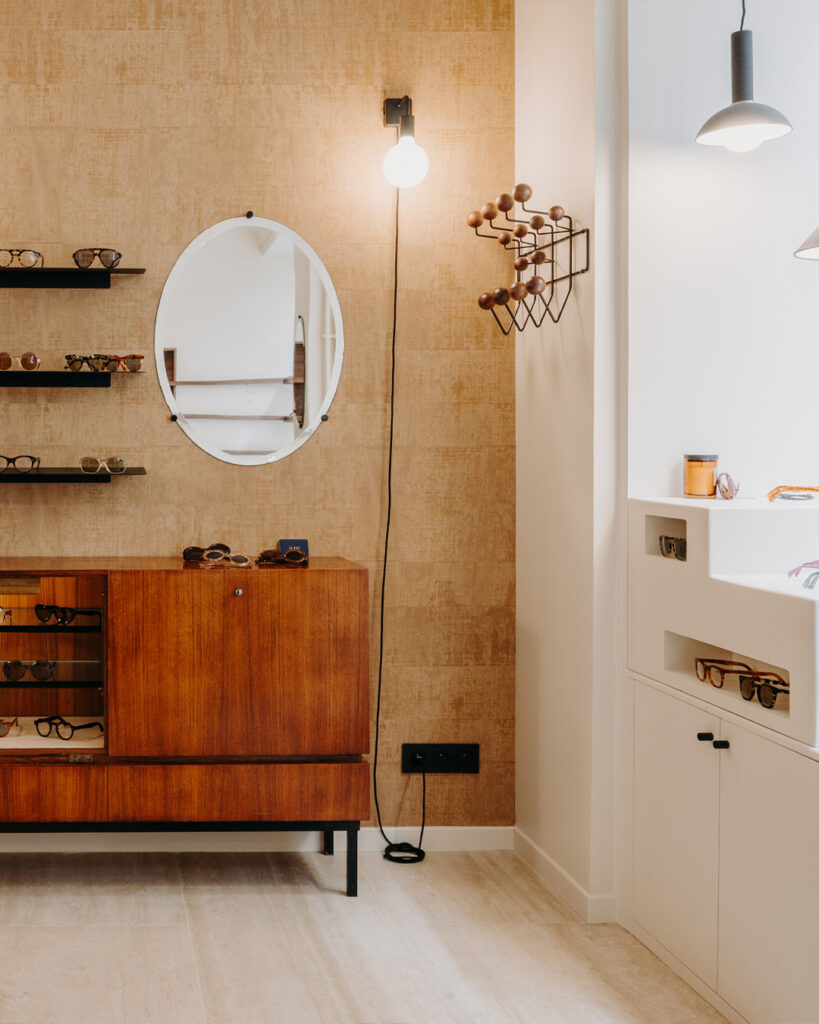
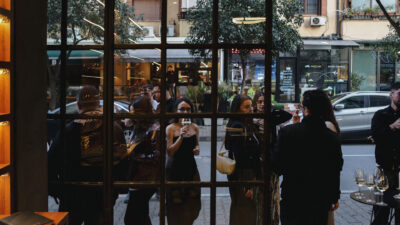
With the launch of ALFIE, their newly opened optical store, the brothers extend their vision into a physical space that operates as both showroom and research platform. Developed alongside their cousin, an experienced optician, the store reinforces the family-driven nature of the business while creating a direct link between brand, retailer and end customer.
In this conversation with Curated Optics, the Alf brothers discuss why the future of independent eyewear lies in radical clarity, how operating a retail space reshapes their perspective, and why designing for fewer but more discerning customers may be the most sustainable strategy in today’s polarized market.
How do you see the current eyewear market evolving, and what future do you predict for classic independent eyewear brands?
The eyewear market is experiencing a very clear polarization today.
On one side, vertically integrated players and large retail networks control the entire chain, from production to distribution. On the other, luxury conglomerates use their massive marketing power to sell products driven primarily by the logo.
In this environment, independent brands can no longer compete on volume: their playing field is now identity. The extremes are strengthening: low-cost eyewear attracts with accessibility but disappoints in quality and service, while the high-end segment splits between marketing-driven luxury and true artisanal craftsmanship.
The middle ground is gradually disappearing. In this context, the future of independents relies on a clear positioning, genuine authenticity, consistent quality, and a perceived value always aligned with or even better above the price to create strong CIP (Customer Incentive to Purchase). Their strength lies in this coherence.

Do you believe there is a major barrier today for new brands trying to enter the market through trade fairs and agents?
The main obstacle for new brands is not gaining access to trade fairs or agents, but standing out in an oversaturated environment. Trade shows have become dense spaces where major brands capture attention with large booths and significant resources. Agents are highly solicited, and opticians lack time. To earn a place, a brand must be immediately readable, differentiated, and credible. Smaller, better-organized formats or grouping exhibitors by typology could restore visibility for emerging labels. The market isn’t closed, it’s crowded. Only those with a strong identity manage to break through.
What motivated you to open an optical store after already building your own eyewear brand?
Opening a store came from several motivations. First, the need to get closer to the end customer and receive direct feedback on the products. Then, the desire to create a true showroom where the brand’s universe could fully express itself. There was also a family dimension: building the project with Charlotte, our cousin and an experienced optician, brought natural complementarity. The store also became a universe of its own. A living space for the brand and its friend-brands. Retail is not only transactional but also conversational.
Finally (and perhaps most importantly) running a store reconnects us with the daily reality of opticians.
When you operate only as a brand, it’s easy to disconnect from concrete challenges: cash flow, conversion rates, customer hesitation, after-sales service, stock management. Having a store forces us to face these realities and understand what our partners experience. It also allows us to test our products without intermediaries: seeing what works, what doesn’t, how customers react, how pricing is perceived. For us, retail is not just distribution, it’s a research/feedback tool.
Do you consider smart glasses a direct threat to the mid-range eyewear sector, or more of a parallel category?
Today, smart glasses exist in a parallel category rather than in direct competition with traditional eyewear. The technology is still young, sometimes bulky, and far from being seamlessly integrated into everyday life. However, the speed of technological progress requires vigilance. If one day the tech becomes invisible, intuitive, and aesthetically integrated, it could reshape consumer expectations.
The shift would be as cultural as it is technological: eyewear could move from a medical or fashion accessory to a digital interface.
For now, both worlds coexist, but in the long term, smart glasses could redefine the category. Will it be the end of brands like us? We do not think so, as we are targeting 1% of consumers.
Why do you think many opticians hesitate to work with independent brands and instead buy frames from large conglomerates that also operate their own retail chains?
Opticians often favor large conglomerates because they reduce perceived risk. Their brand recognition, heavy marketing, and long history are reassuring. Customers already know the logo, which makes the sale easier. Conversely, working with an independent brand requires time, storytelling, and conviction. You must explain the philosophy, highlight the details, and educate the customer; it demands conviction and effort. In a context of financial pressure, not every optician is ready to invest that energy and choose the safer option (in the short term). Independents brands demand deeper engagement but offer differentiation that big brands cannot always provide. Differentiation that will “save” independent opticians.
Do you think the market still operates under the illusion that a famous logo automatically guarantees stronger sales, regardless of design or quality?
Yes, to some extent, this illusion still exists. A famous logo reduces consumer hesitation: it reassures, simplifies the sales conversation, and creates immediate recognition. For many opticians and customers, a well-known name feels like a guarantee of quick sales. But recognition is not loyalty. A logo attracts, but it does not retain.
In the long run, design integrity, real product quality, and the wearer’s experience matter far more than notoriety.
This illusion persists because it reduces short-term risk. Logo-driven brands are extremely powerful in communication and marketing. Their strategy is brilliant: the consumer becomes the advertisement by wearing the logo on their clothing or accessories. This constructed, almost self-sustaining desirability leads many to believe that the logo automatically guarantees high volumes. We are definitely more “job to be done” oriented. Our partners need to differentiate themselves to compete on a different field. If not, they know they will struggle more and more to survive.
From your perspective, what is the biggest misconception opticians or consumers have about independent eyewear brands today?
The biggest misconception is instability. There is an assumption that independent brands are fragile, temporary, or less structured. In reality, many independent brands have tighter quality control, stronger creative coherence, and more direct accountability than large corporate brands. The challenge is not quality, it is trust.
How do you balance creativity and craftsmanship with the commercial realities of competing against global corporate players?
Creativity must be disciplined. We like to say that we are not inventing, we are re-discovering. Designing something unique is not enough. It must be wearable, price-positioned correctly, and commercially viable for the retailer. As an independent brand, you cannot afford ego-driven collections. Every model must justify its existence. The balance lies in creating products that are distinctive but sellable, expressive but not extreme.
Our inspiration comes from personal sources (cinema, archives, family photos, vintage culture, architecture, photographs) rather than following competitors. The goal is to stay true to an authentic vision while respecting market constraints. In a saturated eyewear market, differentiation doesn’t always come from making more noise.
We draw inspiration from photographers such as Stephen Shore, William Eggleston and others who made the ordinary remarkable.
In photography, strength comes from framing & precision.
In design, we think it’s the same. Less ornament but more accuracy. An aesthetic built to last.
What role does authenticity and brand story play in convincing retailers to take a chance on a smaller, independent label like Lunettes ALF?
Authenticity plays a major role in convincing retailers, but it must be supported by a solid commercial structure.
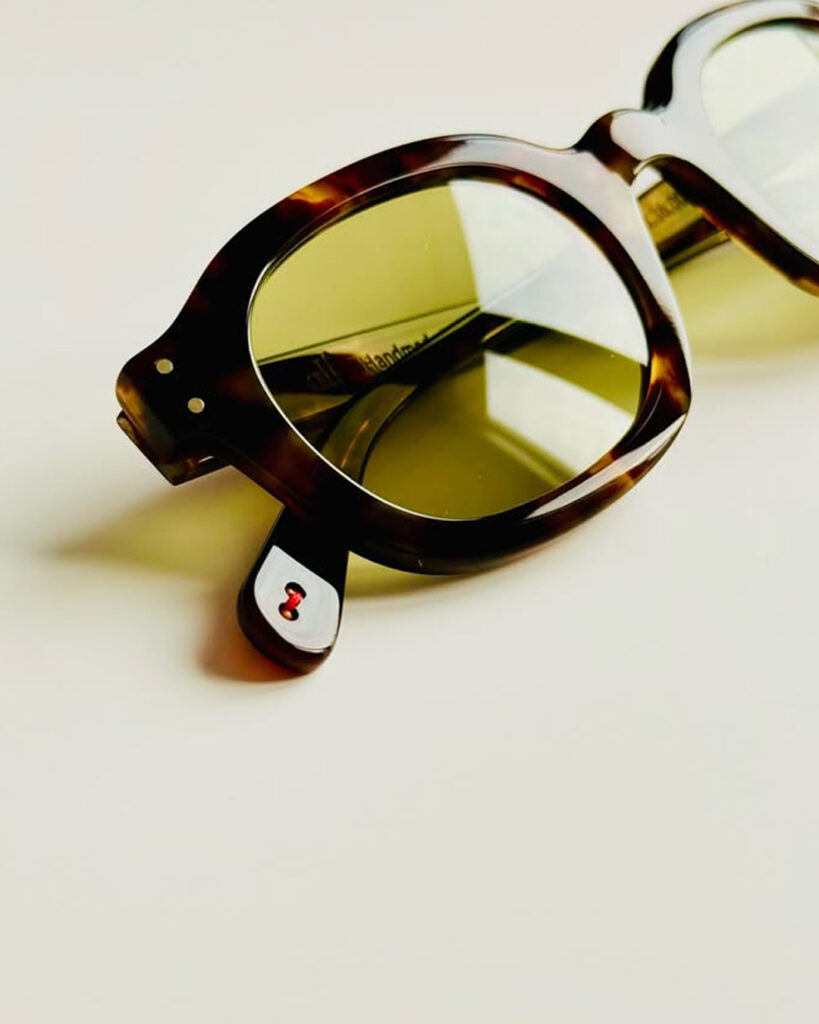
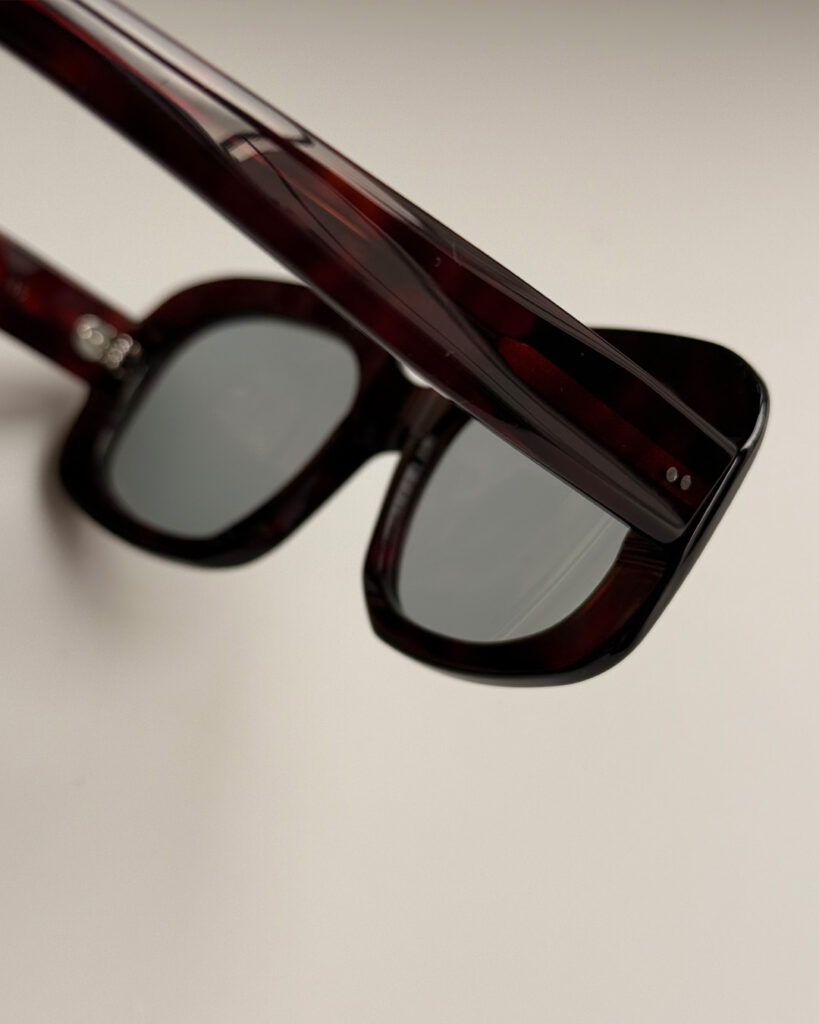
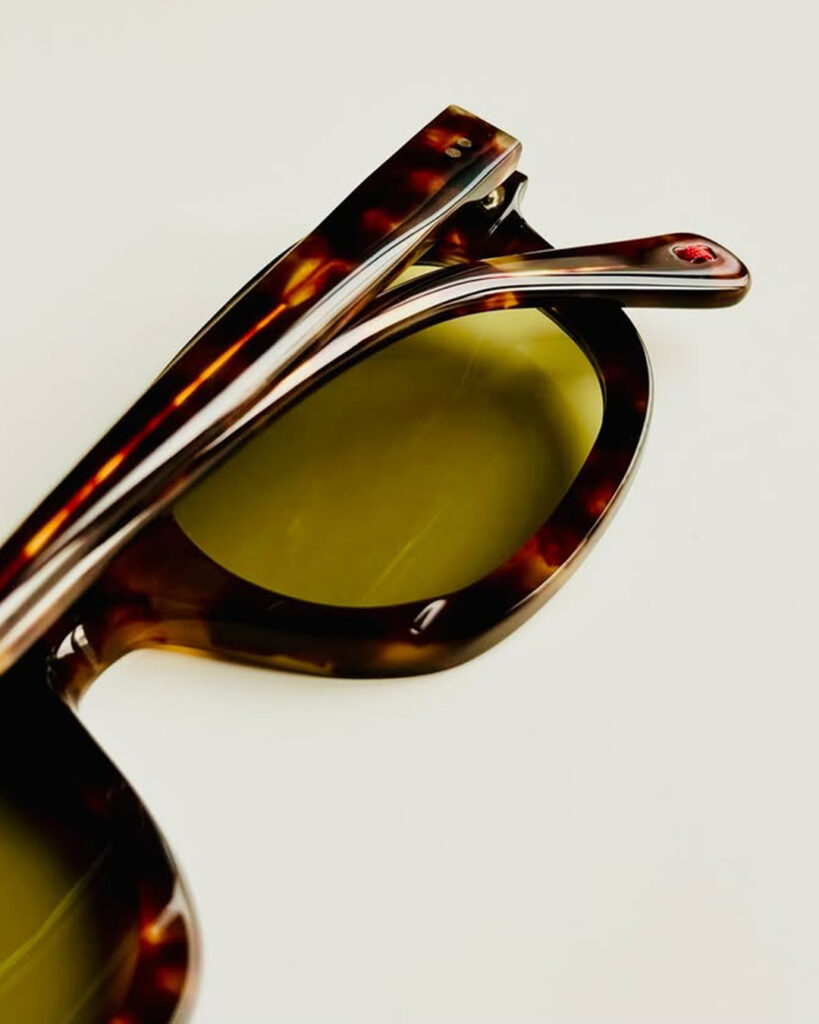
We have to create value for our targeted customers in order to capture part of it. Our daily job is to minimize the value gap (Value Offered vs Value Perceived). The brand’s family story, built by two brothers with different backgrounds, creates a sincere narrative that resonates with opticians. The red thread tied by hand on each temple symbolizes the craftsmanship and human touch behind every frame. It represents not just alf, but an entire network of artisans.
However, while the story opens the door, margins, logistics, and service keep it open. Emotion attracts; reliability reassures.
Do you think many independent sales agents have overstepped their original role, moving beyond simply selling frames to positioning themselves as consultants, not only for brands but also for optical retailers?
No. At the same time, the economic reality of the market has changed. Travel costs are higher, margins are tighter, and it is not always easy for agents to be consistently present in-store. Yet physical presence and direct engagement remain essential in today’s environment, where products often need to be explained, contextualized, and positioned, not simply shown.
Only few agents have evolved into strategic advisors, helping retailers curate assortments and supporting brands in refining their positioning. This evolution can be extremely valuable for the entire ecosystem.
However, as the role expands, it becomes important to preserve balance. Strong and healthy partnerships rely on direct dialogue between brands, agents, and retailers. Agents are at their best when they act as facilitators and bridges, ensuring that value flows transparently between all parties.
From our perspective, the most impactful agents are those who truly act as brand ambassadors, even if the term may sometimes feel overused. This requires a deep understanding of the brand’s story, positioning, and values, which can be challenging when managing multiple collections, sometimes too many.
Do you think today’s eyewear market is largely influenced by a relatively small circle of independent agents who have become gatekeepers, artificially steering certain brands toward opticians while, over the past two decades, many retailers have not pursued direct relationships with brands as a real alternative? And do you believe the industry now needs a shift in narrative and a broader evolution in how these partnerships are built?
There is some truth to that observation. A relatively small network of influential agents can shape visibility and distribution. At the same time, many retailers have preferred the convenience of intermediaries rather than investing in direct brand relationships.
The industry would benefit from more transparency, more direct dialogue, and more balanced partnerships. Brands, agents, and retailers should operate as collaborators rather than power centers.
A shift in narrative is necessary. From control to cooperation. Here again, we need to co-create value together as a collective.
Looking ahead, what changes would you like to see in the eyewear industry to create more space for innovation and emerging designers?
Several changes are needed to create more space for emerging designers, opticians, and agents/distributors.
We would like to see fewer oversized collections, less logo-driven marketing, and more thoughtful production cycles. The industry would also benefit from more long-term partnerships rather than a constant race for volume and novelty.
Innovation is not about releasing more models every season. It’s about depth, coherence, and responsibility.To allow emerging designers to thrive, we must slow down, let ideas mature, and restore value to the creative process rather than to overproduction. From our very personal perspective, we should also return to well-designed, well-crafted eyewear without unnecessary embellishments. Frames that stay true to their primary function. This simplicity is not a step backward; it is a tribute to craftsmanship, artisans, and an industry that once placed quality at its core. Of course, we are fully aware that this vision may be very different for other brands, but this is how we want to embody our mission: to work alongside independent retailers to help them differentiate themselves sustainably.
Conclusion
At a time when much of the industry continues to chase scale, Lunettes ALF is deliberately moving in the opposite direction toward focus, reduction and long-term relevance.
The addition of ALFIE signals more than retail expansion; it reflects a commitment to staying closely connected to both product and customer, grounding creative decisions in real-world feedback. As a family-led business, this proximity becomes a strategic advantage, enabling faster learning, sharper positioning and greater authenticity.
Ultimately, their trajectory reinforces a growing reality within the eyewear space: the future may not belong to those who speak the loudest, but to those who are the most precise about who they are and who they are not for.

 English
  French
  Italian
  Spanish
  Portuguese
  German
  Korean
  Japanese