


While independent stores in Western Europe face a growing challenge, struggling to attract younger clients amid shifting demographics, a very different dynamic is emerging in Southeast Europe.
Here, a new wave of luxury independent optical spaces is beginning to rise, driven precisely by the audience Western markets are losing. A younger generation, fatigued by two decades of logo-driven products from large conglomerates, is now seeking something more personal, more curated, and more meaningful.
It’s not a continuation of the same market it’s the beginning of an entirely different one.
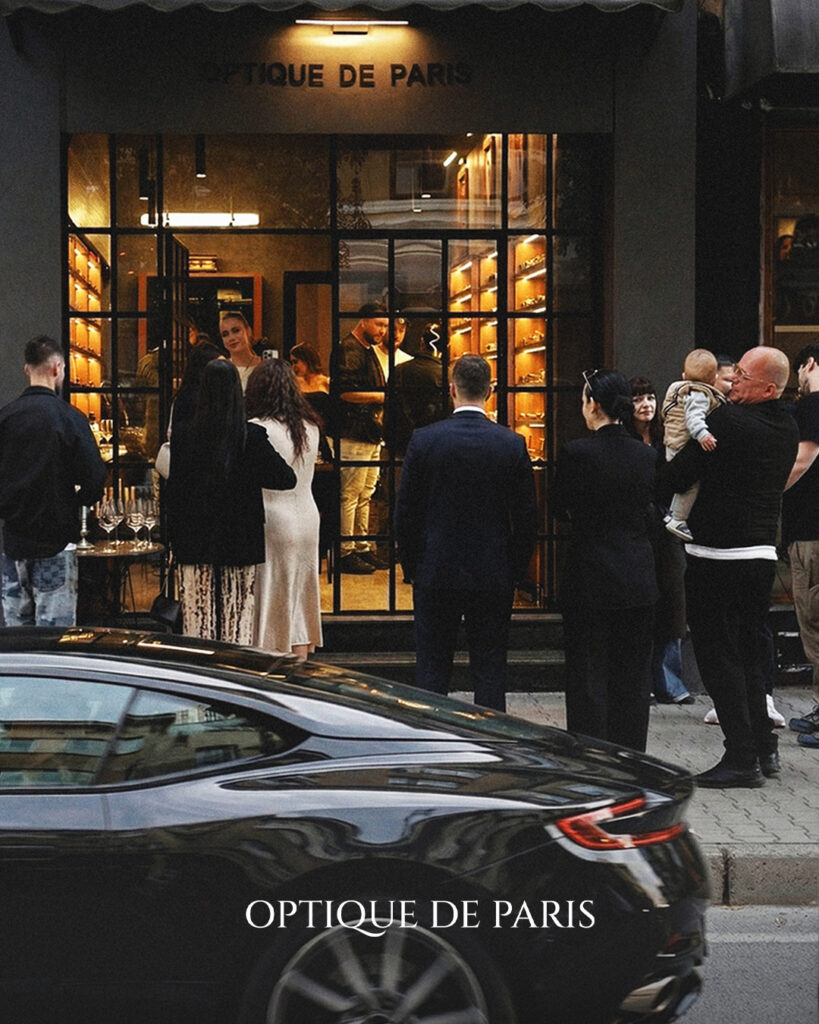
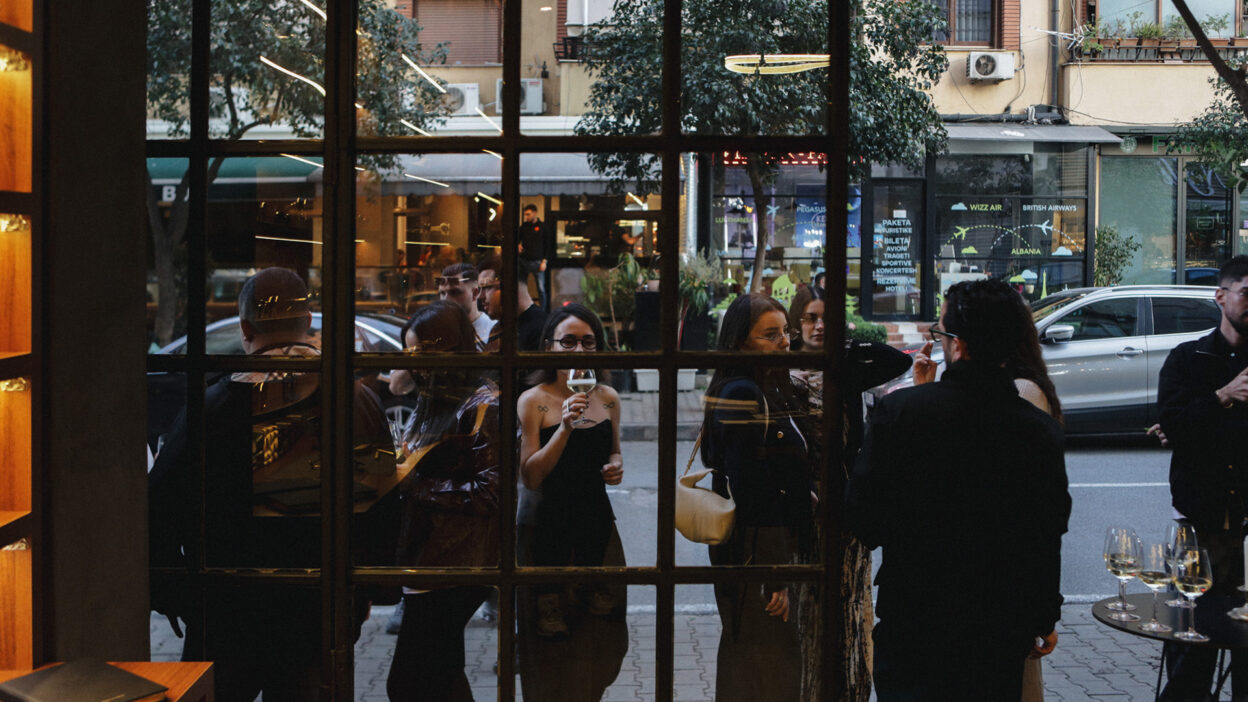
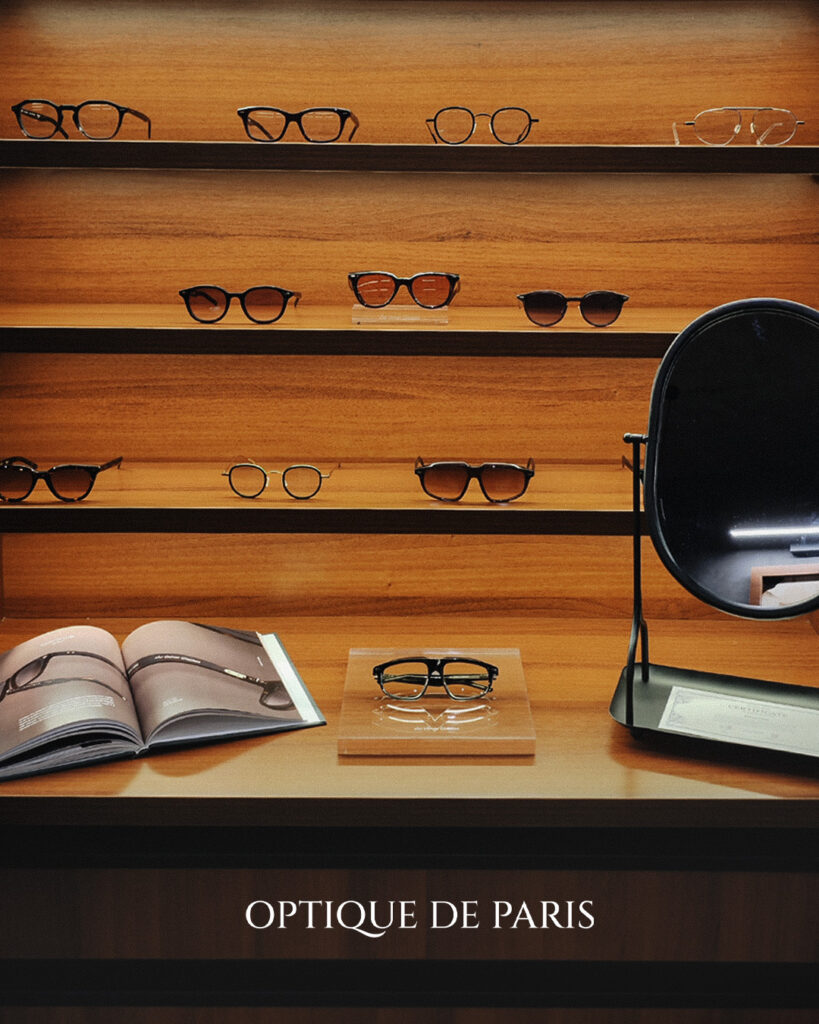
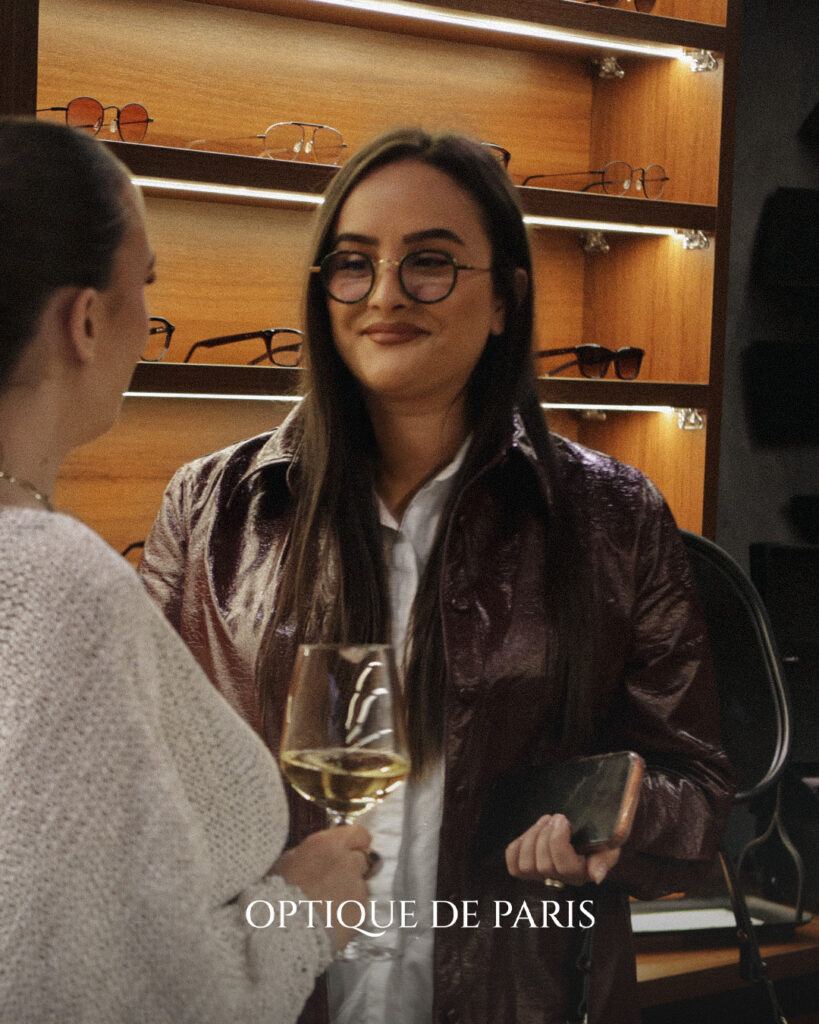
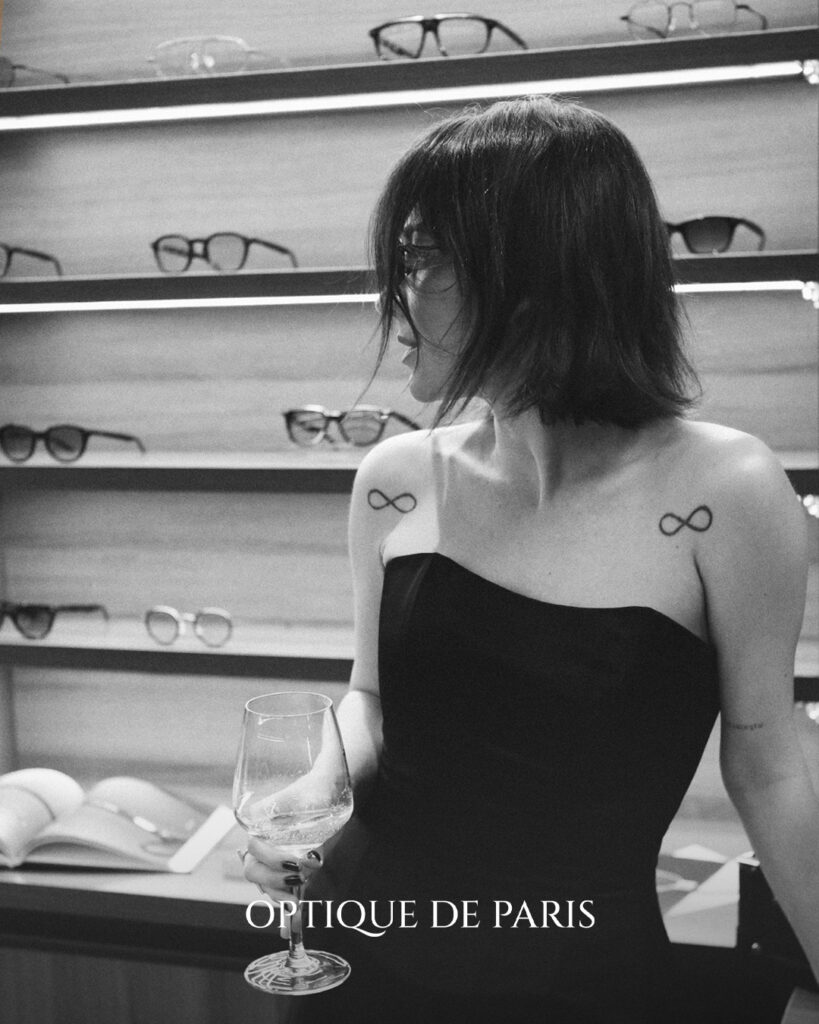
Beyond carefully designed spaces with wood textures, natural light, and open windows, they bring something extra: events created together with the brands.
A new generation is eager to step outside again but not without purpose. What draws them in is not simply retail, but a shared experience. Cultural moments that blend conversation, music, discovery, and a sense of belonging are becoming the new currency of engagement.
A Different Kind of Beginning
Last autumn, a message arrived from Tirana.
Lidia Athanas, 27, the owner of a small optical boutique called Optique de Paris, set out to do something few in her market had attempted: move away from licensed brands and build a space dedicated to independent eyewear. She had no clear roadmap and no obvious starting point.
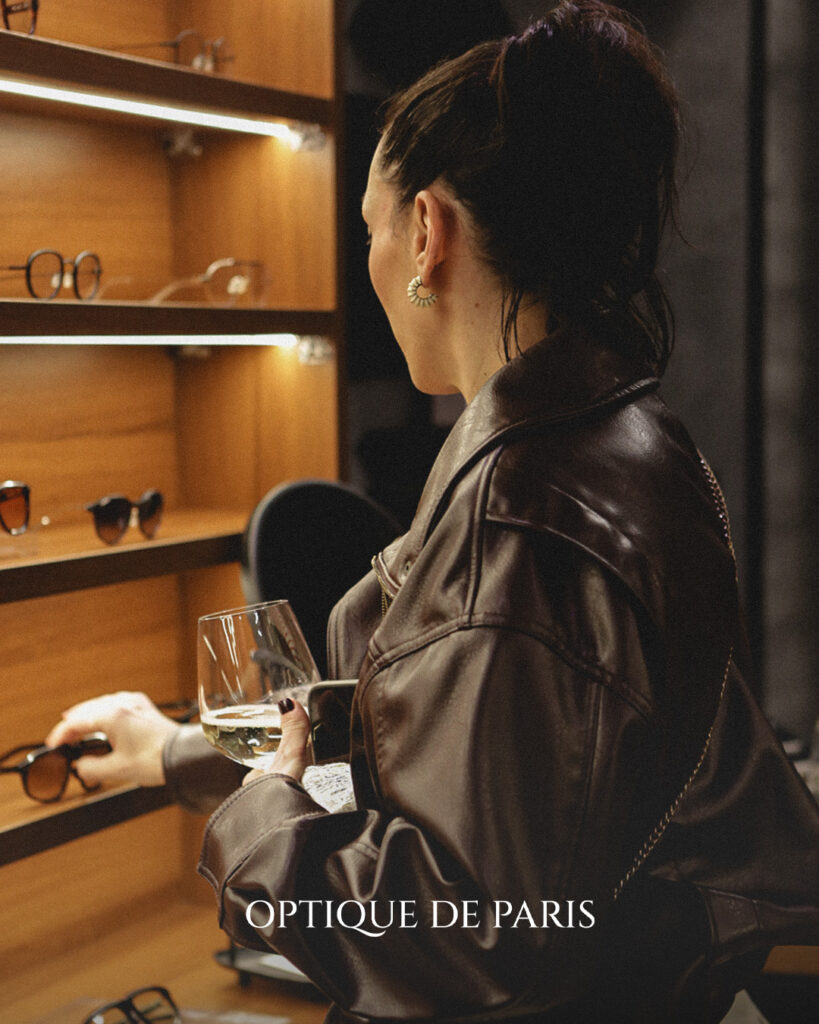
What followed was not a formal expansion strategy, but something far more organic. We connected her with people across the industry founders, curators, and peers including Julien from Lunetterie Générale, Andra Simina from The Other Glasses, and other voices willing to share experience and guidance. As well as other names, including Kevin from Sato and Yuichi Toyama, all in an effort to support her.
Because access, more than demand, is often the real barrier in Southeast Europe.

Independent brands speak the language of creativity and disruption, but many remain distant, slow to respond, uninterested in smaller markets, or dismissive of regions perceived as commercially irrelevant. In some cases, conversations had to be pushed into existence.
Building Something New
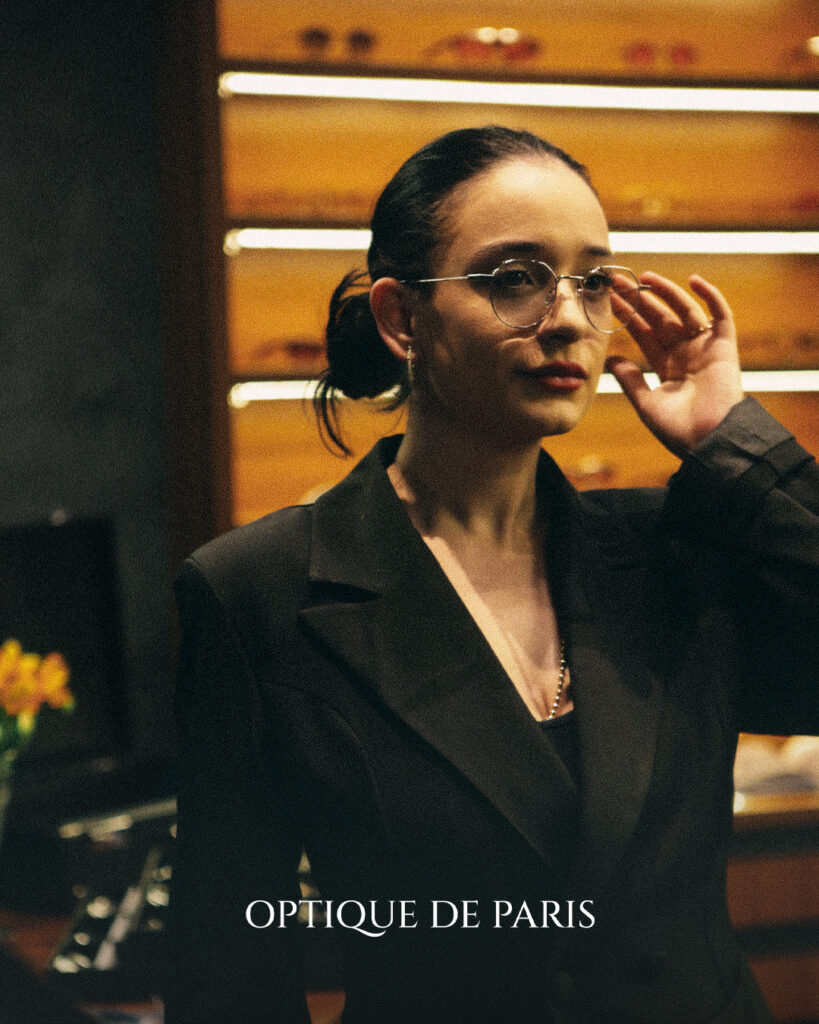
By March this year, Lidia had begun reshaping her store. Independent names started to appear: Lunetterie Générale, Kuboraum, The Other Glasses, Ahlem.
And then something shifted.
People behind those brands started showing up.
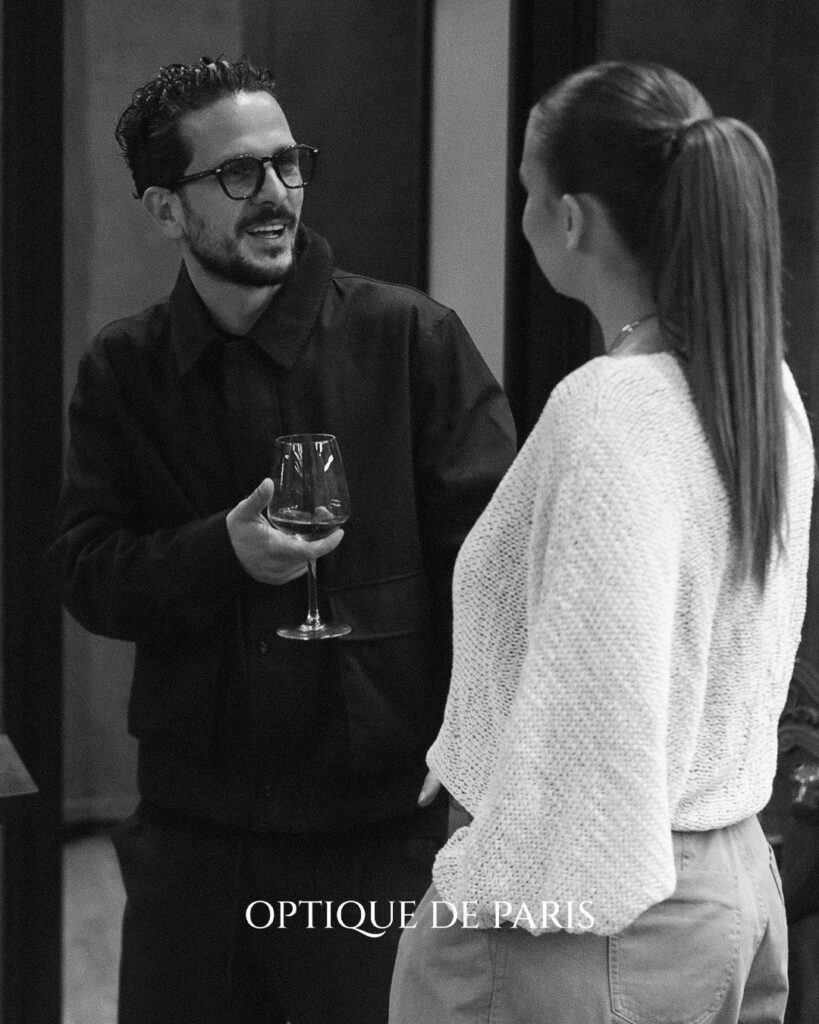
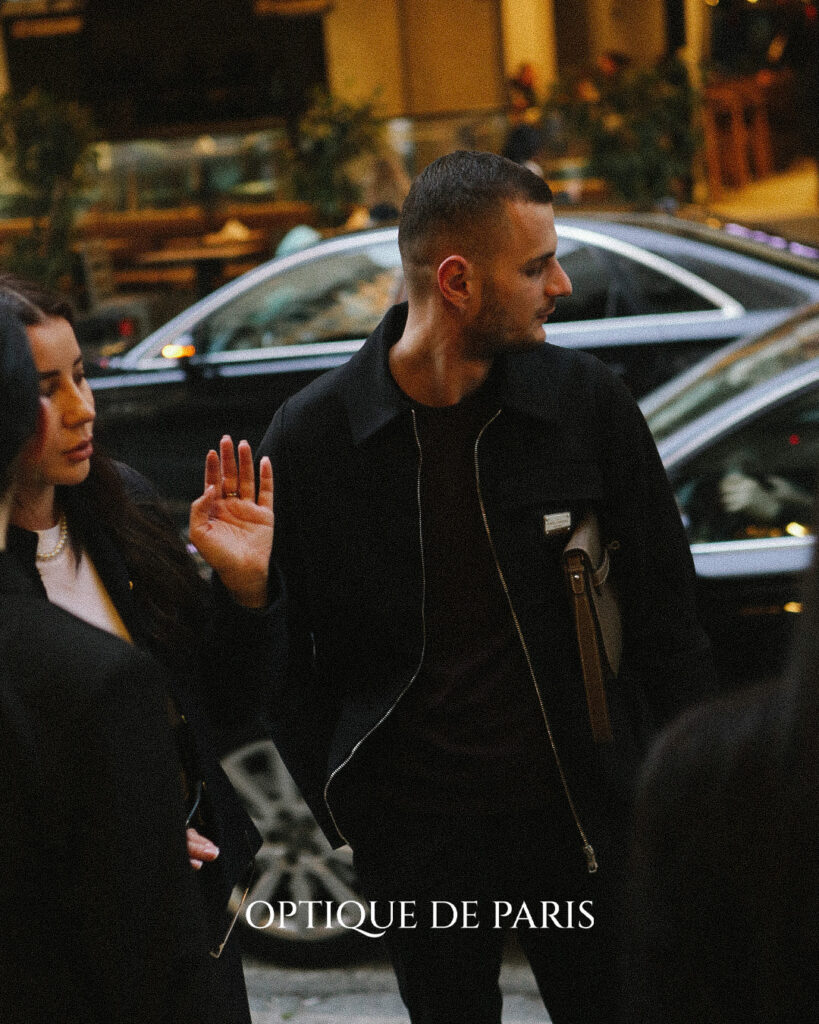
Fausto from Akoni visited in March. In April, Andra from The Other Glasses helped organize the store’s first event. Julien from Lunetterie Générale is expected to follow. What was once considered a peripheral market began to attract real attention not through distributors or agents, but through direct relationships.
It’s what happens when passion meets persistence.
More Than an Event
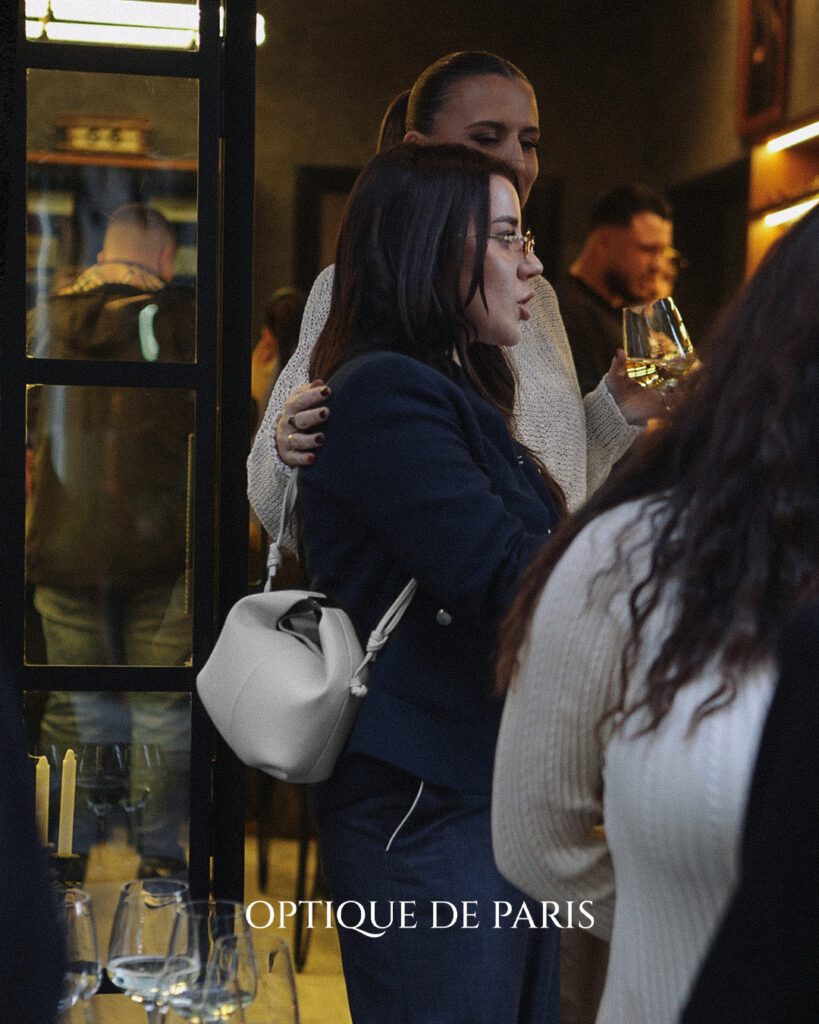
The event with The Other Glasses was not designed purely for sales.
It became something else, a cultural moment. A space where people connected over aesthetics, ideas, and shared sensibilities. Conversations moved beyond product into lifestyle, creativity, and perspective. It wasn’t about transactions, but about building a community.
In Lidia’s own words:
“We have never viewed those who walk through our doors simply as clients, but rather as part of our extended family. Their opinions, insights, and feedback hold immense value to us.”
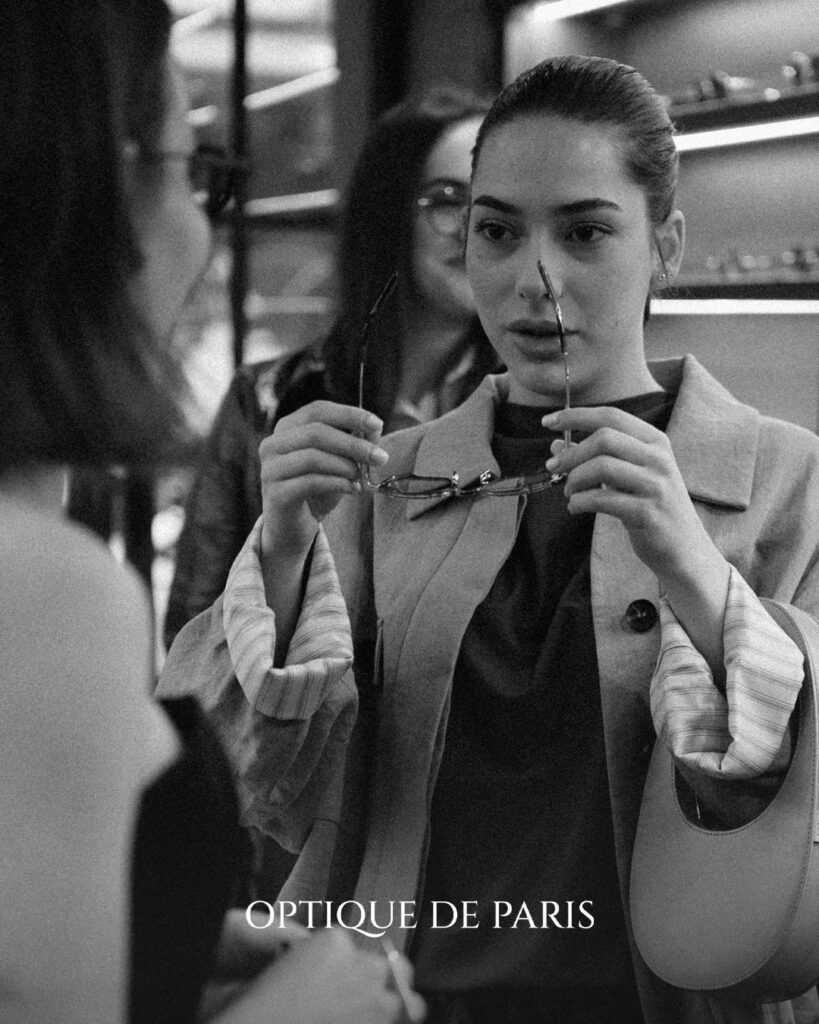
The evening was filled with dialogue, exchange, and the kind of energy that rarely exists in traditional retail environments. It laid the groundwork for something longer-term relationships, not just sales.
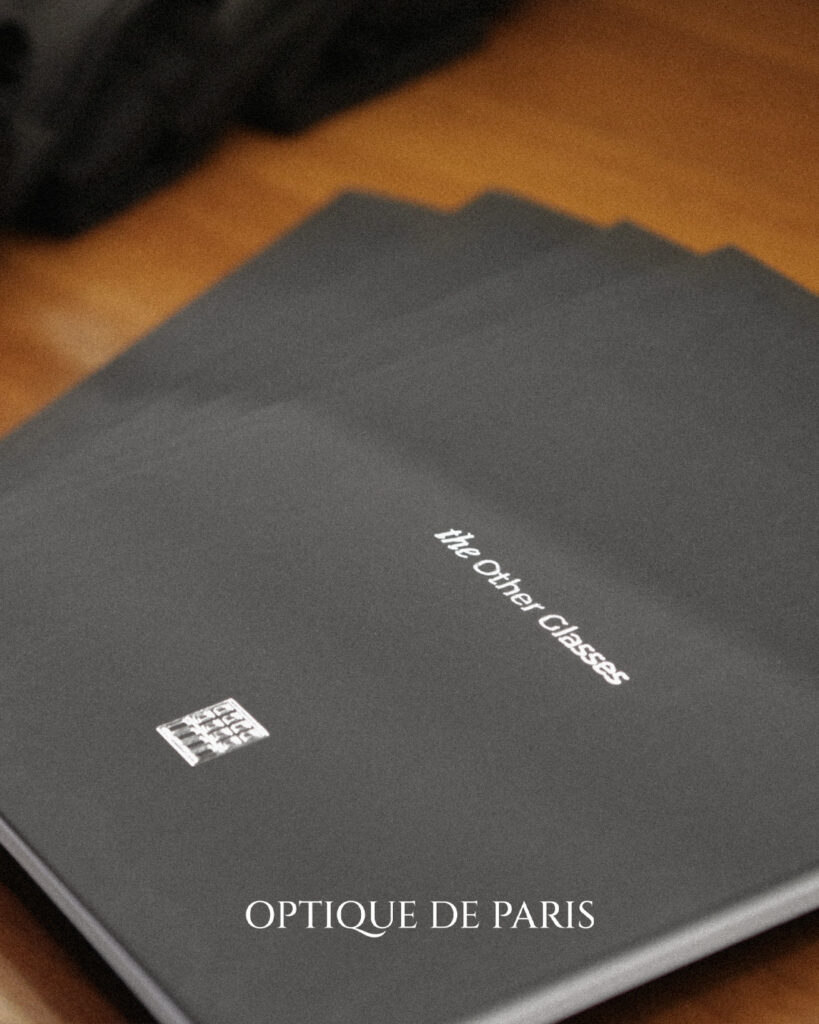
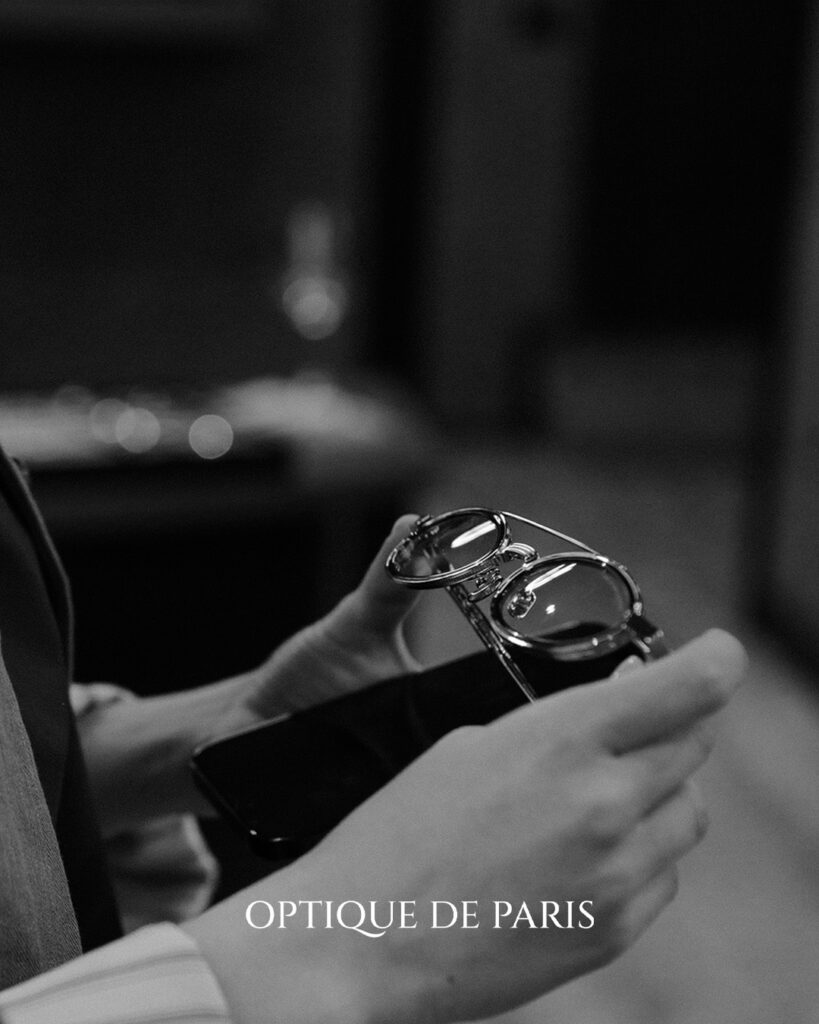
The Other Glasses is a brand that resonates across generations, versatile and functional by design. Created by a creative studio, it is built around the idea of making products for people. This approach has naturally attracted a younger audience, shaped and understood by a young team with a clear vision.
A Generational Shift
What this moment reveals is not just a local success story, but a broader shift.
The eyewear industry today doesn’t just need new products, it needs new people. A younger generation that speaks the same language as its audience, understands the same references, and moves within the same cultural framework.
Because the next wave of consumers is not looking for logos. They are looking for meaning, identity, and connection.
And they respond to those who reflect that.
Equal Attention, Anywhere
One of the clearest contrasts emerging in this transition is between legacy thinking and newer approaches.
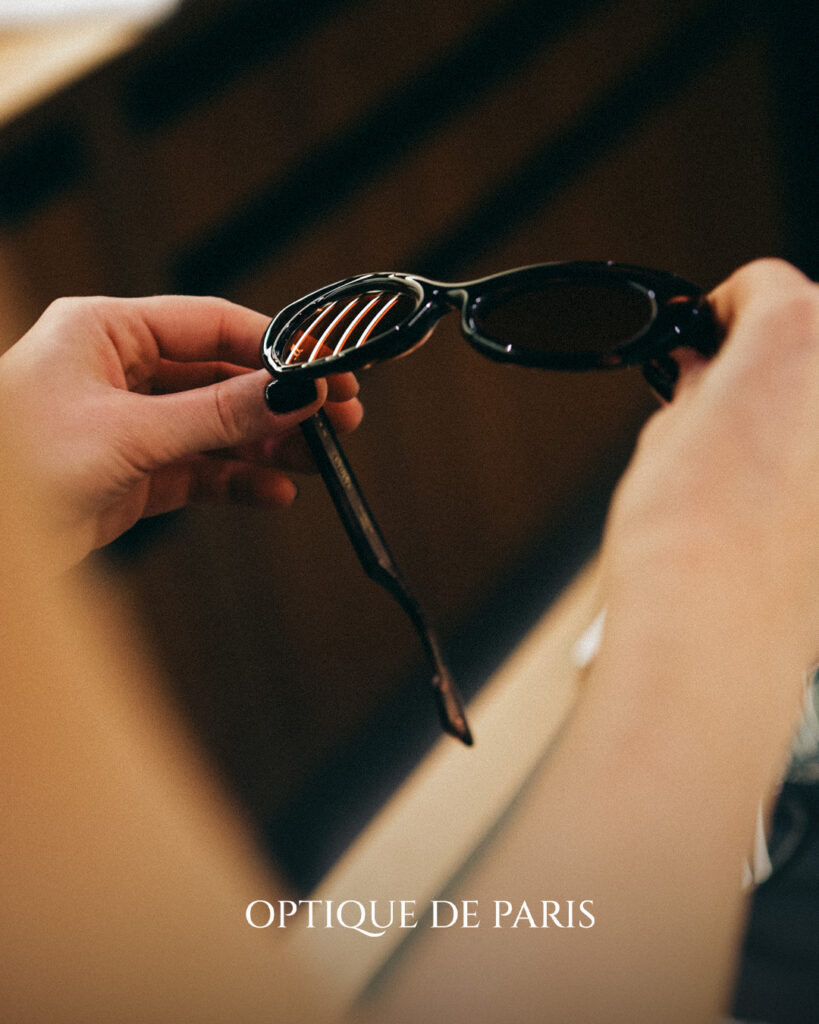
Younger independent brands, when engaged, tend to treat clients equally, whether they are in Tirana or New York. They show up, they listen, they build relationships.
Meanwhile, many established players remain focused on outdated assumptions, often overlooking the fact that their traditional audience is aging and that a younger one is not naturally replacing it.
An Open Market
Southeast Europe now sits at an inflection point.
What comes next could mirror markets like the Netherlands, where independent eyewear has moved from niche to mainstream. A new ecosystem is beginning to form, one less dependent on sales agents, less restricted by territories, and more open to direct collaboration between brands and retailers.
It is, in many ways, a virgin market.
One where things can still be built differently. More transparently. More personally. More correctly.


 English
  French
  Italian
  Spanish
  Portuguese
  German
  Korean
  Japanese