



In the past 2 years, the cadence of product launches in eyewear has undergone a quiet but decisive transformation. What was once anchored to trade fairs like Silmo and Mido is now increasingly dictated by a rhythm borrowed directly from high fashion: continuous, narrative-driven releases designed to sustain attention in a saturated market.
For brands with significant capital, quarterly frame launches are no longer optional they are structural.

From Trade Fair Cycles to Cultural Relevance
Historically, eyewear operated on a biannual calendar. Collections debuted at industry fairs, orders were placed, and the market followed a predictable rhythm. Today, that model feels increasingly outdated. Consumer attention has fragmented, and the speed of digital culture has forced brands to rethink visibility.
Luxury conglomerates and well-capitalized independents have recognized a key shift: relevance is no longer maintained through presence, but through frequency.
Quarterly drops allow brands to:
- Maintain constant engagement across channels
- Feed retail partners with newness beyond seasonal cycles
- Build layered storytelling instead of singular launches
This mirrors the evolution seen in ready-to-wear, where pre-collections, capsules, and collaborations now outweigh traditional runway seasons in commercial importance.

The Rise of Campaign-Led Product Architecture
What distinguishes this new model is not just frequency, but structure. The most successful brands are not simply releasing new frames they are building campaigns around them.
The launch becomes the product.
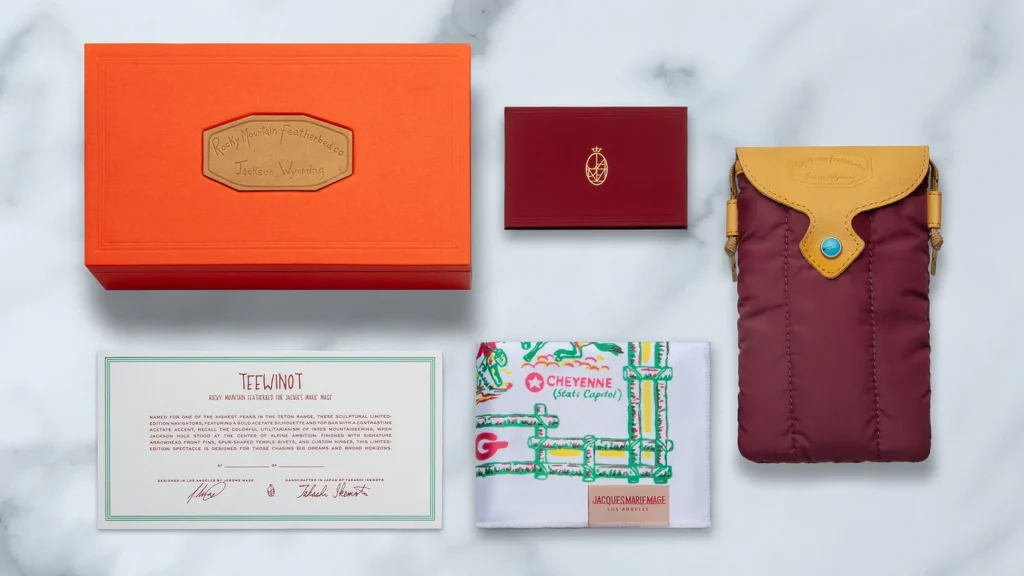
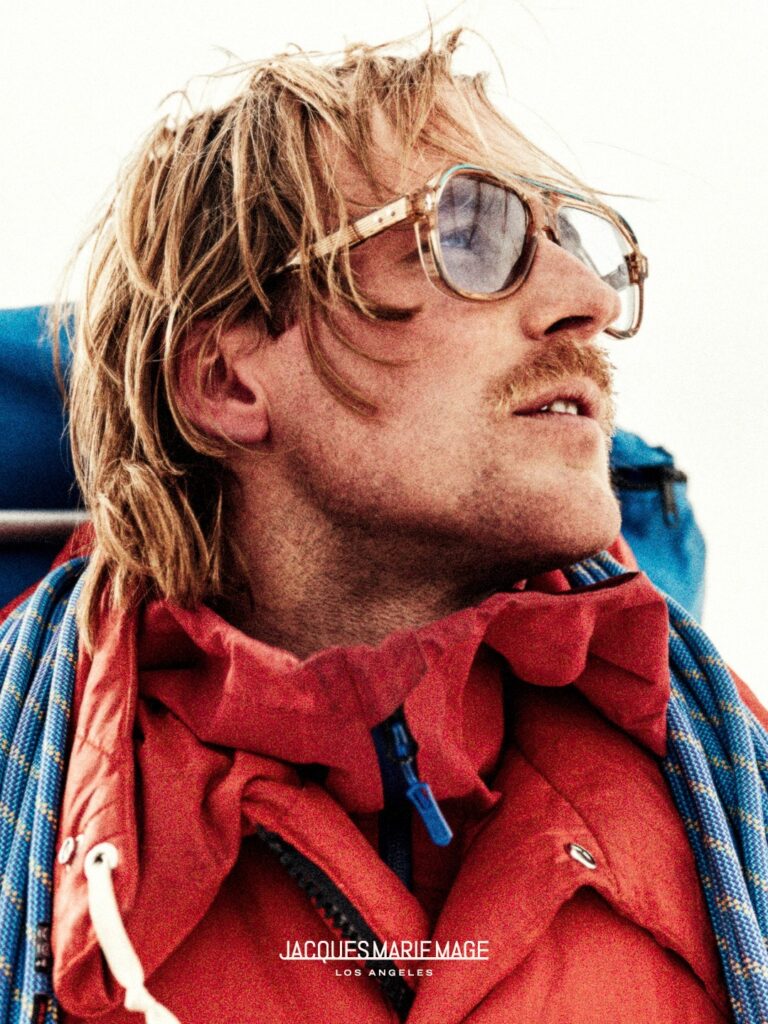
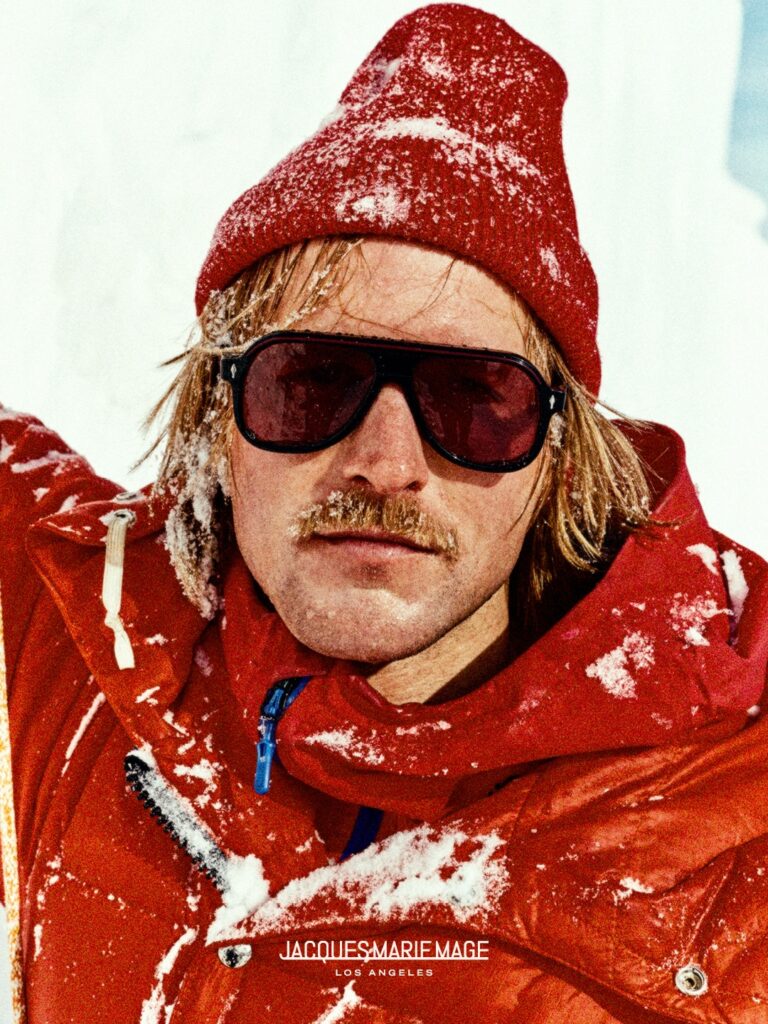
A clear example can be seen in recent Jacques Marie Mage campaigns, where narratives of heritage, travel, transformation, and craftsmanship are embedded across both product and communication.
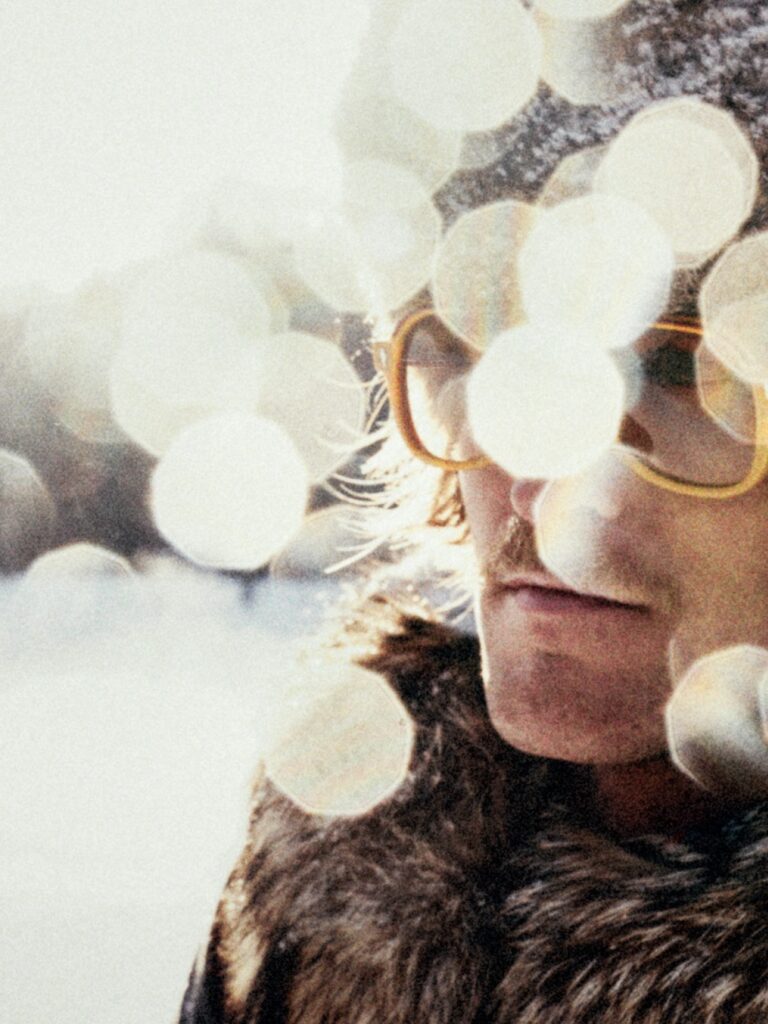
The latest collaboration from Jacques Marie Mage, developed in partnership with Rocky Mountain Featherbed, extends the brand’s narrative beyond eyewear into a broader lifestyle proposition rooted in the American West. Drawing inspiration from 1970s mountaineering culture and the utilitarian spirit of Jackson Hole, the collection blends technical outerwear with JMM’s signature attention to detail and storytelling.
Produced in limited quantities, pieces are crafted in Japan using archival materials, European down, and elevated finishes from leather yokes to custom hardware resulting in objects that sit somewhere between function and collectible design.
This approach borrows directly from luxury fashion houses, where each drop is:
- Contextualized by a narrative
- Supported by visual campaigns and content ecosystems
- Distributed in controlled phases to maximize anticipation
Scarcity, Craft, and the Illusion of Timelessness
An interesting tension emerges within this model. While brands accelerate their release cycles, they simultaneously emphasize timelessness and craftsmanship.
Limited editions such as runs of 300 pieces per color, create a controlled sense of scarcity.
At the same time, messaging focuses on artisanal production, heritage techniques, and enduring design.
This duality is strategic:
- Frequency drives visibility
- Scarcity preserves perceived value
In essence, brands are manufacturing urgency while selling permanence.
Why Capital Matters
Executing this model requires significant resources. Quarterly launches are not just about design they demand:
- Continuous product development pipelines
- High-frequency campaign production
- Sophisticated distribution coordination
- Strong retail alignment
For smaller brands, this cadence can be difficult to sustain without diluting identity or overextending operations. However, for those with capital, it creates a competitive moat: the ability to dominate attention cycles.
The Attention Economy as the New Battleground
Ultimately, the shift toward quarter launches reflects a deeper reality: eyewear is no longer competing solely on product it is competing on attention.
In a landscape where consumers are exposed to constant visual stimuli, silence is equivalent to absence. Brands that fail to reappear regularly risk being forgotten, regardless of product quality.
High fashion understood this years ago. Eyewear is now catching up.
Conclusion
The move toward quarterly frame releases signals a broader convergence between eyewear and luxury fashion systems. It is not just about selling more products, but about controlling narrative, sustaining relevance, and engineering desire over time.
For brands willing and able to invest, the strategy is clear: visibility is no longer episodic. It is continuous.
And in today’s market, continuity is power.

 English
  French
  Italian
  Spanish
  Portuguese
  German
  Korean
  Japanese