


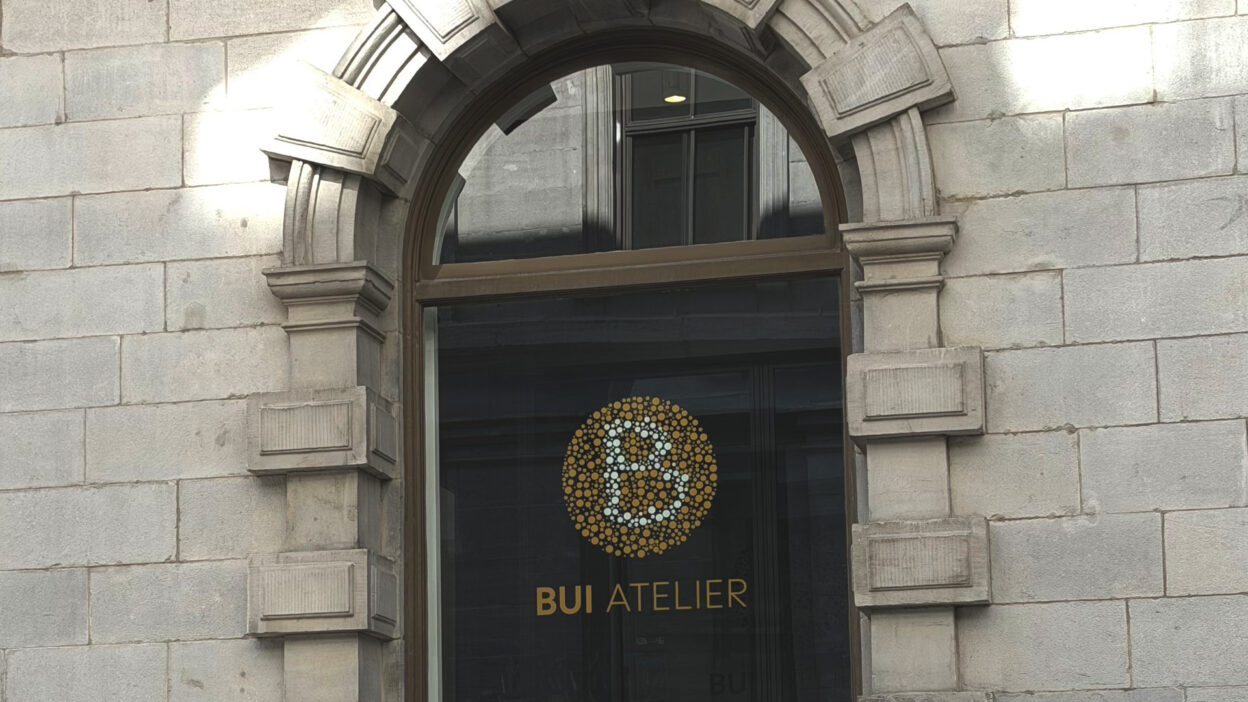
There’s something poetic about walking into a space that understands restraint. Not minimalism for the sake of trend. Not “luxury” packaged in beige tones and soft music. Real restraint. The kind that comes from intention. From precision. From knowing exactly why every thing exists.
That’s the feeling that hits you walking into BUI Atelier.

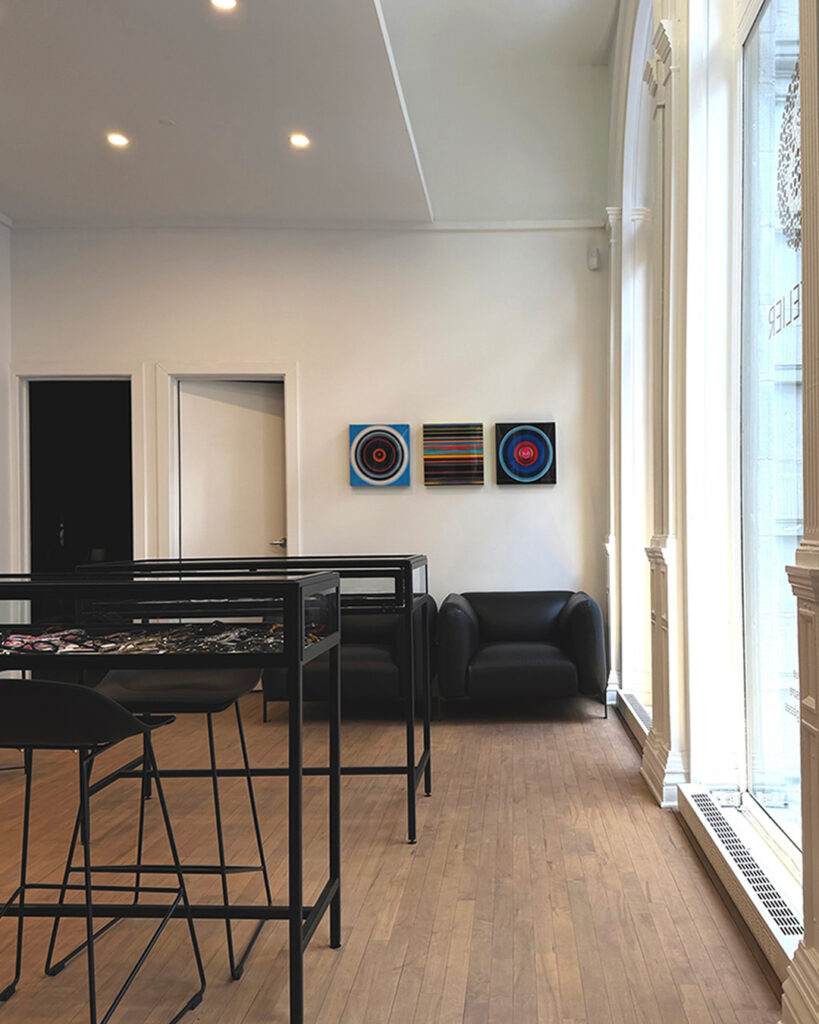
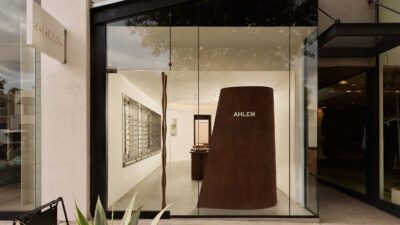
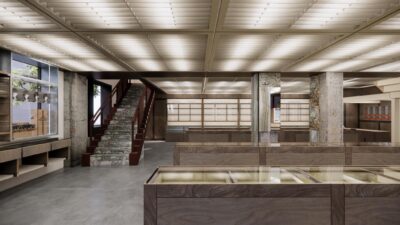
And maybe that’s why the story couldn’t exist anywhere else but inside a historical Montreal building layered with architectural memory. Stone. Texture. Proportion. Light cutting through old windows like a film still from Montreal in the 70s. A building that already understood craftsmanship long before eyewear ever entered the conversation.
Because this isn’t really a story about glasses.
It’s a story about how design shapes the way we move through life.
Architecture does it.
Eyewear does too.
One gives structure to the spaces we inhabit.
The other frames the way we’re seen inside them.
Both quietly dictate experience.
And that’s exactly the parallel that kept replaying in my head while spending time at BUI Atelier.

As I visited the space, I was accompanied by Alexis, designer of Paloceras, and what stood out immediately was seeing someone deeply connected to design react to the environment itself. You could see his appreciation for the space. The proportions. The materiality. The atmosphere. The restraint.
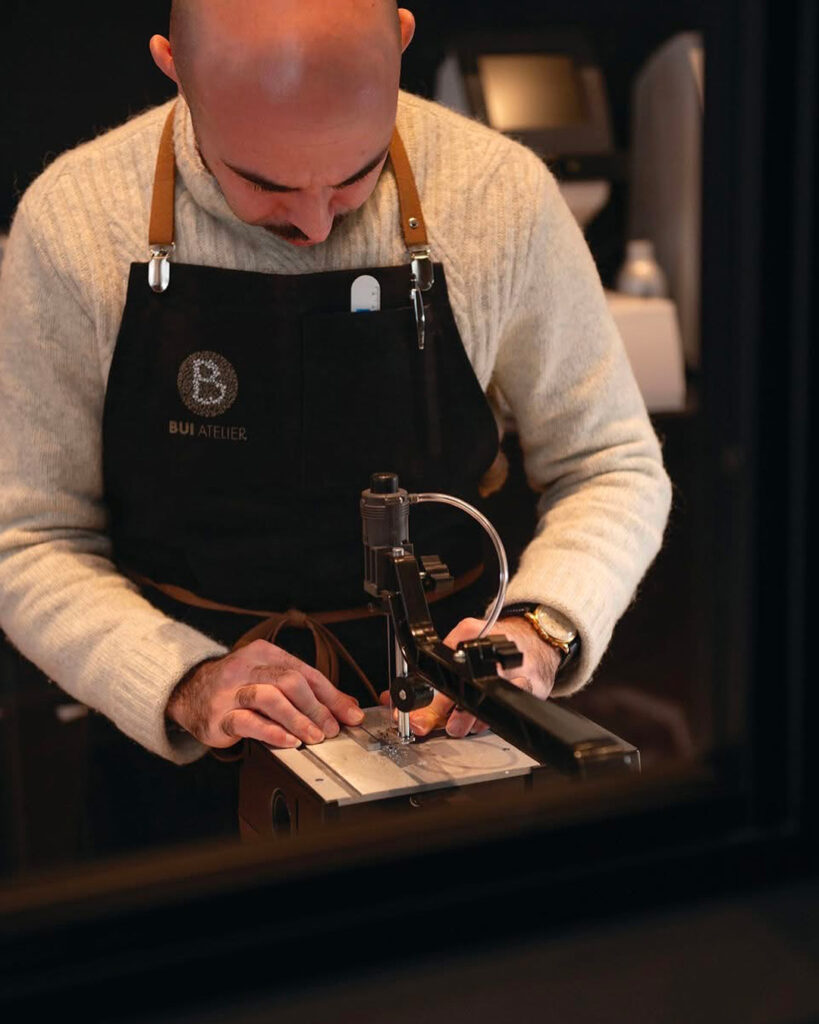
Then came the tour deeper into the heart of the shop, the atelier positioned directly in the middle of the space itself.
And that changed everything.

Most places hide craftsmanship in the back like stockrooms or laboratories. BUI places it at the center almost like an architectural statement. Intentionally visible. Intentionally alive. The atelier becomes part of the emotional rhythm of the experience itself. You feel curiosity pulling you toward it naturally.
You quickly realize the environment was designed purposely to create emotion through discovery.
Not forced. Not theatrical. Human.

You begin understanding that the atelier was never built around selling frames. That’s the shallow read. The real concept started with a bigger question:
How do we create a better human experience?
Not faster. Not louder. Better.
That question became the foundation of their bespoke service.
Because contrary to what mass retail trained people to believe, eyewear isn’t one-size-fits-all. A frame is an object built around nuance. Temple lengths. Bridge sizing. Pantoscopic tilt. Facial width. Nose structure. Weight distribution. Millimeters most people never think about until discomfort becomes part of their everyday life.
And for some people, standard sizing simply fails them.
That’s where BUI stepped in and decided to push the conversation further.
Not through gimmicks. Through listening.
One story that stayed with me was about a man in his eighties. Tall. Over six feet. Strong facial structure. Features too large for conventional sizing his entire life. Imagine spending decades adjusting yourself to products never really designed with you in mind.
Then imagine finally putting on a frame that actually fits.
The staff described the moment almost like witnessing relief in real time. The frame sat properly on his nose. Balanced correctly. No compromise. No discomfort disguised as “normal.” Just precision meeting humanity.
That’s bigger than eyewear. That’s dignity through design. Another story hit differently.
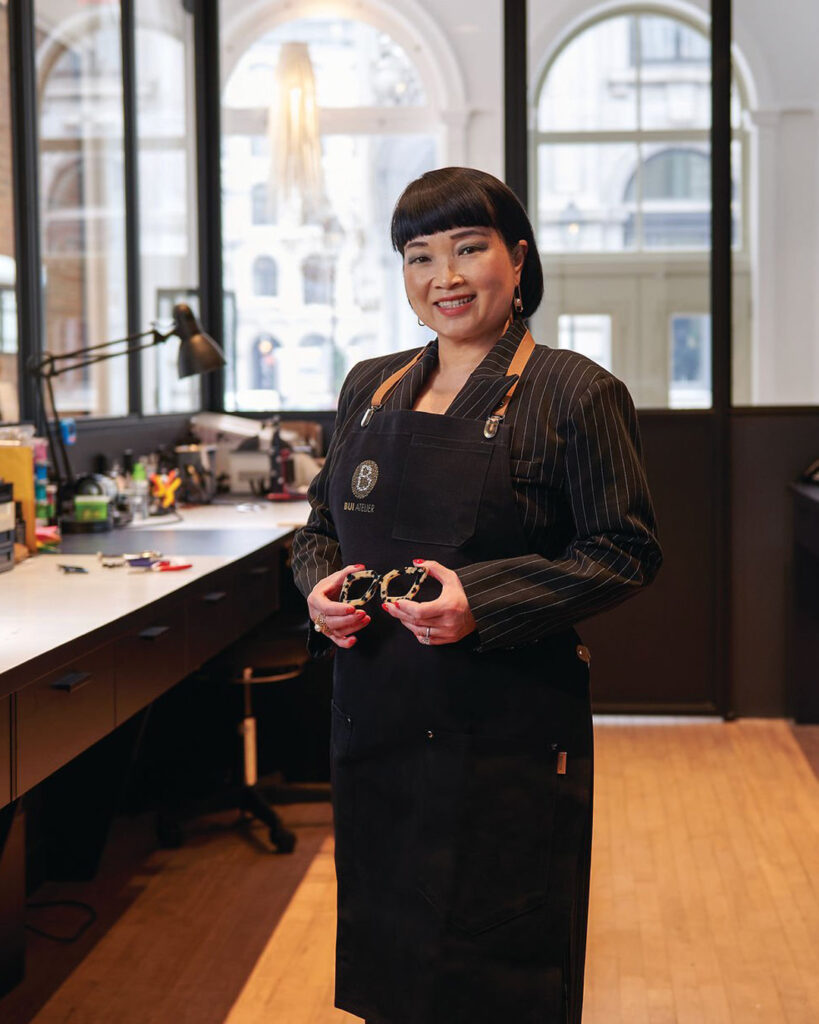
A woman walked in wearing an old red Theo frame. Not because it was trendy. Not because fashion told her to. That frame had become part of her identity. A signature. An extension of self. But the model no longer existed.
Most places would’ve shrugged and redirected her toward “something similar.”
BUI reproduced it. Not inspired by it. Not close to it. The exact feeling.
That level of care says everything about the philosophy behind the atelier. It’s not about forcing people into product. It’s about respecting the emotional relationship people develop with the objects that accompany their lives.
And honestly, that’s where the architectural comparison becomes impossible to ignore.
The best architecture doesn’t scream. It supports life so well you feel it before you intellectually understand it.

A perfectly designed home changes your mood.
A perfectly designed chair changes posture.
A perfectly designed frame changes confidence.
Quietly. Daily. Intimately.
That’s the part the industry often misses chasing trends and algorithm aesthetics.
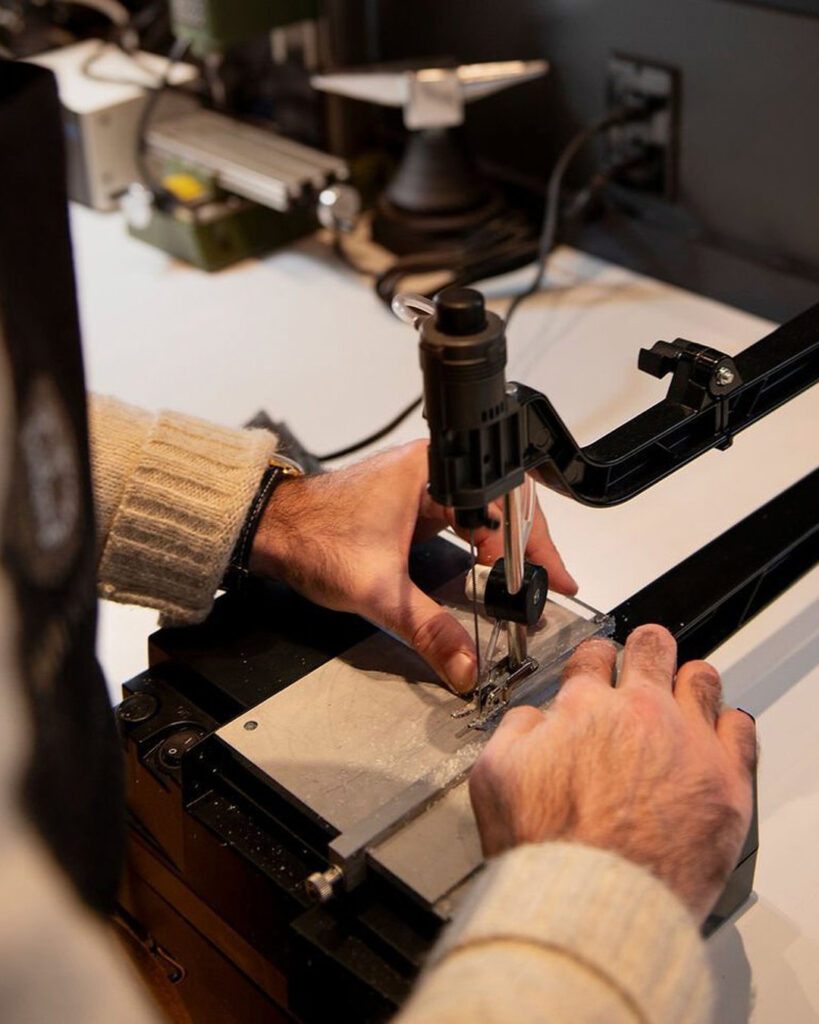
Real design is service. And BUI Atelier feels like a response to a world that forgot that. The kind of place where details matter because people matter.
And maybe that’s what stayed with me most.
Not the bespoke process itself.
Not the measurements.
Not even the architecture.
It was the realization that the highest form of luxury today might simply be being considered properly.
Not processed. Considered.
 English
  French
  Italian
  Spanish
  Portuguese
  German
  Korean
  Japanese