


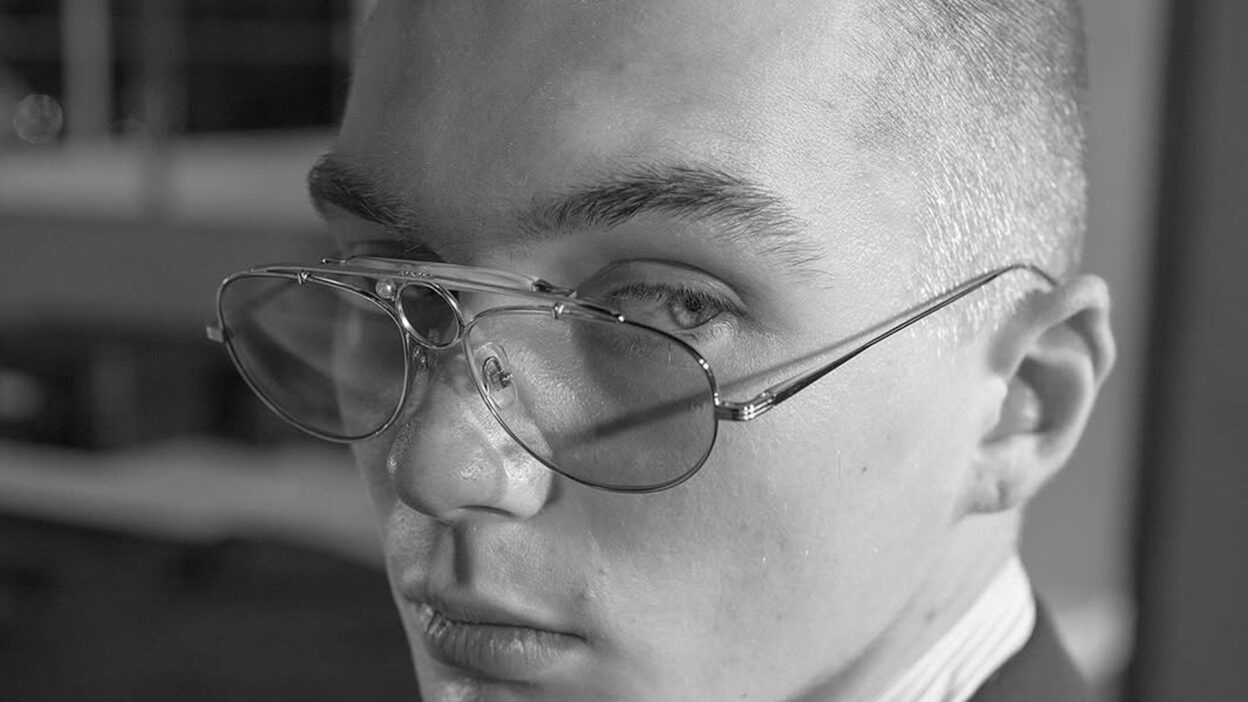
The strange-beautiful segment of today’s eyewear market has become increasingly concentrated. Many opticians continue to look only at famous names, assuming that a brand pushed by agencies with strong resonance and established market power will automatically sell itself. That assumption is often wrong.
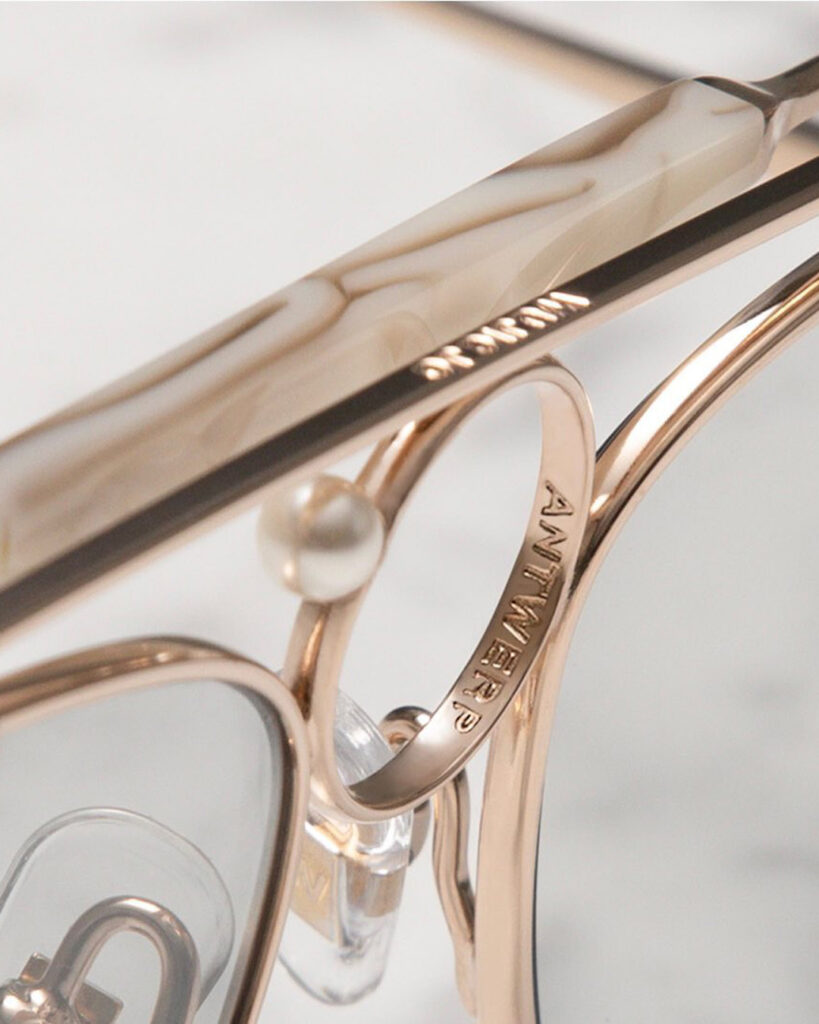
In several markets, “strange” or avant-garde eyewear is effectively controlled by a small circle of representation structures where competitors begin to resemble each other, dividing territories and narratives according to familiar patterns. One after another, brands gravitate toward the same celebrated tree, rarely asking why everyone is standing under it in the first place.
For retailers and buyers, this raises uncomfortable but important questions. Has discovery become secondary to distribution politics? Have we confused visibility with creativity?
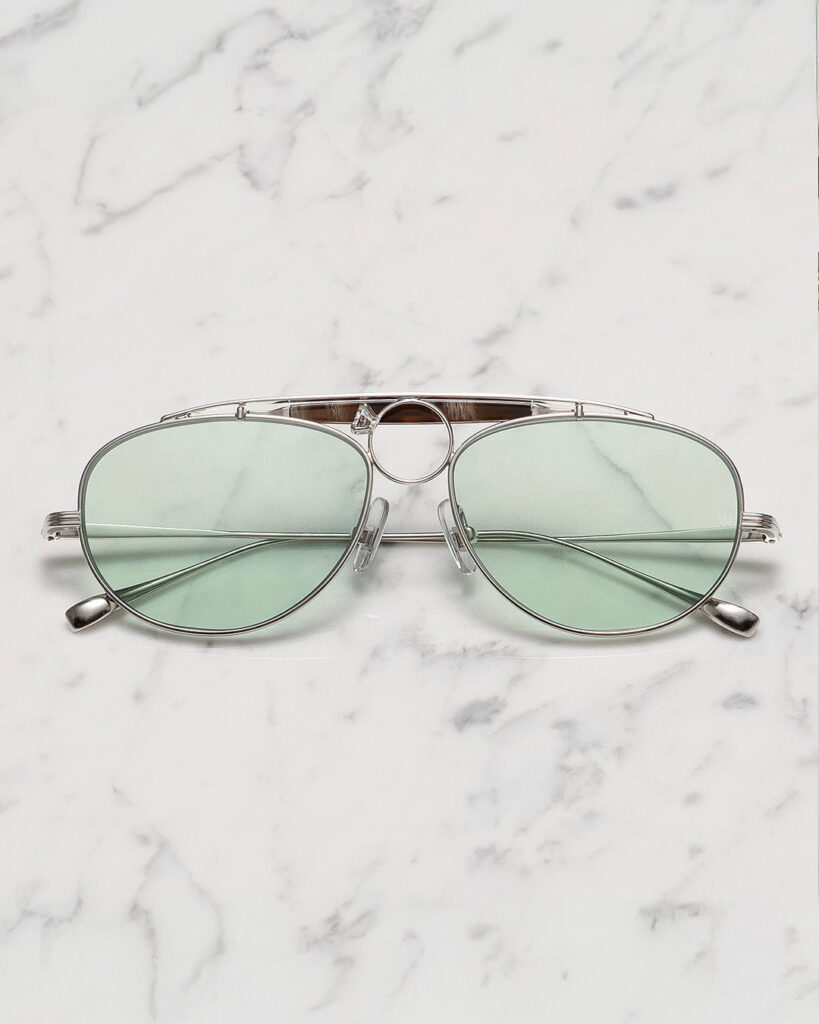
Yet outside these dynamics there remains another world, one populated by brands that are abstract, unusual and beautiful at the same time. Brands that do not arrive with the loudest marketing machine but with something far more difficult to manufacture: an authentic point of view.
That is precisely the mission here: to bring attention to ideas that deserve to be seen.
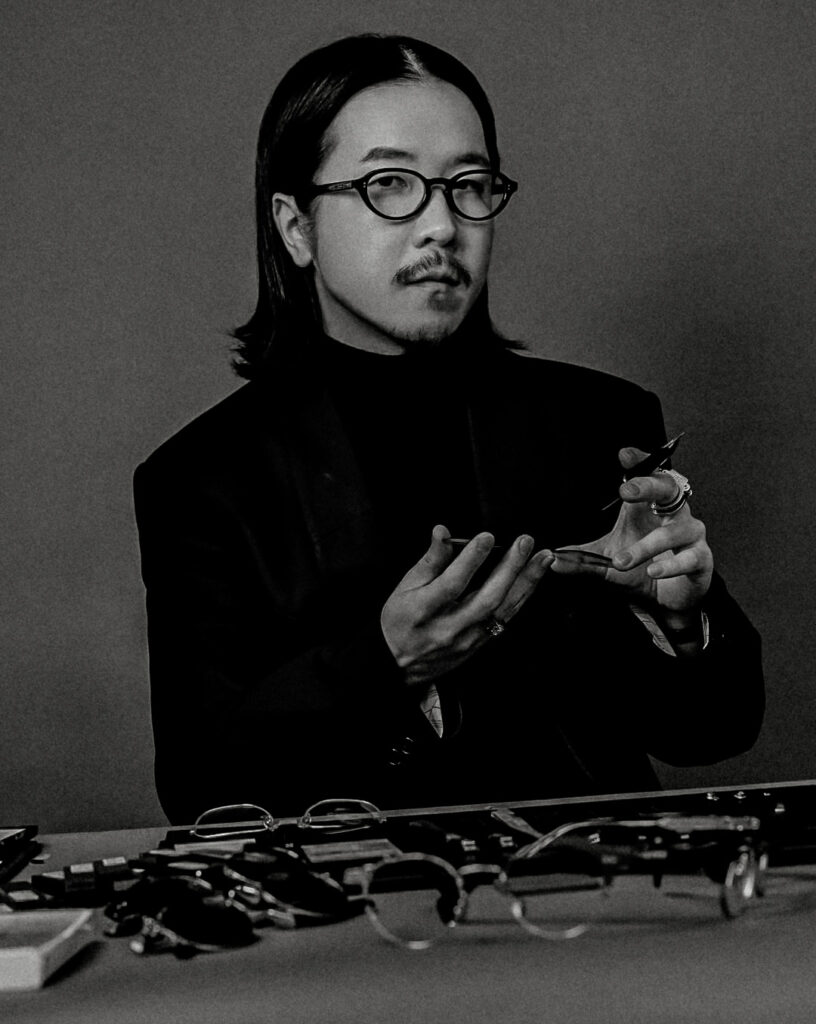
One of those names is Wujic Jo.
Designed in Antwerp, Belgium. Made in Japan.
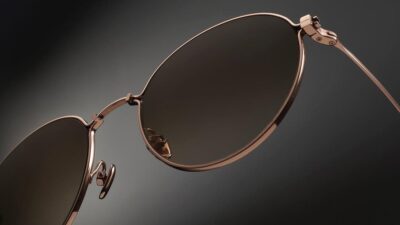
For a brand that has existed for several years in the eyewear landscape, Wujic Jo remains surprisingly underexposed considering the level of design language and craftsmanship behind it. The label was created by designer Jo Wujic, a graduate of the Royal Academy of Fine Arts Antwerp, whose journey through fashion and eyewear moved through collaborations and experiences that are rarely accidental. His work with Theo Eyewear during his master studies became a defining moment and eventually led him toward establishing his own vision.
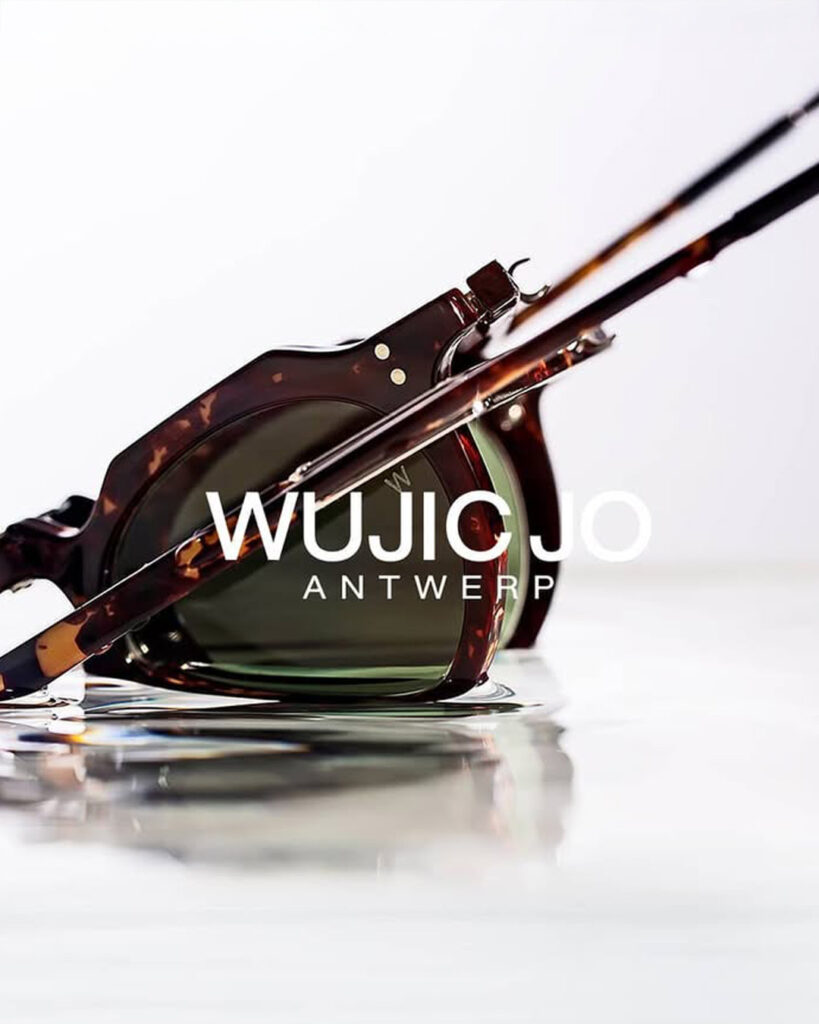
Unlike brands born purely from optical thinking, Wujic Jo arrives from fashion storytelling. Before creating his own label, the designer worked with influential names and luxury houses, bringing with him an understanding that frames can function as narrative objects rather than simple accessories.
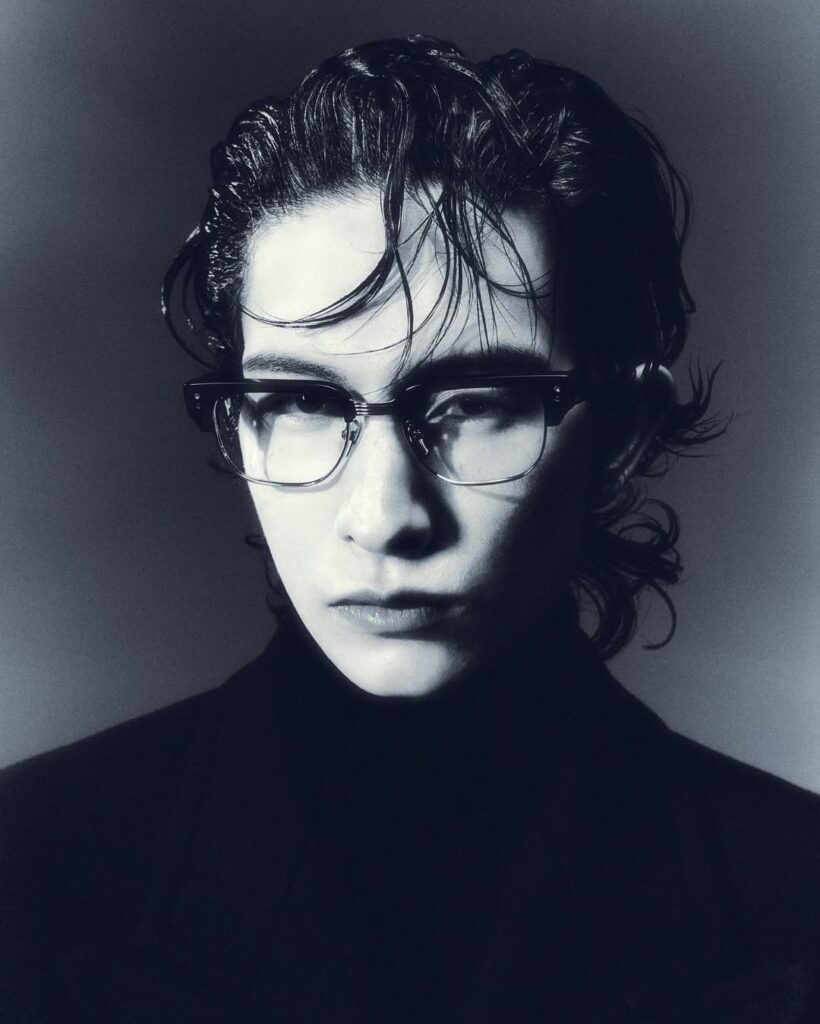
The concept itself borders on cinematic.
What happens when eyewear meets a motorcycle? A firearm? Menswear tailoring? Mechanical objects?
These are not literal translations. Wujic Jo takes industrial references and reconstructs them into sculptural forms. Curves and straight lines are placed in tension with one another. Shadows cast by the frame become part of the composition. Thickness is controlled with precision, while acetate and titanium are used not as materials but as structural tools.
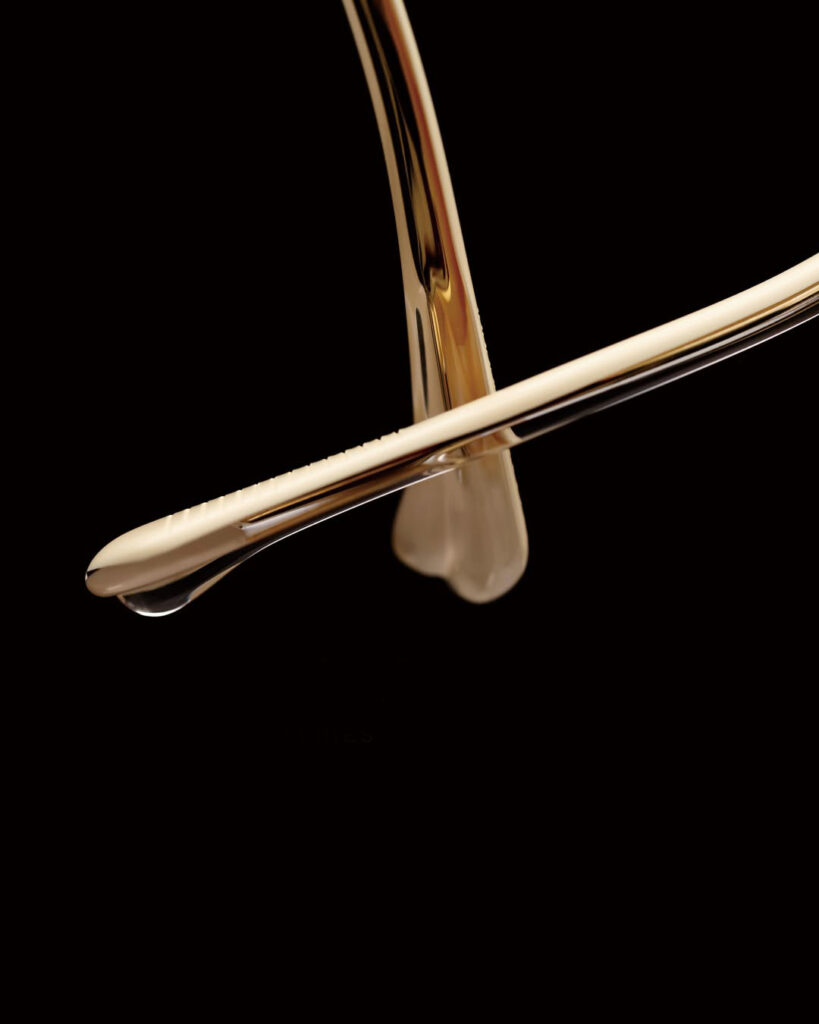
The result is something increasingly rare in contemporary eyewear: silhouettes that feel unfamiliar without becoming unwearable.
Many experimental brands pursue eccentricity for its own sake. Wujic Jo seems more interested in balance. There is restraint beneath the chaos, and refinement beneath the provocation.
Recent collaborations, including work with Botter, further pushed the label onto the runway and into broader fashion conversations, suggesting a future where its language expands beyond eyewear itself.
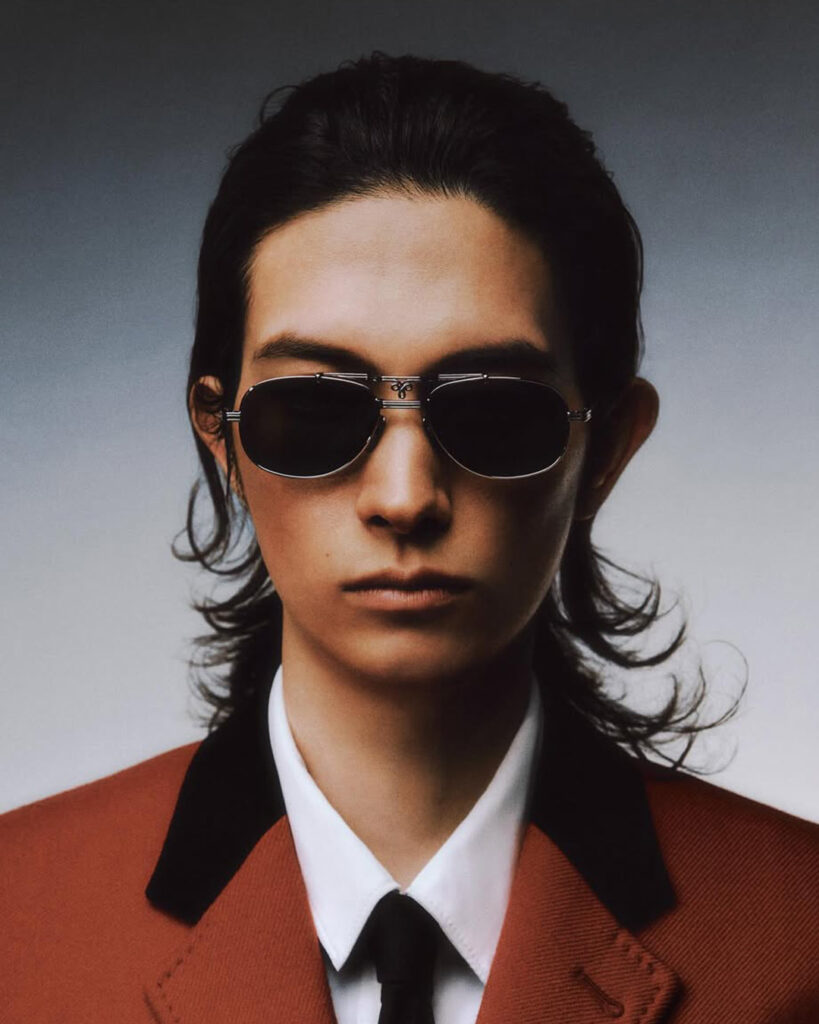
The irony is that some of the industry’s most interesting brands remain hidden precisely because they do not participate in the loudest agent systems.
But perhaps discovery was never meant to be easy.
Sometimes the future of eyewear is not sitting beneath the most celebrated tree.
Sometimes it is growing somewhere else entirely.

 English
  French
  Italian
  Spanish
  Portuguese
  German
  Korean
  Japanese