


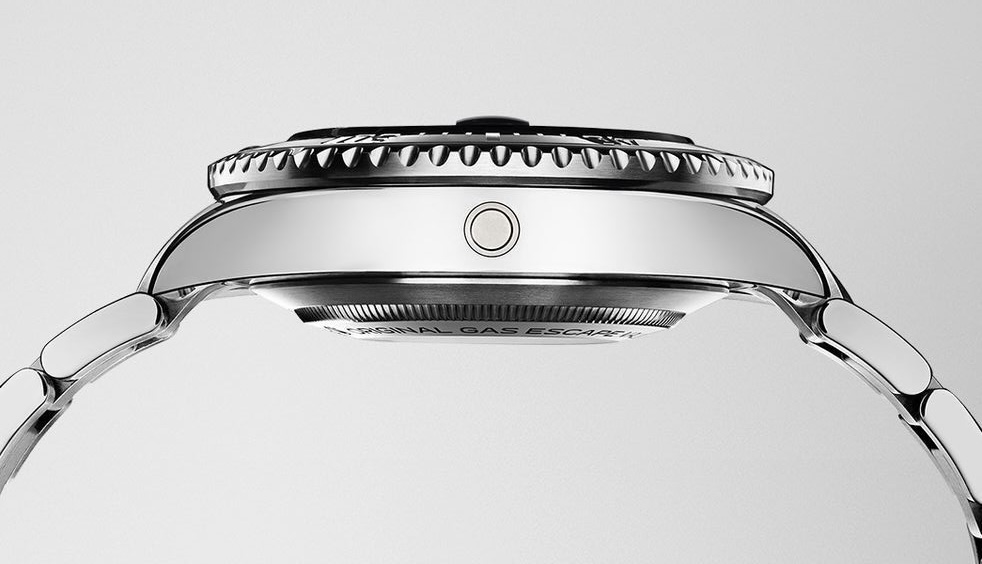
One of the biggest problems within the eyewear industry is that very few people truly know how to look at eyewear.
Most people analyze frames through price points, trends, marketing or technical execution, but almost nobody speaks about the one thing that actually separates a meaningful independent brand from a generic one: DNA.
And perhaps the clearest way to understand whether an eyewear brand truly has DNA is to ask a very simple question: what watch would naturally belong with these frames?
Not as a comparison, but as a reflection of the same philosophy.
Because in reality, the principles are identical: heritage, craftsmanship, proportions, obsessive attention to detail, visual language and the ability to create objects that communicate something far beyond the product itself.
And when you begin looking at eyewear through the lens of watchmaking, everything suddenly becomes much clearer.
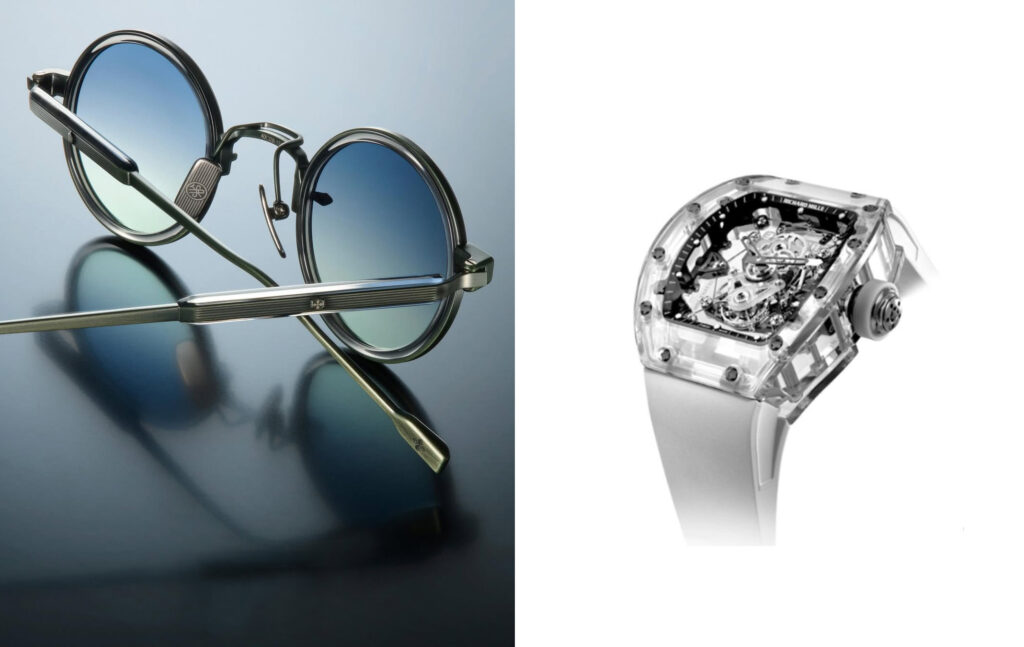
Sato × Richard Mille
Sato can naturally be associated with Richard Mille, not only in terms of price positioning, but in its level of complexity and radical contemporary approach to luxury.
Just as Richard Mille redefined haute horlogerie through experimental materials, architectural construction and futuristic engineering, Sato operates within a similar territory in eyewear.
It is not a product seeking consensus. It is a product seeking impact, innovation and a certain form of creative elitism.
Both brands create objects that are instantly recognizable from across a room.
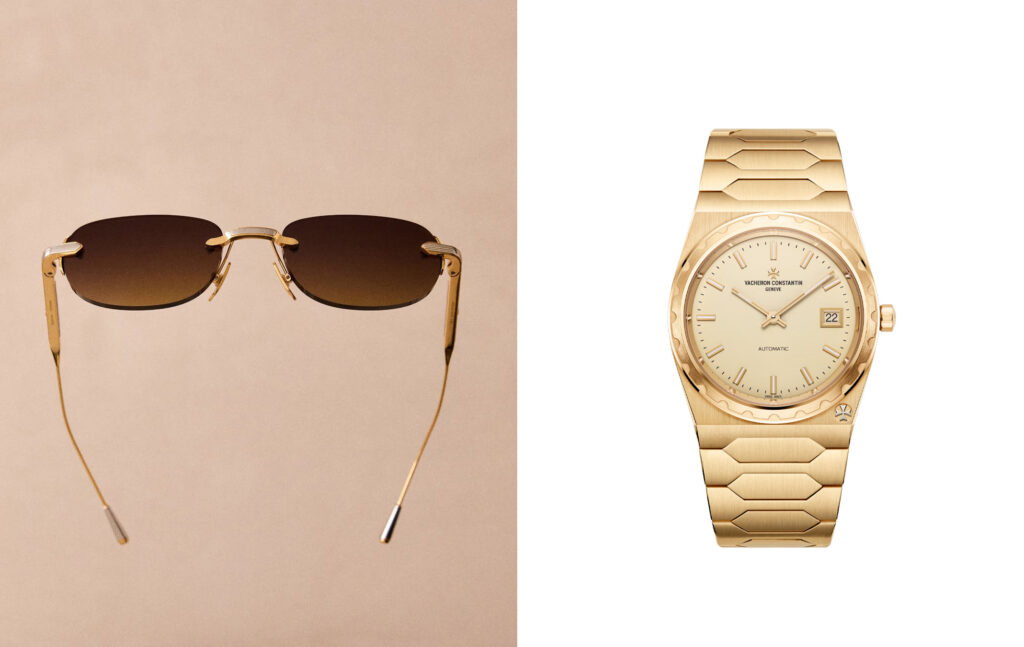
Lunetterie Générale × Vacheron Constantin
Lunetterie Générale carries the same refinement found in Vacheron Constantin.
Everything is about balance, proportion and execution.
It is not a loud brand. It speaks through details, through finishing, through restraint and sophistication.
There is the same intellectual elegance associated with Vacheron Constantin: a discreet form of luxury designed for people who understand object culture rather than status signaling.
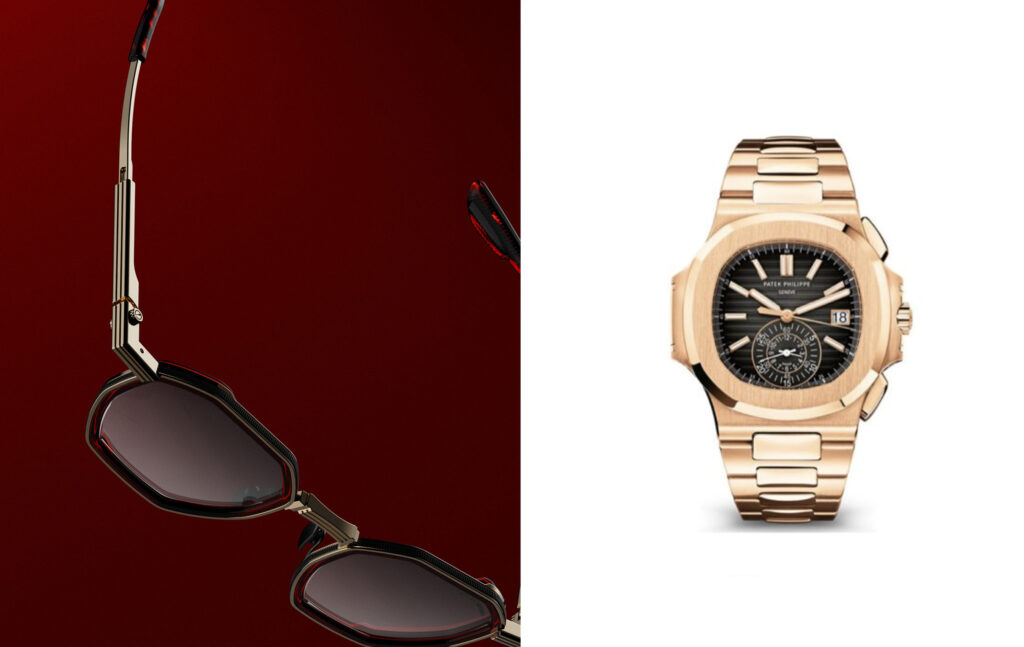
The Other Glasses Essence × Patek Philippe Nautilus
The Essence line, meanwhile, aligns more closely with the spirit of the Nautilus: more contemporary, more culturally visible, more versatile, while still maintaining the same obsession with detail and construction.
In both cases, the philosophy remains identical: true luxury never needs to become loud.
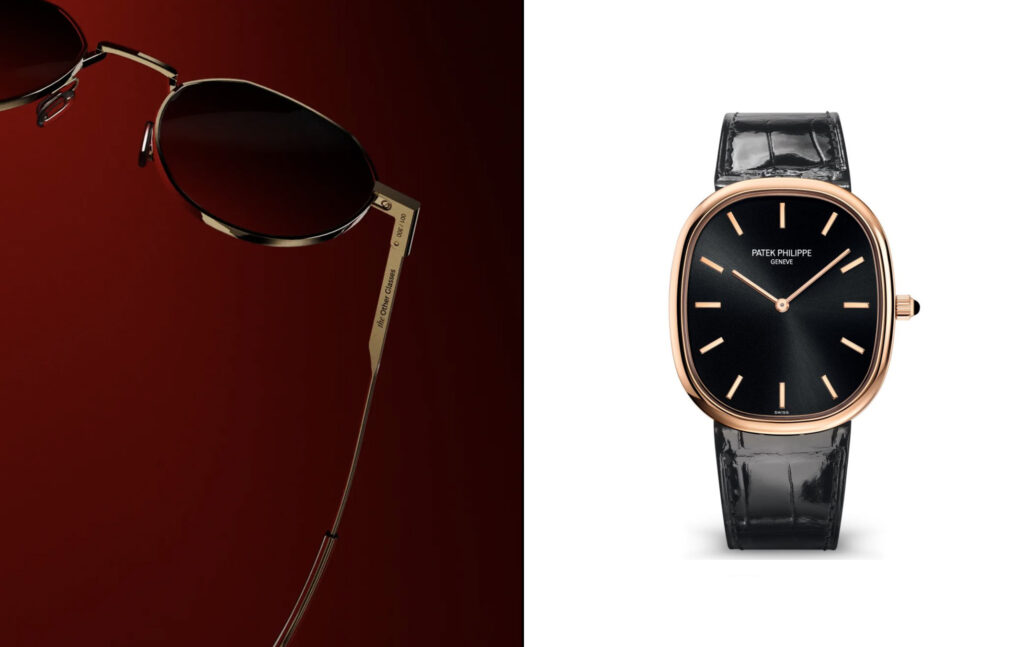
The Other Glasses Origins × Patek Philippe Ellipse
The Origins line from The Other Glasses can be compared to the Ellipse from Patek Philippe through its purity of proportion and timeless elegance.
It is a design language that does not chase trends, but instead pursues harmony and permanence.
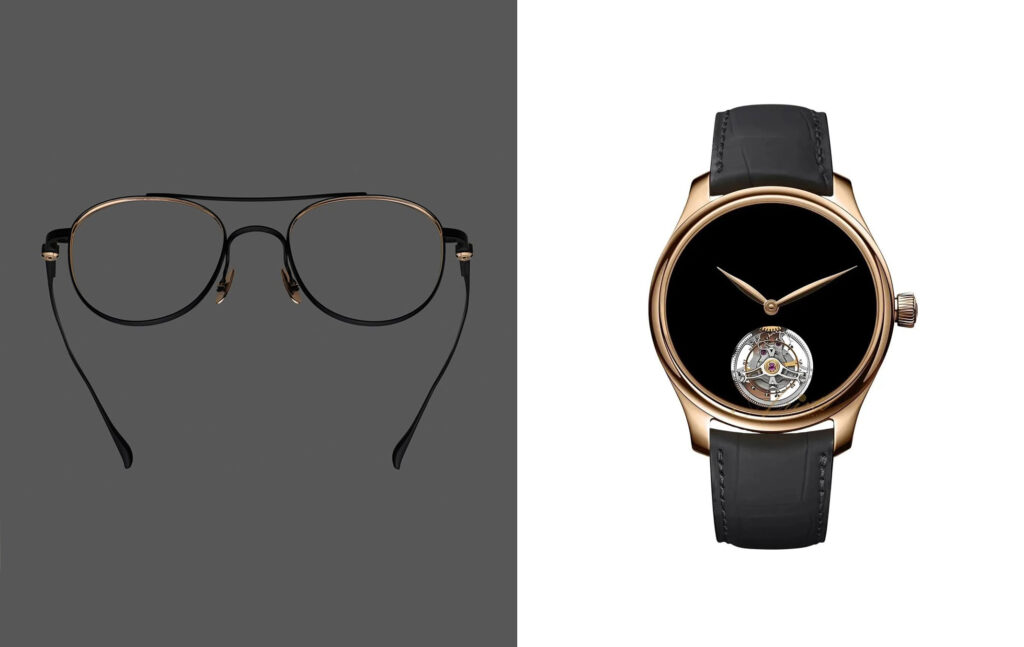
Yuichi Toyama × H. Moser & Cie
Yuichi Toyama feels naturally connected to H. Moser & Cie because both operate through restraint rather than excess.
At first glance, the design language appears minimal, almost understated. But the closer you look, the more sophistication begins to emerge. Precision proportions, subtle detailing and an obsessive understanding of balance define both universes.
Just like H. Moser & Cie rejects unnecessary noise in watchmaking, Yuichi Toyama approaches eyewear with the same philosophy: removing everything non-essential until only purity remains.
There is also the same intellectual confidence behind both brands. Neither relies on logos, aggressive branding or obvious luxury codes. They speak to people who understand nuance, craftsmanship and design culture on a deeper level.
It is quiet luxury in its most refined form.
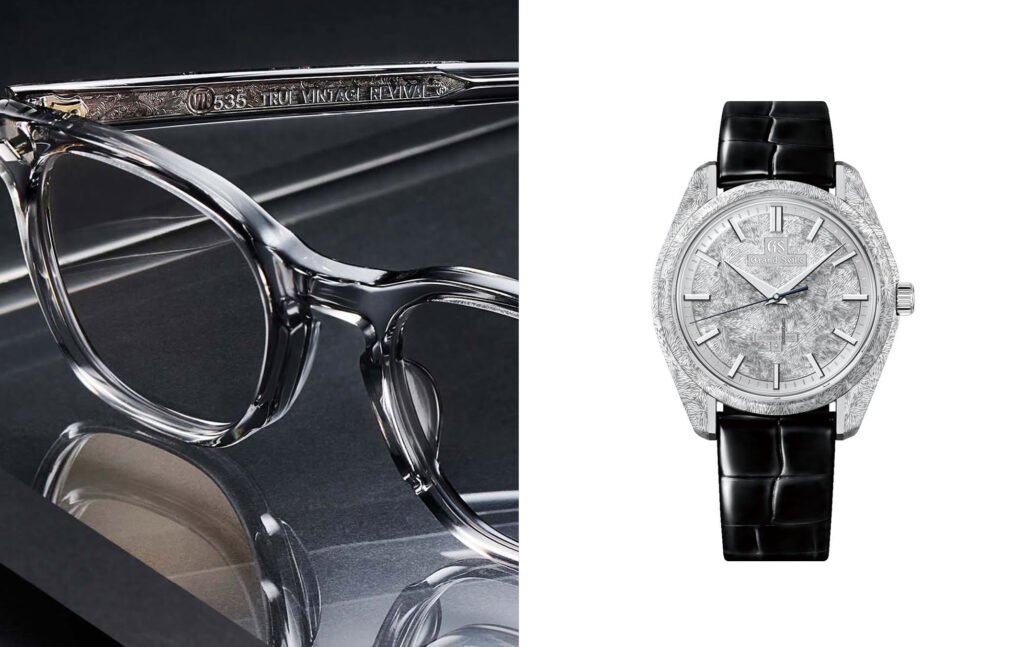
TVR × Grand Seiko
The association between TVR and Grand Seiko feels almost instinctive.
The same Japanese obsession with perfection, discipline and invisible detail exists within both.
These are products that do not necessarily impress immediately. But the longer you observe them, the more depth you begin to discover.
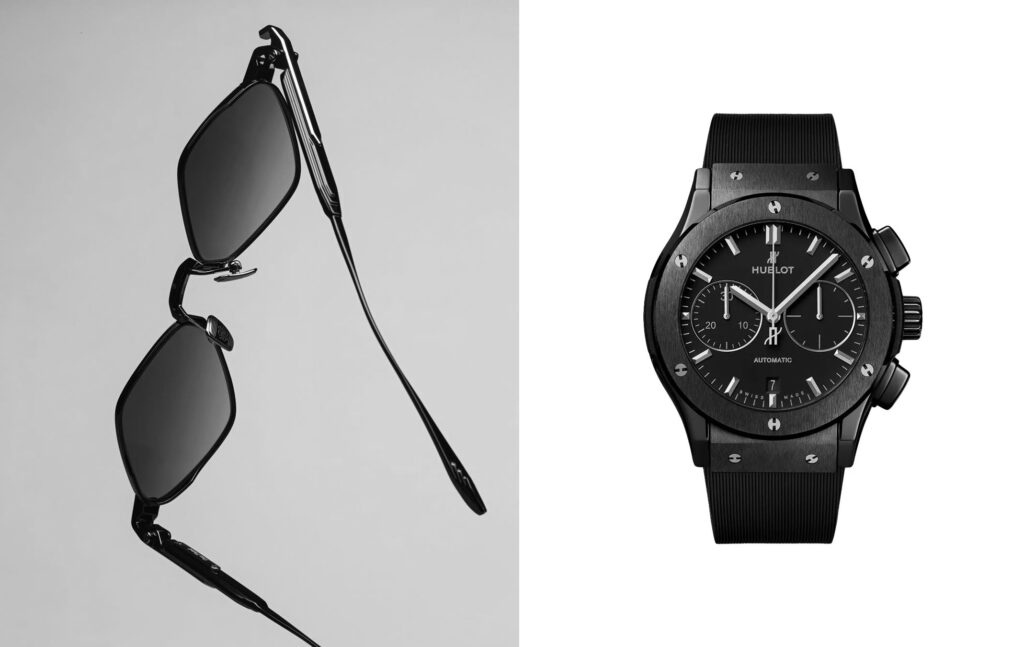
John Dalia × Hublot
John Dalia can be compared to Hublot through its ability to transform luxury into a bold visual statement.
Strong volumes, aggressive presence, luxurious materials and highly recognizable aesthetics define both brands.
It is the same philosophy Hublot introduced through its “Art of Fusion” concept: unapologetic modern luxury with a strong identity.
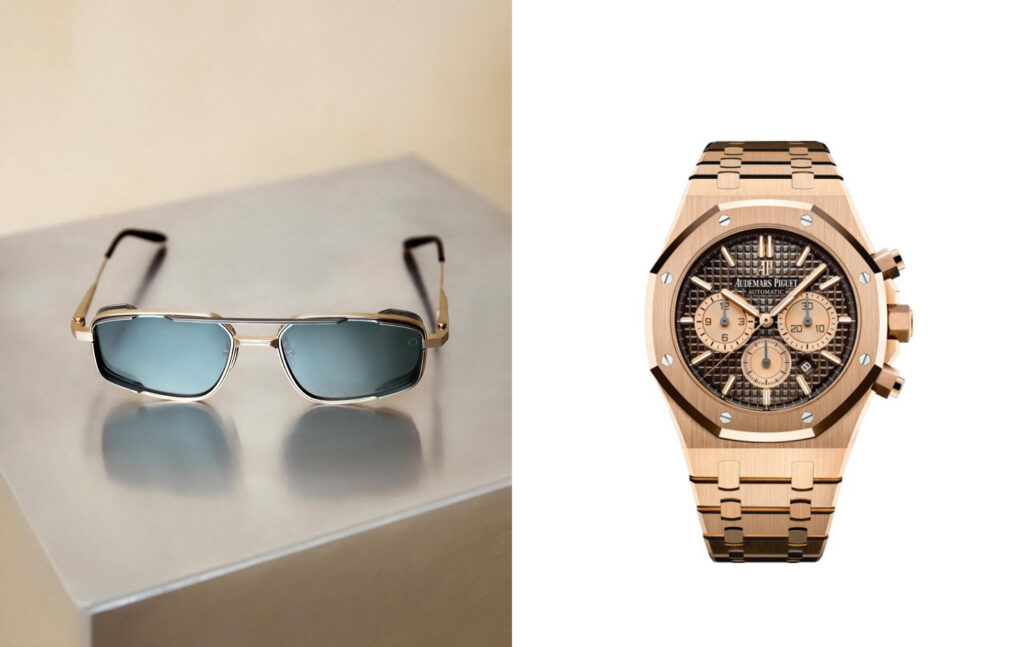
Akoni × Audemars Piguet
Akoni shares many of the same principles found in Audemars Piguet.
Architectural forms, brutalist edges, sharp geometry and an almost industrial sense of luxury.
There is a visible tension between engineering and elegance that defines both universes.
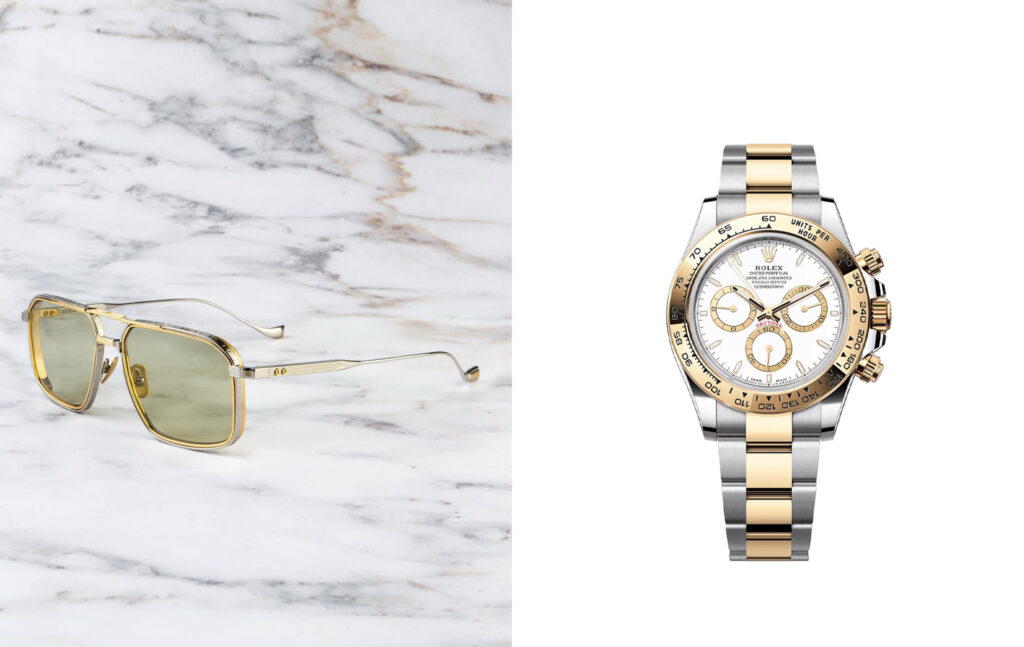
Cutler and Gross × Rolex
Cutler and Gross can only really be associated with Rolex.
Classic. British. Heritage-driven.
A brand whose identity became so strong that it eventually evolved into a cultural standard.
Rather than constantly reinventing itself, it refines and preserves its own codes exactly what Rolex has mastered for decades.
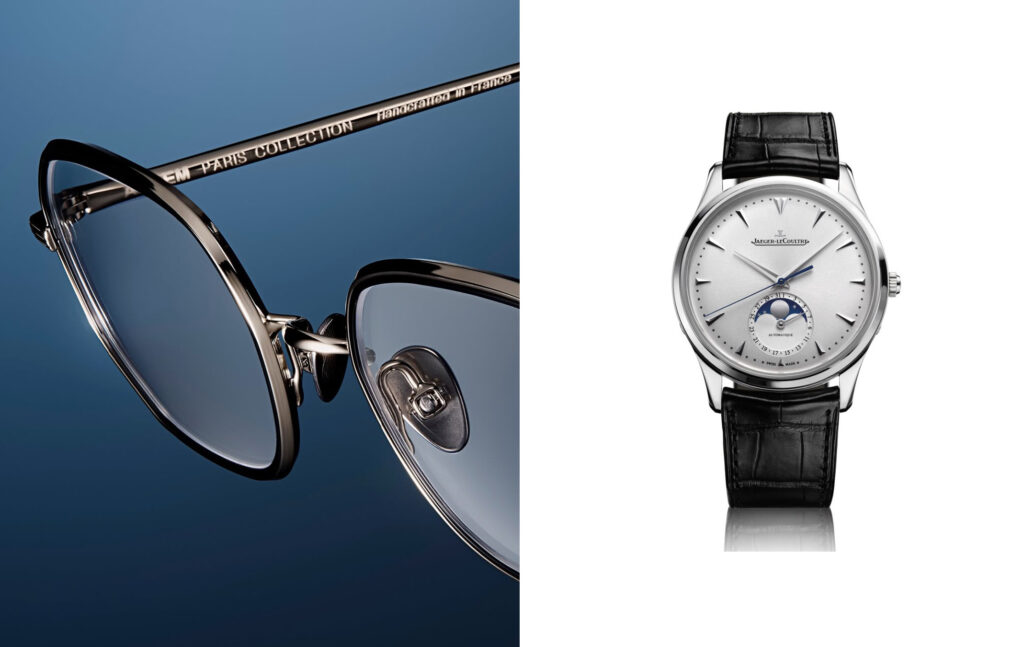
Ahlem × Jaeger-LeCoultre
Ahlem reflects the same sophisticated minimalism found in Jaeger-LeCoultre.
Clean lines, precise proportions and subtle Bauhaus influences define both. At the same time, the outer rim of Ahlem frames carries a clear inspiration from the case edges found on Jaeger-LeCoultrewatches.
It is the type of design that appears simple, yet is incredibly difficult to execute correctly.
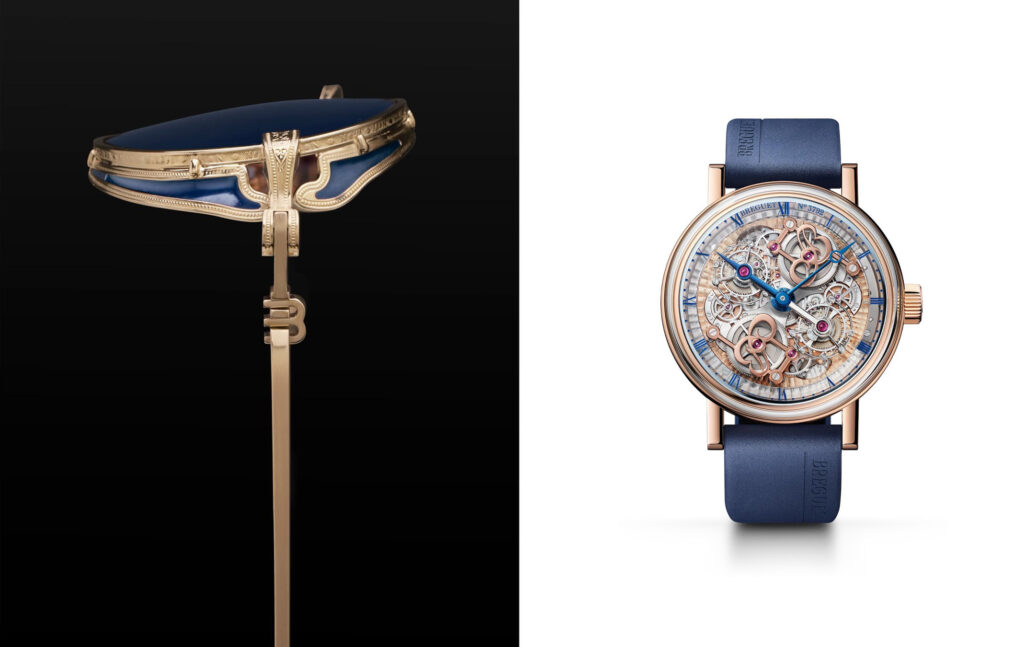
Matsuda × Breguet
Matsuda recalls Breguet through the complexity of its lines and the almost artistic level of execution.
Every detail feels sculpted. Every surface contains depth.
It is eyewear that transcends function and moves closer toward collectible object design.
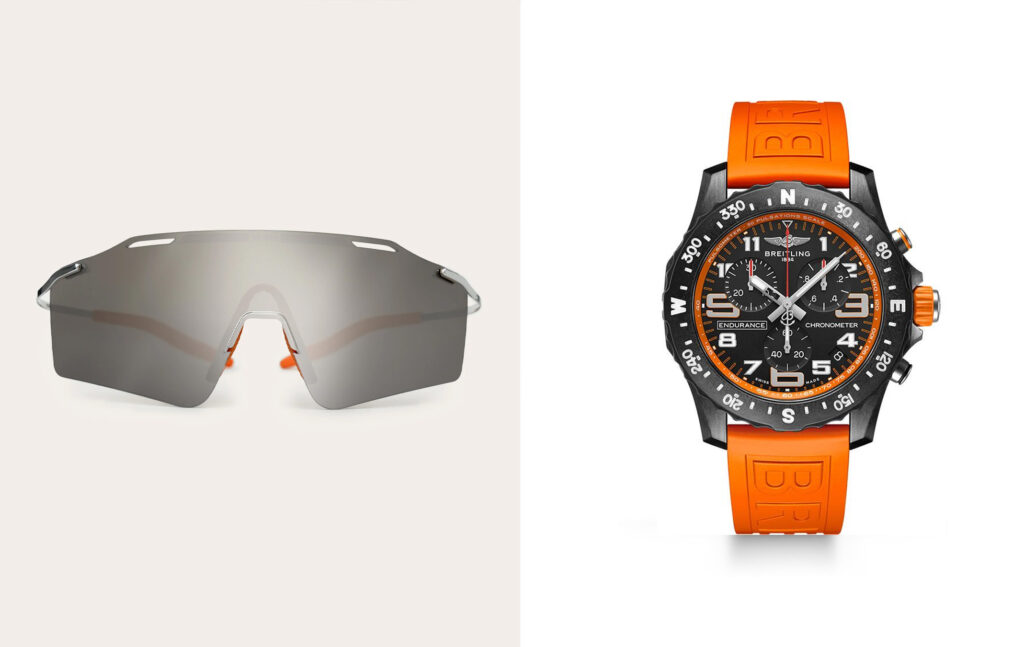
Kuro Athletics × Breitling Professional
Kuro Athletics naturally aligns with the Breitling Professional Endurance Pro through its balance of performance, technical precision and contemporary sport aesthetics.
Both operate in a space where functionality becomes part of the visual identity. Lightweight construction, comfort, durability and modern ergonomics are not secondary elements, they are central to the design philosophy.
The orange rubber strap version of the Endurance Pro especially reflects the same energy found in Kuro Athletics: dynamic, athletic, highly engineered and unapologetically modern.
Beyond the Product
Of course, the list could continue endlessly.
But when viewed through this perspective, the industry becomes much easier to understand. This is exactly what we search for: DNA, coherence and the ability for a brand to create its own visual language.
Because true value in eyewear does not come from logos, hype or marketing.
It comes from identity.
And the moment you can naturally associate an eyewear brand with a major house of haute horlogerie, it usually means there is something authentic behind it, something built with vision, culture and a deeper understanding of creation itself.



 English
  French
  Italian
  Spanish
  Portuguese
  German
  Korean
  Japanese