

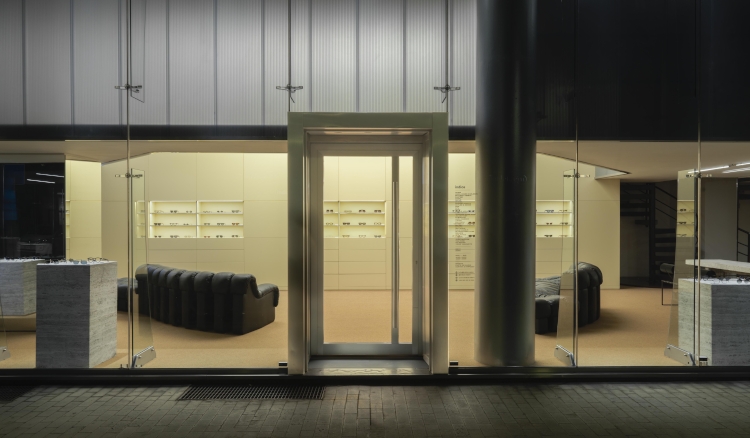
Luxury, for years, has been moving toward frictionless convenience. E-commerce, automated tools, all designed to remove time, reduce effort, and optimize the purchase journey. But in doing so, something essential has been diluted. The experience has become efficient, but increasingly indistinguishable.
Today’s high-value consumer is beginning to reject that uniformity.
The new expectation is not speed, it’s relevance. Not access, but connection.
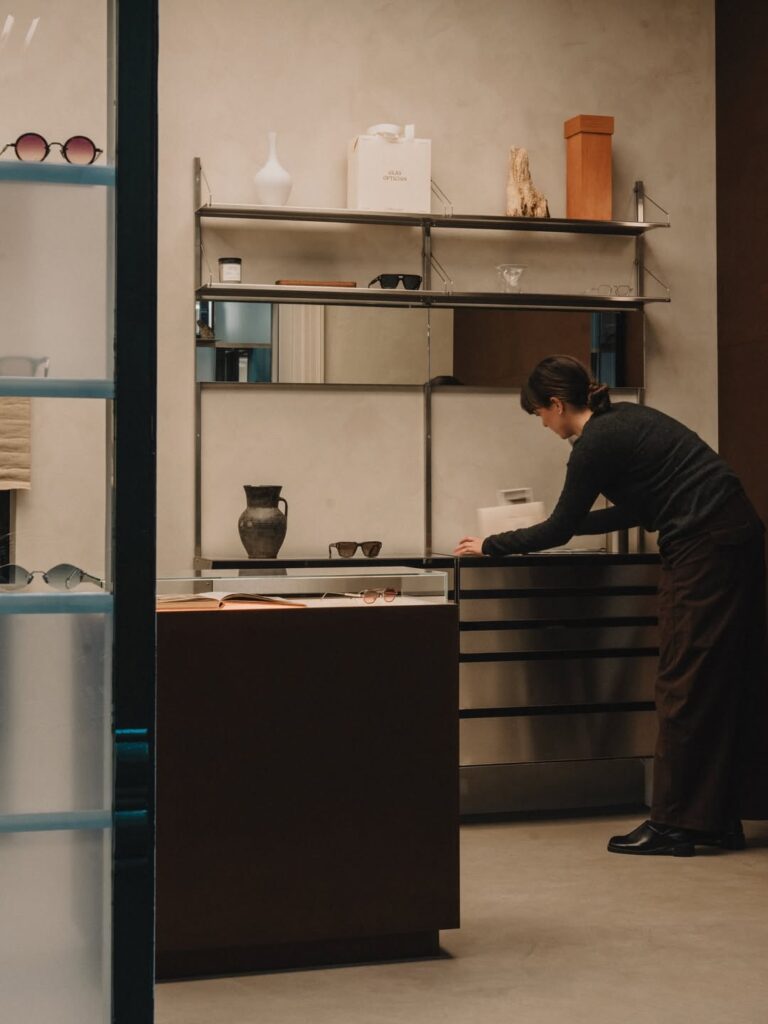
The most resilient luxury categories have already understood this. They are not just selling objects; they are orchestrating moments that require physical presence, trust, and dialogue.
The transaction is no longer the endpoint it’s a byproduct of a relationship.
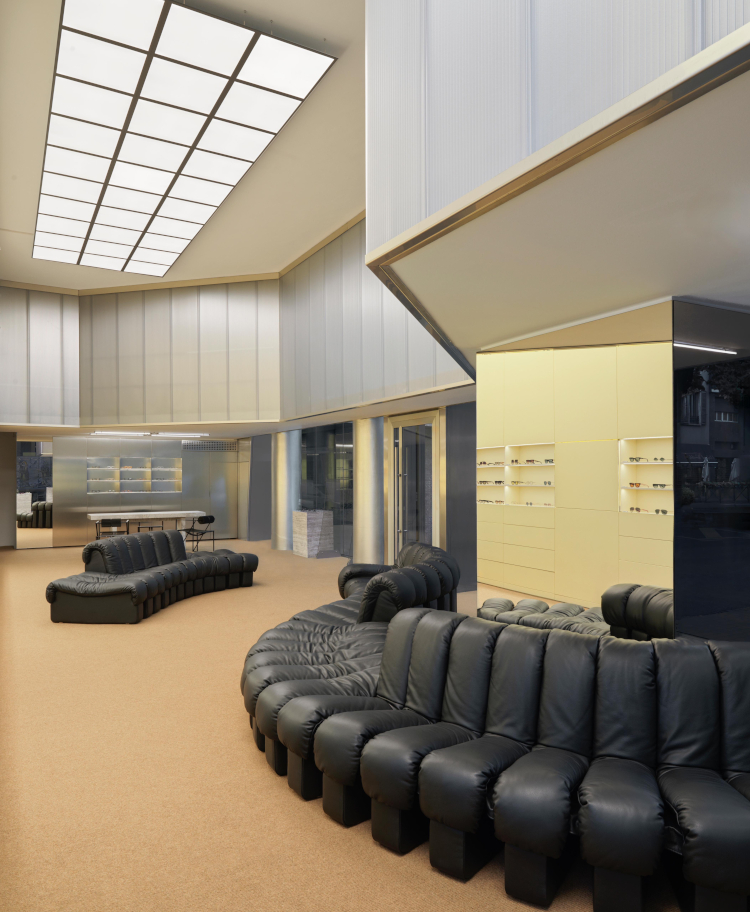
The Return of Presence
In an increasingly automated world, presence becomes a differentiator.
Consumers are not just purchasing products; they are seeking reassurance, that someone understands their context, their taste, their intent.
That someone is accountable. That someone is there.
Digital channels still play a role, but they are no longer sufficient on their own.
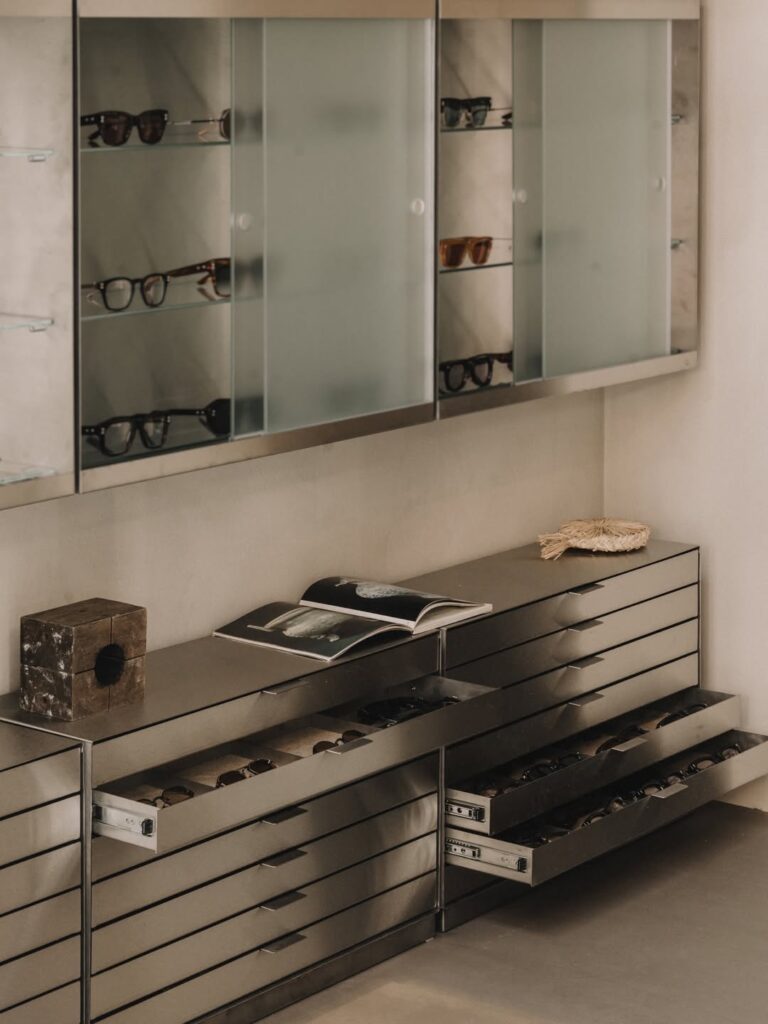
Email chains, chatbot responses, and templated interactions feel increasingly detached, especially in moments that require nuance or urgency.
What replaces them is not a rejection of technology, but a rebalancing. Technology supports; people lead.
The brands and stores that will define the next era of luxury are those that know when to step forward as humans.
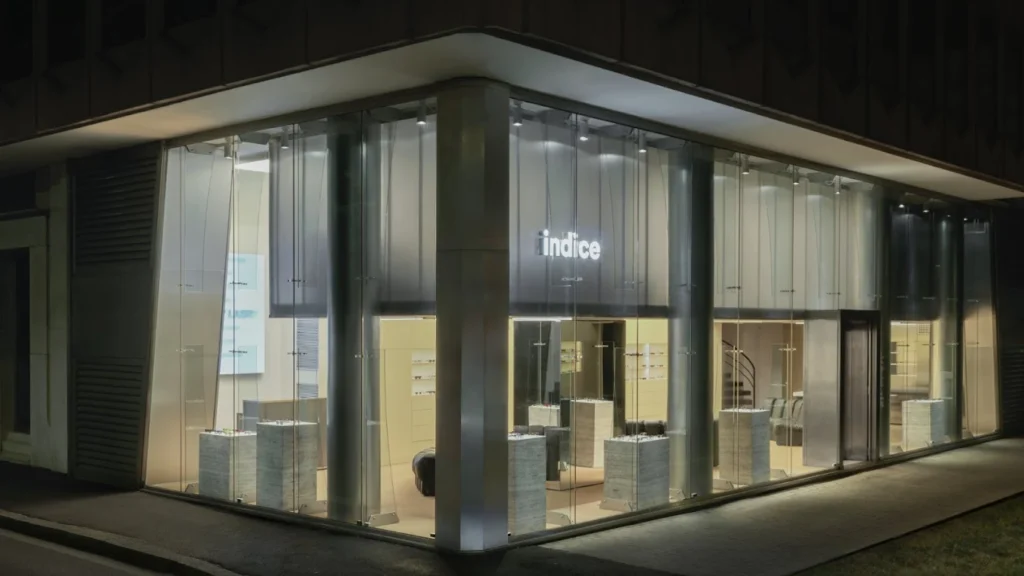
From Personalisation to Personhood
For years, “personalisation” has been the industry’s answer to individuality. Algorithms track behavior, segment audiences, and anticipate needs. But predictive systems, no matter how sophisticated, operate on past data not present nuance.
They can suggest, but they cannot perceive.
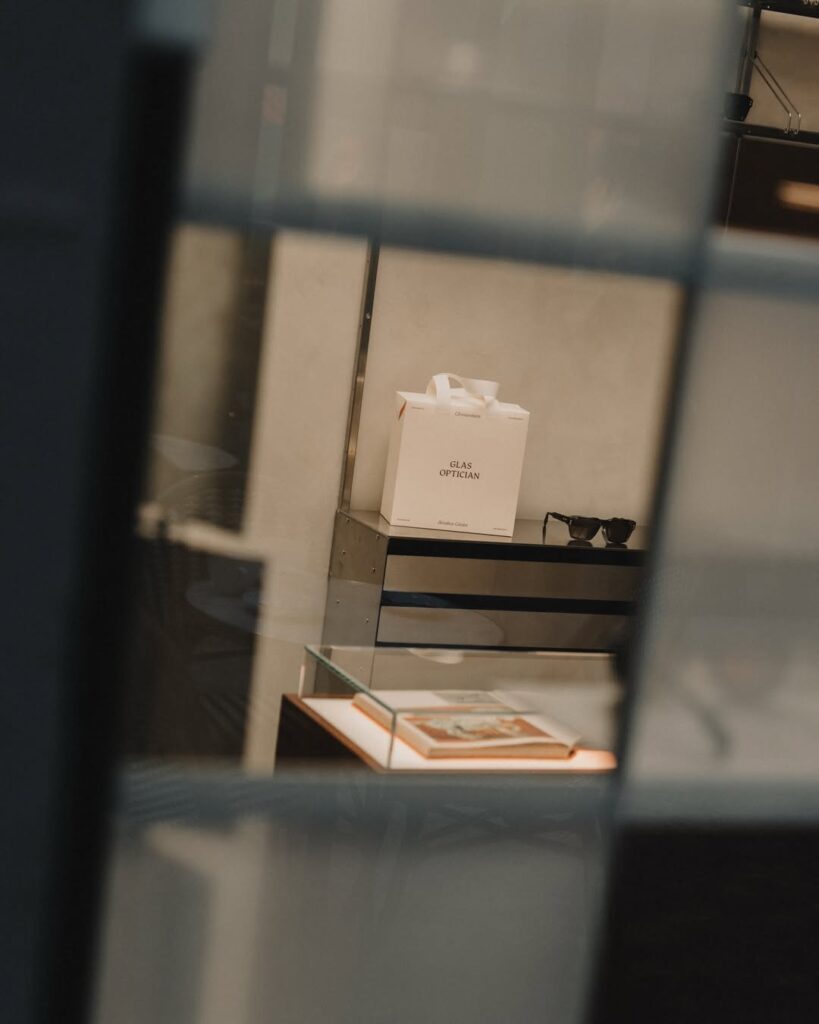
Optics as a Case Study in Intimacy
Eyewear sits in a uniquely sensitive space within luxury. It is both functional and deeply personal positioned on the face, shaping identity as much as vision.
Here, the role of the curator becomes central. Not as a salesperson, but as an interpreter of taste.
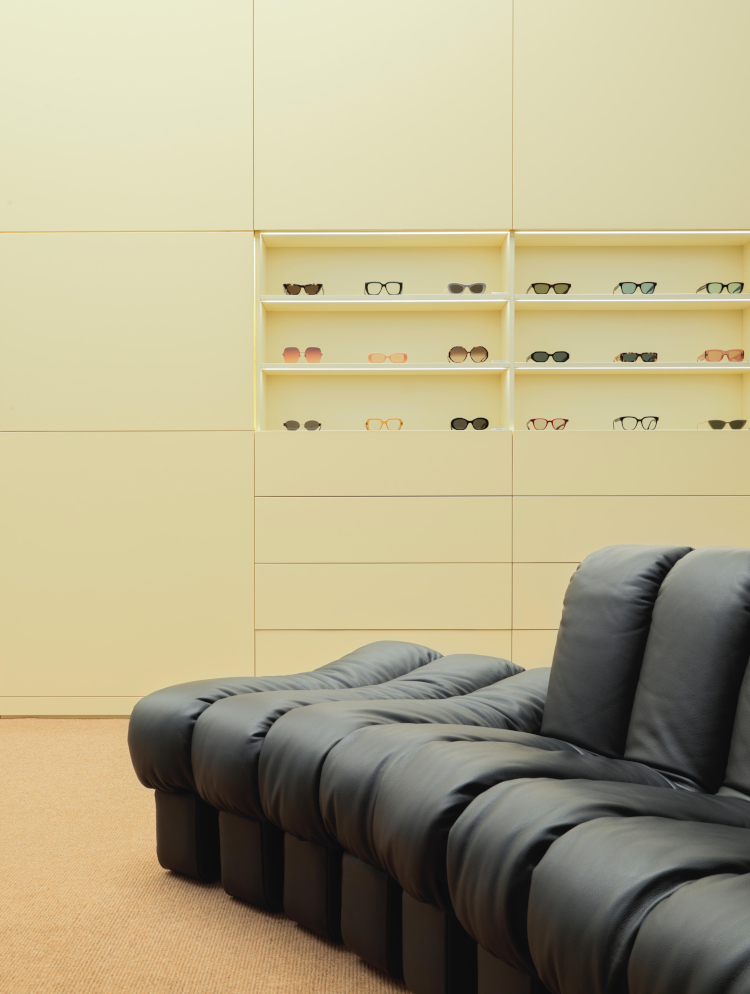
The process shifts from browsing to dialogue. From comparison to understanding.
And importantly, from anonymity to recognition.
The future of luxury will not be defined by who can reach the most people, but by who can matter most to each individual.
And in that future, the rarest luxury left will not be access, speed, or even exclusivity.
It will be a real person, fully present, paying attention.

 English
  French
  Italian
  Spanish
  Portuguese
  German
  Korean
  Japanese