

Fashion doesn’t start on the runway it starts on screen.
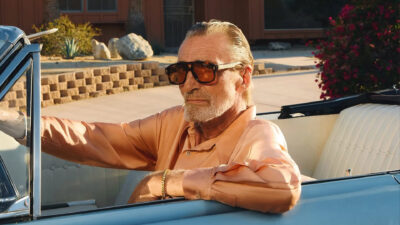
For decades, film and television have dictated what matters. When American Gigolo hit theaters, it didn’t just make Giorgio Armani relevant it redefined modern menswear. In eyewear, Matsuda found cult immortality through Terminator 2: Judgment Day. And more recently, Jacques Marie Mage mastered cultural precision via Succession, a perfect alignment of product, power, and narrative.
The rule has never changed: it’s not about being seen. It’s about being seen in the right story.
Now, a new shift is unfolding and most of the industry is missing it.
After nearly 20 years, The Devil Wears Prada is returning, arguably the most culturally loaded fashion film franchise of its time. But this time, the spotlight isn’t on a legacy luxury house. It’s on an independent eyewear brand from Brazil: Lapima.
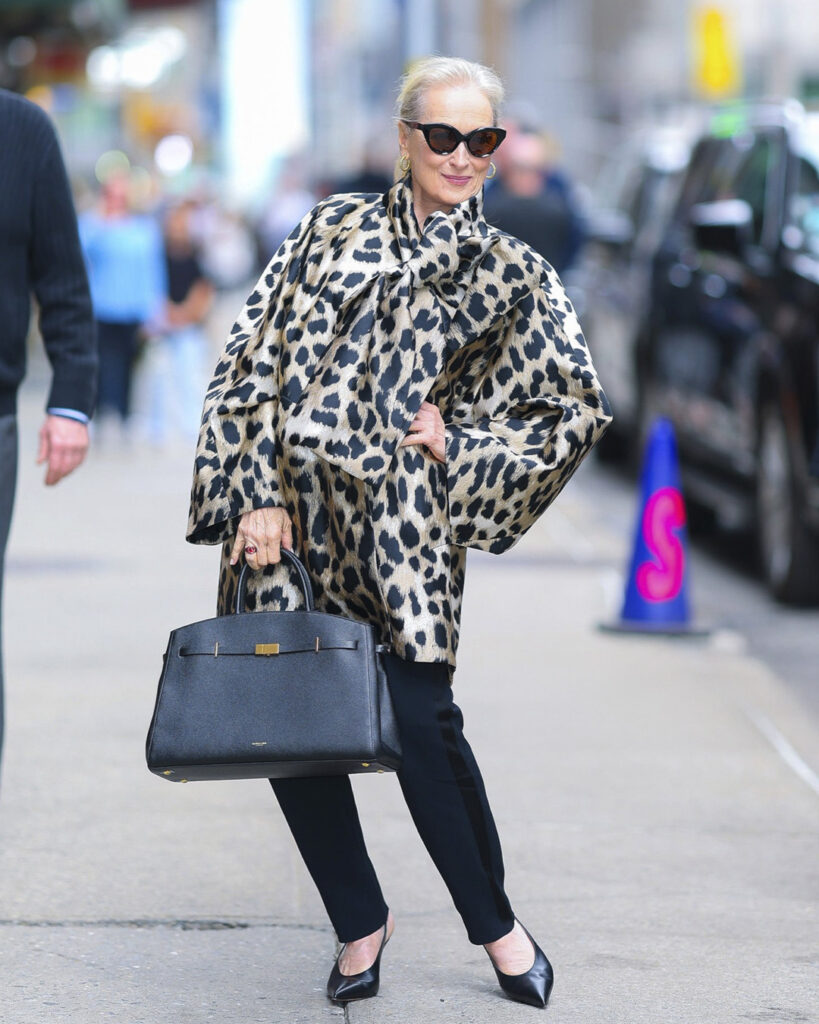
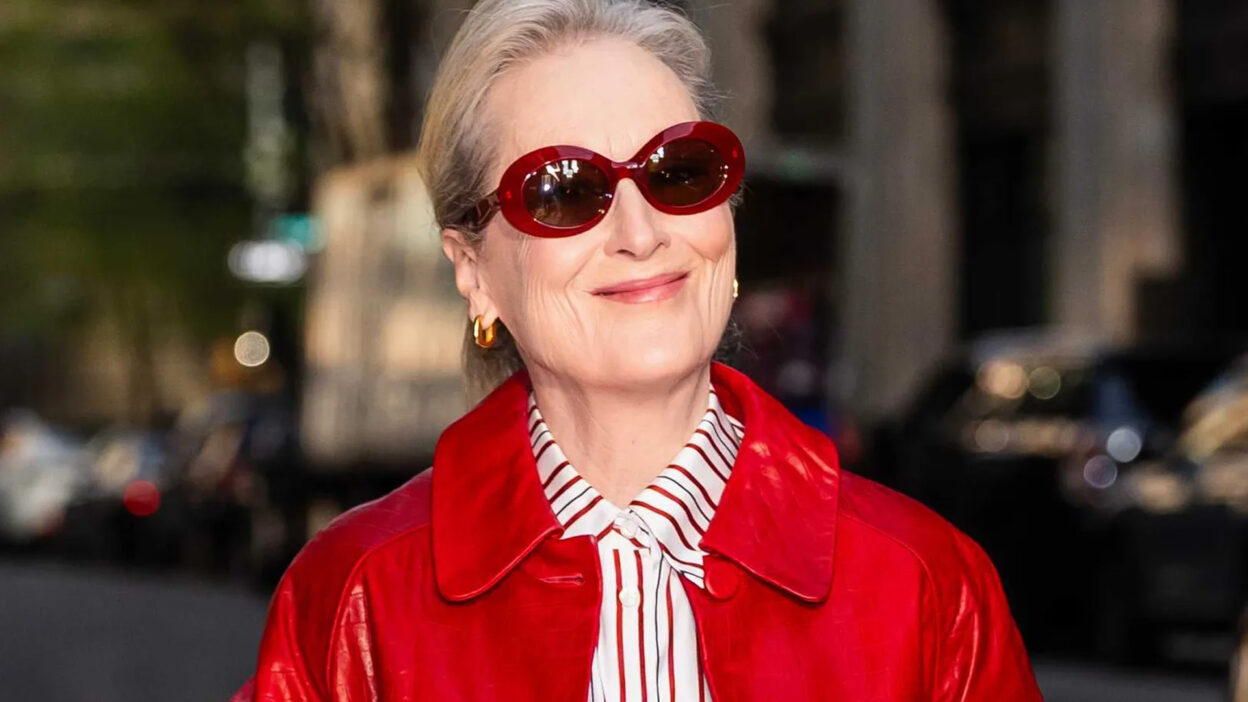
Meryl Streep the ultimate symbol of editorial authority has been wearing Lapima throughout the film’s press tour. Not as a one-off. Not as a paid placement. But consistently.
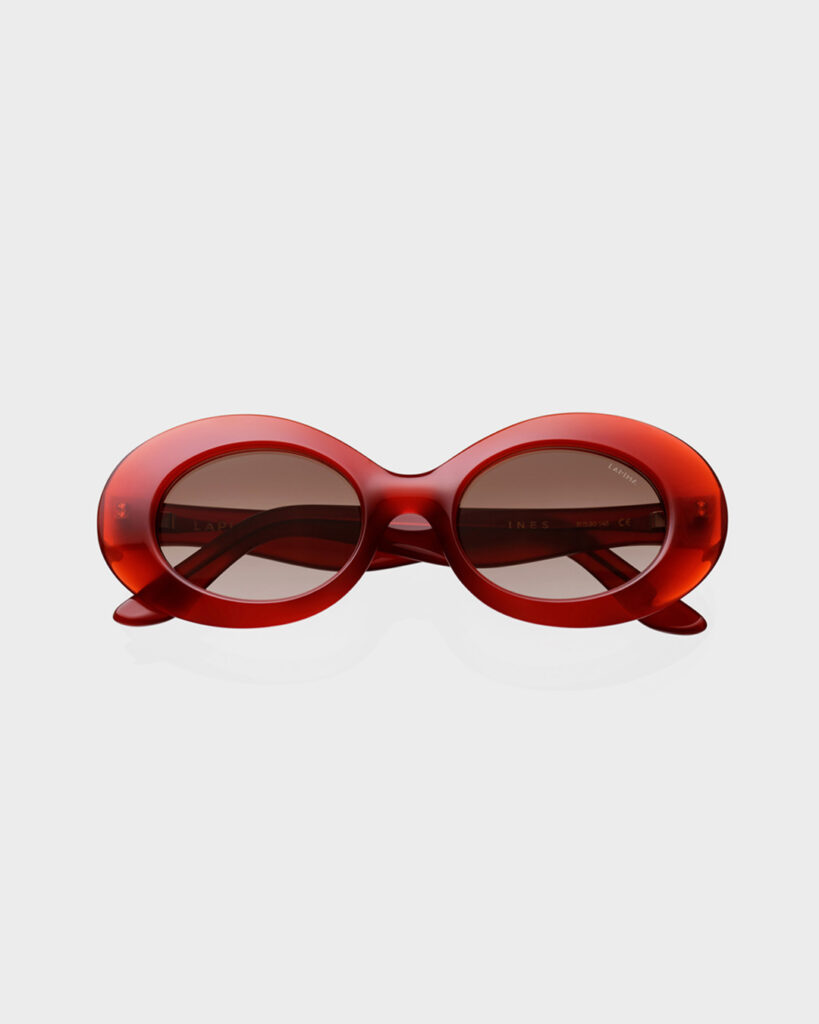
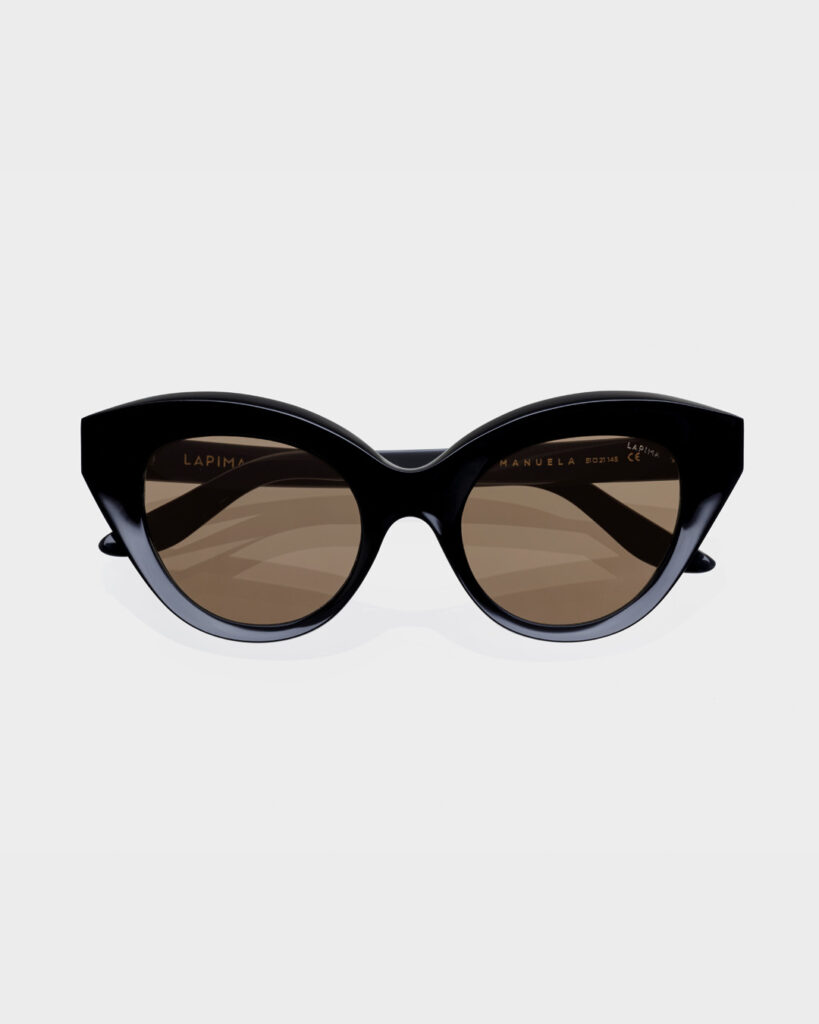
On Good Morning America, she appeared in the Inês model in bold red acetate visually synced with the film’s iconic color code. Weeks earlier, on The Late Show with Stephen Colbert, she chose the Manuela Black Solid. The message is subtle but sharp: power no longer needs logos.
Lapima, founded in 2016, operates outside the traditional luxury machine small-batch production, controlled distribution, and a strong design identity. Yet it’s now sitting inside one of the most influential cultural vehicles in fashion history.
This isn’t luck. It’s positioning.
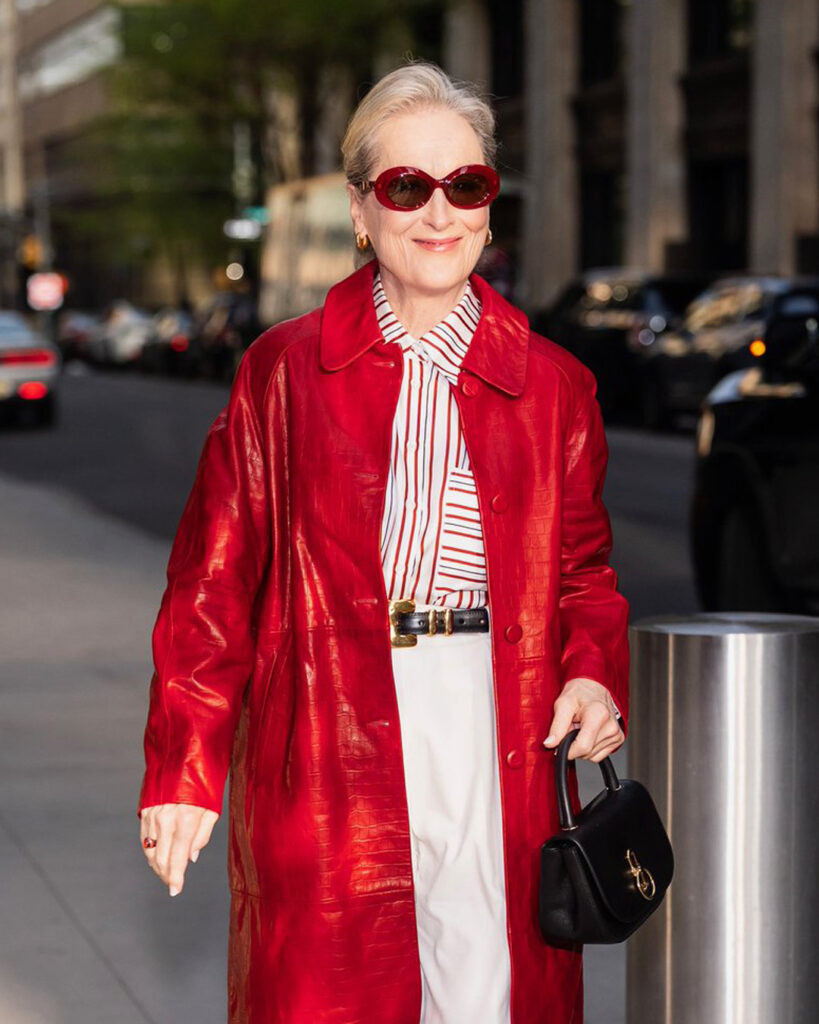
And it signals something bigger: Hollywood is quietly shifting away from conglomerate-driven visibility toward independent brands with narrative authenticity. The era of obvious sponsorship is fading. What replaces it is far more effective.
Because when culture chooses you organically, you don’t just participate in trends.
You define them.

 English
  French
  Italian
  Spanish
  Portuguese
  German
  Korean
  Japanese